





Before we begin, I'm going to state one thing up front. This post assumes that you're in affiliate marketing for the money, and not out of genuine love for the products you want to sell. When you're passionate about what you're selling, you're limited in what you're willing to offer. You don't go after the most valuable, highest converting offers; you go after offers for products you know, love, and can recommend in good faith.
Passionate marketers shine, and they can have very successful sites. So can marketers pursuing the dollar over the recommendation, but they have a harder time with the sales pitch. Passion comes through in the content you produce and the marketing you implement.
This post is all about the people who want to optimize every penny they get. You want high value, high converting offers on high quality sites as much as possible, to make as much as possible.
Before I get to the list, I'll give you some things to keep in mind as an affiliate marketer, in order to maximize your conversion rate. There will be some other tips after, for optimizing your marketing after you've chosen your offers. For context, the average conversion rate across all affiliate networks sits around 2.5%, with top-performing networks hitting closer to 5%. The best affiliates - those with highly targeted audiences - can push that to 5-10%. That's the benchmark you should be working toward.
Key Takeaways
- Amazon dominates affiliate marketing with 46% market share, converting well due to its 24-hour cookie covering all purchases.
- CPA networks like MaxBounty boost conversions by paying for actions like signups, not just completed sales.
- Targeted audiences of 50,000-100,000 followers often outperform larger, loosely targeted audiences in click-to-order conversion rates.
- Cheap physical products typically convert better than expensive or digital items, though pricing below $10-$15 creates friction.
- Conversion rate alone is misleading; metrics like earnings per click and customer lifetime value provide a fuller performance picture.
Cheap Items Convert More Than Expensive Items

If all you're concerned about is your conversion rate, chances are you'll want to pick something in the lower dollar values - not that you earn, but that it costs. People are a lot more likely to impulse buy something that costs $5, particularly if it's a good deal, than they are to up and purchase a $100 or $500 item. Of course, you can get more value per sale from the more expensive items. It's the difference between a dollar store squirt gun and a water balloon. The gun can shoot you a lot but won't get you very wet each pull of the trigger. The water balloon will soak you but takes more preparation and only has one shot. For a deeper look at how price points affect earnings, see high vs low priced Clickbank products.
The caveat to this is that you don't want to go too cheap. Below a certain threshold - roughly $10 to $15 in 2026 - people don't want to take the time to fill out all the forms it takes to buy online. Following best practices for optimizing registration forms can help reduce that friction. They'll also be worried about shipping for physical items; the shipping on a $1 item is typically higher than the cost of the item, making it not worth the deal. Plus, if you're promoting an item with a "value" of $20 but you're selling it for $1, they'll be skeptical of its quality. You have a lot of problems to surmount, in other words.
Physical Items Convert More Than Digital Items

This, of course, depends a lot on the items in question. Some digital items will convert at a very high rate, while some physical items will have very low conversion rates. Part of it also depends on the way you've set up your website and the people you bring in.
A good deal on a physical item is harder to find, typically, because they operate on low margins. Many companies make only a dollar or two on a lot of products, so it's difficult to offer deals without taking a loss. It's even harder to pay affiliates for leads or customers, while offering a deal, and still making a profit.
All this means that when you can offer a decent deal on a physical product, it's harder to match, so you have more people interested in your offer.
More Traffic Isn't Always Better

If you have 100 people visiting your site, and 10 of them convert, you have a 10% conversion rate. If you then go out and buy a bunch of traffic, so you have 1,000 people come visit, but most of those people aren't interested and only 20 of them convert, your conversion rate has dropped to a meager 2%.
If you're concerned about conversion rate, you are by definition not concerned about traffic volume. Instead, you should be concerned about the quality of the traffic coming in to your site. Ideally, you'll want as many highly targeted users as possible, which means your marketing needs to be narrow and precise. You're a sniper, not a bombing run. You need to hit people as close as possible to when they want to buy what you have to sell, so they're very likely to buy from you.
It's worth noting that research shows affiliates with audiences in the 50,000-100,000 follower range actually achieve some of the highest click-to-order conversion rates. Bigger isn't always better - a focused, mid-sized audience often outperforms a massive but loosely targeted one. See how real-world calls to action convert across different audience sizes.
Narrow Niches Convert More

The holy grail of the affiliate marketer is to find an offer for a niche that has enough appeal to have a following, but not so much that a thousand other marketers have gone in trying to monetize it. You're looking for a niche with low competition, but enough people interested in it to make it worth your while to set up a site and run ads.
If you're going for conversion rate, you're going to want to avoid the biggest offers, and the smallest. The smallest will need high volume to make any decent money, and high volume means low conversion rates. The largest will have a ton of competition, as well as being hard to sell.
Don't Over-Specialize
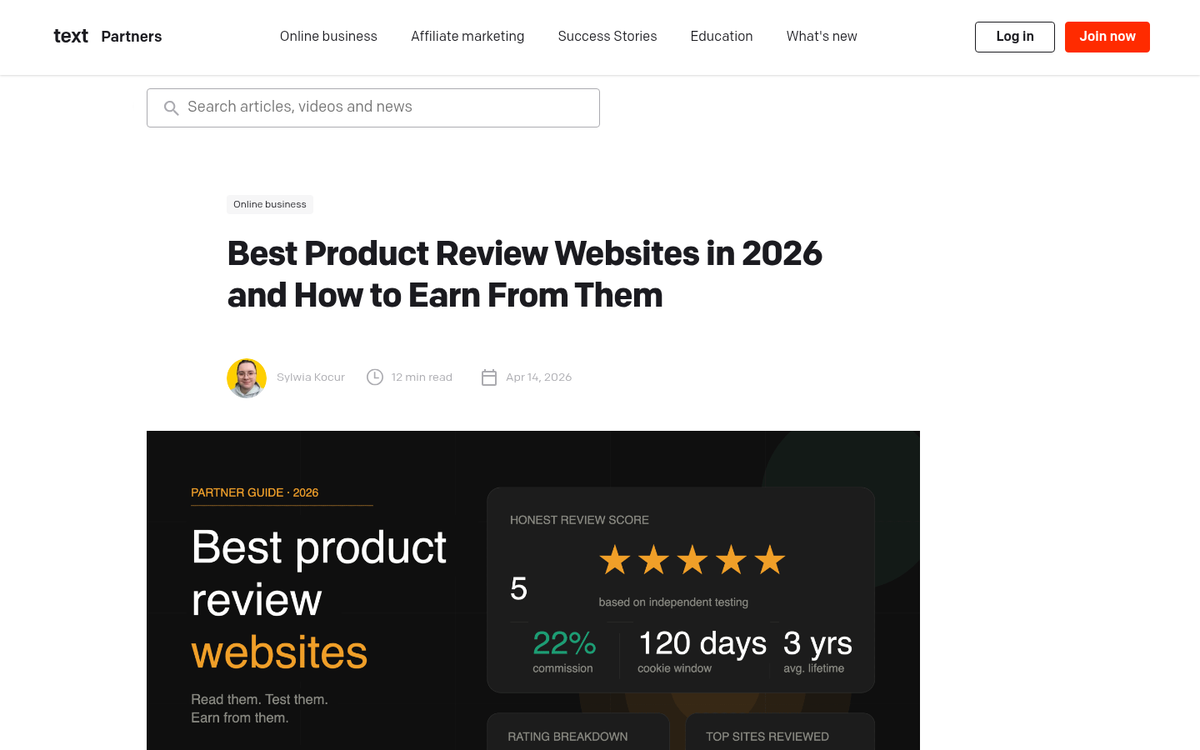
The more you specialize in one product, the less people will be inclined to buy. People like to have options, to a certain extent. You need to avoid the choice paralysis that comes from having too many choices, but you can't restrict users to just one choice lest you make them feel like you're not giving other options a fair shake. That's why so many affiliate sites have offers for competing products; making a top 3 review list gives people options to choose from, and gives you income from several sources.
Now, on to the list.
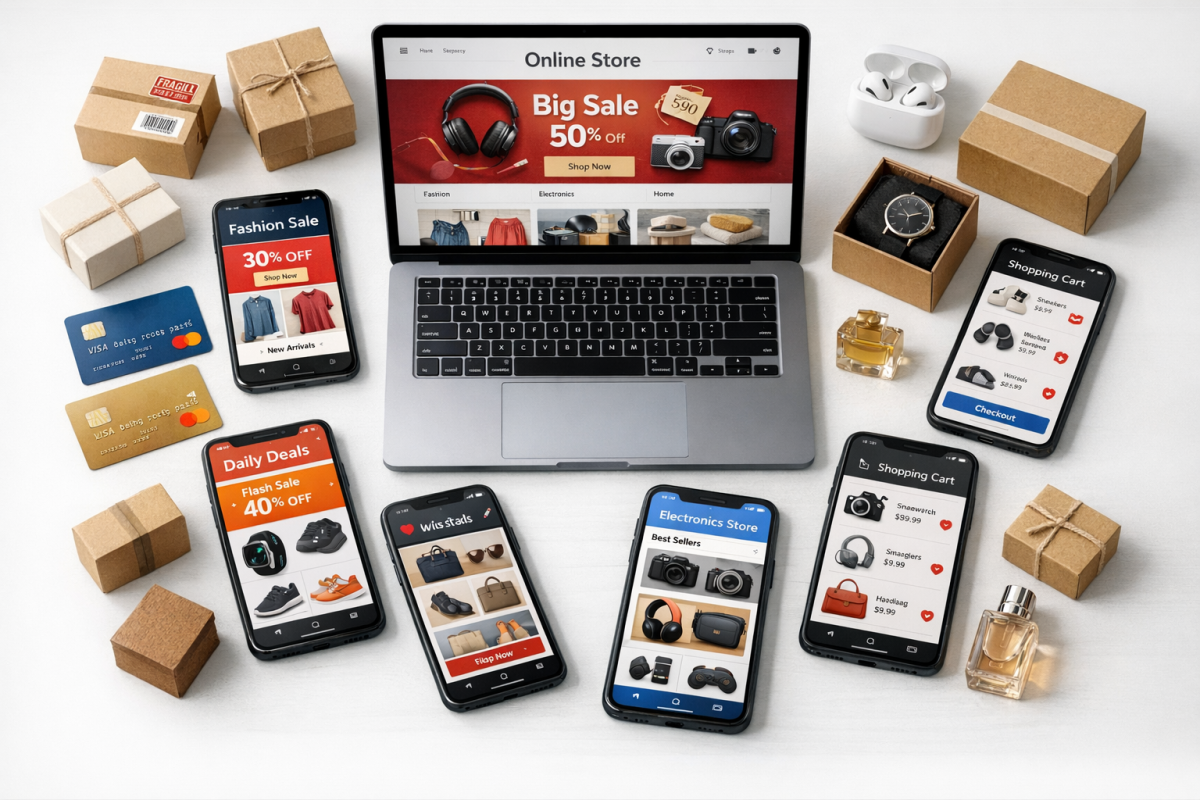
Amazon remains the dominant force in affiliate marketing, holding roughly 46% of the global affiliate marketing market share and used by nearly 58% of all affiliates. That dominance exists for good reason. Amazon has an enormous product catalog, and the program still works on a cookie basis - when a user clicks your link, anything they buy on Amazon within 24 hours earns you a commission, not just the product you promoted. This is a big part of why it converts so well. The downside remains the commission rates, which are on the lower end and vary significantly by category. Some categories like luxury beauty pay reasonably well, while others like video games are quite thin. Still, the sheer volume and trust Amazon carries makes it a staple for most affiliate marketers. If you're looking for alternatives to the Amazon Associates program, there are plenty worth exploring.
Clickbank is one of the older affiliate networks around, used by around 25% of affiliates, and it has evolved considerably over the years. It still leans heavily toward digital products - online courses, software, and informational packages - but its marketplace has matured and cleaned up significantly compared to its earlier days when it was flooded with low-quality offers. On the upside, many offers include recurring commissions for subscription-based products, which can add up nicely over time. Commission rates tend to be much higher than physical product networks, often 30-75%, which can offset the trickier conversion challenge that comes with digital products. If you're weighing your options, a look at Clickbank vs Commission Junction can help you decide which earns more for your situation.
Formerly known as Commission Junction, CJ Affiliate remains one of the largest and most established affiliate networks on the internet, used by around 21% of affiliates. They work with major household brands, which gives you access to well-known advertisers that users already trust - and trust converts. The platform has improved its reporting and deep-linking tools considerably in recent years, making it easier to track and optimize performance. It can still be tough to get accepted into individual programs within the network, but once you're in, the quality of offers is generally high. CJ is also strong internationally, making it a solid option if you have audiences outside the US.
4. Apple Services Performance Partners
What was once known as the iTunes Affiliate Program has been rebranded and expanded into Apple's broader Services Performance Partners program. You can still promote music, movies, books, and TV shows, but the program now extends to Apple Podcasts, the App Store, and Apple TV+. If you run a media review site or tech-adjacent content, this remains a solid supplemental income stream. Commissions are modest, but Apple's brand trust is about as high as it gets, which helps with conversion.
JVZoo continues to be one of the larger affiliate networks that flies under the radar on most top lists. It's particularly strong in the digital marketing, software, and online business niches. One of its standout features remains the ability to list and sell your own products through the network while simultaneously promoting others - making it both a publisher and advertiser platform in one. If you're in the make-money-online or SaaS space, JVZoo is worth a serious look.
MaxBounty is a CPA (cost-per-action) network, which means they pay you for qualified leads and actions rather than just completed purchases. This can mean getting paid for email signups, free trial registrations, quote requests, and more - not just sales. When you're trying to maximize conversions, CPA networks like MaxBounty are particularly compelling because the barrier to conversion is lower. MaxBounty has a solid reputation for paying on time and maintaining offer quality, and they've expanded their vertical coverage significantly in recent years. For ideas on how to put it to work, check out these ways to promote MaxBounty affiliate offers.
7. eBay Partner Network
eBay's affiliate program gives you access to hundreds of millions of live listings across virtually every product category imaginable. The platform is well-known and trusted, and because listings include auctions and fixed-price items, there's often a genuine sense of urgency that can help push conversions. Commission rates have fluctuated over the years, so it's worth keeping an eye on the current rate card for your categories. It works best for content around niche collectibles, used goods, or hard-to-find items where eBay specifically shines over competitors like Amazon.
ShareASale, now operating under the Awin group, remains one of the most versatile mid-sized affiliate networks available, used by around 22% of affiliates. It combines traditional product-sale commissions with CPA-style lead generation offers, giving you flexibility depending on your audience and content style. The network has grown its merchant base considerably and now covers a wider range of niches than it once did - though fashion, home goods, and lifestyle categories are still particularly well represented. The reporting tools have improved, and the overall interface is much cleaner than it used to be.
Skimlinks remains a smart choice for content-heavy sites that want to monetize naturally without manually managing dozens of affiliate relationships. It works by automatically converting regular product links in your content into affiliate links across a network of thousands of merchants. There's no need to individually apply to each merchant program - Skimlinks handles that relationship for you. It's particularly well-suited for editorial sites, blogs, and publishers where commerce content is woven into articles rather than presented as standalone review pages. The trade-off is that Skimlinks takes a cut of your commissions, but the time saved managing partnerships can easily be worth it at scale.
Impact (formerly Impact Radius) has emerged as one of the premier affiliate and partnership management platforms, and it deserves a spot on any current list. Major brands like Uber, Airbnb, Adidas, and many others run their affiliate programs through Impact. The platform gives affiliates access to high-quality, recognizable brand partners with strong conversion potential built in. The interface is modern, the tracking is reliable, and the partnership tools go beyond simple affiliate links into broader collaboration opportunities. If you're running a serious affiliate operation in 2026 and you're not on Impact, you're likely leaving money on the table.
Now, let's move on to a few tips you can use once you've selected your offers, to improve your site and your ability to sell them.
Invest in PPC
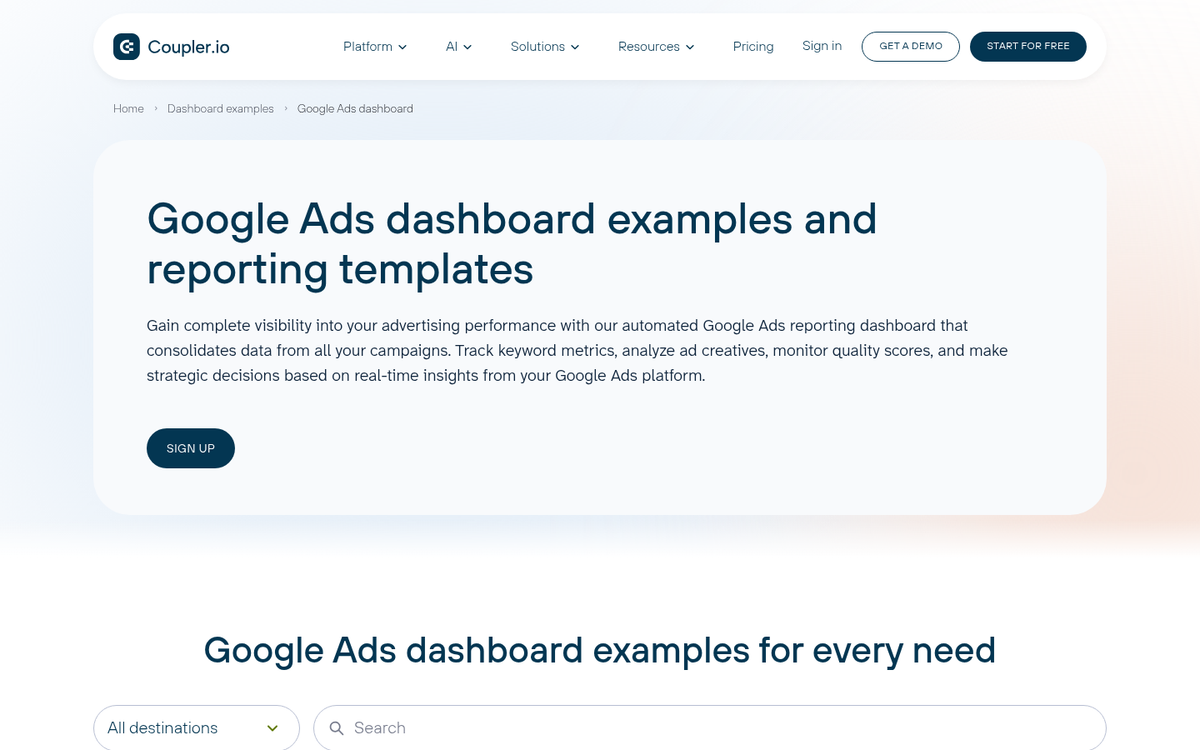
PPC is advertising you pay for, to get users to your site. A good PPC network has a lot of targeting options, to allow you to connect your ad with the exact people most likely to care about it. Google and Meta (Facebook/Instagram) remain the dominant players here, and both offer sophisticated audience targeting that has only gotten more powerful with AI-driven optimization tools in recent years.
Two things to keep in mind: most PPC networks, including Google and Meta, don't allow you to link directly to affiliate offers - you'll need a landing page or bridge page in between. And second, always track your cost per conversion carefully. If you're spending more acquiring a visitor than you're earning from them, no amount of traffic volume will save you. Balancing your PPC budget against other channels is worth thinking through as your strategy matures.
Invest in SEO
Good, targeted SEO remains one of the most powerful long-term traffic sources for affiliate marketers, but the landscape has shifted significantly. With AI-generated search summaries (like Google's AI Overviews) now appearing at the top of results pages, thin or purely transactional content is getting squeezed harder than ever. The affiliates winning in 2026 are those producing genuinely useful, experience-driven content that demonstrates real expertise. Focus on earning high-quality links, optimizing for search intent, and building content that answers questions better than anyone else in your niche.
Invest in Content

Content is the foundation upon which all the rest of your success is built. The bar for what ranks and converts has risen considerably - generic listicles and shallow reviews no longer cut it. Your content needs to be focused on people who are in a buying mindset, but it also needs to be genuinely helpful and trustworthy. First-hand experience, original testing, clear comparisons, and honest pros and cons are what separate content that converts from content that just sits there. Quality over quantity, always.
Build a Mailing List

Some of the best traffic you'll ever get comes from your mailing list. Email remains one of the highest-converting channels in affiliate marketing because you're reaching people who already opted in to hear from you. Building a list for an affiliate site means offering something genuinely valuable upfront - a useful guide, a curated deal newsletter, exclusive comparisons - and then consistently delivering value so subscribers don't tune you out. The effort to build it is front-loaded, but a quality email list compounds in value over time in a way that SEO and paid traffic alone cannot.
Track Clicks and Remarket
Remarketing lets you show ads specifically to people who have already visited your site or clicked your affiliate links but didn't convert. Because these users already showed intent, remarketing campaigns tend to convert at significantly higher rates than cold traffic. It's available through Google, Meta, and most major ad platforms - and when comparing platforms, it's worth understanding Facebook Ads vs AdWords for remarketing. Just remember to account for remarketing conversions separately when calculating your overall conversion rate - they represent a second bite at the apple, not a first.
Consider Tracking Metrics Other Than Conversion Rate
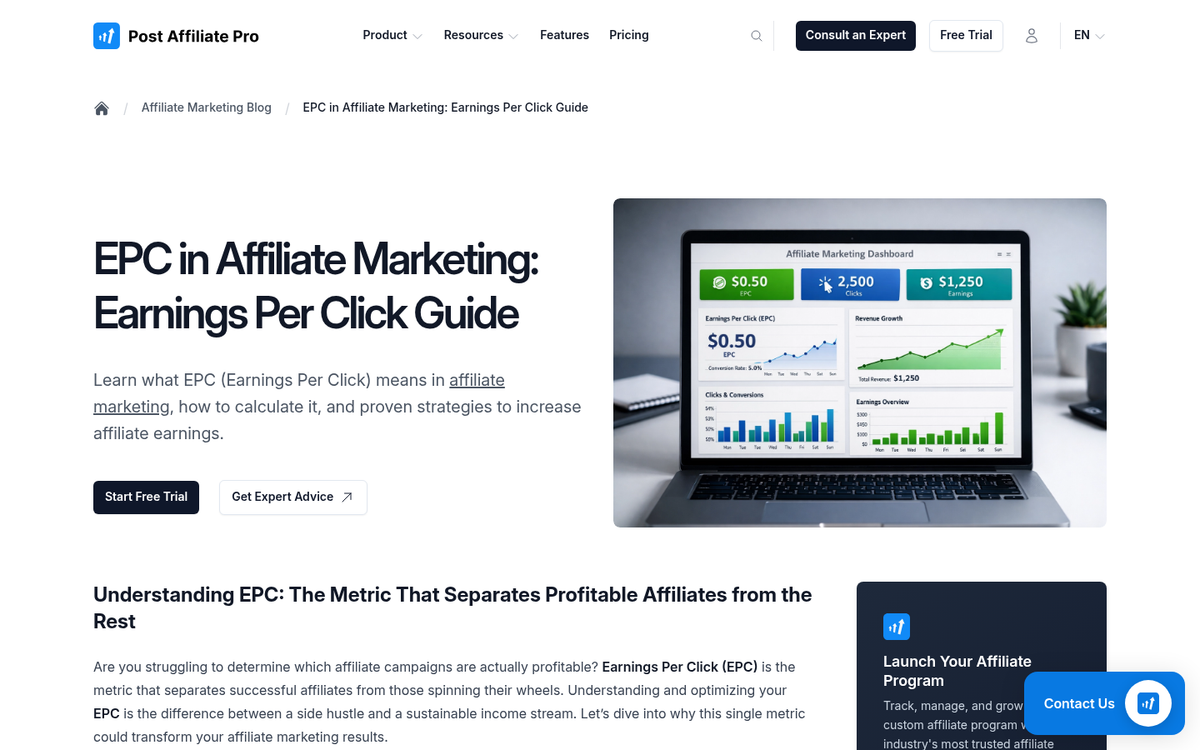
Honestly, conversion rate isn't always the best metric to measure. The affiliate marketing industry is now worth an estimated $17+ billion globally, and the marketers capturing serious portions of that aren't just chasing high conversion percentages - they're optimizing for earnings per click (EPC), average order value, customer lifetime value, and overall return on ad spend.
A 10% conversion rate on a $5 product is far less interesting than a 2% conversion rate on a $500 product. Track the full picture: revenue per visitor, profit after ad spend, and the long-term value of repeat buyers where applicable. Conversion rate is one useful signal, but it's not the whole story.


5 responses
Thoughtful replies only - we moderate for spam, AI slop, and off-topic rants.
Hei ! I think you are the right person in online marketing. Thanks for the great information.
Please give me some information about affiliate marketing.How can I get some conversion.Please email me .
Excellent article - so on the mark! I am an adwords and content conversion specialist, content marketer and author of Copywriting Essentials for Content Marketing and I very much agree with what you are saying. I find that doing your homework so you are targeting the right people - buyers - so you are attracting the right visitors is not only essential for conversions but also SEO which a lot of people are not really fully aware of. Writing content that preconditions people is critical for converting traffic, and you can follow a "template" to do this 🙂
How do you create a page to capture email without sacrificing focus from the affiliate offer?
The list helps me a lot.
That's wonderful to hear, Shafiul! We're so glad the list was helpful to you. Choosing affiliate programs with strong conversion rates can make a huge difference in your earnings, so it's great that you found the information useful. If you have any questions about any of the programs mentioned or need further guidance on getting started, feel free to ask in the comments. Wishing you the best of luck with your affiliate marketing journey! 😊