Viral traffic is a very specific kind of traffic.
For one thing, it comes out of nowhere. You can't predict when it'll hit, and you can't keep it around when the fad ends and people abandon your site for the next big thing. For another thing, it might not be made up of people who are actually interested in your site as a whole. Something brought them there - possibly a good video, a viral TikTok, or an infographic - but that doesn't mean they want to buy your product. Viral users are followers, they aren't buyers.
The numbers back this up. Social media traffic has a bounce rate of around 54%, and in many cases it runs 2-3x higher than bounce rates from direct or search traffic. One well-documented TikTok dropshipping case saw a 1.5 million-view viral video on a two-day-old account result in over 1,100 reached checkouts - but only 12 actual sales. That's a conversion rate of roughly 1%. Viral traffic is volume, not intent.
So what's the point? If viral traffic isn't made up of customers, it's a drain on your server resources and a temporary boost to your analytics dashboard. When it's all over, you might have a slightly higher base level of traffic than before the surge, but don't count on it. Going viral isn't necessarily even a good thing if it brings unwanted scrutiny or attracts an audience that has zero interest in what you actually do.
Ideally, you wouldn't count on viral traffic to be beneficial at all on its own. You should take advantage of it while it's there, do what only a high-traffic surge can do, and then let it go gracefully and fade back into the status quo.
Key Takeaways
- Viral traffic has extremely low purchase intent; one viral video with 1.5M views generated only 12 actual sales.
- Capturing email addresses during a viral surge is the most reliable way to create lasting long-term value.
- CPA offers and display ads can monetize viral volume without requiring direct product sales from uninterested visitors.
- Exit-intent popups and limited-time deals can convert a small percentage of viral visitors without disrupting their experience.
- Selling your site during a traffic surge is a legitimate option, as elevated metrics can temporarily boost sale price.
Push a Mailing List

Just about the only way to create a long-term benefit out of viral traffic is to grab hold of that traffic, wrangle email addresses out of it, and let it go. It's sort of like a catch-and-release program for thousands of individual viewers.
The idea works like this: you notice a viral surge starting, and you need to act quickly. The first thing you do is figure out what you can give away in exchange for an email opt-in. It might be an ebook, a checklist, a free tool, or something you throw together based on whatever content is going viral. Regardless of the offer, you put it behind a gate and require an email signup to access it.
Don't immediately start pushing newsletters down their throats. Most viral users aren't paying close attention to what they're doing - they saw popular content and clicked. The opt-in might be almost incidental to their goals. If you start throwing promotional emails at them right away, they'll unsubscribe instantly. Give it time and develop a nurture sequence specifically designed for cold, viral-sourced subscribers. Warm them up before you pitch anything.
Put Up CPA Offers
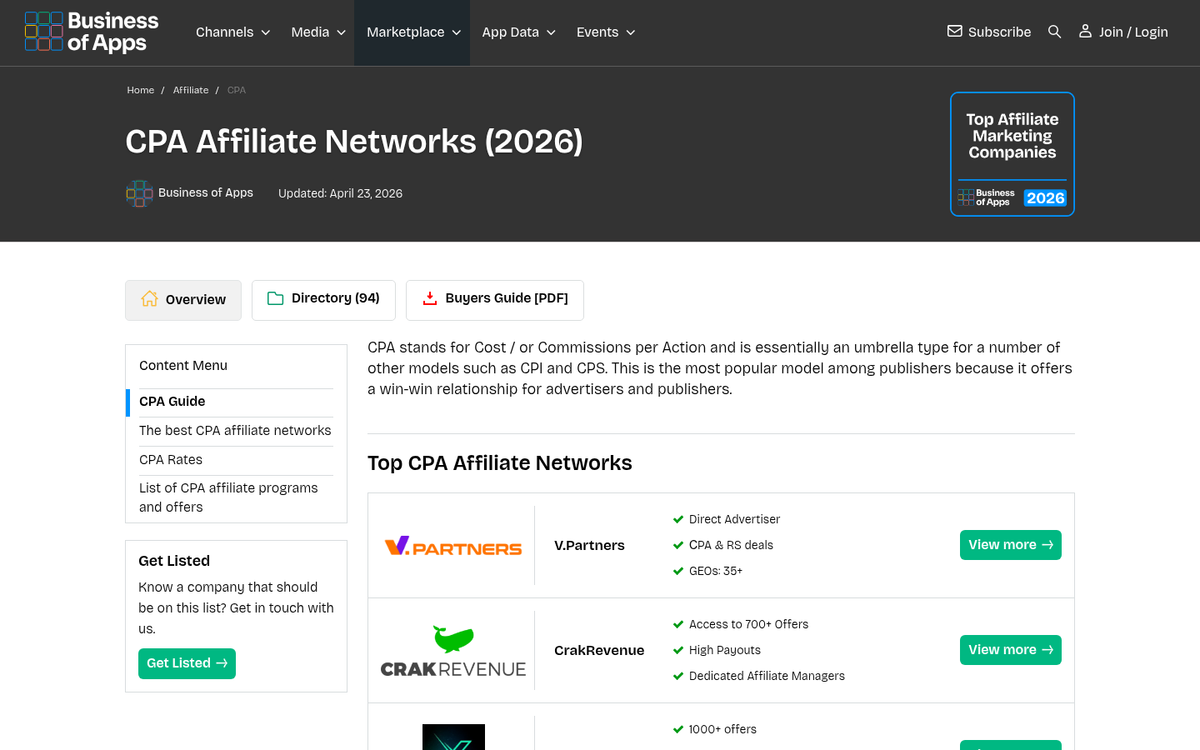
CPA, or Cost Per Action, offers are similar to affiliate links except they don't require a product sale to earn you money - just a specific action like a form fill, a signup, or a free trial registration.
If you can find CPA offers relevant to your niche and your viral content, you briefly hold a dominant position in that niche's attention. Conversion rates won't be impressive, but with viral traffic you're playing a numbers game. One important caveat: putting a CPA gate directly in front of the content can kill your viral momentum immediately. Keep the content free and visible, and let CPA offers sit alongside or below it rather than blocking access. For more on maximizing this approach, see how to earn maximum revenue with CPA ad networks.
Run Display Ads - But Choose Your Network Carefully

Display ads that pay on a per-impression basis are typically a weak proposition on most sites because they don't pay much relative to engaged traffic. But during a viral surge, the math can shift considerably in your favor.
AdSense is a reasonable starting point, since Google understands viral traffic patterns and can serve relevant ads even to cold audiences. However, in 2026 it's worth knowing that premium ad networks like Ezoic, Mediavine, and Raptive (formerly AdThrive) typically yield 20-50% higher RPMs compared to AdSense alone. If you're already on one of those networks, a viral surge can be genuinely lucrative. Real-world data from a publisher monetizing viral content through Monetag showed earnings of $50-$200 per day during surges, totaling $3,541.75 in August 2025 and $3,880.08 in September 2025.
That said, don't stack AdSense, CPA offers, and display ads all at once to the point where your page looks like a banner farm. You'll alienate your existing readers and potentially trigger ad network reviews. If you're unsure how many ads you can safely place on a page, it's worth reviewing the guidelines before your traffic spikes.
Run an Exclusive Deal on Your Product
If your site or business sells a product or service, a viral surge is a good time to offer a limited discount. You have incoming volume, and while most of those users won't be interested in your product, a percentage will be - and even a small conversion rate multiplied by large traffic numbers adds up.
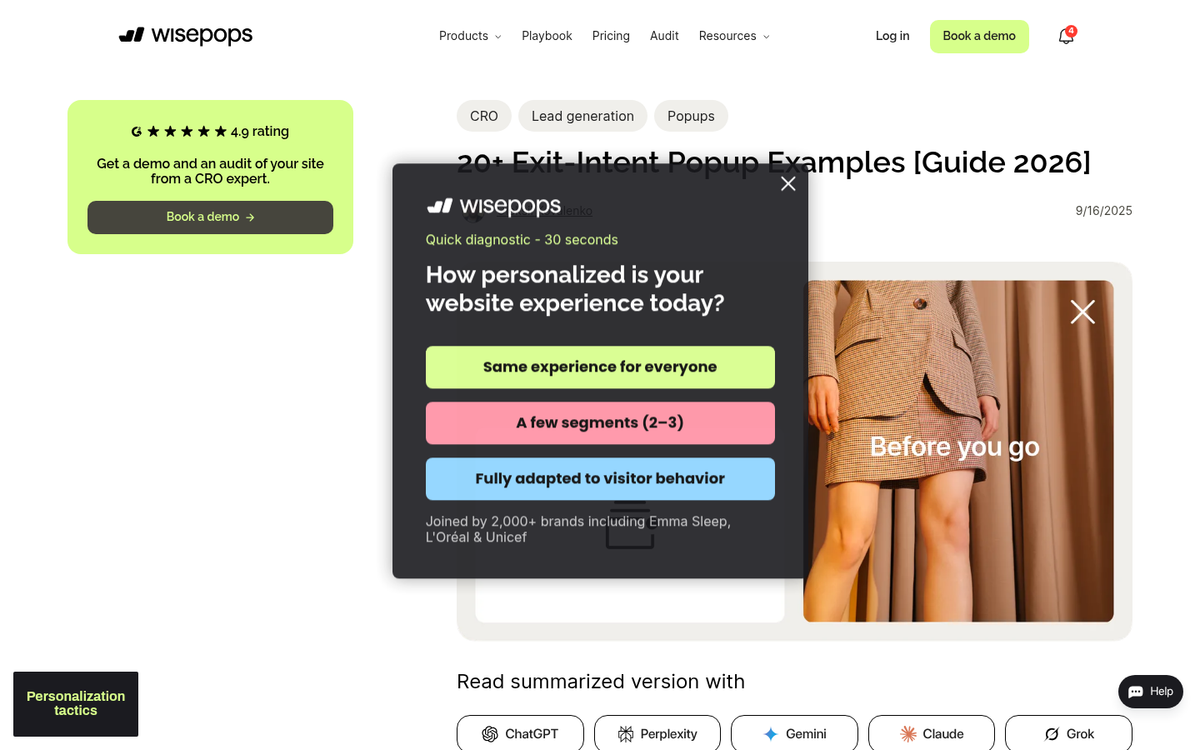
A well-timed exit-intent pop-up is one of the better tools for this. These scripts monitor cursor behavior and trigger a dimmed overlay with an offer when a user appears to be leaving the page. They're non-intrusive during the actual content experience, which matters because viral visitors came for that content specifically. Blocking or interrupting it kills your surge. The exit-intent approach catches users at the moment they're already leaving, giving you one last shot at a conversion or opt-in without disrupting the experience that brought them there.
Also worth noting: reducing bounce rate by even 10 percentage points can increase revenue by 25-30% according to publisher analysis. Anything that keeps users on-page longer - related content recommendations, video embeds, interactive elements - compounds the value of your viral moment.
Introduce a New Product

If you happen to have a new product in development or a new update ready to ship, a viral surge can be a good time to roll out the announcement. Hype it up with the incoming traffic, put banners or announcements in prominent positions, and encourage everyone to check it out. Ideally the content that went viral has some connection to what you sell, so you can naturally bridge audience curiosity into preorders or early-access signups. You might also consider ways to increase website signups while that traffic spike is at its peak.
Leverage the Personal Popularity
Sometimes the content that goes viral isn't on a commercial site at all. Maybe it's a personal blog post, a candid account of dealing with a company or scammer, or just particularly sharp writing you post regularly. In 2026, this is just as likely to originate on Substack, Threads, or a short-form video platform as it is on a traditional blog.
In these cases you can't monetize directly, but you as a person are being targeted with significant interest. Podcasts, newsletters, and media outlets regularly pick up viral personalities for interviews and features. Use that window to establish yourself with relevant people in your industry, grow your social following while the algorithm is working in your favor, and plant seeds for whatever you plan to build next. How you swing it will be highly individual, but the window is real and shorter than you think.
Sell the Site
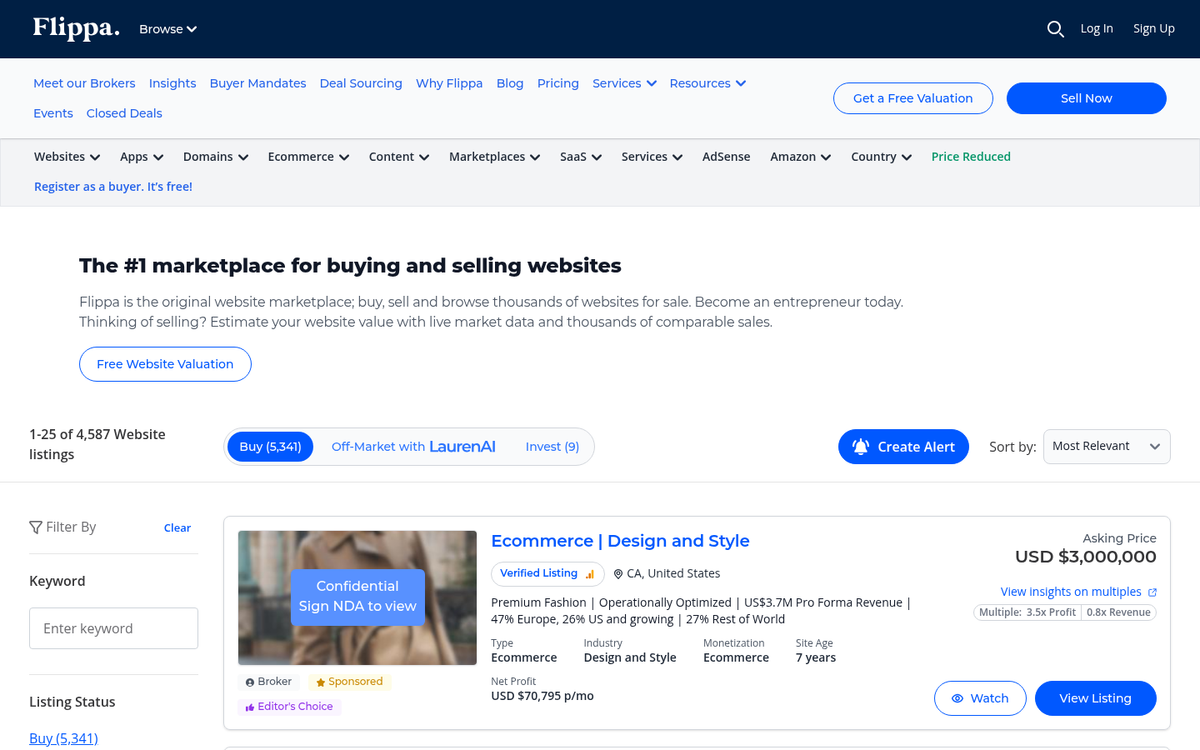
There's always the final option. Your site has a viral traffic surge, and that surge will take some weeks to fully die down. You can leverage elevated traffic metrics to list your site for sale on platforms like Flippa or Empire Flippers while the numbers look their best. You won't command the same multiple as if that traffic were consistent year-round, but you may be able to sell for more than the site's baseline value to a buyer who sees potential in the niche. This obviously isn't a good move if you're personally attached to what you've built - but it's an option worth knowing exists. If you'd prefer a more guided approach, you might also consider hiring a website broker to handle the sale on your behalf.