As we all know, getting reviews on Amazon is crucial to having a product that sells well. Users often look to reviews to see how they should feel about a product, or how much they should trust it. People tend to buy products with not just positive reviews, but a larger number of positive reviews, even if there are a few negatives mixed in.
Research backs this up: according to Power Reviews CEO Matt Moog, going from zero reviews to just one increases the rate at which shoppers click the "buy" button by 65%. A Pattern analysis found that a single star increase in average rating led to a 26% increase in conversion rate and a 40% increase in sessions. The data is clear - reviews matter enormously.
At the same time, users are fairly stingy with leaving reviews. Only 1-2% of buyers actually write a review on Amazon, and the most motivated to do so are often the people who don't like your products.
What you need to do is solicit reviews from the people most pleased with your product. How, though, can you do so? Amazon has strict rules about review solicitation, so here are a handful of techniques you can use that play by those rules.
Key Takeaways
- Going from zero to one review increases purchase clicks by 65%; a single star improvement boosts conversions by 26%.
- Amazon's built-in "Request a Review" button is the safest solicitation method, used by 55% of sellers.
- Drip email campaigns educating customers before requesting reviews reduce frustration-driven negative feedback.
- Product inserts with QR codes offer a reliable, compliant way to solicit reviews directly through packaging.
- Off-platform customers, like those from your own website, can be asked to leave Amazon reviews with more messaging flexibility.
What Not To Do
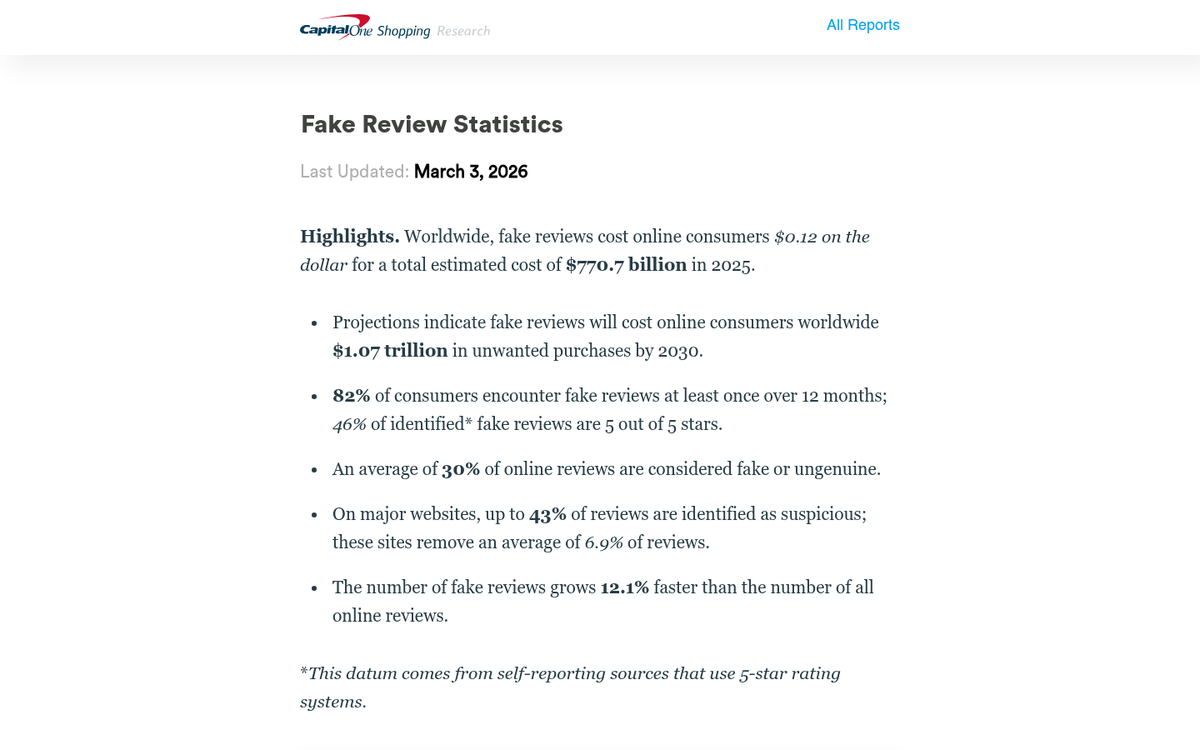
Before we dig into techniques you can use to get more reviews, let's first talk about techniques you should avoid. Remember, Amazon has no qualms about banning a seller for breaking the rules.
You're one of millions to them, and you're entirely expendable. In 2024 alone, Amazon removed 275 million fake reviews and spent over $500 million with a dedicated team of 8,000 employees fighting review abuse. They are not playing around.
- Don't leave reviews for your own products.
- Don't buy fake reviews from a review service.
- Don't pay for reviews in any way, including bonus products or gift cards.
- Don't offer special deals or promotions in exchange for reviews.
- Don't ask specifically for positive or 5-star reviews - any such language can get your account penalized.
- Don't solicit reviews outside of Amazon's approved messaging window (you must contact customers within 30 days of order completion).
Remember that if a review is removed, the user who submitted the review will not be able to leave a new one on your product. Only one customer in a given household can review a product: one product for a house of four does not mean four eligible reviews.
Now let's dig into some valid techniques you might use to solicit reviews.
1. Use Amazon's "Request a Review" Button
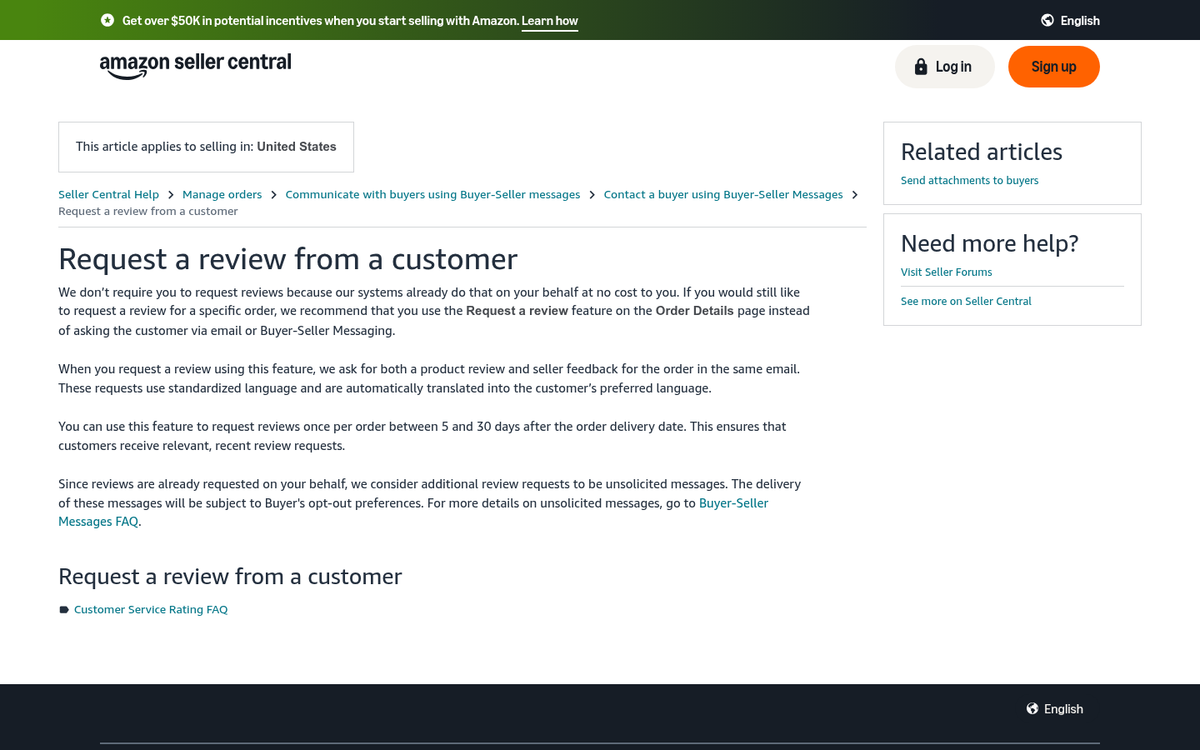
Amazon's own built-in "Request a Review" feature is now the most widely used and safest method available. According to a survey by eComEngine, 55% of Amazon sellers use this tool. You'll find it in Seller Central within each order - simply click the button and Amazon sends a standardized, compliant review request on your behalf.
The message is pre-written by Amazon, so there's zero risk of accidentally using non-compliant language. The downside is that you can't customize it, but that's actually the point - Amazon controls the messaging to keep things fair. You must send this request within 30 days of order completion.
Many sellers also automate this process using tools like eComEngine's FeedbackFive or Jungle Scout's Review Automation, which sends the request on your behalf at the optimal time without requiring manual effort for each order.
2. Use the Seller Messaging System Carefully
Beyond the Request a Review button, you can still message customers through the Amazon Buyer-Seller Messaging system, but it comes with important caveats. Amazon heavily restricts what you can say. You cannot ask for a positive review, offer any incentive, or send messages that are purely promotional.
Legitimate uses include order confirmations, shipping updates, and proactive customer support. You can include a gentle, neutral review request as part of a customer service message, but keep it compliant:
- Hello <Customer>. Thank you for your recent purchase. If you have any questions or concerns about your order, please don't hesitate to reach out. If you're happy with your purchase, we'd appreciate it if you took a moment to share your experience in a review.
My top tip is to time this message to arrive after the customer has had a reasonable chance to use the product, not just receive it. A review solicitation sent before someone has opened the box is wasted. If you're also looking to boost visibility, learning how to improve your Amazon product rankings can help ensure more buyers find you in the first place.
3. Filter for Positive Reviews Organically
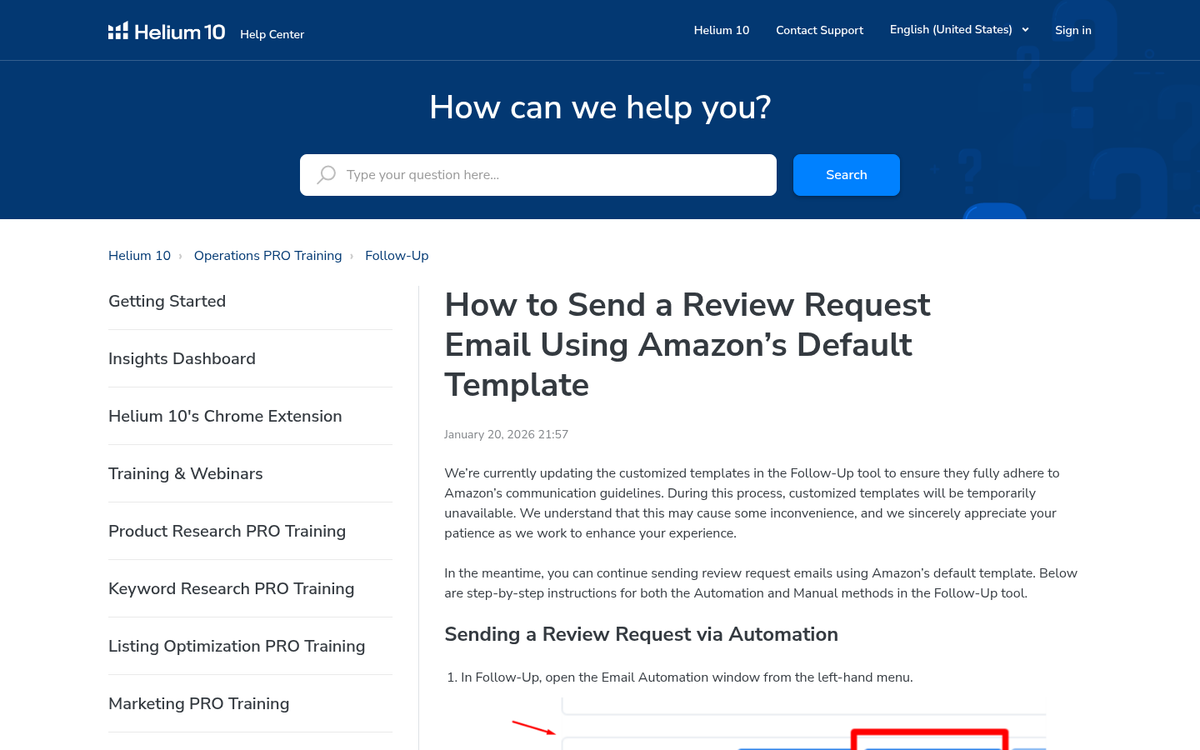
You can't solicit for positive reviews directly, but what you CAN do is give dissatisfied customers an easy off-ramp before they turn to Amazon's review system. For example, you can structure your message like this:
- Hello <Customer>. We appreciate your order and want to make sure you're completely happy with your purchase. If you've experienced any trouble or need help getting set up, please reach out to us directly at <contact link> - we'll make it right. If everything went smoothly, we'd love it if you could take a moment to leave a review. Your feedback helps us improve!
By leading with the dissatisfied customer path, the only people who continue reading are the ones who aren't having issues. It's not about suppressing negative reviews - it's about resolving problems before they become reviews, and giving happy customers a nudge. If you're looking for more strategies, see our guide on 15 ways to get more reviews on your Amazon products.
4. Use a Drip Campaign for Reviews

I've had a few Amazon sellers set up a sort of drip campaign prior to soliciting a review. This can be excellent if your product has some complex details or common misperceptions about it.
For example, I ordered a UV flashlight from Amazon, and the sellers sent three sequential messages.
- The first included a detailed FAQ about safety notices for the UV light, tips for battery usage, usage tips for the light itself, and some nerdy statistics about the hardware. This message arrived immediately upon ordering, to lay the groundwork for the device.
- The second was timed to arrive just after the product arrived, and included a link to get support for shipping from Amazon if there were issues. It also included some usage tips for the light, like how to spot - and then clean up - pet urine stains.
- The third explained their warranty, included instructions on how to file a claim, and then included a review request via the Request a Review button, sent through Seller Central.
This kind of drip campaign helps make sure customers who ordered the product are using it properly, reduces frustration-driven negative reviews, and warms customers up before the review request arrives.
5. Provide Helpful Supplementary Content
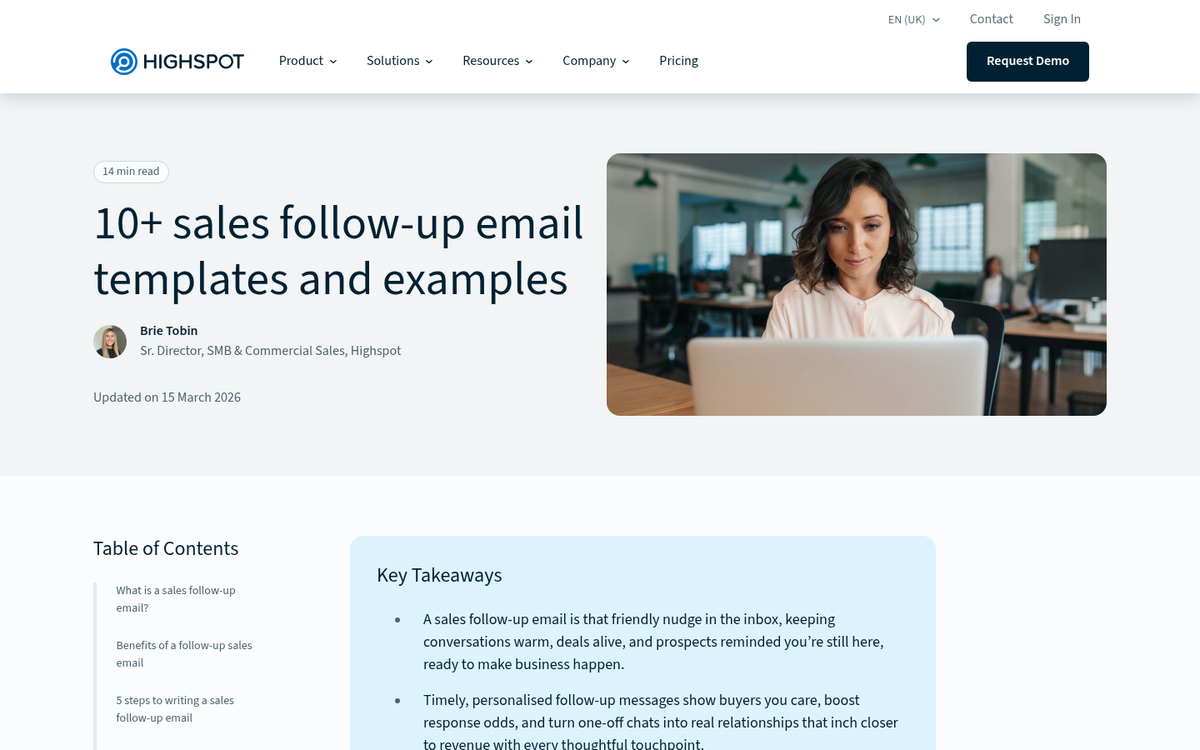
You can add genuine value to a customer's purchase without offering any compensation for a review. I ordered a USB Bluetooth adapter once, and the seller sent an email that included download links for the driver software, in case the packaged disc didn't work. This ensured customers could actually use the device and were in a positive headspace when any review request arrived.
The best part is that they were proactive about it. They acknowledged different versions of Windows users might be running and provided multiple options. No review ask was included in that message - they were simply being helpful. The review solicitation came later, after the customer had a chance to get up and running.
This kind of goodwill-building content works for almost any product category: setup guides, how-to videos, compatibility tips, care instructions, recipe ideas, and so on.
6. Stagger Solicitations
If you get a lot of reviews in a short amount of time, it's possible that Amazon will view it as fraudulent. After all, that's the sort of pattern that occurs when someone buys a bulk package of fake reviews. It's also a risk when a seasonal spike takes you from 5 sales a week to 50.
Instead of timing all of your review solicitation messages to go out at the exact same interval after each purchase, stagger them slightly. This is less of a concern when using Amazon's built-in Request a Review button, since Amazon controls the timing, but it matters most when you're running manual or automated outreach campaigns.
This problem most commonly crops up when over-eager sellers launch their very first review solicitation campaign all at once, blasting every past customer on the same day.
7. Solicit Amazon Reviews from Non-Amazon Customers
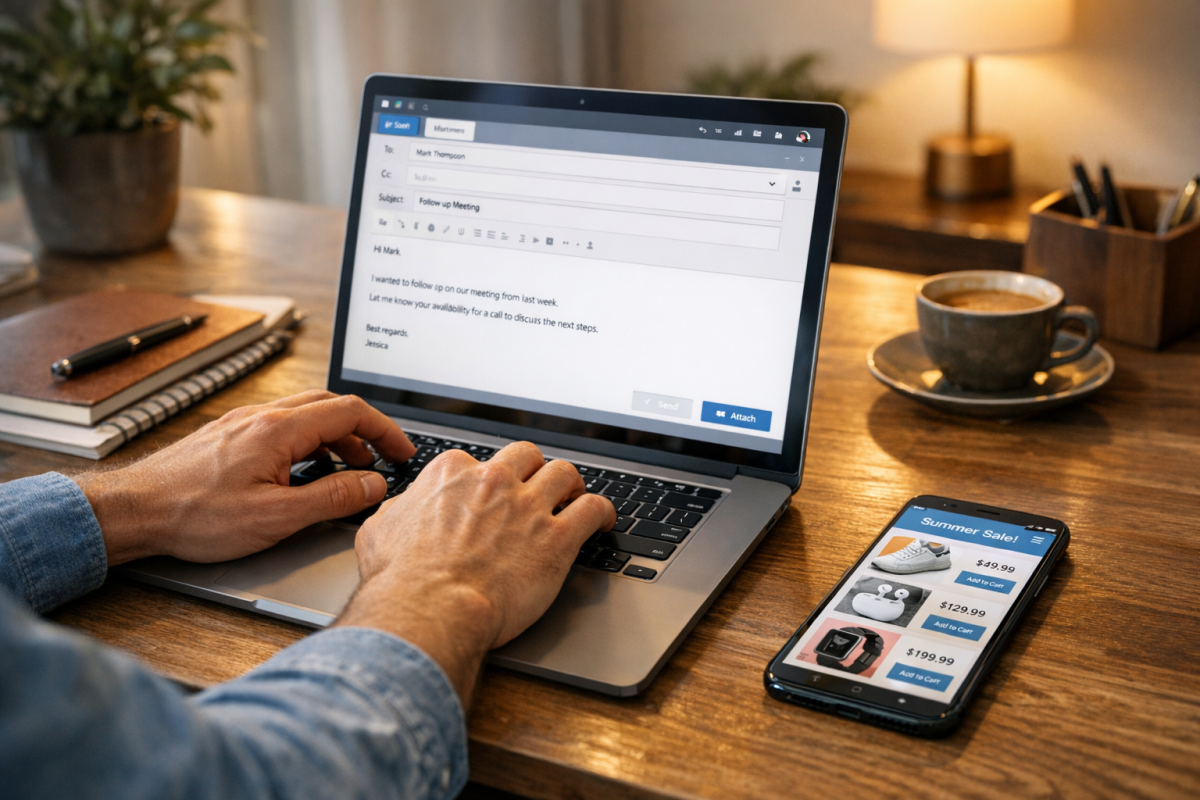
Nothing prevents a customer from leaving a review on Amazon for a product they bought elsewhere. When you sell products through your own website or another storefront, you can reach out to those customers and ask them to leave a review on your Amazon listing.
You can do this by sending a review solicitation out via your own email list. Simply ask them to leave a review with a direct link to your Amazon product page. Since Amazon doesn't monitor these off-platform conversations, you have more flexibility in how you ask - though it's still best practice to ask for an honest review rather than specifically a positive one.
Alternatively, you may consider soliciting testimonials for your own storefront instead. Good customer testimonials can be very useful for your sales pages. It's difficult to ask for both at once, so consider carefully which is more valuable to you at a given point in your growth.
8. Include a Product Insert
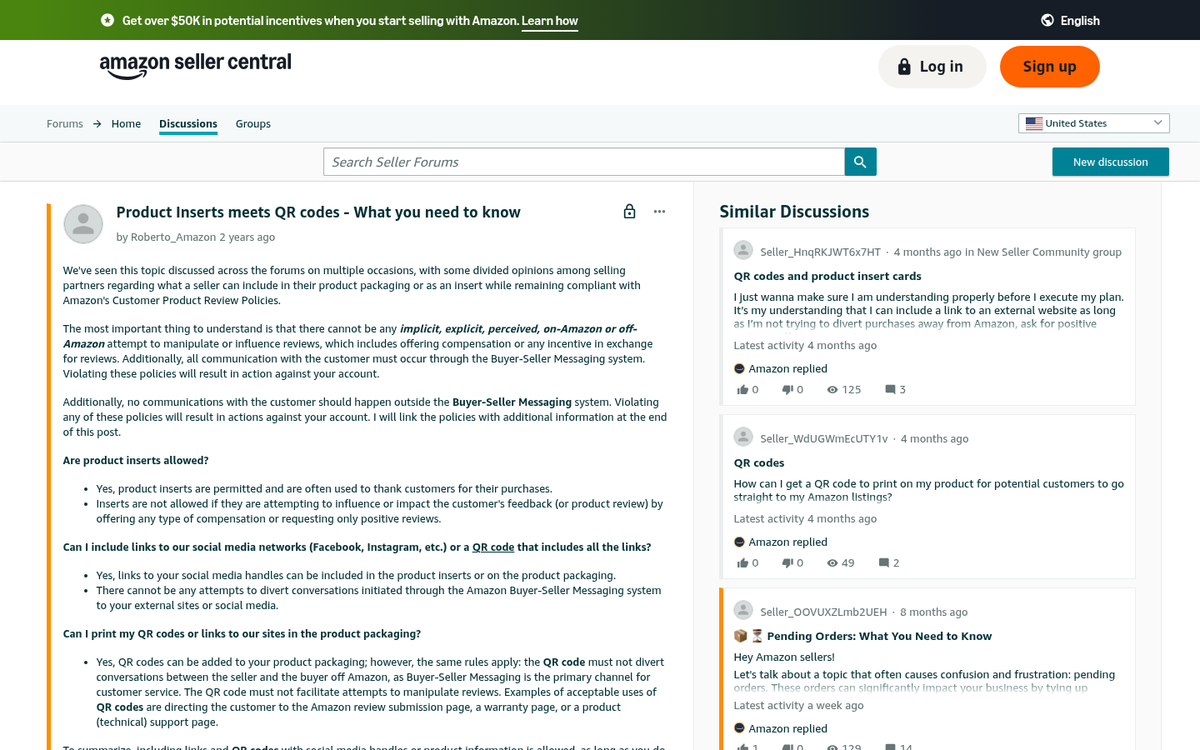
A simple insert in the packaging of your product is a reliable way to solicit reviews alongside your digital outreach. It's guaranteed to arrive with the product, so you avoid the awkward situation of a solicitation landing before the box does. You can include instructions, setup tips, links to helpful resources, and a QR code linking directly to your Amazon review page.
Keep the insert compliant: do not ask for a positive review, do not offer any reward for leaving a review, and do not use language that pressures the customer. A simple, friendly ask is all you need.
I recommend testing a few different styles over time. A minimalistic card focused solely on the review ask might outperform a more information-heavy insert, or vice versa. It's hard to split test precisely, but rotating styles over several weeks can give you a rough sense of what works.
Hiring a professional designer and printing company is well worth the investment. A cleanly designed card feels like part of a premium product experience. Something printed at home on standard paper feels like an afterthought.
9. Include Documentation or a Bonus Resource
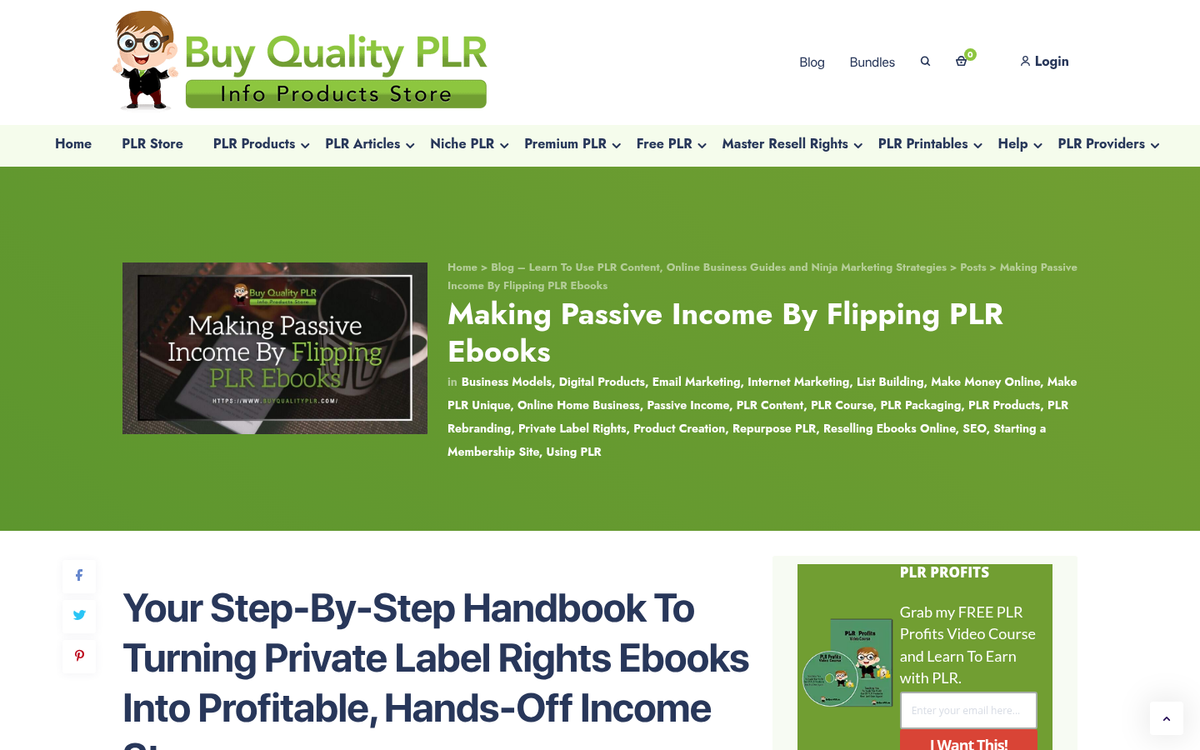
One technique that remains effective is including a free digital resource with each purchase. If you're selling a cooking tool, create an ebook with tutorials, recipes, care instructions, and a review solicitation at the end. Host it on your own website and include a link or QR code in the packaging or a follow-up email.
The key is not to mention it until after the purchase is made. The unexpected value creates a positive emotional reaction that makes the customer feel like they got more than they paid for - even if every order includes the same resource.
Aim for something substantial: 10-15 pages in a well-designed, magazine-style format works well. Hire a writer to produce the content and a designer or photographer to make it visually compelling. A cookbook insert deserves real food photography. A product guide benefits from clear usage illustrations. The quality of the resource reflects on the quality of your product.
10. Leverage Your Own Review Community

Amazon shut down its official Vine-style program for third-party sellers in its original form, but Amazon Vine still exists as an invite-only program for vendors. If you're eligible, it allows you to send products to Amazon's most trusted reviewers in exchange for honest reviews - no compensation other than the product itself, and full disclosure is required.
Outside of Vine, there are legitimate review communities and product testing groups on platforms like Facebook and dedicated deal sites. You can offer your product in exchange for an honest review, but reviewers must disclose that they received the product for free. Any attempt to hide that relationship, or to condition the gift on a positive review, violates both Amazon's policies and FTC guidelines.
Be selective. Focus on reviewers who cover your product category, have an established review history, and maintain credibility with their audience. A single thoughtful review from a trusted voice is worth far more than ten generic ones.
What are your favorite ways to get reviews on Amazon without breaking the terms of service? I'd like to hear if you have any tips or tricks I didn't cover. Let me know in the comments below!