Key Takeaways
- AdSense takes a 32% commission; switching networks or using header bidding can increase revenue by up to 300%.
- Affiliate marketing pays significantly more per conversion than display ads, with commissions ranging from dollars to hundreds.
- Selling digital products like ebooks or courses lets publishers monetize their expertise without relying on third-party advertisers.
- Sponsored posts and paid reviews offer permanent placements with lasting SEO value, but always require proper FTC disclosure.
- Pop-under ads generate revenue in specific niches but can damage brand perception and should be tested carefully.
Best AdSense Alternatives to Monetize Your Website in 2026
AdSense is one of the most common methods used to monetize a website, but it's not necessarily the best option for you. There are a lot of reasons why it might not work out. One of the most prominent is their strict terms of service, which can lead to your site being banned from AdSense entirely, either temporarily or permanently. And even if you're in good standing, AdSense simply doesn't pay as well as it used to - publishers are leaving money on the table by sticking with it out of habit.
If you're in a position where you can't easily use AdSense, or you simply aren't earning enough with it and want to try a better monetization strategy, we've got you covered. I've put together a list of major alternative categories - different forms of monetization - along with a handful of recommended sites and networks you can use to implement them.
1. Direct AdSense PPC Alternatives

AdSense is a form of display advertising that works primarily through text and banner ad units. You're paid generally per click, with rates measured per thousand impressions (CPM), so there's not actually a ton of money flying around unless you're working with substantial monthly traffic. That said, one of the easiest ways to make more money without dramatically boosting your traffic is to simply change your ad network.
Here's the thing most bloggers don't realize: AdSense takes a 32% commission off the top. There are networks that take significantly less, meaning you keep more of every dollar advertisers spend. Publishers working with premium networks like MonetizeMore typically see a 50-300% revenue uplift compared to AdSense, particularly once you're surpassing 10,000 sessions per month.
Adsterra is a strong alternative with more robust ad formats available. In addition to standard display ads, you can run pop-unders, interstitials, push notifications, and social bar formats. It's a flexible network that works well across a wide range of niches.
Media.Net plugs you into the Bing and Yahoo contextual ad ecosystem. They focus primarily on native advertising and contextual display, making them a natural drop-in replacement for AdSense on content-heavy sites.
Infolinks is worth a mention here as well - they offer a 70% revenue share (compared to AdSense's 68%), support 128 languages, and have a relatively low $50 payout threshold. They specialize in in-text and intent-driven ad formats that don't require traditional banner placements.
For sites with serious traffic, header bidding is the real game-changer in 2026. Rather than relying on a single network, header bidding lets multiple ad exchanges compete for your inventory simultaneously. Publishers see an average 57% increase in ad revenue when switching from AdSense to header bidding, according to Publisher Collective. OpenX is one of the leading programmatic marketplaces in this space, serving over 34,000 advertisers across 1,200 publishers and generating 1.8 trillion bids per month. Amazon Publisher Services' Transparent Ad Marketplace (TAM) is another excellent option - CPMs jump 40% on product pages compared to AdSense when using TAM.
There are, of course, dozens of other options out there. I could practically write a list made up of lists of AdSense alternatives, but the bottom line is this: if you haven't shopped around recently, you're almost certainly leaving money on the table.
2. Self-Serve Ads
Ad networks are convenient because they handle the rotating, targeting, fill rates, and tracking for you. The flip side is that they cost money for that service - not directly out of your pocket, but in the form of a commission taken from advertiser spend before it reaches you.
If you prefer, and you have the time and coding skills to pull it off, you can manage your ad space yourself. Nothing says you need a middleman. You can pitch advertisers directly, negotiate your own rates, and potentially earn significantly more per placement.
Many businesses won't want to deal with independent publishers directly, so your selection will be more limited. But all you need are a few dedicated advertisers willing to pay for consistent placement on your site - especially if you have a clearly defined niche audience they want to reach. There are also plugins that can help you sell ad space on your site more efficiently.
A useful middle ground between going fully direct and running a traditional ad network is BuySellAds. It functions like a self-serve ad marketplace where publishers list their available inventory and advertisers can buy directly. You get more control and transparency than a typical network, without having to cold-pitch brands on your own. If you want to maximize what you earn from it, check out these tricks to make more money from your BuySellAds listing.
3. Affiliate Marketing

Affiliate marketing is an entirely different form of online monetization. Rather than get paid when people click your ads, you're paid when people click your link and actually buy something. The conversion bar is higher, but the payouts are dramatically better.
Affiliate marketing has clear benefits over standard display advertising. Where a single ad click might be worth 5-10 cents, an actual product purchase might earn you $5, $20, or even hundreds of dollars depending on the product category. If you're just getting started, it's easier than ever to build an affiliate site with little to no experience.
Amazon Associates remains one of the most accessible affiliate programs for most publishers. They have strong tools, universal brand recognition, and - crucially - they pay you a commission on anything purchased during that session, not just the product you linked to. Link to a $12 book, and if the user buys a $900 laptop, you earn a commission on the laptop.
One important note: Amazon has continued adjusting its commission rates over the years, and some categories pay as little as 1-3%. It's worth reviewing the current rate card and diversifying across other affiliate programs accordingly.
Skimlinks is a smart complement or alternative - it automatically converts your existing outbound links into affiliate links and takes a 25% commission, compared to AdSense's 32%. If you already write about products and services naturally, Skimlinks is one of the lowest-effort affiliate tools available.
Other networks worth exploring include CJ Affiliate, Rakuten Advertising, Impact, and ShareASale, all of which give you access to hundreds of individual brand programs across nearly every niche imaginable. There are also plenty of affiliate network alternatives to ShareASale if you want to broaden your reach further.
4. Sell Digital Products
When push comes to shove, you don't need to put all of your marketing energy into selling products for others. You can sell your own. Digital products are great for this - whether it's an ebook, an online course, a template pack, a Notion dashboard, or downloadable tools.
Ebooks are great for double-dipping. Sell your ebook through Amazon and use your own affiliate link to do it. You earn a royalty on the sale plus a small affiliate commission, and commissions on anything else the buyer purchases that session.
I like building ebooks from existing content. Take your top-performing blog post and use it as your outline. Each section becomes a chapter. Expand a 2,000-word post into a 10,000-word guide. Add graphics, data, references, and deeper analysis. You already know the topic resonates with your audience - you're just packaging it in a more valuable format. If you need a starting point, check out our huge list of free ebook templates to speed up the process.
In 2026, online courses and digital templates have become just as viable as ebooks - sometimes more so. Platforms like Gumroad, Lemon Squeezy, and Teachable make it straightforward to sell and deliver digital products without building a custom storefront. Determine which format fits your audience and your strengths, and start there.
5. Sell Review and Guest Post Space

As a blogger, you can monetize your platform directly. Your site has traffic, topical authority, and an established audience. That has value to brands and other publishers who want exposure to your readers.
Sponsored posts and paid reviews are essentially permanent placements rather than rotating ads, which makes them correspondingly more valuable. A single sponsored post that ranks in Google can continue delivering value to the advertiser for years.
To sell sponsored content professionally, set up a clear media kit and editorial guidelines. Define acceptable topics, minimum quality standards, target word counts, and your linking policy. Make clear that you reserve the right to nofollow links or decline content that doesn't meet your standards. Brands will pay for placements specifically to earn links and mentions - that's fine, as long as you're maintaining editorial integrity.
Paid reviews can be valuable as well. My preferred model is the honest review approach: I'll review the product, but if it's a bad product, it gets a bad review. You lose some interest from low-quality brands, but you gain the trust of your audience - which is ultimately what makes your site worth advertising on in the first place.
Whatever you do, always disclose paid content. FTC guidelines require it, and beyond the legal obligation, it's simply the right thing to do. Undisclosed paid content erodes reader trust fast.
6. Drop Shipping
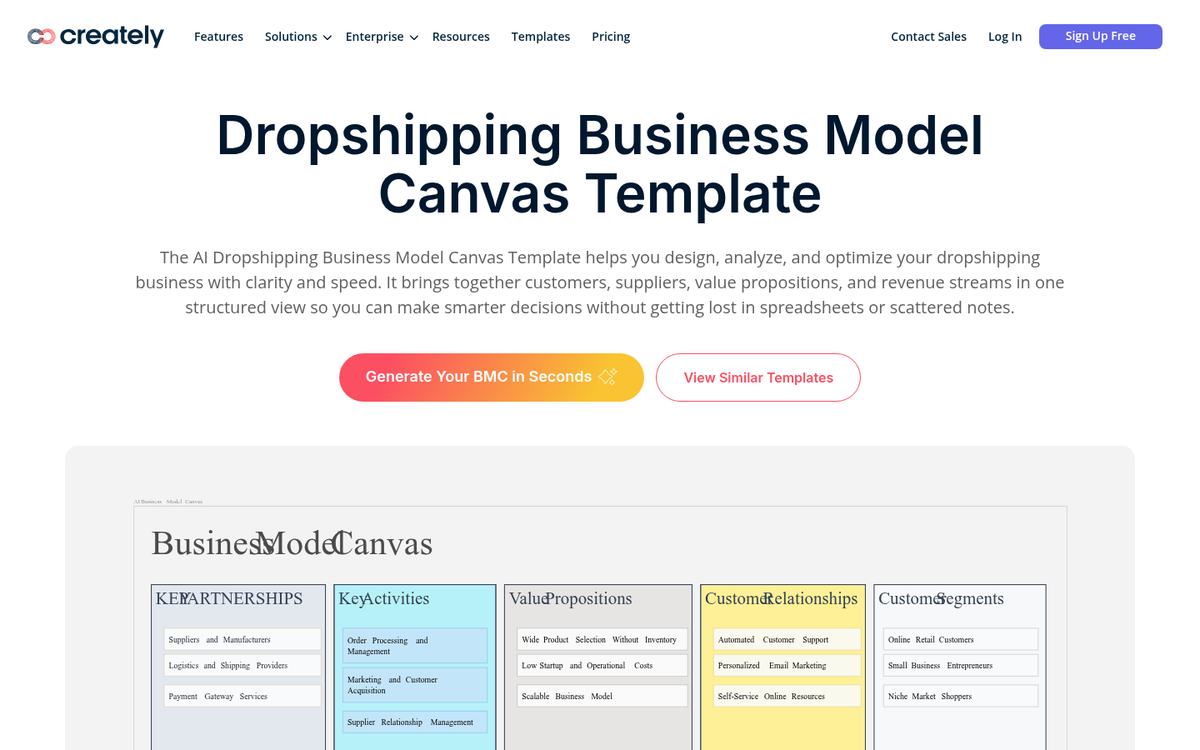
Drop shipping sits somewhere between affiliate marketing and running a real storefront. With affiliate marketing, your job ends at the click - the destination site handles everything else. With drop shipping, you're a more active middleman.
Here's how it works: you partner with a supplier or distributor who sells a product at wholesale pricing. You build a storefront, set your own retail price, and handle the customer-facing side of the transaction. When an order comes in, you forward it to the supplier, who ships directly to the customer. Your profit is the margin between what the customer paid you and what you paid the supplier.
You don't handle inventory or fulfillment, which keeps your overhead low. But you do own the customer relationship and the brand experience - which is both a responsibility and an opportunity.
In 2026, competition in drop shipping has increased significantly, particularly for generic products. The best opportunities now tend to be in tighter niches, with stronger branding and better content marketing around the products. Simply spinning up a generic storefront is no longer enough. Learn more about how drop shipping compares to affiliate marketing when deciding which model fits your goals.
You can also use Amazon's marketplace as your storefront rather than building one from scratch, which gives you built-in traffic and trust - you just have to price competitively and maintain strong seller metrics.
7. Pop-Under Advertising
Pop-unders are last on this list because they're a technique you should think carefully about before using. If you've ever closed a browser window and found another one sitting underneath it with an ad, that's a pop-under. Less intrusive than pop-ups, but still generally frowned upon by mainstream marketers. They're associated with lower-quality corners of the internet, and using them can affect how visitors perceive your brand.
That said, pop-under advertising does perform in specific niches - entertainment, games, software downloads, dating, and finance being among the most viable. If you're already operating in those spaces, it may be worth testing.
Propeller Ads remains one of the better-known networks in this space, with a range of push and pop formats available. Adsterra, mentioned earlier, also supports pop-under inventory.
As with any monetization method, test it against your audience and your goals. A technique that tanks your bounce rate and destroys trust isn't worth whatever CPM it's offering.