YouTube is the second largest search engine in the world, after Google, and one of the most powerful content platforms on the planet. With over 2 billion monthly active users watching more than 1 billion hours of content every single day, the opportunity is massive - but so is the competition. If you want to carve out a chunk of that pie for yourself, you need to be deliberate, consistent, and strategic.
Key Takeaways
- Complete your profile with a strong icon, banner, trailer, keyword-rich description, and social links to stand out.
- Prioritize technical quality: shoot in 4K, use a quality microphone, and hook viewers within the first 15 seconds.
- Optimize metadata with compelling titles, detailed descriptions, timestamps, captions, and relevant tags for better discoverability.
- Post consistently 2-3 times per week, incorporate YouTube Shorts, and cross-promote content across blogs and social platforms.
- Use end screens and cards on every video to keep viewers engaged within your content ecosystem.
1. Complete Your Profile
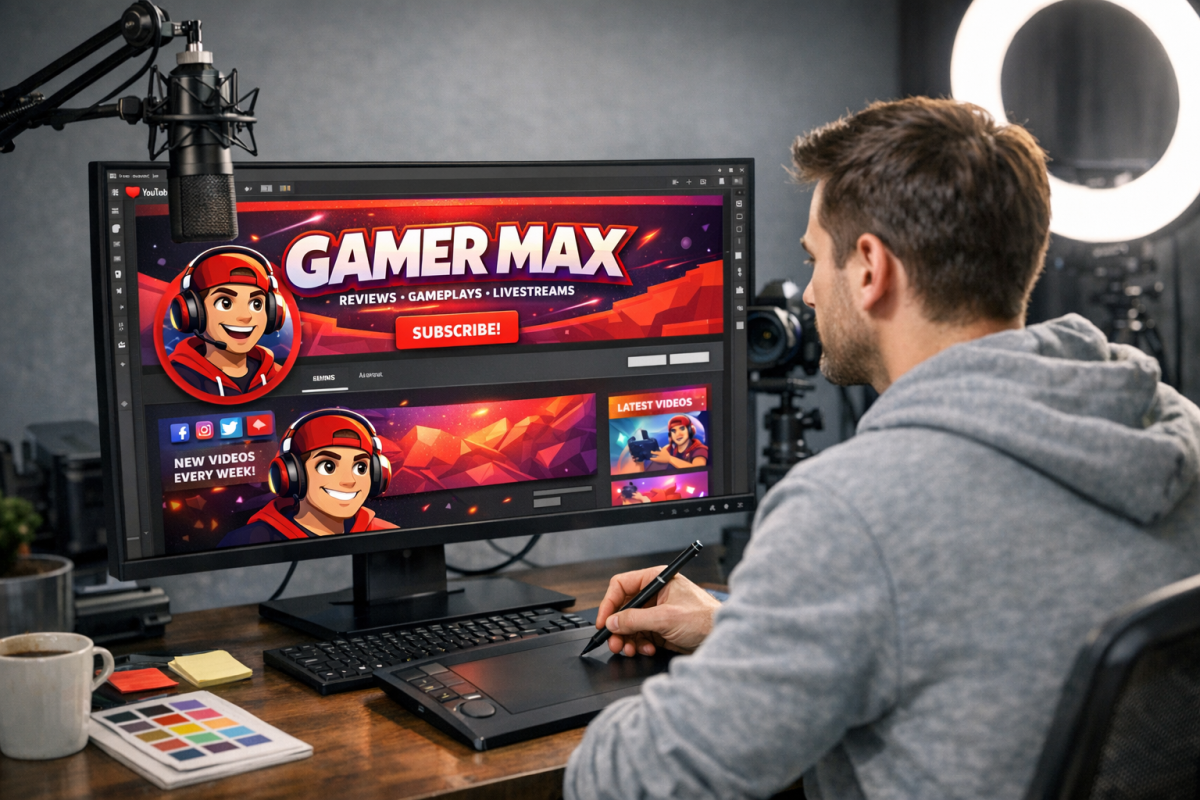
It's a constant surprise to see just how few YouTube creators pay attention to their profiles. There are so many ways you can make yourself stand out, if you don't ignore them.
- Customize your channel icon - treat it like a logo, not an afterthought.
- Design your channel banner art to clearly communicate what your channel is about.
- Select a compelling video - or create one - to be your channel trailer for new visitors.
- Fill out your channel description with relevant keywords and a clear value proposition.
- Add links to your website and other social profiles in the channel handle section.
2. Produce Great Videos
By this, I mean technically great content. At minimum, shoot in 1080p - but in 2026, 4K is increasingly the standard for channels serious about quality. Viewers notice production value, and a blurry or poorly lit video is a fast track to someone clicking away.
For audio, you absolutely need high fidelity, crisp sound. Don't be satisfied with background noise. Don't produce audio that sounds like it was recorded with a webcam inside a tin can. A decent USB microphone and basic acoustic treatment can make a dramatic difference. You'll also want to learn some post-processing to master your audio levels so you don't have volume spikes or inconsistency.
For writing, you need something compelling. The first 15 seconds make or break your content, so don't stretch on with a long intro. Start with a bang and grow from there. YouTube's own data consistently shows that retention drops sharply in those opening moments - don't waste them.
3. Create Good Content
Great content and good content are not the same thing. Great content is technically excellent. Good content is emotionally and intellectually compelling. Pay attention to the narrative arc within your video, even if you're just explaining how to get better at making YouTube videos. Lead logically from A to B to C. Ask questions. Be engaging.
Don't worry too much about length. A two-minute video, a five-minute video, and a ten-minute video can all earn the same number of views, likes, and shares if they serve their purpose. Take as long as you need to explain everything in satisfactory detail - but not a second longer.
Don't sleep on YouTube Shorts. Short-form vertical video has become a permanent fixture of the platform. Channels that incorporate Shorts alongside long-form content have seen retention improvements of up to 25%, and Shorts now have their own monetization pathway within the YouTube Partner Program. Use them to attract new viewers and funnel them toward your longer content.
While you're at it, create a simple, recognizable, branded video thumbnail image. Strong-performing videos typically achieve click-through rates between 4-10% from impressions - your thumbnail and title are doing that work before anyone even hits play. Make sure your thumbnails are visually consistent and instantly recognizable as yours.
4. Optimize Video Metadata
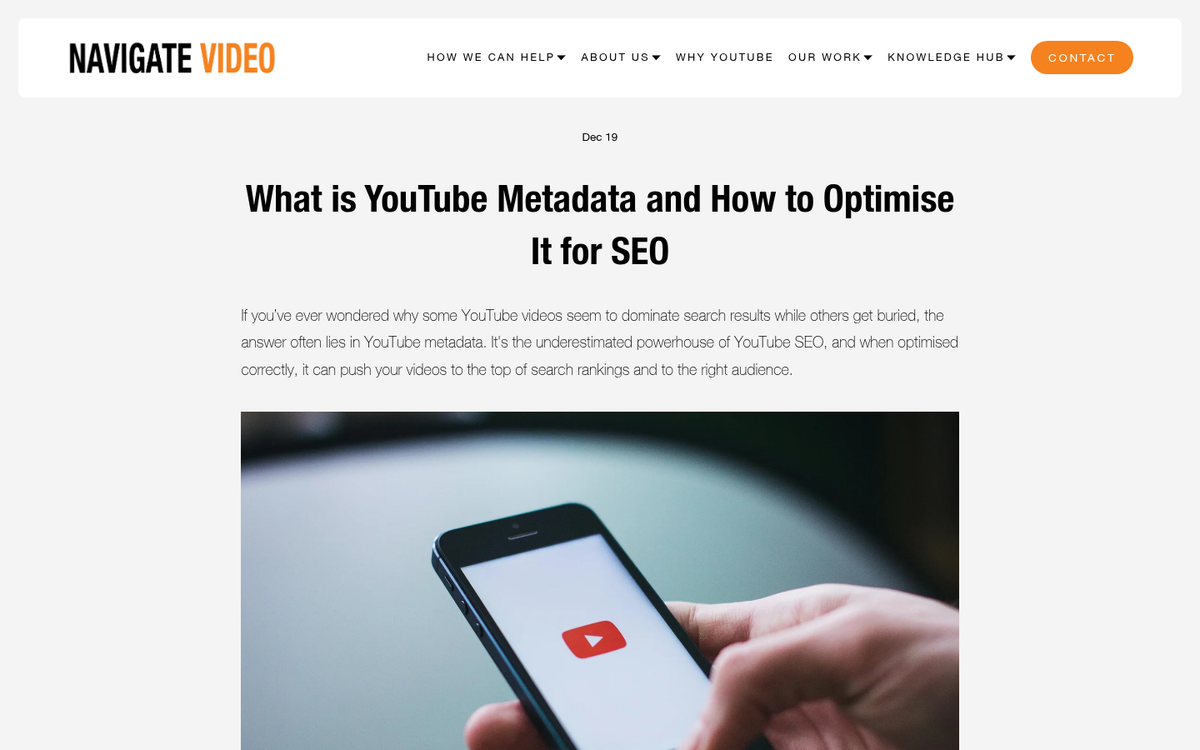
In addition to the thumbnail, there are other meta fields you can optimize through standard SEO techniques to bring in more viewers. YouTube is, after all, a search engine - and the second largest one in the world at that.
- Your title should be compelling, descriptive, and include a target keyword naturally.
- Your description should open with a strong summary of the video, include relevant keywords, and be at least a few solid paragraphs - not just a line or two.
- Place your most important link at the very top of your description, before the "show more" cutoff.
- Use chapters (timestamps) in your description to improve watch time and help viewers navigate - YouTube surfaces these in search results.
- Fill out your tags list with relevant, accurate terms. Don't stuff or spam.
- Upload a video transcript or use YouTube's auto-captions as a base and clean them up. Captions improve accessibility and help YouTube understand your content.
- Tag your videos with relevant hashtags - up to three will display above the title.
Note: YouTube removed the classic annotations system years ago. Use end screens and cards instead for in-video links, calls to action, and directing viewers to other content.
5. Promote and Cross-Promote
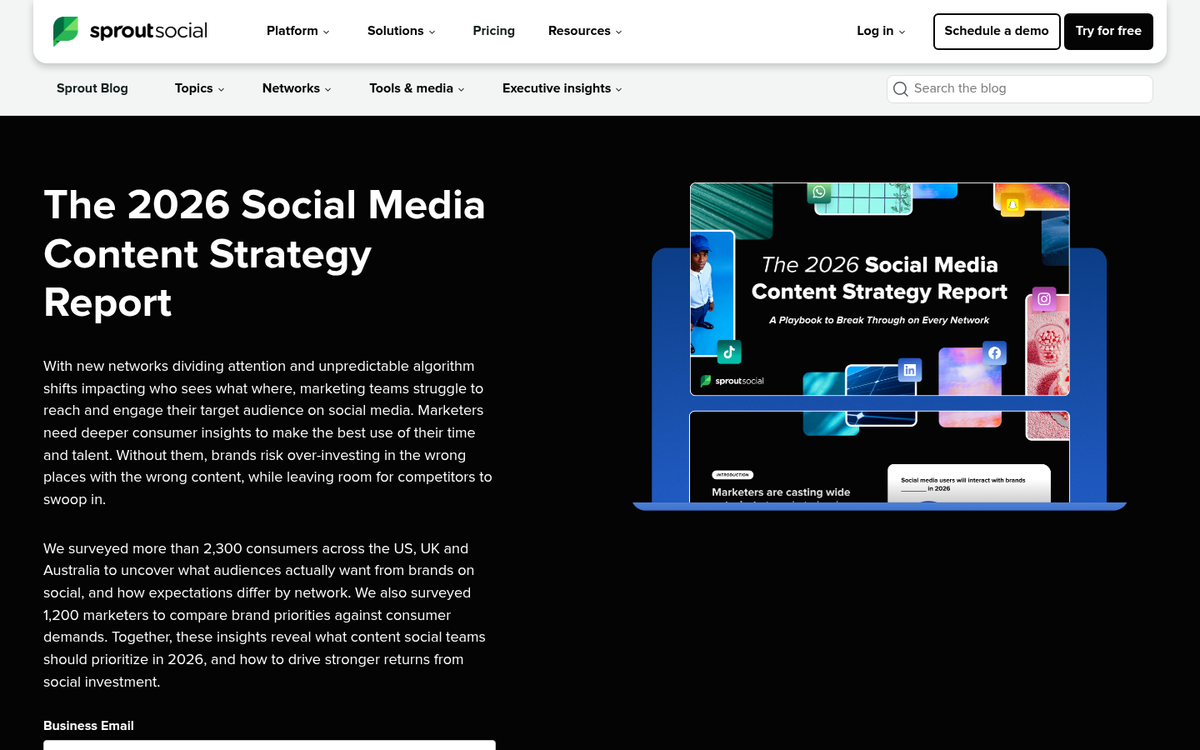
Whenever you post a new video, write a blog post about it and embed that video. Post a link across your social profiles and consider clipping short highlights specifically formatted for Instagram Reels, TikTok, or wherever your audience lives. According to Sprout Social's 2026 Social Media Content Strategy Report, 24% of users go to YouTube specifically for product discovery - which means your promotional content off-platform can directly drive qualified viewers to your channel.
Reach out to other YouTube channels and explore cross-promotion opportunities. Channels with similar audiences who aren't direct competitors can be genuine partners. A few strategic collaborations - whether that's a joint video, a Shorts collab, or simply shouting each other out - can meaningfully accelerate your subscriber growth.
6. Embed Videos Everywhere
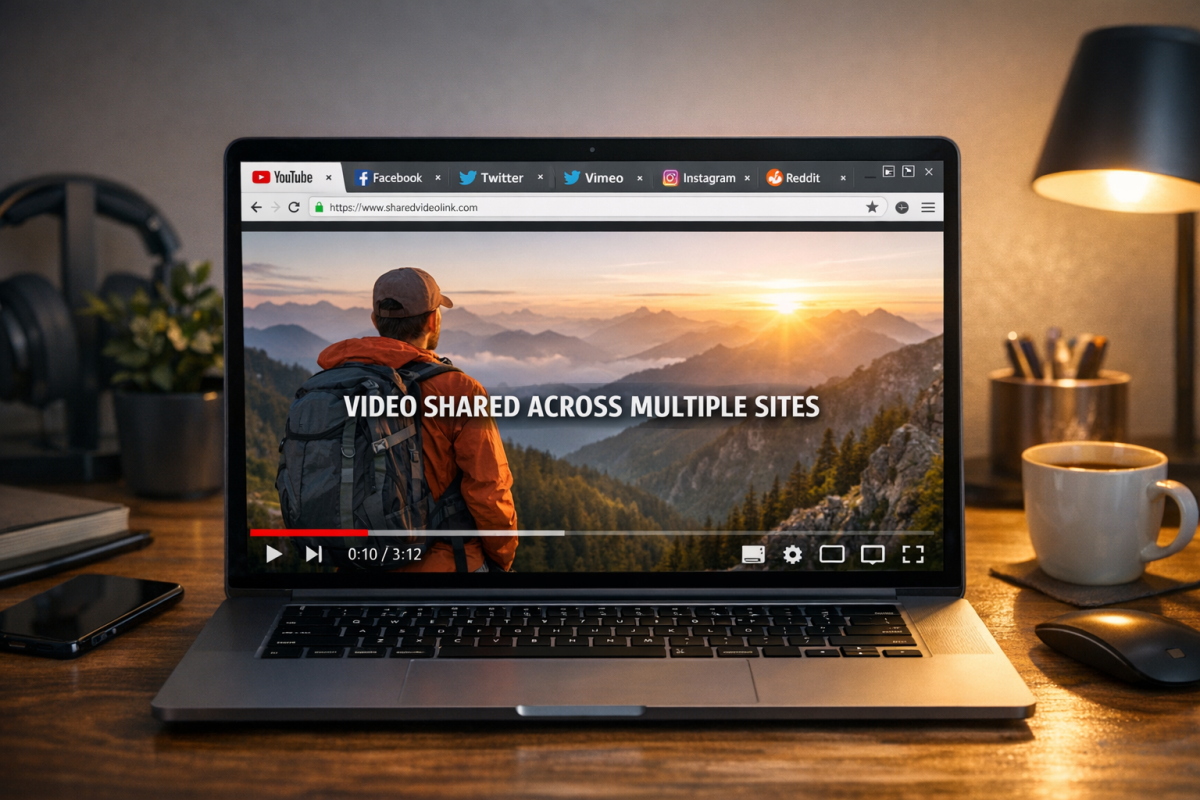
You should not only allow embeds, but actively encourage them. When your video is embedded and shared off-site, it earns views and signals to YouTube that your content has reach beyond the platform itself. Post your videos in relevant forums, communities, Reddit threads, and blog posts. The more places your content lives, the more traction it gains. There are dozens of places you can share your content to maximize reach.
7. Create Content Regularly
Television programs have schedules. Your blog has a schedule. YouTube is no different. Consistency signals to the algorithm that your channel is active, and it builds audience expectations that drive return visits.
Data supports posting 2-3 times per week as a sweet spot, associated with a 6.8% growth rate and strong engagement scores. That said, quality should never be sacrificed for frequency. A well-produced video twice a week will always outperform rushed daily uploads.
Out of ideas? Ask your audience for questions and post a Q&A video. Dig through your comments for topics worth exploring. Launch a long-running series about your industry and commit to a weekly release. Regularity is the key - pick a cadence you can actually sustain and stick to it.
8. Foster a Community
Don't forget that YouTube is a social network. Moderate your comments, encourage viewers to engage, and actually respond - especially when your channel is smaller and it's still manageable. Your early audience is your most valuable audience.
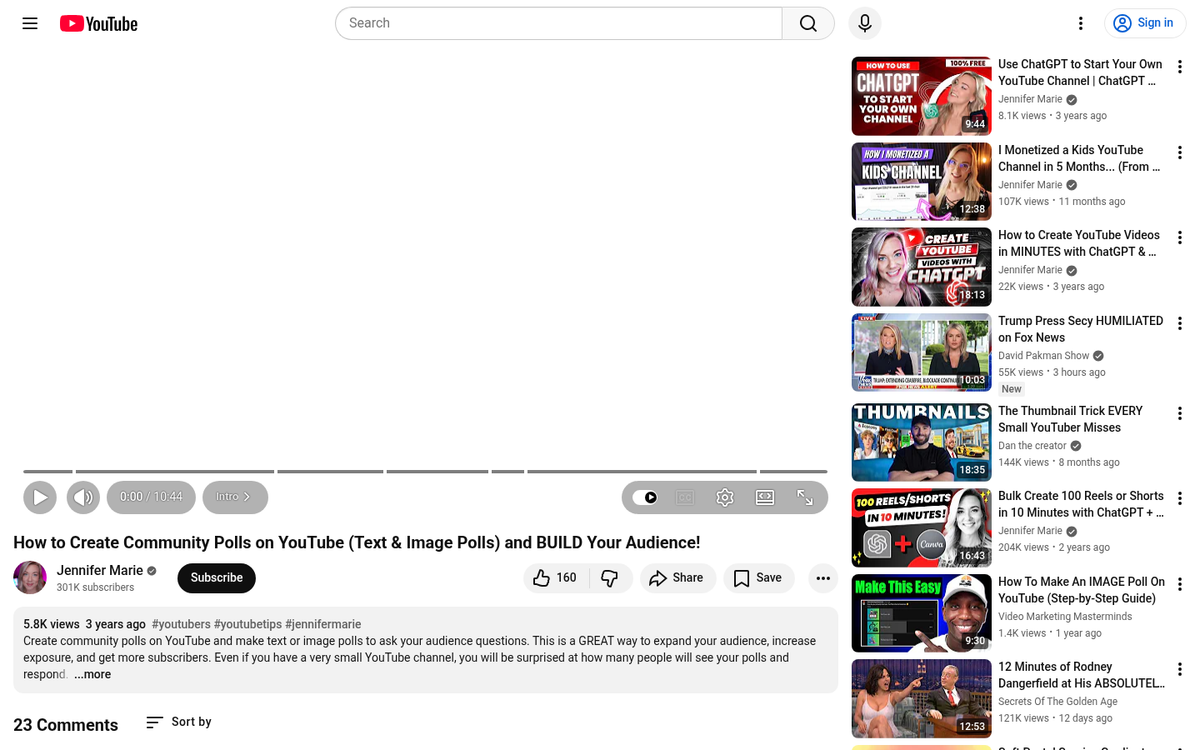
Use YouTube's Community tab to post polls, behind-the-scenes updates, and teasers between video uploads. It keeps your subscribers engaged even when you're not publishing new videos and signals activity to the algorithm.
If your videos attract dedicated spam or abuse, report and block aggressively. YouTube's moderation tools have improved significantly - use them. If needed, filter out unwanted spam traffic and use comments with held-for-review settings so you can approve legitimate engagement without letting garbage through.
9. Feature Channels and Videos
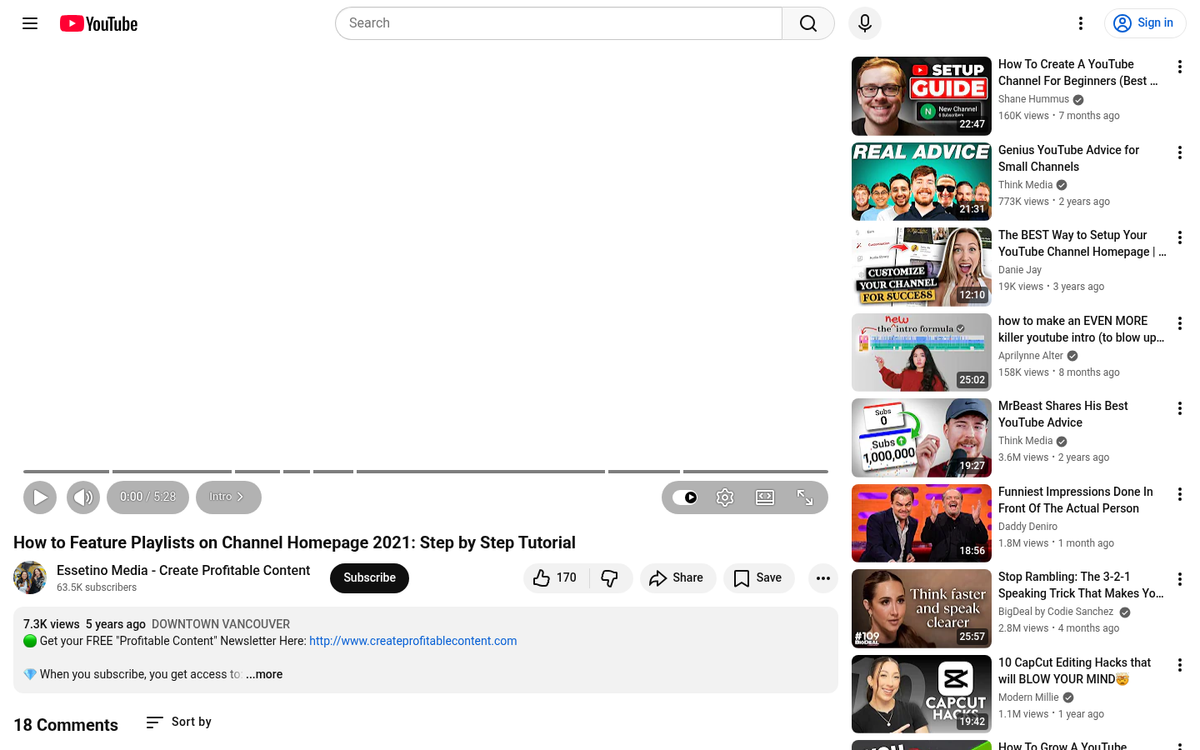
On your own channel, curate your content into playlists and feature your best work prominently. Rotate your featured content periodically - you don't want new visitors landing on something years old as their first impression. Consider featuring explainer videos as strong examples of content that tends to perform well with new audiences.
You should also engage with and reference other channels you genuinely respect. This ties back to the partnership point mentioned earlier, and it also signals to your audience that you're plugged into your niche. People who like channel X see that you follow channel X - they're more likely to trust and subscribe to you as a result. they're more likely to trust and subscribe to you as a result. To keep that audience engaged once they visit, it's worth understanding how to reduce your bounce rate and hold their attention longer.
10. Use End Screens and Cards
YouTube's annotation system was shut down years ago, but end screens and cards are its more powerful, mobile-friendly replacements. Use them strategically.
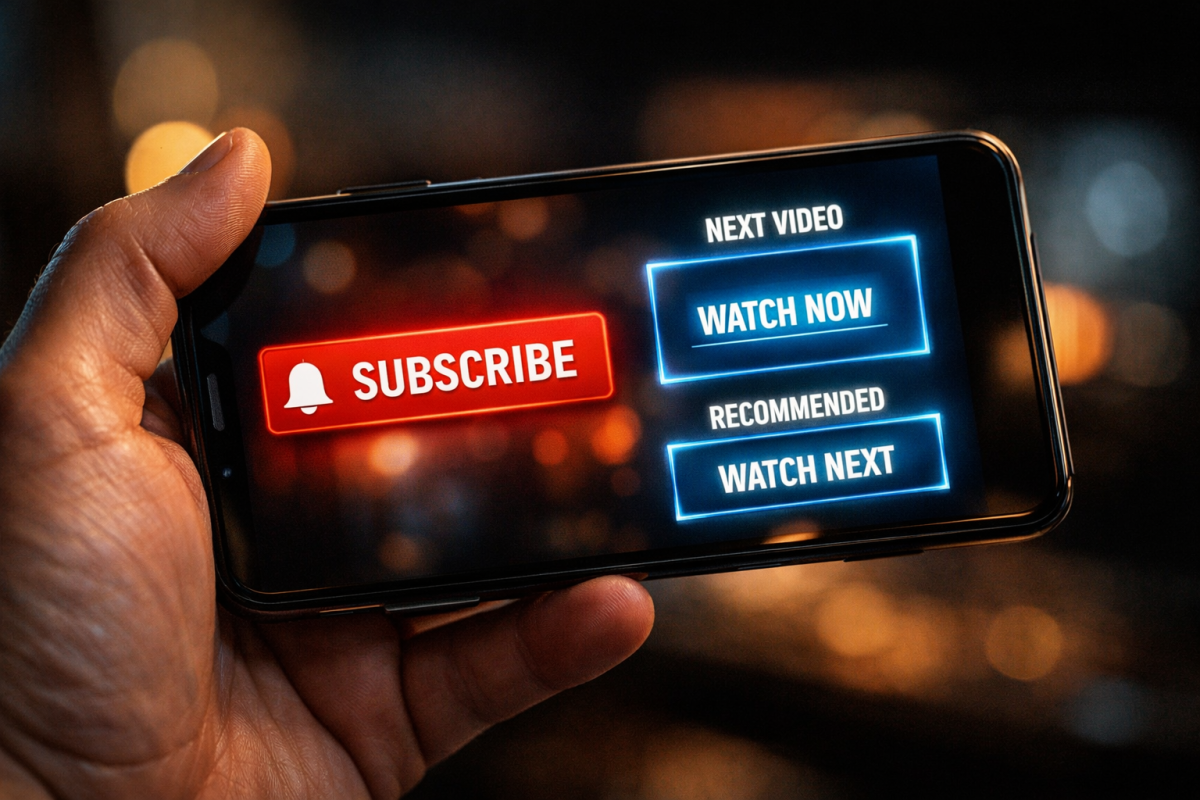
End screens are essential. Every video should end with a clear call to action - watch another video, subscribe, or visit your website. Make sure your viewers always have somewhere to go when the video ends, keeping them in your content ecosystem rather than drifting off to someone else's channel.
Cards can be dropped into any point of a video to link to related content, playlists, or external URLs. Use them to reference relevant videos mid-explanation, recommend deeper dives on a topic, or highlight your most important resources. Don't overdo it - one or two well-placed cards will outperform five that feel spammy. For more on evergreen content worth linking to, it's worth thinking about which videos will remain valuable long after they're published.