





Key Takeaways
- Traffic arbitrage means buying website traffic cheaply and reselling it at a higher price, keeping the margin as profit.
- Specializing in a niche like gaming or finance traffic is essential, since broad "buy traffic" markets are oversaturated.
- Bot traffic is worthless; modern analytics tools detect fake sessions quickly, destroying client trust and repeat business.
- Volume commitments, long-term contracts, and referral potential are effective negotiation tools for securing supplier discounts.
- Reinvesting early profits into traffic quality, content marketing, and paid acquisition compounds growth significantly over time.
How to Make Money with Traffic Arbitrage in 2026
There are a lot of different ways to make money online in 2026 - from selling digital products to running programmatic display ads to affiliate marketing. But few models are as accessible or as potentially lucrative for the effort involved as traffic reselling. With the right setup and a little persistence, you can pull in consistent income every week.
The general concept has been around for years, and the tools have matured significantly. My frustration remains the same as it always has: there just aren't enough honest, unbiased resources out there. Most guides talking about traffic reselling are quietly trying to sell you their traffic, their software, or their "done-for-you" system.
That's where this guide will differ. Yes, you're on a site that sells traffic as a business model. However, that's the last I'll mention it. No Fiverr gig links. No nudges to buy from us and flip it. No conveniently recommended software. Just information, a process, and the tools to find your own path to success.
Understand the Business Model
The process of buying traffic and reselling it for profit is called traffic arbitrage. Arbitrage is a general term for reselling at a margin - one of those words that makes a simple concept sound more sophisticated.
The core idea is timeless: Buy low, sell high. That's it. Of course, execution is where it gets nuanced. You need to find traffic sellers that permit reselling - some offer a formal reseller license or white-label program - and you need to find buyers willing to pay more than what you paid. If your margins are too thin, your hosting fees, licensing costs, and time investment will eat your profits alive.
In 2026, the traffic arbitrage landscape has shifted. The rise of AI-generated content, tighter platform ad policies, and more sophisticated buyer expectations mean the bar is higher than it was five years ago. Buyers are savvier. They use better analytics. They can detect bot traffic faster. Quality matters more than ever. But that's also good news - it means sellers providing genuinely good traffic have less competition from the bottom-feeders.
Identify the Competition
This is, surprisingly enough, both an essential step and one that many budding resellers skip. Skipping it can cost you real money, so take your time here.
What you're doing is identifying what traffic niche you want to occupy. You will not be able to compete in a broad "buy traffic" space - it's saturated with established players. You need to specialize, even if the traffic you source isn't itself hyper-targeted. You might be positioning yourself as the go-to seller of "gaming traffic," "finance traffic," or "health and wellness traffic."
Pick a niche you understand and can create content around. Then look for others selling traffic in that niche. No competition might mean an untapped opportunity - or it might mean there are no buyers. That's a calculated risk you'll need to assess.
The most important data point to take away from this research is pricing. Know what competitors charge. Know what packages they offer. Know whether they're competing on price or positioning themselves as premium. That context will shape every decision you make next.
Find Cheap, Quality Traffic Sources

Buying traffic is a spectrum. At one end: dirt-cheap bot traffic from low-quality ad networks or sketchy Fiverr gigs. At the other: highly targeted, premium traffic from platforms like Google or Meta Ads. You're not reselling either extreme.
You need to find traffic sources that sit in a quality-to-price sweet spot - real human visitors, even if broadly targeted, at a price that leaves room for your margin. Bot traffic is a dead end. Modern analytics platforms - GA4, Plausible, Fathom, and others - are increasingly good at filtering out non-human sessions. Your customers will notice the discrepancy between what you promised and what showed up in their dashboards.
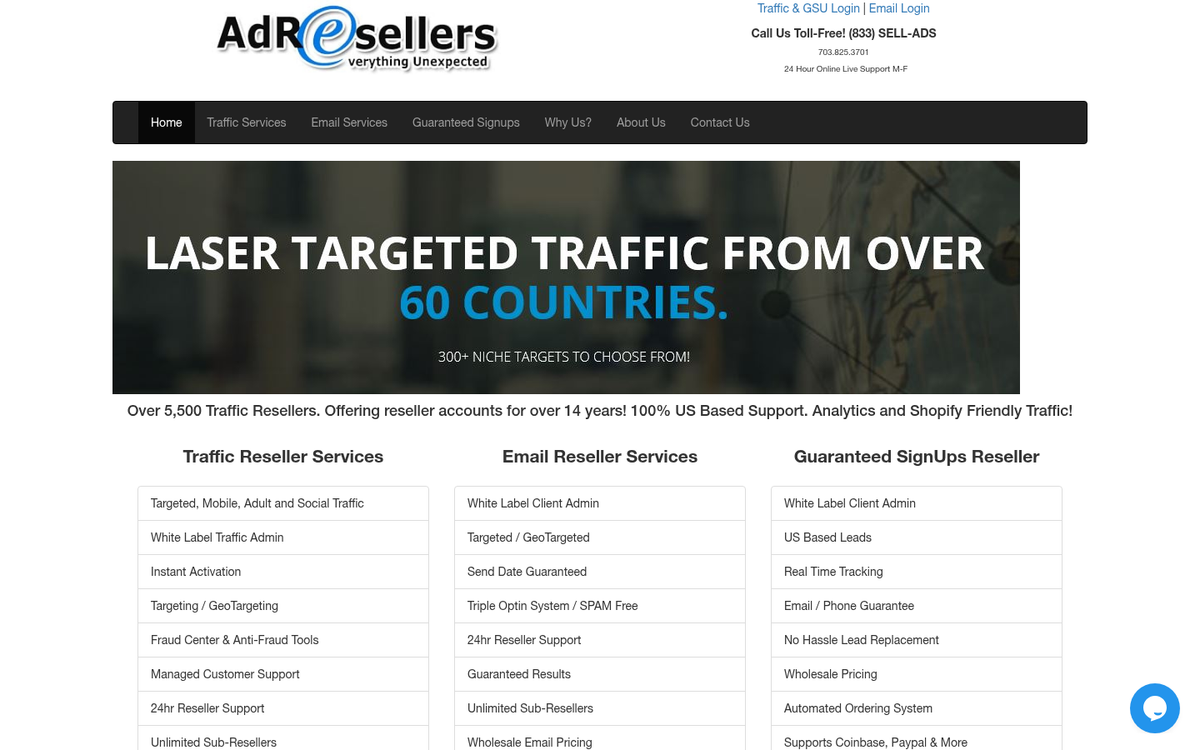
Some established reseller-friendly providers have been operating for over a decade. For example, Traffic-Fans.com has been providing website traffic since 2013 and offers resellers a 20% discount on all standard traffic packages. Web Traffic Geeks provides a one-time $25 lifetime white-label reseller access fee, with reseller discount activation within 72 hours of approval. Traffic Resellers operates a network of over 15,000 web properties and reports that over 74% of advertisers return for repeat purchases - a meaningful signal of customer satisfaction.
At this stage, don't commit to a supplier yet. Build a comparison document with your potential suppliers, their pricing, their reseller terms, any licensing fees (one-time vs. recurring), and any volume minimums. Details matter - a monthly license fee you didn't account for can quietly destroy your margins.
Read Reviews of Potential Sources
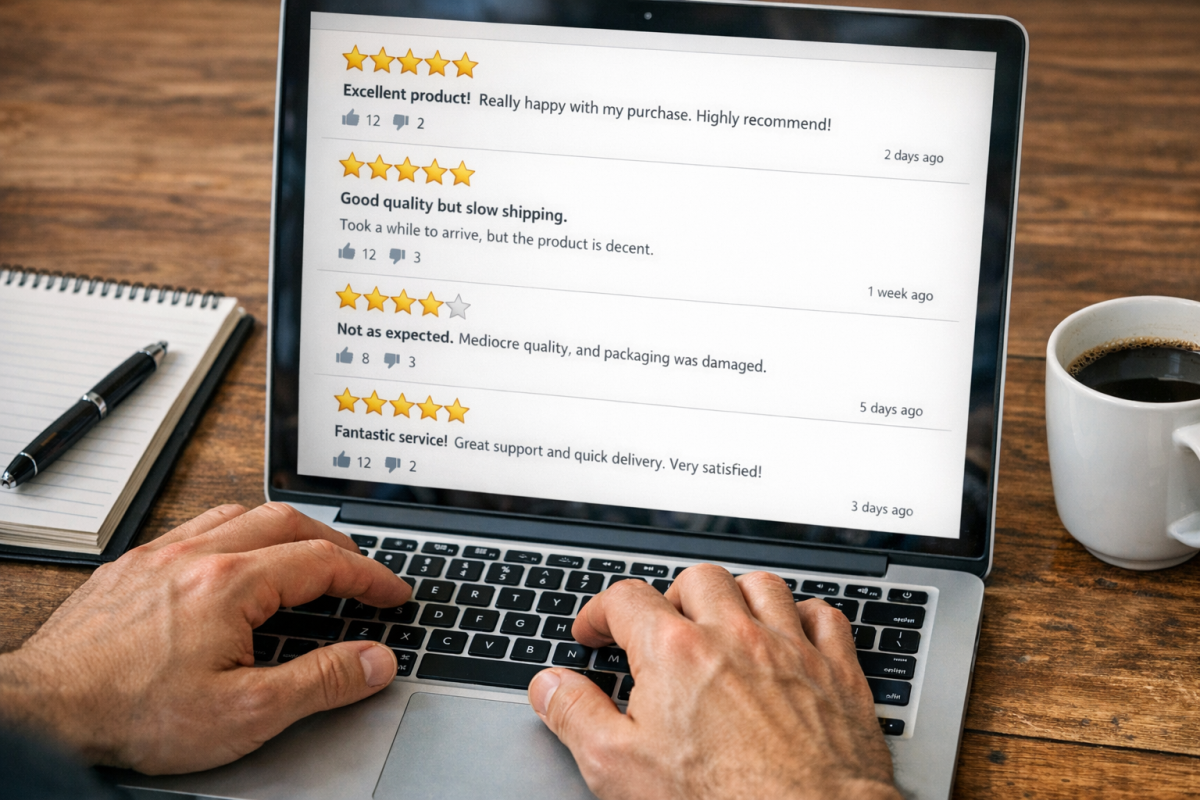
There are thousands of traffic providers operating in 2026, and they can't all be taken at face value. Do your research before committing any money.
Search for reviews from actual customers - especially other resellers if possible. Prioritize recent reviews, as traffic providers can change quality rapidly. Check forums like BlackHatWorld and Warrior Forum, as well as review aggregators and Reddit threads in communities like r/juststart or r/Entrepreneur.
If reviews consistently flag bot traffic or inflated numbers, walk away. Real visitors - even broadly untargeted ones - are infinitely more valuable than fake sessions. Fake traffic fails to convert, often gets filtered from analytics entirely, and generates zero repeat business from your clients.
Other red flags to screen for: billing irregularities, unexplained charges, poor customer support responsiveness, or a pattern of late or incomplete delivery. As a middleman, you're accountable to your customers even when your supplier fails. Choose partners that minimize that risk.
Negotiate Source Pricing

Most traffic suppliers have negotiable pricing, particularly if you can offer volume or consistency. A supplier would rather lock in a reliable, high-volume buyer at a slight discount than lose them to a competitor entirely.
Your leverage in negotiations includes:
- Guaranteed volume. Committing to regular, large orders gives suppliers predictable income - and that's worth a discount.
- An established brand or network. If you already run a marketing agency or have a client base, that's a compelling pitch.
- Referral potential. If you can bring other resellers to a supplier, that's a meaningful value-add.
- Long-term contracts. Offering to commit to a quarterly or annual arrangement gives suppliers confidence and justifies reduced rates.
What is not leverage: explaining your desired resale price. Suppliers don't care what you plan to charge your customers. Focus on what you're offering them.
Create a Traffic Selling Website
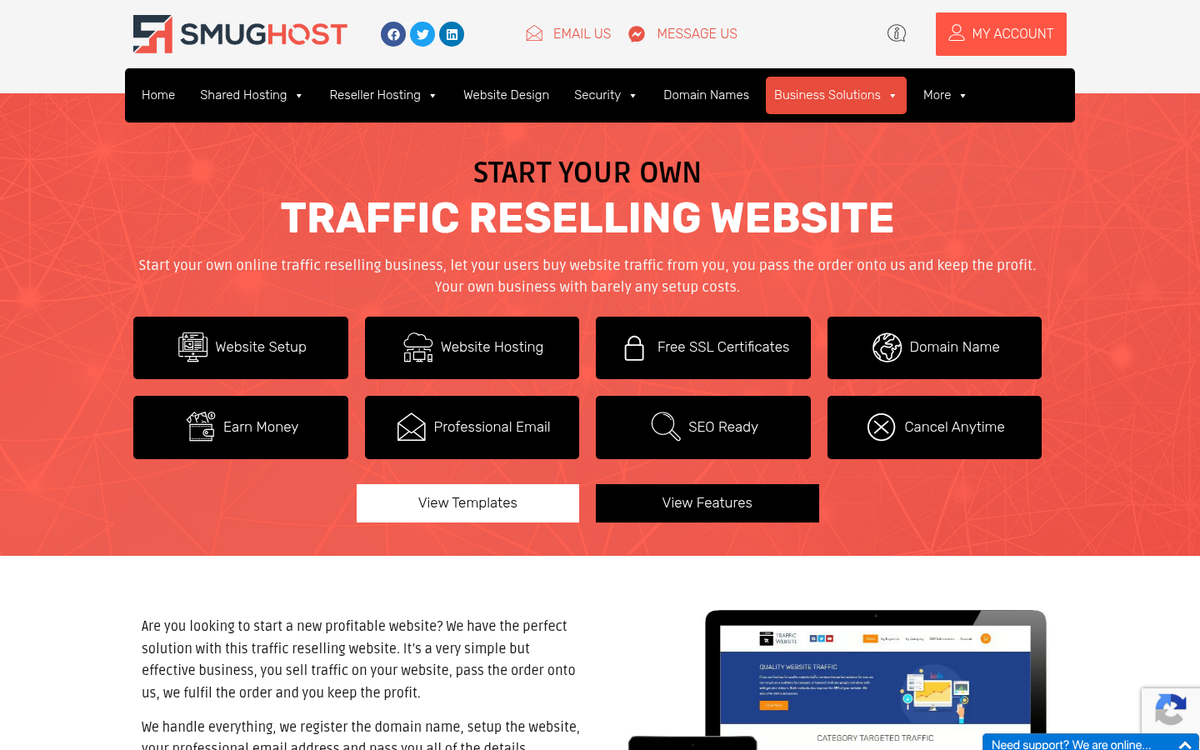
Ideally, your website should be built before or alongside your supplier research. I place it here in the guide because many people jump into building a site before validating the market - only to find they've spent money on hosting and design for a venture they abandon in a month.
That said, having a live site is essential for credibility when negotiating with suppliers. A professional, well-designed site signals that you're a real business worth discounting for.
In 2026, you don't need to start from scratch. Platforms like WordPress with a premium theme, or purpose-built site builders, make it relatively easy to launch a clean, professional traffic reselling site. Look at your competitors for layout and positioning cues. White-label packages offered by suppliers like Web Traffic Geeks let you brand the entire experience as your own.
One important 2026 consideration: your site needs to be fast, mobile-optimized, and technically clean. Google's ranking signals have only gotten more sophisticated. A slow or poorly built site will suppress your organic visibility before you even get started.
Set a Price Point to Make a Profit

At this point, you should have three critical data points:
- What it costs you to source traffic from your supplier.
- What it costs you to run your operation - hosting, domain, licensing fees, tools.
- What your competitors are charging for comparable traffic packages.
Use these to determine a price that keeps you profitable while remaining competitive. Whether you undercut competitors or position yourself as a premium option depends on your niche and your branding.
Build tiered pricing and discount structures into your model from the start. Volume discounts (e.g., 10% off orders over a certain size) and referral incentives are proven ways to increase average order value and reduce churn. Just ensure your margin survives the discount - do the math before you publish anything.
Finding Customers and Building a Base
With a site live and a supplier secured, the next challenge is finding buyers. Effective channels in 2026 include:
- Directing paid traffic to your own site from secondary suppliers or self-serve ad platforms that permit traffic-related advertising.
- Content marketing and SEO. A consistently updated blog targeting long-tail keywords related to your traffic niche can generate meaningful organic leads over time.
- Community participation. Forums like BlackHatWorld, Warrior Forum, and niche-specific Facebook Groups and Discord servers are full of people actively seeking traffic solutions.
- Cold outreach to small businesses that could benefit from an influx of visitors - done thoughtfully and personally, not as spam.
- Traffic exchanges, which remain a source of highly relevant, acquisition-minded visitors.
- Encouraging reviews and referrals from your early customers. Word of mouth is still one of the highest-converting acquisition channels available.
Establish Legitimacy Through Content and SEO
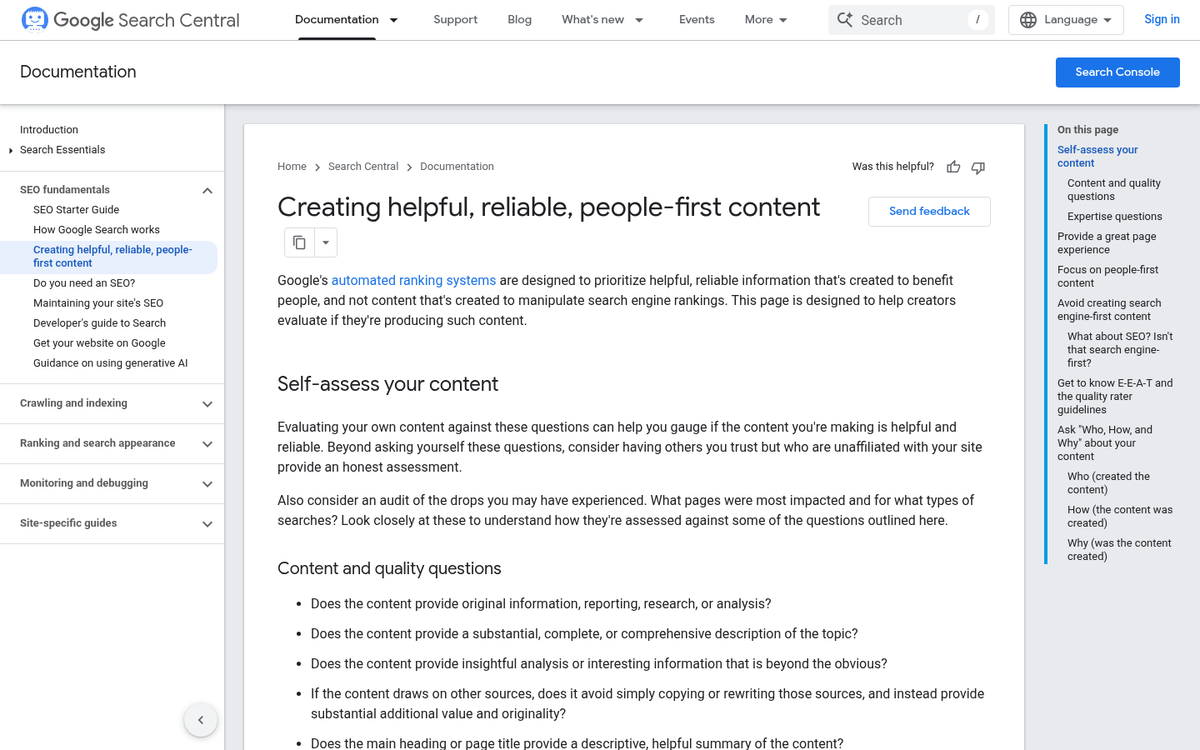
One of the persistent challenges for traffic sellers is the reputational overhang of the industry. Because so many sellers have historically peddled bot traffic and low-quality visits, platforms and search engines remain skeptical of traffic-related businesses.
Google in particular has become increasingly aggressive at suppressing or deindexing sites it associates with manipulative traffic schemes. You need to position yourself as transparently legitimate from day one. Be explicit about what your traffic is, where it comes from, and what it won't do (it won't guarantee conversions, for example). Avoid misleading claims. It's also worth understanding how search engines treat paid services so you can stay on the right side of their guidelines.
A regularly updated blog with genuinely useful content is one of the most effective ways to signal legitimacy to both Google and prospective customers. In 2026, with AI-generated content flooding search results, well-researched, experience-driven content stands out more than ever - and Google's Helpful Content system increasingly rewards it. Be sure to also avoid outdated SEO techniques that could undermine your credibility before you even get started.
Deliver Exceptional Service
Especially in the early stages, customer experience is everything. Prioritize quality and delivery reliability over short-term margin while you're building your reputation. An unhappy customer who posts a negative review can do more damage than losing the profit on their order.
Collect testimonials actively. Ask satisfied clients if they'll refer others or allow you to display their brand as a client reference. Many won't - the nature of buying traffic isn't something most businesses advertise - but those who do provide powerful social proof that can meaningfully accelerate your growth. If you're looking for broader strategies, see our guide on 30 ways to keep your website clients happy.
Respond to support inquiries quickly. Be transparent when something goes wrong. In a space with a shaky reputation, reliability and communication are genuine differentiators.
Invest Profits in More Marketing

As revenue stabilizes, you face a strategic choice: coast, or compound. If you reinvest, your options include:
- Upgrading traffic quality to offer premium tiers at higher price points.
- Improving your site's design, speed, and conversion rate to turn more visitors into paying customers.
- Expanding your content marketing to capture more organic search traffic.
- Running paid acquisition campaigns to reach new buyer segments faster than organic growth allows.
The compounding effect of reinvesting early profits is significant. Businesses that coast plateau. Businesses that reinvest scale.
Cycle and Grow
Traffic arbitrage, done well, becomes a self-reinforcing cycle. Revenue funds better traffic sources, which produces happier customers, who refer more buyers, who generate more revenue. As that base stabilizes, you can diversify - launching niche-specific traffic sites, layering in complementary services like SEO consulting or content marketing, or exploring other arbitrage opportunities entirely.
The fundamentals haven't changed: buy low, deliver quality, build trust, reinvest. What has changed is the sophistication required to execute. In 2026, buyers are smarter, analytics are sharper, and the low-quality operators have largely been filtered out by market forces and platform crackdowns. That's actually a better environment for anyone willing to do this the right way.

1 response
Thoughtful replies only - we moderate for spam, AI slop, and off-topic rants.
Hello, is this traffic real and can be used for email marketing, adsense site and opportunity seekers capture pages? I might be interested in having something like this for a huge audience. Talking about the price, its important to note that I like attracting clients, thus my question, the price you currently offer this traffic here, is the same if I want to buy bulk? I'll of course have to create a real website for this if it is a real traffic. I'm not interested in bot and fake traffic of any kind. I'm talking of traffic that convert that will have buyers coming for more.
I look forard to reading from you soon.
Thank you,