The modern world of business has changed. The advent of smartphones and tablets has made us more connected than ever. There are countless ways to reach people - from Slack and Microsoft Teams to WhatsApp, Discord, and social media direct messaging. You can reach potential customers through Instagram Reels, LinkedIn outreach, or a well-timed email sequence without ever picking up the phone.
For some people, this is an absolute godsend. A significant portion of younger entrepreneurs actively dislike using the phone. It's increasingly seen as an interruptive form of communication, with a lot of limitations and a lot of stress that isn't necessary to the process of running a business.
The old guard still considers phone communication to be essential for business, and it really is in certain contexts. We're not quite to the point where we can do away with it entirely. However, we can certainly eliminate it from our lead generation.
Here's the thing; even if you as a businessman don't mind making phone calls, who are you calling? Today's buyers - Millennials and Gen Z alike - are not phone-averse when it comes to mobile apps and chat programs, but they are very averse to unsolicited phone calls trying to sell them products. If you want to reach them, you need to reach them through a means other than a cold call.
Most lead generation today is done online. Sometimes it leads to sales calls, particularly in high-end niches or in business-to-business sales, but otherwise it can be done entirely through online means. By all means, post your phone number visibly, but don't rely on phone communication to make your sales. Instead, let the interested people call you.
You can focus your efforts elsewhere:
Key Takeaways
- Most lead generation today happens online; post contact forms sitewide using corner pop-ins and exit-intent popups to capture more leads.
- Shorter forms increase conversions; use two-step forms and harvest hidden data like IP addresses to gather information without overwhelming users.
- Build trust through subscriber counts, client logos, user testimonials, and legitimate third-party trust seals to reduce lead hesitation.
- Compare demographics of leads versus actual conversions to identify audience mismatches and refine your targeting accordingly.
- Segment mailing lists by funnel stage and respond to leads quickly, as delays push potential customers toward competitors.
Post Contact Forms on Every Site Page
Usually, businesses limit their opt-in forms, free quote forms, and other registration forms to landing pages. It's a good idea to have them there, after all; landing pages are hyper-focused tunnels geared towards pushing users from visit to conversion. Most good landing pages don't have any way for the user to leave the page without either filling out the form or backing out of the page.
I advocate having a contact form on the rest of the pages on your site as well. It doesn't need to be as heavy or as omnipresent - that is, it doesn't need to dominate a sidebar and push your content aside - but it should be there. The two most successful such forms are the corner pop-in and the exit intent pop-up.
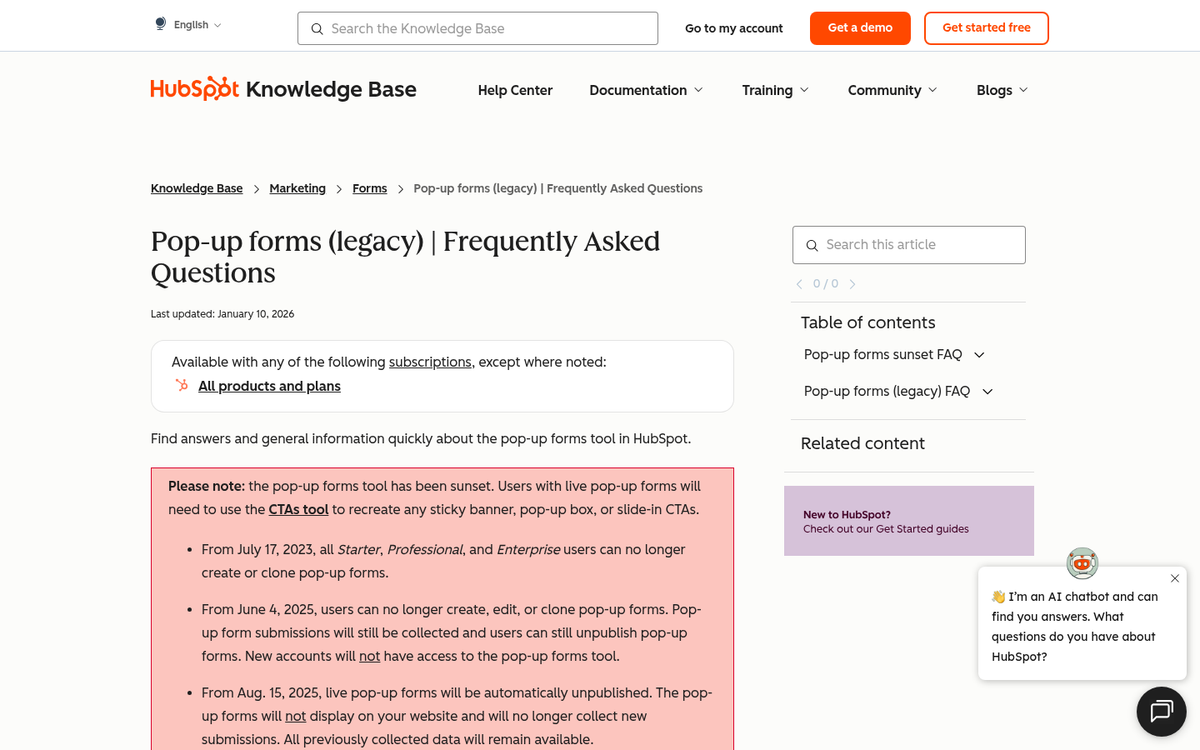
HubSpot's blog is a good example of the corner pop-in. Visit any post and scroll down a third of the way, and you'll typically see a box slide in from the bottom right corner promoting a relevant content offer - an ebook, a free tool, or a webinar relevant to the post's topic.
The other example is found all over the web. When you move your mouse toward the top of the browser window as if to navigate away, it triggers an exit-intent pop-up within the page. It's not a new window, it doesn't violate rules against pop-ups, but it acts in much the same way. It's intended to disrupt your intent to leave and get you to focus on one more thing - whatever offer the site in question is promoting.
In both cases, you can make those pop-ins incorporate elements of the form or the offer you want the user to claim. Lead them towards a form or a landing page, and get them to fill out the form from there.
Ask For Less, Harvest More

It's a well-documented fact amongst the marketing community that the more information you ask for up-front with a contact form, the fewer people will take the time to fill it out and continue with the process. If all you want is a name and email address, that takes half a second to type out. Ask for company size, revenue, job title, and phone number upfront, and watch your conversion rate drop.
I know that asking for a lot of information makes it easier to analyze the customer and determine how likely they are to convert, and more importantly, what approach to use to convert them. It's up to you, then, to make the value judgment; which is more important, one more lead with a bit less information, or one less lead but more information on the leads you get.
One common alternative is the two-step form. Many sites are using it these days. The way it works is that you ask for simple information up-front, like name and email address, and that's it. When the user fills that information out and clicks submit, a second form appears asking for more information. Typically it includes some encouragement, a progress bar, or "You're almost done!" - something of the sort.
You'll find that some users drop off, but fewer than you might expect if you had asked for all of the information in the first form. Users feel that you already have some of their information - even if the submission isn't complete until they fill out the second form - and that they might as well finish the process.
Another trick you can use is harvesting hidden data along with the submission form. By analyzing the IP and user agent of the user, as well as the page they filled out the form on, you can gather a significant amount of information. For example:
- The country from which the user is browsing. This can help you filter out unqualified leads or identify new areas you can expand into.
- The page the user came from when they filled out the form, which can tell you which sales funnels are operating better or worse than the rest.
- The IP address of the user, which allows you to identify duplicate entries, filter out spam, and identify interesting user sources.
Ask for less information up-front, balance out what you ask in a secondary form with how many users don't want to provide more information, and harvest what you can from the user in other ways.
Build Trust
The two strongest roadblocks between you and a lead are the user not needing what you have to sell, and the user not trusting you. There's not much you can do to alleviate the first one. Unless you're going around creating problems your product can solve - which is kind of poor form - the best you can do is just try to convince the user they really do have that problem.
The second one, though, you can help alleviate. There are a few types of trust-building proof you can add.
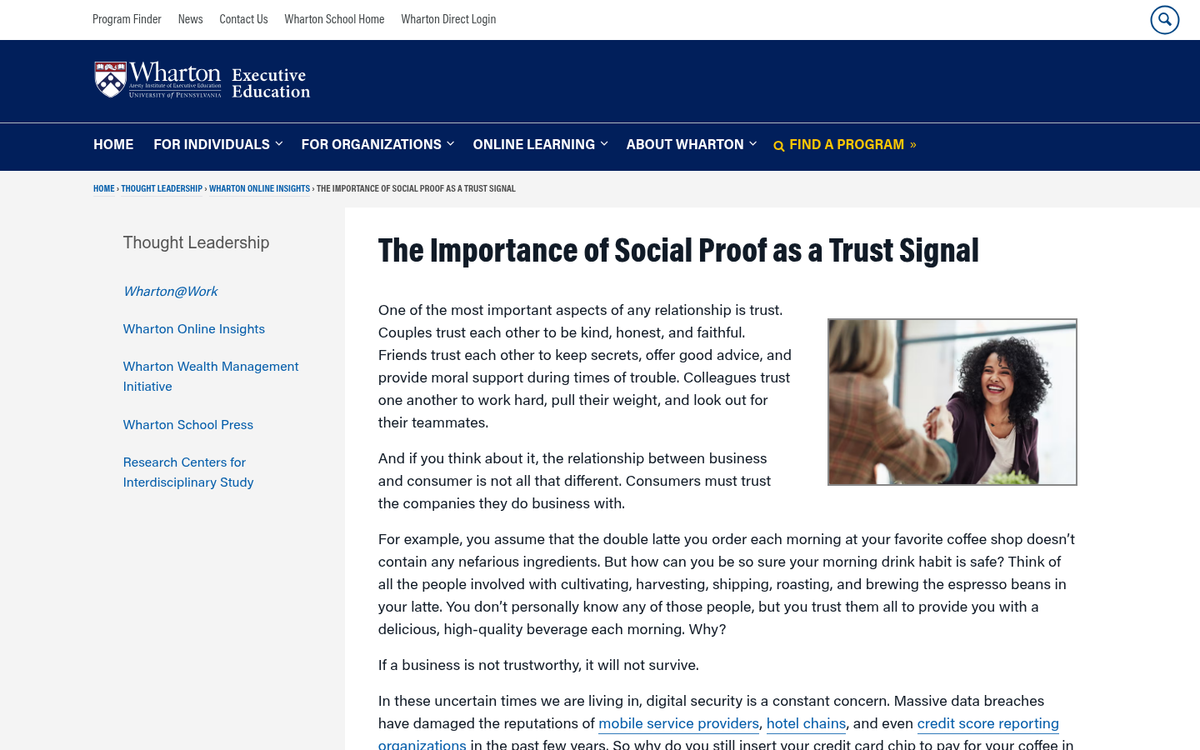
At the basic level, you have indicators of your success. If you have a mailing list or subscriber count in the hundreds of thousands, you can display that. People will recognize that no business is going to have 100,000 subscribers and still be a scam. A similar form of social proof would be follower counts on social media, which you can display with easy widgets. You just have to be careful not to display low follower counts, which make it look as though no one follows you and has the opposite of your intended effect.
The next step up is the client list. If you're selling a product that businesses might be interested in, you can showcase logos of business clients you've worked with. What small business is going to see a recognizable enterprise brand under the clients list and still think you're not worth using?
At the top level are user testimonials. Lengthy - two to three sentences - quotes from satisfied users, along with links to the site of origin of those users if applicable, is potent social proof. It also helps users trust in your product by giving them a different way of looking at your service.
You can spruce up your testimonials by adding images. Video is even better, and with the ease of recording and publishing short-form video today, authentic video testimonials are far more accessible than they used to be. It's worth testing whether they improve conversion rates for your specific audience.
You can also use trust seals, but if you do, make sure they're legitimate. Trust seals are badges from recognized third parties - SSL certificate providers, security auditors, or industry associations - that tell the user a third party has reviewed your business and found it credible. Typically you'll see them most during payment, but you can display them in other locations if they help.
Have a Unique Site Design
There are a lot of easy, template-based ways to build a website. Platforms like Wix, Squarespace, and WordPress offer hundreds of pre-built themes that let you get a site live without any coding knowledge. For many small businesses just starting out, this is perfectly reasonable.
However, as your business grows, a generic template can start working against you. Web users today are sophisticated enough to recognize cookie-cutter designs, and they associate them with low effort, limited budget, or in worse cases, low-quality operations. For every clean, professional-looking template site, there are a dozen that undermine the credibility of the business behind them.
It pays to hire a web designer to develop a custom site design for you, or at the very least, invest in a premium, infrequently used theme and customize it meaningfully. Users are going to trust you a lot more when your site design feels unique and intentional, even if it shares some of its underlying structure with other sites.
Compare the Difference Between Leads and Converts
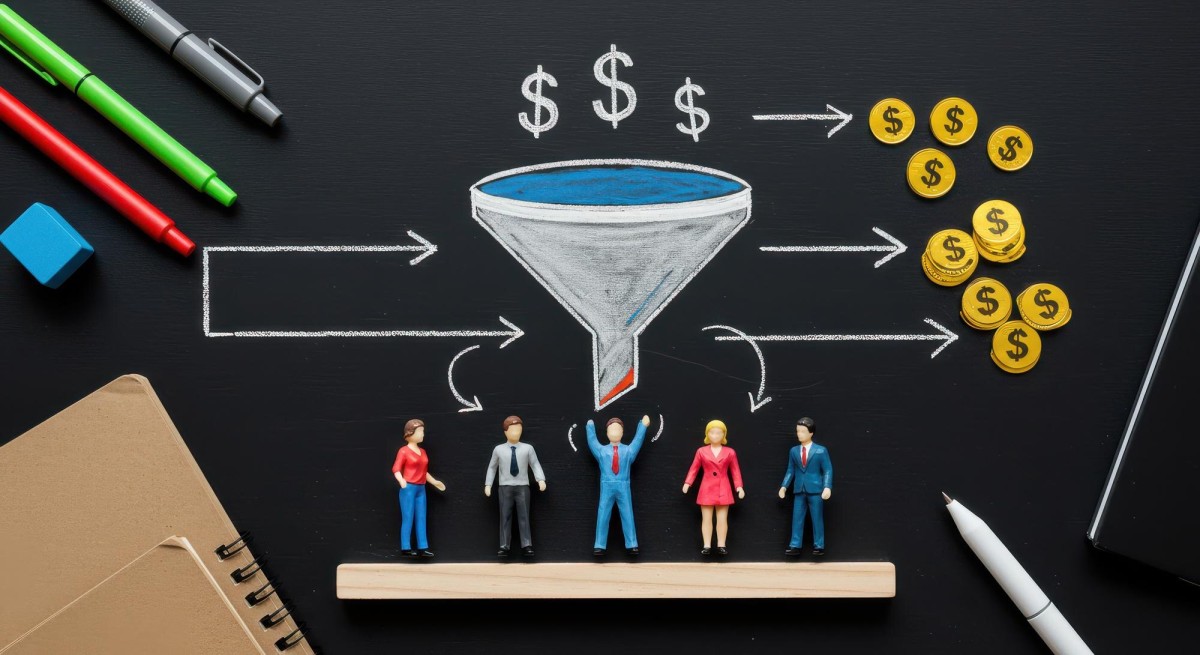
The sales funnel has users that become leads, and it has users that convert. What you need to do is look at all of the information you have about the people who convert. What are their demographics? Where are they located? What sort of income levels do they have? What other products are they interested in? Figure out who they are, in as intimate detail as you can without getting too personal.
Now take all of this information and compare it with the people who are becoming leads. You're not converting 100% of your leads. No one ever does. However, you might be able to convert more of them.
The demographics of your conversions tell you who is attracted to your product enough to convert. The demographics of your leads tell you who you are advertising yourself to. Sometimes, you'll find that there's a disconnect there. You're advertising to the wrong audience. Maybe you started a product geared towards one group, but it turns out to be much more popular among a completely different one. That's when you make a dramatic shift in your marketing to target the demographic that actually converts.
It's rare that you'll encounter such a hugely different group of people on either side. Most of the time, it will be little things. You're targeting a younger age group than who is actually attracted, you're targeting a lower income level, or something of the sort. Understanding the difference between good traffic and bad traffic can help you refine who you're reaching and why some leads never convert.
Broaden Your Foundation
Many businesses start off with little more than a website and some basic advertising or a mailing list. That's fine, but you can do better. You can gain leads from other sources all around the web. Look into various communities, sites, and networks in your industry to find potential sources of new leads. For example:
- Major social media platforms like Facebook, LinkedIn, Instagram, and TikTok.
- Professional communities on LinkedIn, including niche industry groups.
- Large community platforms like Reddit, where niche subreddits can be a valuable source of engaged prospects.
- Industry, hobby, or niche forums and discussion boards.
- Content marketing through a blog - brands with an active blog generate 68% more leads than those without one (HubSpot).
The more sources you have for incoming traffic, the more potential leads you have. The more leads you have, the more you can convert those leads into customers.
Maintain Multiple Mailing Lists
When you're filling out a mailing list, who is signing up? If you're giving out an ebook or a free resource, or even a free product, you're getting a specific type of person. You're getting people who are interested in free stuff. Some of them will consider anything free something they can potentially leverage for profit later. Others may be interested in what you have, but don't have the budget to convert and thus have to rely on your free handouts.
The result of this is that your mailing list, even though it's full of leads, might not be full of conversions. These people have limited interests and ability to convert, so spending a lot of time marketing to them might not be very valuable.
What about if you have an opt-in form for a mailing list on a landing page specifically about "contact us to learn more about our product"? These people are much more likely to convert. They're already interested, you just need to convince them with the final sale.
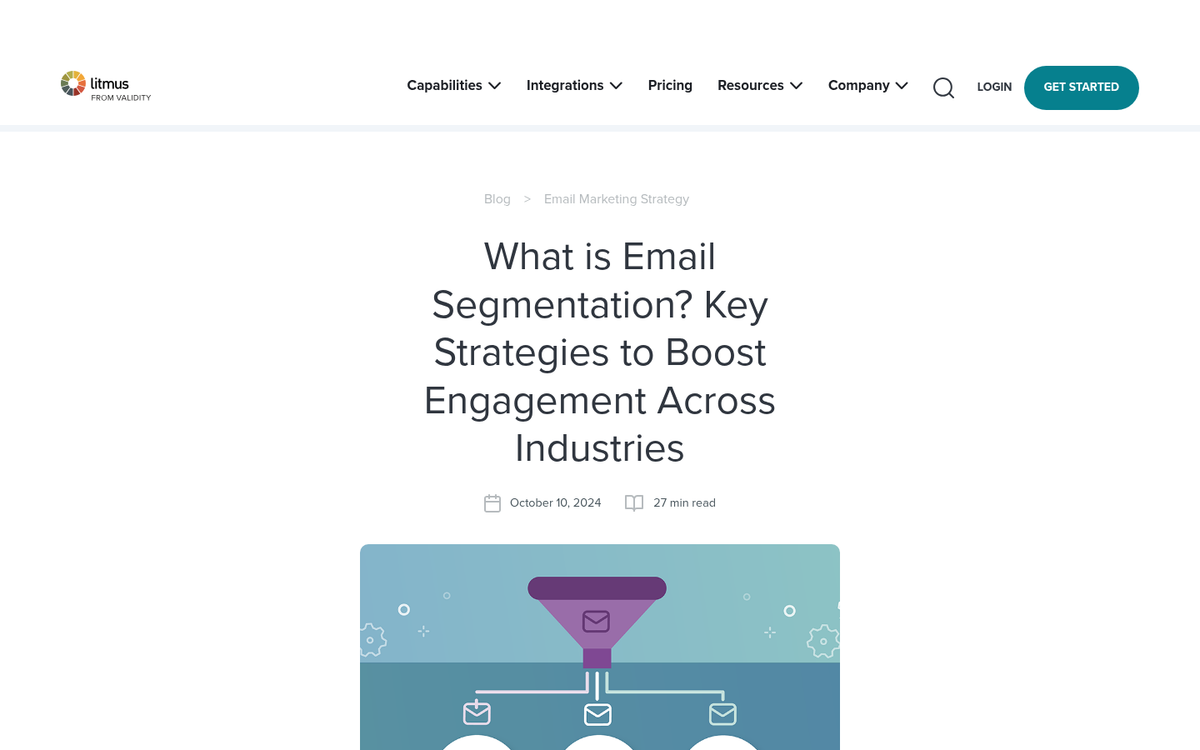
It doesn't make sense to funnel both groups of users to the same mailing list. They are participating in different points of your sales funnel. You can always move users from the first to the second when they exhibit behavior that suggests they're interested in converting. Leave the rest for a content digest newsletter.
Worth keeping in mind: email marketing remains one of the highest-ROI channels available. For every $1 spent on email marketing, marketers receive an average of $36 in return (Litmus). Maintaining well-segmented lists is a big part of why.
Move Fast
Most people will only sign up for a mailing list or reach out to contact you because they're interested in buying. The longer you make them wait, either through a delayed marketing process or just a lengthy turnaround time, the less likely they are to convert. Many of them may have gone out and found a different source, likely your competitors. Move fast and capitalize on your leads while they're fresh.