Web forums have somewhat fallen by the wayside with the advent of social media, but they haven't died off completely. Quite the contrary - they have simply become inclusive, tight-knit communities centered around common interests. On Facebook you can maintain a wide net of social acquaintances. On X (formerly Twitter) you can build a community of people with similar interests and sensibilities. On LinkedIn you can build a professional network. It's all based around social aspects and similarities.
On forums, you have widely disparate people who might never otherwise have met, associating around a central core interest. You can have people from around the world, of all ages, posting together simply because they all like the same thing.
Reddit, for example, remains one of the largest web forums in existence, with its unique content display and voting system. Various subreddits bring together players of specific games, fans of specific TV shows, workers in specific industries, and hobbyists of all kinds. You can think of other web forums as individual subreddits, in a sense. Most forums outside of Reddit measure their users in the hundreds rather than millions, and receive only a handful of posts per day. They have trouble attracting new users, because it's hard to advertise a community as something worth joining when so many broad-spectrum social networks already exist.
With the demands on everyone's time and the lack of immediate value to give, how do you convince users to join your forum and, more importantly, participate?
Key Takeaways
- A new user onboarding email campaign helps registrants understand forum value, find key sections, and transition into active participants.
- Progress logs and structured participation prompts help combat the reality that only 1% of online community members regularly create content.
- Active forum ownership builds trust; absent admins cause users to lose faith and disengage from the community entirely.
- Hiding some content behind registration incentivizes sign-ups, but must be combined with other tactics to drive actual participation.
- Referral programs are among the oldest and most effective growth tools, though fraud prevention must be considered carefully.
1. Create a New User Onboarding Campaign

On pretty much every forum software ever made, users have to register via an email address. This means you can add in a mailing list drip campaign to give them some introductory information, welcoming messages, and some additional value.
What should go into this campaign? That depends on your forum. The number one thing is to be topical and casual, as if you're reaching out to the user to help them get used to the site. This will help them feel more comfortable and at home. If you can explain some board rules - including social cues they might not be able to pick up from a casual browse - you can make their transition from new registrant to active user much smoother.
Ideally, you will point out a few locations on the board they can go for certain types of information. Tell them where they can go for a tutorial, where they can find discussions on various topics, and how they can participate. You want to inform them of how they can get value out of your forum, and where they can go to bring value in.
Keep in mind that research consistently shows the average person gives each page they visit four seconds or less before deciding whether to stay. Your onboarding emails need to be just as sharp and direct as your forum's landing experience - every message should deliver immediate, obvious value.
If you have a novice-centric section for Q&A and newbie questions, promote it. Likewise, if you or any other admin or moderator is willing to chat one on one for informational purposes, include their contact information in the email. It helps anyone who may have questions know where to go to get answers. For tips on crafting these messages, see our guide on creating effective autoresponder marketing emails.
2. Encourage Participation and Sharing

Fitness and bodybuilding forums have long been great at this, but it can apply to any topic that has a growth-over-time metric that can be measured. Using weight loss as an example, encourage people to post their progress logs. Establish a protocol - make a post with basic information and various metrics that should be monitored for progress, like weight, muscle mass, lifting capabilities, diet, and so forth. Then set up daily or weekly progress reports, where the user can come in and post about their experience that day or week and how their numbers have changed.
Take the same concept and apply it to business: you can have weekly traffic stats, revenue, SEO strategies, and so forth. It's all case study data and it's all tangible progress.
The best part is that this has a wide range of benefits. It helps new users have something to do and some reason to return - to keep updating their logs. It holds them accountable for their mistakes and helps crowdsource improvements. It brings a community in to participate in making everyone's life better.
This is especially important given that research consistently shows only about 1% of users in any given online community regularly create content, while 90% consume passively. Progress logs and structured participation prompts are one of the best tools you have to push people out of that passive 90%.
3. Be Active and Helpful Personally
As the owner and admin of the forum, you are in a position of authority. You're a big part of the reason people have come to the forum. Communities these days tend to gain respect because of the people in them. People will come to a community when it's filled with knowledgeable, engaged individuals - and as the owner, you set the tone for all of it.
People will come to this community for many reasons. Some will come looking for help or for advice. Many will come to engage with and network with others in the space, and as the owner of the community, you are one of the most visible figures in it. People perceive that your attention has value, and that means you're going to have people vying for your attention.
If you're not around, if you never post, people will lose faith. They came to interact with you and other engaged members, but if you're absent, they feel like they get less value out of posting on your board. The more you can participate, the more people will be willing to stick around and engage with you.
4. Promote Users

You can also give tangible incentives to your users. One thing I like to do is create a promotional section. Usually forums tell their users that they can't just use the forum as advertising, as a way of minimizing how many people drop in to post a promotional message and leave.
By creating a promotional section, people can be attracted by the potential to leave their marketing message there and gain users from your forum. I like to gate it behind a certain number of posts, so users have to participate before they gain access to the benefits.
Then, in addition to allowing users to promote themselves to each other, I like to establish a weekly or monthly rotation of site-wide promotion. Depending on the activity of the forum, pick a user whose business or project you want to promote for the week or the month, and promote it. You can make a sticky thread, post about it on your site, and so forth. It's free advertising for your users, and it comes with engagement on your board as an entry fee. This gives your users a reason to stay hooked.
5. Hide Value from Guests
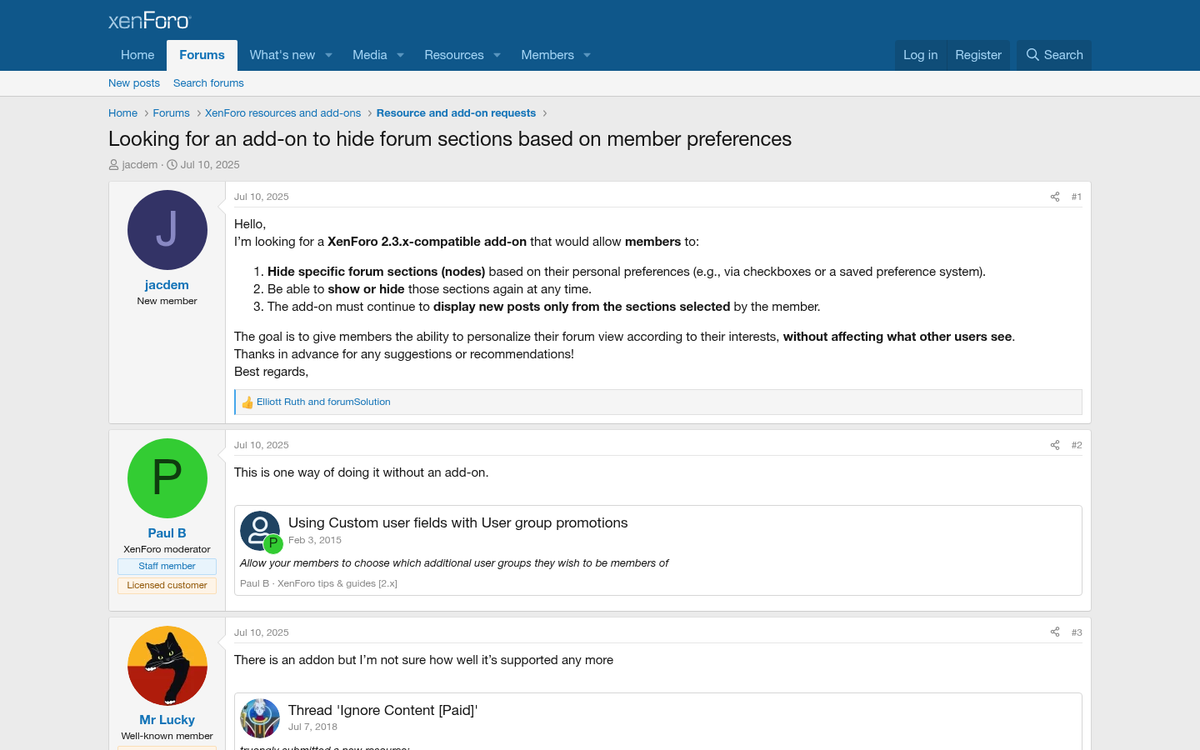
I know I've registered for many a forum in my day just to see content that I know exists but that is hidden from guests. I needed to register in order to see it, but it was referenced on external sites - blogs and other forums, mostly - so I knew it was there.
The problem with this is that it's an incentive to register, but not an incentive to post. You still need to combine this method with other tricks to get people to do more than just look at the one bit of content they wanted to see before they go away. Usually, a weekly content digest to their email can help keep them coming back to see interesting things, and that can get them to comment and eventually become an active participant.
The caveat here is that you cannot hide ALL of the value of your forum away from people. If no one knows there's value there, no one will be interested in registering just for a look. You need some publicly visible sections with value and activity, so people don't have to gamble their time on value. If you're looking for ways to add a forum to your WordPress blog, there are several plugins that can help you get started with the right structure from the beginning.
6. Use Your Forum For Value
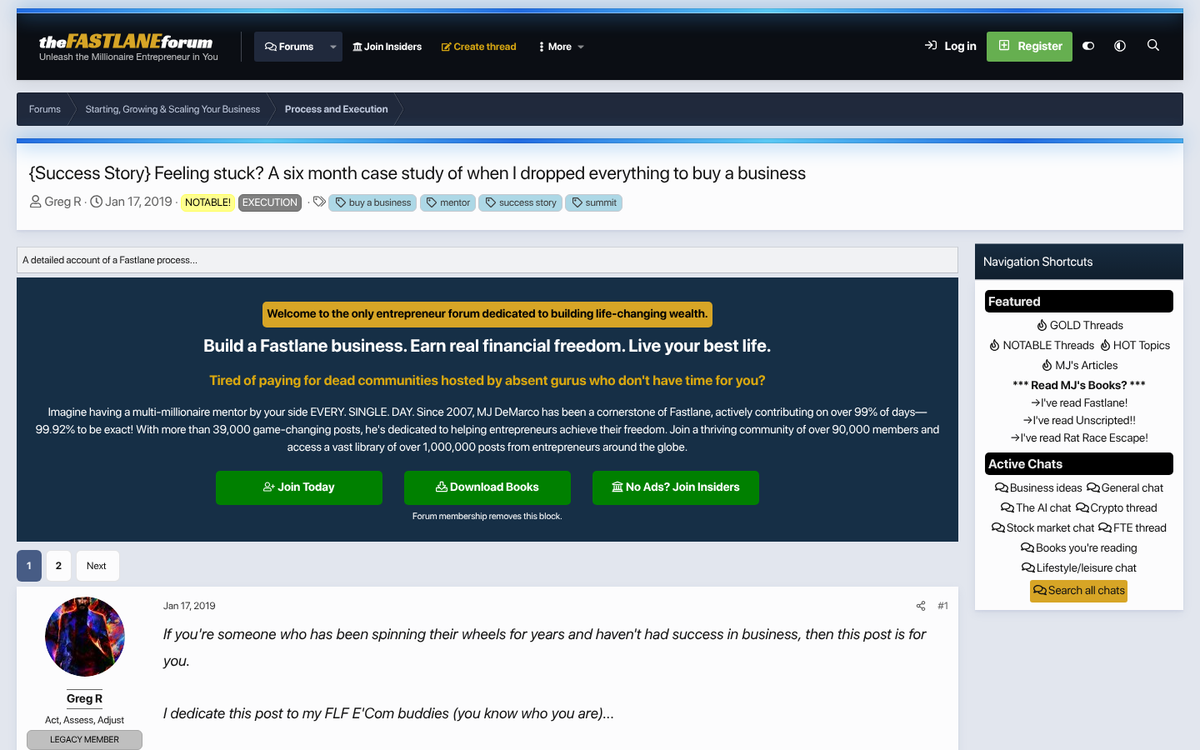
Once your forum has been built up, you can draw from it for value to your own site, which will often be value to the people you're drawing from as well. When a user has successfully used your community to grow a business and recorded the logs for all to see, you can take advantage of it by writing a case study about their business to post on your blog. You can contact them for an interview, provide links to their site, and in general benefit them while getting yourself valuable valuable site content in the process.
This has the added benefit of earning you a link in return, most likely, as well as promoting your forum. People will see the public success story and realize that they, too, can join the community and start the process of reaching their own goals.
7. Gamify the Board

There are a lot of different ways you can add gamification to your site. Some communities go all out with events, avatar systems, and reward mechanics that appeal strongly to younger or more casual audiences. For more mature, laid-back groups, you can do something like add custom user titles for reaching posting milestones, add posting and activity-based achievements, and have badges for users that they can publicly display. Reddit itself has long used trophies and awards as participation incentives, and the model continues to prove effective.
Modern forum platforms like Discourse have gamification built in natively - trust levels, badges, and automated rewards for consistent participation are available out of the box. If you're building or rebuilding a forum in 2026, leveraging these built-in systems is far easier than it used to be.
You can only pull this off effectively if your forum has the right tone for it. If you're running a top-end professional board for corporate types, silly achievement badges may undermine your credibility. Use your best judgment and don't be afraid to retire a program that isn't working.
8. Actively Moderate Your Forum
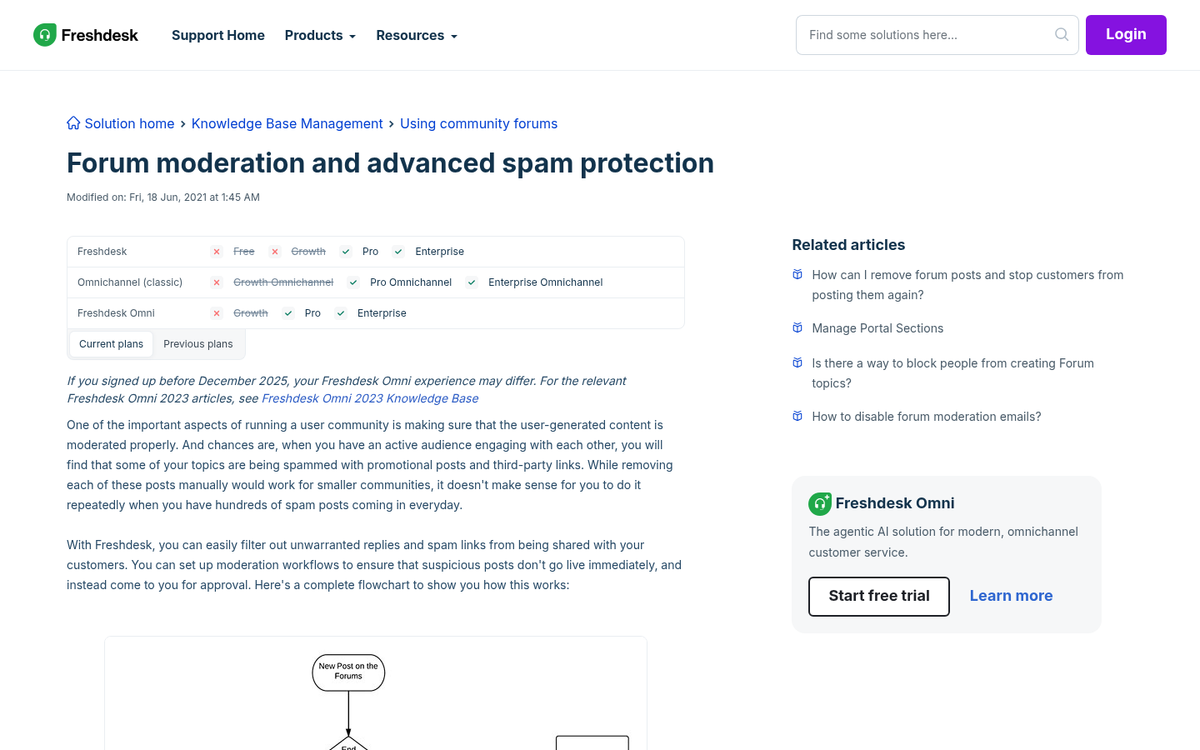
Nothing is worse than coming across a forum and seeing very little other than recent spam posts. If your board allows bots access somehow, or if old accounts are compromised, bots can take over and spam it. If you don't actively take care of it, you'll lose users and it will be virtually impossible to recover. You may want to look into blocking unwanted spam bot traffic to help protect your forum.
Moderation is important for more than just spam, however. With AI-generated content now easier to produce than ever, forums in 2026 face a newer challenge: low-effort AI spam that looks like real posts but adds no genuine value. Staying on top of this requires vigilance and, in some cases, specific tools or rules around AI-generated content. You also need to keep conflicts between users to a minimum, keep hate speech and other such vulgarities down, and generally make sure your board is a pleasant place to read. Arguments and discussions are fine; insults, threats, and doxing are not.
9. Prune and Add Boards
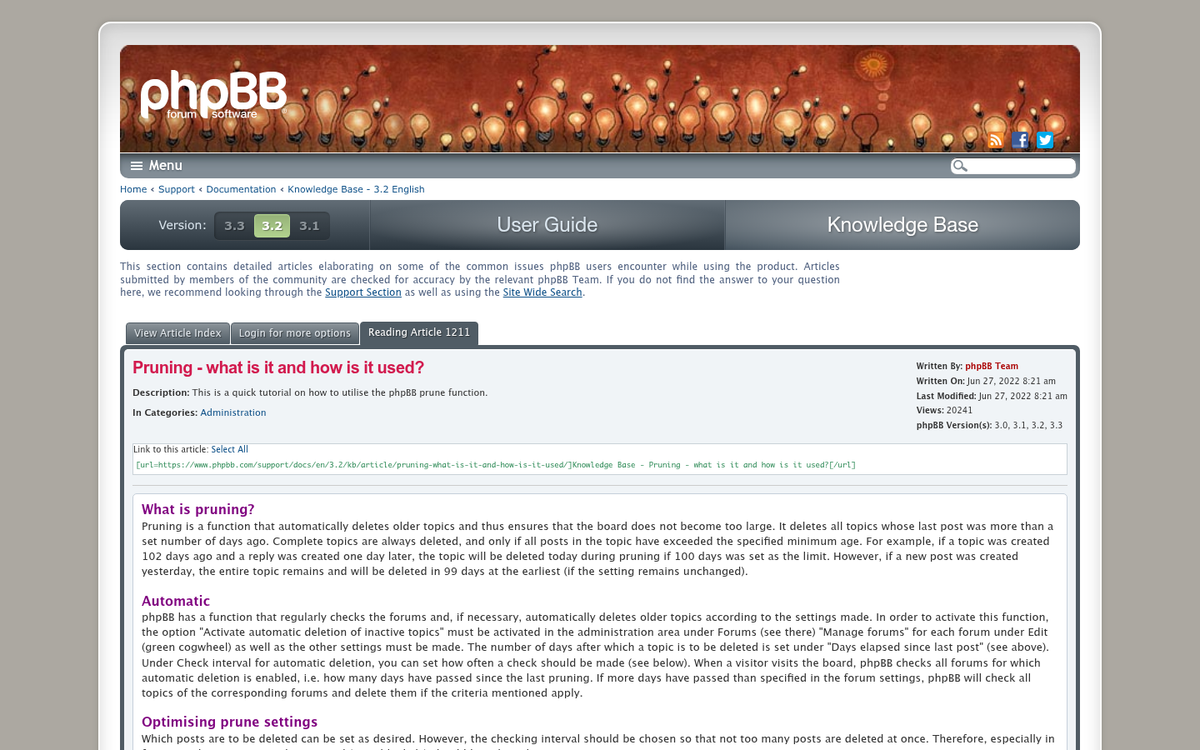
A lot of times, communities will evolve over time. Reddit is perhaps one of the most active about adding new boards, because any user with sufficient standing can add a new subreddit. Other boards are active about removing old, dead discussion areas and adding new ones.
The idea is simple. If a sub-section of your forum gets no activity, it's not drawing in users. You might as well hide it or move it to an archive, if there's valuable content in it, so that it's not giving people a false impression of activity. Meanwhile, you should be opening up new discussion areas for topics that are emerging as hot topics and trends.
A useful rule of thumb: start with only four to six sections, then expand only as demand makes new ones clearly necessary. Too many empty boards signals a dead community faster than almost anything else.
10. Start a Referral Program

Referral programs are one of the oldest and most effective ways to get new users to a community. By giving people incentives to get new users in, you get a larger community and a more engaged one. It can also tie into the gamification, if you decide to go that route, or it can simply result in monetary incentives by way of monthly gift card drawings or branded merchandise.
You're going to have to confront the problem of fraud, however. It's difficult to determine when a referral is real, which is one of the big problems with incentive-based growth programs. The better the incentive to referrers, the more you will have to combat fraud. I'll leave the specific solution to that up to you.