Both platforms power a massive chunk of the online selling world, and both have active affiliate programs and plugin ecosystems built around them. But they're not interchangeable. WooCommerce is a large, flexible platform that works with everything from physical goods to subscriptions. But Easy Digital Downloads was built specifically for selling digital products. That difference in focus has a result on your affiliate strategy from the types of merchants you'll be promoting, to the commission structures you'll see, to how much your audience actually converts.
The platform you build around - or recommend to your audience - shapes the affiliate income you can realistically expect. A site owner selling WordPress themes has different needs than someone running an online course business, and the platform that serves them best isn't always obvious from the outside. Getting this wrong means leaving money on the table, or worse, putting effort into promoting a platform that doesn't resonate with the audience you're trying to reach.
This overview was built so you can figure out which platform has the stronger foundation as an affiliate. I'll talk about what each one does well, where each falls short, and how those strengths and weaknesses translate into earning potential in your position.
Key Takeaways
- WooCommerce suits broad eCommerce audiences; Easy Digital Downloads fits affiliates targeting software, course creators, and digital product sellers specifically.
- WooCommerce's massive scale (2.9M+ sites) offers volume, while EDD's smaller, focused audience can deliver higher relevance and conversion intent.
- Both platforms have extension ecosystems offering additional commission opportunities beyond the core product, rewarding affiliates who create specific use-case content.
- EDD supports roughly 10 languages versus WooCommerce's 51, giving WooCommerce a clear advantage for affiliates targeting international or non-English audiences.
- The biggest affiliate mistake is choosing a platform based on brand size rather than audience fit, leading to misaligned content and poor conversions.
What WooCommerce and Easy Digital Downloads Actually Do
WooCommerce is a WordPress plugin that turns a standard WordPress site into a full eCommerce store. Automattic - the company behind WordPress.com - acquired it in 2015 for $30 million, which tells you something about how widely used it had already become. It works with physical products, digital products, subscriptions, and just about anything else you want to sell online.
Easy Digital Downloads was built with one job: to sell digital goods. It launched in 2012 and the entire platform was designed from the ground up for files, software, ebooks, and similar products. There are no shipping fields or inventory trackers for physical stock because none of that applies.
That difference in purpose is the foundation of everything else in this comparison.
WooCommerce is large by design - it gives store owners the flexibility to sell almost any product type, and its extension library is giant as a result. That flexibility is helpful. But it also means the platform carries weight that digital-only sellers may never use.
Easy Digital Downloads keeps things tight. The checkout process, license management tools, and customer download access are all built around the reality of selling digital products - not adapted from a physical retail model. For affiliates who promote software tools, online courses, or digital templates, that distinction matters when looking at how well a platform fits its audience.
Neither platform replaces the other in every context. WooCommerce works for digital products, and some sellers use it that way successfully. But the two platforms have different starting points, and those starting points shape how each one behaves - what it does well and who tends to choose it.
That core difference is worth establishing up front, because you are not looking at two identical tools with different branding - you are looking at a general-purpose eCommerce plugin and a focused digital sales platform that overlap in one area.
Platform Scale and Market Reach Affiliates Should Know About
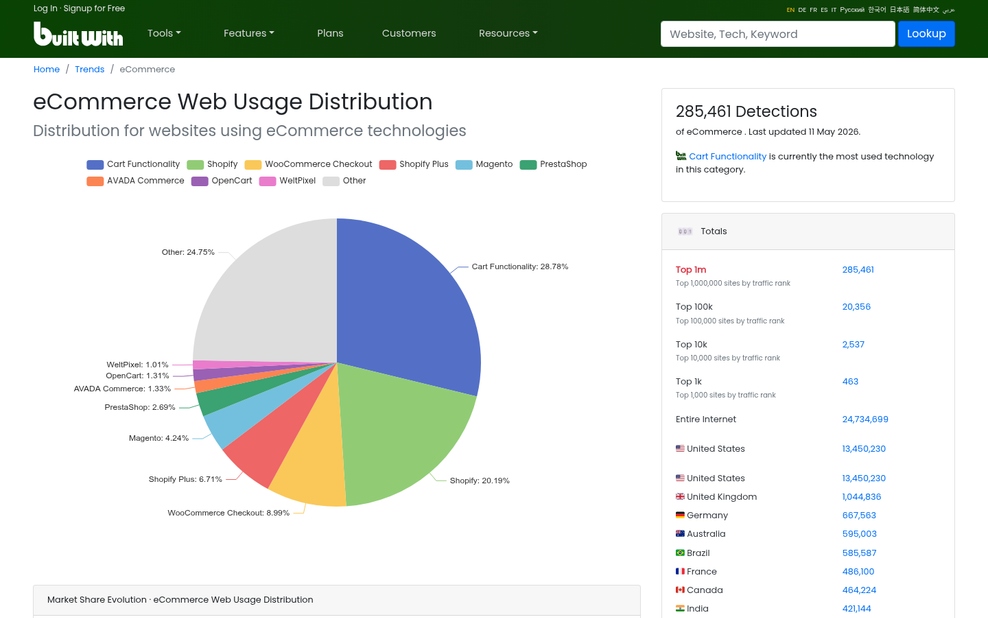
WooCommerce powers over 2.9 million active websites and holds around 22% of the top one million eCommerce sites according to BuiltWith data. Easy Digital Downloads sits at roughly 0.2% of that same list. That is a big gap in raw market presence.
For affiliates, scale matters in a helpful way. A platform with millions of active users means possible buyers already familiar with the product and merchants who might need the tools you promote. That familiarity can lower the friction between clicking your link and actually making a buy.
But scale does not automatically mean better affiliate results. EDD's smaller footprint goes well with a more concentrated audience - who specifically sell online products and know what they need. That targeted intent can work in your favor because you are reaching people with a precise problem to solve. If you want to understand why affiliate marketing sometimes falls short, audience relevance is often a key factor.

A large platform gives you volume to work with. But a focused platform gives you relevance. Both have value depending on your audience and content strategy.
| Metric | WooCommerce | Easy Digital Downloads |
|---|---|---|
| Active websites powered | 2.9 million+ | ~50,000+ |
| Share of top 1M eCommerce sites (BuiltWith) | ~22% | ~0.2% |
| Audience type | Broad - physical and digital sellers | Narrow - digital product sellers only |
| Brand recognition | Very high | Moderate within niche communities |
WooCommerce's name recognition also factors into conversions. Many buyers and merchants have already heard of it before they land on your content. EDD has some strong recognition inside the WordPress online product space but is less known outside of it.
The scale difference between these two platforms shapes what affiliate opportunities look like in a real and measurable way.
How Each Platform's Extension Ecosystem Affects Affiliate Earnings
The size of a platform's extension library matters quite a bit for affiliates because it multiplies the number of products you can promote. You earn from one referral link to the main platform and from the plugins, themes and add-ons that users need to get up and running.
WooCommerce has a very large extension library with hundreds of plugins across payments, shipping, subscriptions and more. That breadth means more promotional opportunities. But it also means more competition. Many of the extensions have their own affiliate programs, so there's earning potential past the core product. If you're looking to expand those opportunities further, check out our huge list of affiliate sites with recurring commissions.
EDD takes a more focused strategy with around 80+ extensions built specifically for online product sales and roughly 104 extensions and themes total; it's a smaller library. But it's very targeted. Every extension in that catalog solves a problem that an online seller actually has, which makes it easier to write content that connects to what your audience needs.
This distinction shapes how you build content as an affiliate. With WooCommerce, you can go wide and write about a large number of use cases, from physical retail to membership sites. With EDD, you go deep and build authority with a narrower audience of software sellers, course creators and online download businesses.
The core question is whether you are better positioned to promote one big ecosystem with broad appeal, or a curated set of tools with high relevance to a defined group of buyers. Neither strategy is wrong. One favors scale and variety and the other favors specificity and trust.
Affiliates who already write for developer audiences or online product creators will find EDD's ecosystem fits naturally into their content. Affiliates with general eCommerce audiences can pull from WooCommerce's wider catalog to cover more ground and diversify their income across more products. Adding the right plugins to increase eCommerce sales is one way to deepen that content.
The extension ecosystem is one of the more underrated parts of affiliate strategy for these platforms. The per-product commissions from individual add-ons can add up meaningfully over time, and that's especially true if you build content that ranks for specific use cases instead of just broad platform comparisons.
Affiliate Program Structures for WooCommerce and EDD Promoters
The mechanics of each affiliate program matter quite a bit if you're planning content around either platform. Things like commission rates, cookie windows, and payout thresholds will shape how much work it takes to see a return.
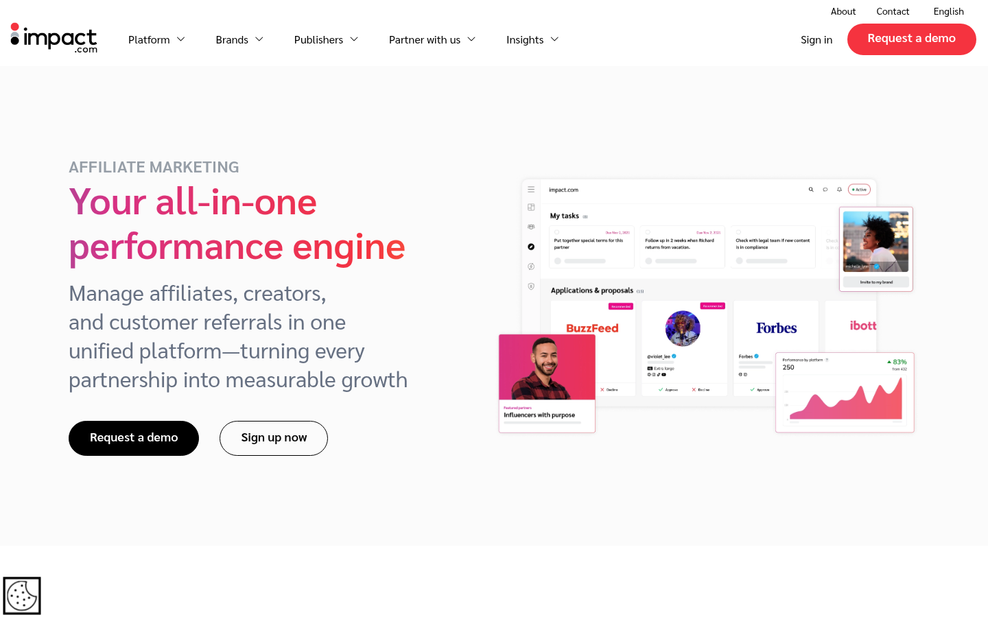
WooCommerce falls under Automattic's affiliate program. Automattic runs its program through Impact, and it covers a number of products like WooCommerce plans and extensions. Commission rates and cookie durations on these programs do change, so it's worth checking the latest terms directly on their affiliate or partner pages before you build a strategy around numbers.
Easy Digital Downloads runs its own affiliate program and also has products listed through networks like ShareASale. EDD's product lineup includes the core plugin and a set of paid extensions and pass licenses. Some of the passes bundle multiple extensions together, which means a single sale can carry a commission value even at a modest percentage rate.
The difference between one-time payouts and recurring commissions is worth thinking about. That changes the math on your content investment quite a bit.

| Feature | WooCommerce (Automattic) | Easy Digital Downloads |
|---|---|---|
| Affiliate Network | Impact | ShareASale / Direct |
| Commission Type | One-time (varies by product) | One-time + possible recurring |
| High-Value Products | WooCommerce plans, extensions | Pass licenses, extension bundles |
| Cookie Duration | Check current terms on Impact | Check current terms on ShareASale |
Always verify the live program details before you follow a content angle. Rates and terms get updated, and building a review or comparison around outdated numbers will hurt your credibility with readers who do their homework.
If your content focuses on subscription tools or membership plugins, the recurring commission angle is worth looking at in depth. A single well-placed tutorial could generate passive income over a long stretch of renewals instead of a one-time spike in earnings. Understanding which affiliate programs convert best can also help you prioritize which products to feature in your content strategy.
Digital-Only vs. Mixed Product Niches - Picking the Right Fit
Before you commit to promoting one platform, it helps to take an honest look at what your content is actually about. The platform you back should feel like a natural fit for your audience - not a stretch.
If your content focuses on software tools, online courses, digital art, or downloadable resources, EDD is worth consideration - it has surpassed 2.44 million downloads and was built from the ground up to manage online products. That focus tends to come through when you write about it, and your audience can sense when a recommendation lines up with the context around it.
WooCommerce makes more sense when your content covers physical goods, general eCommerce setups, or mixed-product stores. Its scale is hard to argue with - it powers a large portion of WordPress-based online stores worldwide, so there's a number of readers who can relate to it.
The tough part is that affiliates gravitate toward the bigger name without thinking about how well it fits their niche. A blog about selling online templates has more credibility when it points readers to a platform designed specifically for that use case. Recommending a generalist tool in that context can seem a little off.
Consider the questions your readers ask. If they are asking how to sell physical inventory, manage shipping, or set up multi-vendor stores, WooCommerce fits that conversation. If they are asking how to protect downloadable files, manage license keys, or price subscription-based content, that's where EDD belongs.
It's also worth thinking about trust. Readers who follow online-product creators tend to have niche expectations. They want recommendations that match their world, and EDD's tight focus on online goods strengthens that connection. WooCommerce has giant breadth. But breadth doesn't always translate to relevance for a niche audience.
Your niche is the starting point here - not the platform's reputation or its affiliate payout. Pick the one that fits the problems your readers are already trying to solve, and your content will do the work.
Global Audience Potential and Language Support Gaps
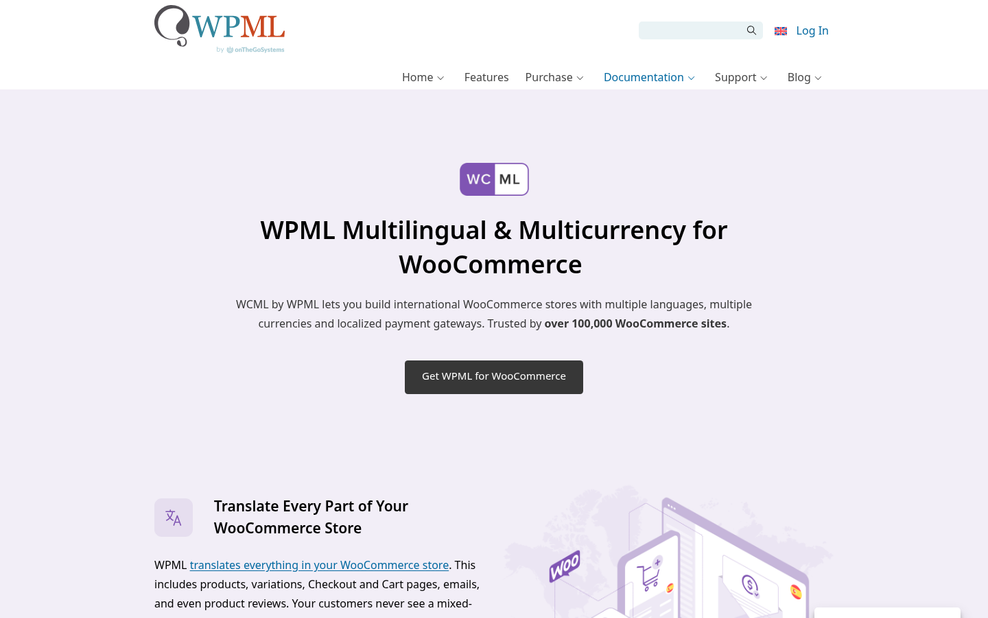
Where your traffic comes from matters just as much as how you get it. WooCommerce supports 51 languages. But Easy Digital Downloads is available in around 10. That gap is worth mentioning if an actual share of your audience reads in Spanish, Portuguese, German, or any other non-English language.
This is not a minor technical detail. When someone lands on a store page and the interface is in their language, they trust it more. That trust feeds into whether they click your affiliate link and buy. A store that feels foreign or hard to get through will lose customers before they ever reach checkout.
Consider the buyer's perspective. If a potential customer sees a checkout page that hasn't been translated and they're not confident in English, they pause. That hesitation costs you a commission. Language localization directly connects to your conversion rate, and your conversion rate is what your affiliate income depends on.
WooCommerce has a benefit here for affiliates who target international traffic. Its wider language support means the merchants using it are better positioned to serve a widespread customer base, which makes it easier for you to promote those stores to a wider audience. EDD works for English-speaking markets. But it has limitations for anything more than that.
If you run content in multiple languages or get traffic from regions like Latin America or Central Europe, the platform behind the store you promote will affect your results. Promoting a product to a German-speaking audience through a store that only partially supports German creates friction you can't control as an affiliate.
It's worth checking what language options a merchant's platform covers before promoting them. Not every affiliate thinks to look at this. But the ones who do have an edge in international markets.
Common Mistakes Affiliates Make When Choosing Between These Platforms
One of the most common errors is picking WooCommerce to promote because it has a bigger name. Bigger does not automatically mean better commissions or better conversion rates for your audience. If your readers are bloggers, course creators, or software developers, WooCommerce's physical product infrastructure is mostly irrelevant to them. You could spend months building content around a platform that your audience will never actually use.
The reverse happens too. Some affiliates promote EDD extensions to an audience that runs WooCommerce stores. Those readers are not looking to switch platforms - they want services that plug into what they already have. Misaligned content like this tends to get low engagement and even lower click-through rates, no matter how well it's written.
Another mistake is skimming past the commission structure facts. There is a difference between a flat fee, a recurring cut, and a percentage of a one-time sale. Affiliates who don't map this out in advance end up undervaluing some partnerships and overinvesting in others - it's worth doing the math before committing to a content direction.

Niche focus is also something affiliates underestimate. A smaller platform with a devoted user base can outperform a giant one if your content speaks directly to that audience's problems. EDD has a loyal community of online sellers who actively look for recommendations. Reaching a few hundred of the right people can do more for your earnings than reaching thousands of the wrong ones.
Some affiliates also ignore how their existing content fits into the picture. If your site already covers online product creation or membership tools, EDD affiliate content is a natural fit for that space. Forcing WooCommerce into that same space can make your site feel unfocused and damage the trust you have built with your readers. Consider using plug-and-play affiliate systems to streamline how you integrate these promotions without disrupting your existing content flow.
The best platform to promote is the one your readers are most likely to need - and that answer is different for everyone.
So, Which Platform Should You Actually Promote?
The deciding factor is not the platform - it's your audience. Before you follow either plugin, spend time auditing who your readers actually are and what they are already buying. Look at your analytics, your most clicked affiliate links, and the questions your audience asks most.
Pick the platform that fits the store your audience wants to shop in, and you'll be promoting with the current instead of against it. Start with that audit, and the choice will probably make itself.