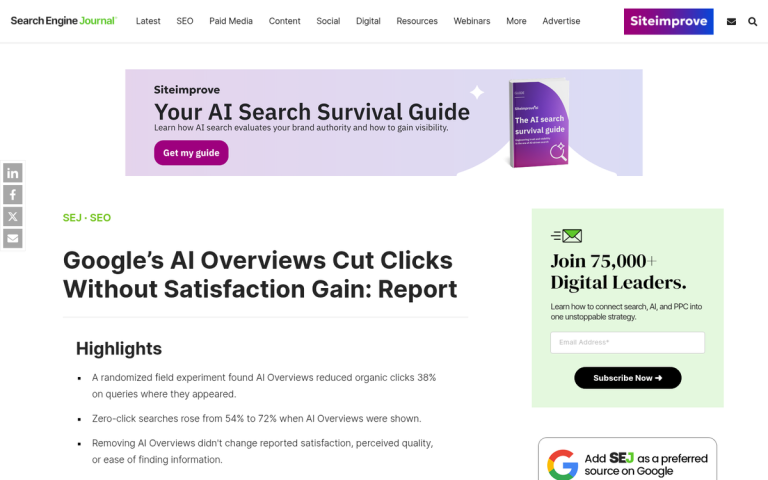
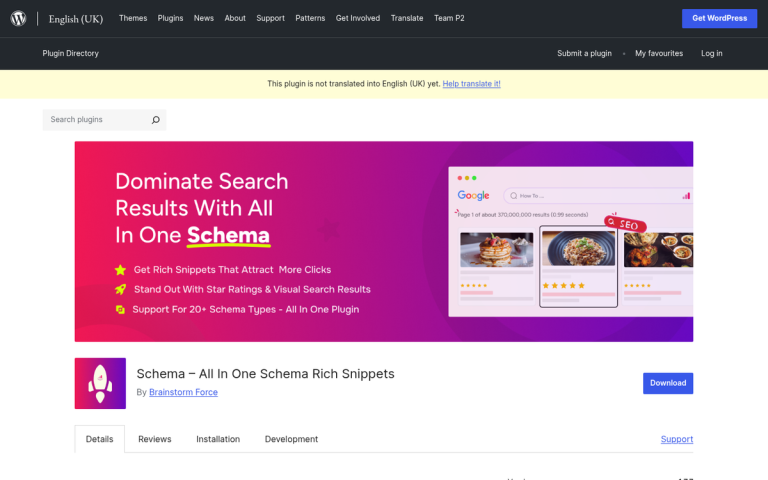
Featured snippets are the boxed results that appear at the top of a Google search page - the direct answers, numbered steps, and comparison tables that sit above every other organic result. Earning one basically means Google has decided your content is the single best answer to a query. That visibility drives clicks, builds authority, and tells users that your site is worth trusting. Losing a handful stings. Losing dozens at once can seem like the ground shifted beneath you overnight - because, in a very real sense, it did.
Core updates are large changes to how Google evaluates and ranks content across its entire index. They don't target individual pages or penalize sites. Instead, they recalibrate how Google weighs signals like expertise, content depth, and relevance at scale. That means sites that were previously rewarded can find themselves reassessed - and featured snippet ownership is usually one of the first places that reassessment shows up. The disorientation comes from the fact that nothing on your end changed. But your results look different.
The good news is that lost featured snippets are not permanently gone. There's a structured process for recognizing what you lost, why you lost it, and rebuilding your content to meet the bar Google has now set - this post walks you through that step by step, starting with how to diagnose the damage before you do anything else.
Key Takeaways
- Core updates recalibrate how Google weighs expertise and content depth, often stripping featured snippets even when nothing on your site changed.
- Not every lost snippet deserves recovery effort; prioritize by traffic value, informational intent, and how weak the current snippet holder is.
- Write direct 40-55 word answers near section tops, with headings mirroring the target question and formatting matching the snippet type Google showed.
- After updating content, submit URLs in Search Console and allow 14-21 days before drawing conclusions; recovery timelines vary by fix type.
- If impressions remain flat after six weeks of changes, pivot to a related query rather than continuing to revise an unresponsive page.
Why Core Updates Strip Featured Snippets in the First Place
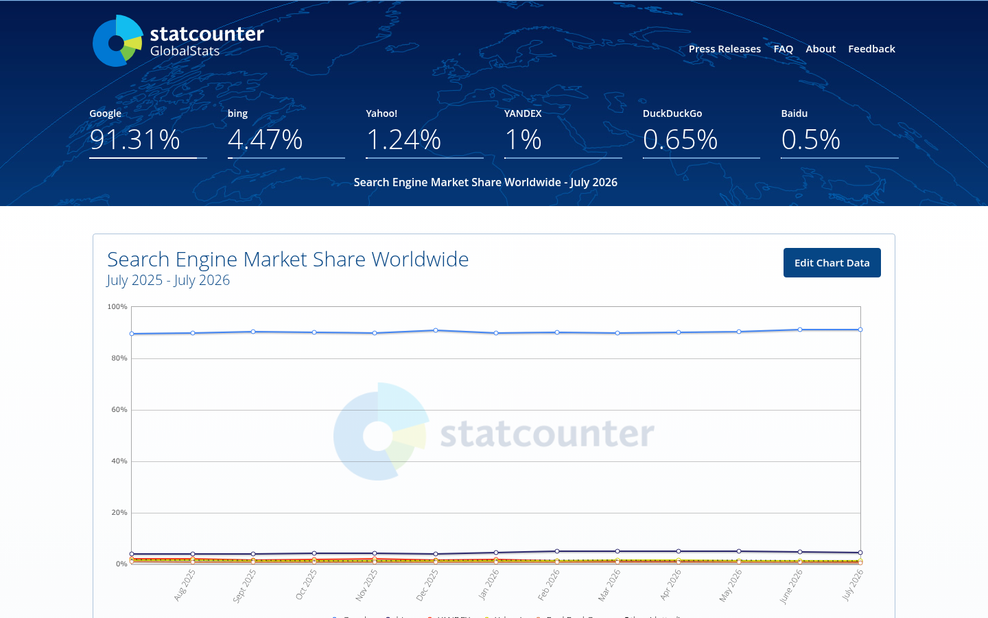
Google holds over 89% of the global search market, so when it changes how it evaluates content, the effects are felt almost everywhere. Core updates are not just about reshuffling rankings. They reassess how Google weighs content quality, topical authority, and formatting all at the same time, and featured snippets are very much part of that process.
Snippets are awarded to content that Google believes best answers a query at a given moment. When a core update runs, Google is basically re-asking that question about every piece of content it has indexed. If your page no longer meets the new benchmark, it loses the snippet - even if nothing on your end actually changed.
The May 2022 core update was a known example of this. Many sites saw snippet losses that had nothing to do with technical errors or penalties. Google had raised its expectations around demonstrated expertise and content depth. The December 2024 Core Update followed a similar pattern, with pressure on pages that lacked author signals or real-world experience behind the content.
What Google calls E-E-A-T - Experience, Expertise, Authoritativeness, and Trustworthiness - is not a direct ranking factor in a technical sense. But it shapes how quality raters review content and feeds into the signals Google uses to choose what deserves to be featured. A page that looks thin on real-world experience or has no credible author attribution is vulnerable in any core update cycle.
Formatting factors in too. Google pulls snippet content programmatically, so if your answer is buried in a long paragraph or structured in a way that's hard to parse, another page that answers the same question more cleanly can take the position.
| Common Reason for Snippet Loss | What It Means in Practice |
|---|---|
| Weak E-E-A-T signals | No author credentials, thin sourcing, or lack of first-hand experience on the page |
| Poor content structure | Answers are buried or not formatted in a way Google can extract easily |
| Stronger competitor content | A rival page now answers the query more directly or with more depth |
| Shifted query intent | Google has reinterpreted what the searcher actually wants from that query |
The last row in that table is worth sitting with. Sometimes your content did not get worse - Google decided the query means something different now, and your page no longer fits that interpretation.
How to Audit Which Snippets Are Worth Fighting For
Not every lost snippet deserves your time and energy. Before rewriting anything, build a triage list that separates the snippets worth reclaiming from the ones that were never doing much for you anyway.
Start in Google Search Console. Filter your queries by position and look for terms where you've dropped from a featured snippet to a standard result. You won't see snippet status directly in GSC. But a sudden jump from position one to position four or five on a query you were previously dominating is a helpful signal. Cross-reference this with a tool like Ahrefs or Semrush, which track featured snippet ownership over time and give you an idea of what you lost after a date range.
Once you have your list, sort it by three things: traffic value, keyword intent, and how competitive the snippet position currently is. Traffic value tells you if reclaiming the snippet would actually move the needle. A snippet for a query that gets 20 searches a month is a low priority unless it converts well for your business. Intent matters because informational queries are far more likely to carry featured snippets than transactional ones, so focus your energy there first.

Competitive difficulty is worth a look. If a large authoritative site has taken over the snippet with a legitimately well-structured answer, that's a harder road than a case where a mid-tier competitor is holding it with thin content. Running a thorough audit of your existing content library can help you spot these patterns across your site before diving into individual snippet recovery.
| Sorting Factor | What to Look For | Priority Level |
|---|---|---|
| Traffic Value | High monthly search volume with click potential | High |
| Keyword Intent | Informational queries with a clear question format | High |
| Competitive Difficulty | Snippet held by a weaker or thinner competitor page | High |
| Traffic Value | Low search volume with no conversion history | Low |
It also helps to look at patterns across the snippets you lost instead of treating each one in isolation. If most of your losses cluster around a particular content format or topic area, that tells you something helpful about where your content fell short in Google's assessment. This kind of pattern recognition is also central to understanding what content decay is actually costing you over time.
Reformatting Content to Match What Google Wants in the Snippet Box
Once you've decided which snippets to go after, the work begins. Most reclaimed snippets come down to one thing: giving Google a cleaner, more direct answer than whoever currently holds these.
The most reliable starting point is what's sometimes called the clean answer rule. Write a direct response to the target question in 40 to 55 words, placed as close to the top of the relevant section as possible - it needs to stand on its own - no preamble, no throat-clearing, just the answer. Google tends to pull from content that reads like it was written specifically to be quoted. This is closely related to what's known as a featured answer box - the formatted block Google pulls directly into search results.
Your heading should also mirror the question as closely as possible. If someone searches "how long does a passport renewal take," your subheading should be something very close to that phrasing - this tells Google that a section of your page answers that question and makes it much easier to match the right content to the snippet.
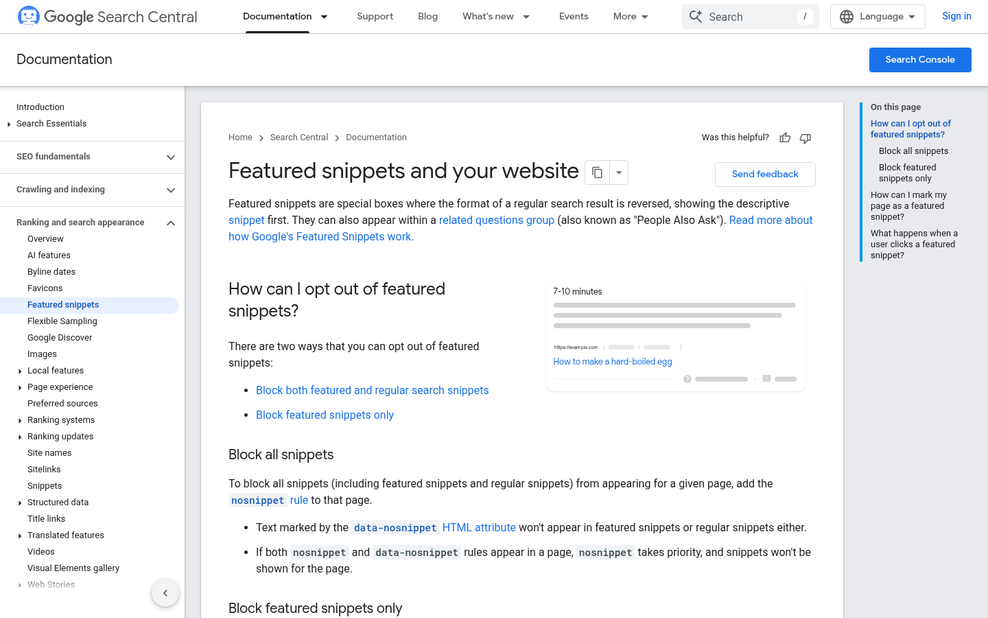
Format matters too, and it needs to line up with the snippet type Google was already showing. Paragraph snippets want a short flowing answer. List snippets want HTML list tags with clean, parallel items. Table snippets want a marked-up table with headers. A list snippet is going to need list markup, no matter how well-written the paragraph text is.
| Snippet Type | What to Use | What to Avoid |
|---|---|---|
| Paragraph | 40-55 word direct answer in a single block | Long intros before the actual answer |
| List | HTML ordered or unordered list with short parallel items | Lists buried in paragraph text |
| Table | Properly structured table with clear column headers | Data presented as plain sentences |
One thing worth watching out for: stuffing the target question and related phrases into your answer multiple times is not optimization - it reads as unnatural and Google is pretty good at recognizing it. If you're using AI to help produce this content, avoiding repetitive sentence structure is especially important to get right.
On timing, format-matched fixes tend to see results within one to four weeks after Google re-crawls the page. Changes that mean restructuring whole sections of content can take six weeks or longer to take effect. Understanding how much content velocity you actually need can help you prioritize which pages to tackle first.
Reindexing, Monitoring, and Knowing When to Pivot
Once you've made your changes, the instinct is to refresh your rank tracker every hour. Resist that. Core updates take time to roll out, and Google needs time to recrawl and reassess your page before anything actual shows up in the data.
The general rule is to wait 7-10 days after the update finishes to draw any conclusions. After that window, go to Google Search Console and submit your updated URLs for indexing - this gives Google a push to recrawl the page sooner instead of waiting for the next natural crawl cycle.
From there, give it another 14-21 days of watching. Watch your impressions and average position in Search Console for the target query. A page that's recovering will usually show a gradual climb in impressions before the snippet position locks back in.
What Recovery Actually Looks Like
Recovery isn't instant. A format-only fix - like restructuring a paragraph into a numbered list - can see results faster than a full content rewrite. A full rewrite takes longer because Google needs to re-review the whole page. If your loss was with authority or trust signals, that's a longer road and there's no shortcut to speed it up.

| Fix Type | Typical Recovery Window | What to Watch |
|---|---|---|
| Format-only change | 2-4 weeks | Snippet appearance in SERPs |
| Full content rewrite | 4-8 weeks | Impressions and position trends |
| Authority rebuild | 3-6 months | Backlink growth and trust signals |
If impressions are flat or falling after 6 weeks and you've already made actual changes, it's worth asking if this query is still the right target. Google may have decided a different content format or source type fits the snippet better.
That's not a failure - it's helpful information. The better move is sometimes to target a related query where you have a stronger chance to compete, instead of continuing to revise a page that isn't responding.
The Long Game: Staying Snippet-Ready Between Updates
Losing a featured snippet stings, and that's especially true when that position was driving actual traffic. The discipline of winning it back - auditing your content, sharpening your answers, lining up with intent - builds habits that make your entire content strategy more robust. The work is worth it for the snippet and for what it forces you to get right.