When it's time to launch a new product, a lot starts to happen all at once. Your development is nearing completion but your marketing hasn't quite kicked into high gear. You have a lot on your plate, a lot to manage, and it's all too easy to let something slip through the cracks. To make sure your product launch and promotion goes smoothly, take this framework and adapt a marketing plan to suit your needs.
Key Takeaways
- Refine your target market as specifically as possible, then use social media tools and surveys to validate your assumptions early.
- Set specific, measurable sales goals with clear deadlines to maintain the drive and accountability needed to succeed.
- Use a mix of digital and offline promotion, including influencer partnerships, paid social, and short-form video, since 80% of consumers use social media before purchasing.
- Collect early adopter feedback after launch and use it to refine your product, leveraging AI sentiment tools to process reviews efficiently.
- After launch, expand into new markets and revisit sales goals regularly, adjusting them to reflect real-world performance and demand.
Determine Your Market

The first thing you need to do is pin down your target market. Part of this work should already be done; after all, you don't start creating a product without knowing who it's for. Take the time to refine your target market in any way you can. Is it targeted towards men? That's good to know. It's better to know that the most interested men will be between the ages of 20 and 30, and that they'll tend to be handymen without long-term relationships. Of course, some of this information won't be available until you can actually see who is buying. You'll need to make educated guesses and then refine them as you learn more. With 90% of Americans now active on social media, even early audience research can be done quickly and affordably through platform-based audience tools and surveys.
Define Sales Goals
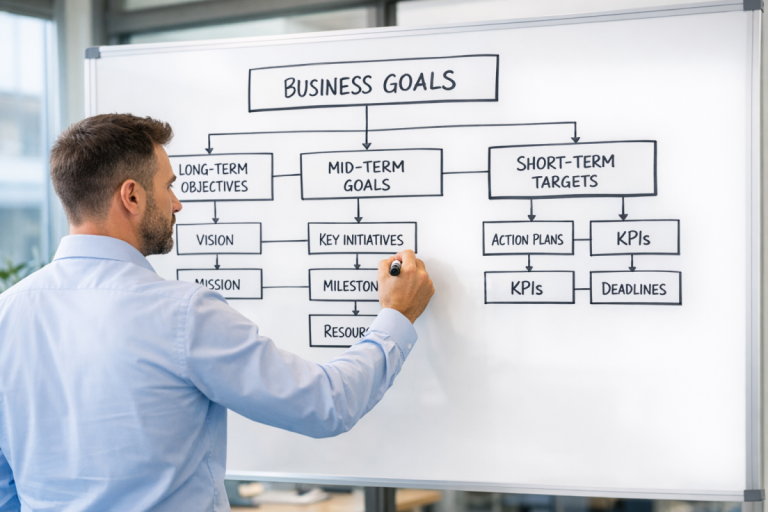
Your sales goals should be specific, and they need to be goals you can measure. Don't say something like "sell enough to turn a decent profit." Say something like "Sell 100 units to users within the first month." You will need to examine the type of product, your market, your competition, your price point and your production in order to set these goals. The point of pinning them down is to have something to shoot for, not to have a finite measure of the success or failure of your product. You can always adjust your sales goals to meet reality, as long as doing so doesn't mean your business fails completely.
Note Important Sales Activities
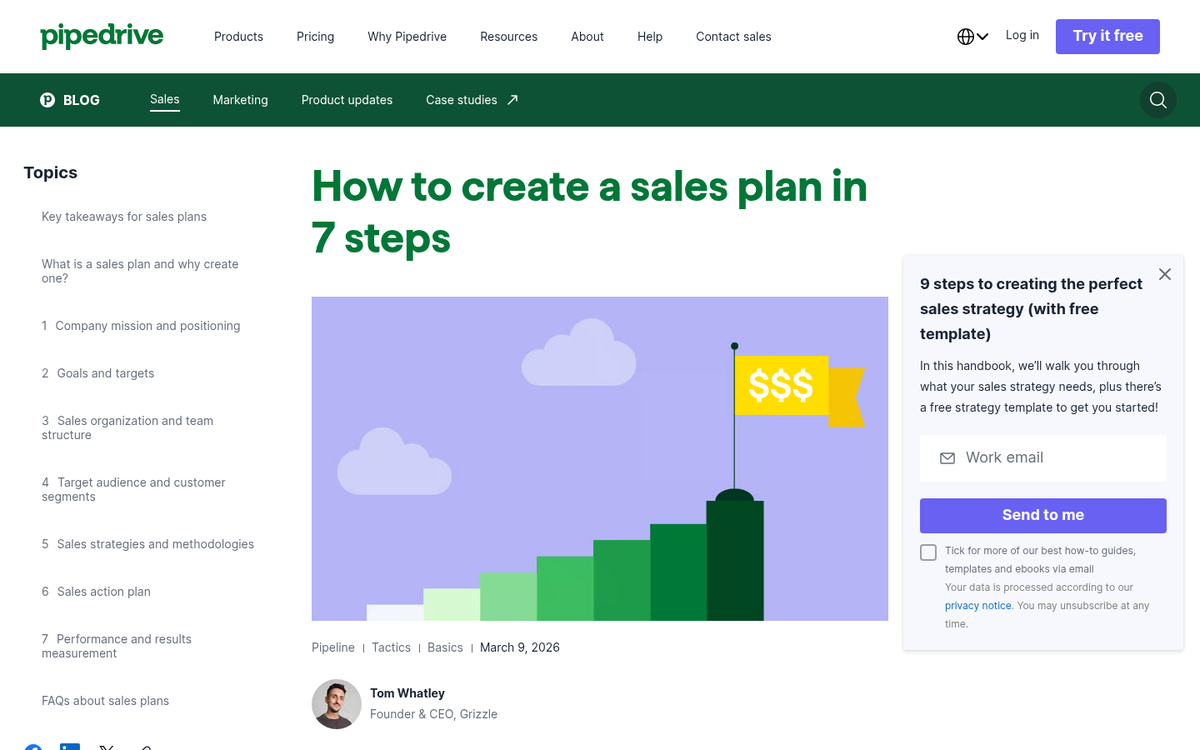
Sales activities should be a list of anything important you need to remember for your marketing and sales, but which aren't necessarily part of the everyday marketing. Social media is now table stakes for any launch, but the platform mix matters more than ever in 2026. Beyond the usual suspects, consider where your specific audience actually spends time - whether that's TikTok, YouTube Shorts, LinkedIn, or emerging platforms. Use this section to list trade shows, specialized website campaigns, time-limited promotions, influencer partnerships, and the like. Things you might not otherwise remember. If you don't already have a marketing engine in place, dedicate a section to both organic and paid social strategies, since over 62% of marketers now report that paid social media advertising has been at least somewhat effective for their business.
Note High Profile Sales Targets
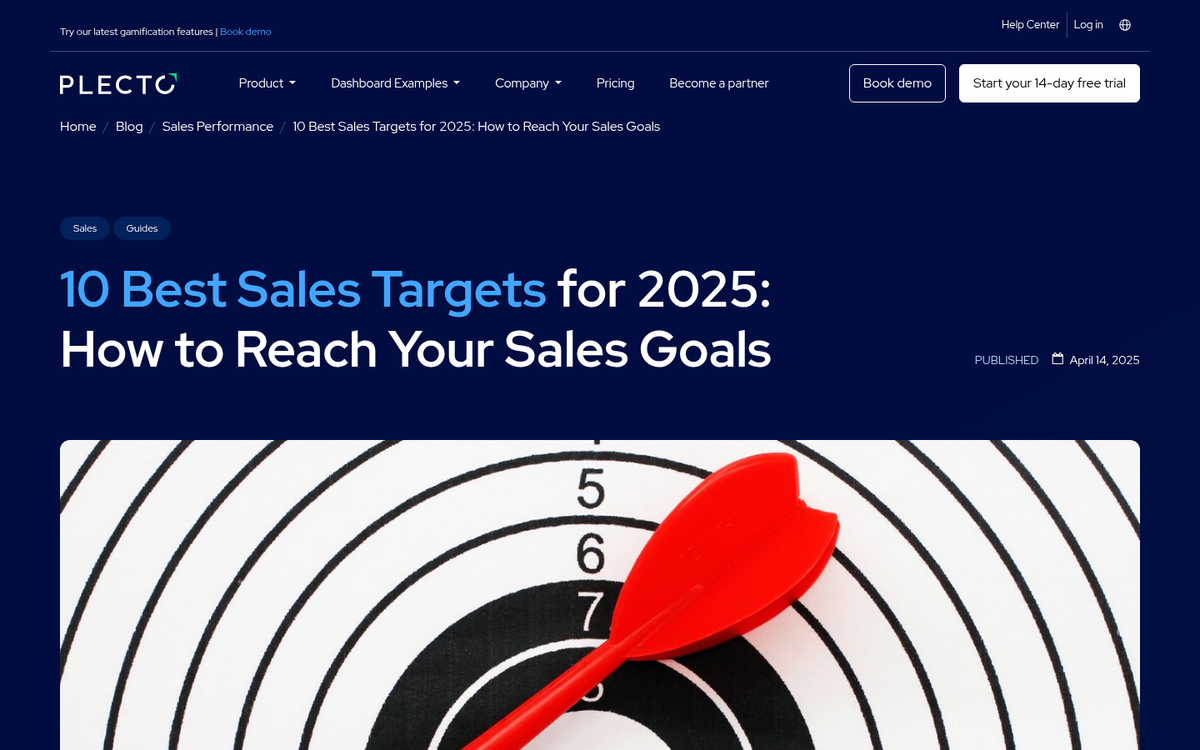
For some products and in some industries, there are high profile targets you can approach for sales. At the most basic level, setting your sales targets will mean noting whether you're selling to end users or selling to other businesses. If you're selling to businesses, for example, consider creating a selection of businesses that would be absolutely killer to contract. Players who, if you succeed, will set your product well on the way to absolute success. It's important to make sure you aren't relying on these long shots, however.
Set Deadlines and Time Goals
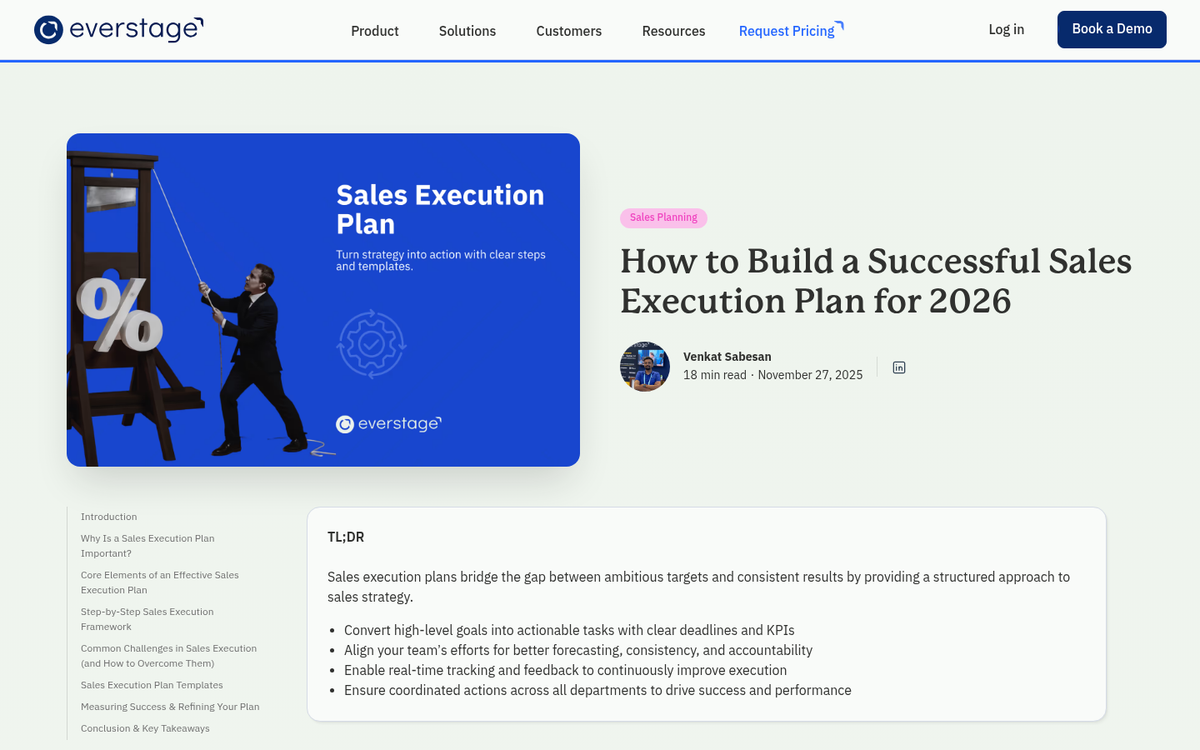
Part of a successful sales plan is a sales timeline. You can set all the targets and goals you want, but if you set a nebulous deadline like "eventually" you're going to lose the pressure that drives you to succeed. Some of your time goals will be baked into your sales goals. Selling 100 units in a month is a deadline as well as a goal. Bake your goals into your sales plan and you'll have the drive necessary to achieve them.
Advertise and Promote
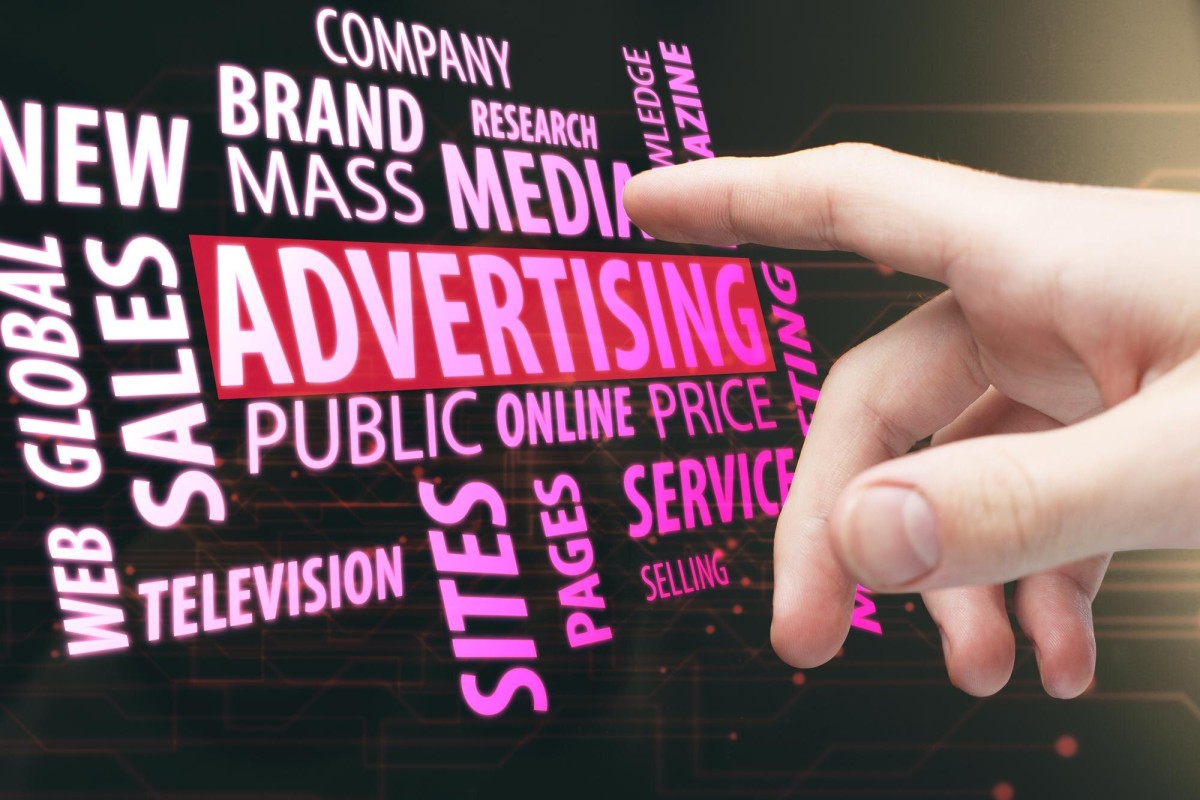
All of the above is about setting up goals and plans. It's time to put those plans into action. Set up advertising in any way that's relevant, digitally and offline. Email campaigns, website advertisements, guest posts, press releases, blog posts, social media marketing, PPC ads, landing pages, short-form video content, influencer collaborations, brochures, billboards, and more. Set everything into motion and get the word out, whether you drip-feed a viral campaign or you start with a bang and a product demonstration at a trade show. Keep in mind that 80% of consumers now use social media to inform purchasing decisions, so your digital presence at launch is no longer optional - it's central to your strategy. Contests and giveaways are also worth considering; Facebook contests alone average 34% new customers per campaign.
Take Preorders
Preorders, when you're dealing with a physical product particularly, will help you gauge interest in what you have to sell. They help get some money flowing and build early confidence in your product. They will also help you make sure you have the resources available to meet demand. If you're working with software, SaaS, or apps, early access waitlists and beta sign-ups serve a similar purpose - and can even generate buzz on their own when marketed correctly.
Deliver the Goods

Once your product goes live, it's time to deliver on your preorders. You absolutely need to make sure this phase goes smoothly. A quick delivery time, a flawless customer service presence and a willingness to fix any mistakes will go a long way towards building a reputation. Avoid shipping unfinished or broken products, avoid ignoring customer service requests and do everything in your power to make the launch smooth. In 2026, public reviews spread faster than ever - a poor launch experience can go viral just as easily as a great one.
Take Feedback and Refine the Product
Once your initial wave of product has gone out, send messages to your early adopters and ask for their feedback. This will be some of the most valuable feedback you'll receive in your career as an entrepreneur. Figure out what your users are looking for, what you're satisfying and what you could be doing better. Don't strictly focus on the negatives; know what you're doing right so you can put the wrong into perspective. Take this feedback and incorporate it into developing a patch or a version two, depending on your style of product. Tools like AI-powered sentiment analysis can now help you process large volumes of reviews and feedback far more efficiently than manual review alone.
Expand to Wider Markets
After the initial hype has died down and your product has launched successfully, you need to carry on and expand your marketing. Identify people or businesses who may like your product and expand into those markets. Your initial wave should have brought in a few surprises; make use of those surprises to tap additional markets. If you're lucky, you may find that your initial targeting was off the mark and your new targets are much more lucrative. In most cases, you're going to be finding diminishing returns, though your returns will still be good enough to support you for years as you grow.
Redefine Sales Goals
Remember those sales goals? Did you meet them? Did you exceed them? Did you fall short of the mark? It's time to look at those goals and adjust them for the current lay of the land. If you fell short, consider why. Were you reaching for something unattainable, or was there a flaw in your marketing that could have been corrected to reach them? If you exceeded your goals, did you do it on the power of a lucky hit, or was there more demand than you expected? Adjust the goals and keep moving forward.