





Key Takeaways
- Major retailers like Walmart and Target have official supplier portals - always contact corporate procurement, never local store managers.
- Distributors accelerate growth but take cuts, so margins must support the distributor, retailer, and your own profit simultaneously.
- LinkedIn and trade shows remain top tools for finding procurement decision-makers and building real distribution relationships in 2026.
- Rejections aren't permanent - returning to distributors with strong sales data and fulfillment history can completely change the outcome.
- In 2026, direct-to-consumer via Amazon FBA, Shopify, and TikTok Shop may eliminate the need for traditional distributors entirely.
15 Ways to Find Companies That Will Resell Your Product in 2026
One thing a surprisingly large number of entrepreneurs tend to ignore is the process of actually selling their products. It's one thing to throw up a web shop, start an Etsy, or launch a Shopify storefront - and sure, that'll work just fine on a small scale. It's great for one-person operations with low volumes. What happens, though, if you want to make it big? What if you want to turn your small operation into one that supplies to stores nationally?
A lot of entrepreneurs have this ambition, but they don't think about the mechanics of the process. They pour their energy into developing the product and figure distribution will take care of itself.
The reality is that a lot of entrepreneurs fail because they have no plan to bring their product to market. They don't have the initiative or the connections necessary to do it themselves, so they simply hope that some angel investor or a Shark will swoop in and do all the heavy lifting. In reality, this almost never happens.
It's generally a good idea to have a plan to cover the bases. If you're an entrepreneur looking into the world of distribution, or you've developed a product and have reached the point of needing those connections, it's time to get to work. I've compiled the methods you can use to reach sellers at various levels of distribution - updated for 2026, where the landscape looks quite different than it did even a few years ago.
1. Contact Major Retailers Directly
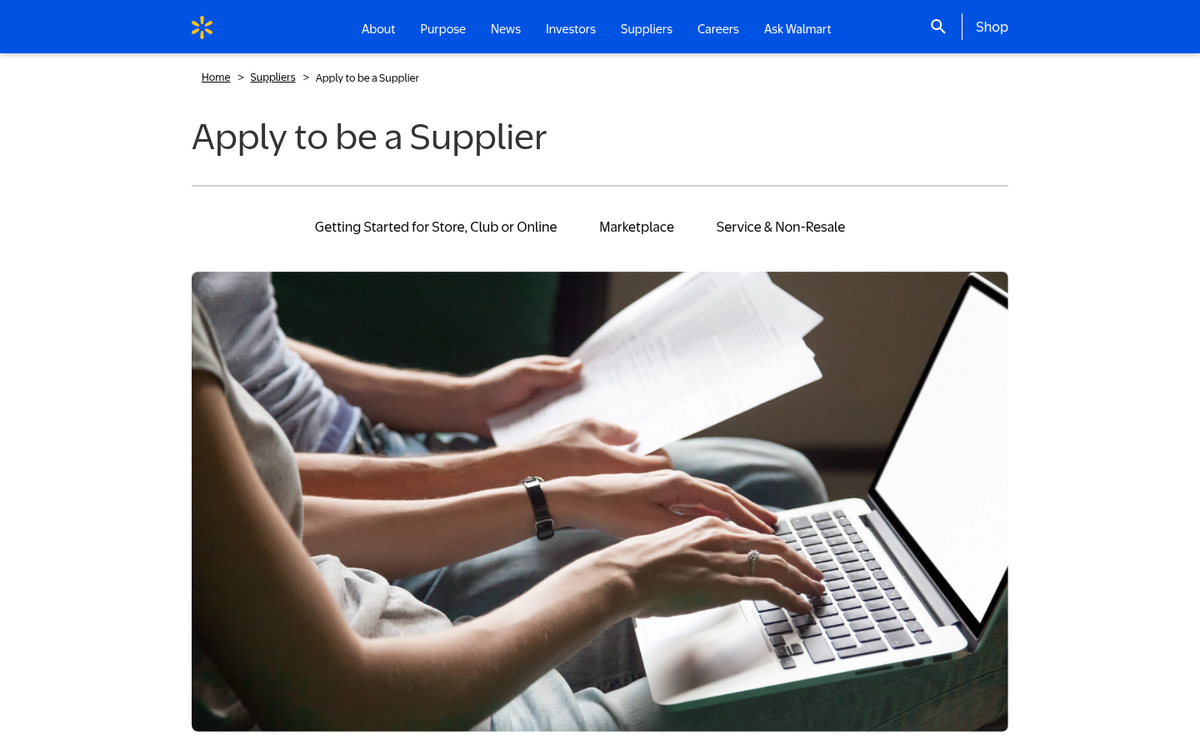
If your product is something you'd want to see on the shelves of a major big box retailer like Walmart or Target, contact them directly through their official supplier portals. Don't make the mistake of walking into your local store and pitching to a floor manager - they can't help you. You need to go straight to corporate procurement.
Walmart has a dedicated supplier application process you can explore on their website, with pathways for both national suppliers and local or regional suppliers who want to test their product in a smaller number of stores first. That local pilot program is valuable - it gives you real sales data and proof of concept you can use to attract larger orders from bigger distributors down the line.
Target, Costco, and Home Depot all have similar structured processes. Do your research for each retailer individually, because their requirements and expectations vary significantly.
2. Contact Smaller Local Retailers
You can approach small retailers similarly to how you'd approach big ones, but expect to do more legwork. A regional chain with a handful of locations may not have a formal supplier portal online. In that case, start with the store manager and ask to be connected to whoever handles purchasing or procurement. The magic word is always "procurement" - that's the department responsible for deciding what goes on the shelves.
Any time you're pitching to a procurement department, the conversation is going to come down to numbers. What volume can you produce? What sales have you already made? What does your pricing look like, and how much margin does the retailer stand to make? If the math doesn't work for them, they'll allocate that shelf space to something with better returns. Come prepared with a solid understanding of how to drive product sales before walking through the door.
3. Contact a Retail Distributor

National distributors act as middlemen between you and retailers. Rather than negotiating contracts with dozens of individual stores, you sign with a distributor who already has those relationships in place.
They plug you into their existing network and can land your product in stores you'd never have reached on your own - but they take a cut, so your margins need to be wide enough to satisfy both the distributor and the retailer while still leaving profit for you. This is a math problem you need to solve before approaching any distributor. Companies in this space can dramatically accelerate your growth, but only if you can handle the volume they'll demand. If you're also selling online, it's worth understanding how to view sales for an individual product on Amazon to benchmark your numbers before scaling into distribution.
4. Search for Existing Resellers
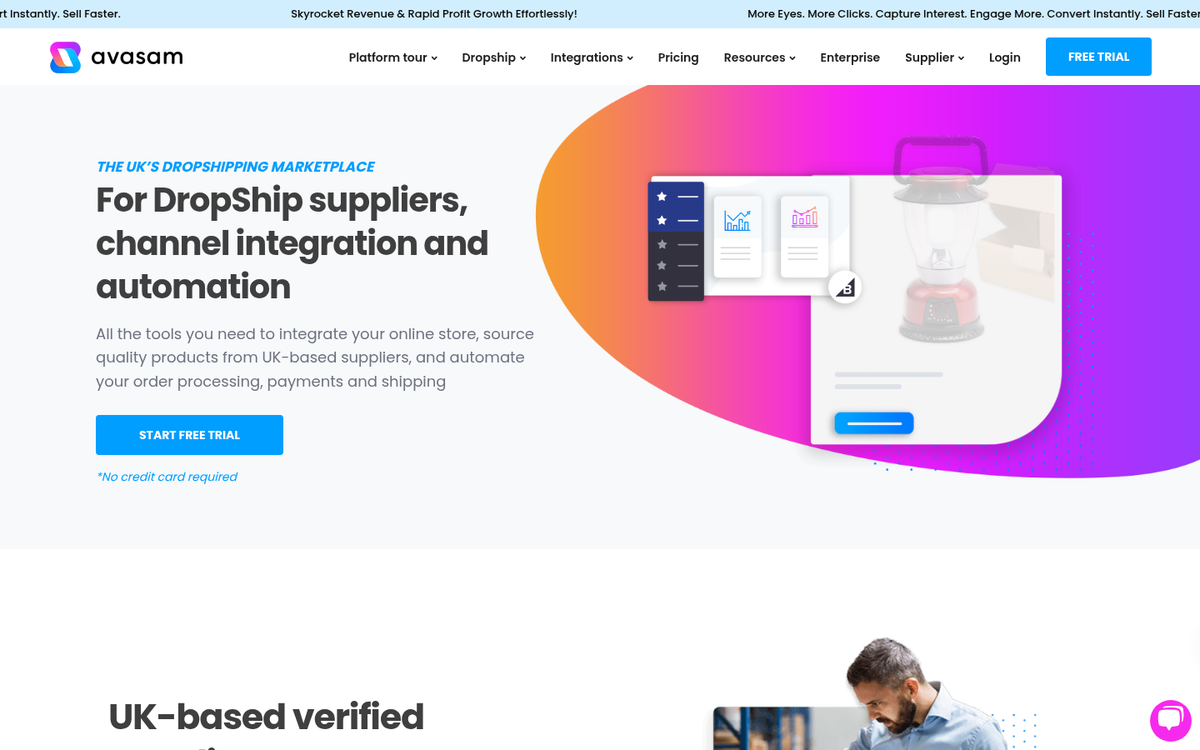
There's a concept called dropshipping, where people buy wholesale products and resell them independently, essentially inserting themselves into a supply chain. If your product is already out there and you're seeing large or unexpected orders, it's worth investigating where they're going.
Run searches across Amazon, eBay, TikTok Shop, and other marketplaces to see if anyone is already reselling your product - sometimes through unauthorized channels. If they are, you may be able to cut out the unauthorized middleman, sell to them directly at a better price, and formalize the relationship. Everyone wins when the supply chain is tighter.
5. Let Them Come To You
I don't advocate this as your sole strategy, but it absolutely needs to be part of your overall approach. In 2026, if you don't have a professional website, you're invisible. That website should include a dedicated page for wholesale inquiries, retailer partnerships, and distribution opportunities.
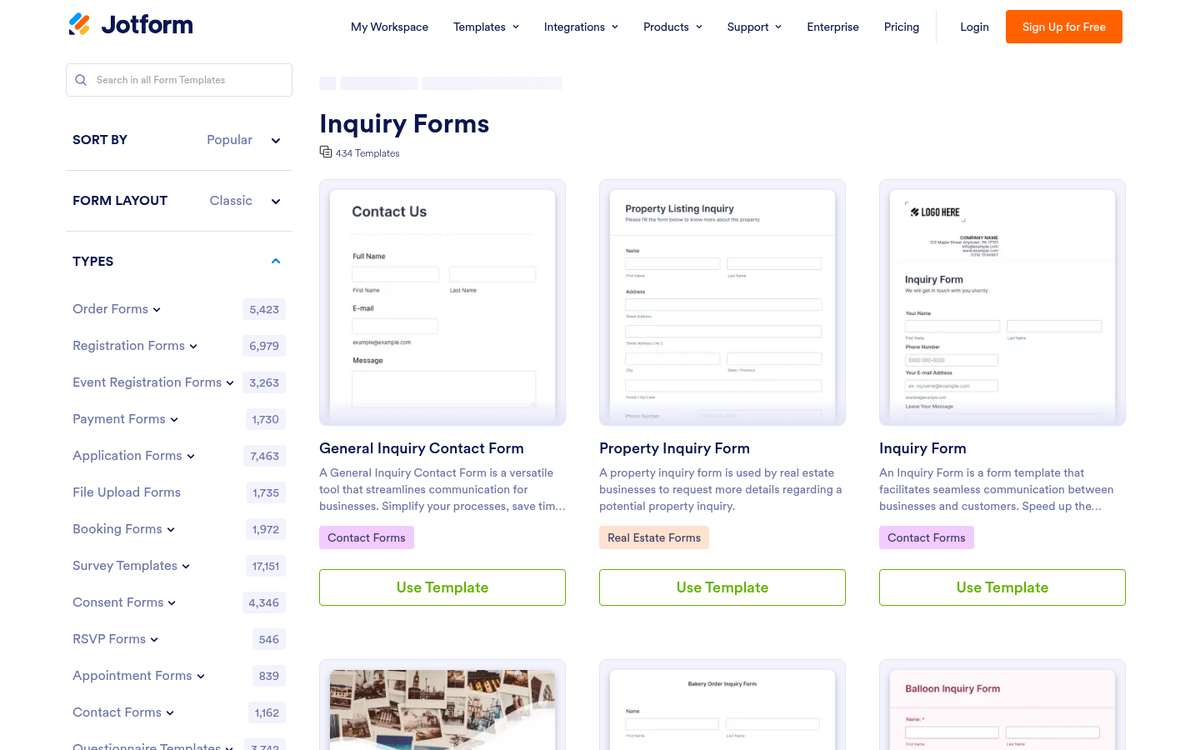
The page doesn't need to be elaborate - just clear information about your product, your production capacity, your pricing structure, and a simple contact form or email address. Once you've landed a few retailers and consumers start asking their local stores to carry your product, you'll want that page ready to go when procurement teams come looking. It won't drive a flood of leads on its own, but there's no good reason not to have it up.
6. Find Web Resellers - Including on New Platforms
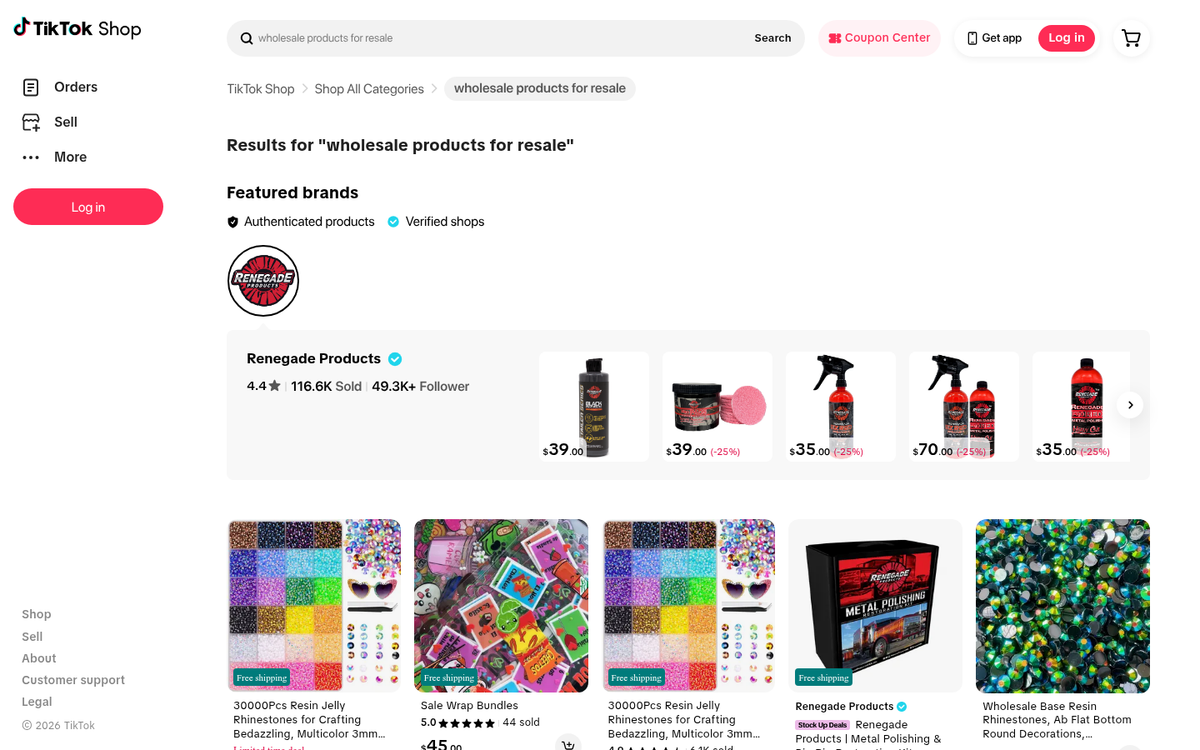
The reseller landscape has expanded significantly. Yes, Amazon and eBay are still relevant, but in 2026 you also need to be looking at TikTok Shop, which has become a major commerce platform with a large ecosystem of creators and resellers, and B2B wholesale platforms like Torg, which lists over 150,000 verified wholesale suppliers and buyers.
Find people who are already selling products similar to yours - especially those who aren't brand-loyal and are clearly running multi-product reseller operations. These are your targets. Reach out with a clear value proposition and a distribution agreement that works for both parties.
7. Research Individual Contacts and Personalize Your Outreach

Don't just blast a generic email to a procurement department inbox and wait. Find the specific person responsible for buying decisions and reach out to them directly. LinkedIn makes this easier than ever - more on that shortly.
The general approach: send an initial email to the department, follow up a few days later with a more personalized email to the procurement manager or director by name, and if needed, follow up again with a phone call. People in buying roles deal with a high volume of pitches, so persistence - done professionally - does stand out. Just make sure your outreach leads with value, not just enthusiasm. Hard numbers close deals.
8. Attend Industry Trade Shows and Events

Every industry has its key events, and these are still among the best places to make distribution connections in person. Set up a booth or table, have a working demonstration of your product, and bring professional materials - both physical and digital. A QR code linking to your wholesale inquiry page goes a long way.
Beyond distributors, trade shows are also where you'll find potential collaborators, future employees, and investors. Everyone in the room is paying attention and looking for the next interesting thing. Make sure that thing is you. Once you've made those connections, learn what to do next after you launch a new website to keep the momentum going with your new partners and audience.
9. Use LinkedIn Strategically
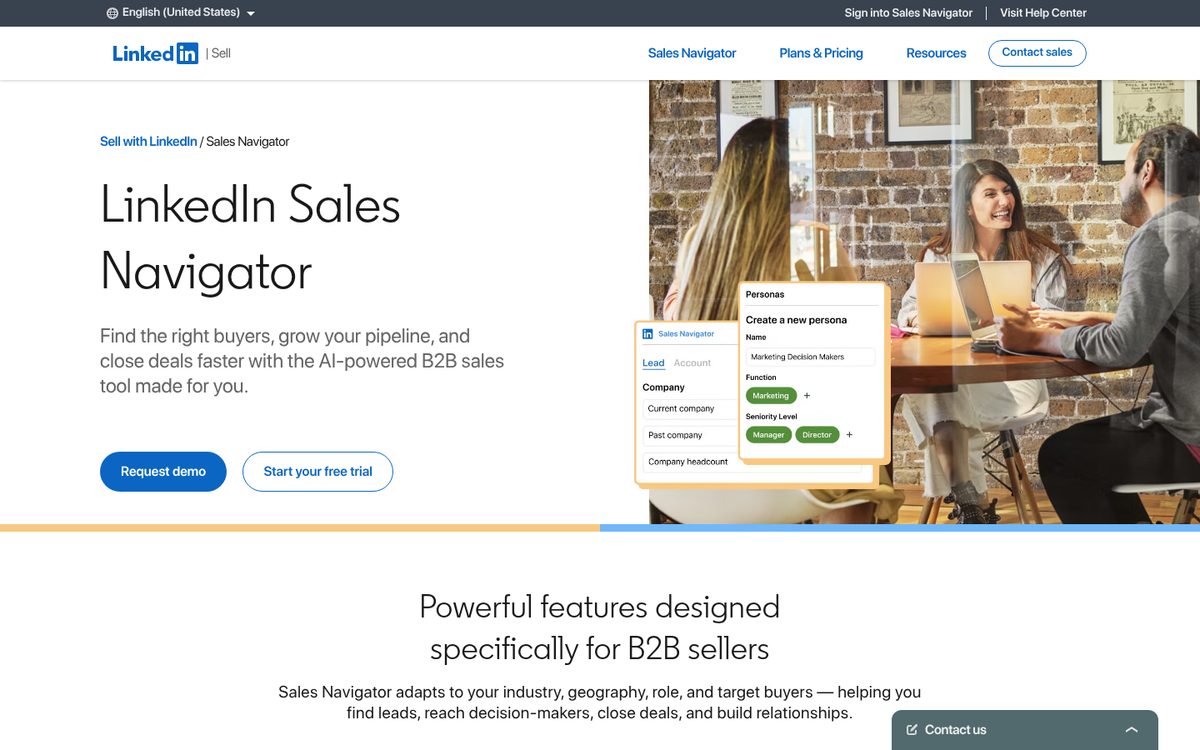
LinkedIn remains your most powerful online tool for B2B outreach in 2026. It's where procurement managers, buyers, and distribution executives actually spend their professional time. Use it to research decision-makers at your target retailers and distributors, connect with them directly, and engage with their content before pitching.
LinkedIn's Sales Navigator tool, while a paid product, gives you highly targeted search capabilities that are genuinely worth the investment if you're serious about building distribution relationships at scale. Don't overlook it - and if you're expanding your outreach efforts, free tools for blogger outreach and contacting site owners can also supplement your strategy effectively.
10. Browse National Distributor Lists
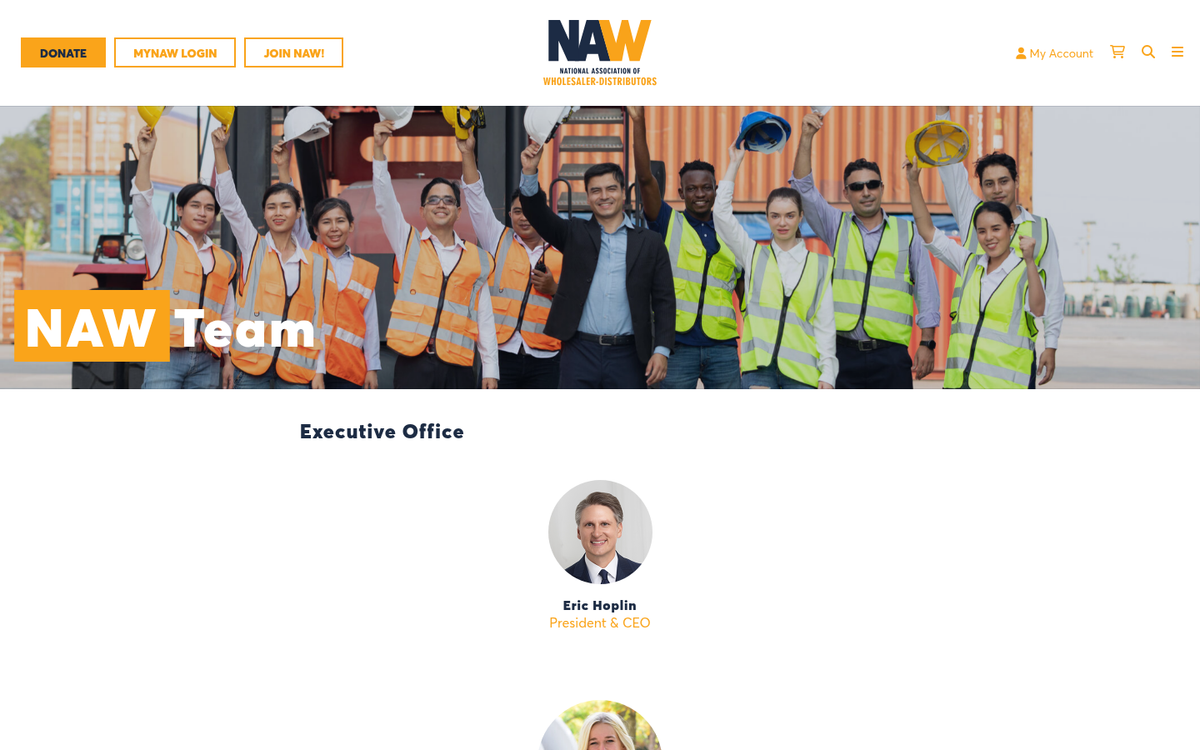
The National Association of Wholesaler-Distributors maintains a member directory organized by industry - covering everything from healthcare distribution to professional beauty to education. Use this as a starting point to identify the right trade organizations for your product category, then use those organizations to find specific distributor contacts.
This is a methodical approach, but it tends to yield high-quality leads because you're targeting distributors who already specialize in your space. Once you have those contacts, learn 15 ways to get more sales from your internet leads to make the most of your outreach efforts.
11. Contact Non-Competitor Industry Veterans
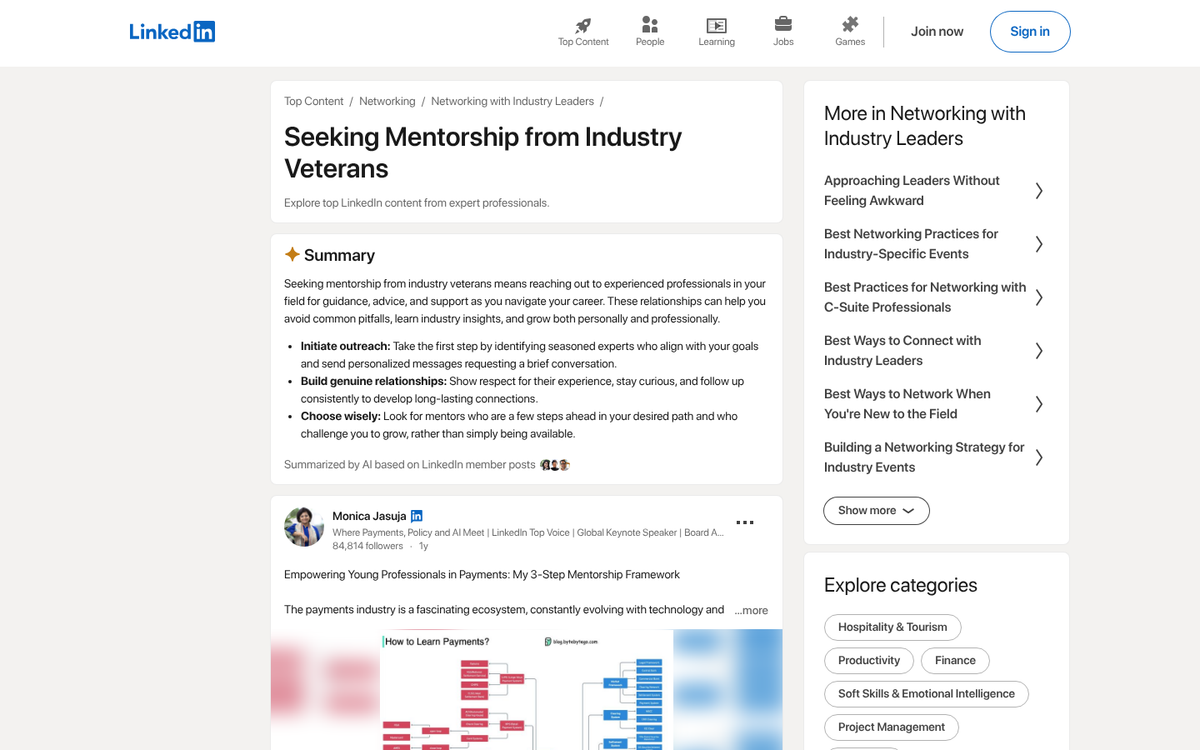
They say it's not about what you know, it's about who you know. This is never more true than in the upper levels of business. Founders and executives who aren't in direct competition with you can be incredibly generous with advice, introductions, and connections - especially if you approach them with genuine curiosity rather than an immediate ask.
Ask them how they landed their first distributors. If they see promise in what you're building, they may make an introduction that would have taken you years to manufacture on your own. There's nothing more valuable than an industry mentor with the right rolodex. If you're still building your network from scratch, there are many ways to find new clients and connections for an internet business that can help you get started.
12. Find Competitor Suppliers

There's no shame in competitive research. Study your strongest competitors and investigate how they're getting their products to market. Talk to retailers who already carry competing products and ask about their supplier relationships. This can surface distributor names, procurement contacts, and market insights that would otherwise take months to gather.
Many retailers are also perfectly happy to carry competing products side by side - especially if your pricing or margins are better. A little competition research can actually work in your favor on the shelf.
13. Follow Up Consistently and Use the Right Tools
You can't pitch once and move on. Distribution deals are built through persistence and follow-through. If you're managing a significant number of leads, use a CRM tool to track your outreach - HubSpot's free tier, Notion, or even a well-organized spreadsheet can work. For Gmail users, tools like Boomerang or Streak help you schedule follow-ups so nothing falls through the cracks.
When you follow up, bring updated numbers. Distributors want to know your profit margins, your production scalability, your existing sales history, and what marketing support you're putting behind the product. The more concrete your data, the more seriously they'll take you.
14. Note Rejections and Return Later
A rejection today is not a rejection forever. Large distributors and retailers routinely pass on early-stage products, not because the product is bad, but because you haven't yet proven you can deliver at scale. Once you've built a track record - consistent fulfillment, solid sales data, positive retailer feedback - go back to the ones who said no.
Keep a running log of every rejection, the reason given, and a follow-up date. Revisiting a distributor with six months of strong sales figures is a completely different conversation than your first cold pitch. Don't hold grudges. Hold notes.
15. Consider Whether You Actually Need a Distributor
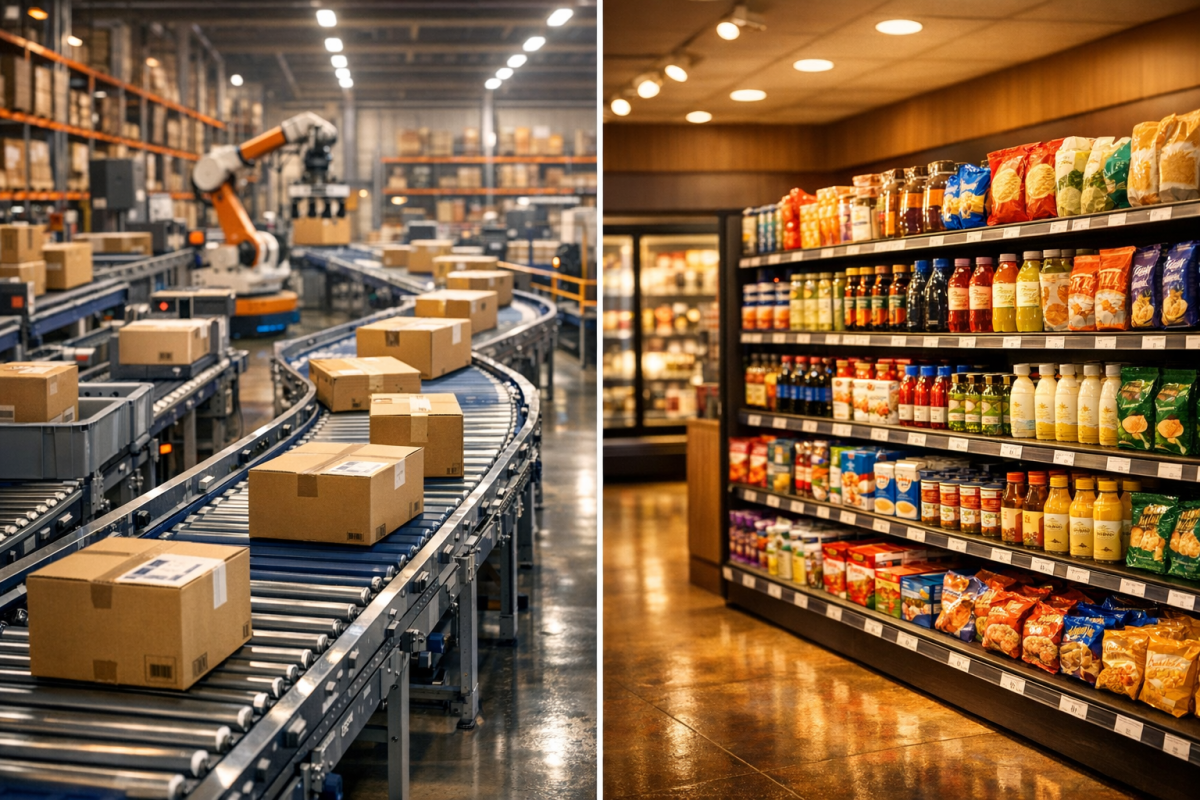
Before you invest months into building a traditional distribution network, ask yourself an honest question: do you actually need one?
In 2026, the direct-to-consumer model is more viable than ever. Amazon FBA handles warehousing and fulfillment at scale. Shopify handles your storefront. TikTok Shop connects you to millions of buyers through content. If your margins are strong and your marketing is working, you may be able to build a highly profitable business without ever signing a distribution agreement.
That said, if retail shelf presence is central to your growth strategy - or if you're in a category where physical retail still dominates - then the work of building distribution relationships is absolutely worth it. Just make sure the decision is intentional, not assumed.
2 responses
Thoughtful replies only - we moderate for spam, AI slop, and off-topic rants.
what is average investment required, by product line.
Great question, Anil! The investment can vary quite a bit depending on your product line. Physical goods typically require more upfront (inventory, packaging, samples for resellers) while digital products cost much less to get started. Generally, budget anywhere from a few hundred dollars for simple products to several thousand for more complex physical goods. Your best bet is to research your specific niche and factor in samples, marketing materials, and minimum order requirements.