





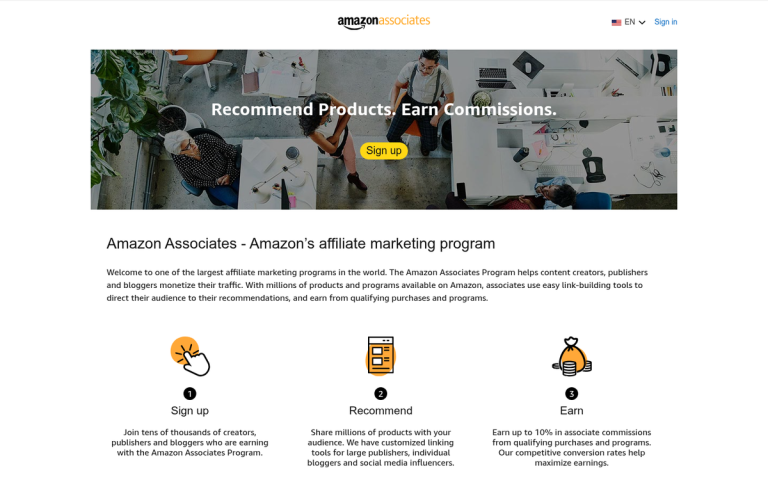
Amazon has a very robust affiliate program, which you can use to create niche content sites that link to and earn commissions from products Amazon sells. You don't have to deal with shipping, support, inventory or anything else; all you do is pick the products, create content around them, and drive traffic. It can be very lucrative when done right. So what does "doing it right" actually look like in 2026?
First of all, remember that this is through Amazon's affiliate program (Amazon Associates). If you're actually trying to sell your own products on Amazon, that's an entirely different setup involving seller accounts, and in 2024 alone, 82% of Amazon sellers used Fulfillment by Amazon (FBA) as their primary fulfillment method - largely because FBA shipping costs 70% less per unit than comparable premium options from other major US carriers. That's a separate path entirely from the affiliate route covered here.
Key Takeaways
- Stick to a specific niche rather than general interest sites; niche authority builds trust, driving more clicks and conversions.
- Link each product image directly to Amazon using your affiliate link - a small change that meaningfully increases click-through rates.
- Honest reviews acknowledging both pros and cons consistently convert better than overly promotional, hype-driven content.
- Amazon's tracking cookie credits you for any purchase made after a click, not just the linked product - prioritize getting clicks.
- Avoid post-purchase content like setup guides; it attracts people who already bought and won't convert through affiliate links.
Focus on a Niche
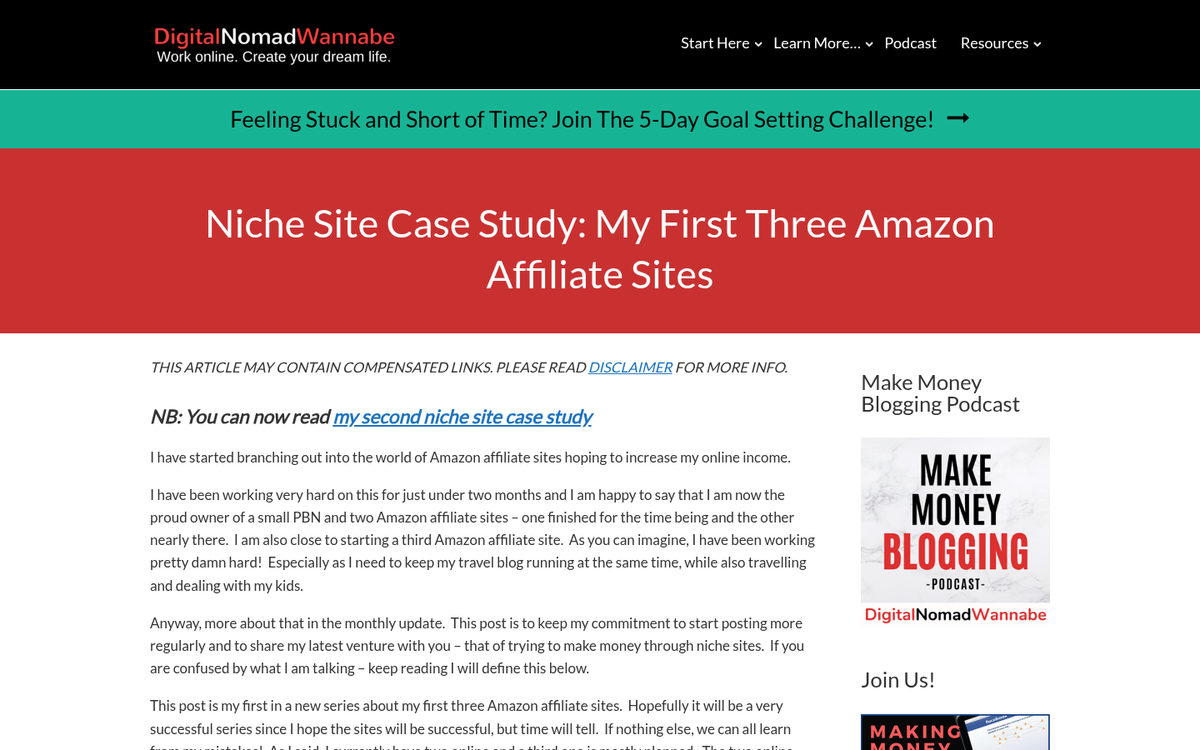
Picking the right niche is important, but more important than that is sticking to a niche. General interest sites with an array of products ranging from electronics to kitchen utensils to survival gear don't perform well. The reason is user intent. If someone wants to buy a survival knife, they're going to look for a site they can trust that specializes in that space - not a site that reviewed a knife once and also sells mixers. Niche authority builds trust, and trust drives clicks and conversions.
This matters even more today because 55% of customers now start their online shopping searches directly on Amazon, meaning they're already primed to buy. Your job as an affiliate is to capture them earlier in the journey - during the research phase - and funnel them to Amazon with your affiliate link.
Link to One Product at a Time, But Frequently
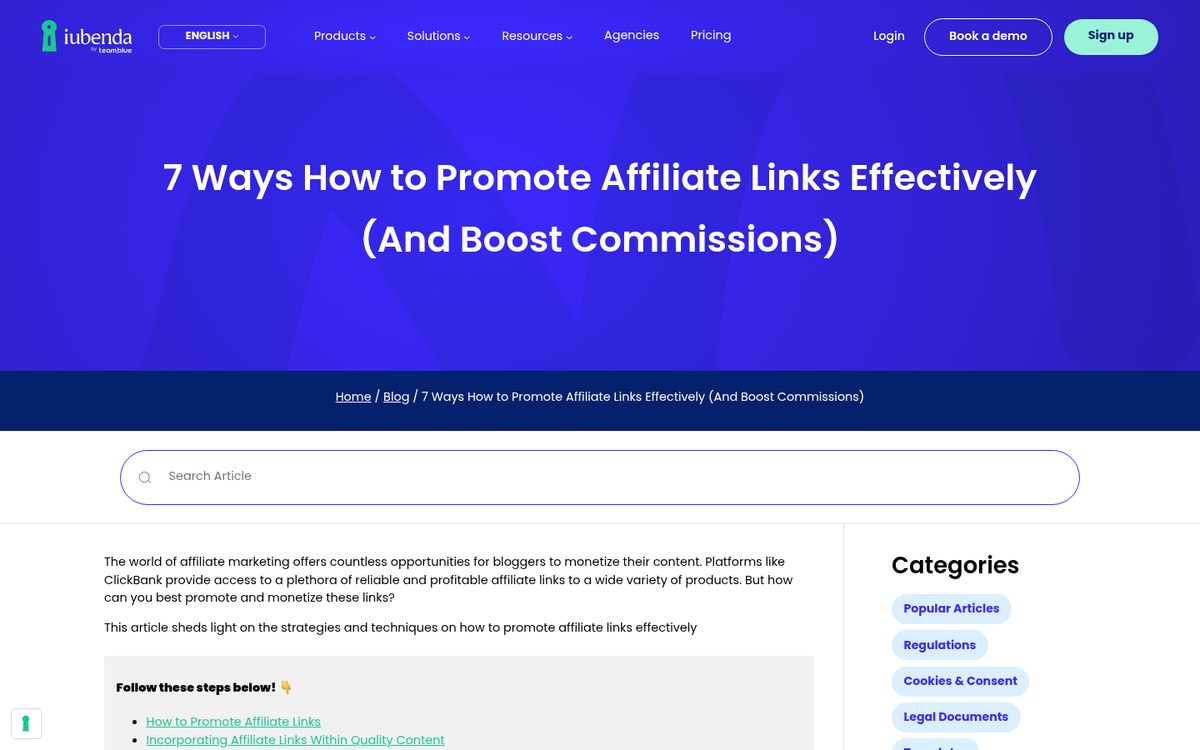
Avoid cramming too many affiliate links to too many different products on the same page. Ideally, you'll dedicate individual posts to individual products. Each page, however, should have multiple links to that product - typically one when it's first mentioned, one mid-article, and one at the end.
The exception is comparison articles. If you're comparing two or three items, link to each of them throughout. It's only when you're trying to list 10+ products on a single page that the multi-link effect starts to dilute focus and hurt conversions.
Make Images Link to Product Pages
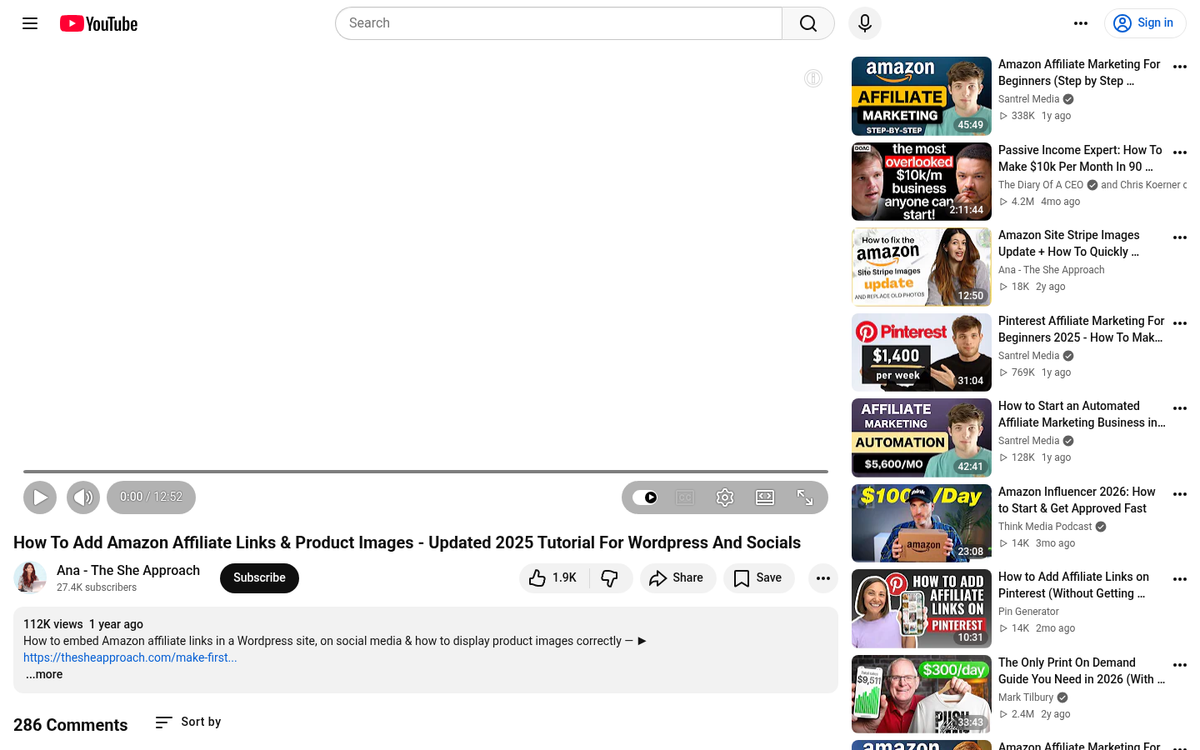
A lot of times, when a user clicks on an image on a website, nothing happens - or worse, it opens a lightbox with a larger version of the same image. None of that helps your affiliate income.
Instead, every product image on your site should link directly to the corresponding Amazon product page using your affiliate link. It's a small change that meaningfully increases click-through rates.
Offer Honest Reviews
Trust and honesty outperform hype every time. People are more likely to trust a balanced, well-reasoned review than one that reads like a sales pitch. This has become even more important as AI-generated affiliate content has flooded the internet - readers have become skilled at detecting shallow, inauthentic reviews and bouncing immediately.
When you're reviewing a product, put honesty above hype. Admit when a product is flawed, explain what those flaws are, and give your genuine recommendation. Users will trust you far more for it, and that trust translates directly into clicks and commissions. Research consistently shows that reviews acknowledging both pros and cons convert significantly better than five-star-only coverage.
Drive More Traffic with Ads

At some point, the success of your site will come down to the volume of traffic you're able to bring in. Organic search remains the gold standard for affiliate sites, but paid traffic through Google Ads, Meta, or Pinterest can meaningfully accelerate growth - especially while your organic rankings are still building. The key is to only run paid traffic to pages with strong conversion rates so the math actually works in your favor.
Build a Review-Centric Mailing List

When you become a trusted source of product information within your niche, people will gladly sign up for a regular digest of new reviews, deals, and recommendations. Build this email list consistently and you'll have a reliable, owned channel to drive affiliate traffic - one that isn't subject to Google algorithm updates or social media reach changes. In 2026, with organic search more competitive than ever, an engaged email list is one of your most valuable assets.
Capitalize on Holiday Shoppers
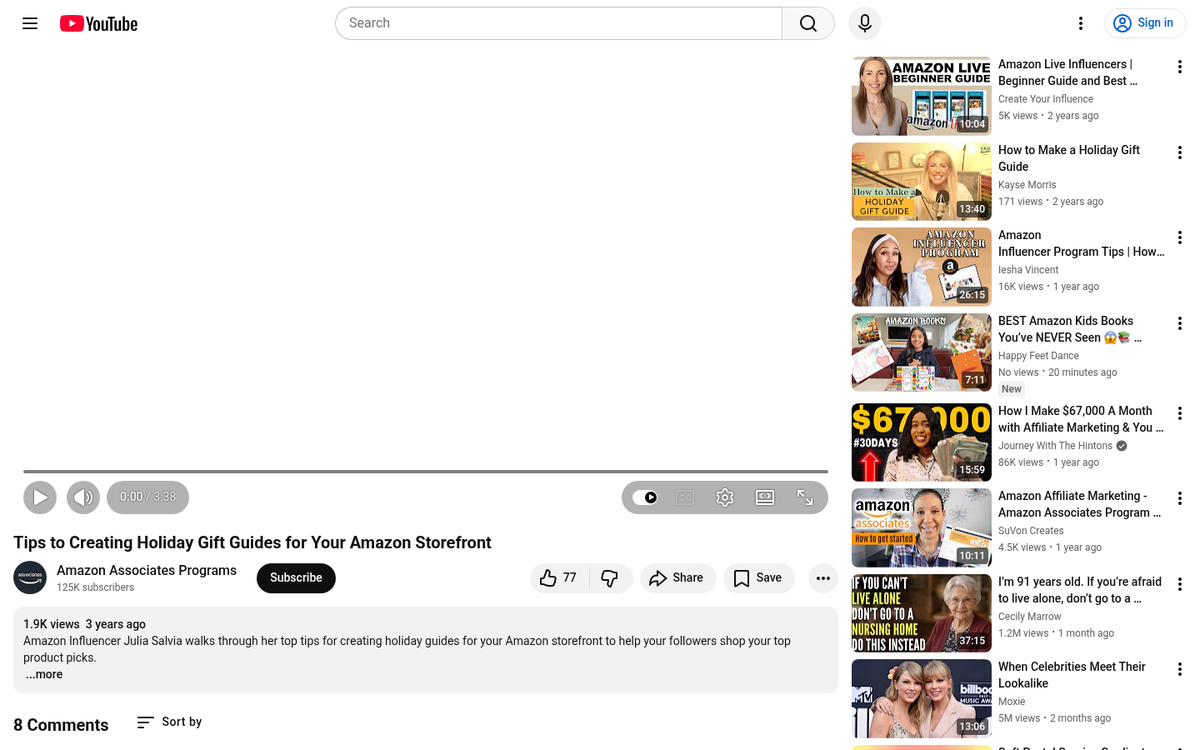
Holidays are perfect for themed content - gift guides, product roundups, deal highlights, and curated lists. Amazon is one of the world's largest and most trusted online retailers, with the competitive pricing and fast shipping that holiday shoppers expect. You don't need to sacrifice your margins to participate; your commission comes from Amazon's side. Plan holiday content well in advance, since rankings take time to build, and evergreen gift guides can drive traffic year after year.
Understand Amazon's Commission Structure

Amazon's affiliate commission rates vary significantly by product category, so it's worth being strategic about what you promote. Some categories pay as little as 1%, while others - like Amazon Games or certain luxury products - can pay considerably more. Focus on categories where the commission rate, average order value, and your ability to rank for relevant search terms all align. A high-ticket item in a 3% commission category can still outperform a cheap item in a higher-rate category depending on volume.
Skip Outdated Hosted Store Solutions

Amazon's old aStore feature has long been discontinued, and any third-party "hosted storefront" solutions that try to replicate that experience tend to be equally ineffective. Your own website, built on a platform you control, will always outperform a generic hosted solution. You get the SEO benefits, the design flexibility, and the audience ownership that no third-party shortcut can replicate.
Focus on Getting People to Amazon

Every link to Amazon should be an affiliate link, and the primary goal of your content should always be to get people to click through to Amazon. Why? Because Amazon places a tracking cookie on the user's browser, which credits you for any purchase they make within the attribution window - not just the product you linked to. You could link to a phone case, and the user might end up buying a laptop. You'd earn a commission on that laptop. The click is the conversion event; what they buy after that is a bonus.
Be Intentional About Post-Purchase Content
A common trap for affiliate marketers is publishing a lot of "how to use" or "setup guide" content for products they promote. The problem is that this content attracts people who have already made their purchase - they're not in buying mode anymore, so the affiliate links are largely wasted on them.
You have two viable options: minimize post-purchase content so your audience skews toward buyers, or monetize that post-purchase traffic separately through paid resources like ebooks, courses, or a membership. Either approach works - just be deliberate about it rather than publishing post-purchase content by default and wondering why your conversion rates are low.
1 response
Thoughtful replies only - we moderate for spam, AI slop, and off-topic rants.
That was great information about small sales in volume increase your commission for larger items. I just started looking into the Amazon idea. Thanks for tips.