




This distinction matters enormously for Answer Engine Optimization. AI tools don't retrieve answers by matching keywords - they pull from a structured model of the world. If your brand, product, or area of expertise isn't recognized as a named entity, you're basically invisible to the systems that generate AI-powered answers. You are out there as words on a page - not as something an AI can confidently cite, reference, or recommend.
If you've seen that competitors get mentioned in AI-generated replies while your business doesn't, named entity status is likely a core part of the reason. Establishing your brand as a recognized entity - one with attributes, consistent signals across the web, and verifiable connections to related topics - is one of the most foundational steps you can take to improve how AI systems perceive and represent your business.
The sections ahead will talk about how named entities work, why they're central to AEO strategy, and what you can do to strengthen your entity presence across the places that matter most.
Quick Answer
A named entity is a real-world object or concept that can be identified with a proper name, such as a person, organization, location, date, or product. In natural language processing (NLP), named entity recognition (NER) is the task of automatically detecting and classifying these entities within text. For example, in the sentence "Apple was founded by Steve Jobs in California," Apple (organization), Steve Jobs (person), and California (location) are all named entities.
How AI and Answer Engines Recognize Named Entities
Named entity recognition is the process machines use to scan text and label nouns as people, places, organizations, dates, products and more - it's a foundational step that happens before any deeper analysis can take place.
Systems like Google's Knowledge Graph and large language models like ChatGPT are trained for this at scale. They parse sentences word by word and use patterns, grammar and learned associations to determine what category a word or phrase belongs to. The word "Paris" could be a person or a city depending on context, and that context is what these systems are built to figure out.
Context clues come from the surrounding text, the page topic and even the structure of a sentence. A sentence that mentions "Paris" alongside "the Eiffel Tower" and "France" gives the machine enough information to confidently classify it as a location. If you don't have those surrounding clues, the classification can become less reliable.
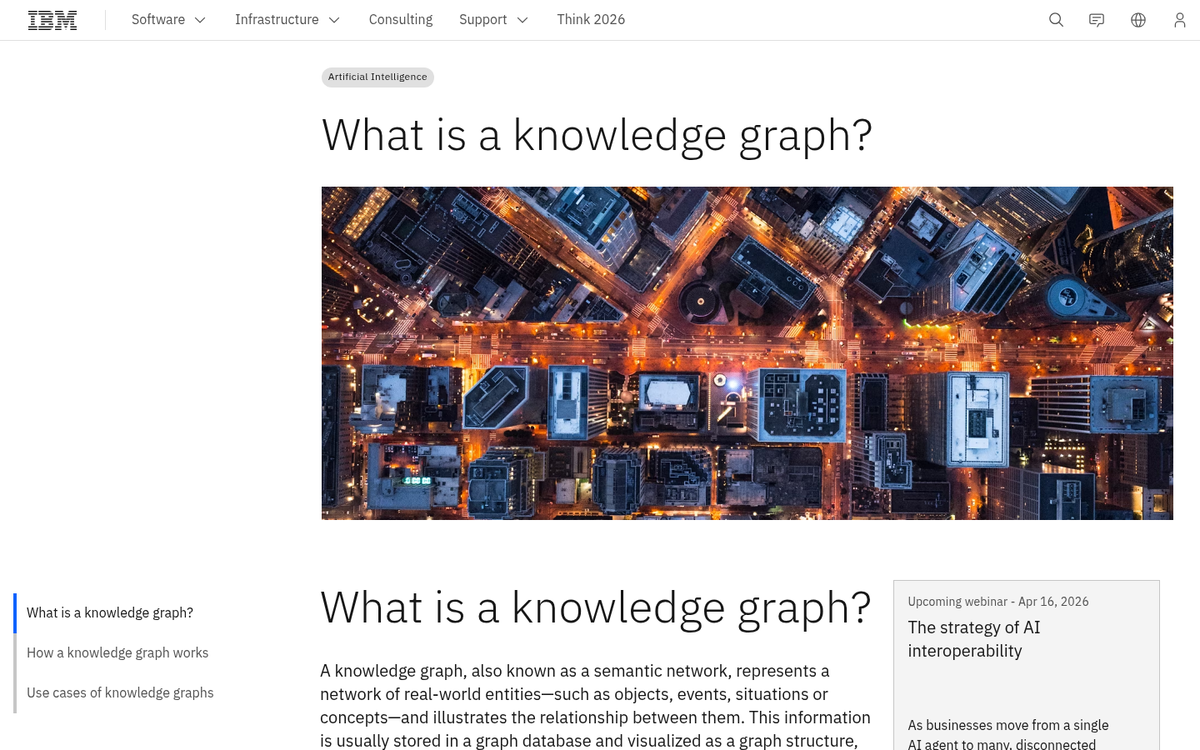
Structured data plays a big part in this too. When a webpage uses schema markup to label something as a "Person" or an "Organization," it gives the machine a direct signal instead of asking it to figure things out on its own - it's a shortcut that cuts back on ambiguity and increases confidence in the classification.
These systems are probabilistic - not perfect. They make their best guess based on available signals and training data. A well-written, consistent piece of content will produce more reliable entity recognition than something vague or contradictory. Tools like a WordPress spelling error scanner can help keep your content clean and consistent.
Google's Knowledge Graph takes this a step further by connecting recognized entities to a wider database of known facts. Once a piece of content mentions something the system already has data on - a named public figure, a well-documented company, a geographic location - it can draw on that existing knowledge to add context. That's how answer engines move from recognizing a word to understanding what it represents in the world.
That picture can become the foundation for everything that happens next in how AI systems interpret and use the content.
The Role of Entity Relationships in AI Knowledge Graphs
Once an AI system identifies a named entity, it doesn't file it away in isolation - it maps how that entity connects to other entities it already knows about.
Think about a brand as an example. An AI might find that a business operates in a particular industry, was founded by a person, and is based in a known city - and each of those connections is its own named entity too - the industry, the founder, the location. When those links are present and consistent across sources, the AI builds a much better picture of what that entity is.
This is the foundation of a knowledge graph - a web of relationships between entities where the strength of the relationships tells the AI how confident it can be about what it knows. An entity with verified connections is treated very differently from one that appears in just a handful of places with no supporting context.
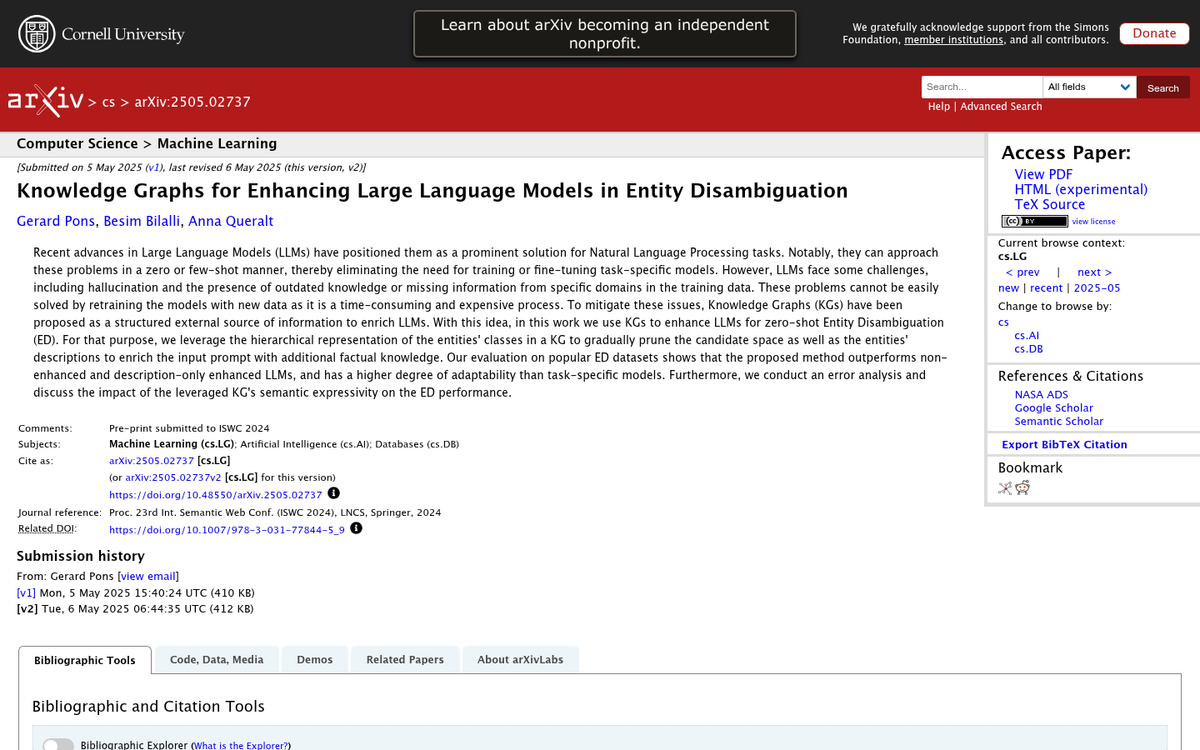
That confidence gap matters a lot, and that's also the case in answer engines that have to choose what to cite. An entity that sits alone in the data, with few recognizable relationships, looks unreliable by comparison. The AI has no way to cross-check it against other things it trusts. This same challenge applies when trying to find out who owns a blog - without connected signals, the information is harder to verify.
| Isolated Entity Signals | Relationship-Rich Entity Signals |
|---|---|
| Entity name appears in one or two sources | Entity name appears across many independent sources |
| No clear industry or category connection | Linked to a recognized industry or niche |
| No associated people or locations | Connected to known founders, staff, or places |
| No related organizations or partners | Associated with other established entities |
| Low cross-referencing between sources | Consistent facts repeated across multiple platforms |
The right column is what trustworthiness looks like to an AI system. The goal is not volume for its own sake - it's the density and consistency of relationships that confirm what an entity is and where it fits.
An entity with a presence in the world will accumulate these relationships. But AI systems can only work with what's documented and findable, so the connections have to be out there somewhere that they can read and verify.
Why Some Entities Get Cited by AI and Others Get Ignored
AI systems don't treat all entities equally. Some get referenced constantly across search results and AI-generated answers, and others with just as much value sit in silence. The difference usually comes down to three things: salience, prominence, and consistency.
Salience is about how an entity works as the focus of content. If a page is built around one person, one business, or one concept, AI can identify that entity as the main focus. When a page tries to be about everything, no single entity rises to the top and the AI has less confidence in what it's actually reading.
Prominence is about how well-documented an entity is across the web as a whole. An entity that appears in independent sources, described in consistent ways, builds up a credibility that AI can detect. A business mentioned in local directories, industry publications, and social profiles all at once is much easier for AI to trust than one that only appears on its own website.

Consistency matters more than most people know. If your business name, location, or description changes slightly from one source to another, AI systems have a hard time confirming they're all talking about the same entity. That uncertainty makes them less likely to use you as a source.
This is where entity disambiguation comes in. Two entities can share the same name - think of a local law firm with the same name as a famous TV show character. AI has to figure out which one a piece of content is talking about, and it does that by looking at context clues and supporting facts. The more context you give, the less room there is for uncertainty.
Many site owners do legitimate work and still feel invisible to AI. Learning ways to promote your presence online can help establish the kind of multi-source footprint that makes an entity easier for AI to recognize and trust.
| Attribute | Well-Established Entity | Weak or Ambiguous Entity |
|---|---|---|
| Source coverage | Multiple independent sources | Appears on one or two pages |
| Name consistency | Same name used everywhere | Name varies across sources |
| Descriptive detail | Rich context and attributes | Vague or minimal description |
| Disambiguation signals | Clear category and location data | Easy to confuse with other entities |
| AI confidence level | High - used as a reliable reference | Low - passed over in favor of clearer options |
Marking Up Your Content So AI Can Identify Your Named Entities
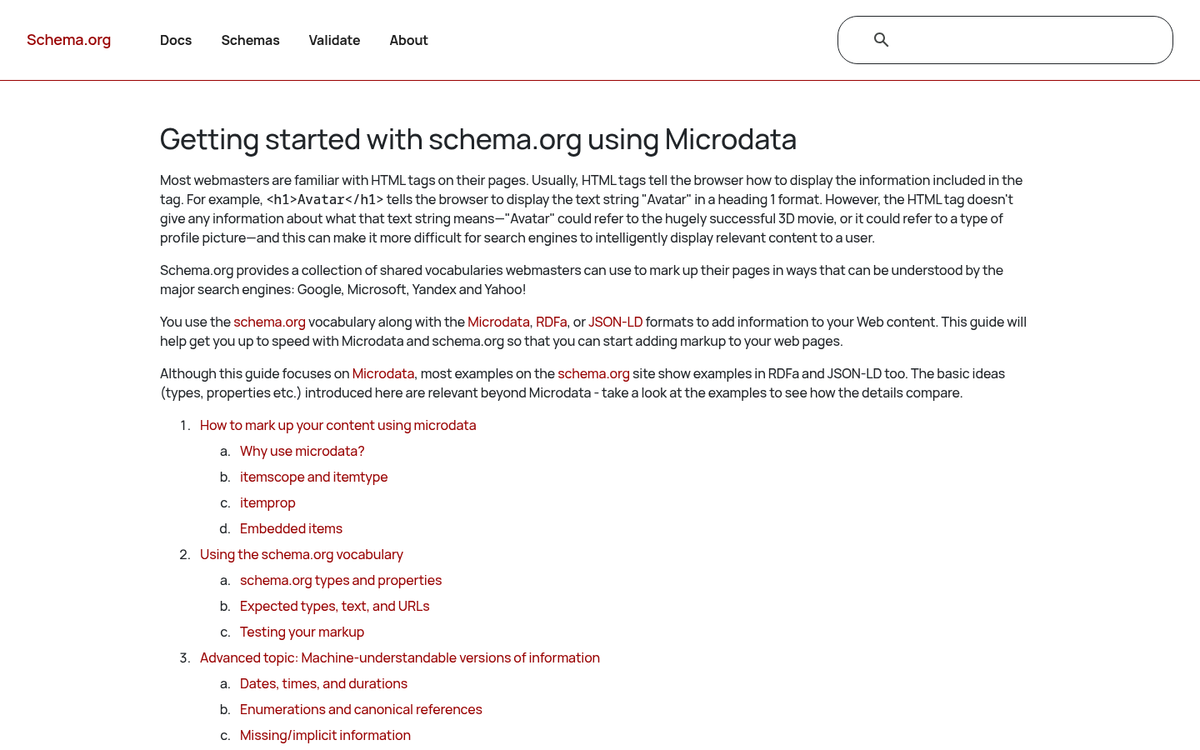
Schema.org markup is one of the most direct ways to tell AI systems what entities live on your site. Instead of leaving a crawler to guess if "James Carter" is a person, a business, or a product, you use structured data to spell it out explicitly.
The three schema types you want to get familiar with are Organization, Person, and LocalBusiness. Organization schema works for businesses and brands. Person schema is the right choice for named individuals like founders, authors, or public figures. LocalBusiness schema is helpful when a physical location is central to the entity's identity.
Within each schema type, the fields you fill in are what do the heavy lifting. A Person schema with just a name attached is easy to ignore. Add a job title, an employer, a URL, and links to external profiles, and that entity has enough context to be recognized by AI systems that are trying to map real-world knowledge.
| Schema Type | Key Fields to Include | Why It Helps |
|---|---|---|
| Organization | name, url, logo, sameAs | Links your brand to external references |
| Person | name, jobTitle, worksFor, sameAs | Grounds the individual in a real context |
| LocalBusiness | name, address, telephone, geo | Ties the entity to a verifiable location |
The sameAs property deserves attention - it lets you point to external sources like a Wikipedia page, a Wikidata entry, or a LinkedIn profile to confirm that your entity matches a known real-world record. AI systems use these connections to build confidence that your entity is legitimate and not ambiguous.

This is where steady NAP data comes in. NAP stands for name, address, and phone number, and it matters because AI pulls information from multiple sources. If your business name appears differently across your website, Google Business Profile, and third-party directories, those inconsistencies make it harder to resolve your entity with confidence.
A Wikidata entry is worth pursuing if you don't already have one - it acts as a machine-readable reference point that AI systems can cross-check, and it strengthens the case that your entity is real, stable, and worth referencing. If you're managing this across multiple sites, understanding the pros and cons of WordPress Multisite vs ManageWP can also affect how consistently your structured data gets deployed.
Writing Content That Reinforces Your Entity Signals
Markup tells AI systems where to look. But the language around your named entities is what gives those signals weight. When you use steady names, descriptive context and related terms together, AI can build a much clearer picture of what an entity actually is.
Consistency matters more than you might expect. If your homepage calls you "Sarah Mitchell, freelance UX designer" but your blog author bio says "S. Mitchell" and your contact page says "Sarah M.", AI has to guess if these are the same person. That fragmentation weakens your entity recognition across the board.
The fix is to choose one version of your name or brand name and use it the same way everywhere - this applies to your job title, your location and any descriptive phrases that define what you do. Think of it less as branding and more as helping AI connect the dots between every page on your site.
Your "About" page is one of the most helpful pieces of entity-strengthening content you can write - it should name you or your brand, describe what you do and include related terms that place you in context. A UX designer might mention user research, wireframing and product teams - not to stuff keywords in, but because those terms are legitimately part of that world.
Author bios work the same way. A short, well-written bio that names the author, their role and their area of focus gives AI a reliable anchor point every time that name appears on the site.
There are a few content patterns worth building into your pages on a regular basis.
| Content Pattern | Why It Helps |
|---|---|
| Consistent entity naming | Removes ambiguity across pages |
| Descriptive context near the entity | Tells AI what the entity does or represents |
| Co-occurring related terms | Places the entity within a recognizable topic space |
| Dedicated "About" or bio pages | Creates a central reference point for the entity |
| Brand mentions in third-party content | Adds external confirmation of the entity's identity |
External mentions are worth a note here. When other sites reference your name or brand in a way that matches how you describe yourself, that agreement across sources reinforces your entity identity in a way that on-site content alone can't replicate.
Make Your Named Entity Impossible to Ignore
Start by taking stock of where you stand right now. Check how your entities appear in your own structured data, your About page, and your internal linking. Then look outward - are those same entities referenced on third-party sites, directories, and knowledge bases? Gaps between what you say about yourself and what the wider web reflects are usually where visibility quietly breaks down.
For one immediate action, pick from this short list:
- Add or refine structured data on your most important pages to clearly define the entities they represent.
- Claim and update your Google Business Profile or Wikidata entry to strengthen external entity signals.
Neither job takes long. But both can meaningfully sharpen how search engines - and ultimately your audience - find and trust what you represent.
FAQs
What is a named entity in AI search?
A named entity is a recognized real-world thing - a person, brand, location, or organization - that AI systems can identify, classify, and confidently reference in generated answers, rather than treating it as just a string of words.
Why does named entity status matter for my business?
If your brand isn't recognized as a named entity, AI-powered answer engines won't cite or recommend it. Competitors with stronger entity signals will appear in AI-generated answers while your business remains invisible.
How does schema markup help AI recognize my entity?
Schema markup gives AI systems a direct signal about what an entity is, removing guesswork. Using Organization, Person, or LocalBusiness schema with filled-in fields significantly increases how confidently AI can classify and reference your brand.
Why does name consistency across the web matter?
If your name, location, or description varies across sources, AI systems struggle to confirm they're referencing the same entity. That uncertainty lowers confidence and makes AI less likely to cite your business in generated answers.
What makes AI choose one entity over another to cite?
AI prioritizes entities based on salience, prominence, and consistency. Brands documented across multiple independent sources, with clear descriptive context and consistent details, are far more likely to be cited than those with minimal or conflicting information.