Key Takeaways
- Always confirm the wholesaler actually offers dropshipping before investing time, as some require minimum monthly sales volumes.
- Know all costs upfront - unit price plus dropship fees - to ensure competitive pricing while maintaining profitable margins.
- Slow shipping, lack of order tracking, and no automated order integration are serious red flags that hurt customer experience.
- Request product samples and verify certifications, especially for supplements, skincare, or children's toys, to avoid legal liability.
- Research competitors already selling the product to assess market saturation and whether profitable opportunities actually exist.
Questions to Ask a Wholesaler Before Selling Their Products
Once you set up a dropshipping business, you can be set for years to come, with minimal ongoing work on your part. Plus, with some careful investment, you can expand indefinitely. You won't be the next Amazon, but you can carve out a solid slice of the market - and all you need to do is find the right products to connect with the right audience.
Of course, that setup process requires serious attention to detail. If you pick a bad product, you've wasted your time and possibly your money. You might end up facing an uncomfortable question: which is worse - setting up a deal to sell a product no one wants, or selling a product people buy only to have fulfillment problems on the back end?
To help you choose good products and reliable partners, I've put together a list of questions you can ask - either directly to the wholesaler or to yourself as you evaluate products and audiences.
Do They Even Do Dropshipping?
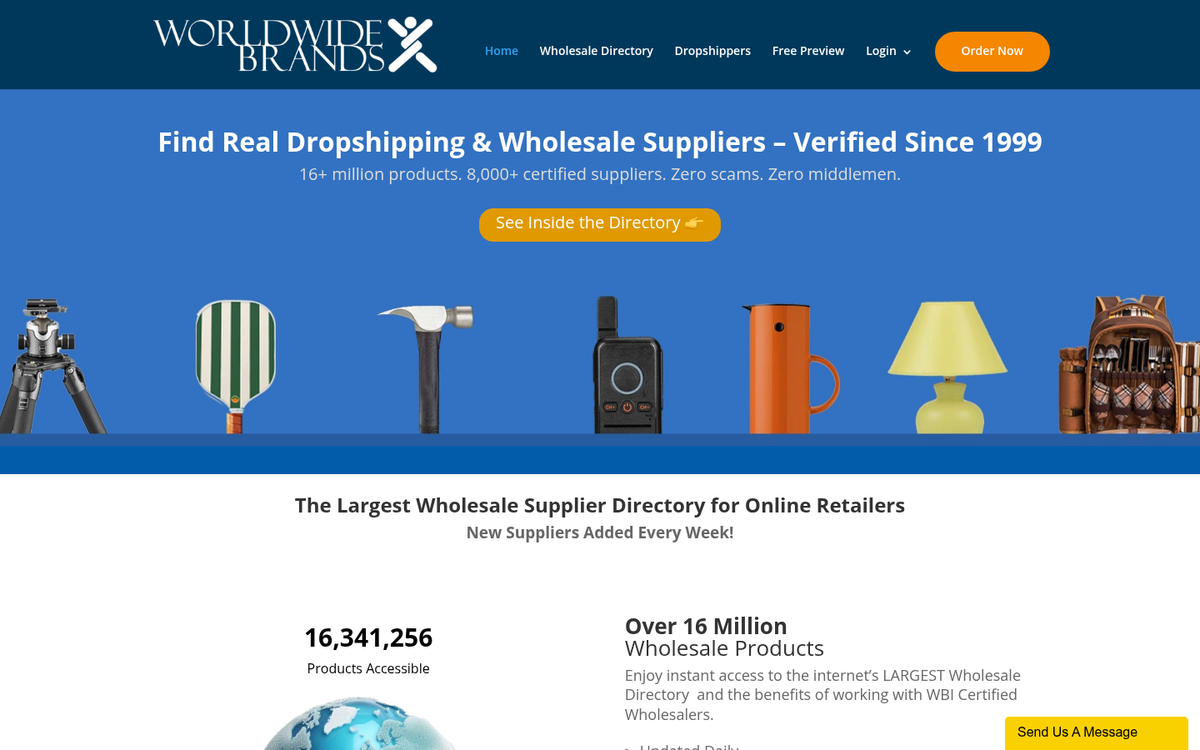
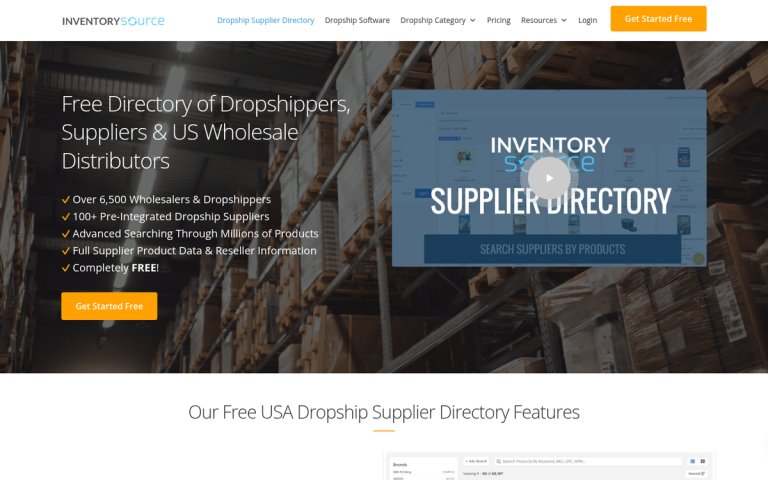
The first question is the most important one, for the simple reason that the whole plan falls through if they answer no. Dropshipping is a partnership, and some businesses simply don't want to deal with that kind of arrangement. You can't approach just anyone and ask about dropshipping - you need to find wholesalers who are genuinely open to it. There are websites that have dropshipping programs that make this process easier.
For the wholesaler, working with you means additional operational responsibilities: order processing, fulfillment, and sometimes customer service. All you're doing, essentially, is glorified marketing and storefront management.
There are also wholesalers who will dropship, but only if you can guarantee a minimum sales volume each month. They want partners who are effective and moving product consistently. If you're just getting started or aren't likely to surpass a handful of units per week, you may not be able to cut a deal with these larger suppliers. Platforms like SaleHoo list thousands of vetted dropship and wholesale suppliers, which can be a solid starting point for finding partners who are already open to the arrangement.
How Much Does the Product Cost Per Unit?

This will tell you whether or not the product is actually worth carrying. When researching a product, look at what the market already looks like. If you're selling on Amazon and every current listing is priced at $15, you don't want to find out the wholesaler charges you $16 per unit. Know your cost so you understand your potential margin, and make sure there's enough room to price competitively while still turning a profit.
This matters even more in 2026, where marketplace competition has intensified and shoppers are savvier about comparing prices across platforms in seconds.
Is There a Dropship Fee?
This question ties directly into the one above. Many wholesalers charge a per-order dropship fee on top of the unit cost, and you need to know about it upfront.
You don't want to assume you're buying at $12 per unit only to find a $4 handling fee added to every order. Those fees compound quickly and can quietly kill your margins if you're not accounting for them from the start.
Is There a Minimum Order Quantity?
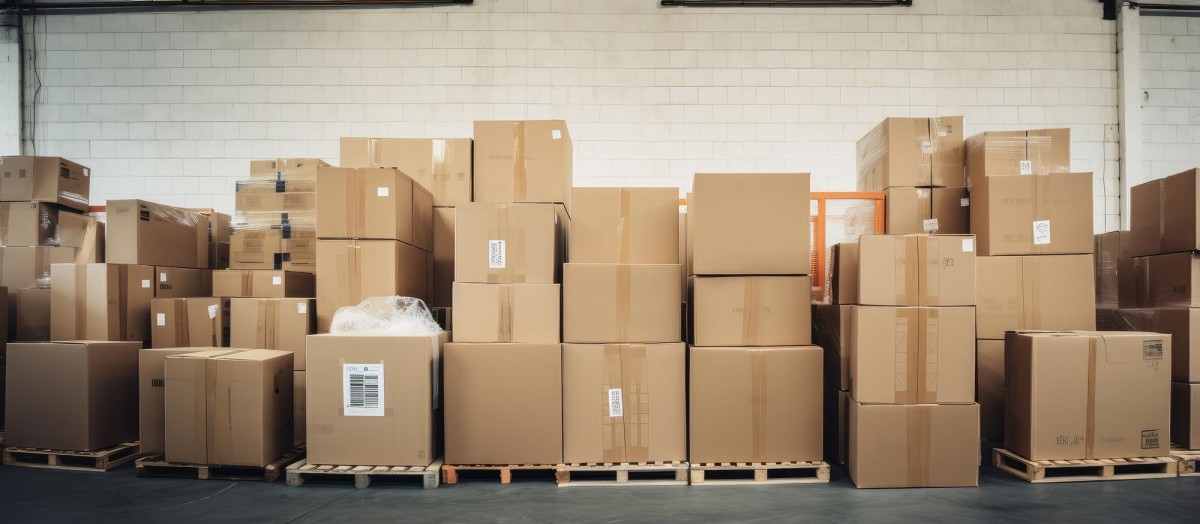
Some larger wholesalers will only work with businesses that can commit to volume. You don't want to spend hours in negotiations only to discover they require bulk orders of 5,000 units or more. That kind of minimum might work in B2B contexts, but typical B2C dropshipping niches on Amazon or your own Shopify store usually can't support it.
Minimum order quantities also matter if you're holding inventory yourself. Bulk purchases mean upfront capital, storage costs, and increased risk if the product doesn't sell as well as expected.
What is the Average Shipping Time?
You want to know this for several reasons. In 2026, customers expect fast shipping - largely because Amazon Prime and similar services have set the bar at two days or less for many product categories. If a wholesaler is quoting 4-6 weeks for delivery, that's a serious red flag and likely means the product is shipping internationally through a slow chain.
Some so-called "wholesalers" are actually middlemen reselling from overseas suppliers, meaning you're getting the product thirdhand with customs delays baked in. Always confirm shipping origin and realistic delivery windows before you make any commitments, and never over-promise delivery speed on your storefront. Slow shipping is one of the key reasons your traffic may not be converting into customers, so it's worth taking seriously before you launch.
How Can Orders be Placed?
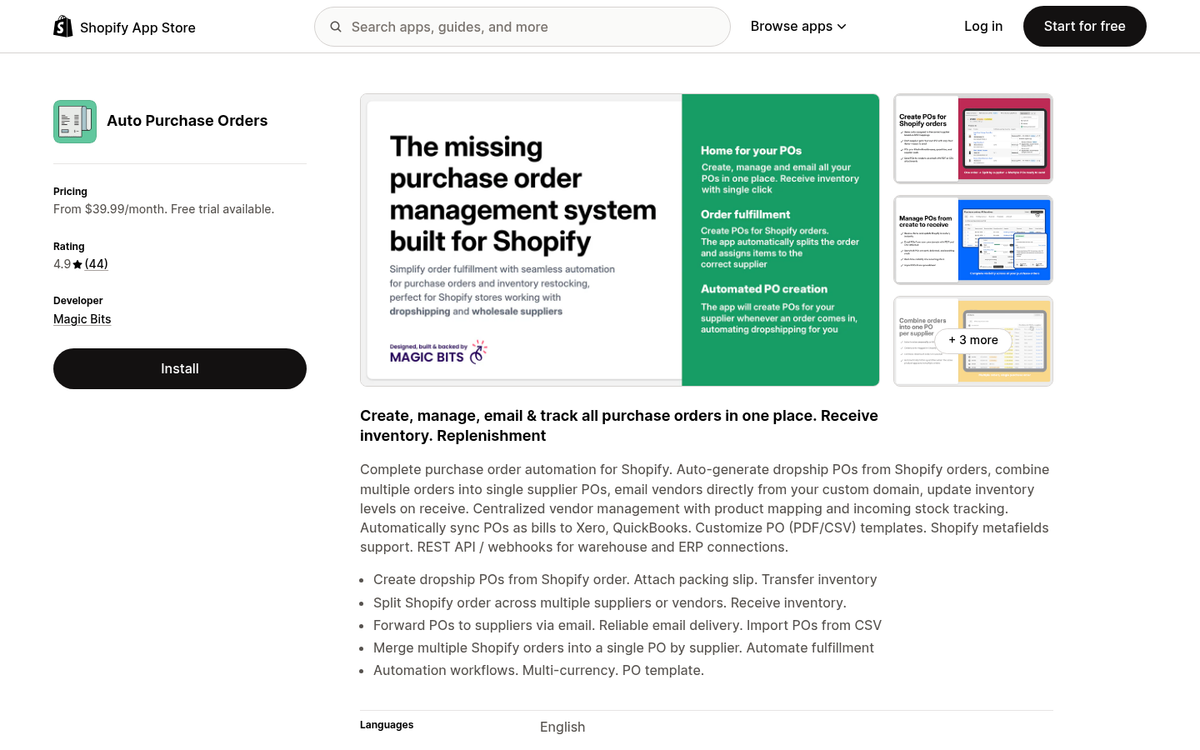
You'll likely be selling through your own website, a marketplace like Amazon, or both. You need to figure out how incoming orders get processed and forwarded to the wholesaler for fulfillment. Do they have an API you can connect to your store? Do they integrate with Shopify, WooCommerce, or other platforms directly? Do you need to submit orders manually?
Manual order submission was acceptable a decade ago, but in 2026 it's a bottleneck that will cost you time and create errors at scale. Automation is no longer a luxury - it's a baseline expectation. If a wholesaler doesn't offer any kind of automated order integration, factor that friction into your decision.
Does the Wholesaler Support EDI?
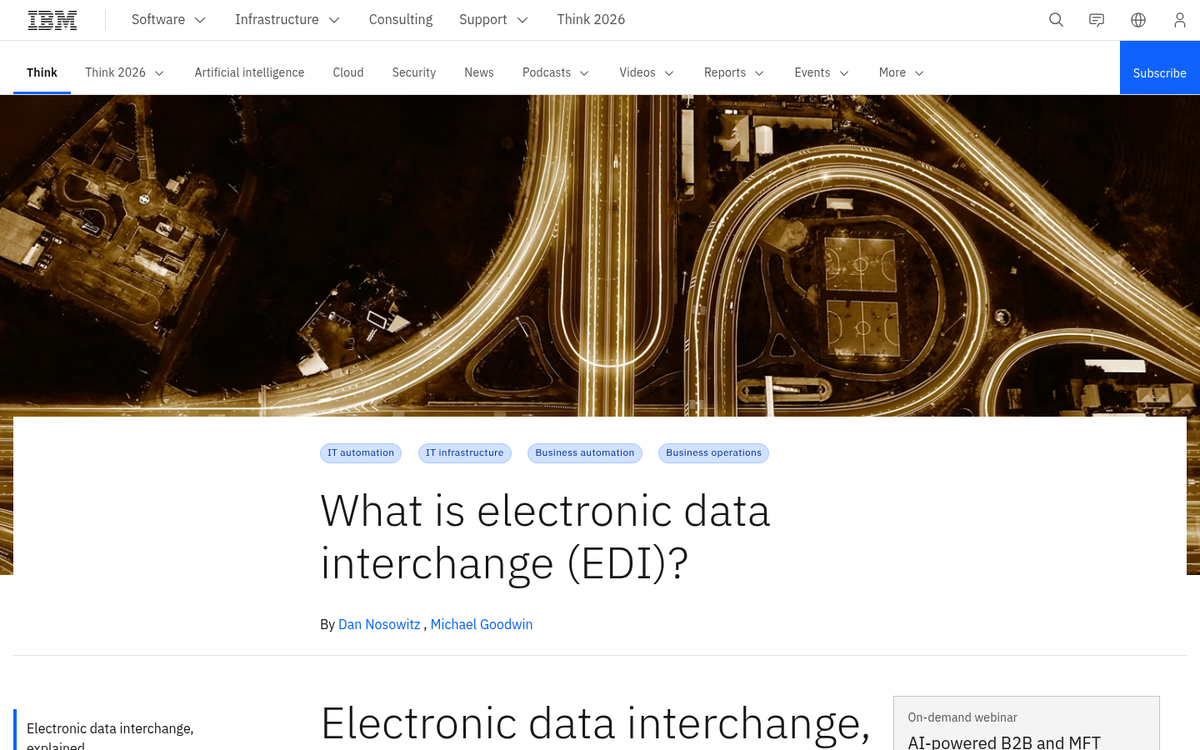
EDI - Electronic Data Interchange - is the standardized format that allows business systems to communicate with each other. Think of it as a universal language for inventory management, order processing, and fulfillment updates.
The reason EDI matters is real-time inventory syncing. Without it, you risk continuing to sell products on your storefront after the wholesaler has run out of stock. EDI integration allows your listings to update dynamically, so you're not stuck manually tracking availability or dealing with a flood of cancelled orders.
Does the Wholesaler Offer Order Tracking?
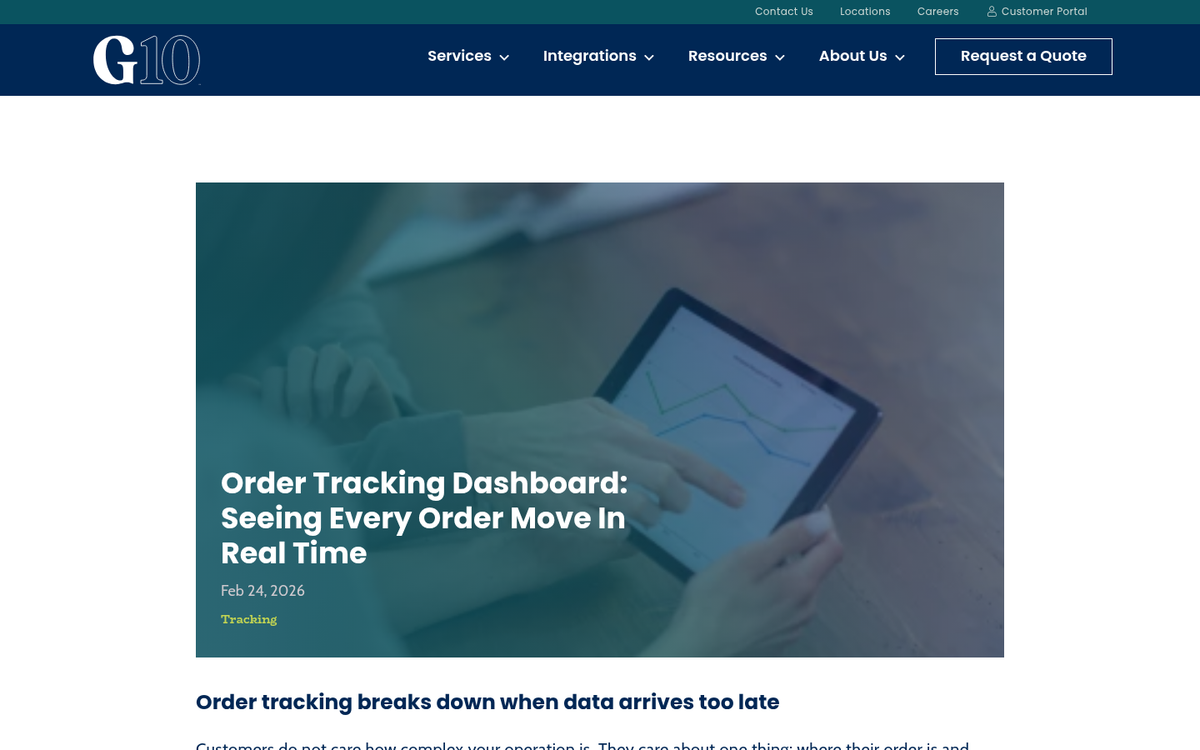
In 2026, shipping without tracking is essentially unacceptable from a customer experience standpoint. Shoppers expect a tracking number almost immediately after purchase, and they'll contact support if they don't get one. If your wholesaler doesn't provide tracking on outbound shipments, you'll be fielding constant customer service requests with no real answers to give - all while trying to maintain the appearance that you're the one fulfilling the orders.
Will the Wholesaler Include Your Branding?
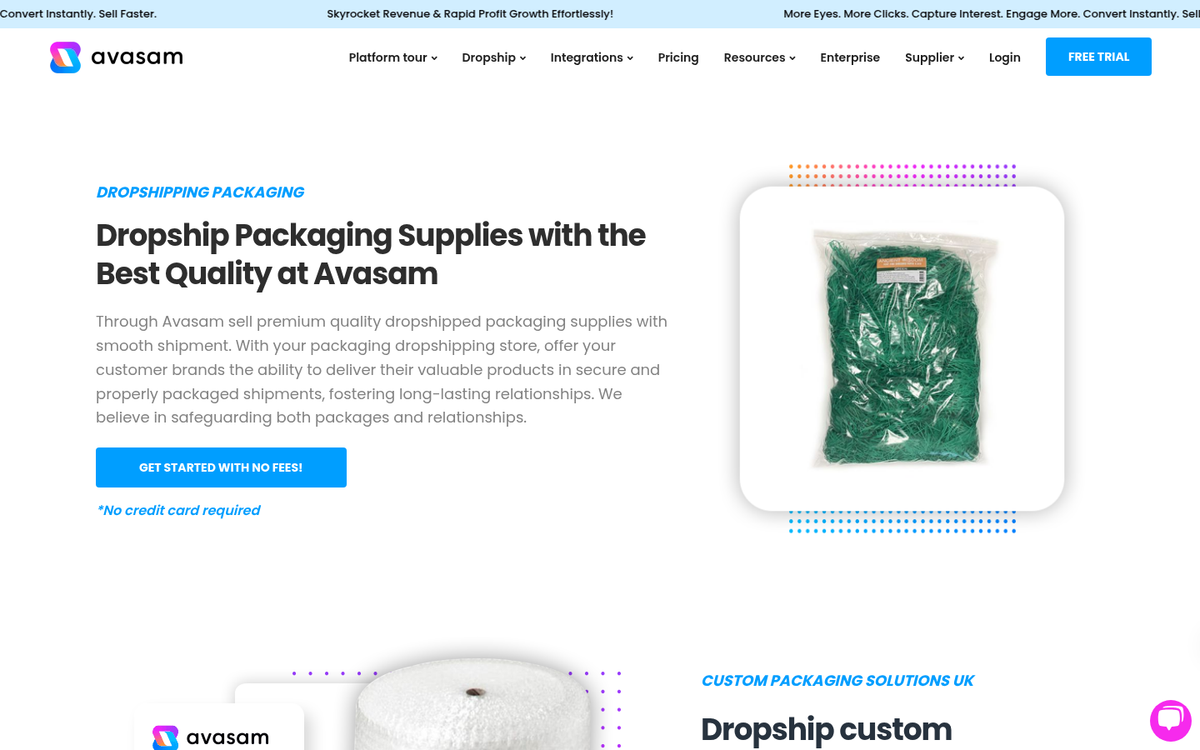
Branding is what separates a forgettable transaction from a business with repeat customers. If you're building a real brand around your dropshipping store - especially if you're targeting a specific niche - you need the packaging experience to match. That means getting your wholesaler to include your branding on shipping labels, boxes, or at minimum a simple insert card inside the package.
Private label and white-label dropshipping has become significantly more common, and many wholesalers now offer branded packaging as a standard option rather than a special request. If building a recognizable brand is part of your strategy, make sure this is something they can actually do before you commit.
Where is the Wholesaler Located?

Location impacts shipping speed, cost, and reliability. It also determines whether you'll deal with import taxes, tariffs, or customs delays. This has become an especially important question in recent years, as international trade policy has grown more unpredictable - with tariffs on goods from certain countries shifting frequently depending on the current trade climate.
Domestic wholesalers generally offer faster fulfillment and fewer regulatory headaches, though they may come at a higher per-unit cost. If you're also sourcing traffic from abroad, it's worth considering whether you can buy traffic to international websites. Weigh the tradeoffs carefully.
Where are the Products Made?
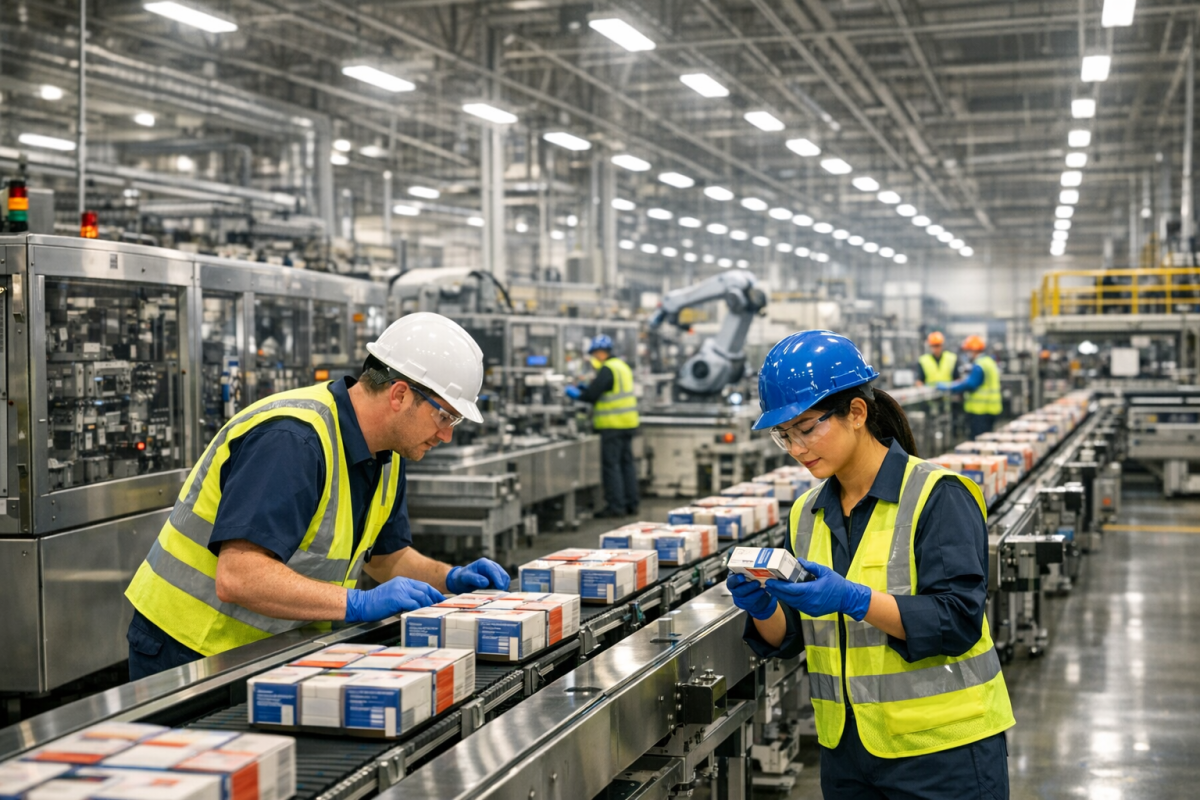
Where a wholesaler is based and where products are actually manufactured are often two different things. A US-based wholesaler might source from factories overseas. You want to know where the products originate so you can assess quality expectations and any regulatory concerns that come with that region.
This is particularly relevant for products that come into contact with skin, food, or children. You're unlikely to be personally testing for things like lead content or compliance with safety standards - so you need confidence that your wholesaler has done that work and can back it up with documentation.
Will They Send You a Sample?

Before you put your name behind a product and start selling it, you need to verify that it's actually worth selling. Request a sample - or purchase one - and evaluate it honestly. Does it work as described? Is it solidly built? Does the packaging hold up during shipping?
Also worth asking: is the sample they send you the same product customers will receive? Some suppliers maintain a higher-quality set of samples specifically for potential partners, while shipping a cheaper version to end customers. It's a legitimate concern and worth asking directly.
What Other Products Do They Manufacture?
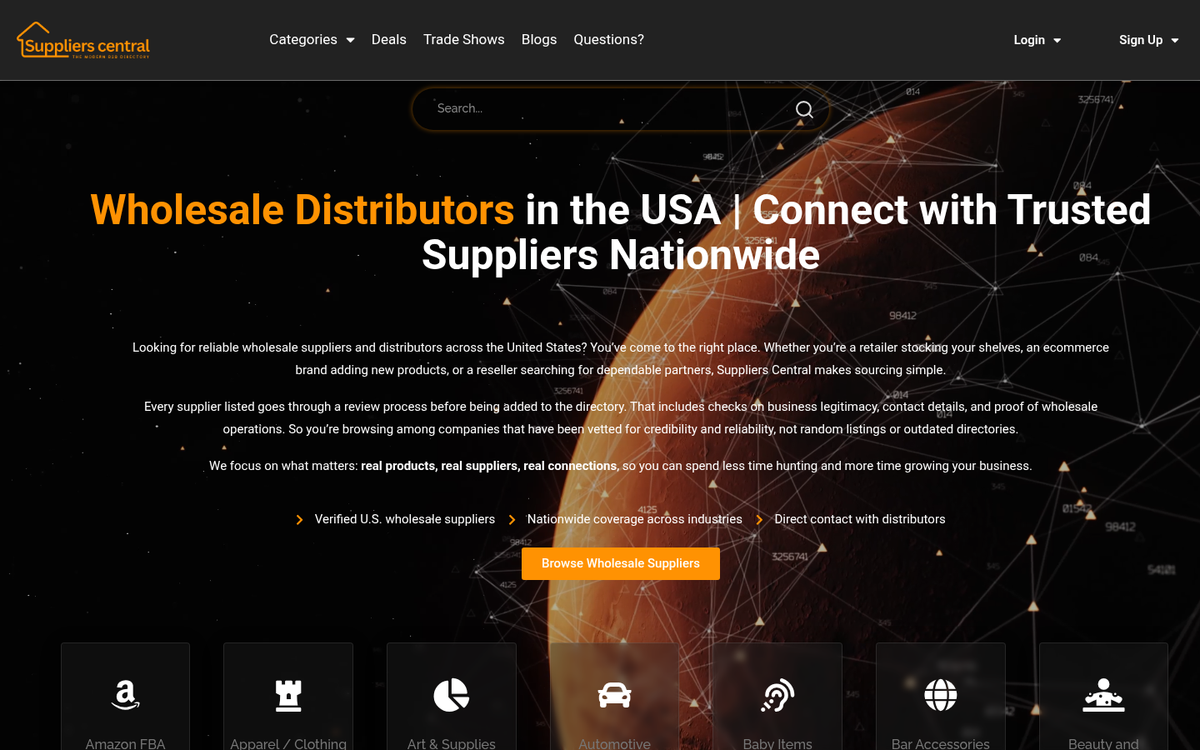
This question gives you useful signal about the focus and quality standards of the company. A wholesaler that specializes in one product category has likely invested real attention into compliance, safety, and quality control within that space. A wholesaler that seems to sell everything from baby toys to power tools to supplements is often a generalist middleman - and that can mean lower accountability across the board.
Do They Have Other Local Customers?
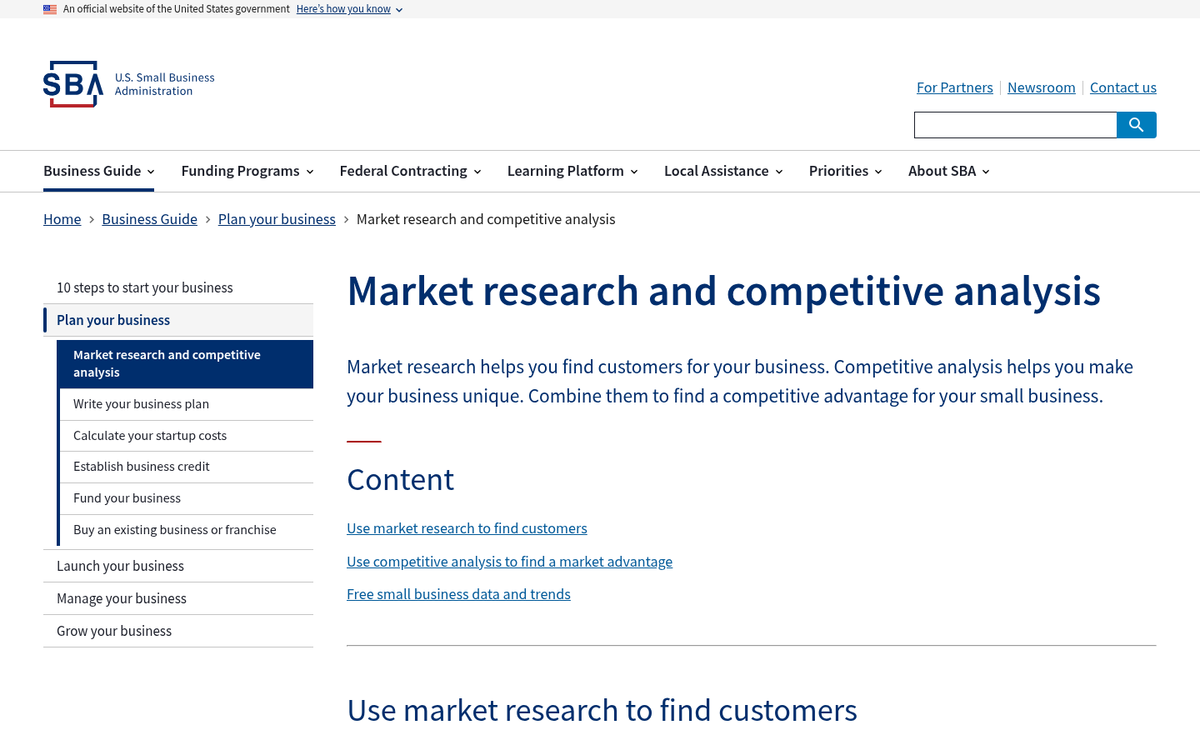
Rather than asking the wholesaler directly for their client list, do your own research. Search for other businesses already selling the same product. These are your competitors, and understanding their pricing, positioning, volume, and customer reviews will tell you a lot about whether there's room in the market for you.
If the space is already dominated by a few well-established players with thousands of reviews and aggressive pricing, it may not be the right product to lead with - regardless of how good the wholesaler is. You can also find your competitors' traffic sources to better understand how they're reaching customers.
Does the Product Iterate or Improve?
Think about how smartphones or software products release updated versions over time. Does the product you're considering follow a similar pattern? Products that iterate tend to generate repeat customers, create upgrade opportunities, and stay relevant longer. Products that are completely static may sell well for a while but can fade as consumer interest shifts or competitors release improved alternatives.
Understanding a product's roadmap - even informally - helps you assess the long-term viability of the niche you're entering.
Does the Product Have or Require Certifications?
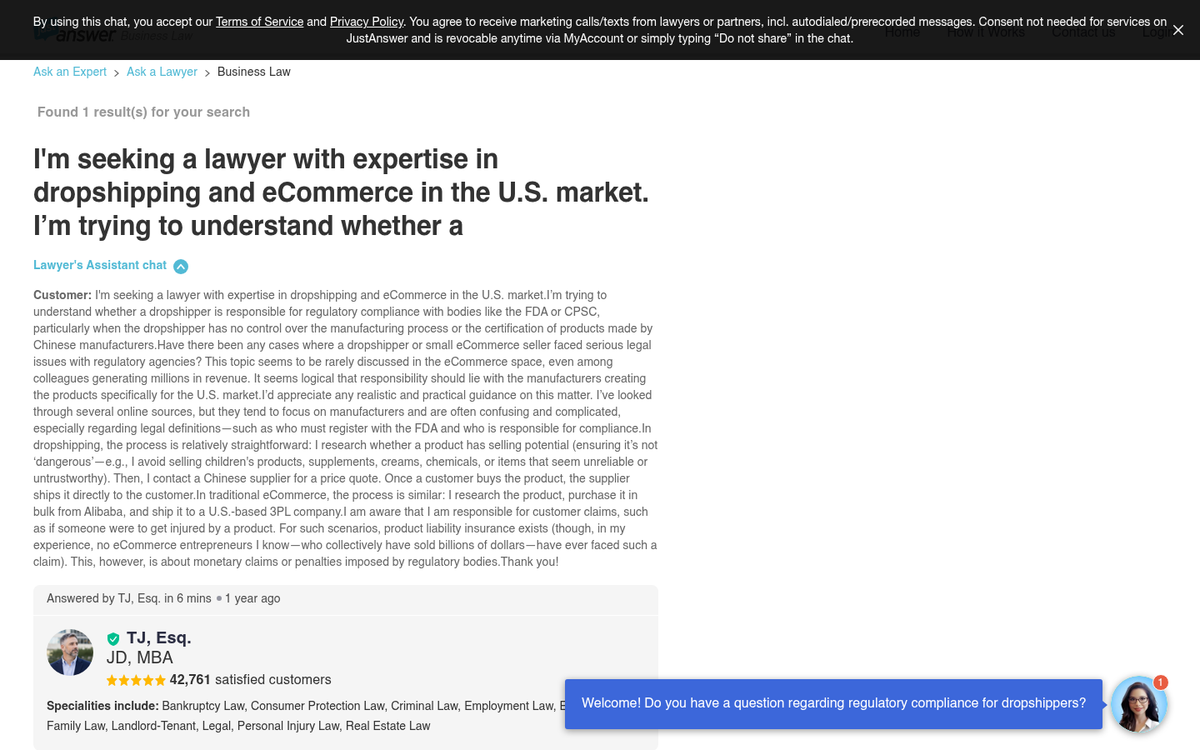
Certain product categories require regulatory approval or certification before they can legally be sold. As a dropshipper, you typically aren't the one responsible for obtaining those certifications - but you are responsible for making sure whoever is has actually done it.
Selling a supplement, skincare product, medical device, or children's toy that lacks required approvals can expose you to serious liability, even if you're just the storefront. Ask for documentation, and verify it. This is one area where cutting corners can have consequences well beyond a refund request.