Dating sites are notoriously difficult to monetize. The way I see it, there are two major reasons for this. The first is that they have a history of various exploitative techniques and scams. People distrust them and, because their subject is inherently on the adult end of the spectrum, they have a restricted audience. The second reason then stems from the first; due to the risk and the restrictions on such sites, most traditional means of monetization simply don't work. Many ad networks and affiliate programs don't allow "adult" content, and dating often falls under that umbrella, even if you're not explicitly an adult site.
There are plenty of sites that can be classified in the dating niche without actually being part of the adult dating industry. They have nothing to do with the likes of AdultFriendFinder, and have more in common with the dating advice sections of a lifestyle magazine. Honestly, though, it doesn't matter. Anyone building a site should be able to monetize that site, so long as the way they do it is legal. I don't particularly care whether you're running a porn site or a wholesome dating advice blog; if you can build a relevant audience, you deserve to get paid for your efforts.
And the opportunity is real. The global dating app market is projected to generate US$8.28 billion in revenue by 2030, according to Statista. Consumer interest in dating isn't going anywhere - Tinder alone reported a 27% increase in likes and a 29% increase in messages sent during Valentine's Day 2024. There's money in this niche, and with the right approach, you can capture some of it.
What I've done, then, is compiled fifteen methods you can use to monetize a site that is categorized in the dating niche. Some are more restricted than others, and some can be a little risky or might put you into a business model you don't want to pursue, so make sure to investigate each before you decide to invest in it.
Key Takeaways
- Dating sites face monetization challenges due to historical scams and adult content restrictions limiting available ad networks and affiliate programs.
- Affiliate marketing for mainstream dating platforms like Hinge and Match.com offers a natural, low-restriction revenue stream for dating sites.
- Premium content, paid memberships, and coaching leverage existing audience trust, with free users worth roughly 15-25% of premium subscribers.
- Email newsletters and sponsored posts are high-trust monetization channels, but require proper FTC disclosure and Google compliance to avoid penalties.
- Selling your website on marketplaces like Flippa or Empire Flippers is a legitimate final exit strategy, freeing you to build again.
1. Run Dating Site Affiliate Links
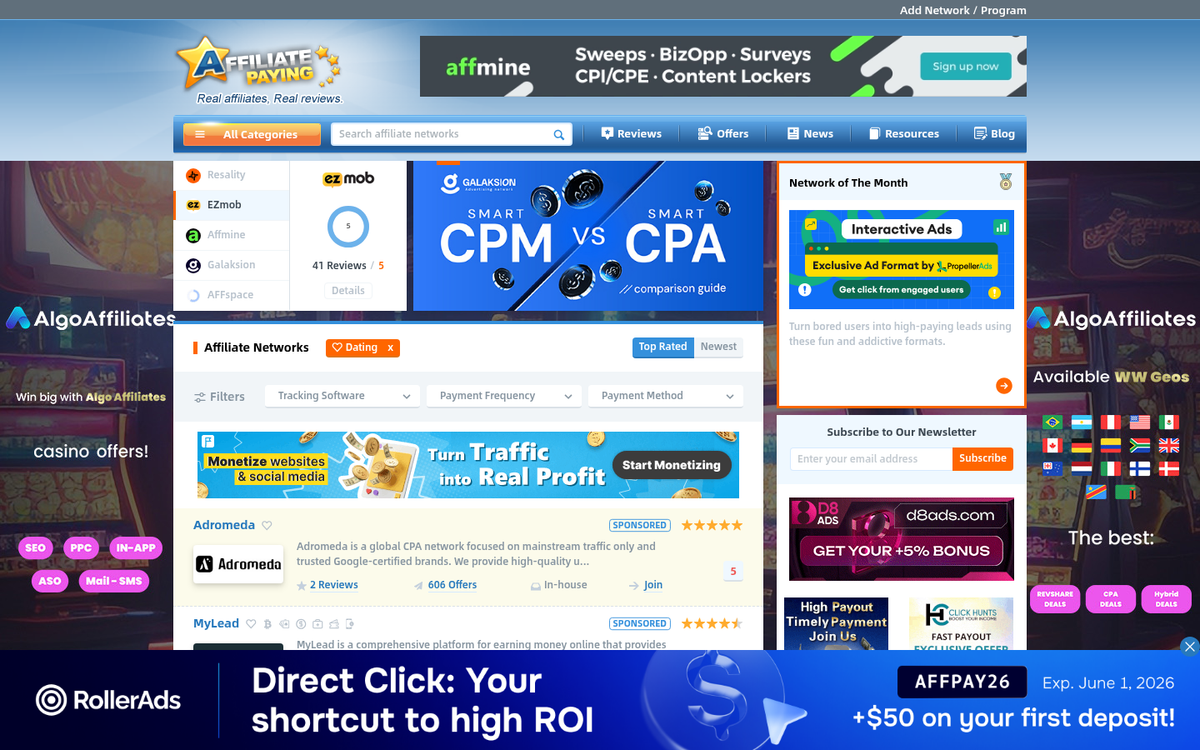
If you're running a site based around dating, the obvious path for monetization is to run affiliate links for various dating sites out there.
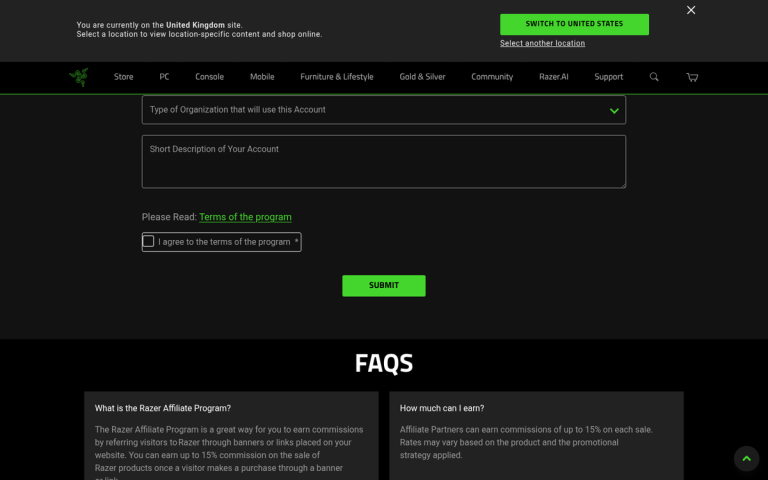
You can promote some of the more mainstream platforms - Match.com, Hinge, eHarmony, or Bumble - without triggering the adult content flags that can restrict your site. Hinge in particular has grown dramatically, reporting around 1.4 million paying users and an estimated $124 million in revenue in Q1 2024 alone, which tells you there's a genuinely large and engaged paid user base out there. If, on the other hand, your site is already firmly in adult dating territory, you have more flexibility in choosing affiliate networks. There are quite literally hundreds of dating platforms, so simply pick the ones that seem to fit best with your audience and investigate their referral programs. You can also explore ways to share and distribute your affiliate links to maximize your reach across different channels.
2. Run Display Ads Through a Contextual Network

Believe it or not, Google AdSense is still a viable option for dating sites, so long as you meet their restrictions. You have to be firmly on the side of non-adult dating here. A blog about dating advice can qualify. A site with relationship tips for young adults is great. A site with explicit adult content or that sells adult products is right out. You can review Google's full restricted content policies on their support site.
One important thing to note is that you are not able to use AdSense alongside other ad networks if your site links to another site that sells adult services or is a mature site in some way. This means some of the other options here won't work alongside AdSense, so plan your monetization stack carefully.
Beyond AdSense, it's also worth exploring alternatives like Ezoic, Mediavine, or Raptive (formerly AdThrive), particularly if your traffic has grown to a point where you can qualify. These networks often deliver significantly higher RPMs than AdSense for lifestyle and relationship content, and they handle much of the optimization for you.
3. Self-Serve Ads from BuySellAds

BuySellAds is a network that assists advertisers and publishers with connecting to one another.
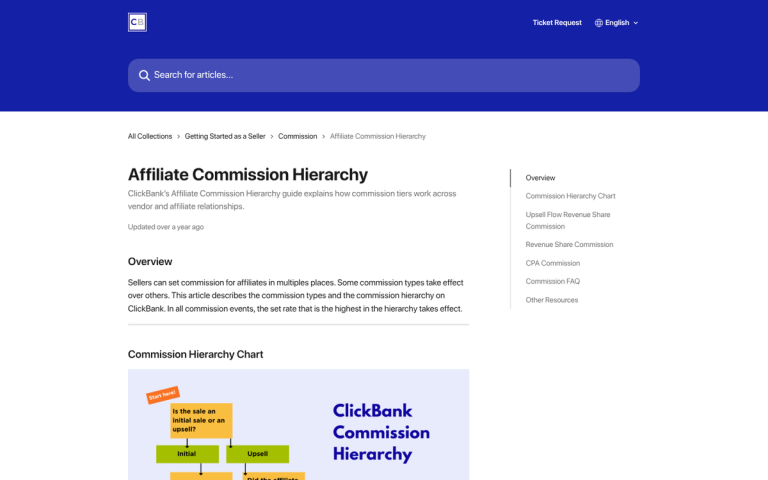
Unlike traditional ad networks, they don't handle serving or tracking the ads themselves; that's on you to do. They simply allow you to publish information about your site, and allow advertisers to find you and contact you to advertise on your site. This has the advantage of allowing you to work out your own deals, but does have the disadvantage of needing to track all of the data yourself. For an additional fee you can enroll in their managed system, though, which takes a lot of that burden off your plate. If you're wondering whether it's worth it, check out our thoughts on whether you can make money using the BuySellAds platform.
4. Compile Content and Sell a Digital Product
If you have built a respectable site, you have likely done it through content. Content makes the world go round, and in 2026 the bar for what people will pay for has actually gone up - they're drowning in free AI-generated content and actively seeking out things with real depth and a genuine human perspective.
Identify your best, most popular content, and use it as a foundation. Pare it down to its core ideas, turn it into an outline, and then expand it into something far better than what you originally published. Cover more ground, go deeper, and add in examples and nuance that you can't easily fit into a blog post.
Now turn that into a paid digital product. This doesn't have to be a traditional eBook - it could be a PDF guide, a Notion template, a workbook, or a mini-course. You can sell directly through your site using tools like Gumroad or Lemon Squeezy, or list it on Amazon. Either way, with users already coming to your site for that content, selling them an expanded and more useful version is a natural next step. If you need inspiration, check out this list of eBook marketing ideas and strategies to help you get your product in front of the right audience.
5. Sell Sponsored Posts

Once again, content makes the world go round, and brands know it. You can keep yourself open to selling sponsored content on your site. Allow brands to contact you and pitch themselves. Charge them for publishing their content, for reviewing their products, or for recommendations. It's up to you how far you want to go with sponsored content.
Just make sure you follow Google's current link scheme guidelines and properly disclose sponsored content, both for legal compliance and to protect your SEO. Google has gotten much better at identifying and devaluing undisclosed paid links, so cutting corners here can cost you far more than the sponsored post was worth.
6. Open a Storefront and Sell Relevant Products

Over the course of creating content for your site, you have probably mentioned products. Often times, you can sell those products directly. What you want to do is set up something called dropshipping - you create a storefront and sell products to people without needing to manufacture or stock them yourself.
When you receive an order, you place that order with the actual supplier. They handle fulfillment, and you keep a margin. Not every company offers dropshipping, so make sure you establish a clear agreement before you start selling. In 2026, tools like Shopify make this easier than ever to set up, and platforms like Printful or Spocket give you access to a wide range of products you can brand and sell with minimal upfront investment. If you're sourcing internationally, you may also want to read up on dropshipping products from China before committing to a supplier.
7. Sell Mailing List Advertising
Like selling advertising on your site itself, you can create revenue through your email list as well. Selling sponsored placements or recommendations in your newsletter is a legitimate and often lucrative option, especially as email has made a real comeback as a high-trust channel.
Of course, in order for this to work, you need to have built a loyal and engaged mailing list. A good mailing list is an incredibly valuable thing. You can use it to pitch affiliate offers, your own content, or sponsored content with equal ease. With a highly targeted and engaged audience, you can charge premium rates for newsletter placements. Platforms like Beehiiv and Substack have also made it easier than ever to grow and monetize a newsletter audience directly, so it's worth exploring whether a standalone newsletter might be a natural extension of your site. If you're concerned about your newsletter blasts ending up in the spam box, it's worth addressing deliverability before you start selling placements.
8. Create a Premium Content Area
This one is another spinoff on the idea of having excellent content. Rather than packaging your best material into a one-time product, you can keep publishing premium content on an ongoing basis and gate it behind a membership. Research supports this model - according to an HBS working paper, a free user typically holds 15% to 25% of the value of a premium subscriber, which means even a modest conversion rate from free to paid can be meaningful at scale.
If you're going to go the membership route, remember to publish plenty of free content as well to keep attracting new readers. Make sure your premium content is genuinely better and worth paying for, not just a reshuffling of what's already on your site. Automating your blog content is one shortcut you'll want to avoid if you're trying to build a loyal paying audience. Tools like Memberful, Patreon, or even a simple Substack paid tier make this straightforward to implement without a lot of technical overhead.
9. Sell Advice Coaching
By running a dating site, you're establishing yourself as an authority in the dating niche. People will probably be sending you emails asking for advice already, even if you've never professed to offer it. You can take advantage of this by developing a structured coaching offering - whether that's a video course, a group program, or one-on-one sessions.
Platforms like Kajabi, Teachable, or Maven make it relatively simple to package your knowledge into a course and sell it without building everything from scratch. Just make sure not to take on more clients than you can genuinely serve well. Your reputation is your biggest asset here.
10. Create a Classifieds or Community Board
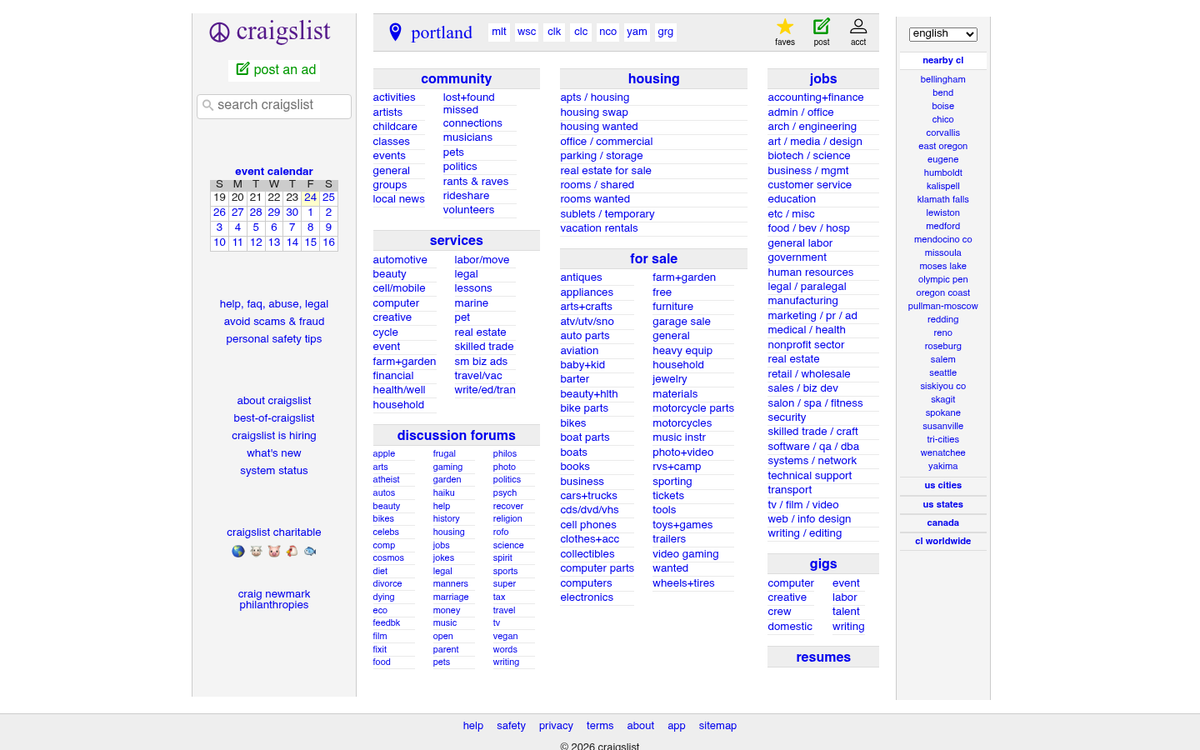
One traditional option for many sites is to run a specialized board for their audience. You can create a classifieds or community section and sell discrete advertising slots or featured listing placements within it. You will, however, need to have clear rules and active moderation. Without it, you risk your community becoming a haven for spam, scams, or worse - which not only drives away legitimate users but can also create real legal exposure depending on what gets posted. Keep it clean, keep it moderated, and it can be a genuine value-add for your audience.
11. Run Monetized Surveys or Interactive Content

Surveys and interactive content from the moneymaking perspective aren't always high paying individually, but in volume as a publisher, you can sometimes make a decent amount of money. More importantly, in 2026, quizzes and interactive tools have become one of the highest-performing content formats for engagement and email capture in the dating and relationship niche.
Tools like Typeform or Interact let you build quizzes - "What's Your Dating Personality?" or "Are You Ready for a Relationship?" - that can both engage your audience and funnel them toward your monetized offerings. You can also explore survey monetization through platforms like Pollfish, which pays publishers to serve surveys to their audiences. It won't replace your primary revenue stream, but it's a worthwhile addition to investigate.
12. Create a Paid Community
Much like creating a membership area, you can create a paid community built around your site and its audience. In 2026, this model has matured significantly. Platforms like Circle, Geneva, or Discord make it straightforward to build and manage paid communities without a lot of technical overhead.
You can make the community an extension of a broader premium subscription, or a standalone product with its own value proposition. The key is that the community itself has to be worth paying for - active discussions, exclusive access to you, expert guests, or resources that people genuinely can't get for free elsewhere. Get that right, and a paid community can become one of your most reliable recurring revenue streams.
13. Run Events and Gain Sponsors

If your site is sufficiently large, you might be able to swing your influence in such a way as to create an event - in person or virtual. You can attract industry voices, site owners, coaches, and interested press. You can then acquire sponsors to help offset the costs of running the event and, ideally, profit on top of them.
Events can be great opportunities. You can sell tickets, booth space, or sponsorship packages. You can make partnerships that are lucrative well beyond the event itself. Virtual events in particular have a lower barrier to entry than they did a decade ago, thanks to platforms like Hopin or even simple Zoom webinar setups. They're still a ton of work to organize, but if your audience is engaged enough, they can be a meaningful revenue driver.
14. Sell Your Expertise
Similar to selling coaching, you can sell your personal expertise in a variety of ways. It doesn't necessarily have to be as a dating coach. You can sell your expertise as a content strategist, a niche site builder, a dating industry consultant, or a freelance writer. Use your site as a portfolio piece. In a world where AI has made generic content cheap and abundant, genuine niche expertise and a proven track record are worth more than ever. Lean into that.
15. Sell Your Website and Make a New One
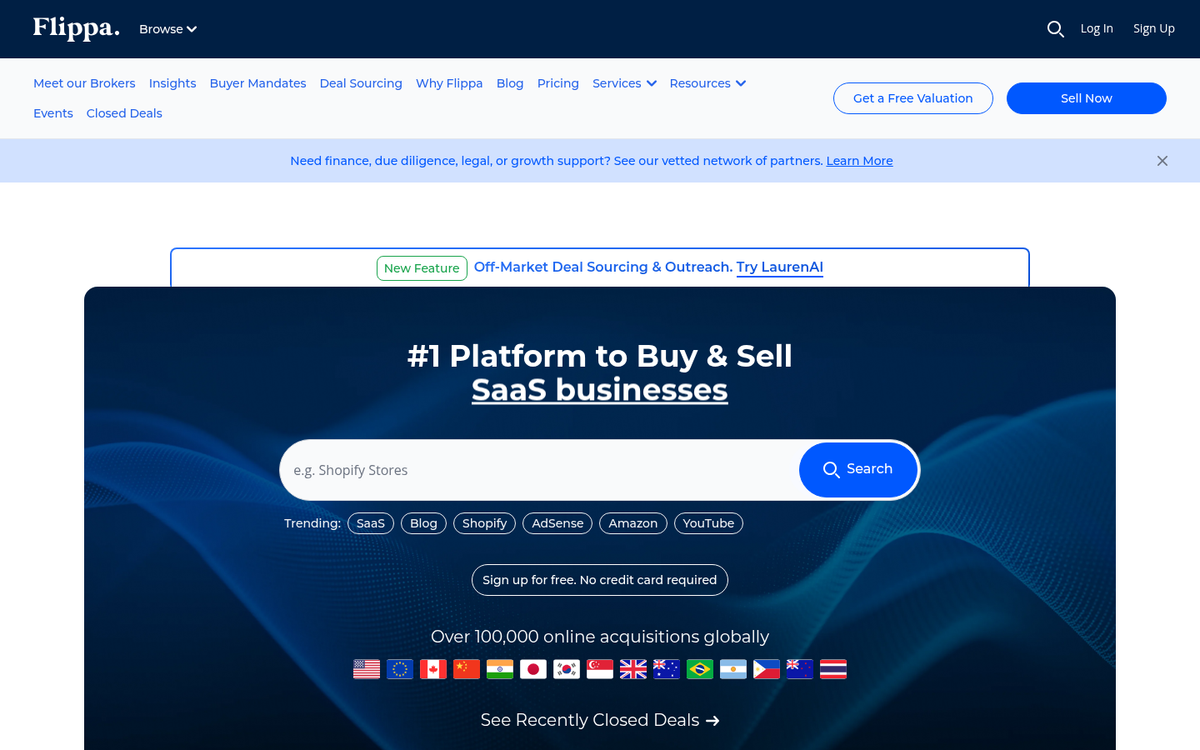
At the end of the day, there's always one final option for making money from your site, and that's simply selling it. You did something right in order to grow it to a desirable level, so why not sell it and let someone else worry about maintaining and monetizing it going forward? Marketplaces like Flippa, Empire Flippers, and Motion Invest make it easier than ever to get a fair valuation and find a qualified buyer. You can always build another site using the experience you earned, and keep the pattern going - growing and selling sites for profit. It's a legitimate business model in its own right.