Key Takeaways
- 73% of readers skim posts, so use short paragraphs, subheadings, bullet points, and bold text to maximize value.
- Every post should leave readers with actionable skills or useful knowledge; audience relevance is the top factor in helpful content.
- How-to articles generate 74% more traffic than other content types, making tutorials one of the most valuable blog formats.
- Match your writing complexity to your audience - writing too basic or too advanced both drive readers away.
- Engaging readers through comments, questions, and feedback helps hook them and can improve rankings and traffic.
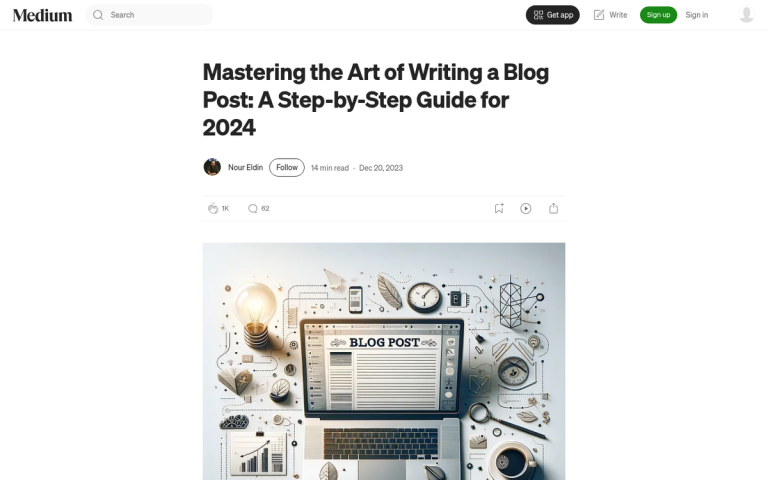
Do you ever find yourself having trouble writing blog posts that people actually like? Anyone can pick a topic and write a few thousand words- even if some topics are harder than others. The question is, does anyone care? Does anyone actually read those posts? How can you actually get started with what you're writing?
1. Format Your Writing for Skim Readers

The best tip I can give you is to write as if your readers barely skim what you're putting down, because according to Adobe's Brand Content Survey, that's what 73% of them actually do. Only 27% read. Frequent sub-headings, short paragraphs, short sentences, lists, bullet points - these formatting tricks help readers get more value out of your posts. You should also use heading tags effectively in each section. If a reader is looking for a piece of information, they'll skim until they find it, and only then will they read more for the bigger context.
2. Bring a Casual Personality to Your Writing
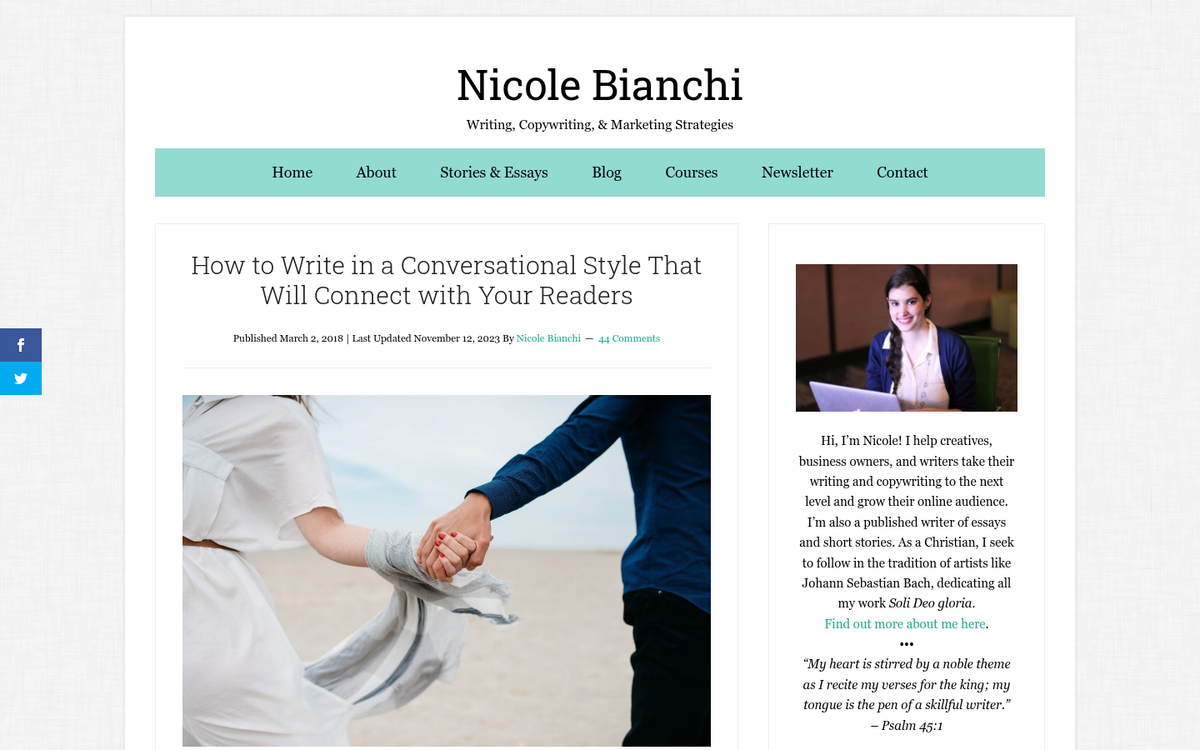
I know when I'm reading a blog post and it's all staunch corporate speech and ultra-formal writing, my eyes glaze over and I black out for a few seconds while my autonomic nervous system automatically causes me to click the back button- it's a problem. But it's one you can solve as a blog writer by injecting some personality into your writing.
3. Make Heavy Use of Media
Opinions can vary on how you should use media in your posts. In my mind, you should always have something on screen- even if it's just a little at the top or bottom. That might mean an image every few hundred words, or a couple images and an embedded social post here and there, or a video at the top and screenshots along the way, or what have you.
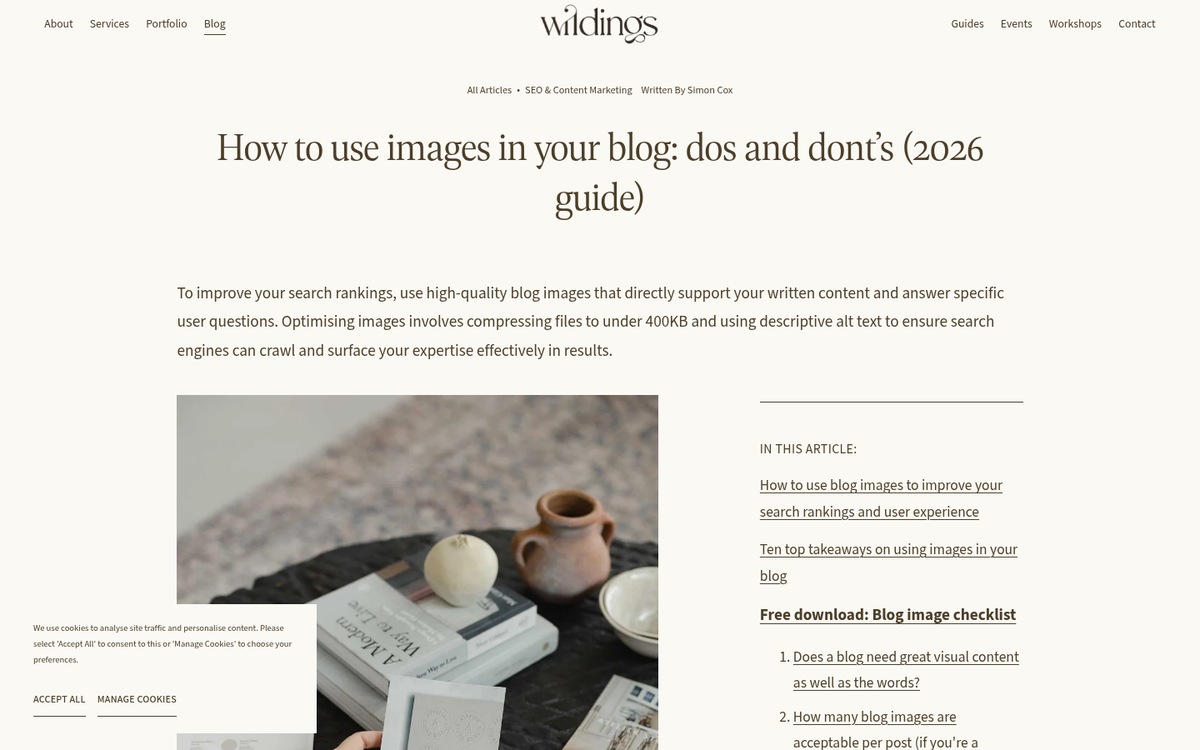
The point is to break up the text as much as possible and inject flavor, value, or sources via media. If you need images, there are reliable websites to host your blog images for free.
4. Avoid Excessive Promotion
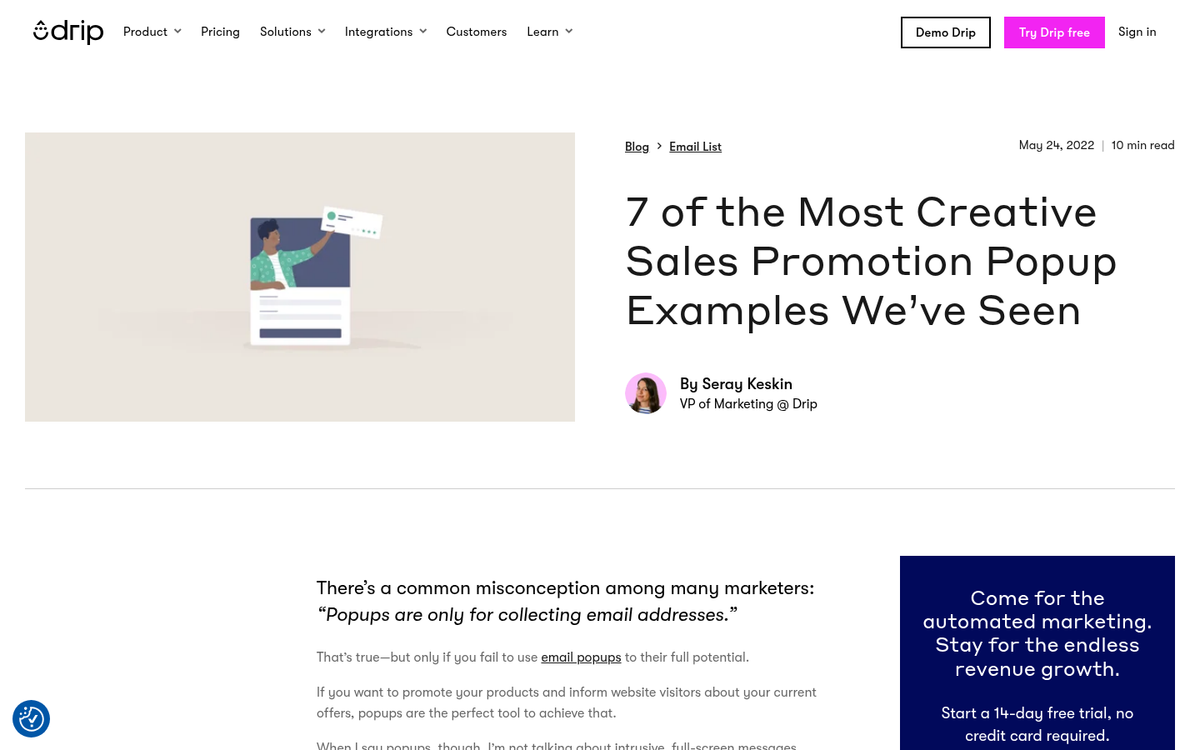
Most blogs have promotion laced throughout. They have related post plugins, they have sidebars with ads for ebooks, they have chat plugins or slide-ins that ask questions for the skeptical user, they have exit intent pop-overs, and more. Nobody needs blog posts also dedicated to your products or services. A few minor, relevant calls to action here and there can be fine. But you should never write a top 5 list of products and put yours at the top.
5. Share Actionable Tips

Every blog post should have a point of some kind. Some of them will fall into the "teach the user something" category, and that's the next tip on this list. Most should be "help the user do something." It could be how to write a better blog post, or maybe a tutorial for some business process. But the user should be able to walk away with either new knowledge or a new skill.
6. Share Useful Information
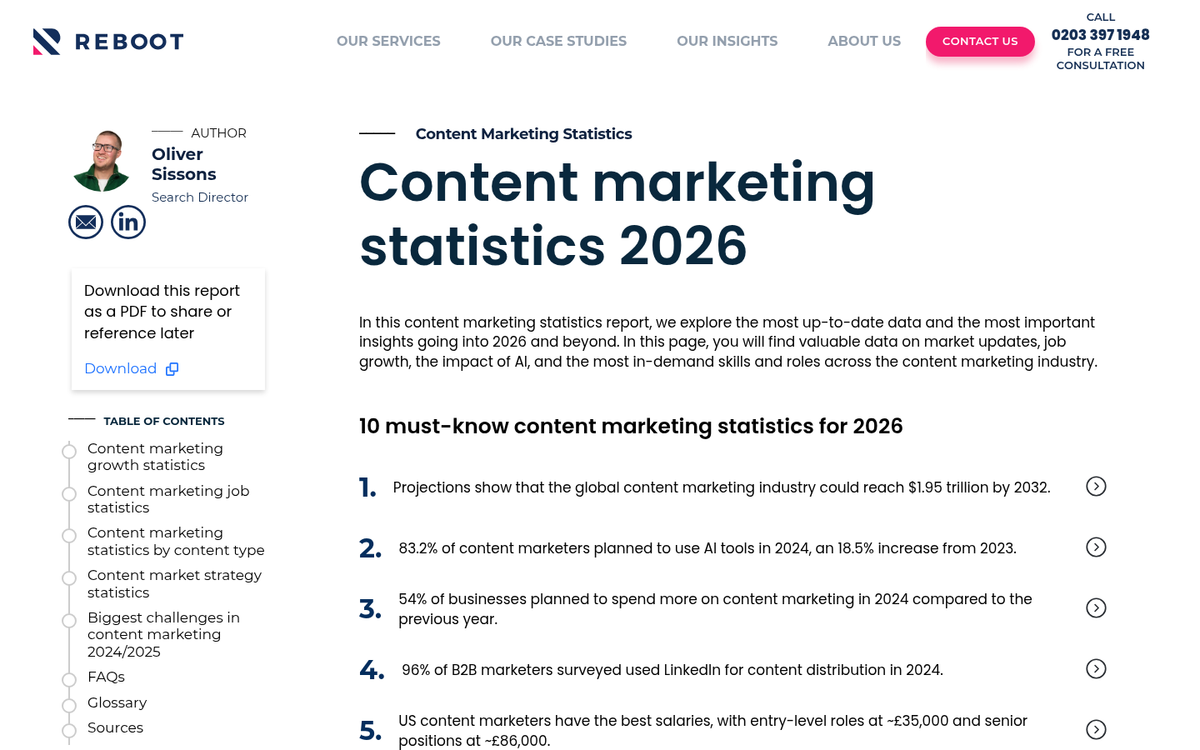
If you can't teach the user how to do something, teach them a helpful piece of information. For example, did you know that audience relevance is the single biggest factor in making content helpful, cited by 58% of marketers? Closely behind it are engaging storytelling at 57% and triggering an emotional response at 54%, according to Curata; it's a helpful framework to keep in mind every time you sit down to write.
7. Follow Up on User Comments
For the first week or two after you publish a post - and longer, if the post goes viral or gets a second wave of attention - you should look at the comments.
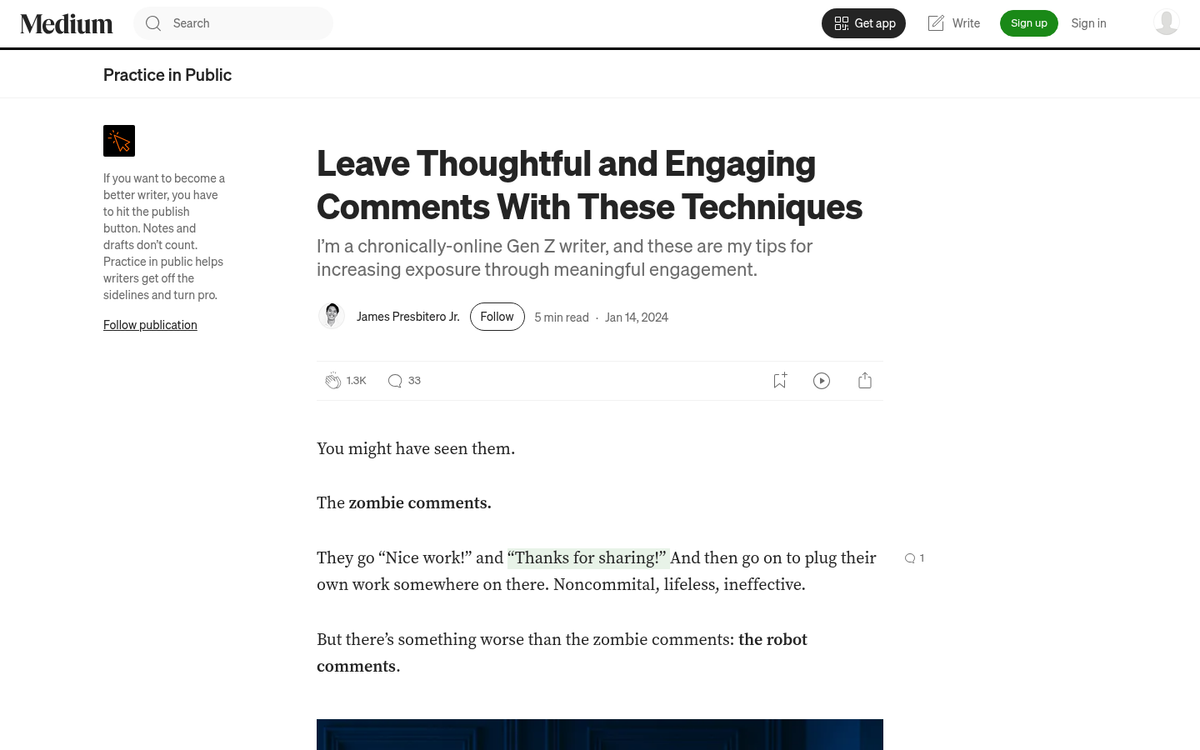
Some will suck. But some will be helpful information. If something especially useful comes around, add it to your main post with your response. If it's not quite worth that level of approval, simply respond in the comments yourself. The more activity you can welcome, the more you'll hook your readers. Comments can also improve your blog post rankings and traffic, so it's worth taking them seriously.
8. Quote Experts in Your Niche

You're not the only one in your niche or industry, and you're probably not the top dog either. Even if you are, you can always learn from others. Keep an eye on what the influencers, thought leaders, and peers in your niche are saying. Quote them and their posts in your content, to show that you have an eye on your niche and to draw them into future conversation. Check out these expert tips for new bloggers and content marketers to help guide your approach.
9. Create Step by Step Tutorials

One of the most sought-after types of content on the web is the how-to post. According to Orbit Media, how-to articles generate 74% more traffic than other content types. Thousands of sites and businesses have sprung up around giving that information as a service, from recipes to tech tips to car repairs. By giving tutorials - for your products and for others that your users will find helpful - you can create evergreen content.
10. One-Up Industry Lists
List posts work; it's why I'm writing one right now, and why you're reading one right now. Research from Blogging Wizard has proven this too - articles with one or more lists drive twice as much traffic as those without.
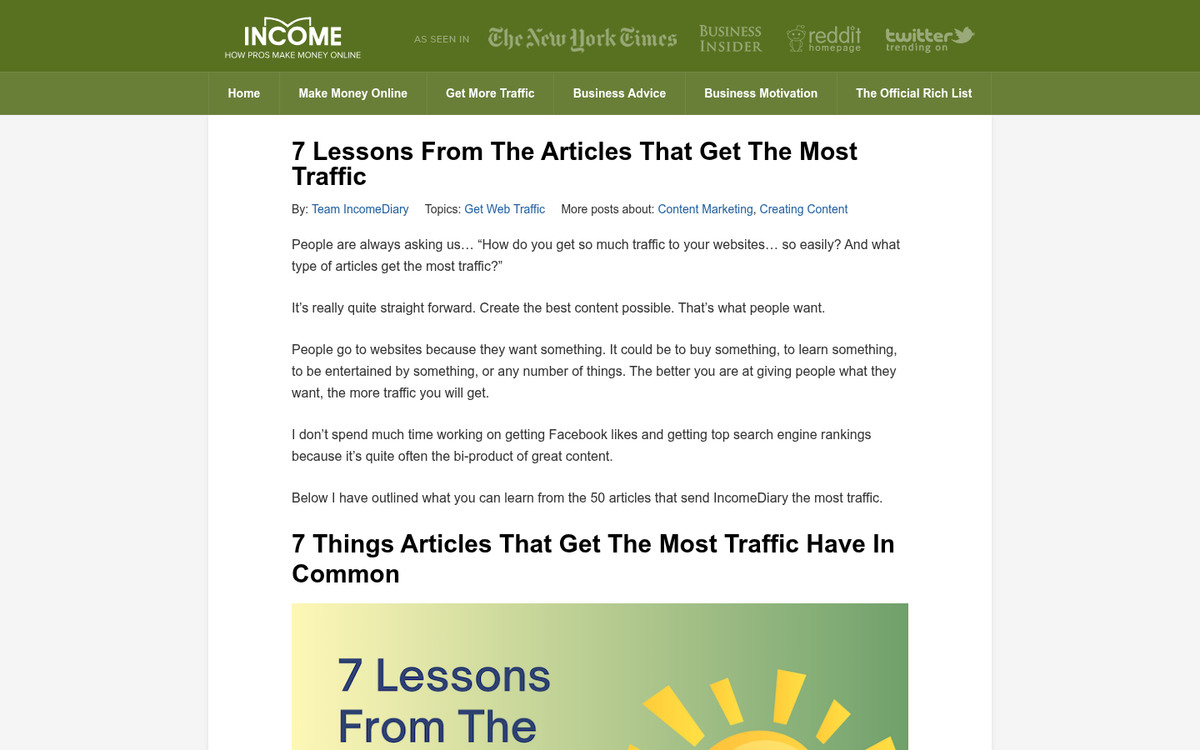
They're an ideal format for skim readers, they can push through content in a short amount of space, and they've been done quite a bit before. My secret tip is to find lists in your industry that are out of date or old, and update them. They write a top 10, you write a top 20.
11. Make Broad Resource Link Posts

I like the "ultimate guide" style of post; you cover a topic from a large overview sense, and each section of the overview links out to informational posts and resources, on your own site and on other sites owned by industry greats. I could write a damn good one with our resources on SEO and those of the big name sites on the web as well, just to give you an example. You can also combine old posts into new resources to build out these comprehensive guides without starting from scratch.
12. Make Useful Memory Checklists
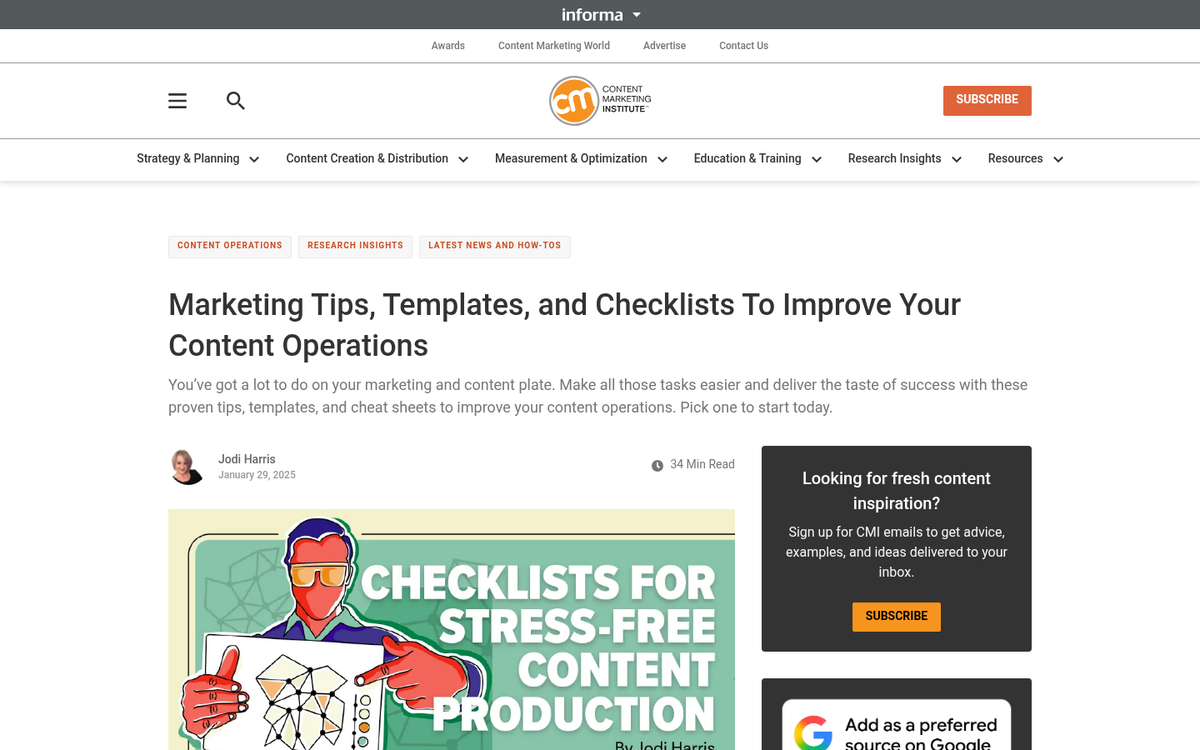
Sometimes a topic isn't a good fit for a tutorial or a how-to post. These are cases where you can cover the topic from the ground up with a checklist. Make it sort of a "don't forget to do X, Y, and Z" list that can benefit newcomers and veterans alike. For inspiration, check out our 100 question content marketing and promotion checklist.
13. Review Industry Tools and Products
There are likely all sorts of tools and products that see use in your industry. Even if you don't use them yourself, you can take the time to buy a month of service or buy a product and get some use out of it for a review.
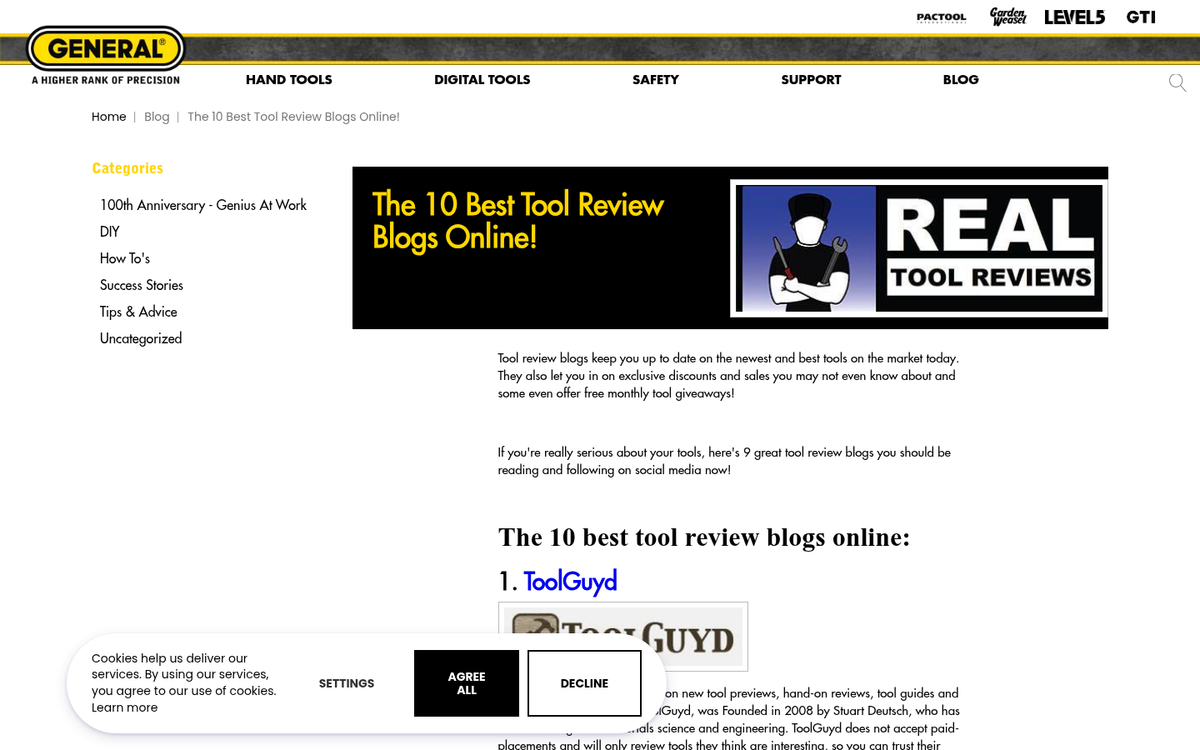
What matters is to have solid usage information that users can find helpful in making their decisions. Remember to watch what you get for the price, what limitations it has, and what you found its best features were. If you're looking for inspiration, check out how to get free products and services to review on your blog.
14. Make a Controversial Stand

Controversy can drum up attention. But it has to be the right controversy- it's fine if you want to say you support one sports team over their rival- it's fine if you want to say maybe a popular industry metric isn't as reliable as everyone thinks. However, more controversial or very sensitive topics should be avoided. If you're wondering what makes a blog suddenly become popular, taking a strong but thoughtful stance on industry topics can be one factor.
15. Develop a Compelling Infographic

Infographics can be a great way to present information in a short, easy format. A quick blog post that explains them can go a long way towards adding context, and infographics are still valuable for backlink building as well.
16. Interview Industry Authorities
One way you can get some awesome value for your site, and start up a relationship with someone else, is to set up an interview. Pick a topic, find an authority on that topic, and come up with questions. Then pitch them the interview and set up a meeting or call. Ask your questions, have a conversation, record it all, and prune it down into a blog post later.
17. Create an Ongoing Article Series
A lot of your ideas you might find lend themselves to being revisited or continued on a repeating basis. Annual predictions posts are a great example - looking at how last year's predictions held up and making new ones for the year ahead is a reliable, repeatable format that readers come to expect and look forward to.

Weekly themed content works the same way. In both cases, they're a reliable way to fill a slot in your content calendar while building a loyal returning audience.
18. Don't Write Too Basic
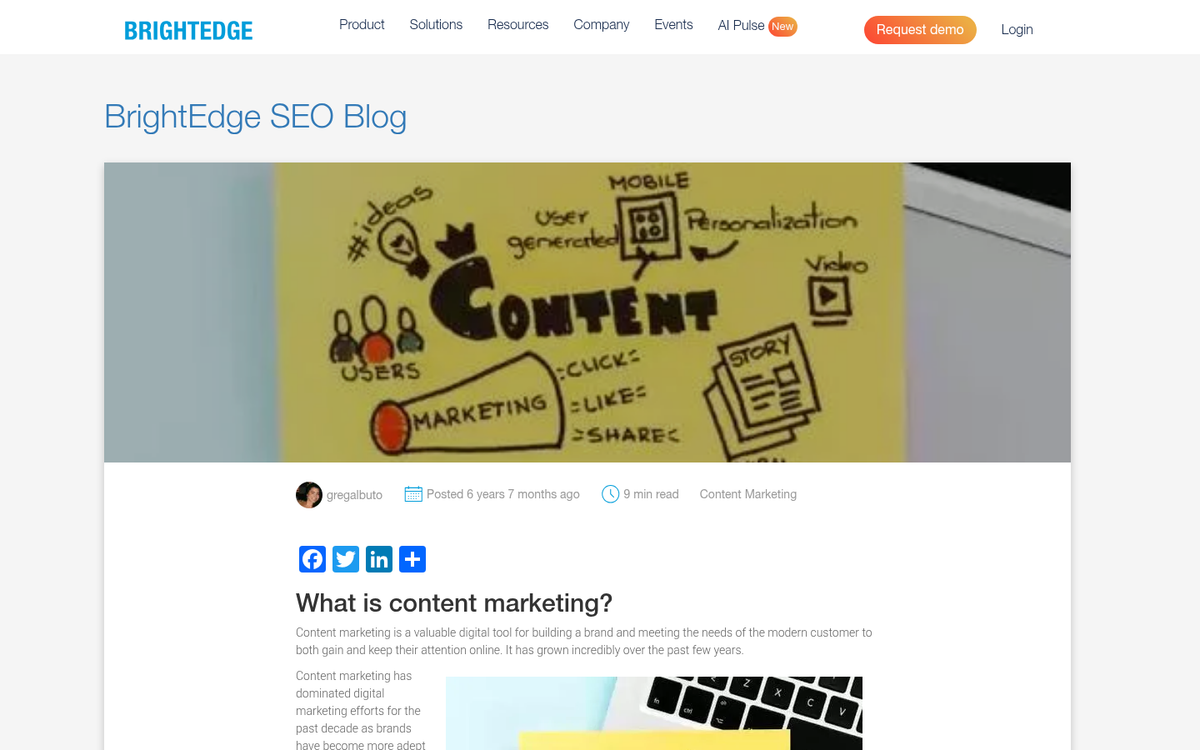
Keep your audience in mind. You wouldn't walk into a room full of investment bankers and start explaining what currency is, would you? I mean, it would be pretty funny. If you can set up that meeting, you could probably get viral videos by filming it. The point is, if you're supposedly marketing for an advanced audience, don't write baby's first post on the topic.
19. Don't Write Too Advanced
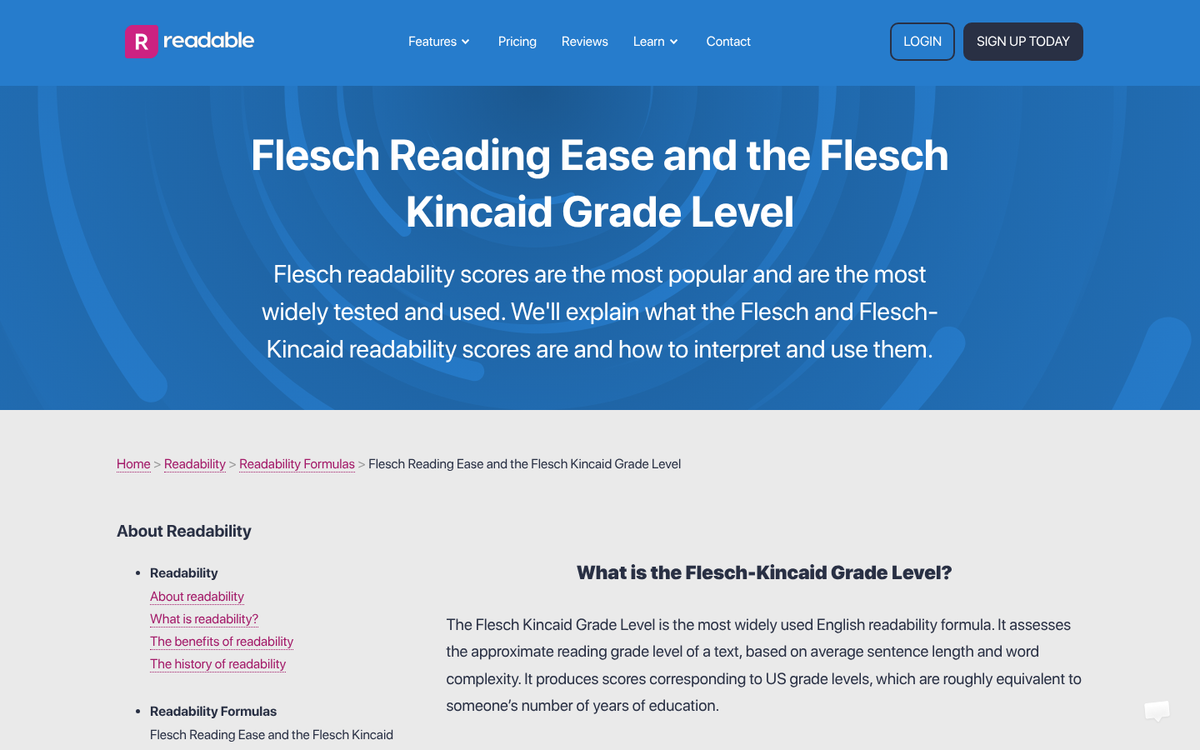
Just like you don't want to write your content at a basic level for an advanced audience, you should work to stay away from writing advanced content for a basic audience. If readers are coming to you for a guide on the absolute basics of SEO, you don't want to get into the deep details of advanced link building strategies or technical optimizations right out of the gate. You want to start easy.
20. Write from the First Person

Using I or We for your posts gives them a more casual atmosphere, and it makes users feel as if you're talking directly to them. You usually want to stay away from impersonal writing, in favor of being personable.
21. When in Doubt, Cite Data
Sometimes you want to add more to your posts but can't figure out where to add it. In my mind, one of the best things you can do is add sources and data.

Where did you get your opinions? Where did you find that fact? Often you can cite an opinion and then go out to find data to back it up- it gives your posts more depth and authority. This is especially useful when thinking about how many times you should include keywords in your post.
22. Provide Real Life Stories and Use Cases
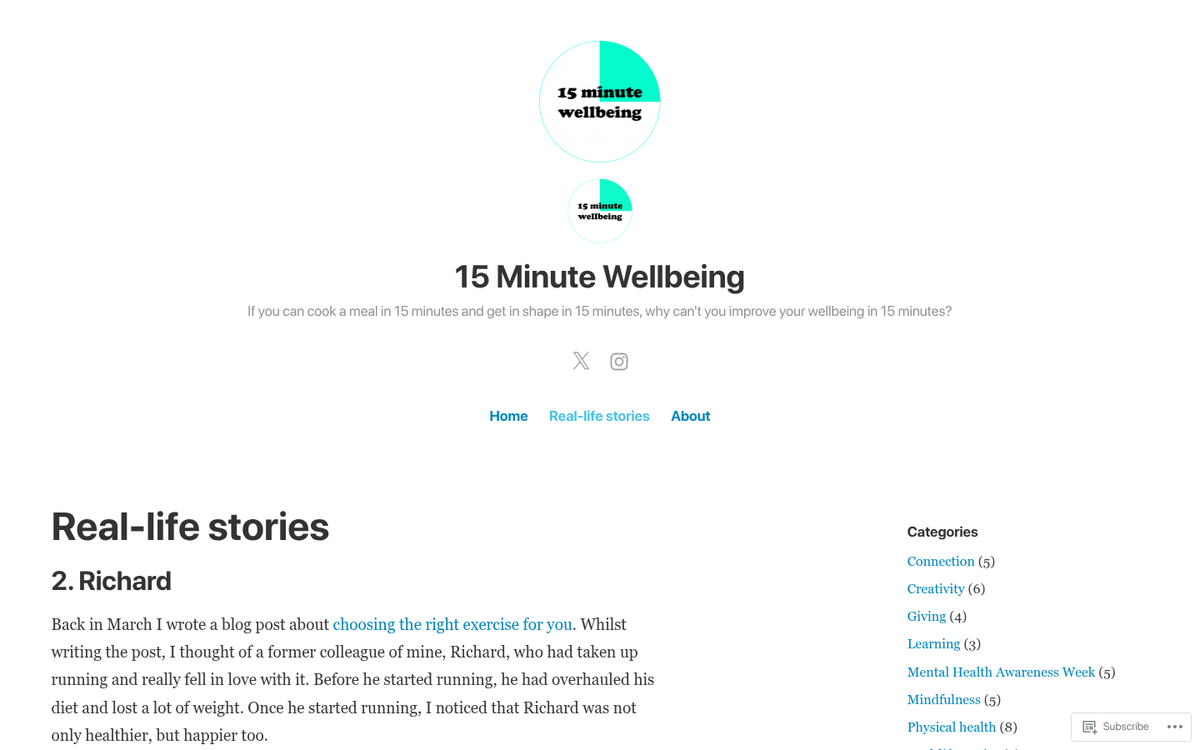
One trend you see in food blogs, among others, is starting off with an anecdote- maybe a short story about their day, or a bit about when they made a recipe in their childhood, or something similar. A nice anecdote can add some personality and continuity to your blog posts that can go a long way towards hooking repeat readers.
23. Cover Current Events from Industry Perspective

Whenever something happens around the world, there's potential for it to affect your industry. Keep an eye on the news. It can be a good thing to be one of the first pointing out how a big geopolitical change could affect your supply chains, or that economic patterns could be leading to a bubble, or whatever other relevant hook you can find. If you need help finding the right angles, learning how to find blog article topics with high search traffic can help you capitalize on trending subjects.
24. Have a Point to Your Writing
One thing bloggers don't often have is the natural flow of a blog post. You might say "I want to cover X topic" but you don't have much of an arc that moves from point A to B to C all the way to the conclusion. I recommend creating outlines and rearranging subheadings until they have a logical flow to them.
25. Use Basic Formatting
Formatting helps quite a bit for skim readers and for pointing out information buried deeper in paragraphs.

You want to break your writing up into paragraphs, and you should use the basic formatting options of italics and bolding for important points. Conversely, stay away from color changes in your text, and don't overuse underlines since readers associate those with links. If you're looking for a distraction-free environment to focus on this, check out these tools to help you write your blog posts distraction-free.
26. Write as Long as You Need - But Put in the Time
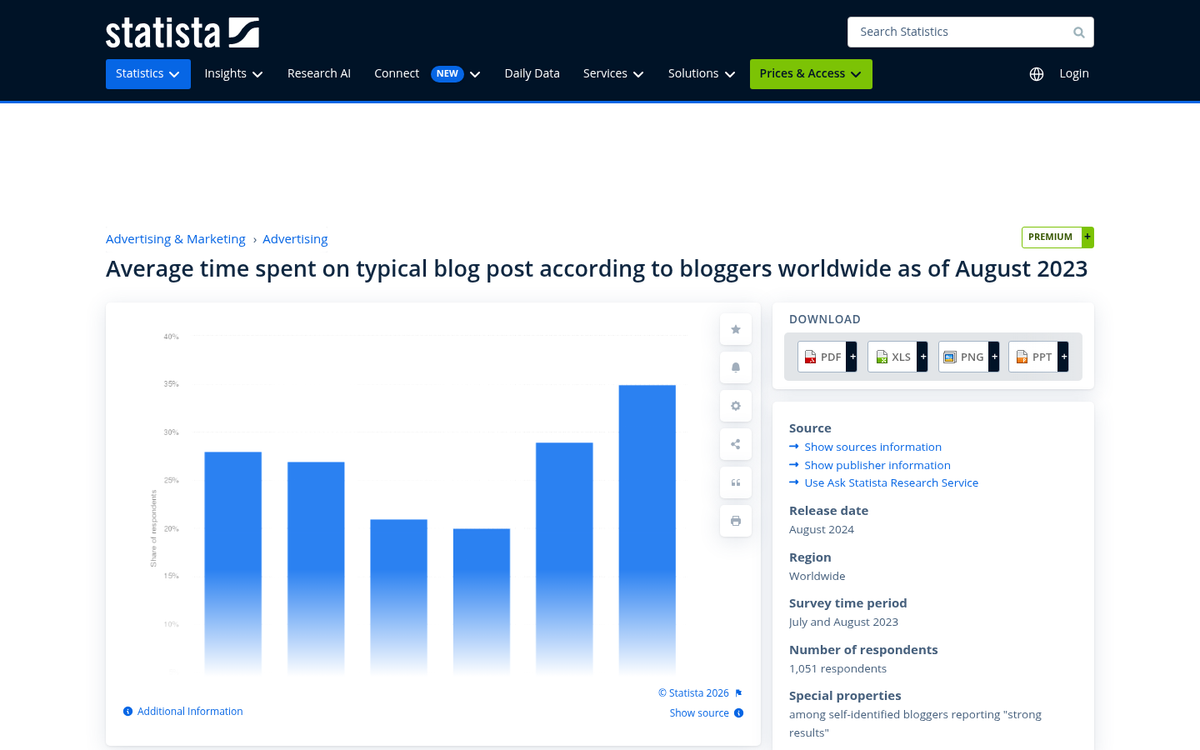
A lot of people recommend word lengths for blog posts, and then others fire back with counterexamples that should be penalized but instead go viral. Personally, my general recommendation is anything over 1,000 words. From there, basically write as long or as short as you need to cover your topic in adequate detail- it removes excess fluff and avoids cramming under-explained points into a hurried post. That said, Orbit Media found that bloggers who spend more than 6 hours on a single post see 26% better results - so don't rush it.
27. Solicit User Questions and Feedback

It can be a good idea to end your posts with questions to welcome comments. But you can also use methods like your mailing list or pop-overs to solicit feedback. From there, you can answer questions your users have in blog posts, and you can address their pain points - a two for one combo!
28. Respond to Trending or Viral Content

Similar to paying attention to current events, you also want to keep an eye on what is gaining traction in your industry. You can combine this with controversy for a slick double-play. Someone posts an article about why you'll have to care about X, you write a post about why you probably actually don't, and let it go from there.
29. Split Large Topics into Multiple Posts
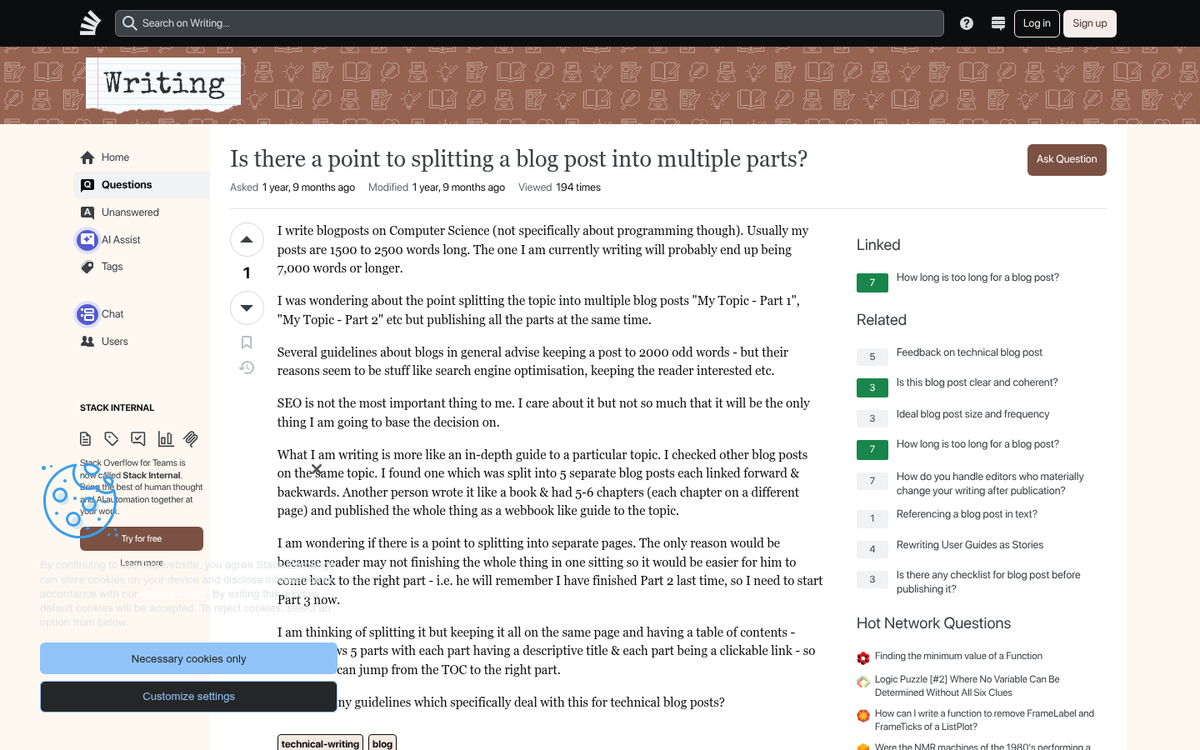
When a single topic stretches on too long, feel free to chop it up into two, three, or more posts. Not only does this bring in repeat readers, it gives you more to fill your editorial calendar, and you have more space to cover each topic in detail compared to trying to write them all as one.
30. Start and End on a Question
Start on a question that you then carry forward to answer. Then end on a question, for your readers to answer. That can carry on to a next post. What would you like to see me cover next?