Key Takeaways
- DIY affiliate reselling lets you forge direct partnerships with small businesses lacking formal affiliate programs, building your own profit-sharing infrastructure.
- Chained payments via WooCommerce plugins automatically split customer payments between you and product partners, with a six-recipient maximum per transaction.
- Payment processors take 1.5%-3.5% per transaction before splits occur, so factor these fees into revenue share negotiations with partners.
- Digital products are the top recommendation due to higher margins, no shipping costs, and no inventory management requirements.
- Building proven sales results through affiliate marketing first strengthens your pitch when approaching companies about direct reseller arrangements.
How to Set Up Your Own DIY Affiliate Reseller System in 2026
Have you ever wanted to be an affiliate marketer, but the brands and products you really want to sell aren't available through existing networks? It's a surprisingly common problem. Sure, you could try Amazon Associates - they probably have something relevant - but the commissions are thin and the competition is brutal. Other affiliate networks might have stiff requirements, oversaturated niches, or nothing you actually want to promote.
You could compromise and sell whatever comes your way, or you could do what a growing number of savvy marketers are doing: forge your own affiliate relationships from scratch.
Affiliate marketing, at its core, is about creating a direct relationship with a product producer. You approach a company and say, "I'll sell your products - all I need is a cut of the revenue." They benefit from low-cost advertising where you do all the heavy lifting, and even if they're giving you 10-20% of each sale, that's often cheaper than running equivalent paid campaigns. If you're lucky, they'll even hand you promotional materials to help close sales.
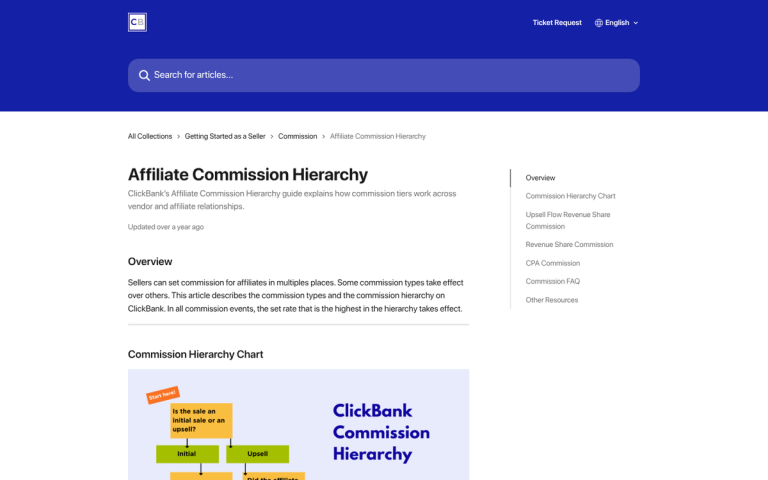
Affiliate networks exist to streamline this process for both sides. Companies don't have to field hundreds of individual partnership requests or manage tracking themselves. Marketers don't have to cold-pitch every brand and negotiate deals from scratch. The network handles it all.
But when you go the DIY route, you're taking on that work yourself - and that means you need to bring real value to the table to make any company worth their salt want to work with you.
Some companies have their own affiliate portals and will require you to apply through those. Others have formal third-party contractor processes. I'm not talking about either of those.
The companies I'm talking about are small-to-mid-sized businesses that would genuinely welcome another advocate selling their products but simply don't have a formal process in place. For these companies, it's up to you to forge the relationship and build the infrastructure yourself.
What you're effectively doing is setting up a product resale system with profit sharing. You're not just referring customers and earning a commission when they convert through a tracked link. Instead, you're processing orders directly and routing the appropriate share of each payment to the product creator, keeping your cut in the process.
There are a few reasons I recommend small businesses over large corporations for this approach. Large companies tend to be less receptive to one-on-one reseller relationships - they already have affiliate programs or exclusive network contracts. They also tend to resist flexible payment arrangements. Which brings me to the tools you'll need.
The Tools
There are several things you need to make this work.
First, you need a company whose products you're willing and able to resell. These should be products with enough margin that the company can give you a cut and still come out ahead - or products you can mark up slightly so you take a cut while passing the agreed-upon amount back to the producer. Most importantly, the company needs to be genuinely receptive to this kind of arrangement.
Second, you need a website. This is where the bulk of your selling happens - product reviews, blog content, comparisons, promotional posts, and more. WordPress remains the best platform for this in 2026, with a massive ecosystem of plugins and themes that make it easy to scale.
Third, you need a payment processing setup. Historically, PayPal was the go-to for this kind of split-payment arrangement, and it still works for many use cases. However, in 2026 you have more options than ever. Stripe has become a dominant alternative with robust split payment capabilities, and platforms like Paddle are worth exploring for digital products specifically. Be aware that payment processors typically charge between 1.5% and 3.5% per transaction - factor this into your margin calculations before you agree to any revenue split with a partner.
Fourth, you need WooCommerce. WooCommerce remains the gold standard for WordPress-based storefronts in 2026. It's flexible, well-supported, and handles everything from simple product listings to complex multi-vendor configurations. Whether you're running a pure storefront or a hybrid affiliate setup, WooCommerce can handle it.
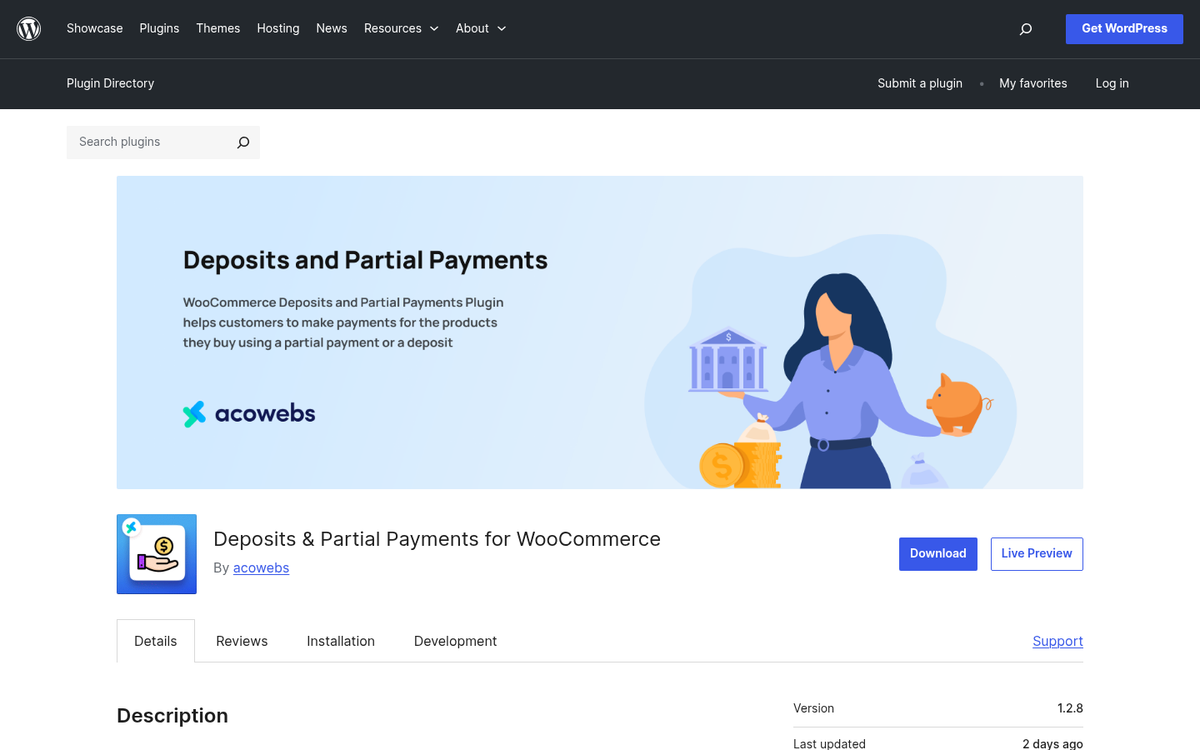
Fifth is the split payment mechanism. The WooCommerce PayPal Adaptive Split Pay plugin - available for $28 per license - remains a solid and affordable option for smaller operations. It allows you to split incoming payments between multiple PayPal accounts automatically, keeping your cut and forwarding the rest. The key limitation to know upfront: a maximum of six recipient accounts can be configured per transaction. For most small-scale reseller setups with two or three product partners, this is never an issue.
If you're working with Stripe instead of PayPal, look into Stripe Connect, which offers similar split payment functionality and tends to be more developer-friendly if you want deeper customization.
How Split Payments Work

There are essentially two types of split payments, both built on the same principle: the customer sends money to one place, and it gets divided between you and your product partners according to predefined rules.
The first option is parallel payments. Say a customer adds three products from three different sellers to their cart. At checkout, they see three separate payment recipients. Each payment goes directly to the respective seller, with your cut automatically split off before it arrives. It's transparent, but it can feel clunky for the customer.
The second option is chained payments, and this is where the WooCommerce PayPal Adaptive Split Pay plugin really shines. In this scenario, the customer sees only your store as the recipient - clean and simple. When the money arrives in your account, the plugin automatically splits it and forwards the agreed portions to your partner sellers. Your cut stays with you; the rest moves on. One streamlined experience for the customer, automated splitting on the backend.
With chained payments, the six-recipient cap per transaction is the main constraint. If you're starting out with a focused product lineup across two or three companies, you'll never hit that ceiling. It only becomes a consideration if you scale into a broad multi-vendor marketplace.
Worth noting: if you're building something larger, Stripe Connect handles split payments natively and scales more gracefully, though it requires more technical setup.
Understanding Your Revenue Split

Before you approach any company, you need to understand how revenue sharing actually works at different scales - and how processor fees affect your real take-home.
A typical small-scale arrangement might give you 10-15% of each sale. But remember that payment processors are taking 1.5%-3.5% off the top of every transaction before the split even happens. On a $100 sale processed at 2.9%, you're starting with $97.10 - not $100. Build that into your negotiations.
For context on how tiered models work at scale: per Intuit's March 2026 guidance, a tiered reseller model might pay 10% on the first $5,000 in monthly recurring revenue, 15% on $5,001-$15,000, and 20% above $15,000. On $20,000 MRR, that yields roughly $3,000 in monthly payout. These numbers are worth having in your head when you're modeling whether a given arrangement is worth your time and investment.
Digital products and SaaS tools tend to have the most generous margins for resellers, which is one more reason to pursue them when possible. If you're evaluating whether a specific tool justifies its cost before reselling it, weighing the value against the price is a smart first step.
Picking a Product to Resell
When you're choosing a product, you need to weigh a lot of factors at once. I recommend building a simple spreadsheet with pros and cons for each candidate - it keeps your thinking organized and gives you something to reference later.
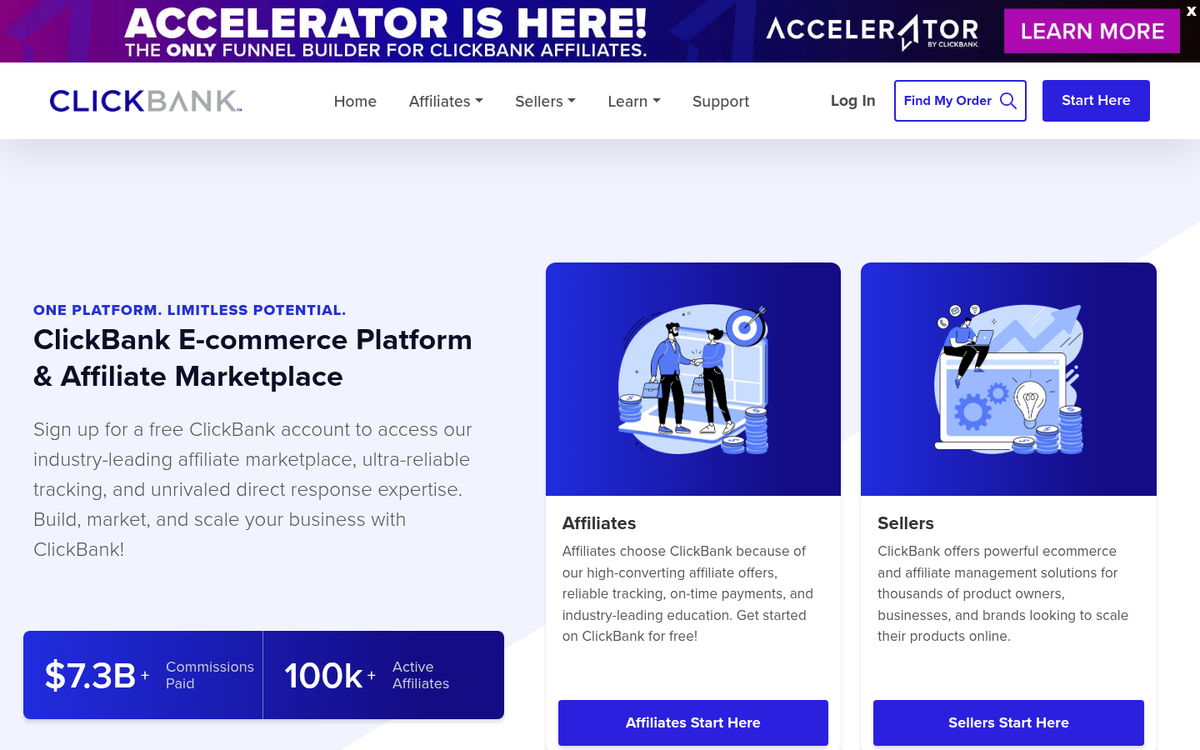
Digital products are still my top recommendation. They have no shipping costs, no inventory headaches, no logistics to manage. They also tend to carry higher profit margins, giving you more room to negotiate a meaningful cut. The tradeoff is competition - digital products and SaaS tools attract a lot of affiliates and resellers precisely because the economics are favorable. Platforms like ClickBank are worth exploring if you want a marketplace full of digital products ready to promote.
If you go physical, aim for small and light. Heavier, bulkier products cost more to store, handle, and ship - eating into margins fast. Computer accessories, specialty tools, niche hobby gear - these tend to work better than large appliances or furniture. Before committing to a supplier, review the key questions to ask a wholesaler before selling their products.
Stay in the $20-$200 sweet spot. Below $20, even solid conversion volume barely moves the needle on your earnings. Above $200, you're dealing with a much longer sales cycle and buyers who need significantly more convincing. The middle ground gives you a realistic balance between conversion rate and meaningful commission per sale.
Think long-term viability. Avoid products tied to trends that could evaporate in 12 months, or anything that's likely to be disrupted or commoditized quickly. There are real pros and cons to building around evergreen topics, and the same logic applies to evergreen products. Seasonal products are risky unless you have the capital and catalog depth to cover multiple selling cycles throughout the year.
Do your competitive research. Look for dominant existing sellers in your target niche. With digital products, a single well-optimized competitor can own the search results and make it very difficult to break in. With physical products, established power sellers with volume pricing can undercut you until you give up. Know what you're walking into before you commit.
Forging Relationships

What sets this DIY approach apart from both standard affiliate marketing and traditional reselling is the personal relationship at its center. You're not routing everything through an impersonal third-party network. You're building a direct, ongoing connection with the people behind the product.
That means relationships on both sides of the transaction.
With your product partners, you want to become more than just a sales channel. If you're effective and they trust you, they'll give you early access to new products, better margins as you scale, marketing assets, and inside information that makes your sales better. You go from being a vendor to being a genuine brand advocate - and that's a much more defensible position.
With your customers, relationships are your reputation. Responsive communication, honest product information, and solid post-sale support build the kind of trust that generates reviews, repeat business, and word-of-mouth referrals. Ignore your customers and treat them as transactions, and the negative feedback will follow you - and potentially reach the company you represent, putting your arrangement at risk.
When it comes to actually approaching a company, there's no magic script. Contact them directly - a well-crafted email to the right person, or a direct phone call if that's more natural. Come prepared. Know their product, know their market, and have some evidence that you can actually sell. If you don't have that evidence yet, go build it first.
Start with affiliate marketing before you pitch anyone on a direct reseller arrangement. It's much easier to walk into a conversation with a company when you can show documented results - traffic numbers, conversion data, audience demographics. That proof of competence is what separates a serious pitch from wishful thinking.
Some companies will come to the table with formal reseller agreements and performance requirements. Take these seriously. If you can meet the benchmarks, great - sign and execute. If the requirements feel out of reach, it's better to walk away cleanly than to make a commitment you can't keep. Your long-term reputation matters more than any single deal.
Tips for Successful Sales

Since you're essentially operating a WordPress blog, a WooCommerce storefront, and a split payment backend, many of the principles that make affiliate marketing work apply directly here. Here are the most important ones:
- Product selection is everything. Your entire operation is built around the product you choose. If the product is weak, the margin is too thin, or the market is too small, no amount of good content or clever marketing will save you. Get this decision right before you build anything.
- Expect setbacks and plan for them financially. The first company you approach may say no. The first product you try may underperform. You need a financial runway long enough to experiment, adjust, and find what works - don't go into this expecting immediate returns.
- Learn the fundamentals of SEO for ecommerce. In 2026, search is more competitive than ever, and AI-generated content has raised the bar for what ranks. Original, genuinely useful content with real expertise behind it is what wins. Thin, templated, or AI-spun content gets filtered out quickly.
- Your site needs to look and feel original. Cookie-cutter affiliate site templates are easy to spot and easy to ignore. Invest in a design and voice that are distinctly yours. Authenticity builds trust, and trust drives conversions.
- Content is your biggest asset. A storefront with no supporting content is just another product page on the internet. Build a blog, write genuine reviews, create comparison guides, answer the questions your customers are actually asking. That's what brings people in and keeps them there.
- Don't try to sell competing products side by side. It dilutes your credibility, frustrates your product partners, and forces you to divide your promotional energy. Pick a product you believe in and go deep on it rather than spreading thin across a dozen competitors in the same niche.
- Factor in all your costs before you negotiate a split. Payment processing fees (1.5%-3.5%), hosting, plugin licenses, content production, paid promotion - it all adds up. Know your break-even point before you shake hands on a revenue share percentage.