Key Takeaways
- Improving on competitors' existing content is a valid starting strategy, but must be supplemented with original content only you can produce.
- Customer FAQs make excellent blog posts and can earn visibility through AI-powered search features like Google's AI Overviews.
- How-to tutorials are the most popular content format, used by 76% of bloggers, and build long-term authority.
- Publishing original data makes your blog a citable source; data-driven posts account for roughly 38% of total blog traffic.
- Refreshing outdated content can recover lost rankings faster than publishing entirely new posts and requires less effort.
There are thousands of blog posts written about why you, as a business owner, need a blog for your business. There's a giant amount of information about why you need one, how to set one up, how to run one, how to grow one and the rest. There's just one problem; what do you write?
The problem with running a blog as a business owner is one of perspective. You happen to know quite a bit about your business - it's what you do, it's what you're passionate about. With that perspective, you have a hard time figuring out what your possible readers might want to know. Are there easy questions you gloss over because, to you, it's basic? Are there tough concepts that you feel are above the heads of your readers, when they would be quite interested to read about them?
Then you have the idea of competition. Content production has exploded to an almost incomprehensible scale and with the rise of AI writing tools since 2023, the volume of content published every day has grown faster than at any point in internet history. Hundreds of millions of blogs, resource sites, video transcripts, AI-generated landing pages and social media posts are all competing for the same eyeballs. It's hard to start a blog facing this amount of existing content. The drive to be new, to be original, is strong with business owners. But that pressure is why a well-executed business blog still matters - 70% of people would learn about a company through articles rather than advertisements and 71% of B2B buyers read blog content before making a purchasing decision.
The trick to getting past that issue is to just assume you're better than everyone else - even if you're not. Assume the rest of the content out there is terrible. That you can do better. Take it one step further; find the content that exists and intentionally work to do it better. There, one content idea. That one's free. The rest... will also be free, actually, to start.
Do Them One Better
To elaborate on the first idea, there's nothing wrong with looking to the competition for inspiration. Identify what content is popular and high quality in your industry, then cover those topics yourself, with as much detail and quality as you can muster. Do what they did and do it better. Dig deeper into facts, give more statistical analysis, put your own perspective into it. Higher quality content can work to supplant the competition and put you in a better place.

It matters even more in 2026. With AI tools now capable of producing average-quality content at scale, the bar for what Google and readers consider legitimately helpful has risen sharply. Google's continued algorithm updates have increasingly rewarded first-hand experience, depth and demonstrable expertise - meaning a original, well-structured take on a topic your competitors covered poorly is one of the most reliable ways to earn rankings and trust.
You won't be able to succeed doing just that. Making yourself a spun copy of a more popular blog is a transparent strategy that won't get you anywhere. These established sites have more links, content and SEO authority than you do, so you're starting at a disadvantage. You'll need to be selective about which pieces you improve upon and supplement that with original content only you can produce. So what other kinds of content can you write?
Lessons From Perspective
This type of content is all about spinning occurrences into genuine lessons for your readers. Do you take the bus to work? Listen to the people around you and take something they said as inspiration for a high-concept instructional post. Have you attended a conference or industry event? Write about your experiences, what you learned, who you met and what information you gained. See something trending in the news? Find the angle that connects it to your industry.
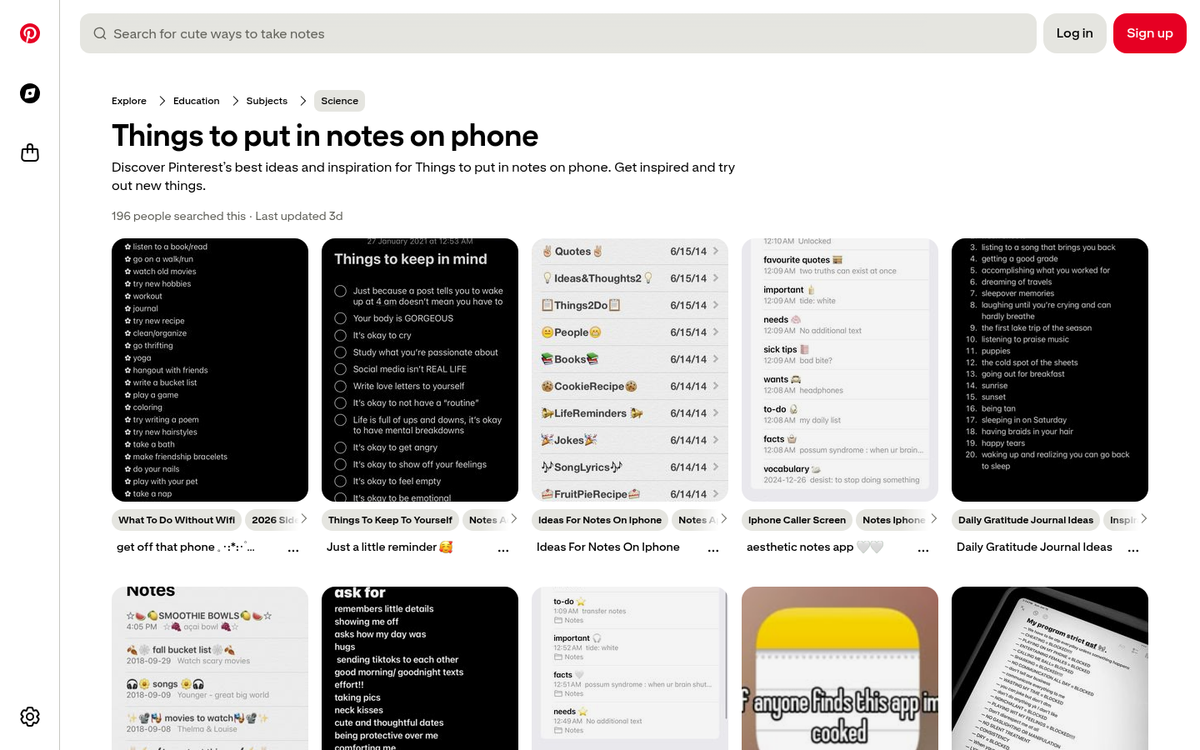
It helps if you have a notes app on your phone ready to go at a moment's notice. Jot down ideas whenever inspiration strikes - a voice memo, a quick note, even a photo of something that sparked an idea. You want to spend more time looking outward at the world around you instead of staring inward trying to force ideas at your desk. The best blog content starts as a passing observation that you gave yourself permission to develop.
FAQs
If you run a business, you have customers. If you have customers, you have people coming to you with questions. If you have more than one customer, chances are you've heard a few of the same questions over and over again.

Write down these questions and then write a blog post covering the issue from the ground up. Explain the issue, explain how to solve it. If you can, dig into the facts of why it happens. The easy fix up front helps out those just looking for the answer and the technical facts help more advanced users who want more than a quick workaround.
In 2026 this is more helpful than ever. AI-powered search features like Google's AI Overviews frequently pull answers directly from well-structured FAQ content. Writing authoritative answers to common questions in your industry gives you a shot at being the source those systems reference - which means visibility even when users don't click through to your site. Learning more about answer engine optimization can help you structure that content effectively.
Histories and Profiles of Team Members
Who are you? Who do you have working for you? Why should anyone trust what you and your team have to say? Figure it out and tell your stories. People don't care that Bob from HR has three kids and a great retriever; they care that he has 15 years of experience in your industry and has helpful opinions to share. The personal facts are just the texture that makes him a person instead of a name on a webpage. In an era where content is AI-generated and authorless, putting human faces and expertise behind your blog is a genuine competitive advantage, and it's a key reason social proof matters so much for blog posts. If you're wondering why your blog isn't growing fast enough, a lack of visible human authority could well be part of the answer.
The Story of the Company

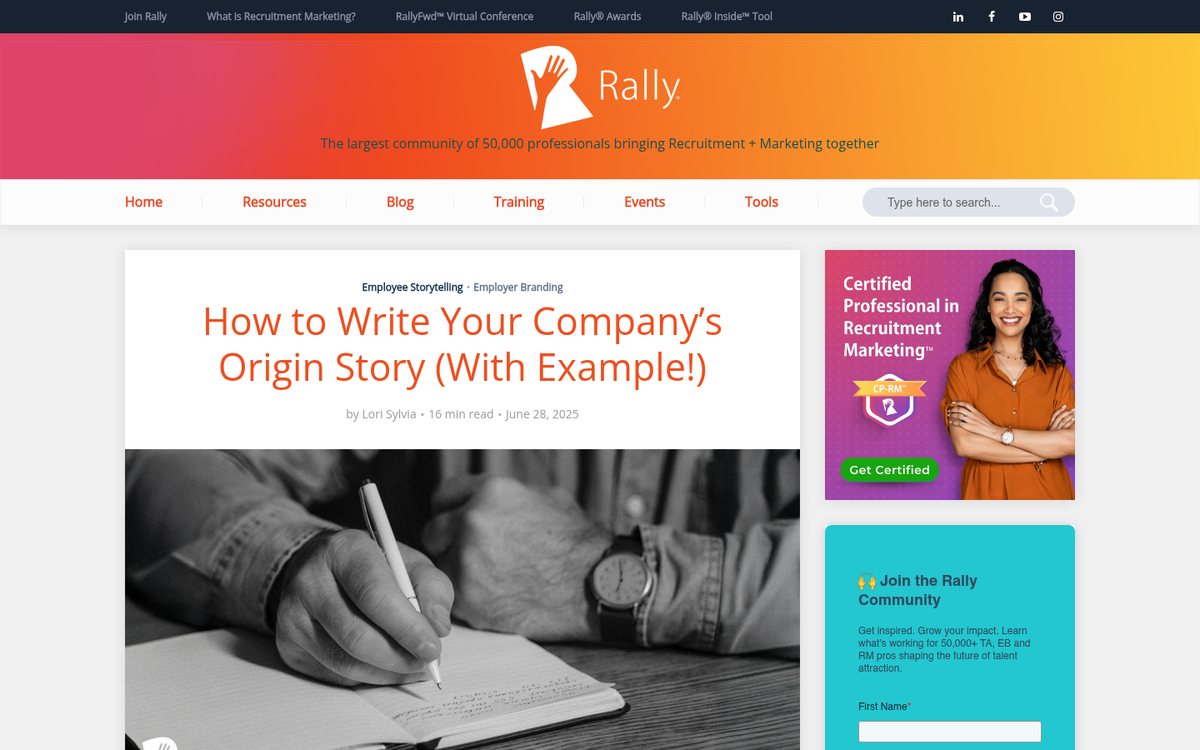
Why did you found your company? What need drove you to this place? And how have you reached the position you're in? By telling the origin story of your company, you give readers a reason to root for you. They support you because they find something that matters in where you came from and what you set out to solve - this works whether you're a decades-old firm or a brand that launched last year - what matters is the authenticity of the story, not the length of the timeline. In fact, business blogging is one of the most effective ways to share that story and build lasting connections with your audience.
Interview Other Influencers
Interviews give value in both directions. There's a credibility that comes with being interviewed - it signals that your perspective is worth seeking out. And for the person creating the interview, it shows that you have enough authority and standing in your industry to draw interesting guests.
Beyond the credibility angle, interviews produce content that's legitimately impossible to replicate or replace. An AI can summarize existing ideas. But it can't reproduce a candid conversation with an expert sharing opinions. That originality is increasingly valuable, to readers and to search engines looking for content with genuine first-hand perspective.
Write Detailed How-To Tutorials
According to Orbit Media's 2025 blogger survey, how-to articles are the single most popular content format, used by 76% of bloggers - and for good reason. A well-written tutorial builds authority, earns links, saves you time answering repetitive support questions and delivers value long after it's published. Detailed long-form guides were also among the formats bloggers voted as most helpful, alongside gated content.
Remember that you don't need to limit yourself to tutorials about your own products. You can write about how to migrate from a competitor's platform, how to use a complementary tool alongside yours, or broader skills that are helpful to your target audience. You want to be legitimately helpful - everything else follows from that.
Discuss Business Successes

One thing you see on popular business blogs is a conversation or case study of what they've done recently that worked. Run a successful campaign, launch a product that landed well, or crack a channel that had been frustrating you - then document it publicly. Show others in your industry what you did and why it worked, so they can take inspiration from your strategy. Specificity is what makes these posts worth reading; vague success stories help no one. But numbers and decisions create genuine value.
Discuss Business Failures
Almost more helpful than your successes are your failures. They give you rich material for an honest case study - what you did, what you expected and what actually happened. Looking at it with a legitimately introspective eye, you can find where things went wrong. Readers like the honesty, learn something actionable and come away trusting you more because you were willing to be transparent. Vulnerability, done right, builds credibility.
Analyze Recent Site or Business Data

Publishing original data is one of the most valuable things a business blog can do. When you analyze statistics - whether pulled from your own business or from a survey you run within your industry - you become a citable source. Other writers reference your numbers, link to your post and send you traffic for months or years. That compounding link value is very hard to manufacture any other way. Just 1 in 10 blog posts is a so-called compounding post. But those posts account for roughly 38% of total blog traffic. Data-driven content is one of the most reliable ways to produce that kind of post.
Coverage of Industry News
There are two large categories of content online. The first is evergreen - content that stays helpful long after it's published. A tutorial, a well-researched guide, a FAQ. These posts deliver traffic and value for years.
The other is timely - news, trend analysis, fast replies to what's going on in your industry right now - this content has a shorter shelf life. But it can earn a burst of attention, establish you as someone who is plugged in and occasionally pick up links from journalists or other bloggers covering the same story. Think of evergreen content as a slow burn and timely content as a flare - both have their place in a balanced content strategy.
Reviews of Supplemental Products
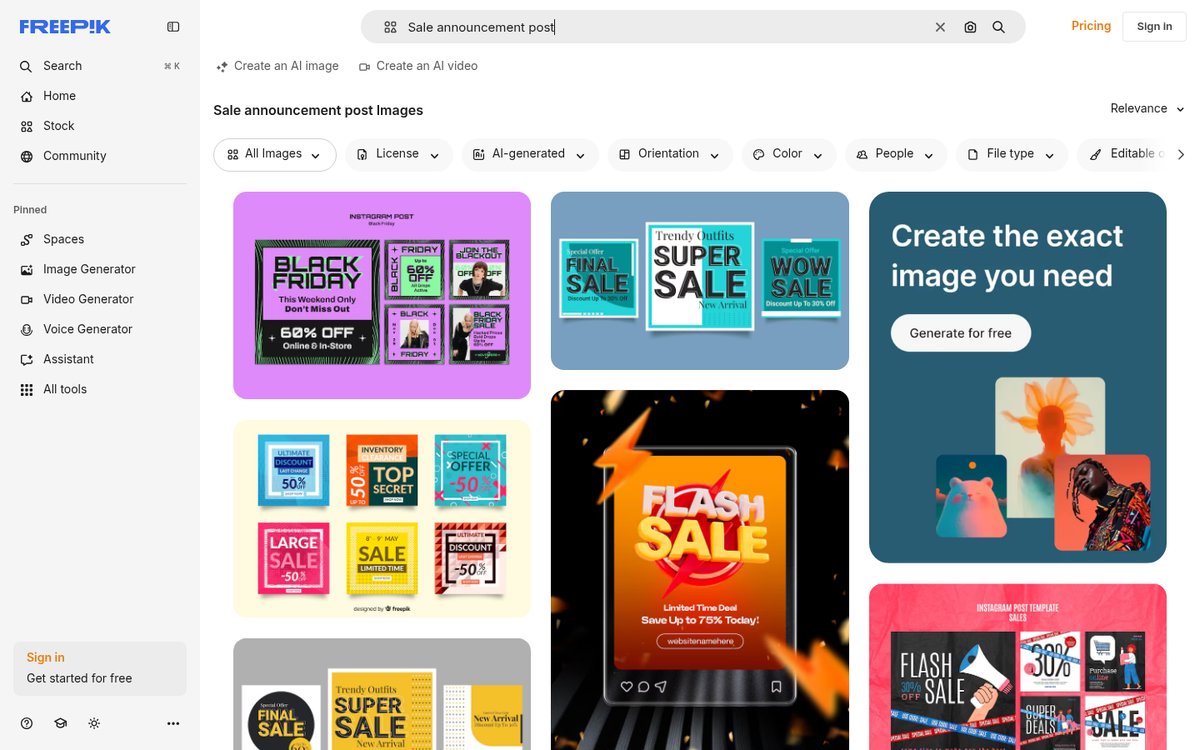
You can review other products in your industry - ones that work alongside yours, ones your customers use, or direct competitors. There's no reason to be afraid of reviewing a competitor and you can give credit where it's due; just be clear about where your offering fits in and what you do differently. Honest, balanced reviews earn trust far more than promotional puff pieces and they tend to rank well for comparison searches that buyers make right before a purchasing decision.
Event or Sale Announcements
General advice is that most of your blog should not be direct marketing. Very few people care enough about your brand to read a blog that's all "my product is great" and "you should buy this" on repeat. The majority of your content should be helpful, informative and legitimately useful to your audience.
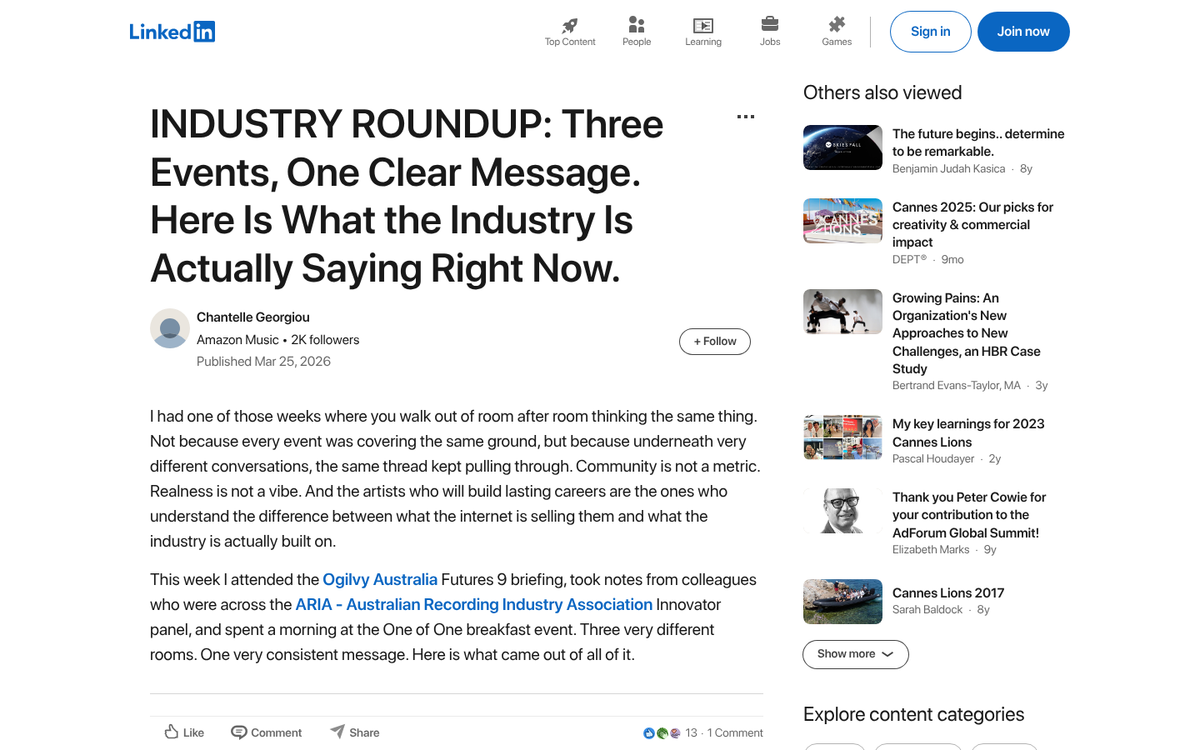
That said, there's no reason not to include brand-focused posts from time to time. New product launches, service updates, events you're hosting or sponsoring, limited-time offers - these all have a legitimate place on a business blog. You're a business and it would almost be strange if you never mentioned it.
Industry Content Top Lists
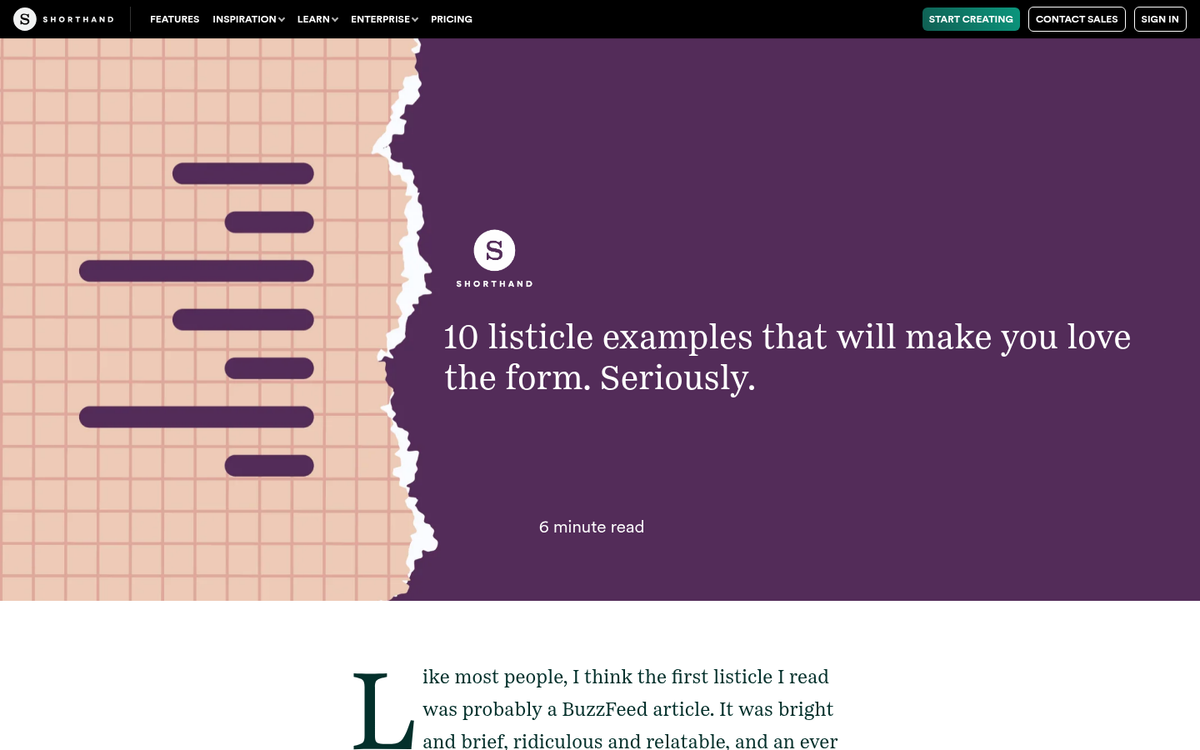
There's strong content being produced across your industry and instead of trying to compete with it all simultaneously, you can curate the best of it. Done well, this content builds a loyal audience that comes back because you save them the time of finding everything themselves.
List Posts
Pick a topic relevant to your business. Pick a number. You now have the structure of a list post - one of the most well-performing formats in content marketing. Research from CXL found that 36% of readers prefer list-based headlines over other formats and it's easy to see why: lists are scannable, promise a payoff and are easy to share.
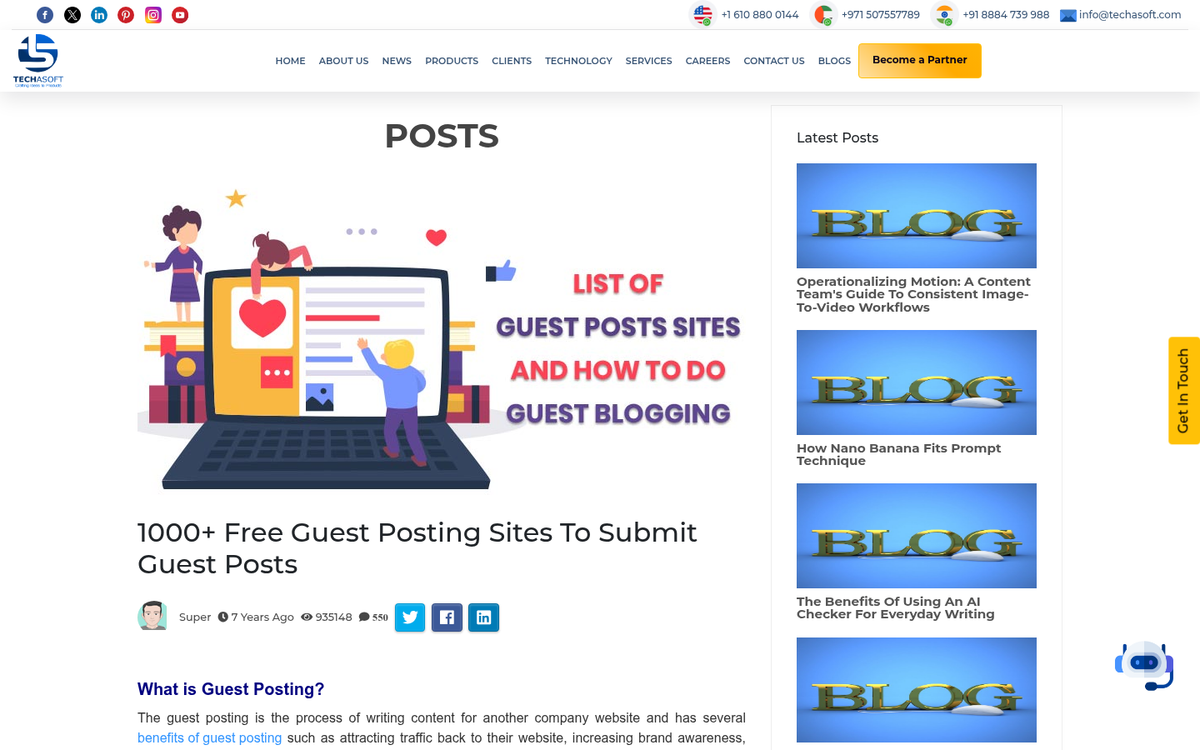
Lists are also one of the more flexible formats available to you. A list of tools, a list of tools top content marketers use, a list of mistakes to avoid, a list of examples from industry leaders, a list of resources - the format adjusts to almost any topic. What matters is to make sure that the entries are substantive. A list of 10 well-explained, legitimately helpful items will outperform a list of 50 thin bullet points every time.
Guest Posts
You're not alone in your industry. Guest posting remains a valid and worthwhile strategy for building a blog, provided you're selective about it. Accepting quality posts from credible voices in your space gives you content you didn't have to write yourself, introduces your audience to new perspectives and earns goodwill from contributors who will share the post with their own audiences.
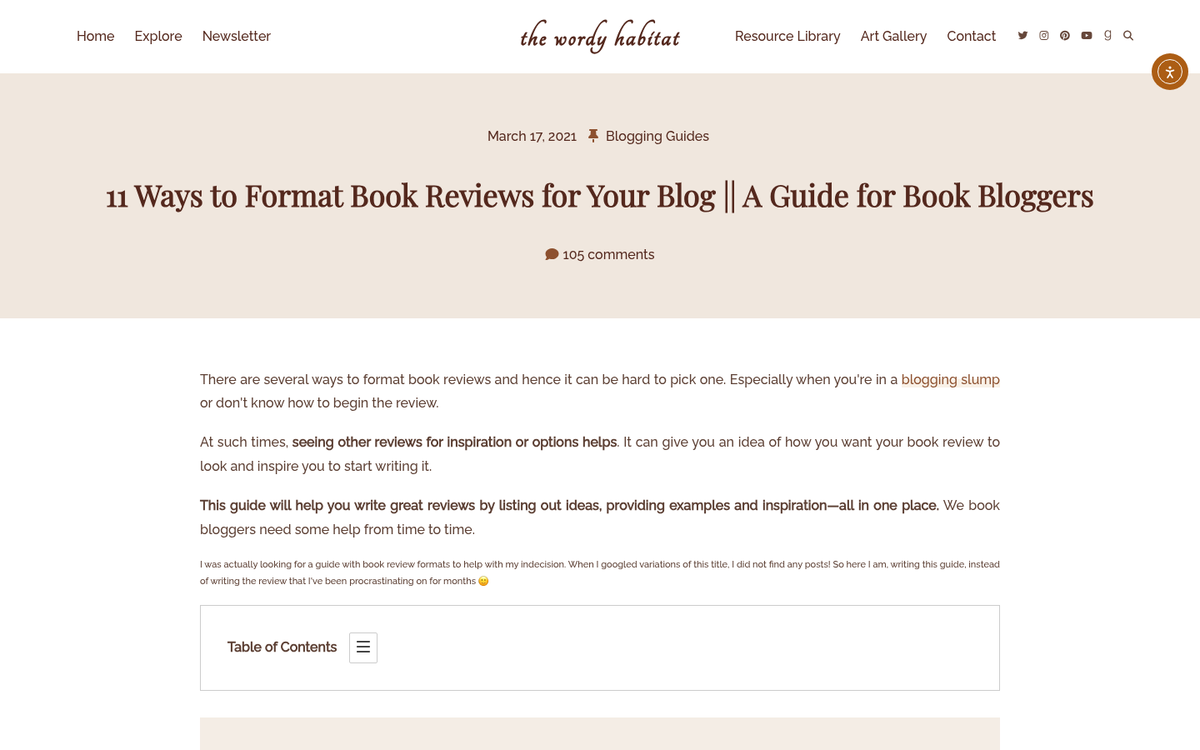
What to avoid: low-effort submissions from unknown writers with the sole aim of placing a link. Those are the types of guest posts that can create more problems than they solve. Treat guest contributors the same way you'd treat a hire - you want someone whose work fits well with your publication.
Book and Resource Reviews
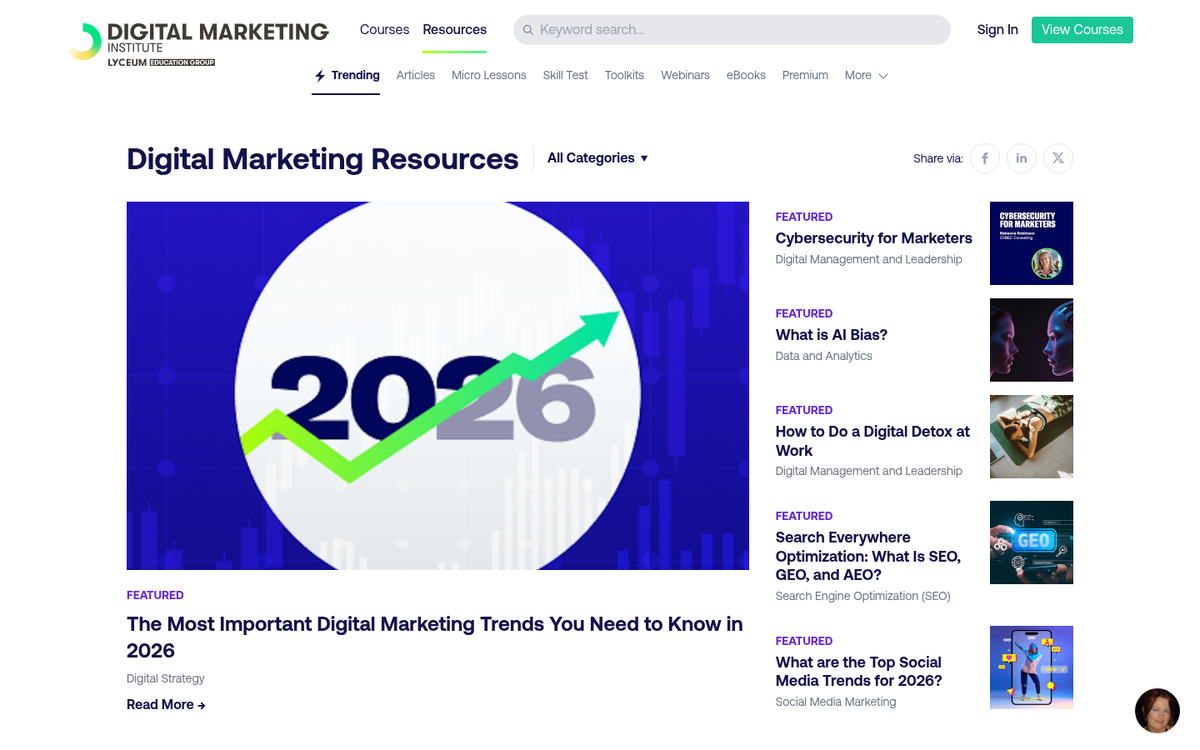
Unless you invented your industry from scratch, others have written about it - in books, in ebooks, in long-form guides and paid courses. Reviewing those resources gives your audience a helpful shortcut and positions you as someone who stays current and takes your field seriously. A favorable review of a well-respected book in your space costs you nothing and earns genuine goodwill from the author, who may return the favor. If you want ideas for expanding this approach, see how others get free products and services to review on their blogs.
Industry Resource Pages

Take the roundup concept one step further: build a regularly updated resource page that indexes the best tools, blogs, guides and references your industry has to offer. Categorize everything so visitors can find what they need without digging. These pages tend to accumulate links over time because people reference them when pointing others to helpful information. Revisit and update yours at least once a month to keep it accurate and relevant.
Refresh Old Content
At some point you'll have a library of older content that has drifted out of date. Rather than letting it quietly underperform, bring it back to life. Revisit the topic with fresh data, updated examples and any changes in the industry since you first wrote it. A well-executed refresh of a post that already has some authority behind it can recover lost rankings faster than publishing something entirely new - and it's less work. Given how much has changed across most industries in the past two to three years, there's a good chance a large portion of your back catalog is overdue for this treatment.