Key Takeaways
- Managed WordPress hosting offers pre-configured WordPress with more freedom than WordPress.com, including full plugin and theme support.
- Kinsta leads on performance with 0.61-second US load times, while WP Engine offers a rare contractual 99.95% uptime SLA.
- Some providers charge up to 400% more at renewal versus introductory rates, making fine print review essential before signing up.
- Premium hosts like Kinsta and WP Engine now integrate AI tools for anomaly detection, automatic scaling, and query optimization.
- Budget-friendly options like Hostinger and HostArmada suit smaller sites, while Kinsta and WP Engine better serve business-critical, high-traffic sites.
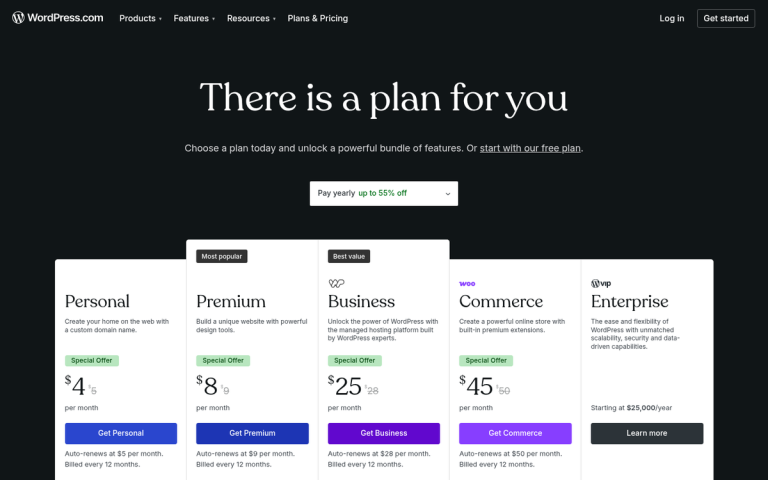
WordPress can be set up to run on pretty much any web host, so long as you have the right version and they have the right configuration. What if you don't want to deal with the configuration and maintenance, though? Well, you have two options. One of them is WordPress.com.
The problem with WordPress.com is that while it takes the work out of configuring and maintaining WordPress for your site, it's also very limited. You have a fixed set of themes, a restricted choice of plugins, and you can't use your own domain name unless you pay extra - it's a little more convenient - and free - for some users. But most find it too limiting for anything serious.
That's why we're going for the second option, which is professional-level web hosting with a managed WordPress installation.
Managed WordPress hosting is a particular type of web hosting where the host already has WordPress pre-configured, but gives you more freedom than WordPress.com - it's your own installation you can customize at will, with full plugin and theme support (within the host's rules).
There are some drawbacks to managed WordPress hosts, though. In an effort to keep their hosting high quality and to give you the best service they can, managed hosts have some plugins preinstalled and others banned. They won't allow plugins that are known to harm their servers, or plugins that are redundant to the ones they already give you.
The cost of managed hosting has shifted considerably in recent years, and that's also the case with the growing demand because of AI-powered websites, WooCommerce stores, and content-heavy blogs. Some managed WordPress hosting starts as low as $10-$15 per month. But premium and agency-level hosting can run $100 per month or more. A 2025 study of 8 managed WordPress hosts also found that some providers charge as high as 400% more at renewal compared to their introductory rates, so always read the fine print before signing up.
Managed WordPress hosting tends to come from a number of providers. Some web hosts give you it as one of their hosting types, and others - like Kinsta and WP Engine - specialize exclusively in managed WordPress and nothing else.
What benefits does managed WordPress hosting have? For one thing, you're going to save money you might have paid for a sysadmin to run your WordPress. You'll usually get website backups, automatic updates for the CMS and your plugins, built-in page caching, staging environments, and a number of security features that you'd otherwise need separate plugins to manage. In 2026, top hosts have also started integrating AI-powered tools for performance optimization, malware detection, and even content suggestions.
Some things to look for when investigating managed WordPress web hosts include:
- Is there a limit on monthly visitors or data transfers?
- Is there a limit on email provided through the host?
- Is there a limit to the amount of data you can store, and if so, are you at risk of reaching it?
- Does your host provide 24/7 support, and if so, does it require a higher-tier plan?
- Do you plan to sell products? If so, does the web host include SSL, or do you need to pay extra?
- What is the renewal pricing? Introductory rates can be misleading if they jump dramatically after year one.
- Does the host offer a staging environment for testing changes before going live?
And, of course, you want to look at uptime guarantees. Most of this matters when you're doing your own research. But if you're looking for a starting point, the list below should help.
The List
Based on Q4 2025 performance data tracking 34 hosting providers across around the clock, year-round monitoring, the latest top managed WordPress hosts are:
- Kinsta (our top pick for performance)
- WP Engine
- Hostinger
- GreenGeeks
- HostArmada
- Pressable
- SiteGround
- Bluehost
You'll see some older names from previous versions of this list have dropped off - providers like 1&1 (now IONOS), Media Temple (acquired and restructured under GoDaddy), and HostGator have all either changed or fallen behind the competition in terms of managed WordPress quality. If you have a host you love that you think belongs here, let me know in the comments - but please, no affiliate links.
Pricing
Pricing in 2026 has become more tiered and performance-driven than ever. Here's where each host currently stands:

- Kinsta: Starts at $29.17/month (billed annually) for a single WordPress installation with 25,000 monthly visits. Plans scale up significantly based on visit counts and number of sites. One of the more expensive entry points, but the performance justifies it for serious sites.
- WP Engine: Entry-level plans start around $20-$25/month for a single site with 25,000 monthly visits. WP Engine backs its service with a 99.95% uptime SLA that includes financial guarantees - rare in the industry.
- Hostinger: One of the most affordable options on the list, with managed WordPress plans starting under $10/month at promotional pricing. Renewal rates are higher, so check carefully before committing.
- GreenGeeks: Starts around $10-$13/month. Known for eco-friendly hosting (300% renewable energy match) and strong uptime - maintaining 99.98% between 2024 and 2025 with no more than 4 minutes of total downtime per month.
- HostArmada: Entry plans start around $2.99-$4.99/month on promotion, making it one of the better budget options with solid performance for the price. Renewal pricing is notably higher, so factor that in.
- Pressable: Starts at $25/month for a single site with 30,000 monthly visits. Owned by Automattic (the company behind WordPress.com), which gives it deep WordPress integration.
- SiteGround: Starts at around $6.99/month on promotion for the entry-level plan, with renewal rates climbing to $14.99/month or higher. Plans are tiered by monthly visitor limits and storage.
- Bluehost: Managed WordPress plans start around $9.95/month. A reliable mid-range option, though not the strongest performer in independent speed tests.
As you can see, prices run all over the place. Budget-friendly options are out there for smaller or newer sites. But high-traffic and business-critical sites will probably find the investment in Kinsta or WP Engine well worth the cost.
Servers and Performance
In 2026, the server architecture conversation has shifted considerably. Cloud infrastructure now dominates the managed WordPress space. Kinsta runs exclusively on Google Cloud Platform, while WP Engine uses a combination of AWS and its own proprietary infrastructure. Most hosts on this list have moved away from traditional shared server environments entirely for their managed WordPress tiers.
Uptime is strong across the board with the top providers. Kinsta and GreenGeeks report 99.98% uptime based on recent monitoring data, while WP Engine holds a contractual 99.95% uptime SLA. For most sites, any of these providers will deliver reliable availability.
Speed has also become a big differentiator. Kinsta recorded a US load time of 0.61 seconds in recent independent testing - an impressive figure. Hosts that don't invest in modern caching layers, CDN integration, and PHP 8.x support are falling noticeably behind.
AI-assisted performance features are also now becoming standard at the premium tier. Kinsta, WP Engine, and Pressable have all introduced or expanded AI tools for anomaly detection, automatic scaling, and query optimization as of 2025-2026.
Deeper Looks
Now let's take a closer look at each option. General overviews don't tell everything. Pricing and features can change, so always verify directly with the host before making a final choice.
Kinsta is the performance leader on this list. Built on Google Cloud Platform with data centers in 37 locations worldwide, it's fast, reliable, and packed with developer-friendly features like SSH access, WP-CLI, Git integration, and a clean custom dashboard. Every plan includes a free CDN, backups, and a staging environment. The main drawback is cost - at $29.17/month for a single site, it's not the right fit for small hobby blogs. But for businesses, agencies, or anyone running a site where downtime or slow load times have a cost, Kinsta is hard to beat.
WP Engine is the other premium option and has been a favorite for agencies and business WordPress sites for years. The 99.95% uptime SLA with financial backing is a genuine differentiator. WP Engine also includes Genesis Framework and a library of premium StudioPress themes, which can add tangible value. Like Kinsta, it restricts plugins that conflict with its infrastructure, but the list is well-documented and reasonable. Pricing is competitive with Kinsta at the entry level, though agency and business plans can get expensive faster.
Hostinger has made strides in performance and value over the past few years - it's one of the few hosts where you can get legitimate managed WordPress hosting at a legitimately low price point. In 2025, Hostinger introduced AI-powered website building and optimization tools that have been well-received. The catch, as with budget hosts, is that introductory pricing is lower than renewal pricing, so calculate your long-term costs before signing up.
GreenGeeks stands out for two reasons: environmental commitment and uptime. They match 300% of their energy usage through renewable energy credits, which makes them the most eco-conscious host on this list. Their 99.98% uptime figure from 2024-2025 testing is among the best independently verified numbers available. Performance is solid if not exceptional, and pricing is reasonable. A well-rounded choice for small to mid-sized sites that want reliable hosting without the premium price tag of Kinsta or WP Engine.
HostArmada is a relative newcomer that has earned strong reviews in independent testing. They offer cloud-based managed WordPress hosting at competitive entry-level prices, with good support and performance for the cost. The main caveat is the same as with budget hosts - promotional pricing can be much lower than renewal rates. Do your math before the first contract renews.
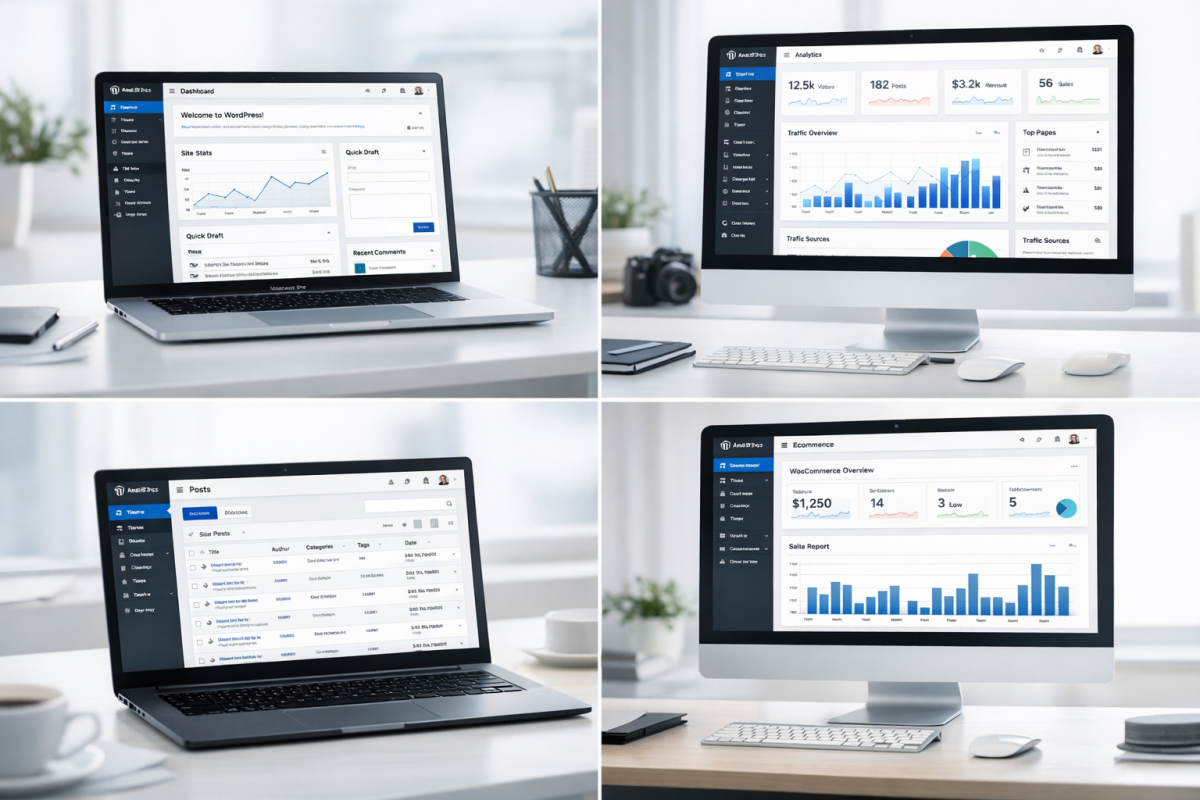
Pressable is an interesting option given its ownership by Automattic, the company that created WordPress. That relationship gives Pressable a tight integration with the WordPress ecosystem that few competitors can match. Plans are reasonably priced for what you get, support is strong, and the platform is purpose-built for WordPress - it won't win any awards for the cheapest entry point, but it's a solid option.
SiteGround remains a reliable mid-tier option, though it has faced some criticism for steep renewal price increases after introductory periods. Their infrastructure is solid, support is usually well-regarded, and they offer a balance of features like staging, backups, and a custom caching solution. Just be aware of what your plan will actually cost after year one.
Bluehost is a familiar name and a decent option for beginners or smaller sites - it won't match Kinsta or WP Engine on raw performance, but it's accessible, integrates with a number of tools, and is widely supported in the WordPress community. The aggressive upselling that plagued them in earlier years has improved somewhat, though it hasn't disappeared entirely.
So, there you have it - the best managed WordPress hosts available heading into 2026. The right choice depends heavily on your budget, traffic levels, and how much technical support you need. For performance-first sites, Kinsta and WP Engine are the leaders. For budget-conscious users who still want quality, GreenGeeks and Hostinger are worth a look. The most important thing is to read the renewal pricing before you commit - what looks like a deal in year one can become a frustrating expense in year two.