PBNs are a controversial technique espoused by black and gray hat marketers, but condemned by Google. Like all such strategies, they can work - or at least they used to. In 2026, the calculus has shifted dramatically. What was once a risky-but-viable shortcut has become, for most operators, an expensive way to destroy a perfectly good website.
Key Takeaways
- PBNs are private blog networks designed to funnel link equity to a money site, primarily using expired domains with existing authority.
- Google's spam detection has become significantly faster since 2014, often identifying and devaluing PBN links within weeks or months.
- Expired domain costs have surpassed $1,000 at auction, making PBNs far more expensive with increasingly uncertain returns compared to earlier years.
- Google's John Mueller confirmed many PBN-style links are algorithmically ignored, meaning operators risk spending thousands on links that do nothing.
- The article strongly recommends investing in legitimate link acquisition, digital PR, or content marketing instead, as ROI comparison isn't close.
What Is a PBN?
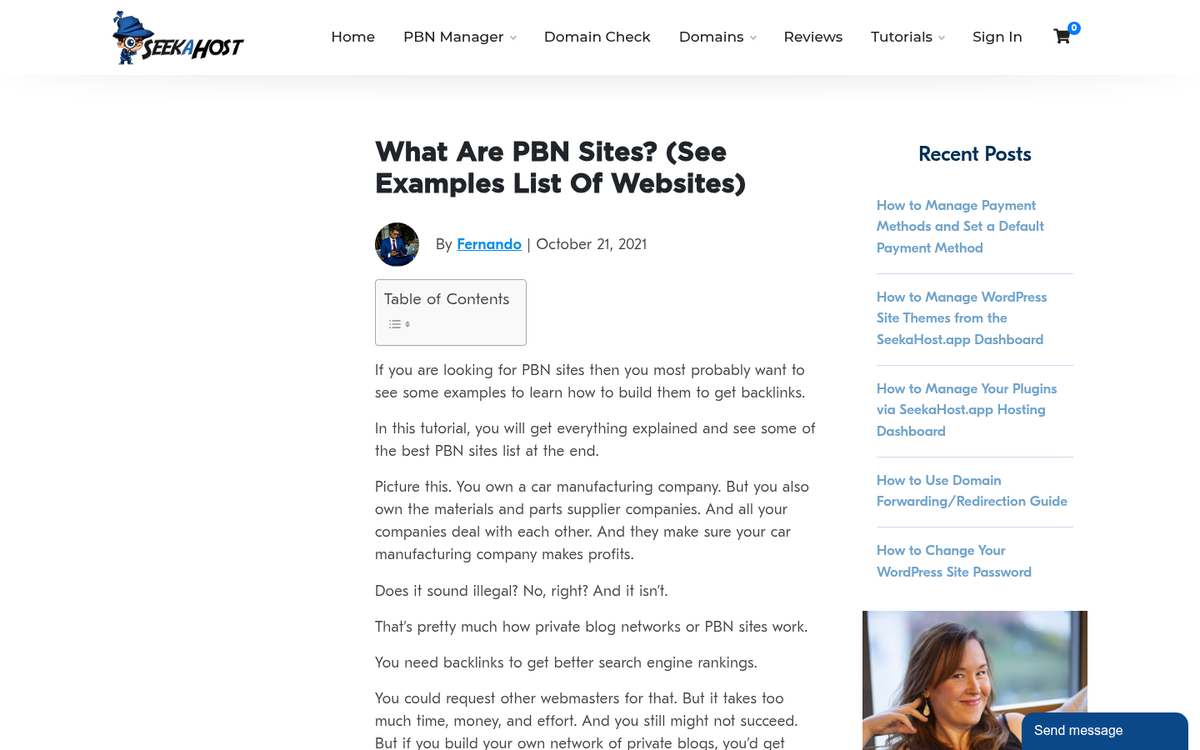
PBN stands for Private Blog Network, and that alone should tell you most of what it means. It's a collection of blogs all owned by one person, designed to funnel link equity toward a single "money site." In the early days, these were often slapped together on free platforms like WordPress.com or Tumblr. The more sophisticated versions - the ones that actually moved the needle - were built on self-hosted domains, spread across different hosting providers, different IP blocks, and different site architectures to avoid leaving an obvious footprint.
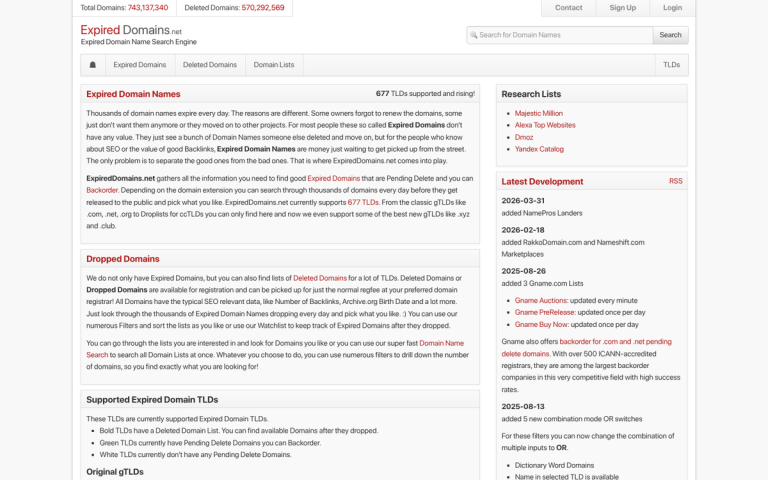
The classic PBN playbook relied heavily on expired domain marketing. Operators would monitor domain auction sites, hunting for URLs that carried lingering authority and backlink profiles. They'd build out a thin blog - just convincing enough to avoid immediate suspicion - and use it as a link source. Multiply that by 50, 100, or 200 domains, and the cumulative link equity pointed at a single target site could produce meaningful rankings.
That was the theory. Here's what 2026 actually looks like.
What's Changed Since the Early Days

Google's 2014 crackdown was the beginning of the end for large-scale PBNs. Sites that had been riding PBN-powered rankings reported traffic drops of up to 90% over a single weekend, with no realistic path to recovery. That was over a decade ago. Since then, Google's spam detection has only gotten faster, smarter, and more automated.
Where an early PBN might have operated undetected for three to five years, modern networks often face scrutiny within months - sometimes weeks. Google now updates its spam detection models in near real time. You can invest thousands of dollars building out a network and watch it get devalued before you've seen a single dollar of return.
The expired domain market has also changed dramatically. A domain that cost $60 in 2015 can now sell for over $1,000 at auction, thanks to bidding wars among operators who are all chasing the same finite pool of valuable expired URLs. The economics that once made PBNs an attractive shortcut have largely collapsed.
And perhaps most tellingly, Google's own John Mueller has stated that for PBN-style links, there's often "no need to disavow" - because Google already treats them as non-factors. You're not just risking a penalty. You're potentially spending thousands of dollars on links that do absolutely nothing.
The Gawker Comparison Still Holds - But the Lesson Is Different Now
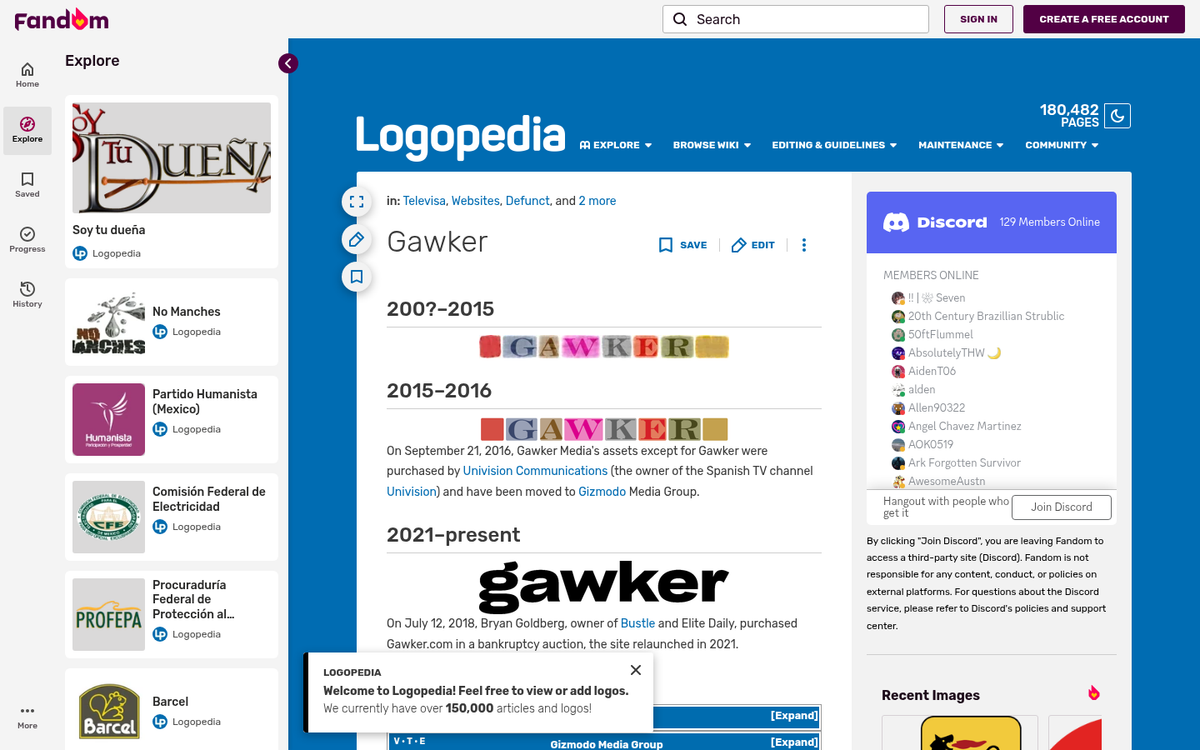
There's a version of an interlinked blog network that isn't a PBN. The old Gawker media empire - Deadspin, Gizmodo, Jezebel, Kotaku, Lifehacker, and the rest - met the technical definition of a network of related sites owned by the same entity. What separated them from a PBN was simple: they provided genuine value. Original reporting, frequent updates, real audiences. You couldn't buy a link from any of them. They existed to serve readers, not algorithms.
Modern equivalents exist across dozens of media companies and content networks. The lesson hasn't changed: real editorial networks aren't PBNs. The difference is organic purpose and actual value. PBNs are thin by design. That's the whole point - and that's exactly what Google has gotten very good at detecting.
The Pros and Cons of PBNs in 2026
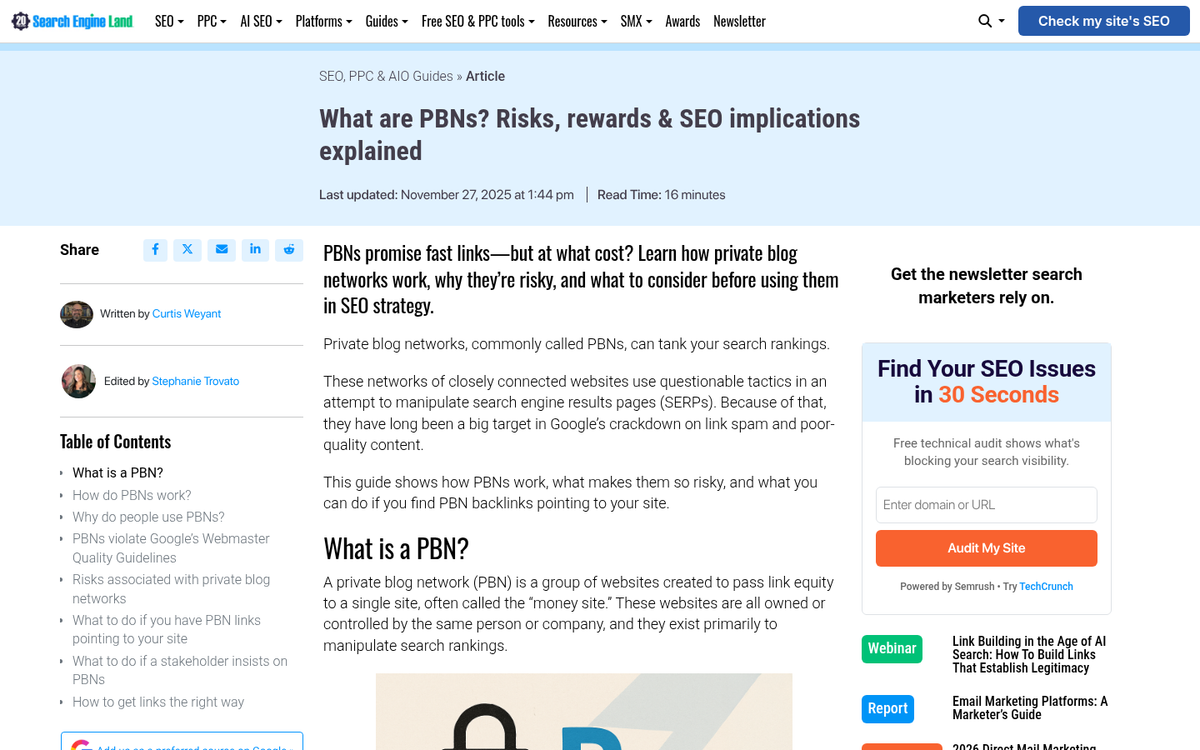
Using PBNs is a black hat technique. It is explicitly called out by Google as a violation of their webmaster guidelines, and anyone telling you there's a risk-free way to run one in 2026 is either deluded or trying to sell you something.
Cons:
- They are extraordinarily expensive compared to even five years ago. Quality expired domains have skyrocketed in price, often exceeding $1,000 per domain at auction. Add private WHOIS protection, hosting across multiple providers, content production, and ongoing maintenance, and you're looking at a significant ongoing investment with an increasingly uncertain return.
- They consume enormous amounts of time. Monitoring auction sites, vetting domains, setting up infrastructure, producing content, and monitoring for footprints is a part-time job at minimum. There's no guarantee any of it survives long enough to generate ROI.
- They are extremely risky - and the risk is higher than ever. According to Search Engine Land, the probability of receiving a manual penalty from a PBN is now significantly higher than the likelihood the PBN will actually help you rank. That's not a gamble; that's just losing slowly.
- They often don't even work anymore. Google's John Mueller has confirmed that many PBN-style links are simply ignored algorithmically. You may never see a manual action - because Google doesn't need to issue one. Your links just don't count.
- They don't last. Individual sites get flagged and deindexed regularly. The cycle of replacing domains, rebuilding sites, and re-establishing links is never-ending. You're on a treadmill that's getting faster every year.
Pros:
- You have direct control over anchor text, link timing, and link placement - which makes PBNs useful as experimental tools for studying how Google weights certain signals. That's about the most charitable thing you can say about them in 2026.
- You don't need outreach, relationships, or charisma to build links. You can do it entirely under your own power, which has a certain appeal for people who hate sending cold emails.
- In very competitive niches with slow-moving white hat campaigns, a carefully managed PBN can still theoretically provide a short-term rankings boost. Emphasis on theoretically and short-term.
Using PBNs in 2026
My advice hasn't changed since I first wrote this - it's just become more urgent. Don't build a PBN. The money you'd spend on expired domains, hosting, and content production will go dramatically further if you put it toward legitimate link acquisition, digital PR, or content marketing. The ROI comparison isn't even close anymore.
Don't try to maintain a PBN. If Google spots it - and they probably will - the right move is to cancel the subscriptions, cut your losses, and move on. There's no recovery strategy worth pursuing.
Don't buy links from a PBN. If you can find someone selling PBN links, Google can find them too. And increasingly, those links aren't even providing a boost before the hammer falls - they're just wasted spend.
Don't rely on tiered link building or link pyramids as a workaround. You're just building a more elaborate version of the same thing with more surface area for detection.
The only scenario where PBN links have historically provided insulation is when they make up a tiny fraction of an otherwise strong, legitimate backlink profile. But if you already have that kind of profile, why are you wasting money on a PBN? The marginal value of those links doesn't justify the marginal risk.
This is the persistent trap of black hat SEO in general. People invest heavily in circumventing Google's rules in order to rank in Google, while simultaneously depending on Google for their business. The spite is real, but it only hurts the person feeling it.
If You're Still Going to Do It Anyway

Against my better judgment, here's what competent PBN operators actually do. I'd rather you learn the right way to do the wrong thing than blow your budget on rookie mistakes.
- Only buy high-quality expired domains with clean histories. Domains that have already been deindexed or previously used in spam networks are worthless. Vet every domain thoroughly before bidding.
- Use genuinely varied content on every site. Spun content and duplicate material are massive red flags. Each site needs to look like a real, independent editorial property.
- Distribute across different hosts, different IP blocks, and different site architectures. Footprints are how networks get burned. Any shared pattern - hosting provider, theme, plugin set, registrar - is a liability.
- Keep the link profile conservative. One money site per PBN. Fewer links with more contextual relevance. More links mean more signals, and more signals mean faster detection.
- When a site gets deindexed, let it go. Recovery is not worth the effort. Replace or move on.
- If the whole network gets burned, take the lesson. Rebuilding and repeating the same cycle is just paying tuition twice.
At the end of the day, I'm not advocating for PBNs. I haven't been since I first wrote this, and the case against them has only gotten stronger. They are a riskier, more expensive, and less effective strategy in 2026 than they were in 2016. The operators who still swear by them are largely running on survivorship bias and nostalgia for an era of SEO that Google has spent a decade systematically dismantling.
Spend the money on something that compounds. PBNs don't.