Key Takeaways
- Content marketing is achievable on a minimal budget or even no budget, but requires significant time investment as a trade-off.
- Define specific goals beyond just sales-brand awareness, loyalty, customer education, and networking are all valid content marketing objectives.
- Auditing existing content helps identify what works, remove outdated material, and protect your search rankings from algorithm updates.
- Publishing consistently matters; use customer research, competitor analysis, and AI brainstorming tools to maintain a steady stream of ideas.
- Email marketing and social media-especially short-form video-are among the most cost-effective channels for promoting published content.
Studies have shown that over 90% of all B2C marketers use content marketing, and according to HubSpot, businesses now spend around 46% of their marketing budgets on content creation alone.
I know that small businesses, and sometimes even decently sized businesses, run on a very tight budget. The U.S. Small Business Administration suggests that businesses under $5 million in revenue should allocate 7-8% of gross revenue to marketing - which sounds manageable until you see how fast content creation costs can eat into that.
The good news is that you don't have to dump money into content marketing. Part of the reason it has become this prevalent a marketing technique is because it's very possible with one person and a very small budget - or no budget at all.
Of course, that is going to require that you value your time fairly low. Time is valuable as a resource, just as money is. Just bear in mind that every step of this process can be streamlined or sped up with money, to save you time. The balance is one you'll have to strike for your own business.
1. Define the Goals of Your Marketing Campaign
When you're running any sort of campaign or plan, the key to success is adequate preparation - unlike in war, where the best laid plans never survive contact with the enemy, in marketing the "enemy" has no idea they're the target, and you can successfully plan around and use the behaviors of others.
The first thing you'll have to plan is, of course, what you want to get out of your content marketing. If you immediately responded "more sales, of course!" you're missing the point. Content marketing is an inherently social form of marketing, and there's a lot of goals other than increased sales that can all cause benefits to your business.
Building brand awareness is one possible goal. You want more people to know about your business, so more will be interested in it, and more will go on to convert. Brand awareness is a measure of trust, to some extent. Would you buy a product from a company you've heard of, or one you haven't? It doesn't matter that you only know the name and nothing else; that ounce of familiarity is all it takes.
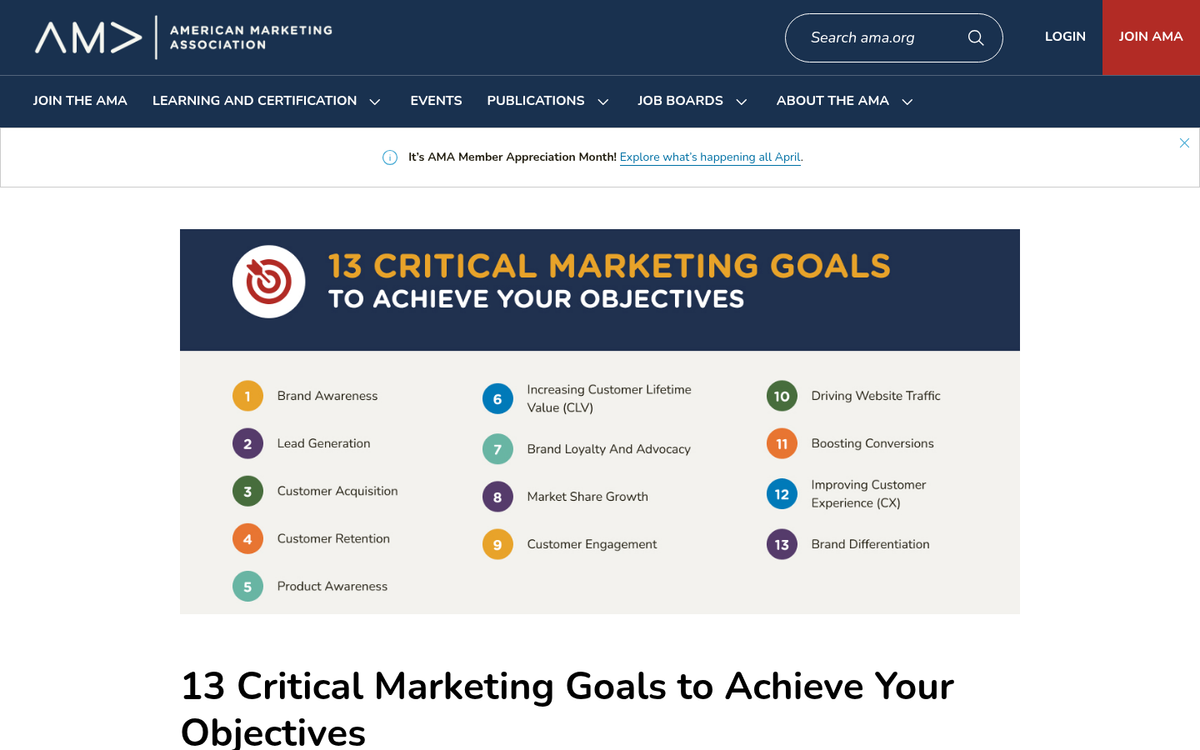
Another possible goal is raising brand loyalty, which is a bit different from brand awareness, in that users start to associate your brand name with things. This is what off-site content marketing is for; put your name and your expertise out there and people will take notice. They'll start to find your brand and will associate you with expert information and opinions.
You can also treat customer education as a goal. You want to produce content that answers the questions your users have - even if they don't know they have those questions yet. This is all about learning about your audience, yourself, and your product. Figure out what will probably be asked and give them that information before they ask.
Building connections and networking is a goal as well. Your content can become your flagship, your business card, and your portfolio. Using it, you can build relationships throughout your industry. Your goal is usually to look like an authority, so other authorities find you and count you among their number.
Of course, you can always go with the easy goal of selling more - it's a perfectly serviceable goal, it's just hard to measure in terms of content marketing, since it's difficult to tell, directly, how many people have bought your product based on a particular blog post.
2. Define the Metrics Required to Measure Success
It's a fairly common occurrence for me to ask a small business owner what they're doing to measure their success, and all I get in answer is a string of sales numbers. What about the other tertiary goals? What about website metrics, social engagement, content performance? There's quite a bit you can measure, and it can all show success even when sales aren't on the rise.
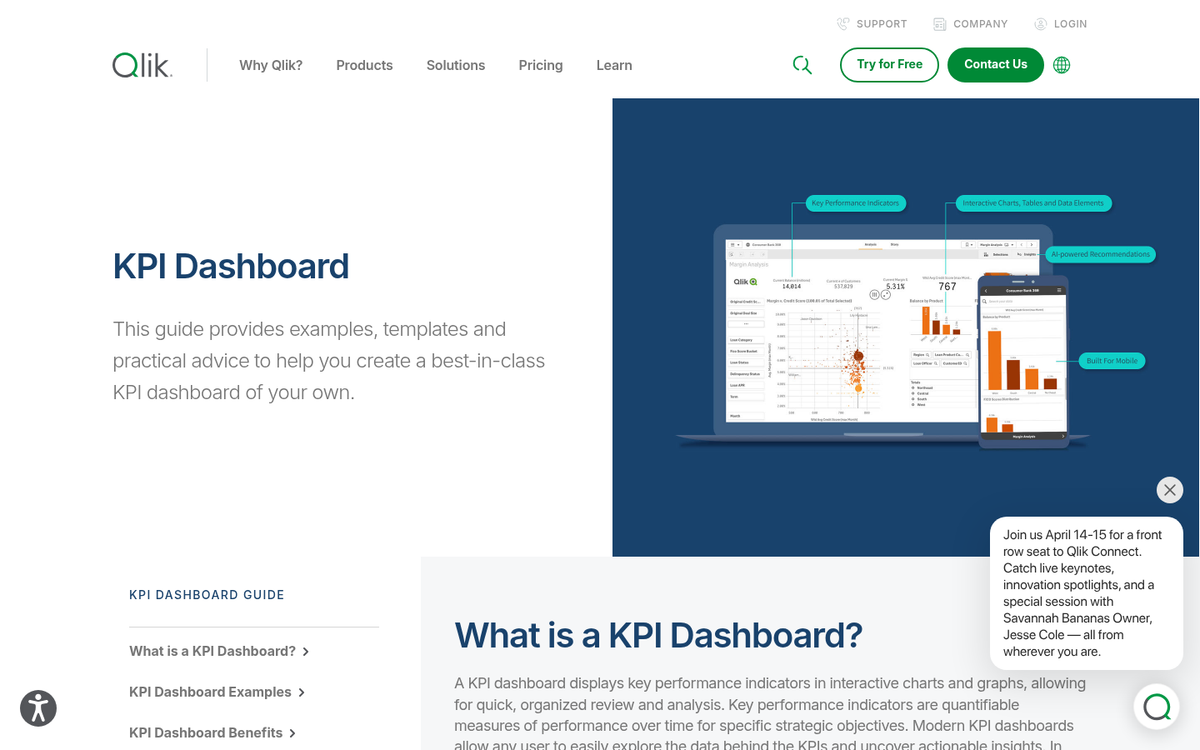
- Average traffic per post and per day. Traffic numbers tend to fluctuate over time, but when you stretch out the timeline long enough, you should see a slow, gradual increase. You're not likely to get an abrupt rise without a corresponding fall, because viral traffic is short term, but those spikes are appreciated.
- Referrers, typically sorted by unique domains. The more people who are linking to your posts, and to your site in general, the more people are seeing your content. As long as the links are coming from high quality domains and as part of quality content, they're always beneficial. You can also monitor who is linking to you as a potential source for more networking.
- Time spent on site per user. If you want to sell to users, you want them to stick around on your site, so they can see your content, see your advertising, and click through to your products. If time spent on site is too low, it's a sign of either a disconnect between what the user expected and what they got, or of an unexpectedly low quality post.
- Pages of your site per visit. This is a metric very similar to time spent on site, in that it's better to have it higher. The more pages on your site a user sees in one visit, the more engaged they are with your site. This is, however, within reason. If a user is visiting too many pages, you might want to pay attention to what pages they're visiting; they might be looking for something and not finding it.
- Bounce rate. A low bounce rate is better than a high bounce rate, because it measures the number of people who visit your site for less than a second or two before leaving. You'll always have a certain number of bounces, from bots and bored users and misclicks. Still, you want to minimize them as much as possible.
- Social shares for general posts or products. Social sharing is generally a good thing, and you want to encourage people to share your posts and your products. There are all sorts of ways to do this, and they should generally be integrated into your promotion plan.
- Video engagement. This one is increasingly important. According to recent data, 90% of marketers report a positive ROI from video content, and 95% agree video is a critical component of their marketing strategy. If you're producing video content - even short-form clips for platforms like YouTube, Instagram Reels, or TikTok - tracking views, watch time, and shares is essential.
- Mailing list registrations. Your mailing list remains one of the highest-ROI tools in your arsenal. Email marketing generates between $10 and $36 for every dollar spent, making it one of the most cost-effective channels available. Monitoring how your content drives newsletter sign-ups is a strong indicator of success.
- Sales or conversions. This one is, of course, self-explanatory.
There may also be metrics you can measure for goals I haven't mentioned. Feel free to measure anything that you view as an indicator of success.
3. Audit Existing Content to Create a Solid Foundation
Look for the best and the worst; improve the worst, emulate the best - that's the general idea of what you'll be doing with a content audit. There's more to it than that, of course, so here's a general guide to get you started.
First, create a spreadsheet. This sheet will include the title of the content, the URL, the date published, performance metrics, and any other relevant data. At minimum, track organic traffic, backlinks, time on page, and whether the content is still accurate and up to date.
Second, go to Google Search Console and Google Analytics and pull your content performance data. In GA4, navigate to Reports, then Engagement, then Pages and Screens to see which posts are driving traffic and engagement. Export this data and bring it into your spreadsheet, prioritizing your highest-traffic and highest-value pages first.

Third, go through your posts and review the content itself. How long is it? Is it still accurate? Is it helpful and relevant in 2026? Does it have images or video? Pay particular attention to any posts covering topics that have changed - AI tools, social platforms, marketing statistics, and similar fast-moving subjects are all too common culprits for outdated content.
Any content you find that's below a value threshold should be removed, fixed, improved, or merged with other content to create something that meets your standards - this removes outdated or low-quality content that could have been hurting your credibility and search rankings, and future-proofs your library against standard algorithm updates.
Now look closely at your best content. What is it that makes it work? Is it evergreen? Is it thorough or helpful? Does it go deeper than anything else on the topic? By understanding what's already working, you can do more of it intentionally.
4. Generate and Accumulate a List of Content Ideas
The first three steps were all about building a foundation for your content marketing.
Now we'll get into the content itself. Most successful blogs and content operations need to publish consistently. Think of it as a sliding scale. If you post once a week, your posts need to be substantial. If you post more, you have a little more room for variation in depth and format. Quality usually beats quantity. But consistency matters too.
Regardless of your resources, you need ideas. Coming up with topics for blog posts, videos, and other content formats - especially if you're publishing frequently - can be legitimately tough. It's easy to run dry and start repeating yourself if you're not deliberate about the process.
There are a few ways you can help this process. The first is the brute force idea machine strategy: set aside time each day to come up with a bulk list of ideas. Most of them will be bad, and that's fine - you only need a handful of good ones per week, and volume will get you there.

Another strategy is to look at what others in your industry are writing about. You'll find posts you think are weak and write a stronger version. You can take an opposing stance on a common position. You can use a competitor's popular post as a jumping-off point for something more thorough or more up to date.
Customer research is another rich source of ideas. Ask your customers about the questions they have, problems they see, or decisions they're struggling with. These real-world pain points make for some of the most helpful and traffic-generating content you can produce. According to HubSpot, 63% of marketers say driving traffic and generating leads is their biggest challenge - tackling your audience's questions directly is one of the most reliable ways to address that.
AI writing assistants have also become a legitimate brainstorming tool. Tools like ChatGPT, Claude, and others can quickly generate topic ideas, outlines, and angles you might not have considered. Just make sure that the final content is backed by genuine expertise and adds real value - AI-generated content that's thin or generic won't perform well in search or with readers.
5. Create and Schedule Your Content
Once you have your ideas, you get to start the process of creating content. In 2026, "content" is no longer just blog posts. Your strategy should account for multiple formats: written articles, short-form video, longer YouTube content, email newsletters, and social posts. According to HubSpot, websites, blogs, and SEO deliver the highest ROI of any marketing channel at 27%, followed closely by paid social at 26%, organic social at 24%, and email at 22%. A well-rounded content strategy touches at least a few of these.
For written content, shoot for depth over word count. A 1,500-word post that legitimately solves a problem will outperform a 3,000-word post that meanders. Format it for the web: use subheadings, include images or embedded video where relevant, and make sure your metadata is optimized.
It takes time to create content. Writing a quality post can take anywhere from one to three hours depending on the topic and research. Video takes longer. If you're doing this yourself while running a business, you'll hit a wall faster.

That's where freelancers come in. Platforms like Upwork, Writer Access, and similar marketplaces connect you with writers, video editors, and content creators who can execute your ideas at a reasonable cost. When you have a clear brief - topic, angle, target audience, word count - a freelancer can produce content without requiring heavy management on your end. Keep in mind that not all content services deliver equal quality, so vet your sources carefully.
You can also hire in-house content creators if your budget allows. However you produce the content, what matters is that you own it and that it meets a quality bar you'd be proud to put your name on.
Once created, schedule everything in advance. Most CMS platforms let you schedule posts weeks or months out. Use a content calendar to keep your publishing steady even when life gets in the way.
6. Publish and Promote Content
The final step is to publish and promote your content. If you scheduled your posts, they'll publish automatically. From there, it's a matter of getting eyes on them.
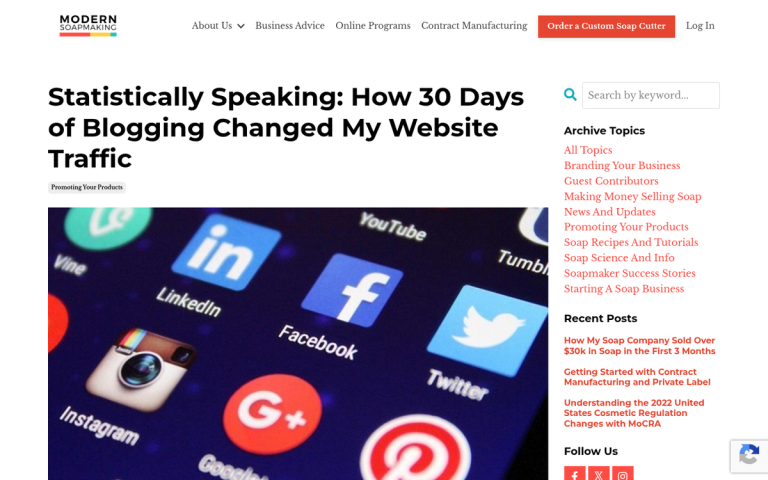
Social media remains one of the best free promotion channels available. The platforms that matter most will depend on your audience - LinkedIn for B2B, Instagram and TikTok for visual and lifestyle businesses, Facebook for community-driven niches, and YouTube for any brand investing in video. Remember that Google+ has been defunct since 2019, so if any old checklists still include it, ignore that advice entirely.
Short-form video has become especially valuable for organic reach. Repurposing a blog post into a 60-90 second video for YouTube Shorts, Instagram Reels, or TikTok can dramatically extend the reach of content you've already created, at little to no extra cost beyond your time.
Email remains one of your highest-value promotion tools. Every time you publish something new, your mailing list needs to know about it. With email delivering as much as $36 for every dollar spent, even a modest list can drive results. Building that list should be an ongoing priority, and your content is one of the best tools for doing it.
Beyond social and email, you can improve reach through guest posting on industry blogs, participating in relevant online communities, repurposing content across platforms, and relationship-building with other creators in your space who might share or reference your work.
Promoting your content is not the final step - it's the end of one cycle. When you've promoted one piece, you start again: new ideas, new content, new distribution. Done consistently, it compounds over time. The content you publish can generate traffic, leads, and sales for months or years to come - which is ultimately why content marketing, even on a shoestring budget, remains one of the smartest long-term investments a small business can make.