





If you have a website, you want people to read it. This is the whole premise behind SEO, Internet marketing and content marketing. You're taking advantage of your own skills and the myriad tools and systems online to grow the number of people who visit your blog and read your content. What you do with them when they're there - to make money or serve a cause - is up to you.
Key Takeaways
- Active blogs receive 97% more backlinks and help B2B businesses generate 67% more leads than non-blogging competitors.
- Content formatting matters: posts with images get 94% more views, and articles with regular lists get 68% more traffic.
- Different social platforms serve different purposes; match your content format and audience to the right channel.
- Analytics tools like GA4 help you understand your audience and continuously test and refine what content performs best.
- Guest posting and blog networking build authority, but only when done authentically-purely link-focused tactics can harm SEO.
Creating Content
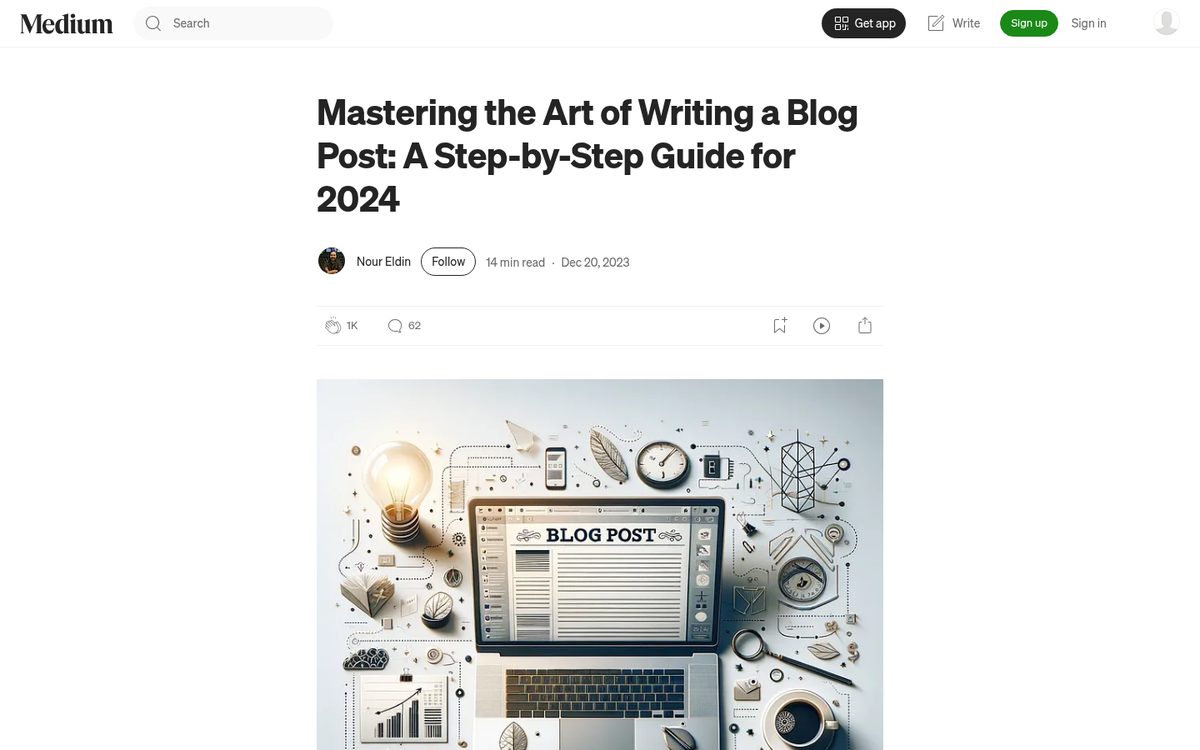
There's a lot to be said about creating excellent content, and many guides have been written on the subject. The data backs it up too: businesses with active blogs receive 97% more backlinks, and B2B businesses that blog see a 67% increase in leads compared to those that don't. For now, start with these core tips.
- Understand your audience. Learn their needs and desires, so that you can create content that they want to see.
- Understand how your audience searches for content. Take advantage of that knowledge by optimizing your content for specific keywords. Keep in mind that only 5.7% of pages reach a top 10 search ranking within a year of publication, so keyword targeting and patience are essential.
- Understand how your audience reads content. Format your content with bold segments, subheadings, and bullet lists. Blogs with 1-2 lists every 500 words get 68% more traffic than those without, and articles with images get 94% more views than those without. Optimizing those images can bring in even more traffic from search.
- Write long enough to matter. Content between 1,000-2,000 words gets on average 56% more traffic than shorter articles. Depth and usefulness outperform thin content every time.
- Understand what else has been written. Strive to make your content as original as possible, so you have as little competition for user attention as possible. If your content still isn't ranking, it may be worth reading about why blog content fails to rank.
Optimizing Content
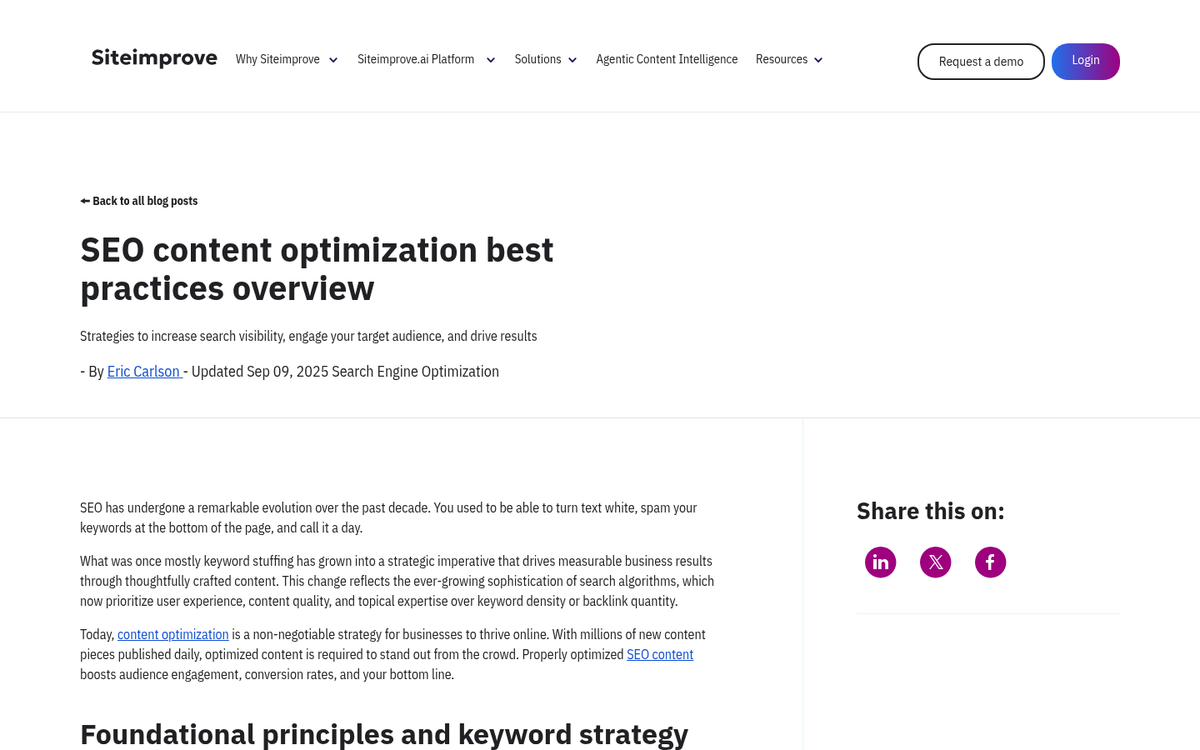
Optimizing your content and optimizing your site go hand in hand. There's a lot you can do to ensure your site appears in search results ranked as highly as possible. Make sure your code is clean and free of errors. Make sure you're staying within Google's webmaster guidelines. Make sure you're creating unique meta titles and descriptions for each piece of content. Make sure your site isn't duplicating content, and that you're not posting thin or AI-generated filler content, which Google has become increasingly effective at penalizing.
Having a blog alone gives your site a 434% better chance of ranking higher in search, and 66% of bloggers now use SEO as their primary traffic driver. That number speaks to how central optimization has become to content strategy.
The point of SEO is to get your site noticed by the search engines and by influential people. Once you've gotten their attention, you can use it to grow your site.
Sharing Content

You can share your content all over the Internet, but you need to be careful about how you do so. Sharing on social media is a good idea.
- Use Facebook for short and medium length posts and to establish a central hub for offsite communications.
- Use X (formerly Twitter) for timely and short-form communication, and for immediate, fast-response customer service.
- Use LinkedIn for professional networking, interacting with industry groups, and reaching a B2B audience. LinkedIn has grown significantly as a content platform in its own right.
- Use Instagram and TikTok for visual content and short-form video. Short video in particular has become one of the most effective ways to drive traffic back to longer written content.
- Use YouTube if you can repurpose your content into video format. It remains the second-largest search engine in the world and is a powerful discovery channel.
- Pick up and use any other social media site that your audience uses, or that you think you can use to build an audience.
Advertising
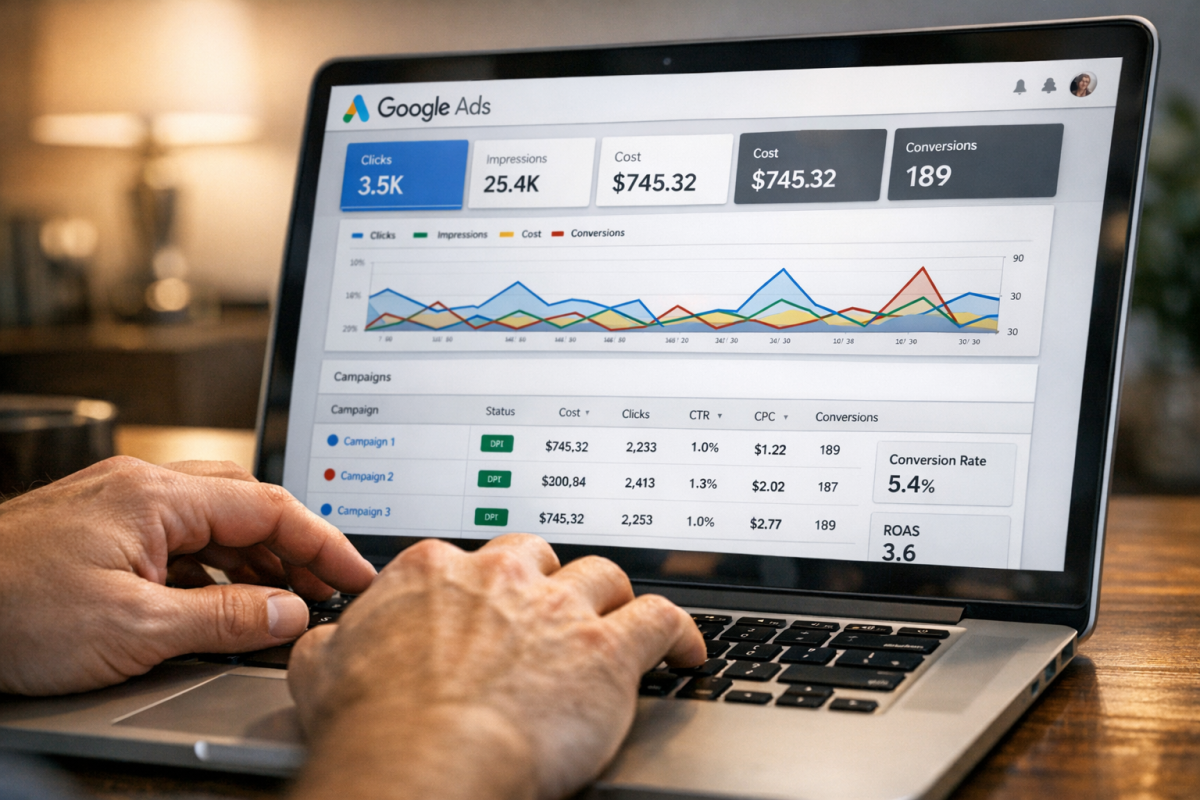
You can advertise in a few ways. You can invest in pay-per-click advertising, which gives you immediate visibility without a lot of long-term organic gain. You can use slower-burn strategies like guest posting and email marketing. Buying low-quality guest posts or link placements has continued to decline in usefulness and can actively harm your SEO if done carelessly.
PPC remains a significant skill to develop, and it's highly dependent on knowing your audience. The more you understand who you're targeting, the better you can craft ads that convert. Platforms like Google Ads and Meta Ads offer increasingly granular targeting options, allowing you to reach very specific demographics while excluding those unlikely to engage.
Email marketing is not the best tool for acquiring brand new readers, since your list already consists of people familiar with your content. It is, however, one of the most reliable ways to maintain consistent traffic through the inevitable fluctuations of organic search rankings.
Analytics and Split Testing

Use Google Analytics 4 (GA4), which replaced the legacy Universal Analytics platform. You can and should supplement it with other tools - such as Google Search Console, Ahrefs, or Semrush - but GA4 remains the foundation of any serious analytics setup and provides an enormous amount of actionable data at no cost.
When all of the above points mention understanding your audience, analytics are how you actually learn about them. You can track everything from traffic sources and geographic data to on-page behavior, scroll depth, and conversion events.
Put analytics to use and test everything. Write a post on a subject and see how it performs. Cover other subjects and compare. Double down on what resonates. Test ad targeting and creative, measure results, then iterate. This cycle of experimentation and adaptation is what separates blogs that grow from blogs that stagnate.
If your business has a local physical presence, take advantage of local SEO strategies. This includes maintaining an optimized Google Business Profile, gathering reviews, using location-specific keywords, and ensuring your site performs well on mobile for local searches.
Viral Content and Social Bookmarking

Some platforms function more as content discovery and aggregation tools than traditional social networks. Reddit remains one of the most visited websites in the world and continues to be a significant driver of viral content. Other platforms like Hacker News serve similar roles within specific niches like tech and startups.
Before diving into these communities with promotional intent, understand their culture thoroughly. Blatant self-promotion will get you ignored or banned. The most effective approach is to become a genuine participant first - contribute meaningfully, build credibility, and share your content only when it genuinely adds value to the conversation. If you're curious whether these platforms are worth your time, it helps to understand how social bookmarking fits into link building before committing to a strategy.
Blog Networks and Guest Posting

Building relationships with other bloggers in your niche remains one of the most underrated growth strategies available. Find blogs covering similar topics, engage with their content genuinely, and look for opportunities to collaborate - whether through content swaps, co-authored pieces, or simple cross-linking where it makes editorial sense.
Guest posting on reputable sites in your niche is still a valuable tactic when done with authenticity. The key distinction is intent: guest posting purely to manufacture backlinks is a negative SEO signal, but contributing genuinely useful content to relevant audiences - with a natural link back to your site - builds both authority and referral traffic over time.
1 response
Thoughtful replies only - we moderate for spam, AI slop, and off-topic rants.
Excellent post. Thanks for your nice post. It is very informative.
Website design and development