Key Takeaways
- Google doesn't penalize paid PR itself, but explicitly prohibits manipulative tactics like buying links or undisclosed paid placements.
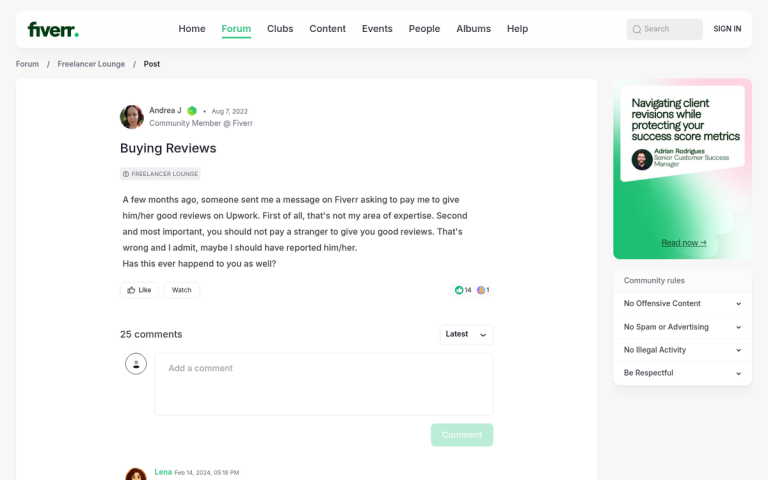
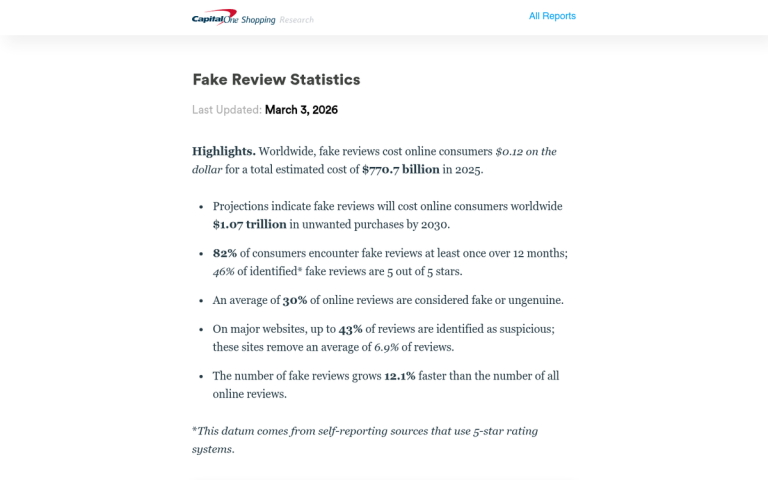
- Fake reviews are increasingly detectable by platforms and AI, and can trigger FTC scrutiny under tightened regulations - learn more about whether it's legal to buy Yelp and TripAdvisor reviews.
- Paid link schemes risk severe penalties; Google removed Interflora from search results entirely for two months in 2013.
- Legitimate PR focuses on earning genuine media coverage, encouraging honest reviews, and securing editorially relevant guest posts - similar to legitimate ways to build links to your content.
- Good PR agencies build real credibility through relationships and targeted outreach-money funds infrastructure, not manufactured trust. Understanding how Majestic Trust Flow works can help you measure that credibility over time.
Does Google Frown on Paid PR Services?
In public relations, they have a saying: advertising is what you pay for, publicity is what you pray for. Despite that, there are plenty of PR services offering to generate publicity for you in exchange for a cash infusion. In fact, PR is quickly becoming more effective than comparable advertising practices. After all, which would you rather have - a billboard proclaiming how great your product is, or a major publication doing the same thing?
The problem is, just like with advertising, there are plenty of paid PR strategies that simply don't work, and many that can actively hurt you. So do search engines frown upon paid PR?

The answer is a qualified no. Google doesn't care whether your PR was earned organically or supported by paid outreach - what it cares about is how it was done. Legitimate PR that builds real coverage and real links is fine. Manipulative tactics designed to game rankings are not. Google's official spam policies explicitly state that "buying links or participating in link schemes in order to manipulate ranking in Google Search results" is a direct violation - and with over 230,000 spam reports processed per day (with action taken on 82% of them), enforcement is very real.
Here are some common paid PR strategies and where they fall on the spectrum. It's also worth understanding whether buying traffic can hurt your Google rankings in a similar way, since both tactics raise comparable concerns about manipulating your site's performance in search.
Bad PR Strategy: Fake Positive Reviews
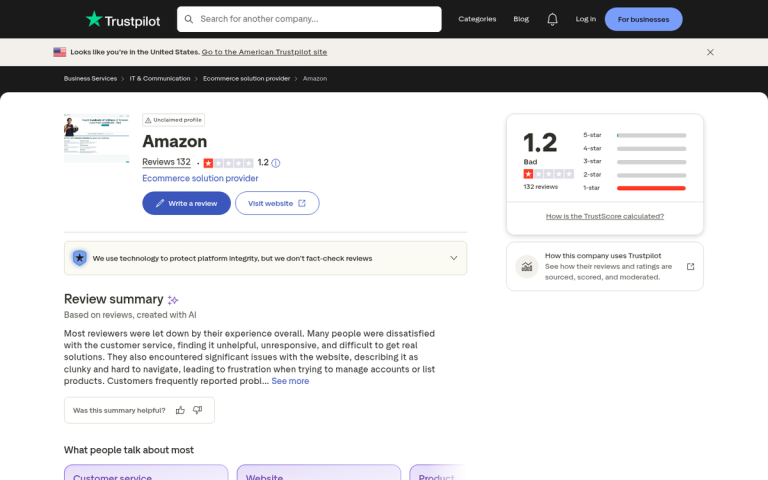
Shady PR companies will look at your online reputation, spot a few negative reviews, and immediately propose the same solution: flood the market with positive ones. After all, wouldn't you rather trust a company with 10,000 glowing reviews over one with five?
It's easy to spend a few hundred dollars at a content mill, buying fake reviews from people who have never interacted with your business. They're posted over a few days or weeks, and suddenly your reputation looks spotless. Right?
Not quite. Users have grown increasingly good at identifying fake reviews, and platforms like Google, Yelp, and Trustpilot have become far more aggressive at detecting and removing them. AI-assisted review fraud detection is now standard practice across major platforms. Beyond the platform risk, fake reviews can also expose your business to FTC scrutiny - regulations around fake and incentivized reviews have tightened significantly in recent years. Businesses already struggling with a sudden drop in Google traffic can ill afford the additional damage that comes from being caught using fake reviews.
Good PR Strategy: Addressing Negative Reviews
Rather than burying bad reviews under a pile of fake ones, a legitimate PR company will help you take real, proactive steps. For example:
- Encourage existing customers to leave honest feedback. Genuine positive reviews from real accounts carry far more weight than manufactured ones - with both users and algorithms.
- Reach out to people who left negative reviews and ask how you can make it right. A resolved complaint that results in an updated review is far more powerful than any fake five-star rating. If you sell on Amazon, there are also legitimate ways to solicit customer reviews that stay within platform guidelines.
- Contact review platforms to flag outdated or malicious reviews for removal. This doesn't always work, but when a review is demonstrably false or the underlying issue has been fully resolved, it can be taken down. Be cautious when selecting outside help, as there are scam networks to avoid that promise results they can't deliver.
Bad PR Strategy: Paid Spam Posts and Link Schemes
The logic sounds reasonable: blog posts with links back to your site boost your rankings and your word of mouth. Get yourself into enough minor publications and the major ones will follow. Build enough artificial momentum and real publicity will join the bandwagon.

It doesn't work that way - and it hasn't for a long time. Google's Penguin algorithm, launched back in 2012, was specifically designed to target paid link schemes and web spam. The consequences are very real: Interflora, a major UK florist, was removed from Google search results entirely for approximately two months in 2013 after being caught in a paid link scheme. Google has since issued over 4.3 million manual action messages to site owners for spam violations. If they'll do it to a nationally recognized brand, they'll do it to anyone.
Good PR Strategy: Identifying Guest Post Opportunities

Rather than spamming your link across low-quality sites, a good PR agency will research your niche and identify legitimate opportunities. They'll find industry-relevant blogs and publications where a contributed article genuinely adds value, and they'll work to get your brand mentioned, reviewed, or featured in an editorially earned way. The links that come from this kind of coverage are worth far more - to both your rankings and your reputation. Free tools for blogger outreach can help identify the right contacts and streamline this process considerably. If you're looking to attract quality authors and blog contributors, this kind of earned visibility also makes your platform more appealing to writers in your space.
Bad PR Strategy: Passing Off Paid Coverage as Editorial
One increasingly common gray area is paying for media coverage without proper disclosure. This is problematic on multiple levels. Google News policies explicitly prohibit content that "conceals or misrepresents sponsored content as independent, editorial content" - and sponsorship must be clearly disclosed to readers. Beyond Google's policies, the FTC has similar requirements in the United States. A PR agency that secures you "coverage" by quietly paying for it without disclosure isn't doing you any favors; it's a liability. If you rely heavily on this kind of traffic, consider whether your business can survive without Google traffic if these tactics eventually catch up with you.
Good PR Strategy: Convincing the Media to Cover You - For Real
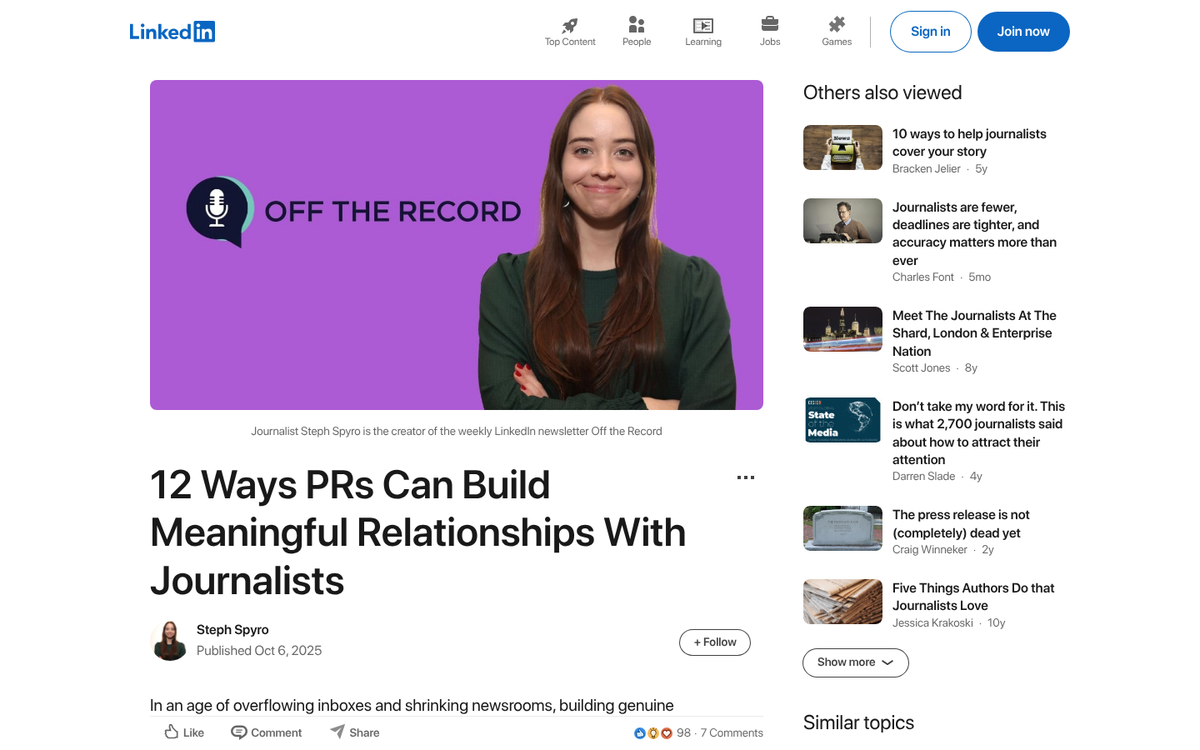
A legitimate PR agency earns coverage by making your story genuinely newsworthy. They build relationships with journalists, editors, podcast hosts, newsletter writers, and content creators in your space. They craft pitches that are actually worth running. They get your brand mentioned because it belongs in the conversation - not because someone cut a check. This kind of coverage drives real traffic, and links that Google has no reason to penalize.
The Core of Good Paid PR
Public reputations are earned, not bought. You can pay brand advocates to shout your praises all day, but audiences are more skeptical than ever - and algorithms are catching up fast. A good PR agency will instead identify people who are likely to become genuine advocates and approach them through legitimate means, whether that's product samples, exclusive access, or simply a well-timed pitch.
PR is fundamentally about building trust. Money can fund the infrastructure - the outreach, the relationship building, the content - but it can't manufacture credibility. That has to be earned.
The media landscape has also shifted considerably. Today, "the media" includes independent newsletters, YouTube channels, podcasts, LinkedIn creators, and niche online communities just as much as it includes newspapers and television. A good PR agency in 2026 understands that and casts a wide, targeted net.
In the end, no - search engines don't frown upon paid PR services. What they frown upon are the black hat techniques that some unscrupulous agencies use: fake reviews, link schemes, undisclosed paid placements, and content designed to manipulate rather than inform. There's nothing inherently wrong with paying for PR. There's plenty wrong with paying for the wrong kind.