Key Takeaways
- Repurposing content avoids duplicate content penalties when you add new value rather than reposting unedited material.
- Blog posts can be converted into infographics, videos, podcasts, or ebooks to reach new audiences across different platforms.
- Updating old temporal content preserves accumulated links and references while keeping information competitive and relevant today.
- Always promote repurposed content, including edited posts, since Google must re-crawl pages to register any changes made.
- Never strip unique value when adapting content between formats; each version must offer something the other doesn't.
Reusing old content seems like it'd paint a huge target on your back, but is that really the case? Well, if all you're doing is reposting unedited content, sure; you're going to have a duplicate content problem. Instead, repurpose your content in a constructive way and you can avoid penalties and boost your blog in one swift action. Here are some guidelines to keep in mind.
Do: Convert Blog Posts into Infographics
Infographics are eminently shareable and are a great way to get something with your brand name on it out in the wild, so to speak. They're also somewhat annoying to create, when you have to do a bunch of research and compile statistics, come up with conclusions, lay it all out and illustrate it. There are tools that can help you create an infographic in an hour or less, which makes the whole process much more manageable.
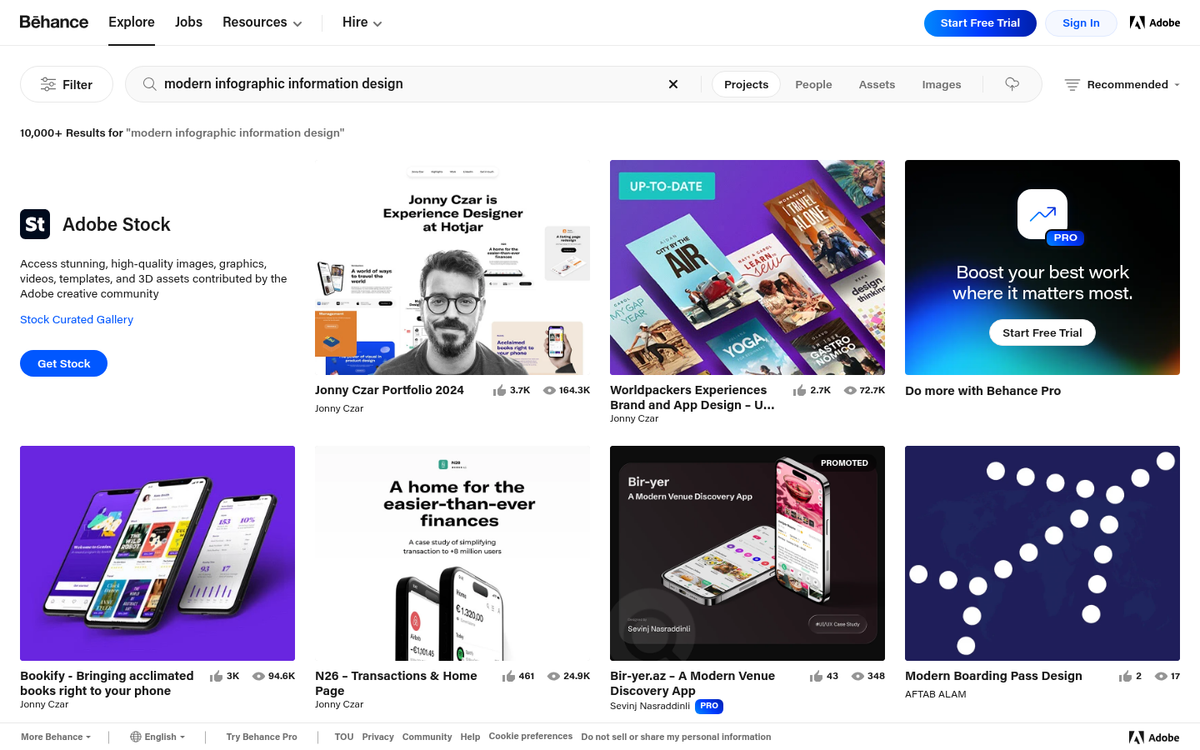
If you have blog posts that include case studies or statistics that would look good in a graphical format, you can reformat that blog post into an infographic. You can even edit the old blog post to include it, and link to the post on the graphic itself, to further cycle the traffic you gain around your site. Tools like Canva let you create infographics for free, making it easy to get started without any design experience.
Don't: Re-Create Infographics with No New Information
Sometimes, your old blog posts came from infographics themselves. Sometimes another infographic already exists covering that information. Just like anything else, strive to make your content unique. Don't re-create an infographic based on an older graphic, unless you have something significantly new to add.

It doesn't need to be much. Cover the same statistics in a new way and add new conclusions. Update old statistics and make an updated version of the old graphic. Generally try to bring something new to the table, regardless of what that something may be.
Do: Update Old Content for New Realities
Things change. Nothing changes faster than the news. When you're writing blog posts, they fall into one of two categories: evergreen and temporal. Temporal blog posts are relevant, even popular, for a short time before they lose their appeal. The longer it has been since they were written, the less likely they are to be relevant.

If you're repurposing old blog posts, look for posts that cover subjects that are relevant today but are using information from the past. For example, an article about guest posting for SEO from three years ago will look very different from what's relevant today. You can take that resource - with all of the links and references it has accumulated - and update it. Keep in mind that companies with active blogs see 55% more website visitors and 97% more inbound links than those without, so refreshing old content to keep it competitive is well worth the effort.
Don't: Waste Time Salvaging Completely Dead Content
Some content just can't be salvaged. It's too old, it's too thin, it's about a subject that's no longer relevant. For example, a post about the upcoming release of a years-old smartphone isn't going to be valuable to anyone except as a historical relic. Subsequent devices have long since launched, and any actually relevant information can be found on wiki pages or archived press coverage. There's no reason to try to revamp or repurpose that content.
Note: you shouldn't delete old, potentially valueless content without a plan. It won't necessarily hurt you to keep it around, but the 404 pages that come from removing it without redirects could hurt you over time.
Do: Promote Repurposed Content
When you edit an old guide to comply with modern rules and information, or you create a new video based on an old blog post, don't forget to promote that content. This is particularly true of editing old pieces. No one can see that you made those edits unless they check or you tell them. This includes Google; they need to re-crawl and re-index your page to notice the changes.
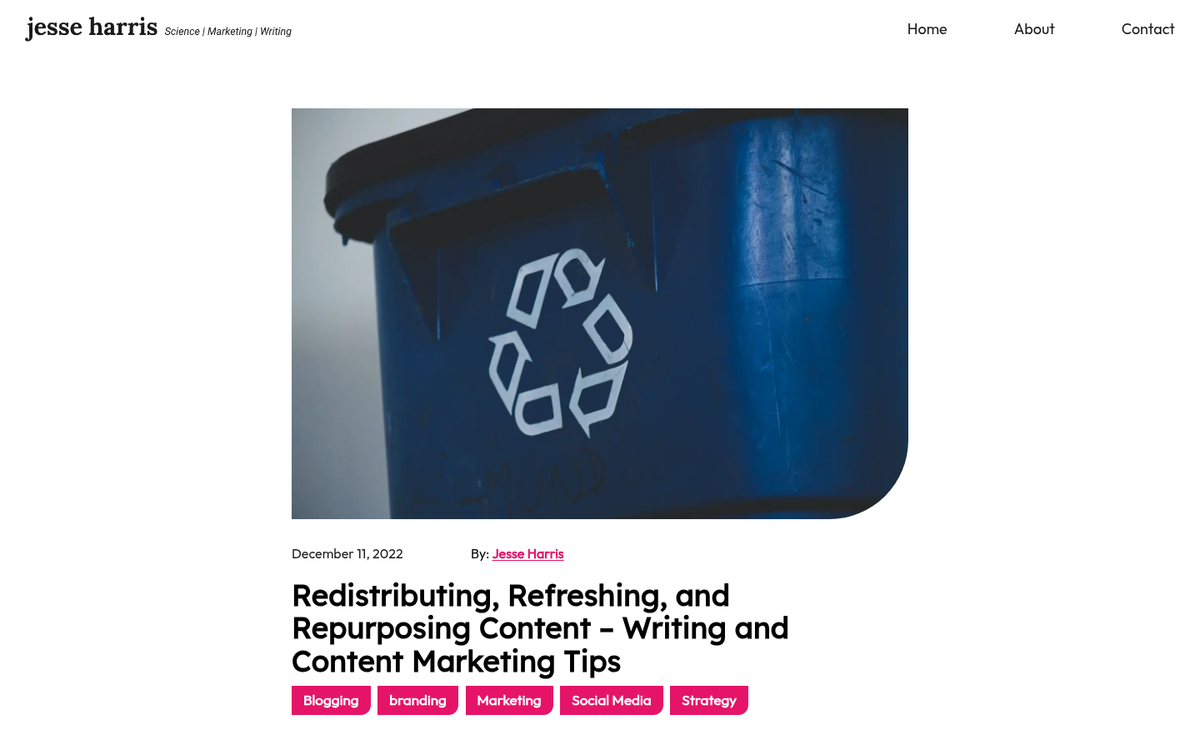
When you're creating new content based on old content, like a video or infographic, you can promote it in addition to promoting the edited old content. This gives you an extra vector for incoming traffic. Check out the best ways to promote your new blog posts to make the most of your repurposed material.
Don't: Claim the Content is Brand New
You don't want someone to call you out on using old content in a way it wasn't intended. For example, if you take a two-year-old blog post and make it into a video word for word, you're not creating new content, you're just changing the format of the existing content. This is more redistribution than it is repurposing.

In general, whenever you're repurposing old content, you should add a "based on" line with a link to the original content. If you're editing old content, you don't need this; it would be cyclical and useless.
Do: Convert Blog Posts into Videos or Podcasts
Blog posts, particularly compelling posts and popular articles, can be made into audiovisual media for an extra audience and new wave of viewers. Take the blog post and make it a script, and read that script as a podcast. Take that podcast and add animation or footage to make it a video. Post these pieces of content in the appropriate places - Spotify, YouTube, Apple Podcasts, or wherever your audience lives - and share them around.
Keep in mind that you may have to do some minor or significant editing of the blog post to make it suitable for a script. Some posts just don't work well in an audio format. If you're posting to YouTube, it's worth understanding how YouTube counts video views so you know what kind of traction you're actually getting.
Don't: Ignore Reader Comments
One great way to add new life to old content is to take reader feedback into consideration. When a user asks a question, post their question as an edit in the blog post and add your answer there. If a particularly insightful user adds their comment, feature that comment in a spotlight. This gives you extra content you didn't need to work for. Just make sure to fact-check what they say, so you're not parroting something blatantly incorrect.
Do: Use a Post as the Base for an EBook
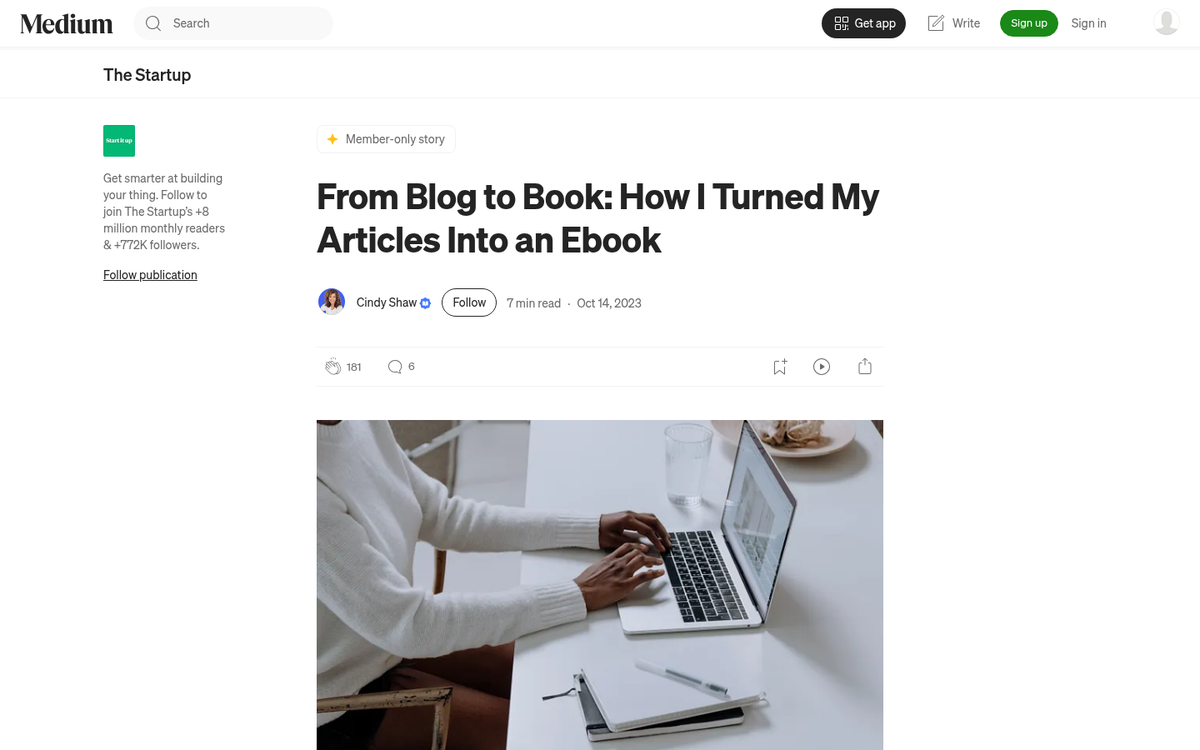
If you have particularly lengthy posts or evergreen guides, you can take those and use them as basic outlines for an ebook. For example, take this post; each section could be expanded into a detailed chapter covering exactly how to accomplish each step, and published as an ebook. According to content repurposing research, a comprehensive ebook of 50 or more pages can typically be divided back out into 8 to 12 individual blog articles ranging from 1,500 to 2,000 words each - meaning the relationship between ebooks and blog posts is genuinely two-way.

The caution here is to make the ebook valuable enough that it doesn't fall flat. You can't just copy and paste blog posts and sell them; the content is already free publicly. You need something behind the paywall that users can't get any other way. Learn more about why your ebook might not be getting enough sales to avoid common pitfalls.
Don't: Break an EBook Down Into Blog Posts Without Adding Value
This is the same problem in reverse; if you have an ebook and break it down by simply publishing chapters individually without expanding or updating them, you're removing the unique value from the book. If users can find every chapter online for free in exactly the same form, they'll never buy the book. The key is to ensure each blog post adaptation adds context, updated data, or new examples that weren't in the original. If you're looking to increase your ebook sales, protecting that unique value is essential.
Next time you're struggling for an idea for what to do, take a look at your old content. With B2B companies that blog consistently generating 67% more monthly leads than those that don't, and the average blog post taking nearly four hours to write according to Orbit Media Studies research, the math strongly favors repurposing what you already have rather than always starting from scratch. You might find something valuable hiding in plain sight.