Key Takeaways
- Quality video requires four key elements: strong visuals, clear audio, structured scripting, and confident on-camera presentation.
- Audio quality matters more than video quality; viewers tolerate soft visuals but quickly leave when audio is poor.
- Niche specificity is critical for review channels; focused topics build loyal audiences and stronger search visibility.
- Faceless channels using AI voiceovers and stock footage let creators build audiences without ever appearing on camera.
- Success requires consistent output and patience; technology is no longer the barrier-commitment and clarity of purpose are.
Video blogging has become one of the most viable paths to a full-time creative career. Creators are building full-time careers through YouTube, TikTok, Instagram Reels, and even newer platforms, monetizing through ad revenue, brand deals, memberships, merchandise, and direct fan support through places like Patreon. Of course, for every successful creator, hundreds more try and quietly disappear. Building a successful video channel takes personality, charisma, and the skills and technology to produce content people actually want to watch.
Before I dig into giving you ideas for video blogs themselves, first let's talk about what it takes to produce quality video content. Video blogs aren't for everyone, you see. If you want to make it, you'll have to be prepared for the work you're going to have to put in.
Making Quality Videos
There's quite a bit that goes into a quality video. But it can all be boiled down to four things.
- Video
- Audio
- Script
- Presentation
For video, the first thing you'll have to choose is if you're shooting live action footage, doing screen recordings, or making some form of animation or motion graphics, and each strategy has its own requirements. Live action is accessible but you're going to need decent equipment and an eye for framing. Animation and motion graphics take quite a bit of either artistic skill or budget. But they free you from needing a camera setup entirely.
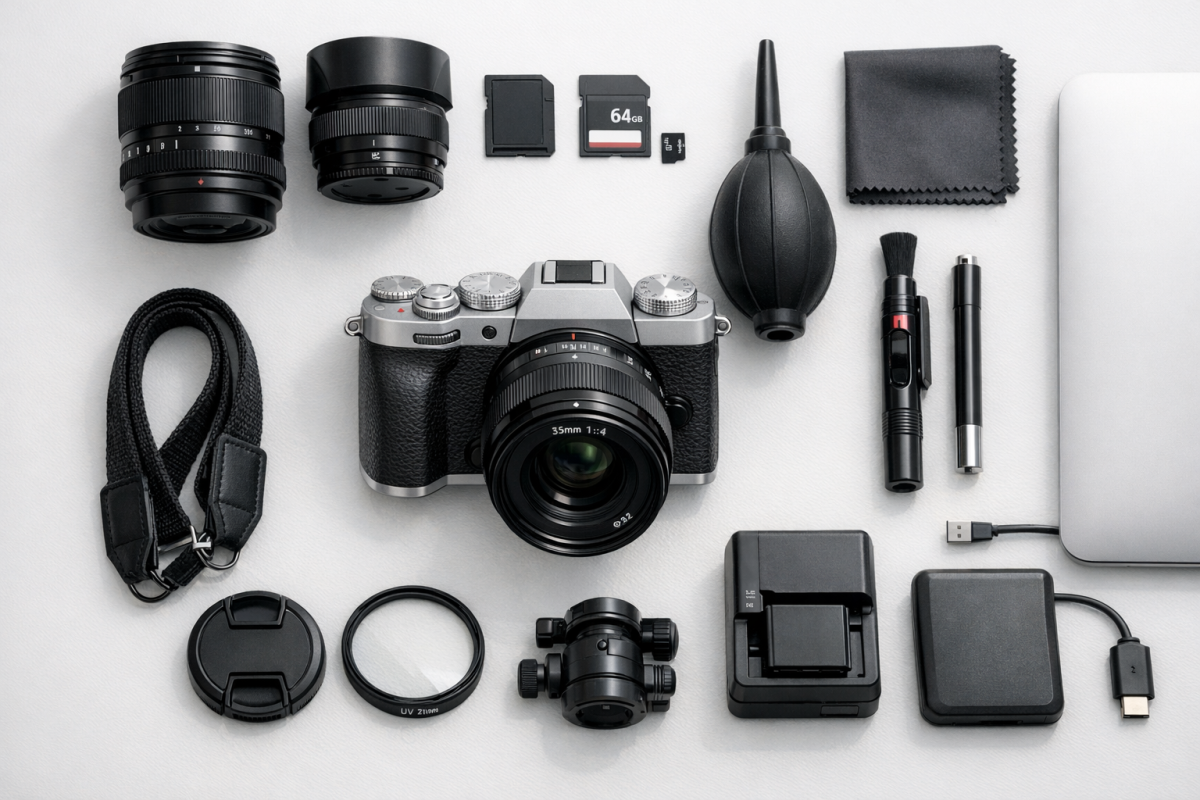
Camera quality is the first big video concern. The good news is that modern smartphones shoot in 4K, so the barrier to entry is lower than ever. That said, lighting matters far more than most beginners know. A well-lit shot on a mid-range phone will look more professional than a poorly lit shot on an expensive camera. Buy a basic ring light or softbox before you invest in anything else.
Your editing needs to be clean and purposeful. Audiences in 2026 are accustomed to polished content. Bloated intros, dead air, and awkward cuts will kill your retention rate. Tools like DaVinci Resolve, CapCut Pro, and Adobe Premiere remain the favorite options, and AI-assisted editing tools have made the process faster for creators who learn to use them well.
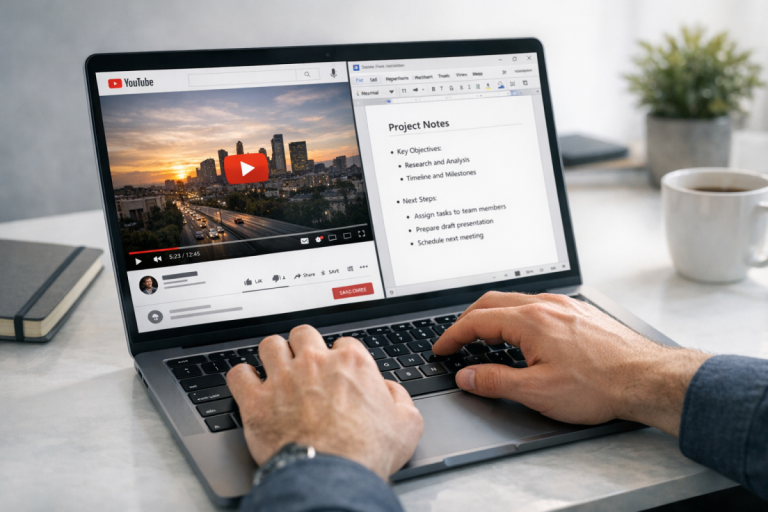
Audio is arguably more important than video quality. Viewers will tolerate slightly soft visuals. But they will click away immediately if your audio is hard to follow. A budget USB condenser microphone or a clip-on lavalier mic will make a dramatic difference over any built-in laptop or phone microphone. Background music and sound design should complement your content without competing with your voice.
Be careful of copyright. YouTube's Content ID system, and similar systems on other platforms, will flag unlicensed music quickly. Royalty-free libraries like Epidemic Sound, Artlist, and YouTube's own Audio Library give you plenty of options.
Script and structure are where most new creators struggle. You usually can't read a written post aloud and have it land well on camera. Conversational scripts, bullet-point outlines, and teleprompter apps have all become standard tools for creators who want to sound natural while staying on message. Practice is the only cure here.
Presentation covers what used to be called acting, but it applies even if you never show your face. How you pace your delivery, how you hook viewers in the first few seconds, and how you communicate your ideas all fall under this category. On-camera comfort takes time to develop. Many successful creators will tell you their first fifty videos were legitimately bad, and that's normal. Commit to the process and you'll improve.
One change since the early days of video blogging is the rise of faceless channels. With AI voiceovers, stock footage, and motion graphics, creators are building big audiences without ever appearing on camera. It removes the presentation barrier considerably, though it introduces its own creative and production challenges.
Now, about the topics. One thing I've learned over the years is that anything can succeed with high enough production values, enough attention, persistence, and volume. Video blogs tend to fail when they produce poor content, or when they don't produce enough content on a schedule. In fact, it can take years to see results from blogging, and the same patience applies to video.
The topics I've provided below are all very general. They're wide open topics within which you can find a niche and build up a successful video blog. It's up to you for the brainstorming, find the passion, and build the videos. Tools like these topic and title generators can help you narrow down your focus when you're just getting started.
Questions and Answers
This is less of a topic and more of a format. Establish yourself as an expert in something, it doesn't matter what. Maybe you're a marketer, maybe you're a software developer, maybe you're a climate scientist, maybe you're a small business owner. Come up with a list of common questions asked in your industry and produce videos answering them in depth.
Once you build an audience, your viewers will start submitting their own questions through comments, community posts, or places like Substack and Discord. At that point, your content pipeline can become largely self-sustaining. Community Q&A formats have proven especially helpful on YouTube's longer-form content. But short, punchy answers work well as Shorts or Reels to pull in new viewers.
Niche Product Reviews
A product review channel can be very lucrative. You can monetize through affiliate programs like Amazon Associates, direct brand sponsorships, and platform ad revenue. The key is to pick a narrow niche and dominate it. It's tempting to review anything you own. But unfocused channels have a hard time building loyal audiences.
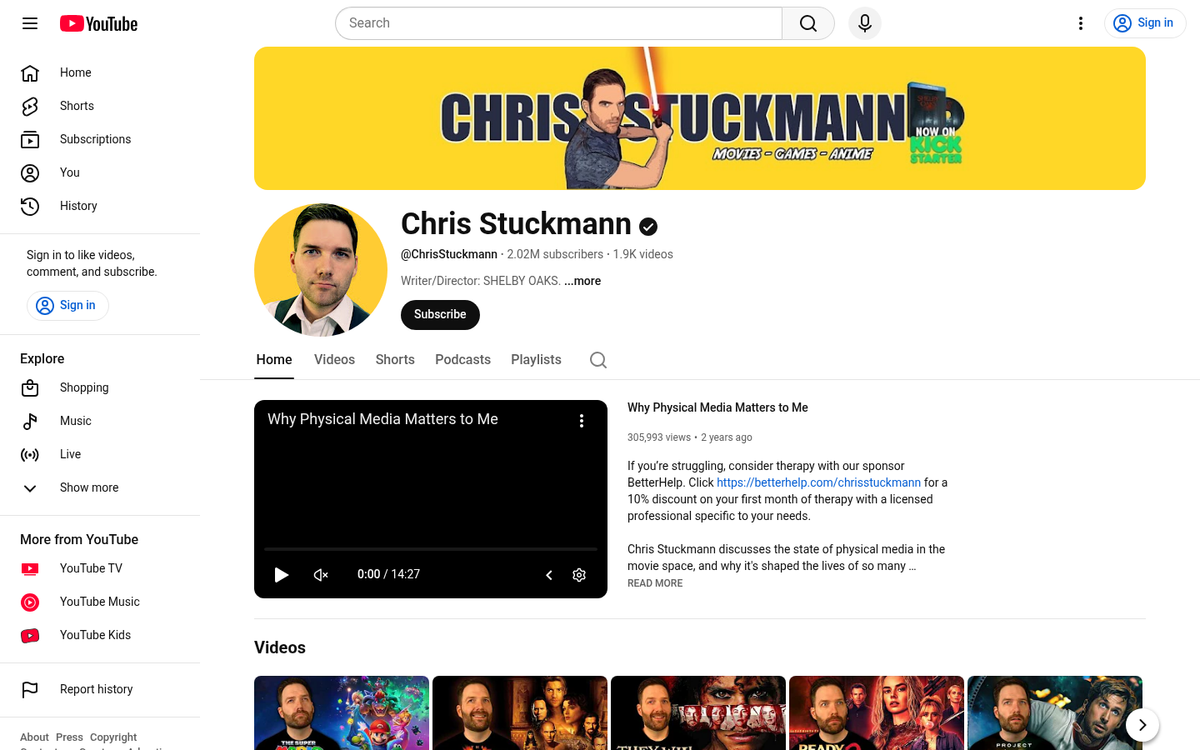
The more specific, the better. Instead of "tech reviews," think "budget mechanical keyboards under $100" or "compact mirrorless cameras for travel vloggers." Specificity helps you rank in search, draw the right viewers, and position yourself as a genuine authority instead of a generalist.
Once you reach a level of prominence, manufacturers will send products for review at no cost. Disclosure requirements are stricter than ever under FTC laws, so be transparent about sponsored content and gifted items. Audiences in 2026 have a sharp eye for undisclosed promotions, and the reputational damage from getting caught isn't worth it.
Media Reviews
Media reviews work in much the same way as product reviews. But the format is very flexible. Reviewing television episodes, films, books, video games, albums, comics, or social media trends can all build dedicated communities. The streaming era has made episodic TV review content especially popular, as audiences actively look for conversation and analysis after watching something they enjoyed.
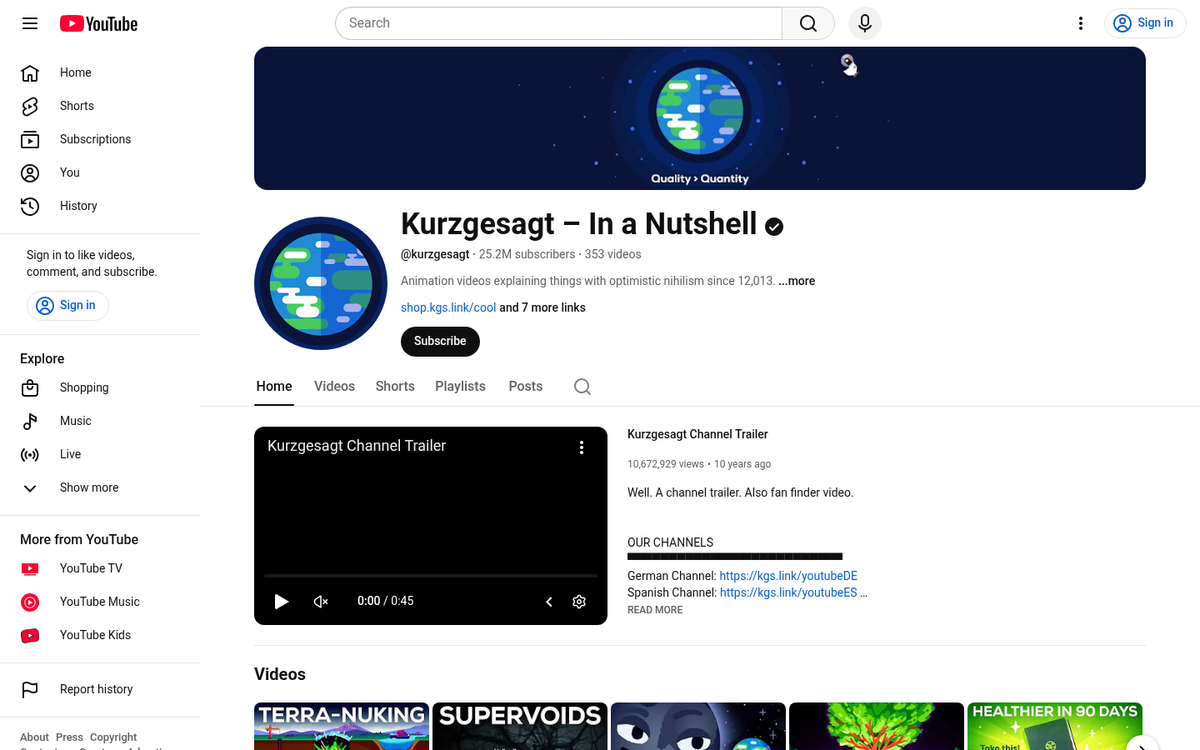
The key is to push past surface-level reactions and give viewers genuine insight. The difference between a successful review channel and a forgettable one is usually the difference between "I liked it" and "here's exactly why it works, or doesn't, and what that means."
Explanations of Concepts
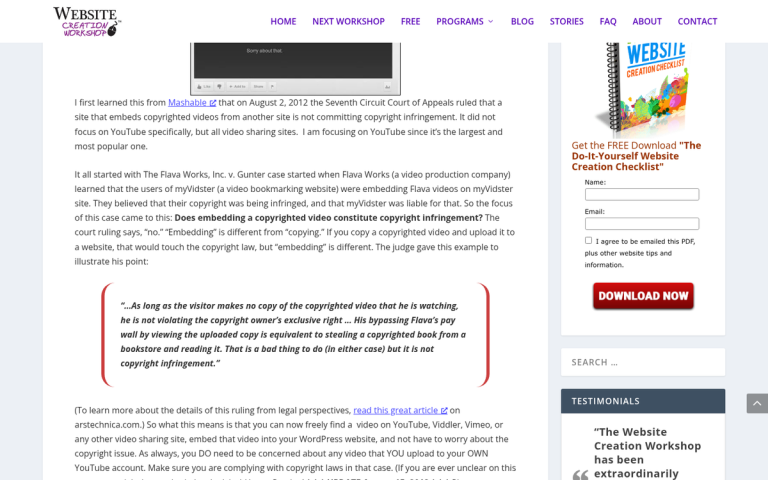
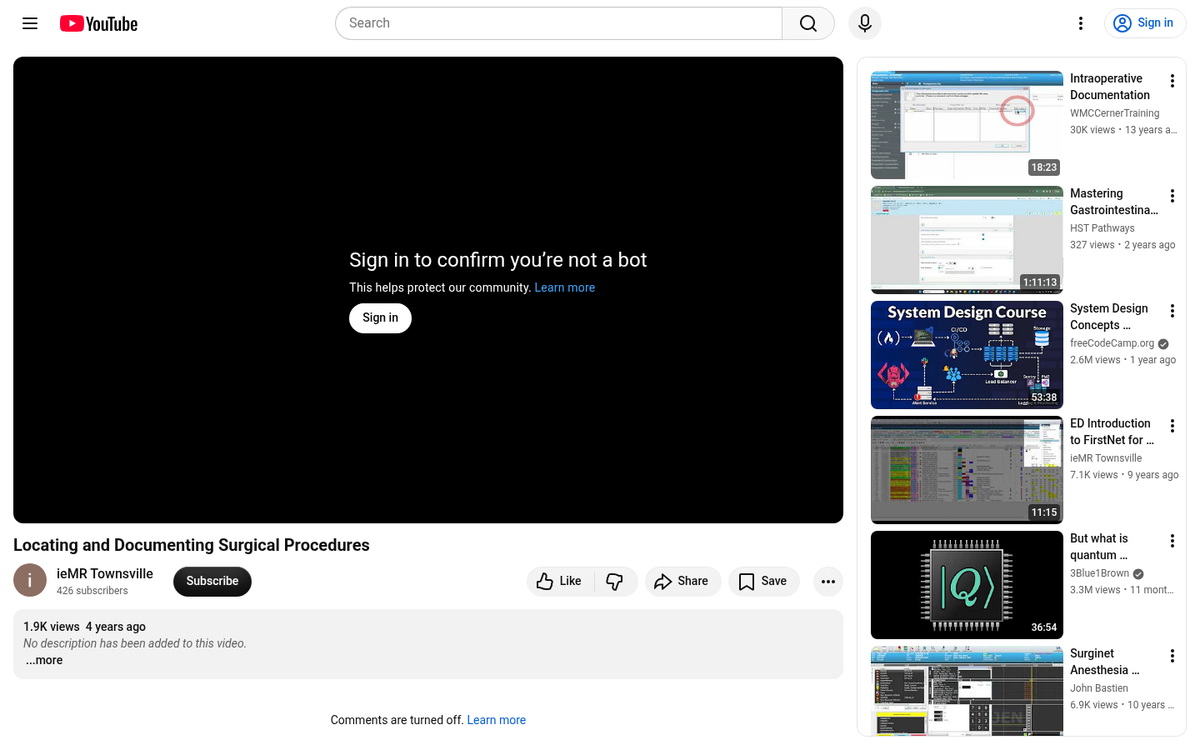
Educational explanation channels remain one of the most enduring formats on YouTube. Channels like Kurzgesagt, Veritasium, and 3Blue1Brown have demonstrated that even tough subjects, from quantum mechanics to geopolitical history, can draw massive audiences when explained clearly and compellingly. If you plan to embed YouTube videos in your blog alongside written content, it's worth knowing the legal side of things first.
The rise of AI and its implications for everyday life has also opened up a giant lane for creators who can explain technical concepts in plain language. If you can make a tough idea feel accessible, there's a very large and growing audience waiting.
Interesting Personal Happenings
Personal vlogs are harder to make work than they look. Very few people are strong enough on camera to build an audience around their life alone. However, if there's something legitimately interesting about your circumstances, your job, your lifestyle, or your perspective, it's worth exploring.
The most successful personal channels tend to anchor themselves around a central angle instead of pure diary content. A surgeon documenting unusual cases in a way that's educational and ethical, a solo traveler looking at off-grid communities, or someone documenting a dramatic career change can all find audiences. The key is giving viewers a reason to come back beyond simply liking you as a person.
Videogame Content
Gaming content has matured since the early Let's Play boom. Pure unedited gameplay with a facecam screaming at jump scares is a much harder sell in 2026 than it was a decade ago. The space has become more sophisticated, and the creators thriving in it tend to offer something beyond basic playthrough footage.

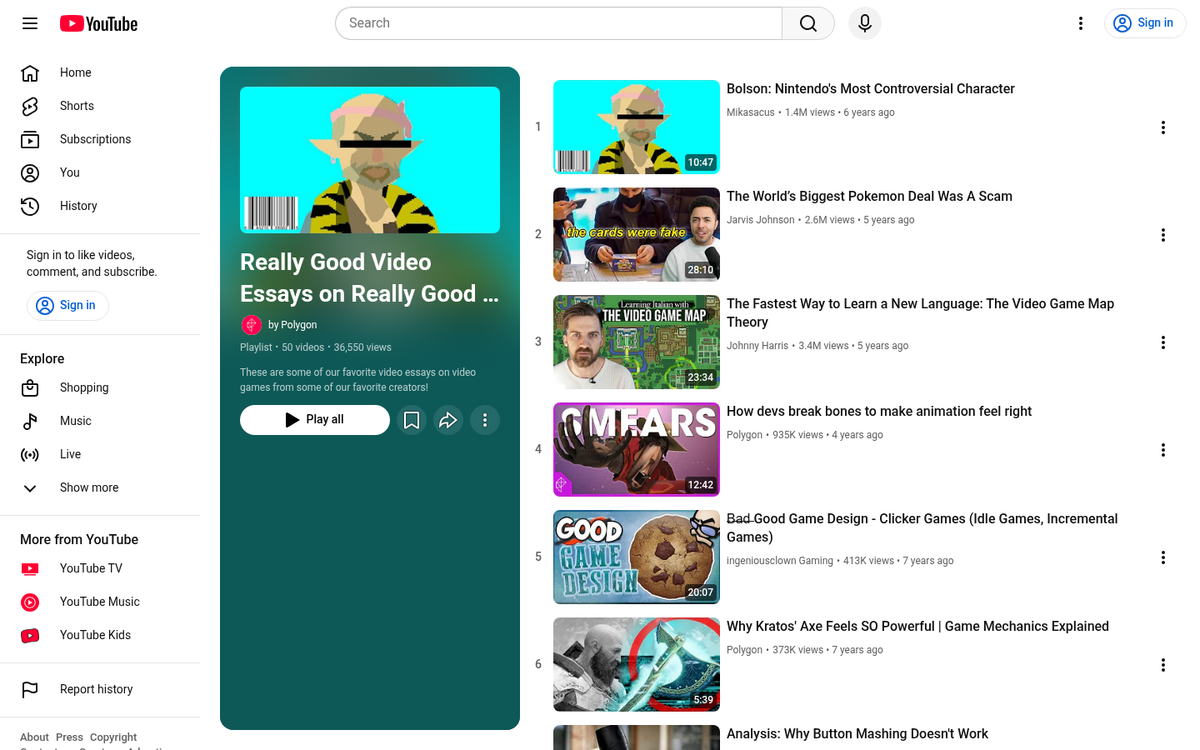
Essay-style video game analysis, lore deep-dives, speedrunning coverage, game design critique, and retrospectives on classic titles have all carved out strong niches. Channels that blend genuine insight with production quality are outperforming those relying on volume and personality alone. The indie game space also continues to offer opportunities for creators willing to spotlight smaller titles that bigger channels ignore.
Fitness and Wellness
The fitness content market remains large and continues to evolve. Post-pandemic changes in how people approach health, combined with growing awareness around mental wellness, longevity, and sustainable habits, have opened up new angles beyond traditional workout tutorials.
Content around strength training for specific demographics, recovery and injury prevention, the science of sleep and nutrition, and honest breakdowns of fitness trends and supplements all perform well. The most important thing is accuracy. Fitness misinformation spreads quickly online, and audiences have become more skeptical. If you have genuine credentials or expertise, lead with that. If you don't, be transparent about your perspective and encourage viewers to consult professionals for medical decisions. Expert tips for new content marketers can help you build credibility and structure your content the right way from the start.
Sustainable Living and Environmental Topics
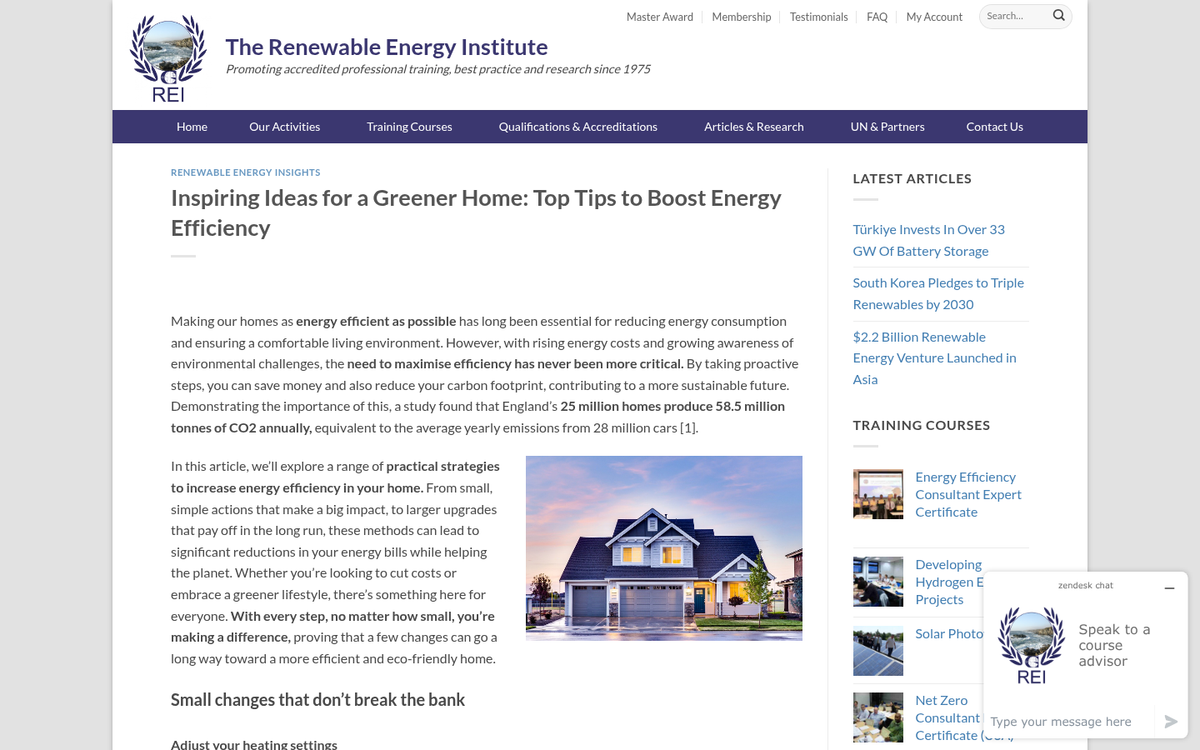
Climate change, energy costs, and supply chain pressures have pushed sustainable living content well into the mainstream. It's no longer a niche corner of the internet. Audiences are actively looking for helpful, practical guidance on how to cut back on waste, lower energy bills, make sustainable purchasing decisions, and understand environmental policy.
You can take this in many directions. Product reviews of sustainable goods, homesteading and off-grid living content, breakdowns of renewable energy options for homeowners, or honest critiques of greenwashing in corporate marketing all have audiences. Credibility matters here, as does nuance. Viewers are drawn to creators who acknowledge difficulty instead of offering oversimplified solutions.
Career and Financial Education
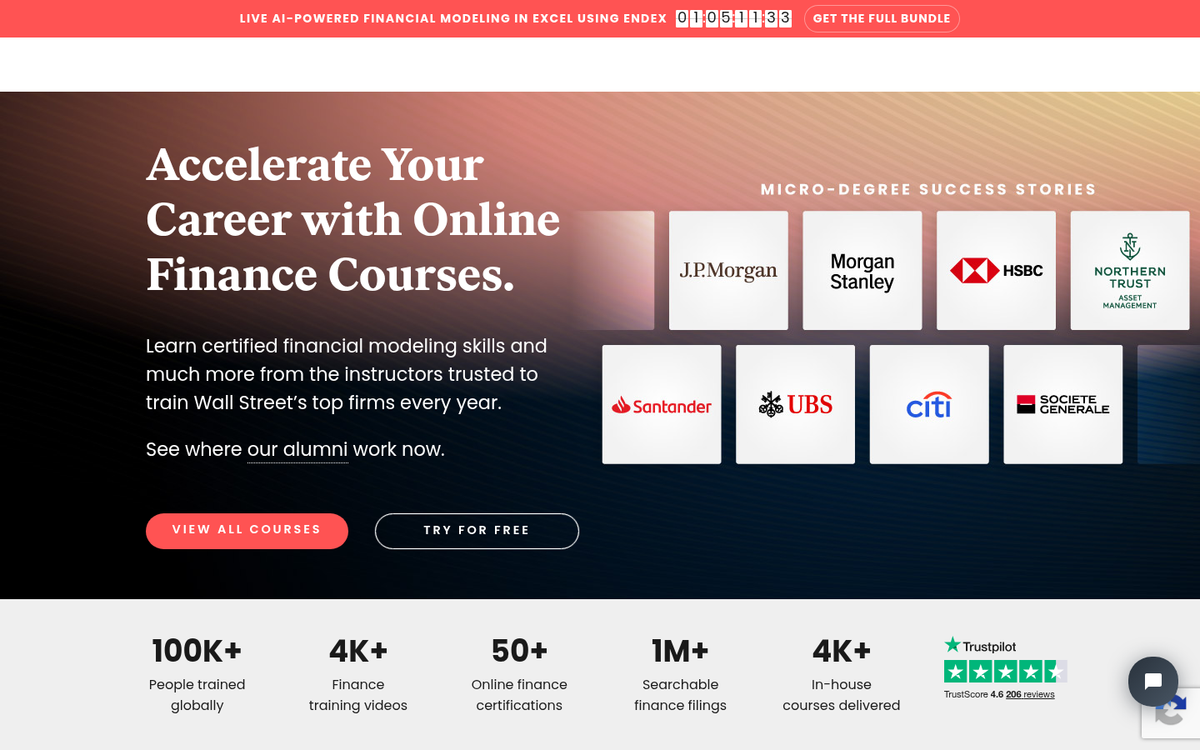
Career and personal finance content has exploded in relevance over the past few years. Economic uncertainty, a fast-changing job market shaped by AI automation, rising costs of living, and widespread dissatisfaction with traditional career paths have created a giant audience hungry for helpful guidance.
Resume and interview coaching, freelancing and independent contracting advice, investing basics, debt management, and honest discussions of income and career pivots all perform strongly. If you can combine genuine expertise with relatable storytelling, this space has monetization potential through courses, consulting, books, and brand partnerships.
Music Coverage
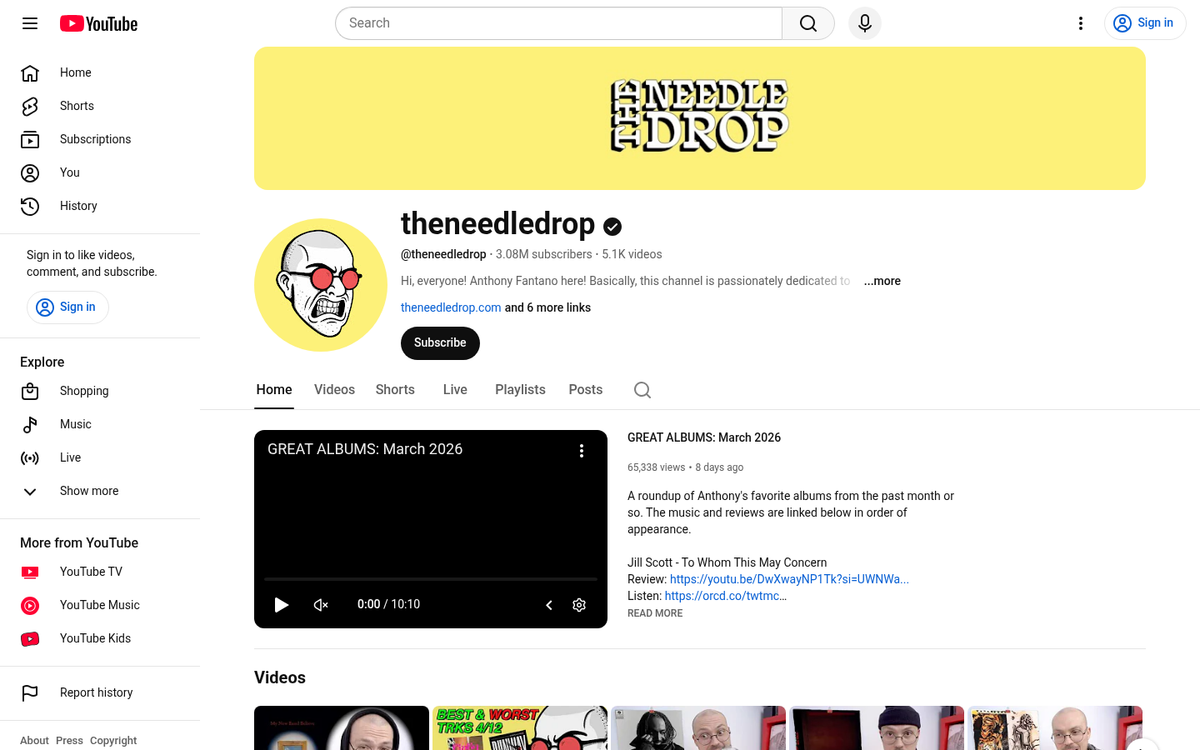
Music content works well in video format, though rights issues remain a genuine challenge. Reviewing albums, breaking down music theory, covering the independent and local music community, or documenting live performances all have dedicated audiences. Short-form breakdowns of music production techniques have also found a strong home on platforms like TikTok and YouTube Shorts.

The rights landscape has become somewhat clearer over the years, with licensing options more accessible than they once were. But it still requires close attention. Fair use gives some protection for commentary and criticism. But it's not a guarantee, and platforms will restrict or demonetize flagged content while disputes are resolved.
Tech Tutorials and AI Tools
Technology tutorial content has never been more in demand. The rapid proliferation of AI tools, software updates, new hardware, and growing platforms means that millions of people are always looking for clear guidance on how to use the tools available to them. If you want to make the most of your content efforts, reviewing the top tools for advanced content marketers can help you stay ahead.
Tutorials covering AI tools in particular have been among the fastest-growing content categories over the past two to three years. If you can explain how to get real value out of tools like ChatGPT, Midjourney, Notion AI, or the dozens of other platforms that have emerged, you are addressing a genuine and immediate need. Screen recording software makes this type of content relatively easy to produce, and it has some of the strongest evergreen search traffic potential of any video format.
Cooking
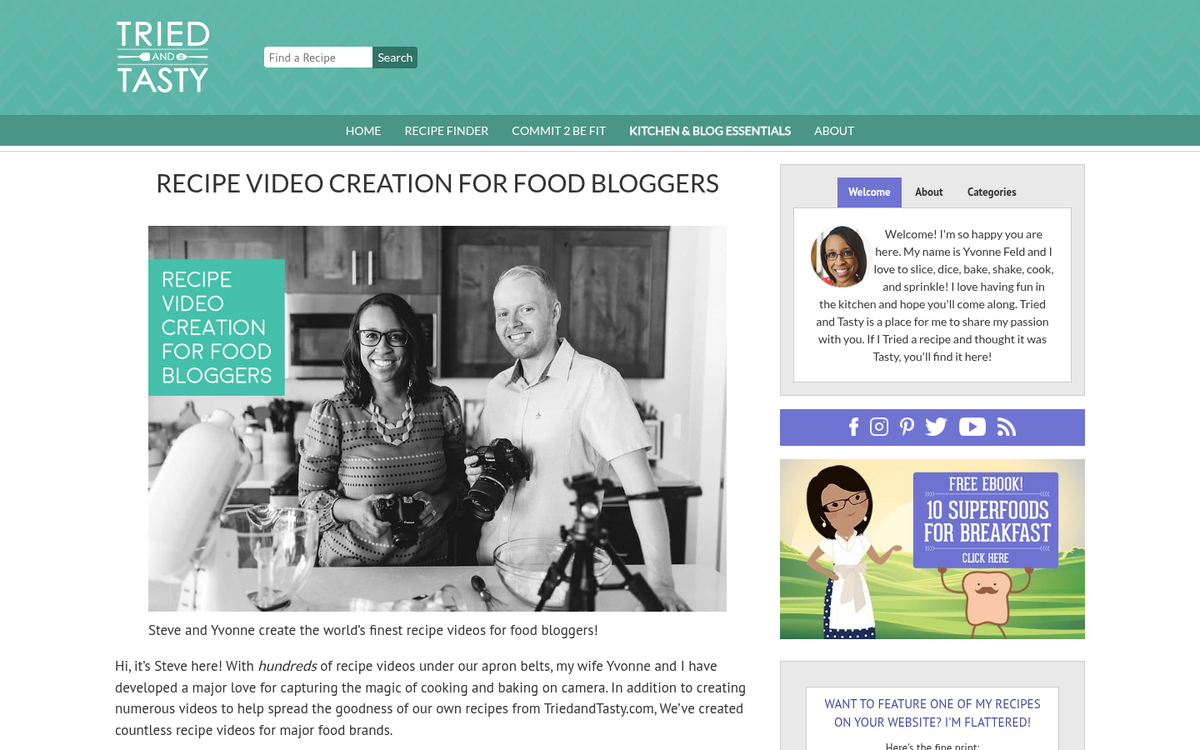
Cooking content remains one of the most popular categories online. The format has diversified well beyond traditional recipe walkthroughs. Budget cooking, meal prep for specific dietary needs, cultural cuisine exploration, food science and technique breakdowns, and recipe testing or recreation videos all draw strong audiences.
Short-form cooking content has proven especially effective. Quick, visually satisfying recipe videos perform extremely well on YouTube Shorts, TikTok, and Instagram Reels and can be a top-of-funnel audience builder that drives viewers to longer content or a recipe website. If you have a genuine passion for food and a decent setup for filming overhead or close-up shots, this is a space with room to grow. To maximize the impact of that content, explore tips to make your blog posts more effective when publishing recipes and guides on your site.
Documentary-Style Storytelling
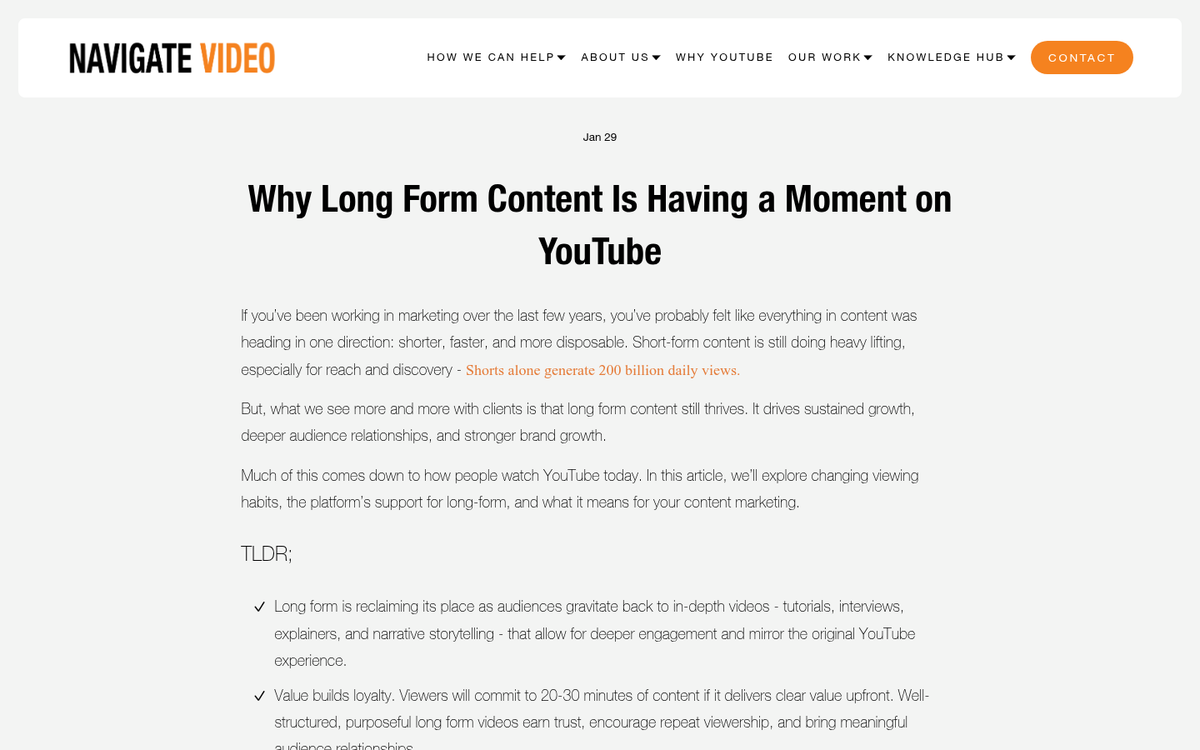
Long-form documentary content has found a fairly large audience on YouTube and similar platforms. Deep dives into obscure historical events, investigative reporting on niche industries, profiles of unusual subcultures, and narrative explorations of complex topics have all proven that audiences will watch long-form content when the subject matter earns their attention.
This format requires more research and production effort than most. But it also tends to draw a more engaged and loyal audience. If you have journalism instincts, a fascination with untold stories, or the ability to synthesize complex information into compelling narratives, documentary-style video is worth consideration.
Animal Content
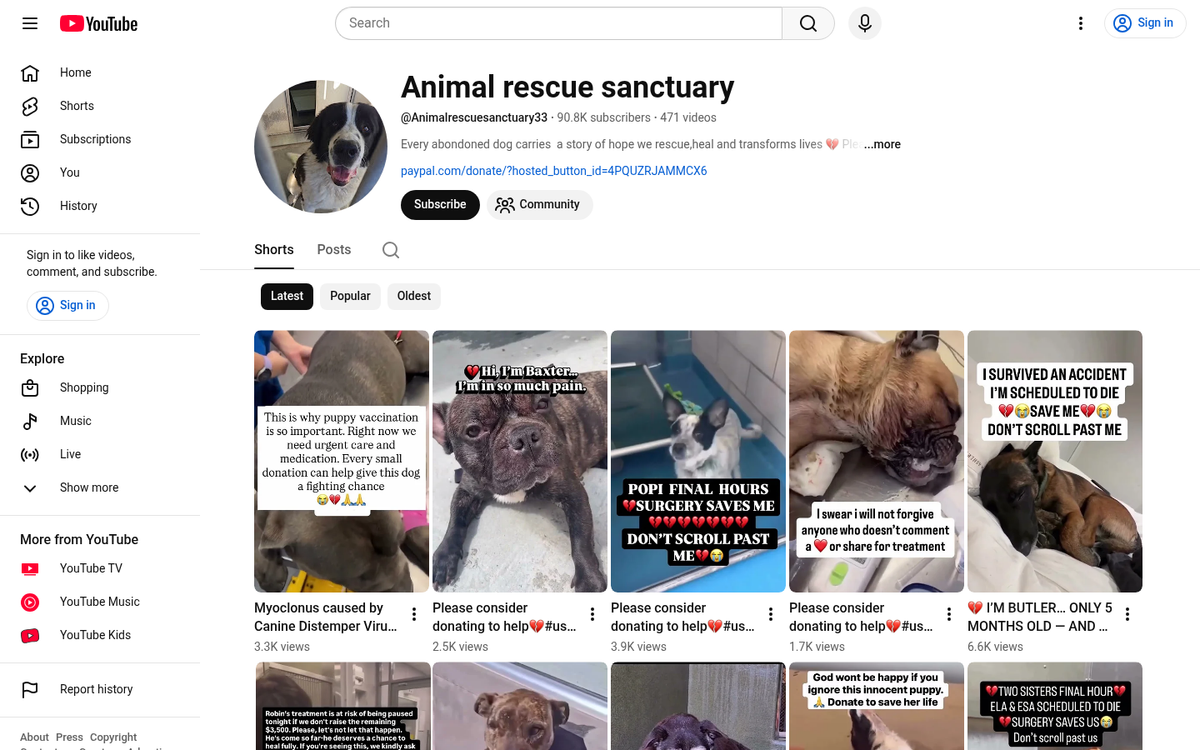
Animal content has powered the internet since the beginning and shows no sign of slowing down. However, the format has evolved well beyond simple viral clips. Channels built around wildlife education, specialized pet care, animal rescue and rehabilitation, and behind-the-scenes looks at zoos or sanctuaries have built large, dedicated communities.
If you work with animals professionally or have genuine expertise in animal care or behavior, that credibility goes a long way. Audiences respond strongly to content that combines the emotional appeal of animals with genuine information and care. Understanding how to measure the return on your content can help you grow these communities more strategically.
Paranormal and Mystery Coverage
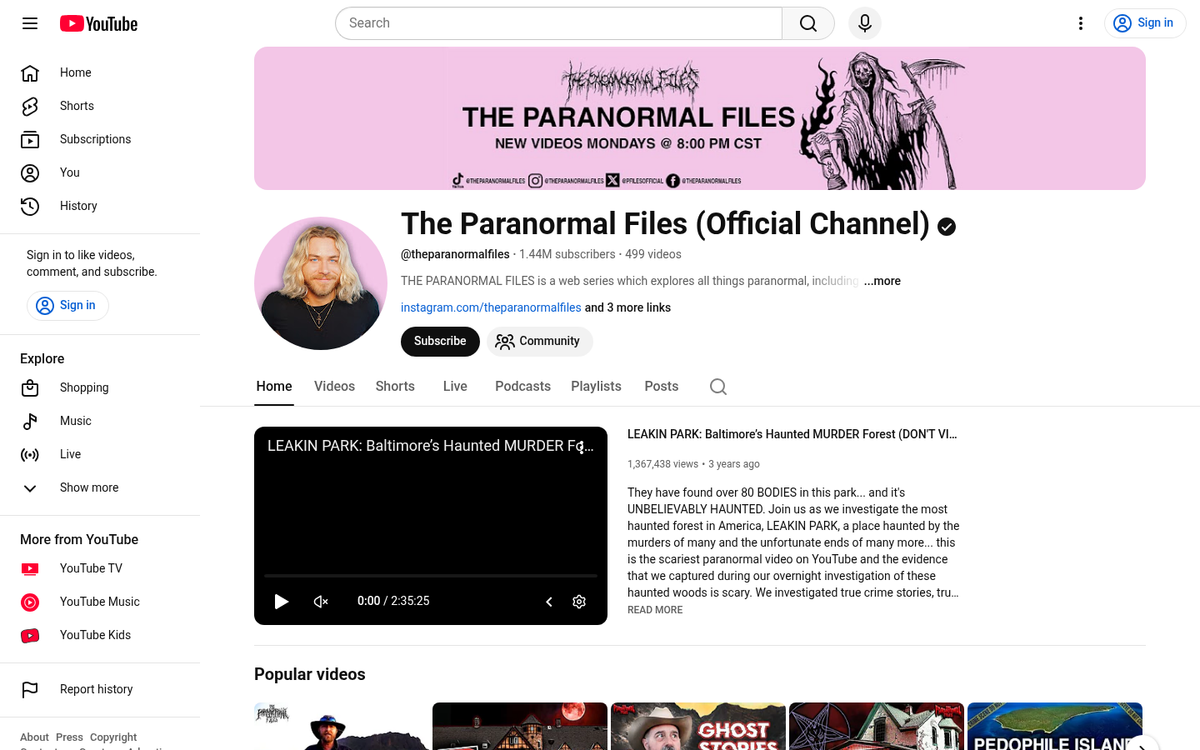
Content exploring the paranormal, unsolved mysteries, true crime, and fringe phenomena continues to draw intensely dedicated audiences. Whether you're creating amateur ghost investigations, looking at UFO footage following years of increased government transparency on UAP disclosures, or exploring cryptid folklore, this space rewards authentic enthusiasm and local flavor.
The expanded government acknowledgment of UAP phenomena over the past few years has brought renewed mainstream interest to what was once considered purely fringe territory, opening the door for more credibility-conscious creators to engage with the subject.
Those are just a handful of ideas I've come up with for the purposes of this post. There are, obviously, a nearly infinite number of other possible video blogs that can find great success. Just remember: you'll have to produce quality content if you want to succeed. The tools available to creators in 2026 are better than they have ever been. The barrier is no longer access to technology. It's commitment, clarity of purpose, and the willingness to keep improving.