
Affiliate marketing is great, because you can sell anything. You don't need to be a developer, a producer, a manufacturer or a marketplace. All you need to do is pick a few products, make a website, and run ad links. It's super easy.
Well, then, if it's so easy, why isn't your affiliate site making money? You've followed all the guides, you've bought a bunch of copy, how come the cash isn't rolling in?
The reality is sobering: 95% of beginners fail or quit within their first year, 23% report earning literally $0, and those with less than one year of experience earn just $636 per month on average. Affiliate marketing is harder than it looks, and there are usually very specific reasons why sites fail to generate income.
Key Takeaways
- Most beginners fail because they enter oversaturated niches without offering anything distinctive compared to established competitors.
- General interest sites rarely convert well; tightly focused niche sites with strong purchase intent consistently outperform them.
- Trust and content quality are essential - thin, low-quality sites are penalized by Google and ignored by savvy users.
- At a 1% conversion rate, you need 1,000 visitors per 10 sales, making consistent traffic generation critical.
- Inactive sites and broken affiliate links silently kill earnings; regular audits and fresh content are non-negotiable.
You're Not Competitive In Your Niche

If you're trying to advertise and sell an affiliate product, that product needs to have sufficient demand to support a marketer getting in on the business. If it does, typically that means there are other marketers trying to do the same thing. The larger and more lucrative the niche, the more competition it has.
If you're trying to market, say, survival tents, you need to be aware of the competition. Check out who else is trying to market survival tents, and how they're going about it. Can you compete? Can you do something they don't, or are you just a pale imitation of their site? You don't want to look like the lesser option.
You're Not Targeting a Niche

This is even worse. People like to think that they can market to diverse interests and get people to browse their site. These days, when people have three different interests, they go to three different sites, one specializing in each.
You can't make a general interest blog and turn it into an affiliate marketing powerhouse. You might be able to build a successful general interest site over time, but it's not going to make you meaningful affiliate revenue until you have a very significant volume of users - and even then, a tightly focused niche site will almost always outperform it on conversions.
Your Niche Isn't Hungry
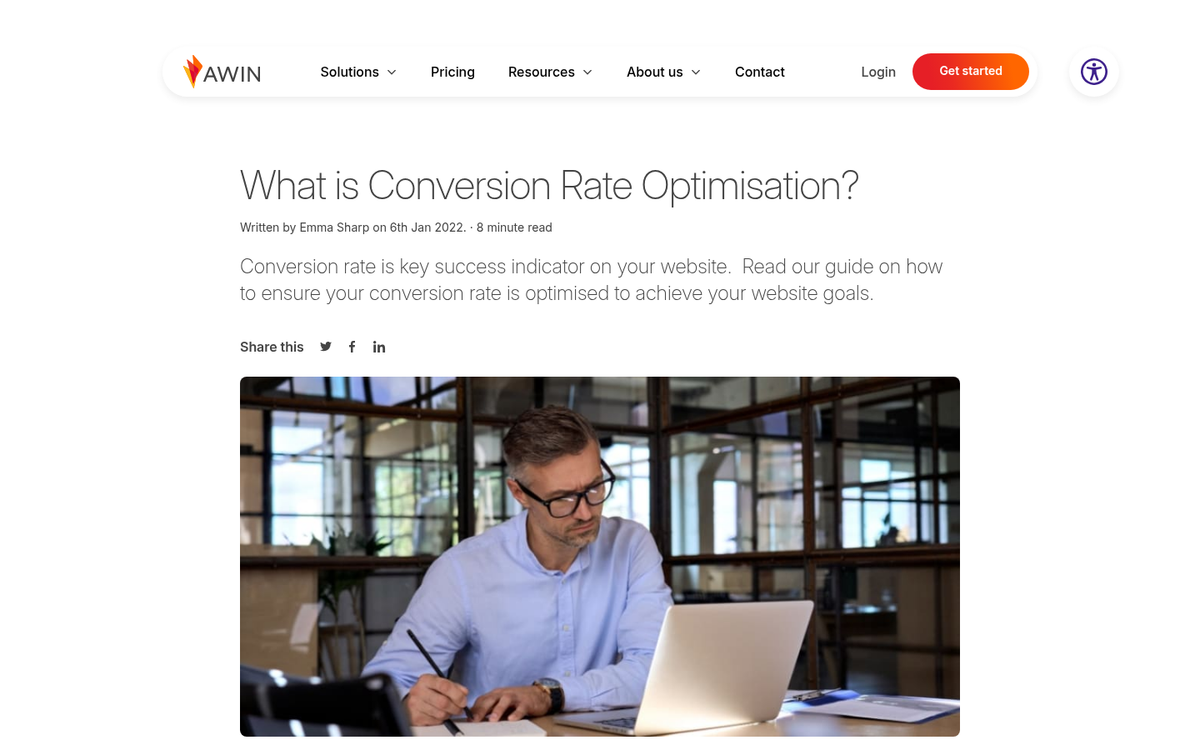
No, I don't mean aching for some McDonald's. I'm talking about purchase intent. You can find an empty niche pretty easily. The hard part is finding an empty niche that has enough people in it who actually want to buy things. Remember, with affiliate marketing, you live or die based on your ability to sell products. If the people you're marketing to don't have strong purchase intent, you simply can't convert them - and with the average affiliate conversion rate sitting at just 0.5-1%, you need every advantage you can get. Check out these ways to maximize your conversion rate to help tip the odds in your favor.
Your Site Doesn't Look Trustworthy
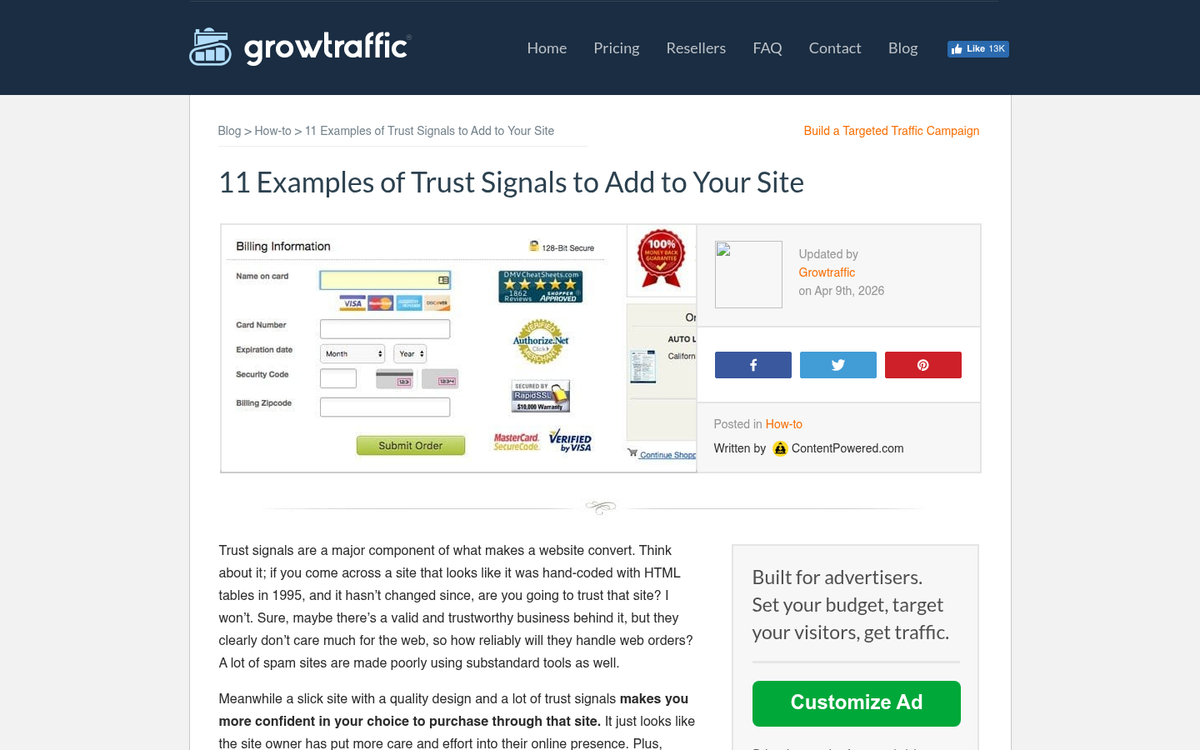
The early days of the Internet were riddled with low quality, thin affiliate sites designed with one goal in mind: get users to click an affiliate link and buy something. Google has spent years aggressively penalizing these sites, and users have grown savvy enough to spot them immediately.
These days, successful affiliate sites are essentially high-quality editorial publications. You need to look professional, produce genuinely useful content, and earn the trust of your visitors. If a user doesn't trust your site, they aren't going to buy through you - and with 38% of affiliate marketers already struggling with low conversion rates, a lack of trust signals on your site will kill your numbers entirely.
You Aren't Giving Good Advice

A good affiliate site is basically a good blog or editorial resource that monetizes through affiliate links rather than display ads alone. Most successful affiliate publishers today use a combination of monetization methods, but the foundation is always the same: genuinely useful, well-researched content that helps readers make decisions.
If all you're doing is putting up a few basic comparison tables and hoping for sales, you have nothing coming. Thin content doesn't rank, doesn't convert, and doesn't build the kind of audience that sustains a site long-term.
Your Links are Broken
I don't mean they're going to 404 pages - though that's a problem too. Affiliate links can break in subtler ways: your tracking tag might get dropped, products may be discontinued, or items may be perpetually out of stock. You can't make money selling something that can't be bought. Audit your links regularly and make sure every link on your site is functional, properly tagged, and pointing to a live, purchasable product. It's also worth understanding why affiliate links can hurt your SEO and whether Google penalizes sites with affiliate links to ensure your link strategy isn't working against you.
You're Not Getting Enough Traffic

Almost half of affiliate marketers cite getting traffic as their single biggest challenge, and it's easy to see why. The math is brutal: at a 1% conversion rate, you need 1,000 visitors just to make 10 sales. If your traffic is thin, your income will be too - no matter how good your content is.
The key to traffic is ranking well in search, and the key to ranking well is a combination of strong SEO fundamentals, genuine topical authority, and consistent fresh content. Google rewards active, authoritative sites. If your site has gone quiet, your rankings will reflect it. With AI-generated content flooding search results in 2025 and 2026, standing out with original, expert-driven content has never been more important.
Your Site is Inactive

Consistency is non-negotiable. It's difficult to keep writing about the same topic day in and day out, particularly in a niche that doesn't change much. But an inactive site signals to both Google and your visitors that you've abandoned ship. When you can't post about new developments, get creative - updated buying guides, reader questions, seasonal recommendations, and comparative reviews are all ways to keep content flowing without running out of things to say. If you're unsure whether updating old blog posts is worth your time, it often is - and pairing that with a solid approach to writing new content can help keep your site active and relevant.
You're Not Advertising - Or You're Spending Too Much

As the saying goes, you have to spend money to make money. Spending strategically on advertising can give you a traffic boost that converts into sales - but the keyword is strategically. Over-spending is one of the most common mistakes newer affiliate marketers make. It's tempting to think you can simply buy your way to profitability, but diminishing returns kick in fast.
Before scaling ad spend, focus on optimizing your site for conversions, improving your content quality, and making sure your offers are genuinely compelling. Paid traffic amplifies what's already working - it doesn't fix what isn't.
Affiliate marketing can absolutely generate real income, but 57.6% of affiliates earn less than $10,000 per year, and the gap between those who succeed and those who don't usually comes down to the fundamentals covered above. It takes time, strategic thinking, and ongoing effort. There are no shortcuts - but there is a clear path forward if you're willing to do the work.