





A while back, we covered a bunch of mistakes or issues with your site that might be causing problems with conversion rates. They're not all perfectly aimed at Google Ads conversions, but hey; regardless of your system, a conversion is a conversion. If you're not getting conversions, regardless of ad network, you're doing something wrong. Let's look at ten more possible issues, some of them Google Ads-specific, others more general but not covered in the previous post.
Key Takeaways
- Split keywords into closely-related ad groups instead of lumping everything together, so ads precisely match what users are actually searching for.
- Use keyword match types strategically and maintain updated negative keyword lists to avoid wasting budget on irrelevant searches.
- Landing pages should minimize choices, giving users essentially two options: convert or leave, with no distracting external links.
- Build trust through social proof, customer reviews, testimonials, and security signals to compete against more established brands.
- Always add urgency-limited-time offers or time-sensitive discounts-to overcome customer inertia and motivate immediate conversions.
1. Missing Nuanced Keyword Groups

With Google Ads, one of the most misused features are the keyword ad groups. You can create ad groups made up of lists of keywords, and run ads targeted at that group of keywords.
Far too many marketers just lump all of their target keywords in one group and run ads pointed at that group. The problem with this is that it puts the same ad in front of someone searching for tennis shoes as the one in front of someone looking for ballroom shoes and someone else looking for cleats.
The basics of PPC advertising indicate you should be as precise as possible with your targeting. Marketers always tell you to be specific with ads to reach a narrow audience for better conversions. Sure, it's more work to manage 10 ads with different keyword groups than it is to manage one ad targeting everything, but the increase in conversions is well worth the effort.
Split up your keywords into closely-related groups, and create ads specifically targeting those groups. That way you're not trying to sell dress shoes to someone searching for athletic shoes. Your site design can lead the user to investigate other kinds of shoes if they're interested; the ads just need to be narrow enough to get them on the site in the first place.
Keep in mind that the average conversion rate on the Google Ads Search Network sits around just 4%. Sloppy keyword grouping is one of the fastest ways to drag that number even lower for your campaigns.
2. Forgetting Keyword Matching

Google Ads allows you to use different forms of keyword matching. Each form is useful for a different type of keyword to make sure you're targeting the right kind of search queries. It's worth noting that Google has evolved these match types significantly over the years - broad match in particular behaves very differently today than it once did, now leaning heavily on machine learning and intent signals.
Broad matching means your ad can display for queries Google deems relevant to your keyword, even if the exact words aren't used. It's the widest possible audience and very untargeted, so it's generally best reserved for awareness campaigns or when paired closely with Smart Bidding strategies. Without those guardrails, broad match can burn through budget fast.
Phrase matching requires that the meaning of your keyword phrase be present in the search query. It's broader than it once was, but still more controlled than broad match. "Gaming computer" would target "budget gaming computer" or "best gaming computer to buy" but would generally avoid completely unrelated queries.
Exact matching requires that the search query closely matches your keyword in meaning and intent. It's the tightest option, but Google does still allow close variants, so don't expect it to be as rigid as it was in years past. It's best for high-intent, high-value searches where you know exactly what your customer is typing.
Finally, negative keywords allow you to exclude specific terms entirely. If you use "gaming computer" with "-budget" as a negative keyword, you'll show up for "high end gaming computer" but not "budget gaming computer." Negative keyword lists are one of the most underused tools in PPC - keep them clean and updated regularly.
3. Ignoring the Numbers

One of the hardest lessons to learn in marketing is that you're not always right. You, personally, do not necessarily represent the full breadth of your audience. You might actually just represent a small segment of your potential audience. An ad you really like, one that would definitely earn your click, might be your lowest performing ad. An ad you really hate might have the highest conversion rates.
Too many marketers fall into the trap of ignoring numbers in favor of their gut feelings. When the data tells you how to be successful and you ignore it, you shouldn't be surprised when your conversion rate suffers.
One helpful benchmark to keep in mind: according to WordStream's research across 23 industries, the average conversion rate is around 7.26%, but it varies wildly - from as low as 2.21% for Furniture to as high as 13.94% for Physicians and Surgeons. If you don't know your industry's benchmark, you have no idea whether your campaigns are actually underperforming or just operating normally. Let the numbers guide you.
4. Always Aiming for Number One
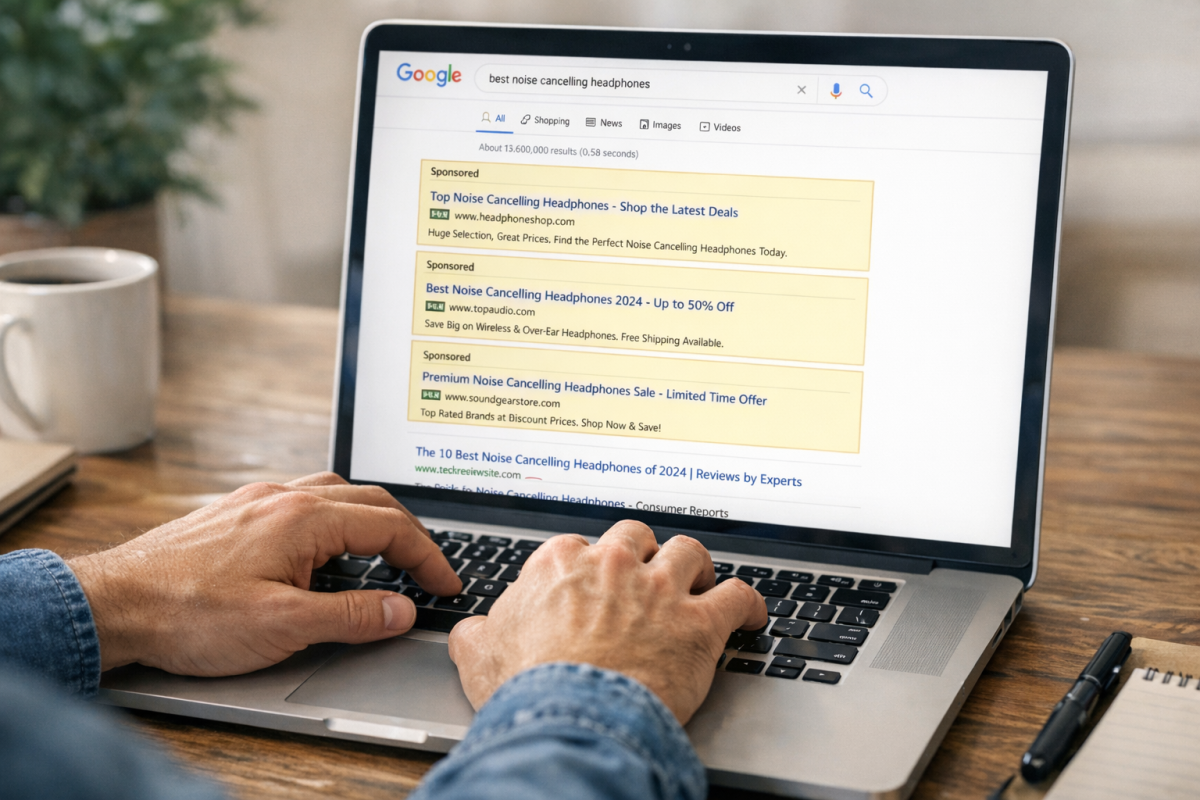
In organic search, as we all know, it's the dream to rank #1 for every keyword you want to target. It's not always possible, but it's a goal, simply because the #1 slot gets so much more traffic. For paid ads, though, it can often be beneficial to aim for positions 3-4. A user scrolling through results, not finding what they want organically, may glance at the ads - and their eyes might naturally land on a slightly lower position rather than the very top.
Test different ad positions by adjusting your bids and target impression share settings. If you find that a lower position works better for your campaigns, great - not only do you get better conversions, you get them at a lower cost per click.
5. Design Blocks Progression
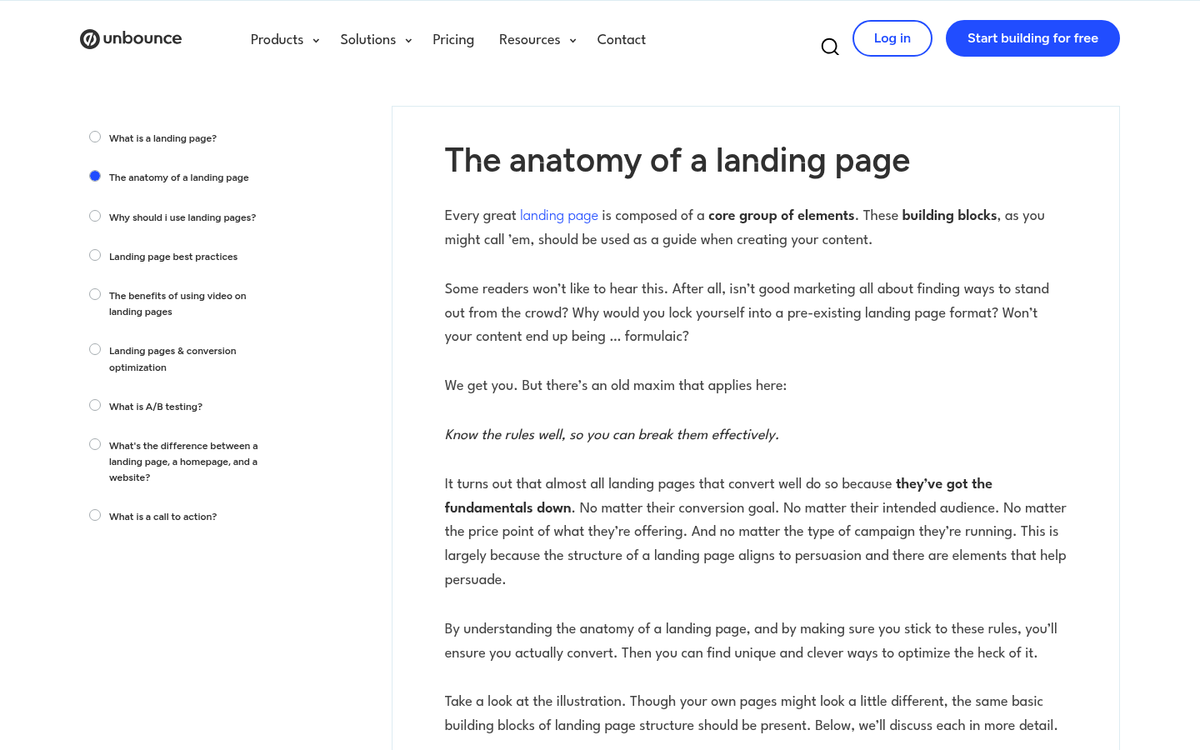
When a user clicks your ad, they should end up on a page that is laser-focused on giving them exactly what they came for. Part of this goes back to using the right keyword groupings and match types. You want people searching for dress shoes to end up on a page with dress shoes for sale, not a generic shoe storefront.
Part of this, though, comes down to web design. I've seen a lot of landing pages and the ads pointing at them, and let me tell you; there are a lot of ways the whole thing can go wrong. Far too many people put a slick site design ahead of optimizing for conversions.
The problem here is that we as web designers tend to want to make something that looks and feels good, and we want to emulate the huge, successful brands while we do it. The issue is that imitating Adidas or Nike isn't going to work for a smaller brand. If Nike loses out on some conversions in favor of slick branding, they don't care; they make billions anyway. For the smaller shops, though, that slick branding gets in the way of people who want to learn more. We don't have the brand recognition or cachet to earn those conversions despite ourselves. We just lose them.
In 2026, this also extends to mobile and page speed. If your landing page takes more than a couple of seconds to load on a phone, you've already lost a significant chunk of your potential conversions before they ever see your offer.
6. Not Delivering a Value Proposition

Imagine, if you will, two slightly overlapping circles in a Venn Diagram. In one circle, you have "everything the customer needs to support their goals." In the other circle, you have "what my business offers." The overlapping area between those two circles is your value proposition. It's what you offer that the customer needs.
You need to take the time to learn your customers, to segment them down into smaller sub-audiences with different archetypes. These customer profiles will give you the lists of typical pain points and needs the customer wants to fulfill.
You also need to take the time to learn your own business, and what you can provide to your customers. What do you deliver, and why is your business the one that should be delivering it as opposed to your competition? What do YOU do best?
Then you need to compare these two. For each customer profile, figure out what specifically you can offer them better than anyone else. Then use that as your core marketing focus. Tell the user what problems they have that you can solve, and how you can solve them. If your website traffic isn't converting into customers, a weak value proposition is often one of the first places to look.
7. Too Many Options
In life, we tend to believe that we have many options available to us at any time. We're choice millionaires, to put it one way. Any one of us could quit our jobs and start backpacking around the world, if we set our minds to it. Realistically, of course, those choices have repercussions.
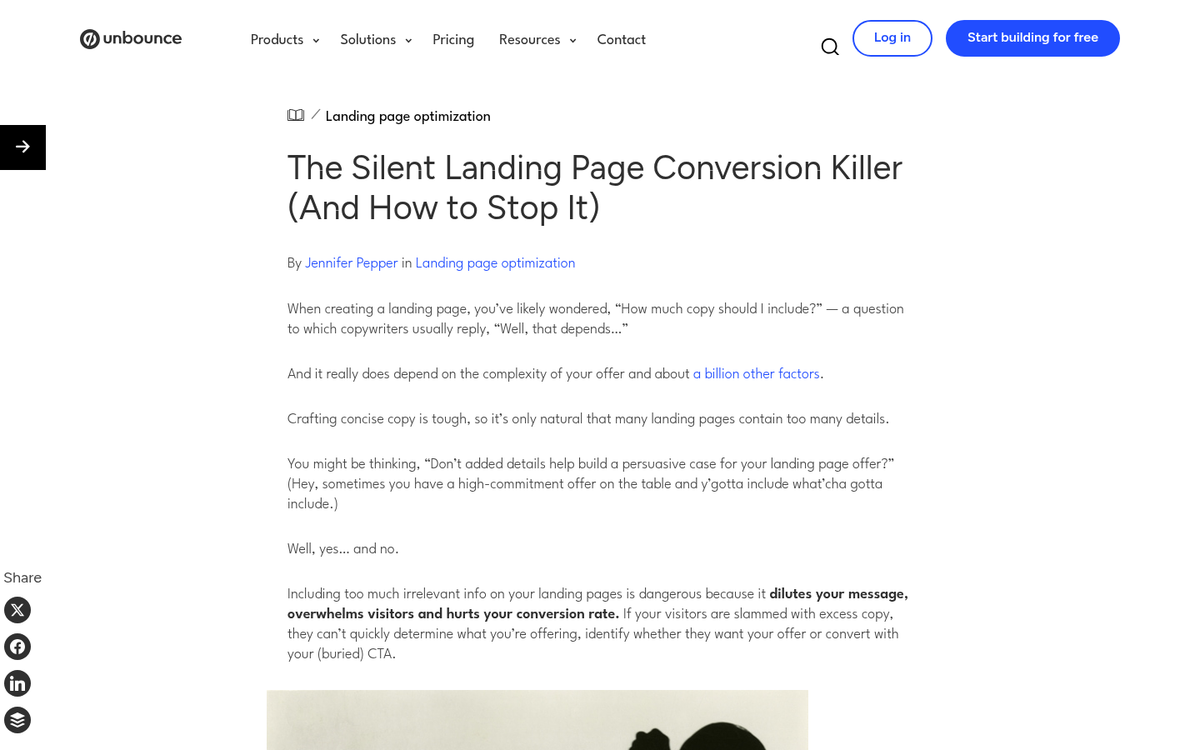
Giving your users too many choices is one of the cardinal sins of advertising. When a user clicks your ad, they should realistically only have two choices: convert through the funnel the way you want, or leave your page. This is why good landing pages never have external links, and rarely have any other internal links. All they have is a form that, when submitted, redirects the user to the homepage or to a confirmation page with further steps they can take.
This principle matters even more today. With AI-generated content flooding the web and user attention spans shorter than ever, a cluttered landing page with too many directions to go is almost guaranteed to bleed conversions.
8. You're Not Trustworthy
Trust is hugely important in the online world of today. With an enormous number of web shops clamoring for attention - many of which are defunct, low-quality, or even outright scams - how do you convince a user to trust you with their financial information and money? Amazon and the other big players have name recognition. You don't.
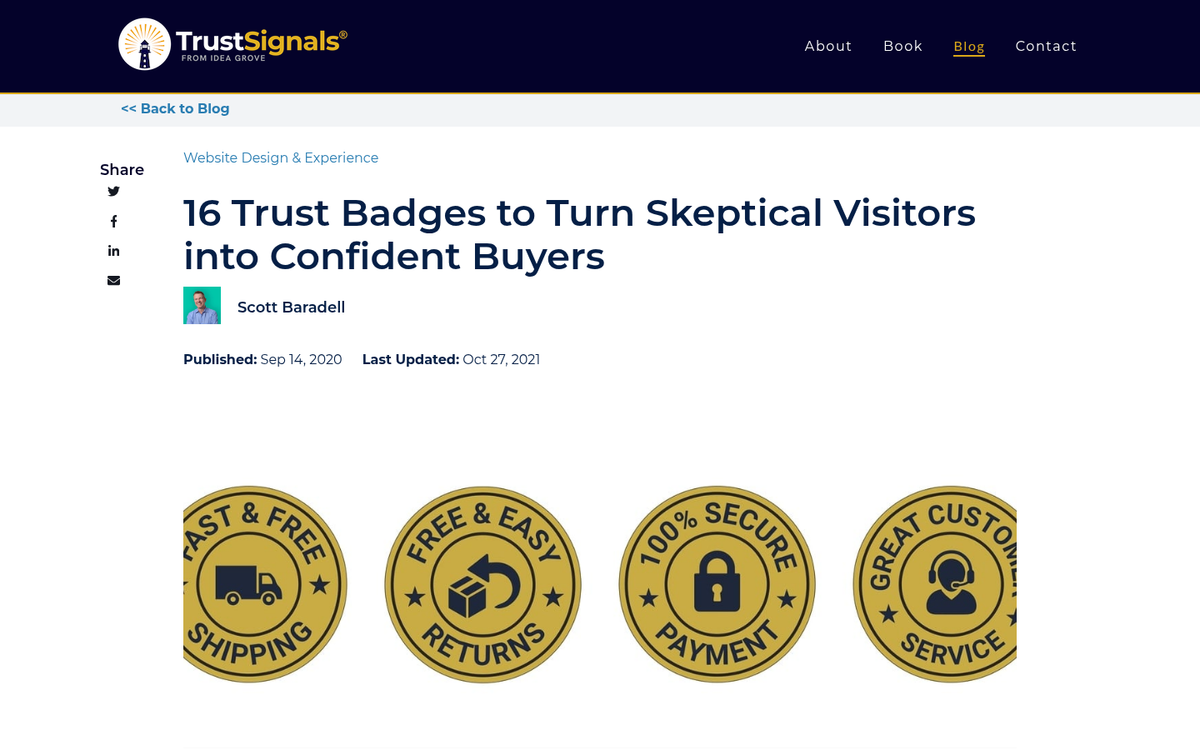
You can do a lot using various trust signals. You can use social proof through social media, audience numbers, and community engagement to help people feel confident you're legitimate.
You can use testimonials from real customers to help potential buyers feel more secure in their decision. SSL is now table stakes - every site should have it - but you can reinforce that with a good trust seal to include third-party verification of your security. Reviews on Google, Trustpilot, or industry-specific platforms also carry significant weight in 2026.
You need to stand out as worth the trust, so that you can earn the conversions rather than a user simply going to Amazon or to your more established-looking competitors.
9. Not Enough Testing

One of the ten pieces of advice in the post linked in the intro is to do more split testing. It's one of the ten pieces of advice here as well, simply because it's that important. Split testing is one of the most reliable ways you can improve your campaigns and site over time.
Always test at least two variations of just about everything. Set up multiple versions of your ads with different copy. Test different asset combinations - Google's Responsive Search Ads make this easier than ever, but don't just set them and forget them. Test different landing page variations, with different sets of copy, images, and trust signals. Run traffic to each of them in roughly equal amounts, and see which one performs better.
Just make sure to keep it all scientific. You don't want to mix up more than one test at the same time, or your results won't be valid. If you change your landing page and your ad targeting simultaneously, you have no idea which change caused your rise or fall in conversion rate. Isolate your variables, and be patient enough to collect statistically meaningful data before drawing conclusions.
10. There's No Urgency
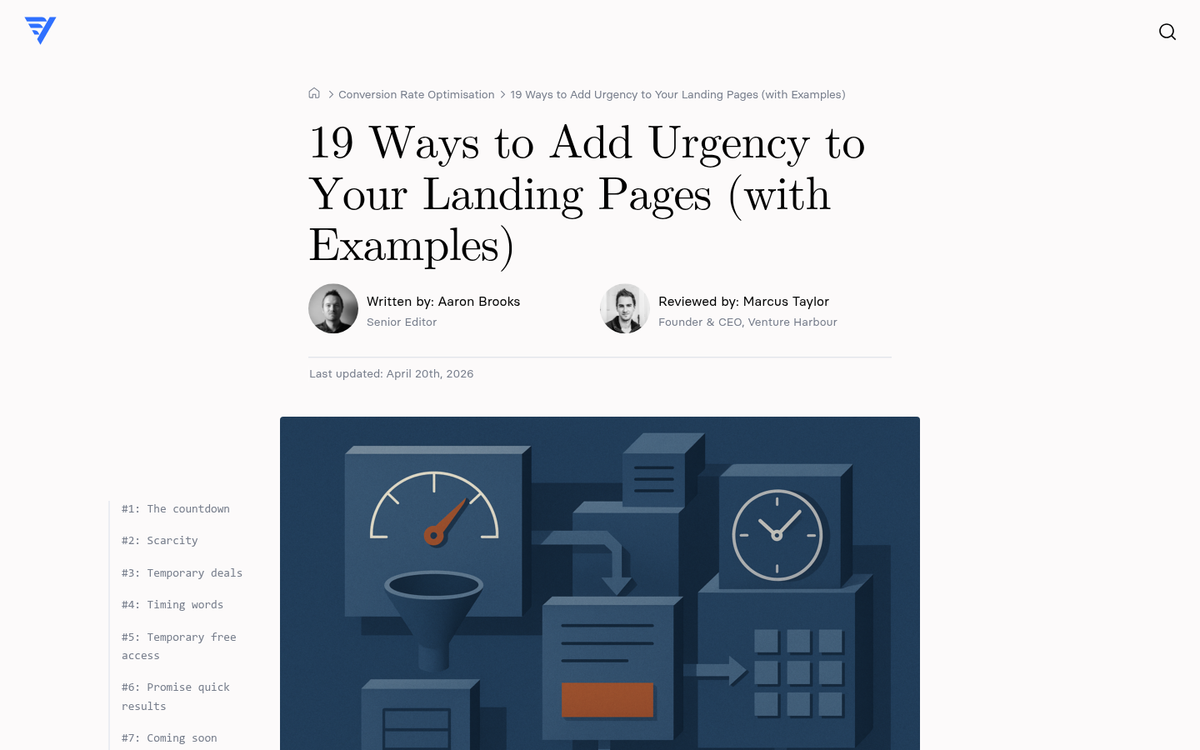
Everything else about your marketing may be perfect, but you're still not getting many conversions. One question to ask yourself, then, is "what makes the user want to convert right now?"
Go to your ads, click through them to your landing pages, and look. What pressure is there for the user to convert right now, rather than a week from now, a month from now, or some unspecified time in the future? What sense of urgency are you instilling in your potential customers?
Too many businesses rely on "well, the customer probably needs this to improve." The problem is, even if the customer is suffering without your product, institutional inertia is a difficult hurdle to overcome. It's hard to make a change when you're not certain if it'll actually improve your life. The evil you know is better than the evil you don't, right?
Give the customer some reason to convert right now. A limited-time offer, a time-sensitive discount, a bonus for acting today - it doesn't matter what it is, so long as you have something that makes waiting feel like a mistake. With average conversion rates sitting around 4% on the Search Network, every little nudge counts.
Again - not all of these are specific to Google Ads, but they all apply to PPC advertising and your sales funnel as a whole. There are a lot of potential reasons why conversions might be hampered, but these are some of the biggest. Between these ten and the previous ten, you should have plenty of actionable options for improvement.

1 response
Thoughtful replies only - we moderate for spam, AI slop, and off-topic rants.
Thanks for sharing this information on AdWords. This is really helpful for us to analyze on our adwords performance.