Key Takeaways
- Nearly 50% of global internet traffic comes from bots, making careful vetting of paid traffic sources essential.
- Google Ads and Meta remain the strongest options, especially for underserved international markets with lower advertiser competition.
- Alternative networks like Taboola, MGID, and PropellerAds offer genuine international reach but require aggressive tracking and placement pruning.
- Cheap traffic sellers on platforms like Fiverr almost exclusively deliver bot traffic and should be avoided entirely.
- Buying traffic only makes sense if your site already converts organic traffic profitably; paid traffic won't fix poor conversion rates.
Buying Traffic for International Websites in 2026: What Still Works and What Doesn't
There's a persistent problem with the web. A huge number of websites, and a vast majority of all content, tends to be focused towards an American audience. You're lucky when you find content addressed to Brits or Aussies, let alone site owners targeting audiences across Europe, Asia, the Middle East, or Latin America.
So for those of us running international websites, there's a question that's genuinely hard to answer in 2026: is there anywhere good to buy traffic, and is it actually worth the time and effort required?
The short answer is: yes, but the landscape has changed dramatically, and the risks are higher than ever.
The Bot Problem Is Worse Than You Think
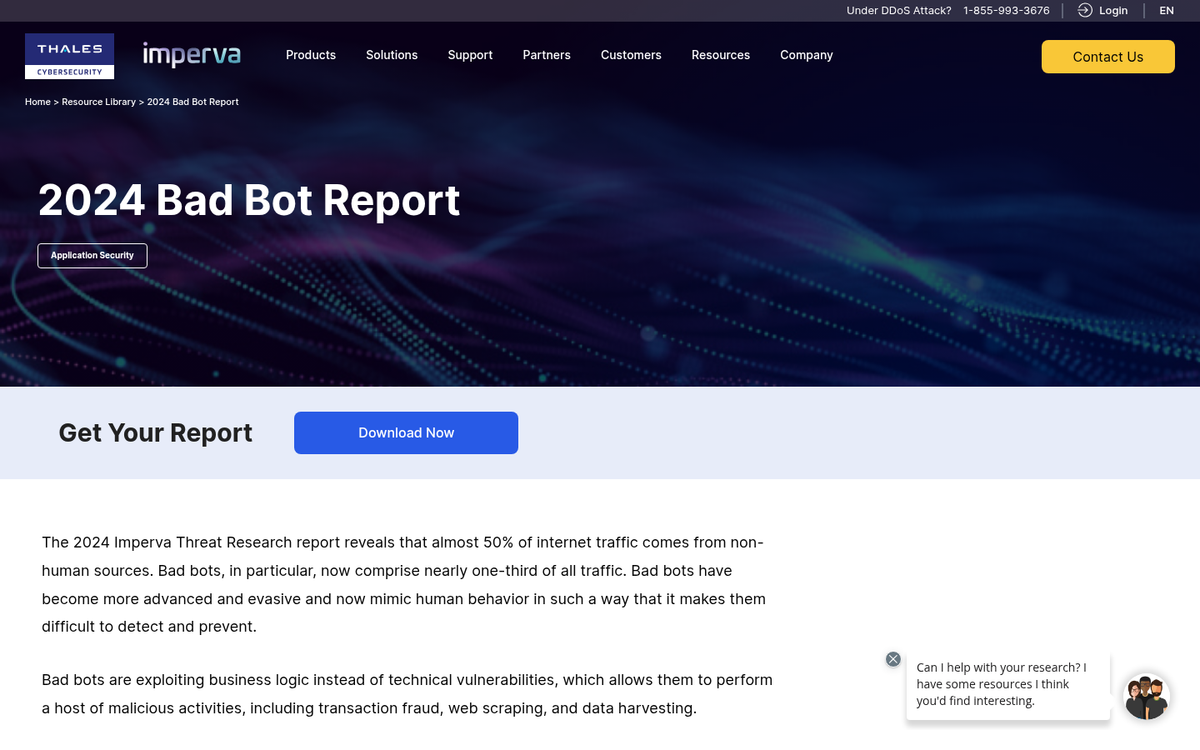
Before we even get into where to buy traffic, you need to understand what you're buying into. According to the 2024 Imperva Bad Bot Report by Thales, nearly 49.6% of all global internet traffic was generated by bots - the highest level recorded since 2013. Akamai similarly found that bots compose 42% of overall web traffic, with 65% of those bots classified as malicious.
This isn't a niche problem. Bad bot traffic globally averaged 32%, with countries like Ireland (71%), Germany (67.5%), and Mexico (42.8%) seeing some of the worst levels. Even the US clocked in at 35.4%.
What does this mean for international traffic buyers? It means that a significant chunk of what you pay for - regardless of the network - may never be a real human being. Industries like gaming (57.2% bot traffic), retail, travel, and financial services are hit especially hard.
This doesn't mean you shouldn't buy traffic. It means you need to be smarter about it, track everything obsessively, and vet your sources carefully. If you're unsure whether bots are inflating your numbers, it's also worth understanding whether to block bots and crawlers from your site entirely.
The Giants: Google and Meta
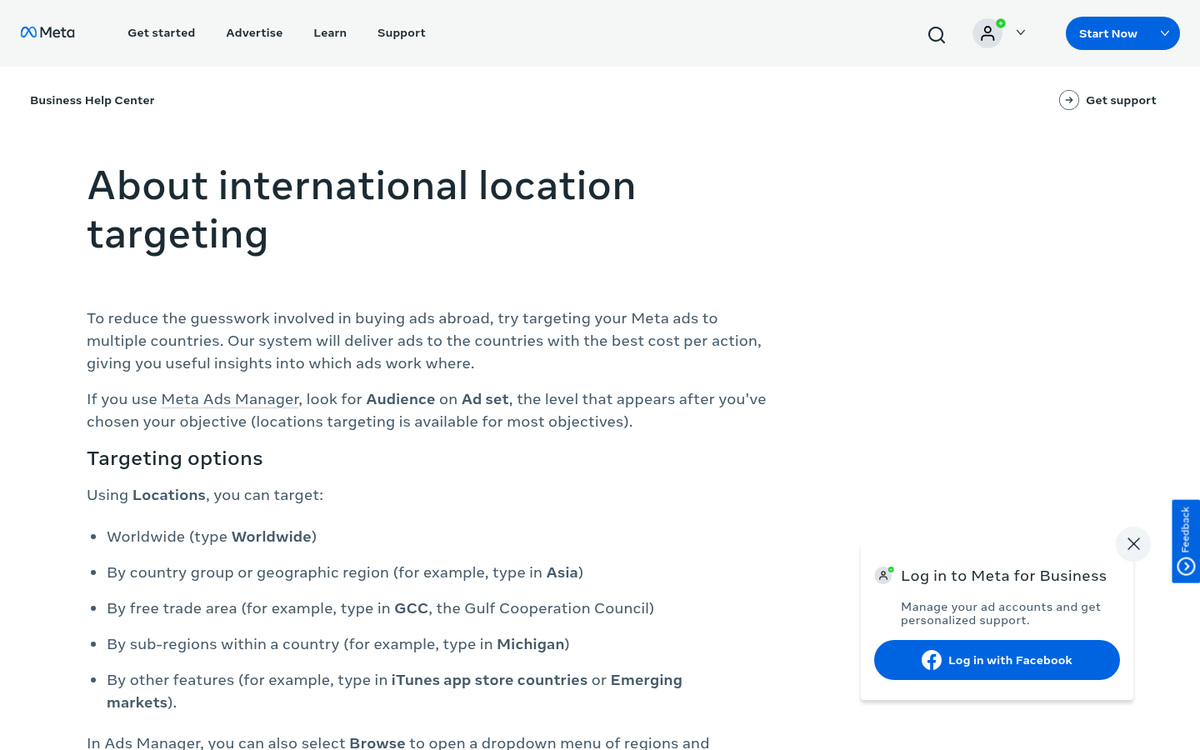
Anyone looking to buy traffic knows the two dominant platforms: Google Ads (formerly AdWords) and Meta Ads (Facebook and Instagram). For English-speaking markets, these remain the default. But for international site owners, they still represent a genuine opportunity - if used correctly.
Many advertisers actively exclude international audiences due to historically low conversion rates on sites not designed for those users. If your site IS designed for those users, that's your competitive edge. Less competition often means lower cost-per-click in regions that are underserved by advertisers.
Google Ads remains one of the strongest options for international paid traffic in 2026. With Performance Max campaigns now the default push from Google, you'll want to be intentional about layering in geographic exclusions and audience signals. If your site targets the Middle East, Southeast Asia, or Latin America specifically, excluding high-CPC English-speaking markets can dramatically reduce your spend while keeping quality high. Paid search still drives significant e-commerce sessions globally, and that holds true across many international markets.
Meta Ads gives you deep demographic and interest-based targeting across most of the world. The challenge remains what it always has been: click farms and low-quality engagement in certain regions. In 2026, Meta has improved its invalid traffic detection, but it's not perfect. Go deep on your geo-targeting, use Meta's audience quality tools, and monitor your traffic in Google Analytics or a third-party tracker like Voluum or RedTrack. If your conversion data looks suspicious - high CTR, near-zero time on site - you're likely dealing with bot or incentivised traffic.
Both platforms still have a "ban first, ask questions later" culture when accounts exhibit patterns that resemble arbitrage or black hat behaviour. If you're running aggressive international campaigns, make sure your landing pages, billing information, and account history are all clean and compliant.
Alternative Networks Worth Considering in 2026
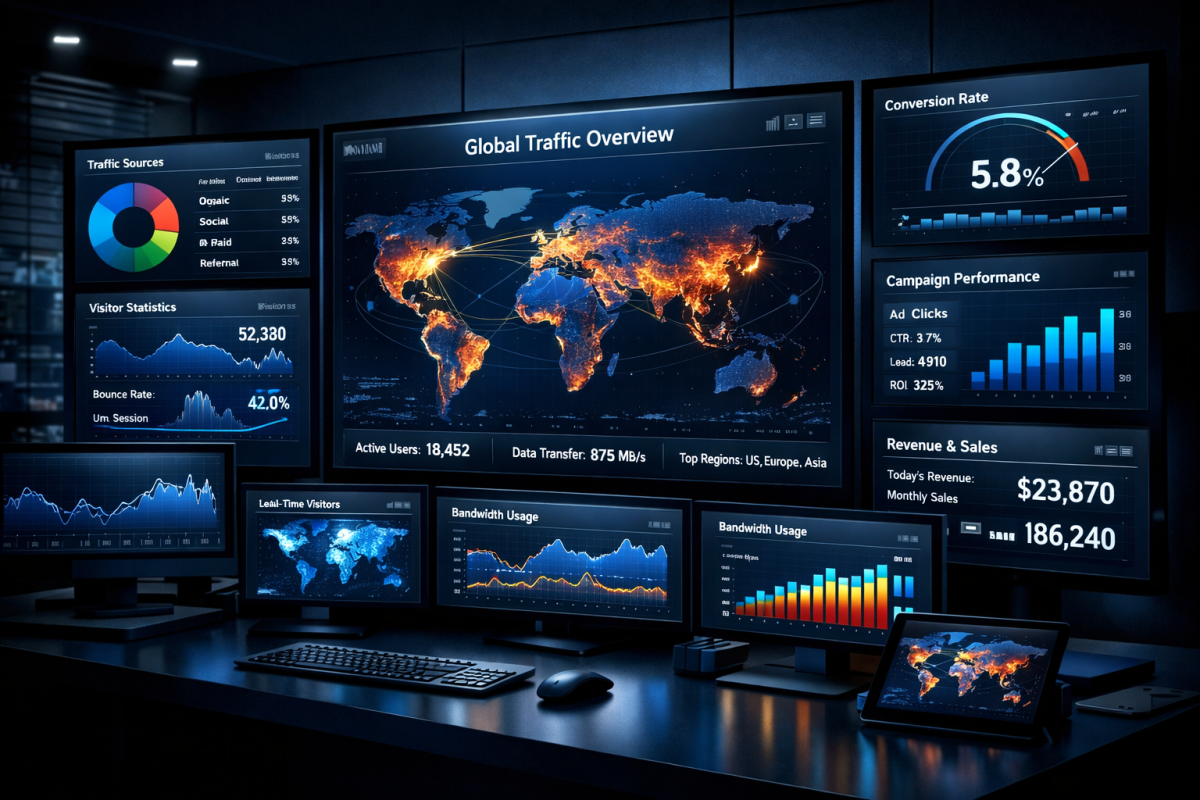
There are hundreds of CPC and CPM networks out there, and the quality varies enormously. Several of the older networks that used to be recommended - including TrafficVance, LeadImpact, and Clicksor - have either shut down, been acquired, or faded into irrelevance. If you're seeing those names recommended elsewhere, that content is well out of date.
Here are networks and platforms that are actually relevant in 2026:
Taboola and Outbrain - These native advertising giants have significant reach across international markets, particularly in Europe, Latin America, and parts of Asia. They're best suited to content-driven sites and work well when you have strong advertorial or editorial content to push. Traffic quality is generally solid, though you'll want to exclude placements that underperform. For a deeper comparison, see Outbrain, Taboola, and Zemanta: Which Converts Best?
MGID - A native ad network with strong reach in Eastern Europe, Southeast Asia, and Latin America. It's one of the better-known alternatives to Taboola/Outbrain for truly international traffic and has been around long enough to have a reasonably established reputation. If you want to see native ads in action on popular websites, it's worth reviewing how these formats appear in practice.
PropellerAds - Popular for push notification and interstitial traffic across international markets. Traffic volumes are high, but quality varies significantly by region and vertical. Best used with aggressive tracking and a willingness to prune bad placements quickly.
Revcontent - Another native network with decent international reach. Stricter with publishers than some competitors, which tends to correlate with slightly better traffic quality.
Microsoft Advertising (Bing Ads) - Often overlooked, but Bing has meaningful market share in parts of Europe and among older demographics globally. CPCs are generally lower than Google, and the audience quality tends to be strong.
The Long Shots: Fiverr and Cheap Traffic Sellers

This part hasn't changed. You can still find traffic sellers on Fiverr and similar platforms promising thousands of international visitors for a few dollars. In 2026, with nearly half of all global web traffic coming from bots, you can probably guess where most of that "traffic" originates.
Don't do it. It's not worth the risk to your analytics data, your ad network accounts, or your time. If a traffic source seems impossibly cheap, it's because it's delivering something close to worthless.
Is It Worth Buying Traffic for an International Site?

Yes - but only if your fundamentals are in order first.
If your site is converting organic or referral traffic profitably, paid traffic is worth testing. Start with Google Ads or Meta, track everything with a solid analytics setup, and treat every new traffic source as an experiment with a defined budget and measurable goal.
If you're not converting yet, buying traffic won't fix that. It'll just drain your budget faster while giving you noisy data to interpret.
The opportunity for international site owners in 2026 is real. Underserved markets, lower competition from advertisers, and improving payment infrastructure across regions like Southeast Asia, the Middle East, and Latin America mean there's genuine money to be made. But with bot traffic at record highs, you need to go in with your eyes open, your tracking tight, and your expectations realistic.