Key Takeaways
- Yotpo helps generate social proof through user reviews, reporting a 9x improvement in product reviews across 150,000+ stores.
- Klaviyo and Constant Contact are top email marketing options, targeting the estimated $4 trillion left in abandoned carts annually.
- Smile.io and S Loyalty offer points, referrals, and VIP tiers to reward repeat customers and drive ongoing engagement.
- Sezzle's Buy Now Pay Later integration increases average order values by over 20% and appeals especially to younger shoppers.
- Apps like Sellbrite and Ordoro help manage multi-channel selling and fulfillment without building separate operational workflows.
Best BigCommerce Apps & Plugins to Boost Your Store in 2026
BigCommerce is one of the major ecommerce platforms competing alongside Shopify and WooCommerce. It's never quite dominated the conversation the way Shopify has, but it remains a solid, capable platform - especially for mid-to-large sized merchants who want more built-in functionality without relying heavily on third-party apps.
That said, Shopify still leads the pack when it comes to sheer app volume and ecosystem depth. BigCommerce has closed the gap in recent years with platform improvements and a refreshed app marketplace, but if you're still on the fence between the two, you can find a solid comparison here.
If you're already running a BigCommerce store, the good news is there are plenty of quality apps available to help you convert more visitors, retain more customers, and run your operations more smoothly. I've done the research and put together a list of some of the best plugins and apps you can use for the platform in 2026. You won't need all of them, but if even one moves the needle on your sales, it's worth the read.
1. Yotpo
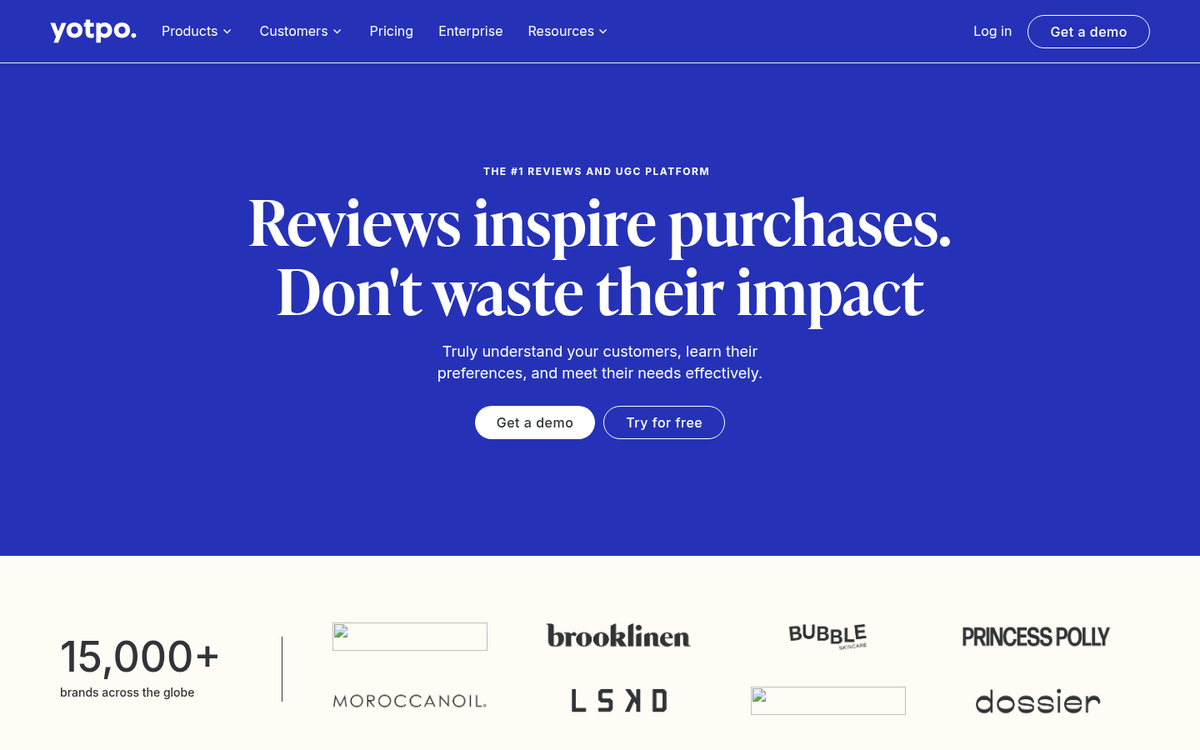
Yotpo is an app designed to solicit and encourage user-generated content. You know how Amazon products have reviews, many of which include user photos and detailed feedback? That's exactly the kind of social proof Yotpo helps you generate - similar to ways to get more reviews on your Amazon products. The platform is now used by over 150,000 stores and reports a 9x improvement in product reviews for its users - which is a remarkable stat.
The features list includes social media curation, user-generated photos, SEO benefits like rich snippets, Google seller ratings, product listing ads, and both public and private review responses. It integrates tightly with Google Shopping and Meta as well, which has become increasingly important for paid traffic.
Yotpo has a free plan with a solid feature set. Paid plans - Growth, Prime, and Enterprise - unlock more advanced features. Pricing on the higher tiers requires contacting their sales team, but the free plan alone is worth installing on day one.
2. Constant Contact
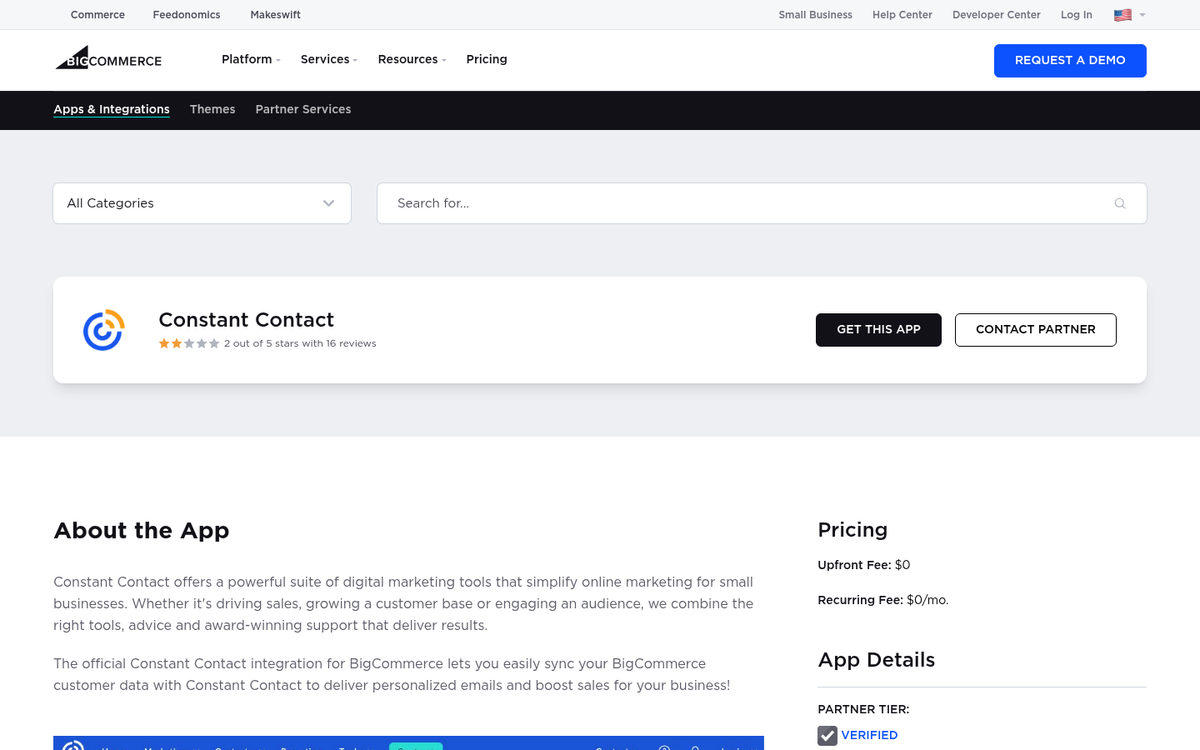
Constant Contact remains one of the top names in email marketing and list management. If you're building a mailing list out of customers and potential customers - and you absolutely should be - this app lets you manage those lists and the campaigns you send them, all from within your BigCommerce dashboard.
Constant Contact for BigCommerce comes with a 60-day free trial, which is one of the more generous trial periods you'll find in this space. Both plans include unlimited emails, customizable templates, contact management tools, tracking, image libraries, and integrations with other apps. The Plus plan adds automation, surveys, coupons, dynamic forms, and more advanced segmentation.
The regular plan starts at $20 per month for a small list and scales up from there based on list size.
3. Klaviyo
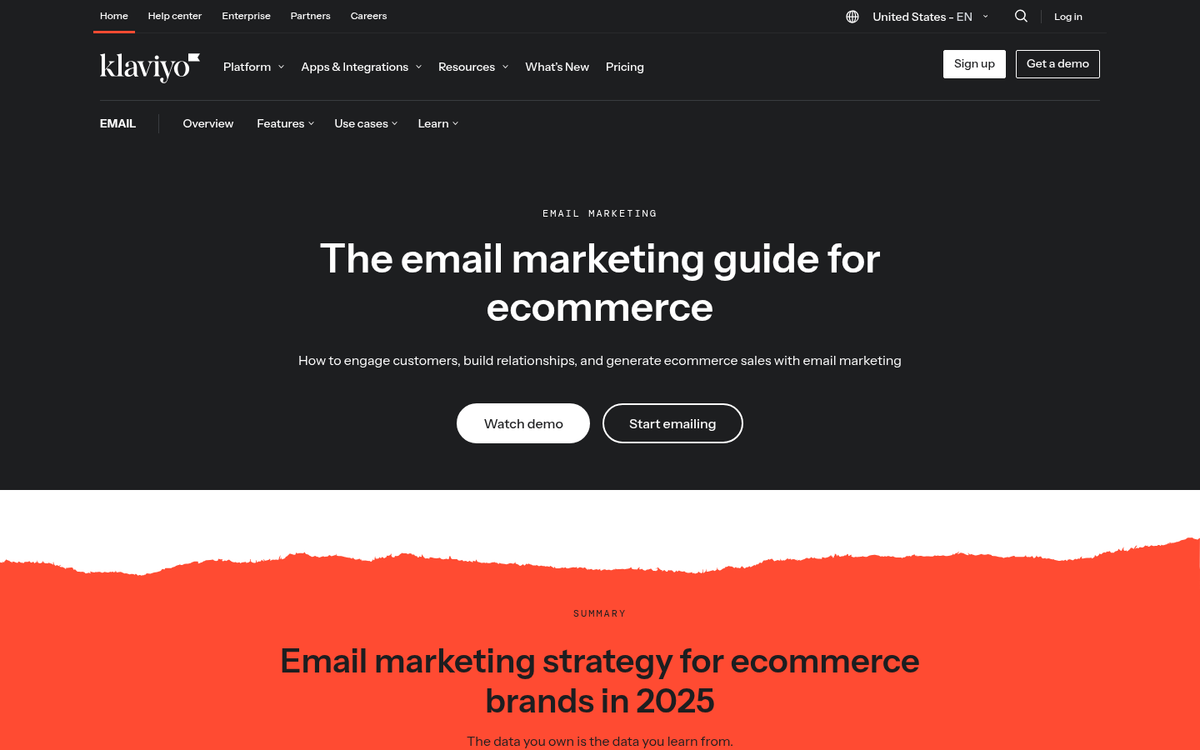
Klaviyo has become the gold standard for ecommerce email and SMS marketing automation, and its BigCommerce integration is excellent. Where Constant Contact is approachable for beginners, Klaviyo is the tool serious store owners graduate to when they're ready to get granular.
It automates the emails that actually make you money: abandoned cart sequences, post-purchase flows, win-back campaigns, browse abandonment, and much more. Customers leave an estimated $4 trillion in merchandise in digital carts every year - Klaviyo is one of the best tools available to claw some of that back.
Klaviyo is free for up to 250 contacts and 500 email sends per month. From there, pricing scales based on your list size, making it accessible even for smaller stores while remaining powerful enough for high-volume merchants.
4. Justuno Conversion Marketing

Justuno bills itself as one of the most powerful conversion optimization apps available for BigCommerce, and it's hard to argue. The feature set is genuinely impressive for what you get.
You can run exit intent pop-overs for email capture, mobile-specific pop-ups, cart abandonment messages with offers, banners, announcement bars, contests, and audience segmentation with A/B testing - all managed from one central dashboard. If you're looking for a single app to handle on-site conversion optimization, Justuno is a strong place to start. A free tier is available, with paid plans unlocking more advanced targeting and traffic thresholds.
5. Smile.io
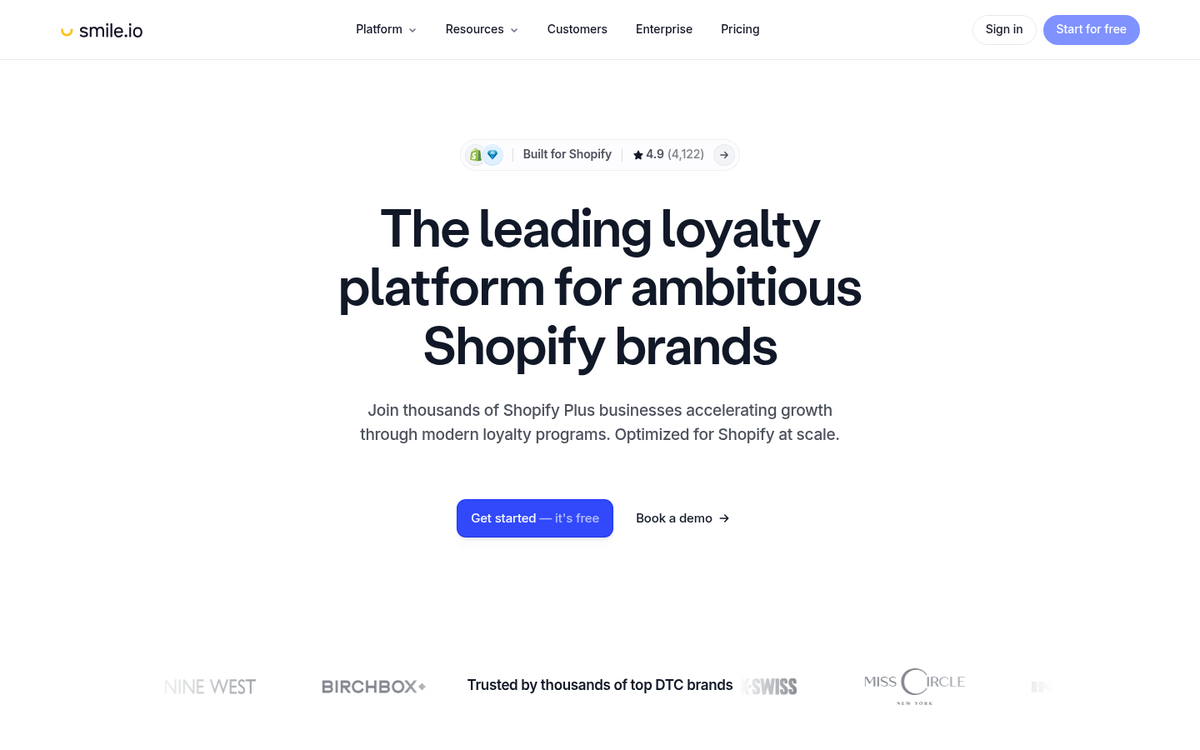
Formerly known as Sweet Tooth, Smile.io is a well-established loyalty program app that remains one of the best in the BigCommerce marketplace. You can run points programs, referral programs, and VIP tiers - all from a central launcher that sits neatly within your storefront.
Beyond purchases, you can reward customers for account registrations, social shares, and referrals, which gives you multiple levers to pull when trying to drive engagement. Smile.io is free for small programs, with paid plans starting around $49 per month as your member count grows. It's one of the more straightforward loyalty tools available and integrates well with other apps in this list.
6. S Loyalty
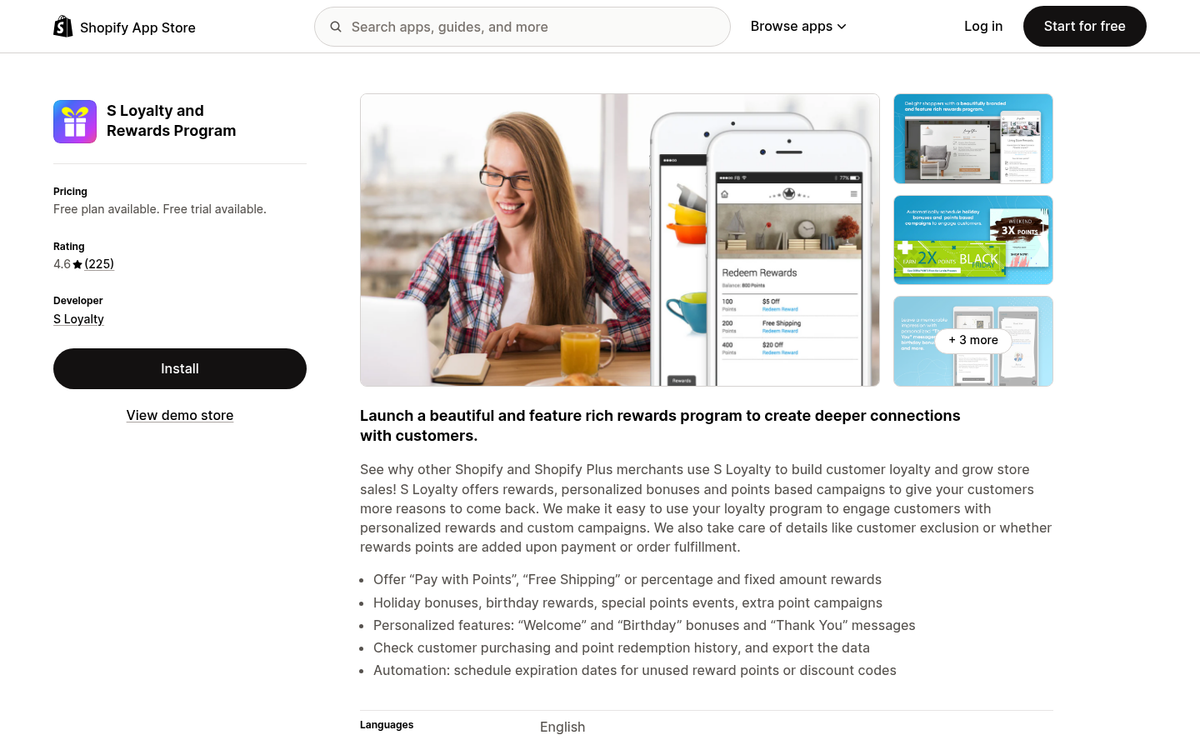
If Smile.io isn't quite the right fit, S Loyalty is a solid alternative for rewarding repeat customers. It's fast to install and easy to configure, with support for points programs, purchase tiers, point multipliers for special occasions, and birthday bonuses.
Pricing starts at $19.99 per month for basic functionality, scaling up to higher tiers based on order volume and rewards complexity. It's a bit more rigid than Smile.io in terms of customization, but some store owners prefer its simplicity. If you're also looking to grow your monthly revenue, pairing a loyalty program with a broader monetization strategy can make a real difference.
7. AfterShip
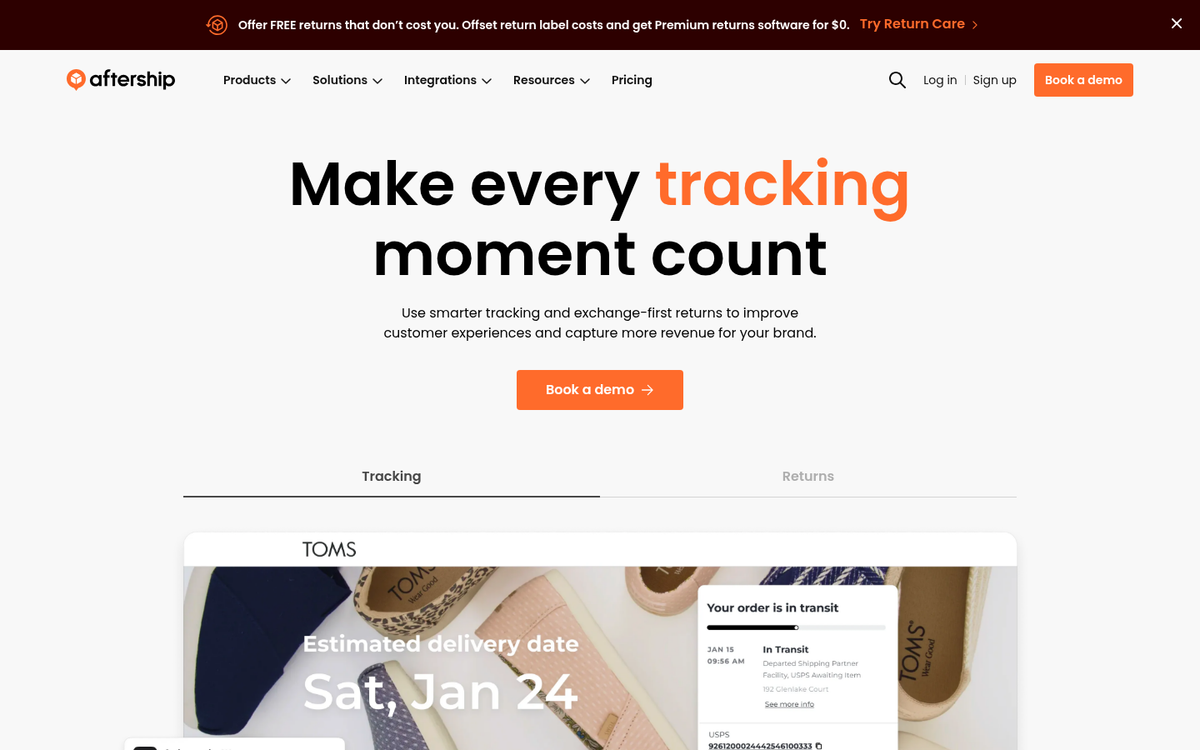
AfterShip is a comprehensive shipment tracking app that becomes genuinely essential once your order volume picks up. It supports tracking across hundreds of carriers globally, allowing customers to monitor their own shipments from within their account - reducing where-is-my-order support tickets significantly.
You can send automated notifications via email or SMS when an order ships, is out for delivery, or is delivered. The branded tracking page is a nice touch that keeps customers in your ecosystem rather than bouncing to a carrier's website. Pricing is free for up to 50 shipments per month, with paid plans starting at around $11 per month and scaling based on volume. If you want to learn more about choosing the best shipment tracker for your store, we've covered that in detail as well.
8. Sellbrite

Sellbrite is a multi-channel listing app that lets you list your products across Amazon, eBay, Etsy, Walmart, and other major marketplaces from a single hub. Inventory syncs automatically across channels, so you're not manually updating stock counts when a product sells on one platform.
It's particularly valuable if you're trying to expand beyond your BigCommerce storefront without building out entirely separate management workflows. Pricing has been updated in recent years - check their current plans page for the latest tiers, as they've adjusted their structure to be more competitive with alternatives like Linnworks and Listing Mirror. If you're also selling on Amazon, it's worth learning 5 ways to improve the rankings of an Amazon product to get the most out of your multi-channel strategy.
9. Rebillia
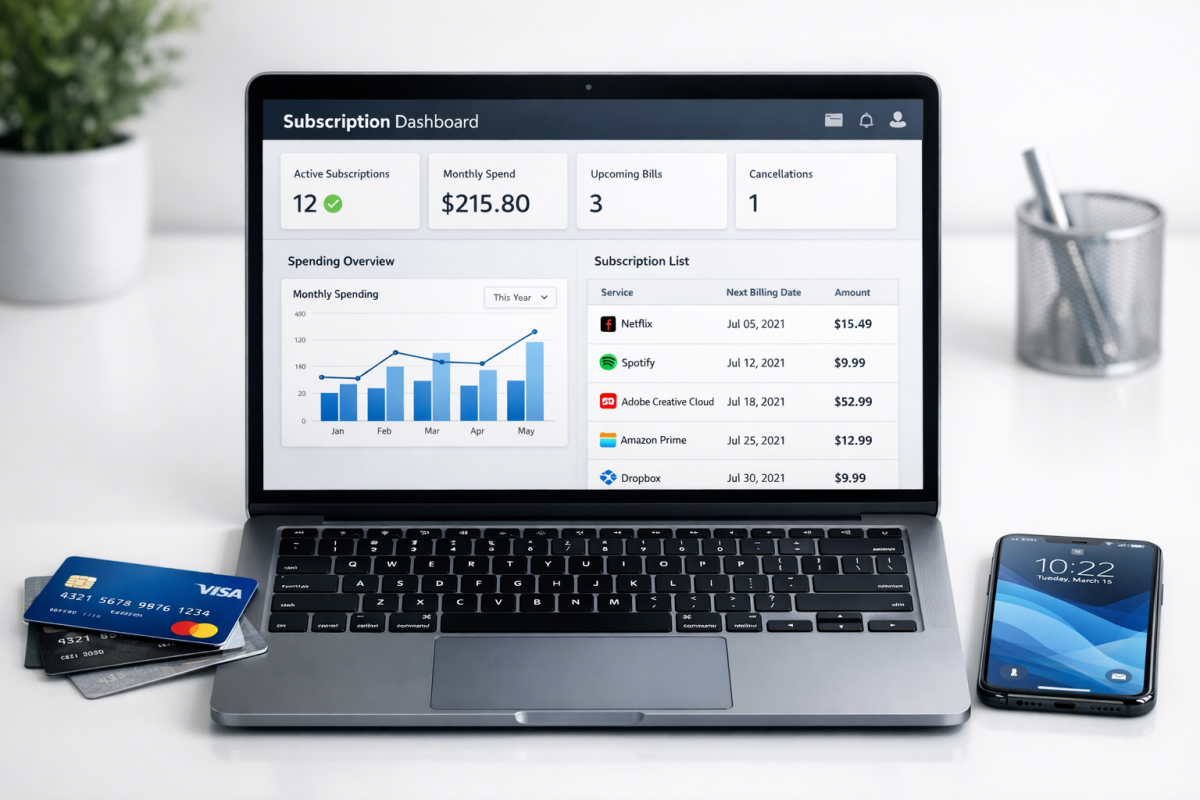
Rebillia handles recurring billing, subscriptions, and saved payment methods - functionality that used to require a significant custom development investment. If you sell products that lend themselves to subscriptions or simply want to offer customers additional payment options, Rebillia is worth exploring.
Plans scale based on store revenue and transaction volume, so it's accessible for smaller stores while remaining viable as you grow your eCommerce store. Check their current pricing page for up-to-date plan details.
10. Personalized Product Recommendations
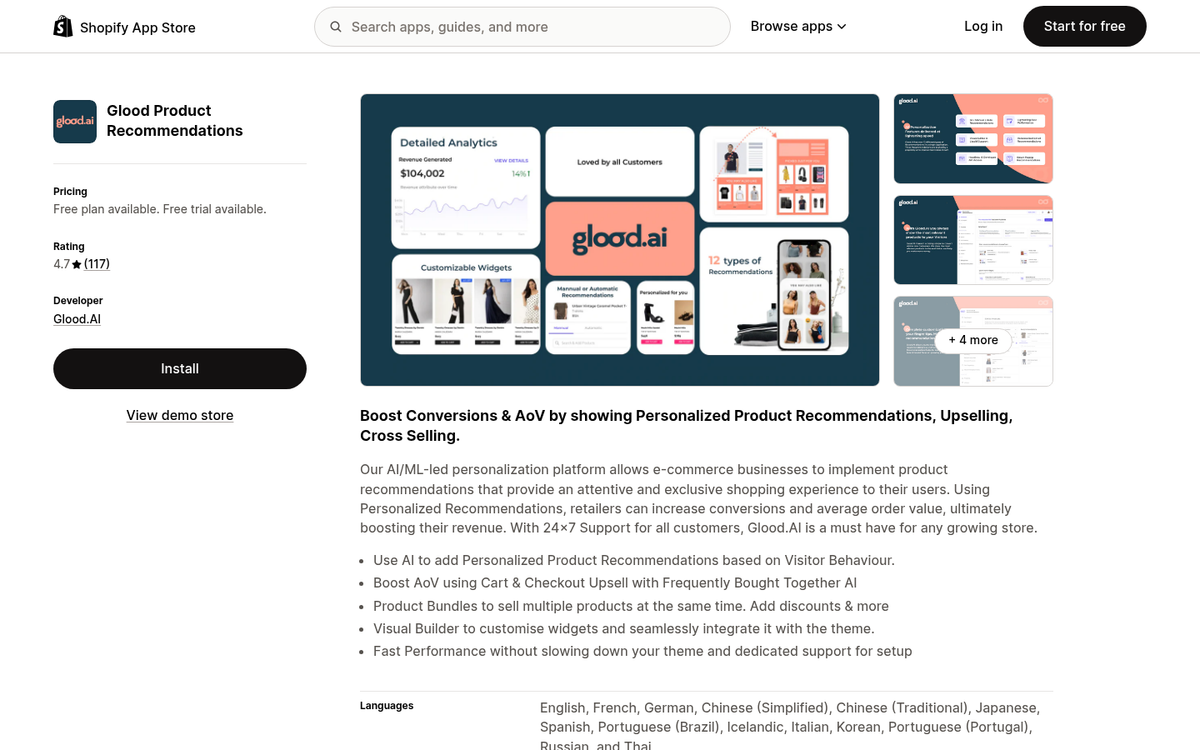
This app analyzes customer behavior and purchase history to recommend additional products throughout the shopping experience. For repeat customers, it can surface "buy it again" prompts and avoid recommending items unlikely to generate a second purchase - for example, not suggesting another camera to someone who just bought one, but rather the accessories that complement it.
Given that 67% of customers consider clear, high-quality product presentation more important than written information or ratings alone, pairing this app with solid product photography is a smart combination.
11. Boost Sales
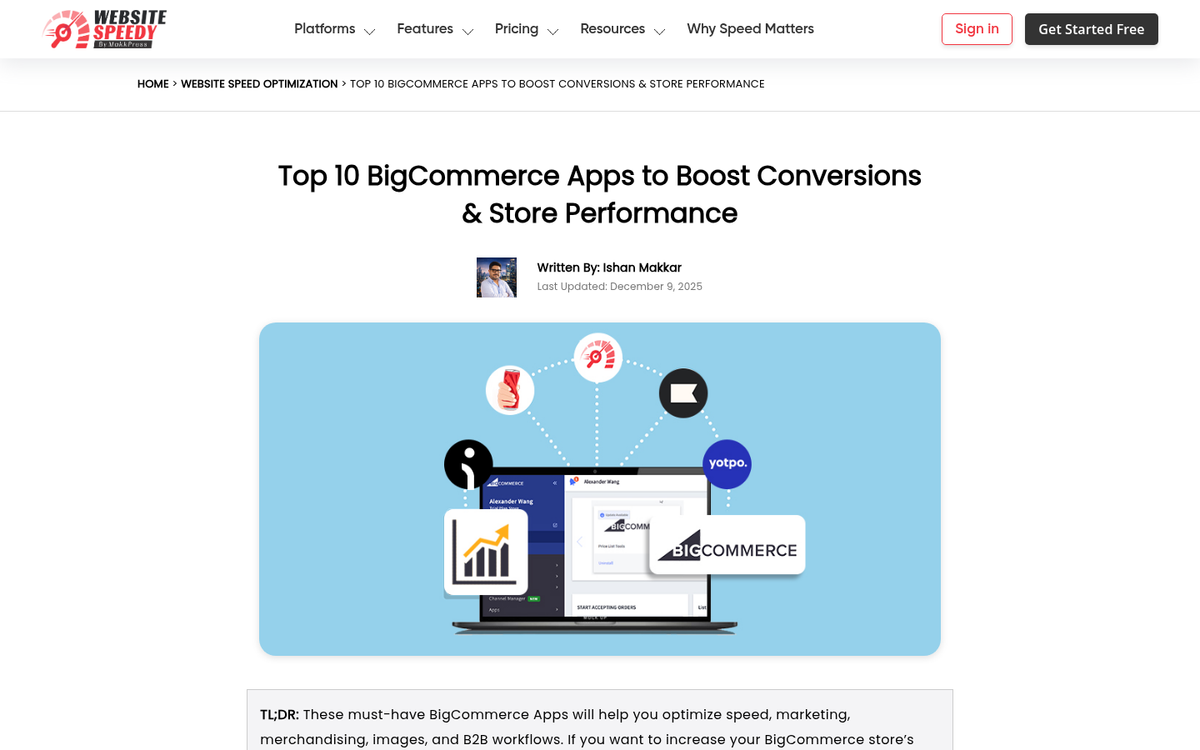
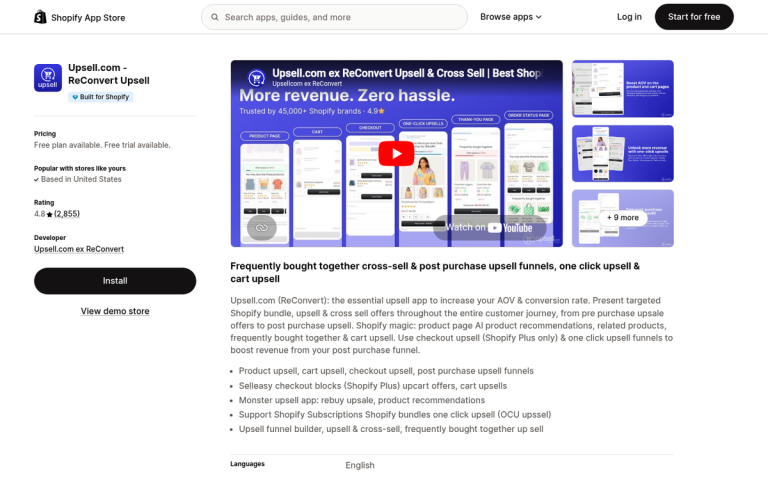
Since its release in 2014, the Boost Sales app has helped over 15,730 online stores increase their average order value (AOV) by more than 45% through upsells and cross-sells. It surfaces relevant product suggestions at key moments in the purchase journey - on the product page, in the cart, and at checkout - without being intrusive.
If you're not actively working to increase your AOV, you're leaving money on the table with every transaction. Boost Sales is one of the more proven tools in the BigCommerce marketplace for doing exactly that, and pairing it with services that boost your conversion rate can amplify results even further.
12. Sezzle
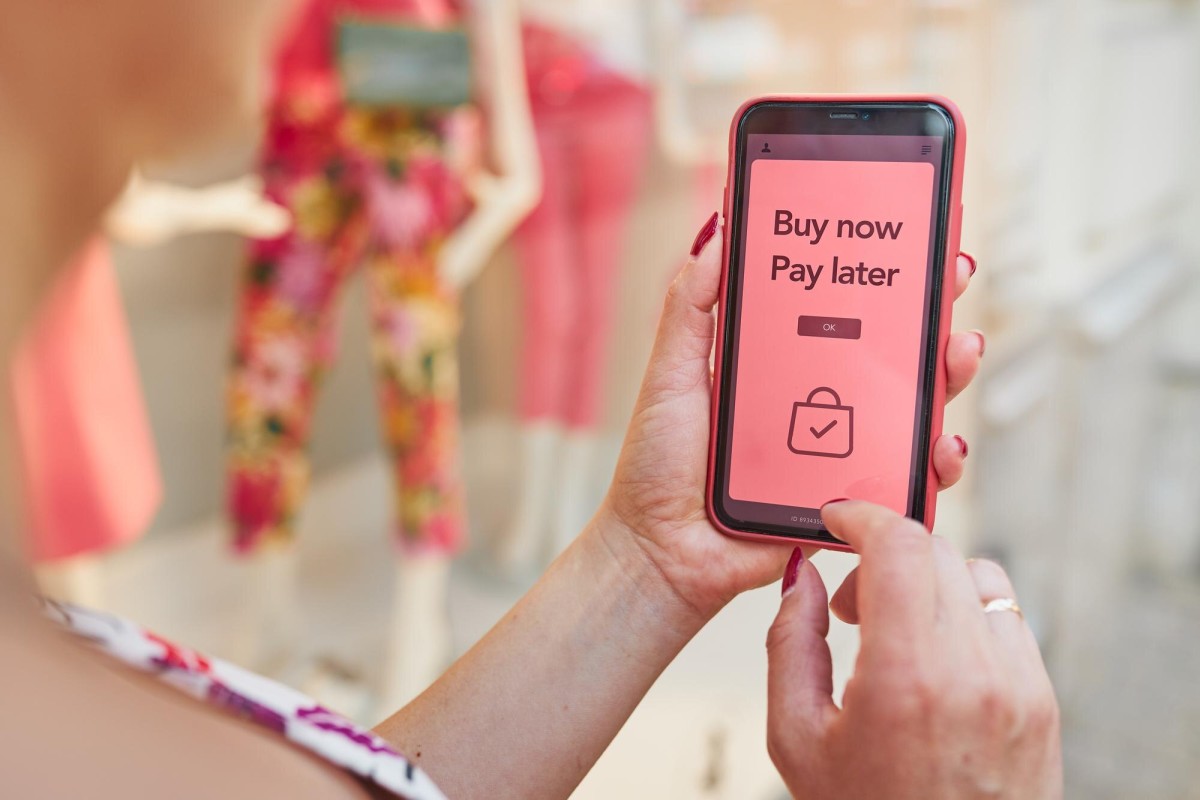
Buy Now, Pay Later (BNPL) has become a mainstream expectation for online shoppers, and Sezzle is one of the leading integrations for BigCommerce stores. It lets customers split purchases into interest-free installments, which removes a significant barrier to conversion - particularly for higher-ticket items.
Sezzle is used by 63% of millennials without a credit card as their preferred payment option, and stores that offer it have seen average order values increase by over 20%. If you're not offering a BNPL option in 2026, you're likely losing sales to competitors who do.
13. Ordoro
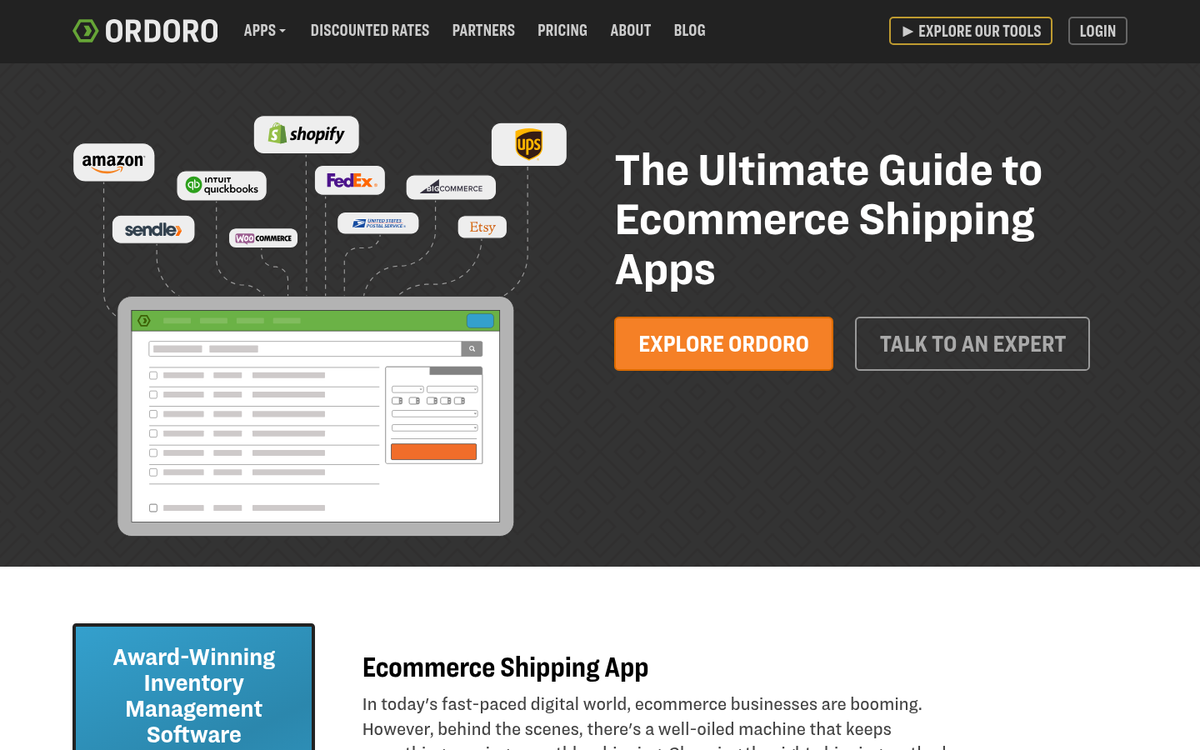
Ordoro is a behind-the-scenes app that doesn't touch your storefront at all. Instead, it focuses on order fulfillment, shipping, inventory management, and dropshipping workflows. If you're managing your own inventory across multiple channels, the operational efficiency gains alone make it worth serious consideration.
Features include bulk shipping label creation, USPS discounted rates, a vendor portal for dropship suppliers, multi-channel analytics, and an open API. Pricing starts with a free tier for low-volume stores, with paid plans beginning around $59 per month. Visit their pricing page for current plan details, as they've updated their structure in recent years.
14. BigCommerce's Native Analytics + Google Analytics 4
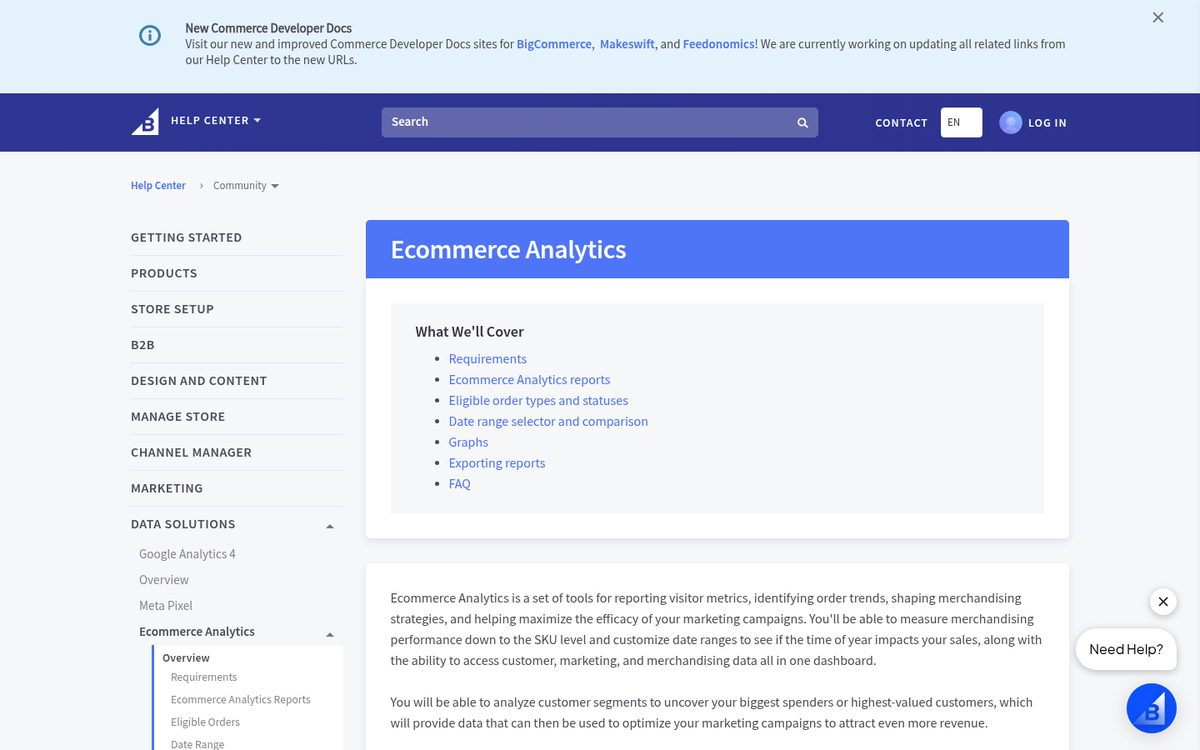
It's worth mentioning that in 2026, BigCommerce's built-in analytics have improved considerably. Combined with a properly configured Google Analytics 4 integration, most stores have access to robust real-time data without needing a separate analytics overlay tool. Before paying for a standalone analytics app, make sure you're fully utilizing what's already available to you natively - you may find it covers most of your needs right out of the box.
Final Thoughts
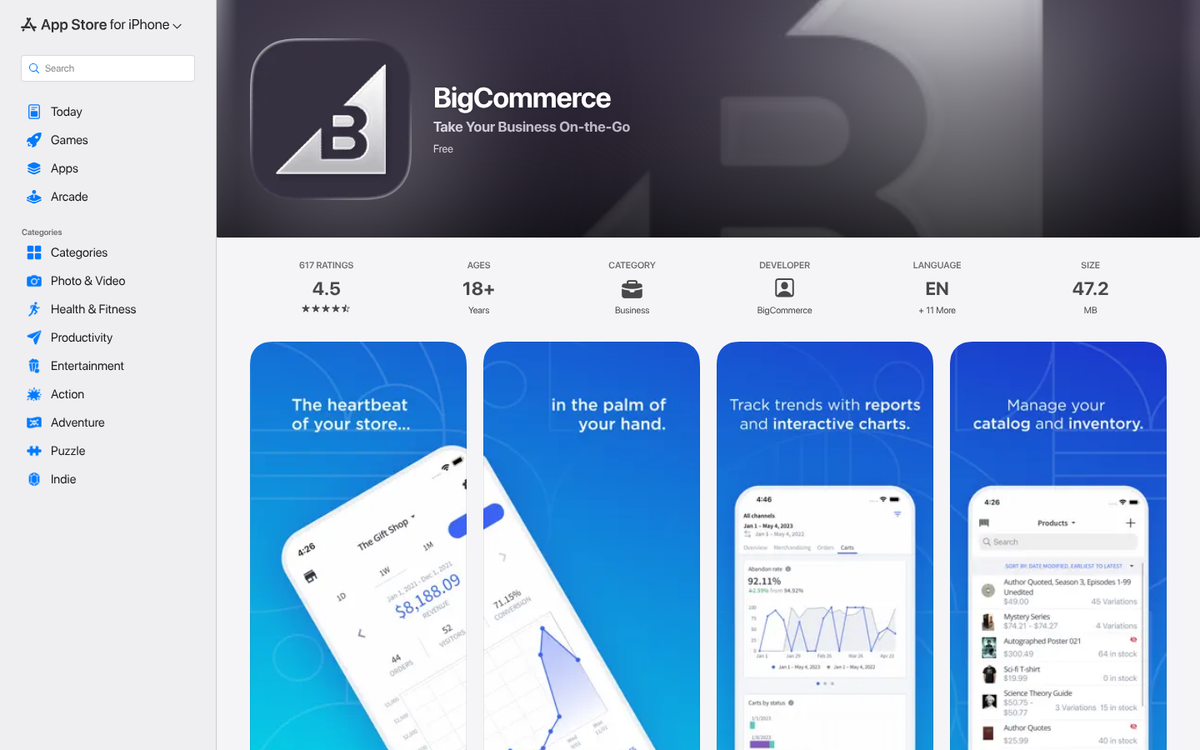
BigCommerce might not dominate the headlines the way Shopify does, but it remains a powerful platform with a growing app ecosystem. The tools above cover the core areas that move the needle for most stores: conversion optimization, email marketing, loyalty, shipping, and multi-channel selling. Start with the ones most relevant to your current gaps, measure the impact, and build from there.