It's a disorienting kind of loss. The usual explanations don't quite fit. You haven't been penalized. Your competitors haven't suddenly outranked you. Your content is still sitting right there on the first page, sometimes even in the top three results. But the visitors who used to click through are apparently finding what they need somewhere else - or, before they ever reach your link.
This is happening to publishers and SEOs who built their strategies around long-tail keywords. The searches that once felt like a safe bet - conversational, answerable - are increasingly the ones being intercepted. A change in how Google surfaces information is quietly changing which queries actually drive traffic and which ones stop short of a click.
I'll break down why long-tail keywords have become especially vulnerable, what the data is starting to show, and what you can do to adapt your content strategy without starting from scratch.
Key Takeaways
- AI Overviews appear for 99.9% of informational keywords, making question-based long-tail queries extremely vulnerable to traffic interception.
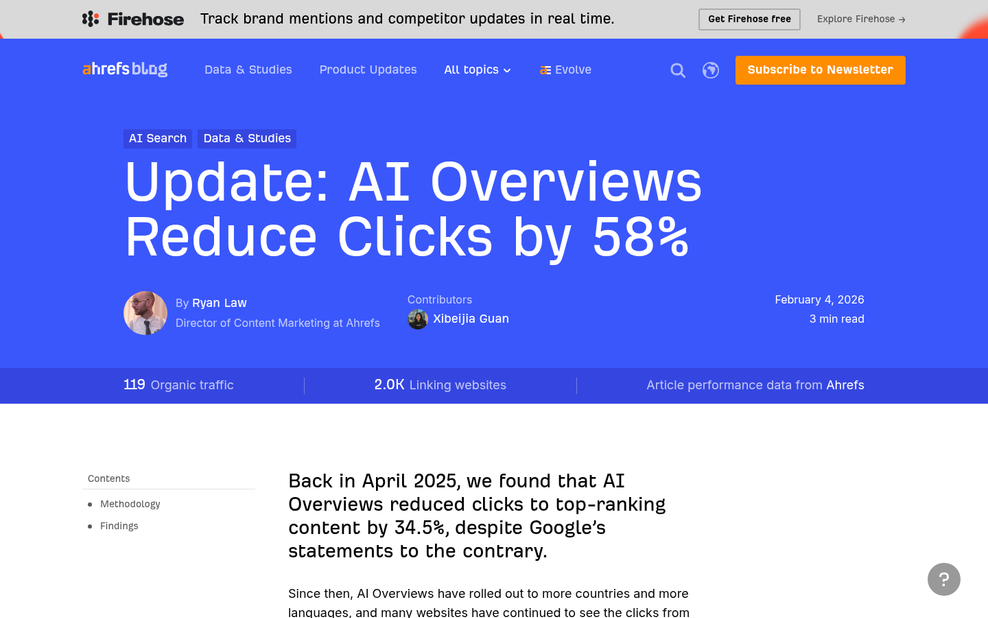
- Ahrefs tracked a 34.5% average CTR drop when AI Overviews appear, with position one losing 58% of expected clicks.
- Long-tail keywords are disproportionately affected because their conversational, question-based structure is exactly what AI Overviews are optimized to answer.
- Transactional, navigational, and branded queries trigger AI Overviews less than 5% of the time, making them safer traffic sources.
- Only 1% of users click links inside AI Overviews, making citation placement an unreliable strategy for driving meaningful traffic.
How AI Overviews Decide Which Queries to Answer
Not every search triggers an AI Overview. Google is selective about when to show one, and the pattern comes down mostly to what the searcher seems to want. When a query looks like trying to learn something instead of do something, Google sees that as an opportunity to generate a direct answer at the top of the page.
Intent is the biggest factor here. Informational queries - the "how does," "what is," and "why do" searches - are almost certain to get an AI Overview. Ahrefs found that AI Overviews appear for 99.9% of informational keywords. That number is not a typo.
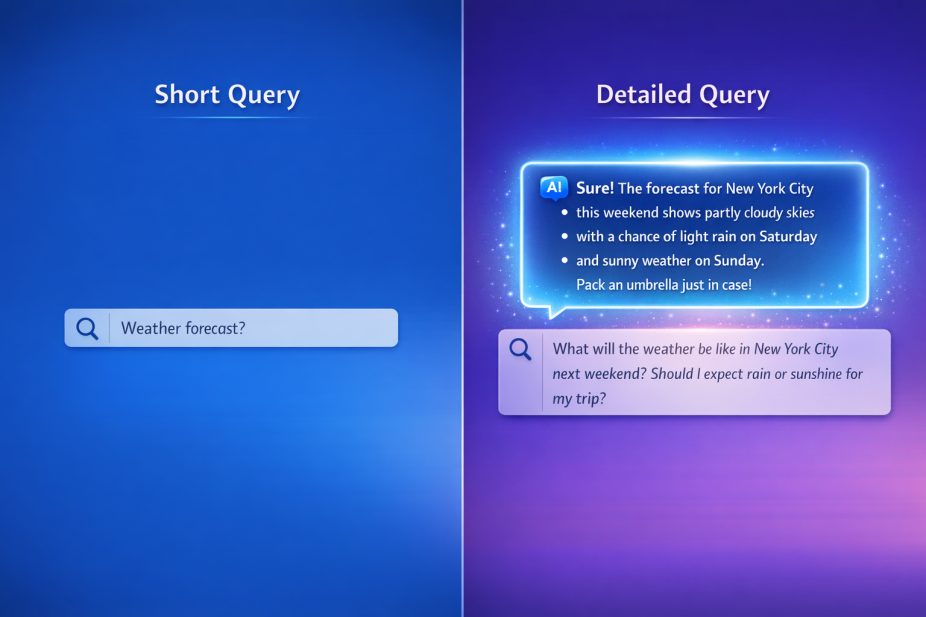
Query length factors in too. Research from Ahrefs and Amsive shows a steady difference between the searches that trigger AI Overviews and those that don't. Queries that pull up an AI Overview average around 4.29 words. But non-AIO queries average closer to 3.48 words. That difference is small on paper but significant in practice.
| Query Type | Average Word Count |
|---|---|
| AIO-triggering queries | 4.29 words |
| Non-AIO queries | 3.48 words |
This creates a problem for long-tail keyword strategies. Long-tail queries are usually longer, more specific, and built around a question. That structure makes them almost perfectly matched to the conditions Google uses to decide an AI Overview is worth showing. The very thing that made long-tail keywords helpful - their specificity - is now what makes them a target for an AI-generated response.
So if you go after a phrase like "what causes low water pressure in a two-story house," you are not just competing with other websites. You are up against a summarized answer that sits above everything else on the page. Understanding why competitors appear in those AI Overviews and you don't is worth looking into if this is affecting your traffic.
The Click-Through Rate Collapse Nobody Warned You About
Once an AI Overview appears on a results page, the clicks that used to flow to ranked pages slow down fast. Ahrefs tracked this across 300,000 keywords and found an average CTR drop of 34.5% when an AI Overview was present. That is not a rounding error - it's a third of your traffic, gone.
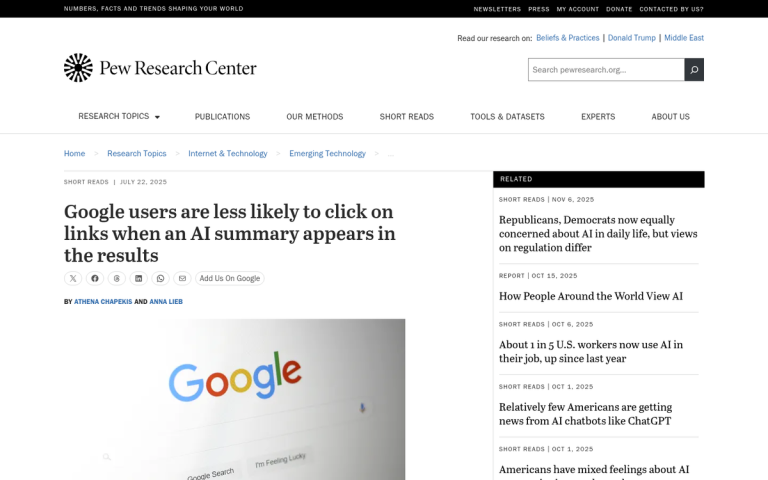
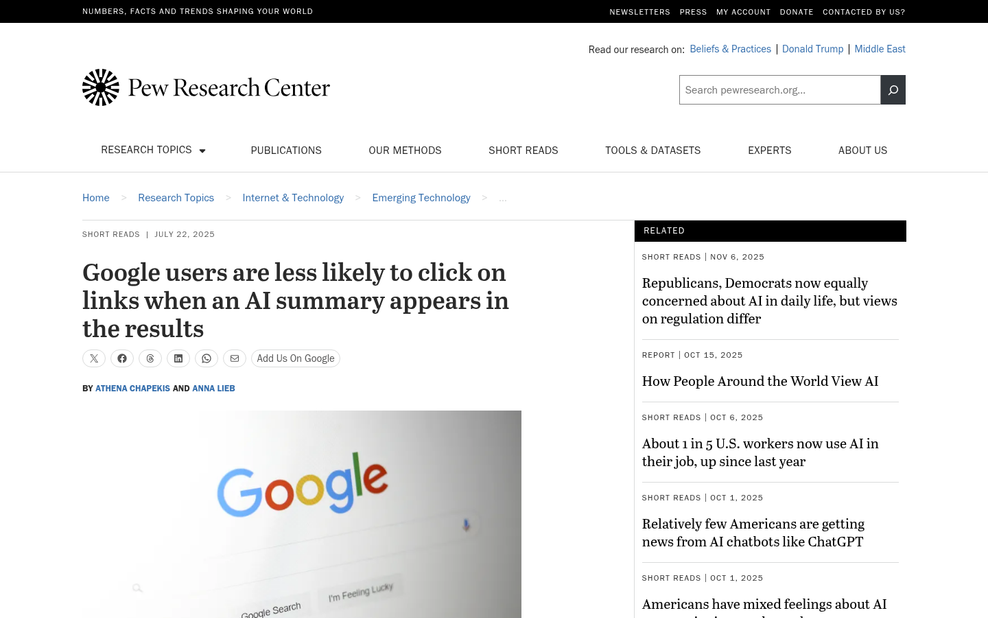
Pew Research put a sharper point on it. When no AI Overview appeared, around 15% of users clicked through to a website. When one did appear, that number fell to 8%. Users are getting what they need from the answer on the page and moving on without ever visiting your site.
The damage is not spread evenly across all positions either. The top-ranking result takes the hardest hit, which runs against the instinct that position one is a safe place to be.
| Ranking Position | CTR Drop with AI Overview |
|---|---|
| Position 1 | 58% |
| Position 2 | 50.8% |
| Position 3 | 46.4% |
Every position in the top three loses roughly half its expected clicks the second an AI Overview enters the picture. Position one actually loses the most, which makes sense given the layout - the AI answer sits above everything, so the first organic result is pushed further down the page than it has ever been.
What makes this harder to track is that your rankings might not change at all. You could hold position one for months and never see a ranking drop in your reports. But your traffic quietly falls. The rankings stay; the clicks don't. If you want to understand why your site isn't getting enough traffic, this kind of invisible CTR erosion is increasingly part of the answer.
Why Long-Tail Keywords Carry the Most Exposure
The CTR drop isn't spread evenly across all keyword types. Long-tail keywords take the hardest hit, and that's not a coincidence - it's a direct result of what these queries look like and what AI Overviews are designed for.
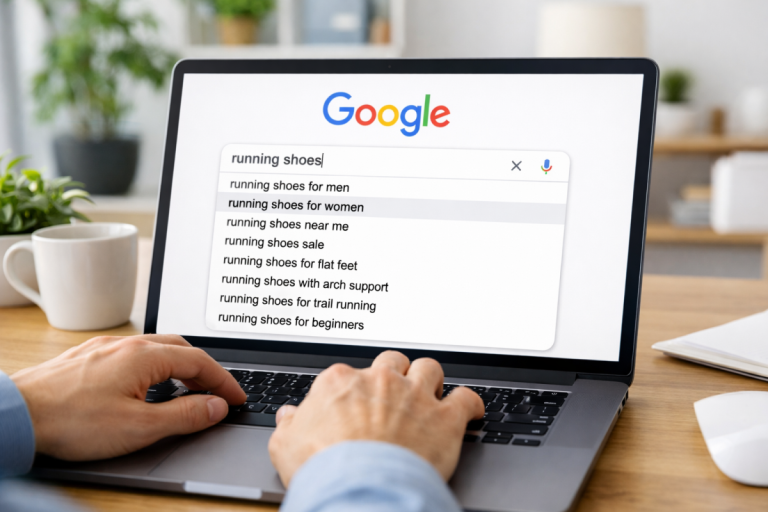
Long-tail keywords tend to be longer, more conversational, and shaped like questions. "What's the best time to post on LinkedIn for B2B" instead of just "LinkedIn posting tips." That question format is what Google's AI is built to intercept and answer directly on the results page. The more phrases a query has, the more likely an AI Overview is waiting at the top to catch it. These are often called conversational queries, and they're precisely what AI systems are optimized to resolve.
This is where the traditional logic around long-tail strategy starts to work against you. For years, the appeal was easy: less competition, more intent, easier to rank. A well-targeted long-tail page could pull in steady traffic without needing thousands of backlinks. That math made sense when ranking meant clicks - it makes less sense when ranking still happens but the AI Overview sits above your result and answers the question before anyone scrolls down.
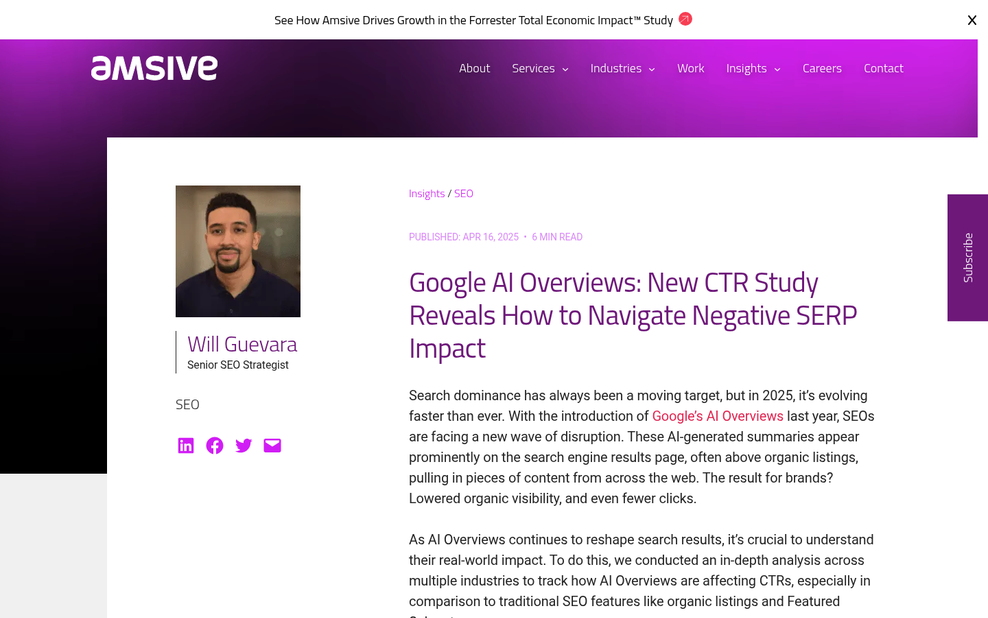
Amsive research found that non-branded queries lose 19.98% of their click-through rate when an AI Overview appears. Non-branded queries are largely informational and long-tail by nature. So the keyword category that was supposed to be the safest bet for smaller publishers is now absorbing some of the steepest traffic losses. If your numbers look off, it's worth checking why Google Analytics may not be reflecting your real traffic.
The intent behind long-tail keywords is also what makes them vulnerable. High-intent informational queries - "how to," "what is," "best way to" - are the exact inputs that produce AI Overviews most. Google's system is optimized to resolve these queries without requiring a click. Understanding the difference between impressions and clicks becomes especially important in this environment.
Your content might still rank. Your keyword might still pull impressions. But the click that was supposed to follow is increasingly going nowhere.
Auditing Your Keyword Portfolio for AI Overview Vulnerability
The good news is that you don't have to guess which of your keywords are at risk. There are some helpful tells to look for, and knowing what they are, the audit goes pretty fast.
Start with intent. Keywords that ask a question or look for an explanation are the most likely to trigger an AI Overview. Think about phrasing like "how does," "what is," "why does," or "best way to." These are informational queries, and Google treats them as perfect candidates to answer directly on the results page.
Query length matters too. Keywords longer than four words tend to be more conversational and specific, which makes them easier for AI to summarize. Non-branded searches are also more exposed than branded ones. Google is less likely to interrupt a search for your company name with a generated answer.
Run through this checklist for each keyword you want to review.
| Signal | What to Look For |
|---|---|
| Informational intent | Query starts with how, what, why, when, or which |
| Question-based phrasing | Reads like a full question a person would ask out loud |
| Query length | More than four words in the search phrase |
| Non-branded | Does not include your brand name or a competitor's name |
| Low click-through rate despite good ranking | High impressions but unexpectedly low clicks in Search Console |
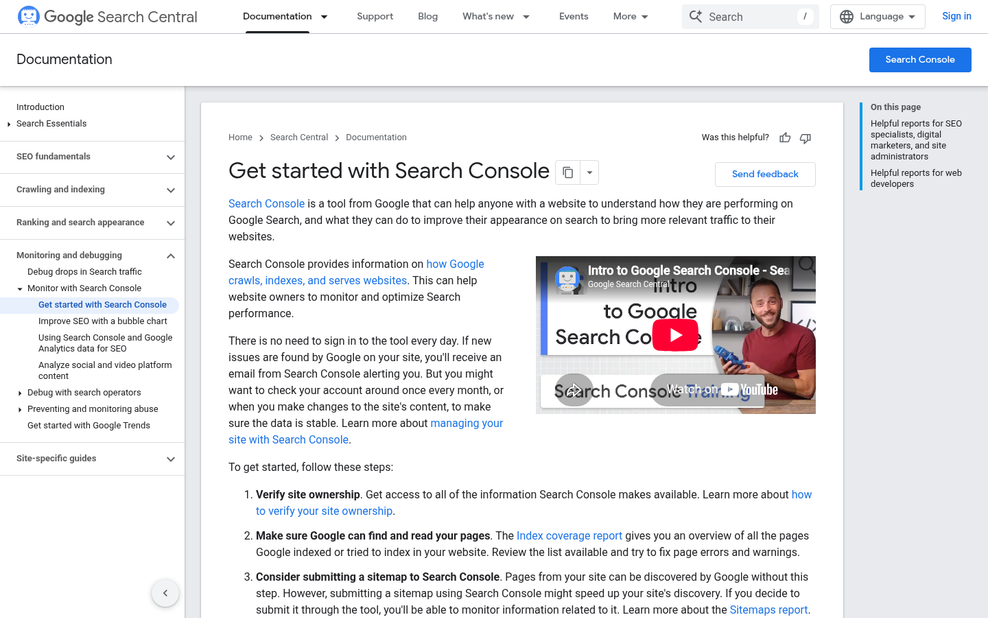
That last row is worth a look. Pull up Google Search Console and filter for keywords where you rank in positions one through five but the click-through rate is unusually low. That difference between impressions and clicks is a strong indicator that an AI Overview is sitting above your result and absorbing the traffic. If you've noticed high clicks but lower earnings than expected, a similar dynamic may be at play.
Then manually search your top long-tail terms and watch what loads. If an AI-generated answer block appears before the organic results, your page is already competing against it.
Repositioning Your Content Strategy Around Clicks That Still Happen
Not every query type is equally vulnerable. Transactional, navigational, and branded queries trigger AI Overviews less than 5% of the time according to Ahrefs research, which means people looking for a product, brand, or place to buy are still clicking through to websites at a much higher rate; it's where your attention should go.
Bottom-of-funnel content is worth prioritizing here. Comparison pages, product alternatives, pricing breakdowns, and "which is better" style content tend to draw readers who are close to a choice and want something that a summary paragraph can't give them. AI Overviews don't do nuance especially well, and readers looking to make a choice know that.
It's also worth thinking about what being cited inside an AI Overview actually means for your brand. Pew Research found that only around 1% of users clicked a link inside an AI Overview, so the direct traffic value is close to zero. But there may be some passive brand recognition in being named as a cited source, even if most readers never click.
That said, don't chase citation placement as a strategy- it's unpredictable and the payoff in visits is too small to plan around.
The bigger mindset change is to move away from measuring success purely by traffic volume. A page that gets 200 visits a month from people ready to buy or book is worth more than one that gets 2,000 visits from people looking for a quick answer they got from an overview. Conversion intent matters more than raw numbers, and your keyword strategy should start to reflect that.
Consider what your audience needs when they're close to taking action and build content that answers those questions in more depth than any generated summary can; it's the gap still worth filling. If you're unsure where to start, reviewing a solid marketing plan framework can help you realign your priorities around content that actually converts.
Your Rankings Are Fine - It's the Game That Changed
The clearest path forward starts with an honest audit. Identify the informational terms in your keyword list that AI Overviews are most likely to absorb - definition-style queries, how-to basics, and surface-level comparisons - and start directing your energy toward content those overviews can't replace. That means experience-driven guides, original data and research, nuanced comparisons that need judgment, and content built around queries with commercial or transactional intent. These are the spaces where a link still earns the click.
Search has never stayed still - it changed when featured snippets arrived, when People Also Ask boxes expanded, and when local packs influenced how service businesses compete. AI Overviews are the next change - not the last one. The teams that treat this moment as a prompt to evolve - instead of evidence that SEO is dying - are the ones who hold their ground and find new ground worth standing on.