You've built a new website, and you're pretty sure you have a strong foundation behind it. You've taken the time to research your niche. You've got a stable of writers ready to go, and a backlog of content to keep you steady for a few months. You have keywords to target, value to give and a product to sell. Everything is in place. So why isn't your site bringing in the traffic you want?
The hard truth? According to Ahrefs, who studied around 14 billion webpages, 96.55% of them get zero traffic from Google. Zero. And with 252,000 new websites being created every single day, the competition isn't getting any lighter. The good news is that most of those sites are making avoidable mistakes - and you don't have to.
Key Takeaways
- 96.55% of web pages get zero Google traffic, and 252,000 new sites launch daily, making competition fierce.
- New sites typically take 3-6 months for organic traffic; PPC advertising can bridge that gap effectively.
- Poor content quality, overly promotional writing, and inconsistent publishing significantly hurt traffic and search rankings.
- Technical issues like Google not indexing your site, penalties, or broken analytics can silently kill traffic.
- Both overly narrow and overly broad targeting hurt audience growth; finding the right niche focus is essential.
You Haven't Bought Traffic
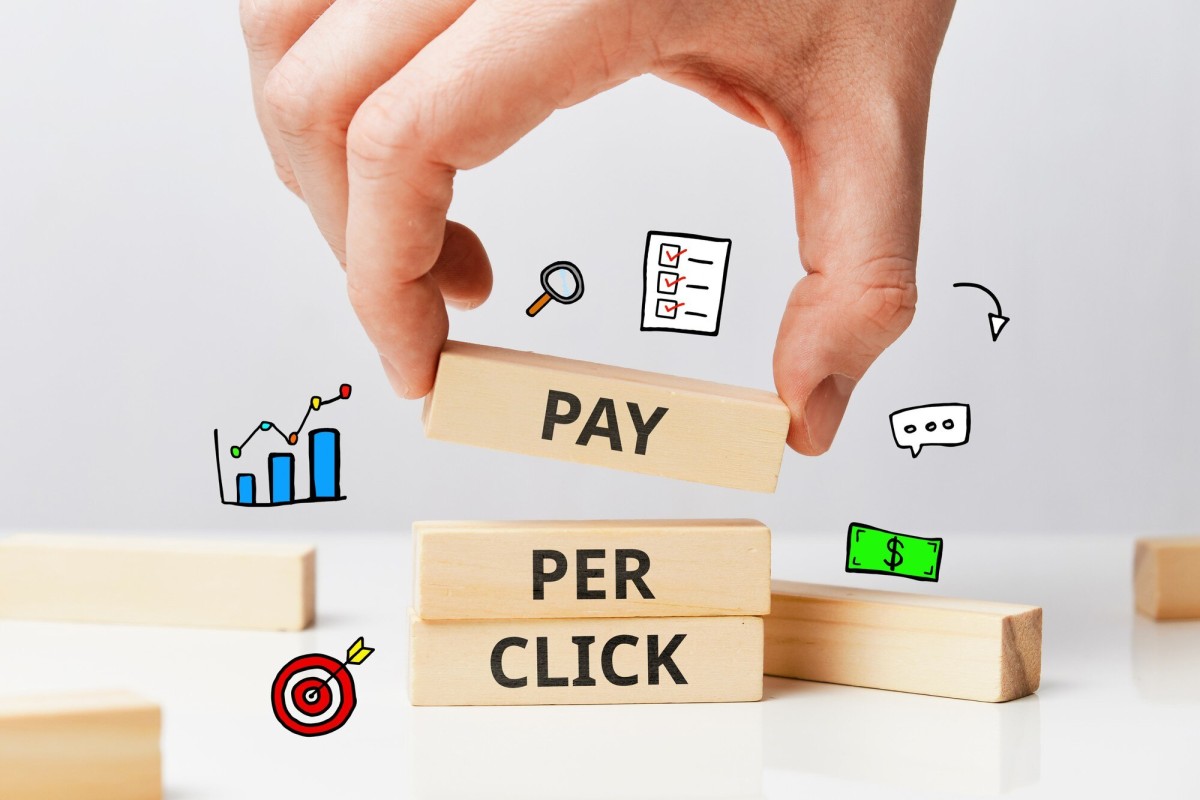
No, I'm not advocating going to Fiverr and buying thousands of bot clicks. One of the best ways to get a brand new site off the ground is with some dedicated Pay Per Click advertising. A good PPC campaign can kickstart your site traffic and conversions while you wait for your organic SEO to pick up. And you will be waiting - a new website typically takes 3 to 6 months to start seeing meaningful organic traffic, and ranking on page one for competitive keywords can take 6 months to a year or longer. Give yourself enough of a budget to run PPC during that gap, targeting your core keywords, and draw in traffic while your organic presence builds.
You Aren't Using Social Media
Social media is one of the pillars of organic traffic growth, but the landscape has shifted dramatically. Facebook still has too large an audience to ignore, though organic reach has declined significantly and paid promotion is often necessary to move the needle. Instagram and TikTok are where engagement tends to be highest right now, particularly for visual or lifestyle-driven niches. LinkedIn has grown into an incredibly powerful channel for B2B content. X (formerly Twitter) remains useful for certain industries and thought leadership, though its effectiveness varies widely by niche. YouTube continues to be one of the highest-value platforms if you can produce video content - and there are proven ways to grow your YouTube channel if you're just getting started. The platforms matter less than picking the right ones for your audience and showing up consistently.
You're Using Social Media Wrong
It's all too easy to use social media as a one-sided advertising stream, ignoring the comments and concerns of your users in favor of more promotional posts. Unfortunately, that's a great way to earn the disgust of your audience and get them to unfollow your pages. Remember that social media is social - you need to focus on relationships, not on advertising. Respond to comments. Join conversations. Share content that genuinely helps people. The brands that win on social in 2026 are the ones that act like real humans, not broadcasting machines.
You're Not Publishing Content
You can't throw a site up on the web and expect it to grow. You need to nurture it and grow it yourself. Think of your site like a tree you planted. Your homepage is the seed. The trunk and branches are your blog posts. Your customers are birds and squirrels. You can't expect your customers to nest in your branches if your branches don't exist. Grow your site, give them more branches, and they'll find one they want to use to roost. Organic search still drives 53% of all site visits - but that traffic doesn't come to a site that's standing still.
Your Content Sucks
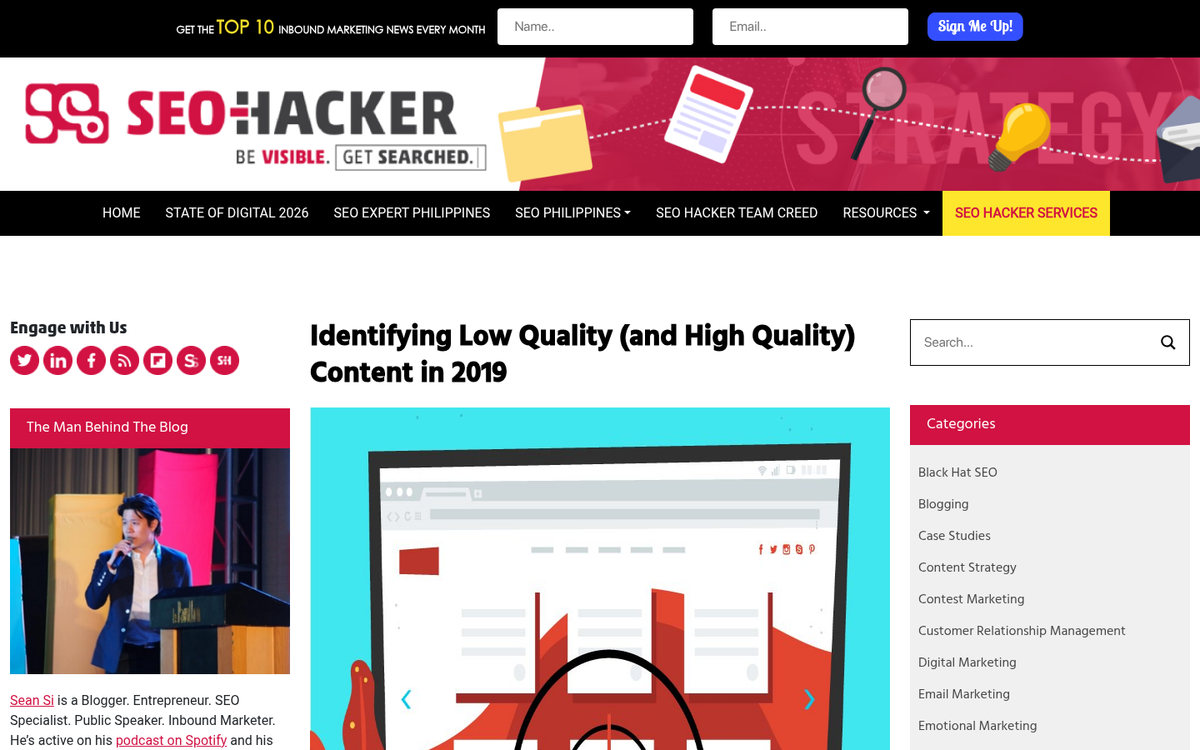
It's a common pitfall for new sites to jump into the game with lower quality standards, hoping to improve over time. It doesn't work. With AI-generated content now flooding the web, the bar for what "good" looks like has actually risen - not lowered. Google's ranking systems have become increasingly sophisticated at identifying content that exists to fill space rather than serve readers. If your content is thin, generic, or could have been written by anyone about anything, it's going to be ignored by both search engines and real people. Publish fewer pieces if you have to, but make every one of them genuinely worth reading.
You're Too Promotional

You know it, I know it and your readers know it - the reason you have a site is to sell your product. You don't need to throw it in our faces. If I read one more non sequitur call to action crammed into the middle of a piece, I'm going to blacklist your blog - and that's true of many readers. It's annoying, it's out of place and it doesn't serve any valuable purpose. Save your advertising for where it really matters and use your blog posts to convince me you're worth the intellectual investment.
Google Hasn't Indexed You
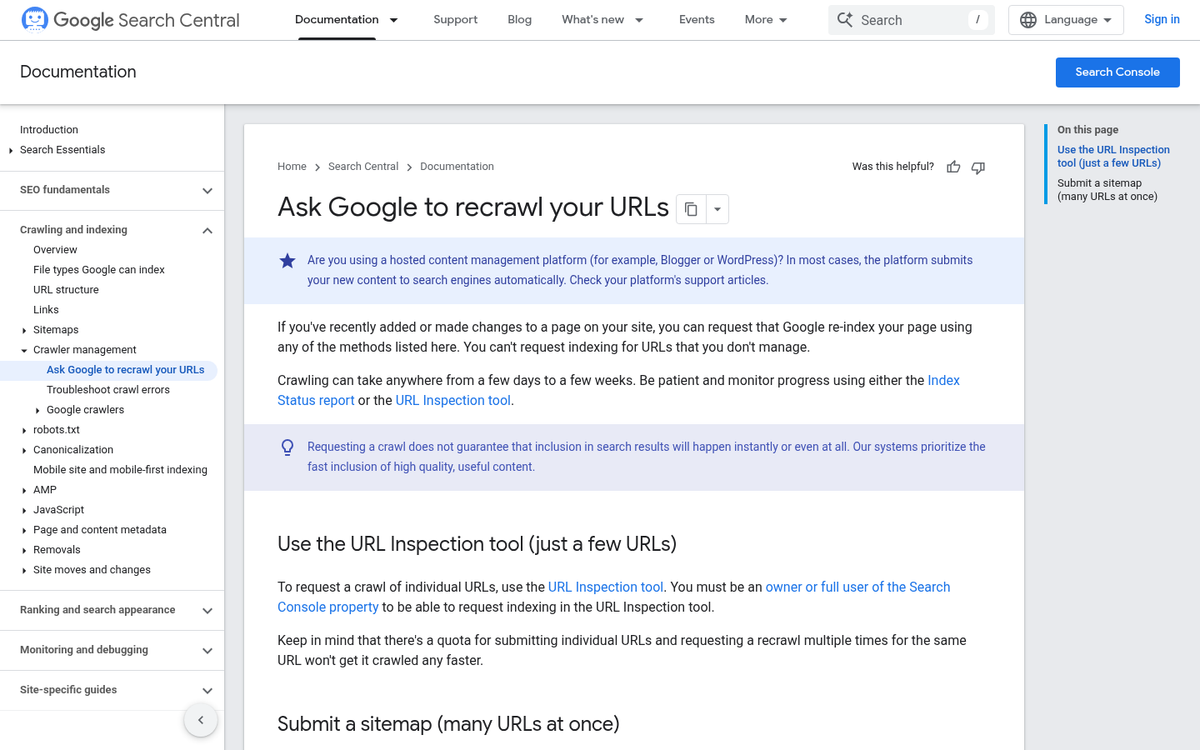
If your site is extremely new, you may not even be in Google's index yet. Google generally takes anywhere from 4 days to 4 weeks to index a new website, so don't panic immediately - but do take steps to speed things along. Submit your XML sitemap through Google Search Console, request indexing directly for your key pages, and pull in a backlink or two from established sites in your industry at launch. You should also double-check that you don't have a noindex tag active in your robots.txt file - it's a surprisingly common mistake to enable that tag while a site is being built and then forget to remove it before going live.
Google Penalized You

There are a few things that might earn your site a penalty before it gets off the ground. Hidden text, keyword stuffing, manipulative link schemes and broken code can all negatively affect your rankings. Google's Helpful Content system and spam policies have become considerably more aggressive in recent years, and even a brand new site can be caught in the crossfire if it trips the wrong signals. If you can't figure out why you aren't showing up in Google, check Google Search Console for manual actions and review your site against Google's current spam policies.
Your Niche is Too Narrow
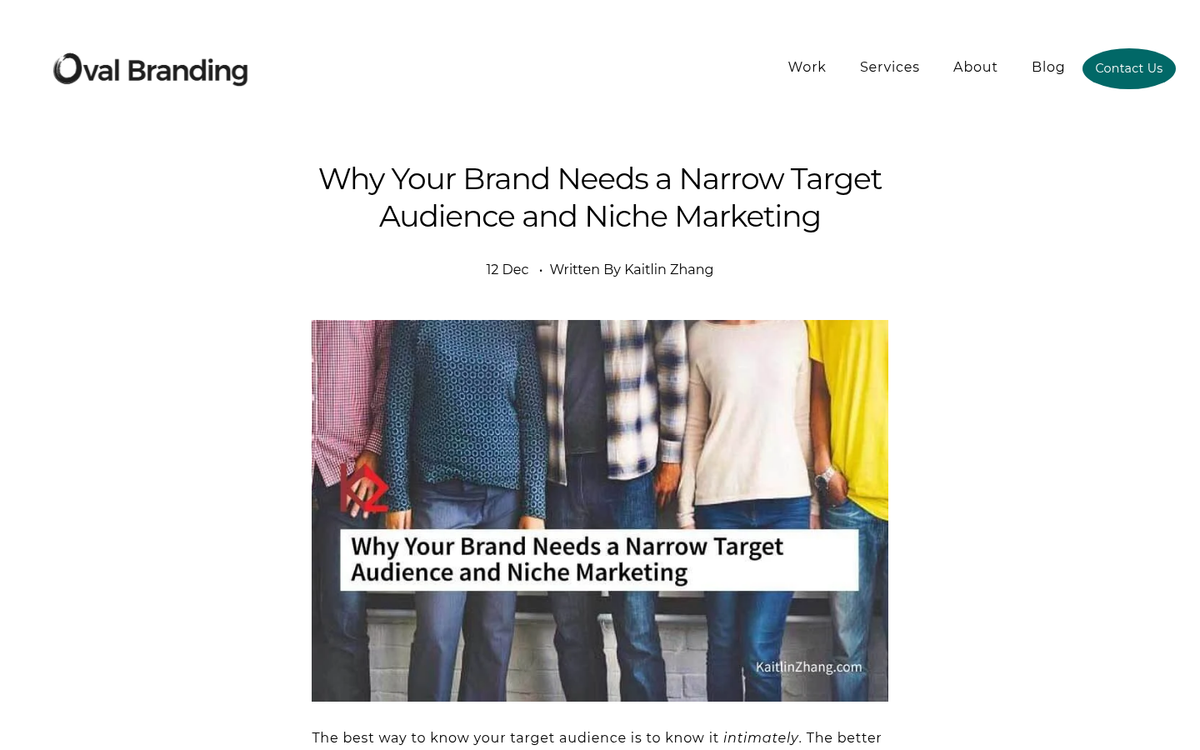
Some niches have very narrow applications in certain limited B2B situations. Some niches are artificially narrowed to focus on a small selection of low-competition keywords. Either way, you're going to run out of people who care more quickly than you may want to admit. Consider this: Ahrefs found that out of roughly 20 million pages with no referring domains, only 2,997 of them receive more than 1,000 search visits per month. That's roughly 1 in every 6,671 pages. A narrow niche with a tiny audience makes those odds even worse. You may face more competition by widening your net, but you'll also have a larger base audience to work with.
Your Targeting is Too Wide

This is exactly the opposite problem - you're trying to target too many people in too many ways. Your one website can't be expected to successfully target everyone who has anything to do with any application of computers in modern life, can it? You'd need to focus down on specific kinds of hardware or software, or even narrower, to specific brands. An unfocused target audience is an audience you can't unify and motivate. If you're struggling to connect with visitors, it may also be worth looking at ways to reduce your bounce rate and keep people engaged once they land on your site.
Your Site Layout Doesn't Work

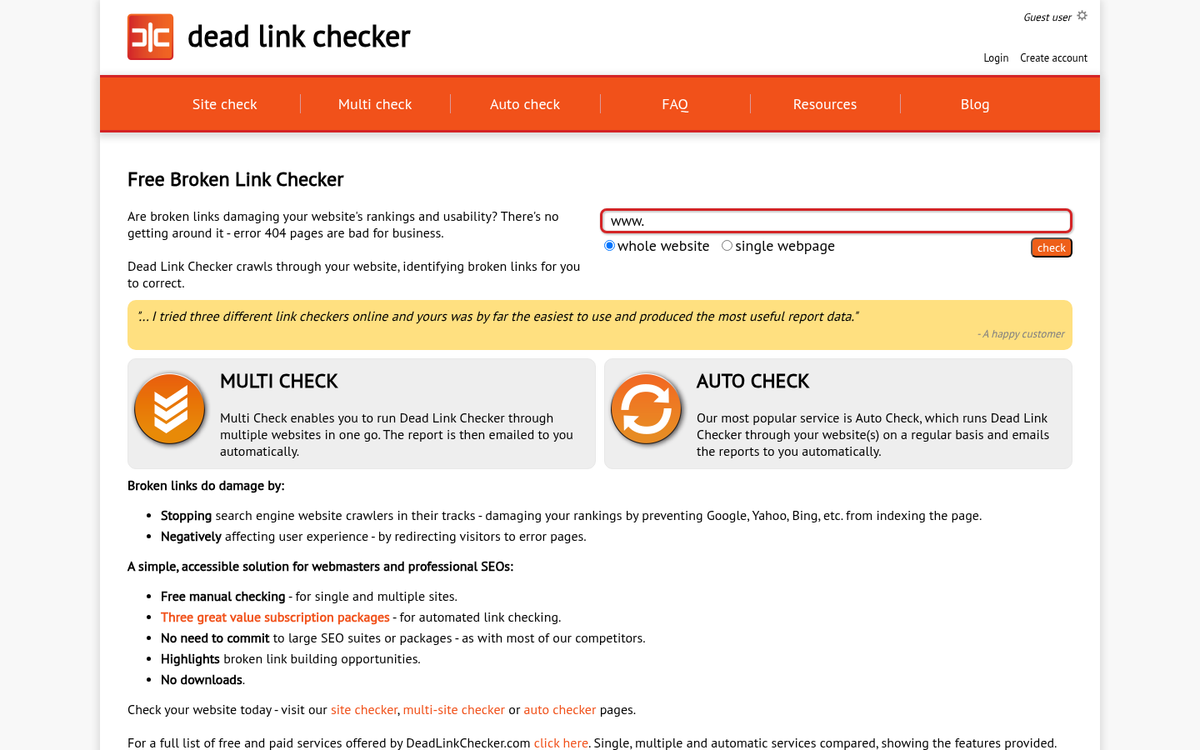
No one wants to think ill of their darlings, but you might need to consider that your carefully designed site is turning away users. Core Web Vitals - Google's framework for measuring real-world page experience - have become an established ranking factor, and a site that loads slowly, jumps around visually, or frustrates users on mobile is going to suffer for it. It may be as simple as a few broken links, or it may be as complex as a deep user experience flaw that makes visitors unable to find your content and unwilling to give it a try.
Your Site Layout Doesn't Work
No one wants to think ill of their darlings, but you might need to consider that your carefully designed site is turning away users. Core Web Vitals - Google's framework for measuring real-world page experience - have become an established ranking factor, and a site that loads slowly, jumps around visually, or frustrates users on mobile is going to suffer for it. It may be as simple as a few broken links, or it may be as complex as a deep user experience flaw that makes visitors unable to find your content and unwilling to give it a try.
Your Site is Broken
A site full of broken code is going to face ranking suppression from Google, and it's going to drive away users who might otherwise stick around. No one likes to acknowledge that the internet rides on the back of code only a small handful of the population can even begin to understand. Being presented with errors, broken layouts, or a site that simply won't load properly on their device is a perfectly good reason to abandon your site and never come back.
Your Analytics is Broken
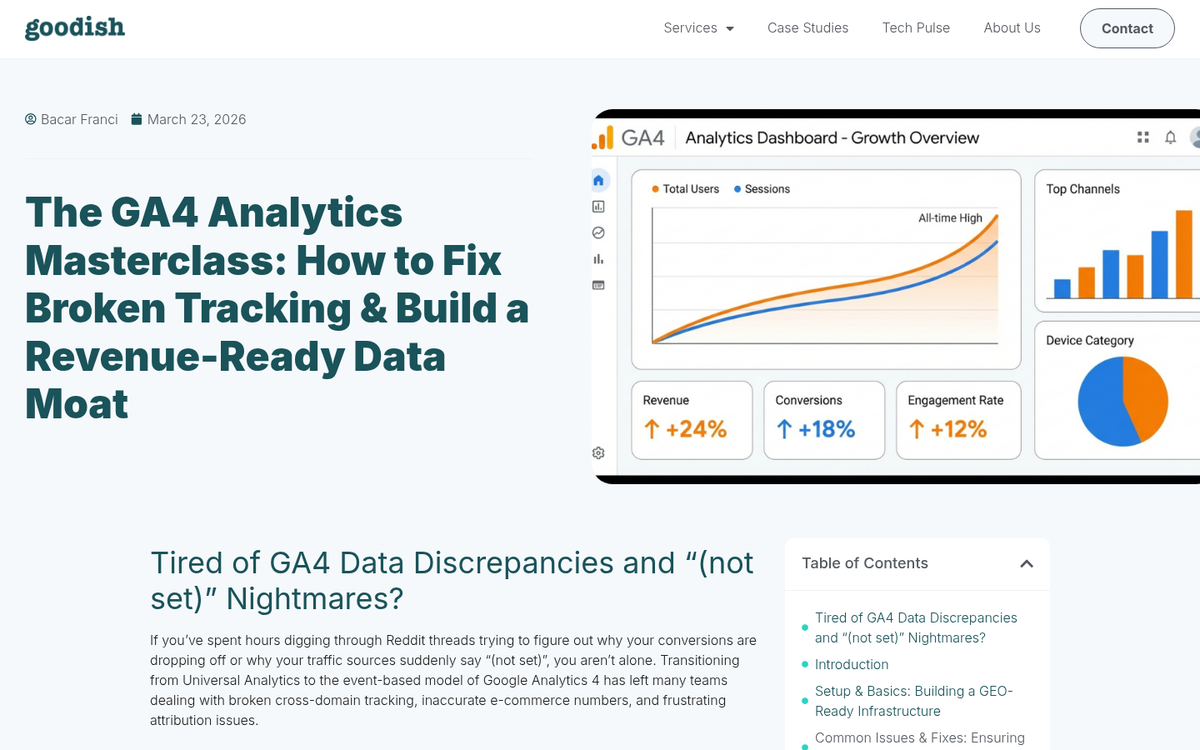
It's always possible that, rather than your site being broken or your content being poor, your tracking software isn't capturing users as it should. If you migrated from Universal Analytics to GA4 and the implementation was rushed or incomplete, there's a good chance you're missing data or misreading what you have. You may look like you have far lower traffic than you actually do, or your traffic sources may be miscategorized, all because your analytics weren't set up properly. Use Google Search Console as a secondary check - it pulls data directly from Google and doesn't rely on your on-site tracking at all.