





Though Alexa has lost a lot of its relevance over the last several years, it's still a valid metric for some people in certain industries. If you're in the right tech field, with a significant Alexa userbase, it can be worth your while to work to boost your ranking.
Key Takeaways
- Alexa rankings below 100,000 are statistically significant; breaking that threshold unlocks practical perks like HARO journalist access.
- Alexa data comes primarily from toolbar users, so encouraging toolbar installation among employees and visitors directly improves rankings.
- Quality content and backlinks drive more traffic, which organically boosts Alexa rank as a natural byproduct.
- Targeting SEO and tech audiences is advantageous since those users are more likely to already have the Alexa toolbar installed.
- Expanding social media presence increases traffic and backlink opportunities, both of which compound your Alexa ranking growth.
Understanding Alexa
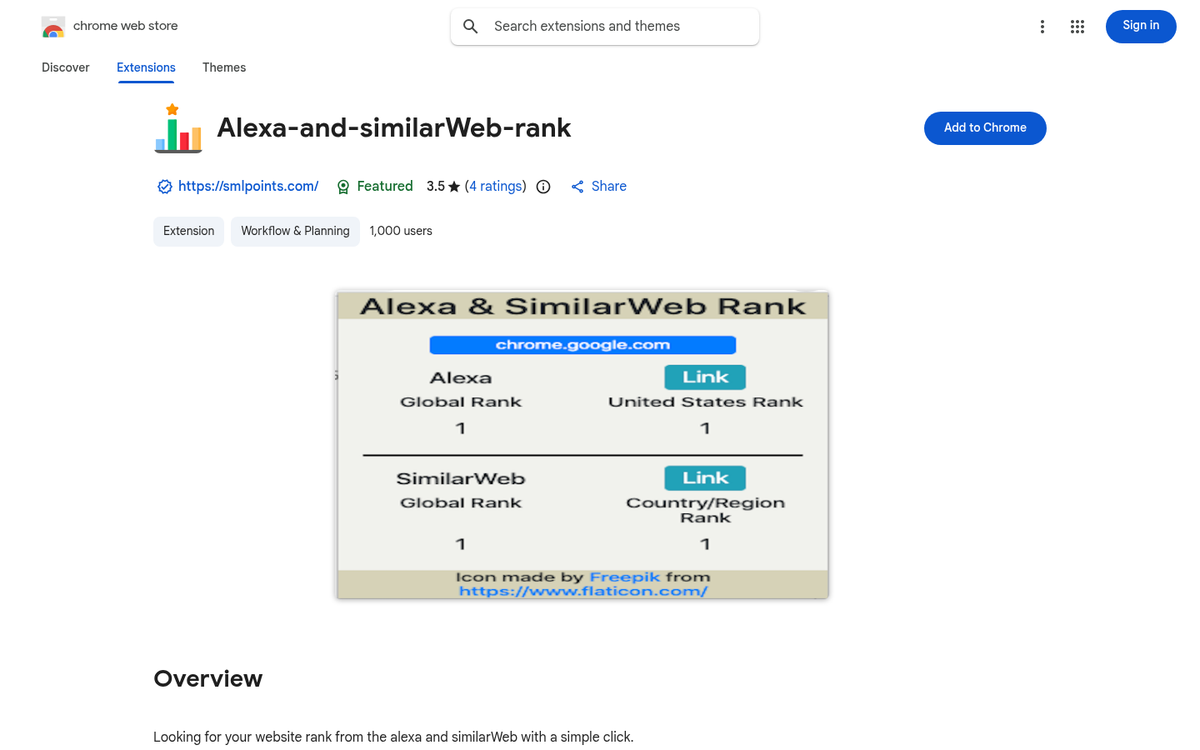
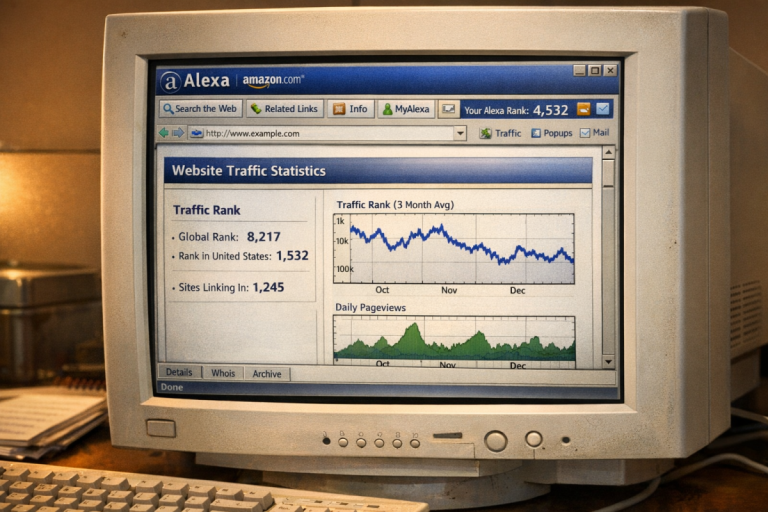
Alexa is a massive undertaking, attempting to analyze and track the traffic of millions of websites on a daily basis. It estimates average visitors and page views on a daily basis, creating an average over a rolling 90-day window. Only a company as large as Amazon could have the resources to throw at such an undertaking, and the result is a system that - successfully, if occasionally inaccurately - tracks websites globally.
Alexa gains information primarily through one resource: the Alexa toolbar. Users install the toolbar on their browser and go about their daily business browsing the Internet. Alexa tracks this traffic activity, along with various bits and pieces of information about the sites these users visit, and accumulates that data into rankings.
Alexa isn't a very detailed analytics platform. For one thing, it only tracks data on a domain level - there's no variation between subpages. Alexa is also only tracking data coming from Alexa Toolbar users, which are just a small fraction of total global Internet users. In theory, it's a representative sample. In practice, certain demographics are more likely to use the toolbar, and thus certain types of sites are likely to perform better.
Amazon's Alexa warns that any ranking lower than 100,000 is statistically insignificant. At such a low ranking, there's a shortage of valid data, so it only takes a handful of users to skew a ranking wildly. This is good news if you have a low ranking and want to rise, but it's bad news for anyone considering the ranking to be meaningful below a certain threshold.
Worth noting: with over 1.7 billion websites on the Internet and roughly 576,000 new ones being established every single day, breaking into the top 100,000 is genuinely meaningful. It also unlocks a practical perk - websites with an Alexa Rank of less than one million qualify to submit queries on HARO (Help a Reporter Out) as a journalist, giving you access to an email list of 800,000+ people signed up as sources. That alone can be worth the effort.
So, how can you boost your Alexa ranking to a level above that 100,000 mark?
1. Claim Your Alexa Profile
Claiming your Alexa profile does not directly increase your ranking. It does, however, give you access to more information tracked about your site. It also allows you to fill out profile information to maintain accurate contact information, in case any Alexa user wants to approach you with a business proposition. You can compare the Alexa analytics information you find with your own Google Analytics to see the discrepancy yourself.
2. Use and Encourage the Use of the Alexa Toolbar

With so much of Alexa's data relying on toolbar usage, it's a good idea to use it yourself, install it on any employee or office PCs you have, and encourage your users to install it as well. It's a harder sell than it used to be, but it still moves the needle - especially in the early stages of building your ranking.
3. Earn Quality Backlinks
Alexa rewards backlinks, and conveniently, so does Google. Earn more links, get your new backlinks indexed as fast as possible, and more of those visitors will either already have an Alexa-based extension or can be encouraged to install one. More users visiting your site with an Alexa extension means a higher Alexa rank. It's a chain reaction - anything that boosts your traffic naturally will boost your Alexa rank as a byproduct.
4. Create More Quality Content
Content is still the way you get noticed on today's Internet. In fact, 67% of B2B clients place more weight on content than on research or other parameters when evaluating a cited source. Every piece of content is an opportunity to draw in more users, either through backlinks or organic search. More users means more Alexa traffic, which means a higher Alexa ranking. One case study even reported improving their Alexa Rank by over 7.8 million points in just three months through consistent content output - proof that compounding effort pays off.
5. Skew Towards an SEO or Tech Niche

You don't necessarily have to run an SEO blog, but leaning your content toward SEO, blogging, webmastering, or web administration themes can give your Alexa rank a meaningful lift. The people most likely to be using an Alexa extension are techies who are already paying attention to rankings and metrics. Attracting that audience has an outsized effect on your Alexa data compared to audiences that are less likely to have the toolbar installed.
6. Expand Your Social Presence

Dedicate as much time to social media as you can. A wide presence across platforms attracts more users and, as we know, more users means more Alexa traffic. Social sharing also increases your chances of earning backlinks organically, which compounds the effect further.
7. Engage Your Audience
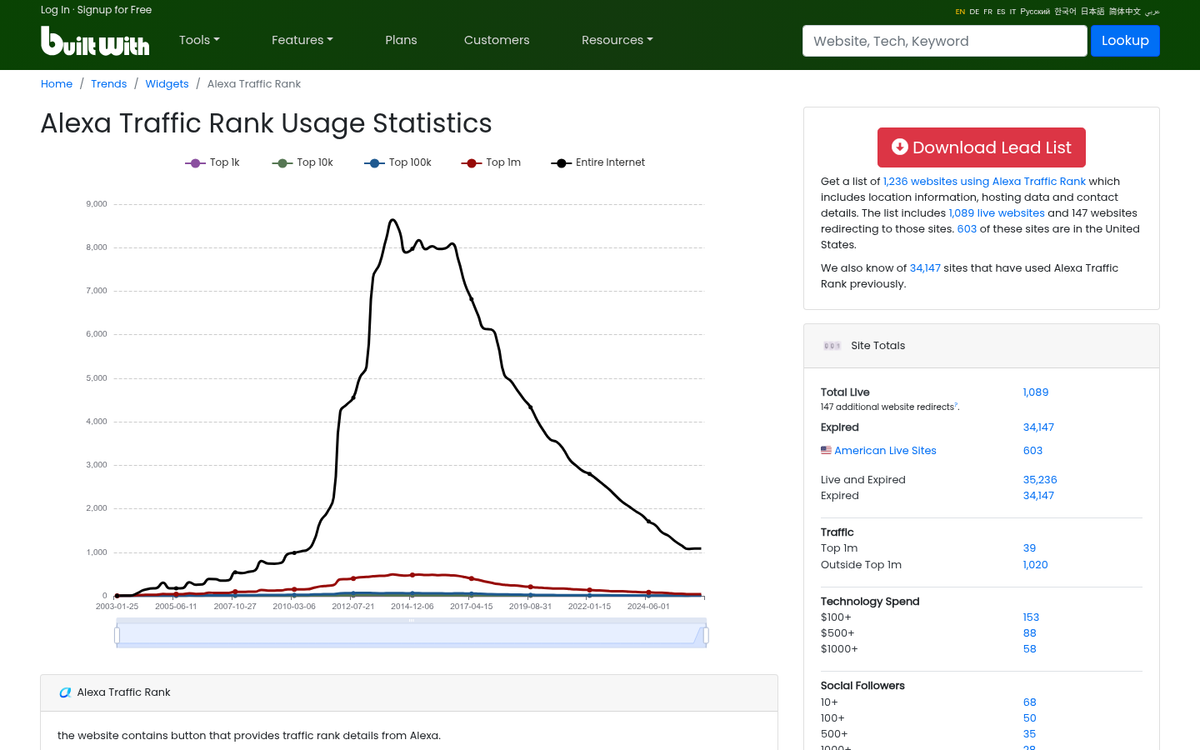
People who are engaged with your site will stick around and click through various pages. Since Alexa only counts views and clicks at a domain level, numerous clicks around your site all count toward that domain as a whole rather than individual pages. Keep your users engaged when they're here, and give them a reason to come back when they leave.
8. Consider an Asian Audience
Alexa has a surprisingly deep presence in Asian countries, so if you're in any position to tap into that audience, it's worth considering. It's not always feasible to build a fully bilingual site, but participating in relevant Asian forums or communities to promote your content is a practical starting point.
9. Use the Alexa Widget
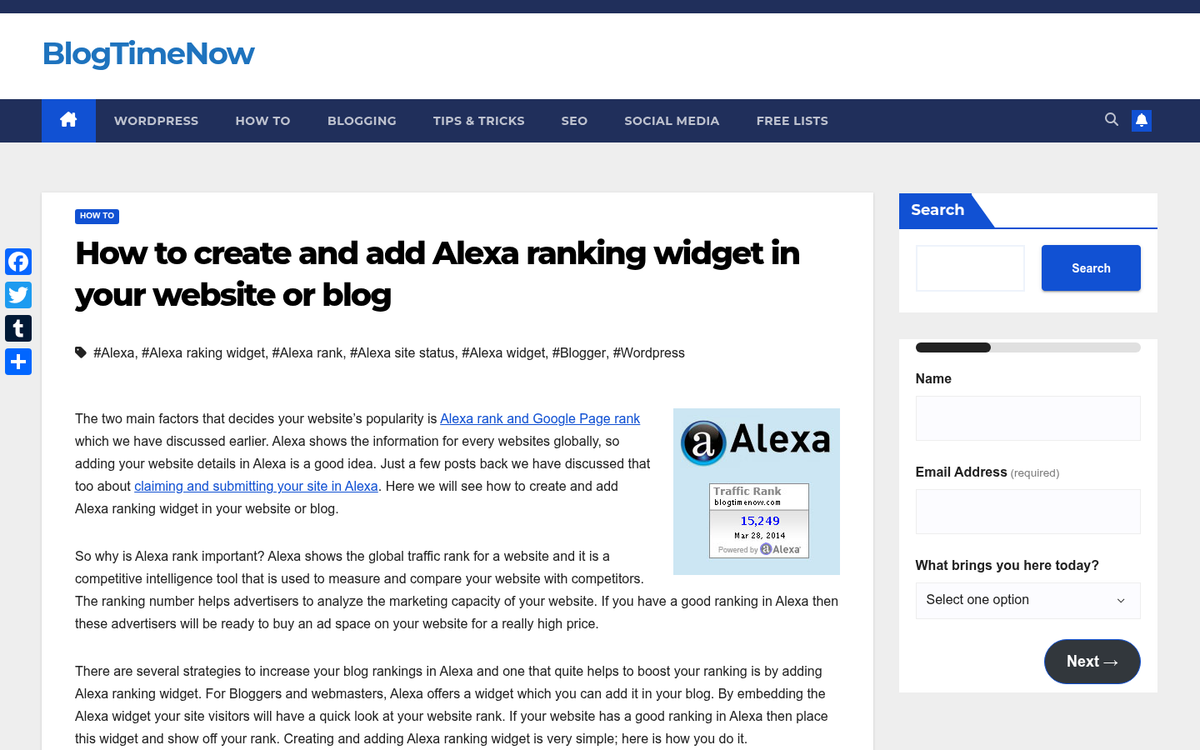
The Alexa Widget sits on your site and displays your Alexa rank, similar in concept to a social proof badge. It also gives users a direct path to get the Alexa bar. The widget's presence alone won't boost your ranking, but getting users to click through and install the toolbar will - and every incremental toolbar install helps.


1 response
Thoughtful replies only - we moderate for spam, AI slop, and off-topic rants.
Thanks. I still believe Alexa has the best site ranking system. It could use some adjusting, to the algorithms. Like less extension manipulation.