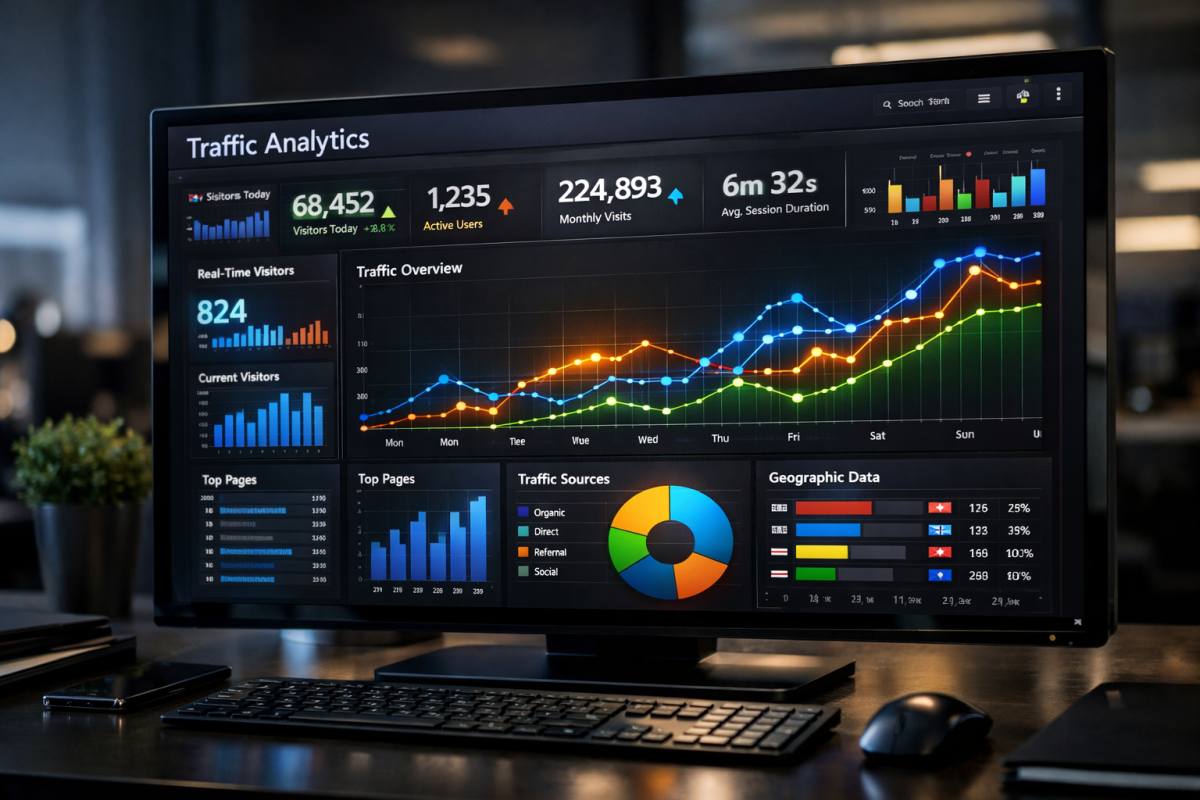
When people talk about how successful or how valuable their site is, they often go back to traffic statistics. "My site earns 150 unique weekly visitors!" "My site brings in 1,200 monthly hits." "My site has thousands of unique visitors every day."
There's an unspoken understanding between webmasters that these figures ignore fake traffic, though some site owners will still try to boost the perceived value of their site by paying for unfocused, valueless traffic. With bots and click farms more sophisticated than ever in 2026, this problem has only grown.
That's one issue that comes out of traffic value discussions. The value of traffic comes from what that traffic does. If those users are focused, they'll respond to CTAs, they'll buy products and they'll share content across social media. If they're disinterested or fake, they don't do any of that. If you're buying a site, like through Flippa, you expect that the traffic comes with the site and that the traffic is focused and valuable.
To put things in perspective: the average website receives around 375,773 visits per month according to HubSpot, and only 0.5% of websites ever crack 10 million monthly visitors. Organic search still drives 53% of total website traffic, while mobile devices now account for over 63% of all web traffic - facts worth keeping in mind when evaluating any site's audience.
Here are ten reasons why traffic is valuable, directly or indirectly.
Key Takeaways
- High traffic signals genuine user interest, successful marketing, and a positive reputation that sustains itself over time.
- Not all traffic monetizes equally; SaaS sites earn $2-$10 per visitor, while AdSense sites typically earn just $0.01-$0.25.
- Traffic compounds itself through social proof, word of mouth, and audience sharing, making existing traffic a growth engine.
- Audiences can be retargeted via lookalike audiences and remarketing, remaining valuable even when visitors aren't actively on-site.
- High traffic proves you've found a valuable niche, but keeping visitors engaged separates good traffic from truly great traffic.
Traffic is a sign of user interest.
A site with 2 visitors per month isn't doing much with the space. There could be multiple reasons for that, but as it stands, the site can't possibly be making a profit. It's not a valuable resource; no one is referencing it. It's nothing. Conversely, a site with a healthy number of monthly visitors is a site that people are genuinely interested in. It can be improved - almost any site can - but it has a foundation. The goal then becomes two-fold: build more interested users and leverage them for profit.
Traffic is a sign of successful marketing.
It's impossible to create a site, post a few blog posts and grow naturally. If no one links to you, if no one finds you, Google might not even index you. A site that has a reasonable volume of traffic is a site that has put itself out there and successfully drawn in users. Whether this is through targeted PPC, SEO-driven content, or social media marketing doesn't matter; what matters is that some marketing has been done and that it has been at least moderately successful. It's proof that more marketing can be done with even greater success moving forward.
Traffic is a sign of potential monetization.
When you have interested users visiting your site, you can monetize their presence. It might be through display ads that pay on views or clicks. It might be through affiliate marketing or direct product sales. But not all traffic monetizes equally - SaaS and subscription-based sites can generate $2.00 to $10.00 or more per visitor, while affiliate and AdSense-heavy sites typically earn just $0.01 to $0.25 per visitor. The audience represents potential, but the type of audience and how you convert them determines the real value.
Traffic is a sign of positive reputation.
Sites with a fiercely negative reputation may gain traffic through viral moments or controversy, but sooner or later the interest dies out. Sites with a sustained, ongoing level of traffic carry a positive reputation along with it. It means people like the site enough to keep returning, trust it enough to share it, and value it enough to reference it. In 2026, with so much noise online, earning and keeping that trust is harder than ever - which makes consistent traffic all the more meaningful.
Traffic leads to social power.
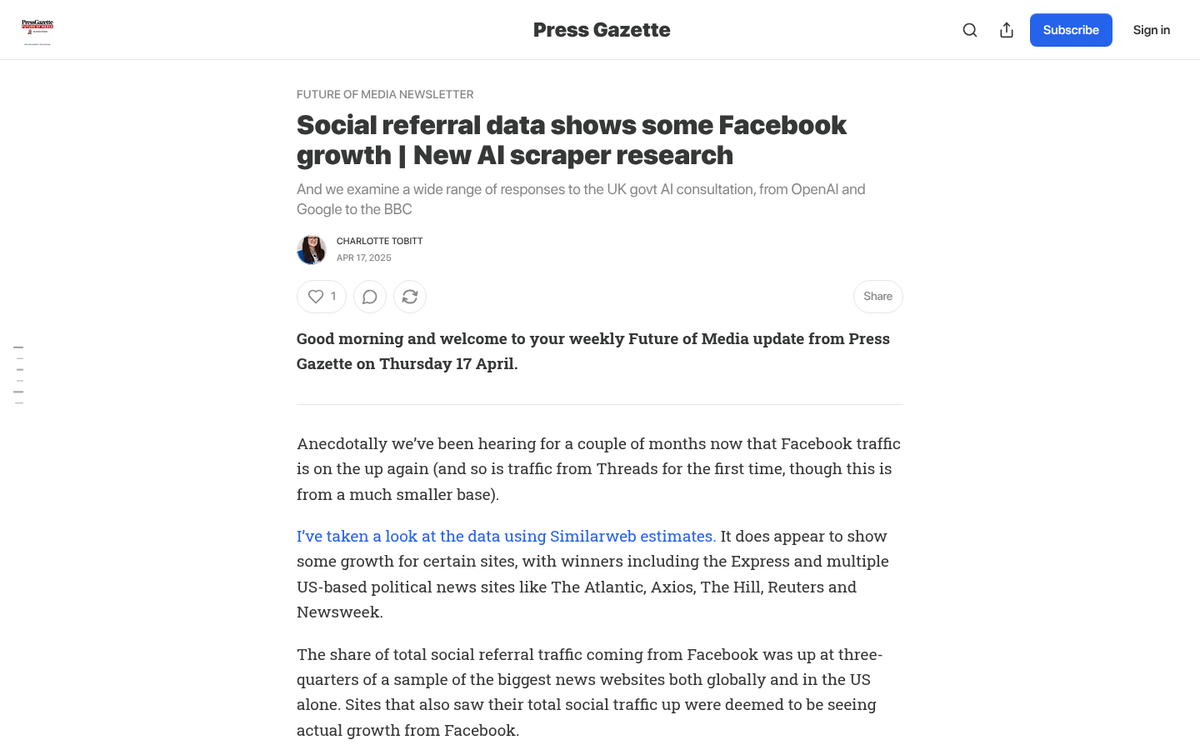
This social power can come in several forms. A large website audience can be leveraged to build a large social media following. Facebook still dominates social referral traffic, accounting for 71.58% of all social referrals - making it the single most important platform for driving traffic back to your site. That same audience can also be mobilized for social causes, community building, or brand advocacy, depending on the direction of your site.
Traffic leads to incoming profits.
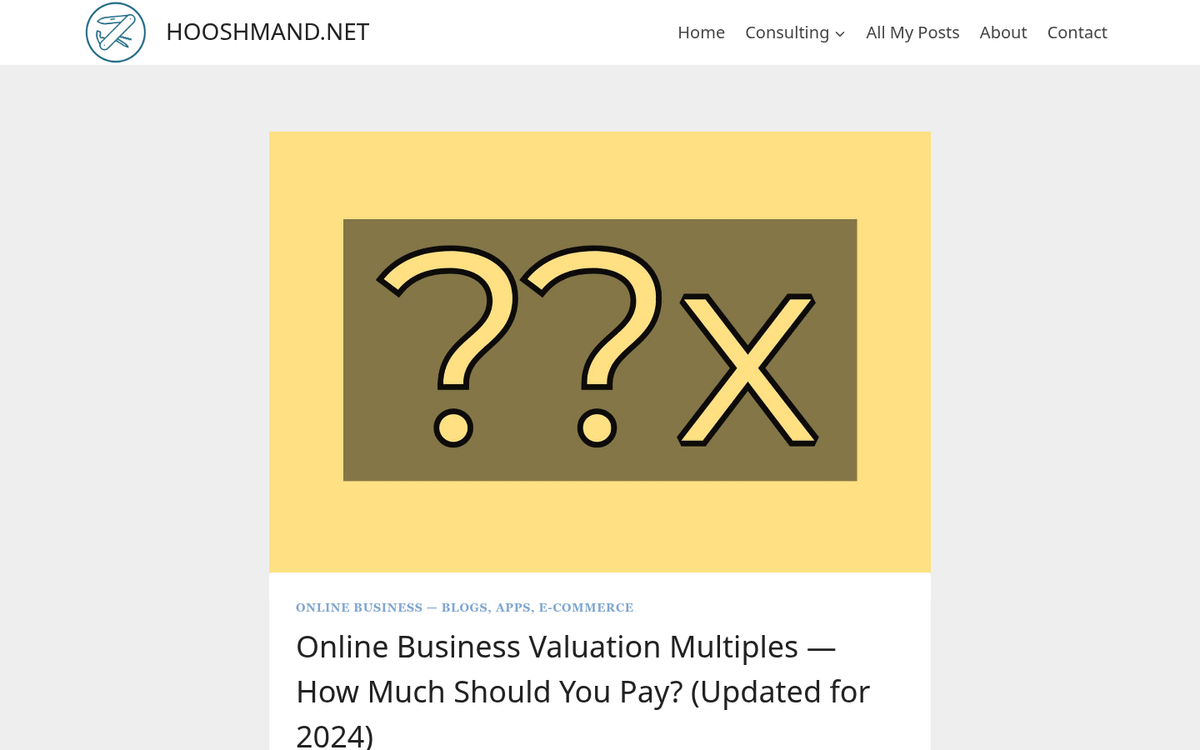
Sooner or later, it all comes back to money. Even a personal site, once it grows to a certain level, has the owner asking how they can profit from it. When it comes to selling a site, that potential for income is a major point in your favor. The going rate for a site is typically calculated as a multiple of monthly or annual revenue - meaning the more your traffic earns, the more your site is worth at exit.
Traffic leads to more traffic.

The social proof of traffic leads to more traffic. You can leverage your existing audience through social media to get them to share your content amongst their friends, bringing in new users. You can get those fans to spread your site via word of mouth. You can use testimonials, case studies, and community engagement for even more reach. Traffic compounds - it breeds more traffic when nurtured correctly.
Traffic can be leveraged for other purposes.
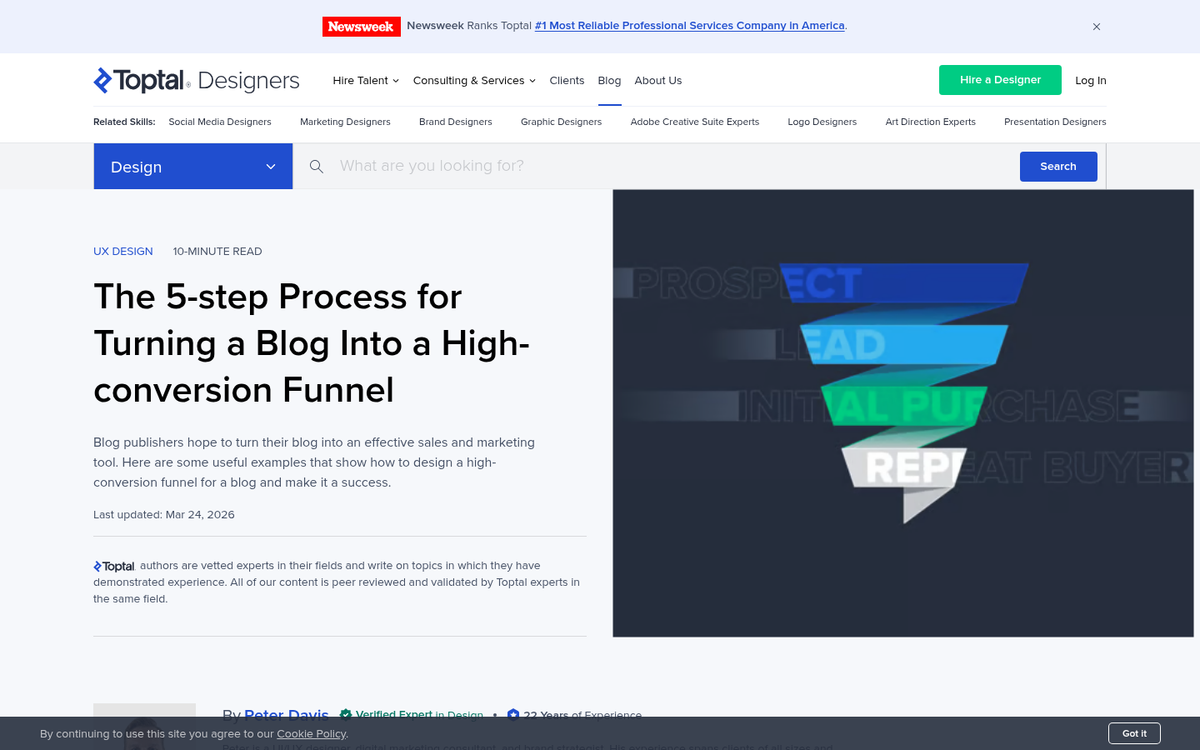
Want to build a mailing list? You need traffic for that. Want to funnel people toward a product, a course, or a specialized community? Those people need to be finding you in the first place. Anything you want to do on the web - launch a product, build a brand, support a cause - requires an audience to support it. You can't have an impact without traffic behind you.
Traffic can be retargeted for outside marketing.
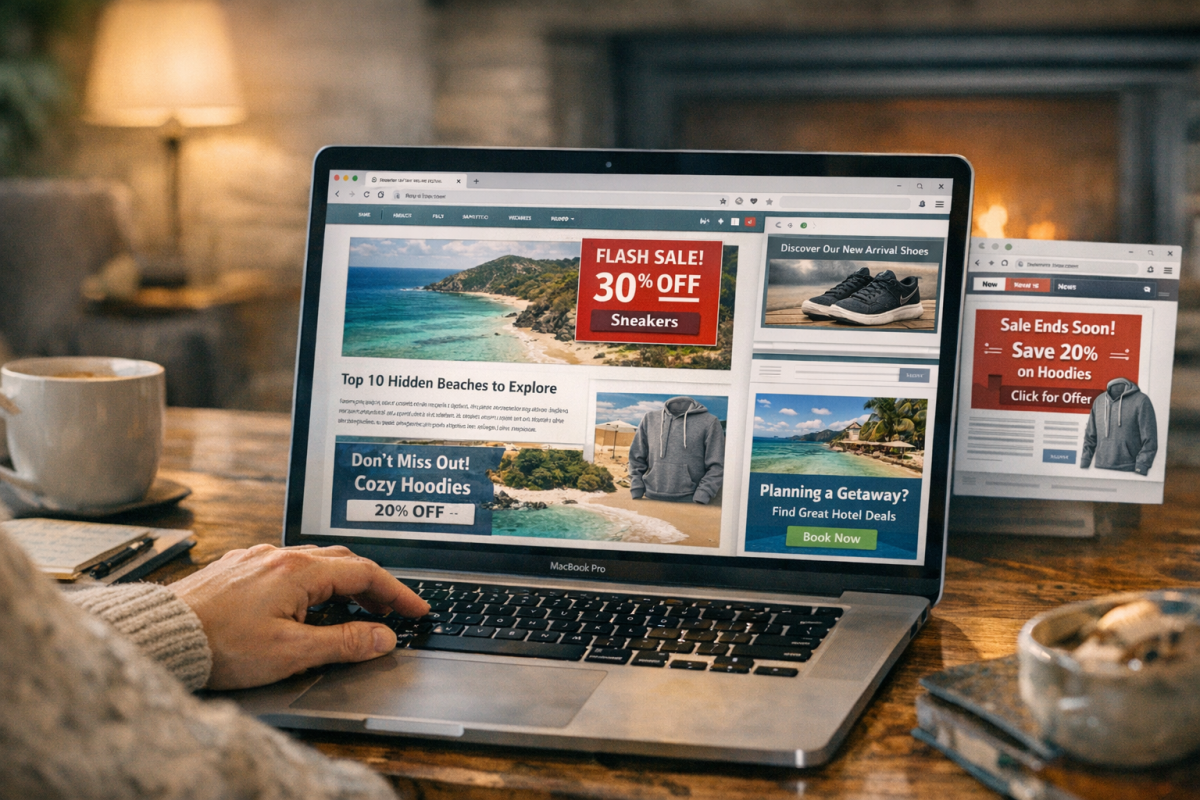
Having an audience to track is potent in and of itself. You can leverage that audience to create lookalike audiences and expose your site to people similar to your existing visitors. You can present your advertising messages to past visitors as they browse elsewhere through retargeting. With the average Google Ads conversion rate sitting at 7.52% across all industries in 2025, a well-retargeted audience is a genuinely powerful asset. Your audience is valuable to you even when they aren't actively on your site.
Traffic is proof of a valuable niche.
Finally, traffic is proof that you've hit upon a subject people want to read about. Whatever the reason, they want to explore that subject matter in the way you've been covering it. It's proof that you found a niche, found a keyword, carved out a space online as your own. Worth noting: the average website conversion rate is around 2.47%, but sites that deepen the user journey and improve session engagement have seen conversion rates climb by as much as 5.4%. That means finding the right niche is only half the battle - keeping visitors engaged once they arrive is what separates good traffic from great traffic.