





Udemy is an online learning marketplace and a powerful platform for course creators looking to generate income. There are a ton of great courses out there, though the platform's explosive growth - now boasting over 64 million students, 210,000+ courses in 75+ languages - means there's also plenty of low-quality content thrown up by people looking to make a quick buck. In fact, there are even Udemy courses on how to make money with Udemy courses.
I'm going to save you a trip down that rabbit hole and give you tips to maximize your Udemy traffic and sales right up front. If you have a course you want to promote, or if you want to make money and don't know where to start, here are ways you can make Udemy work for you in 2026.
Key Takeaways
- Seed genuine reviews from friends and early students, as more reviews improve Udemy search rankings and boost conversion rates.
- Use tiered coupon codes - offering better discounts to more engaged audiences like existing students versus general social media followers.
- Build an email list of past students separately from general subscribers, enabling targeted, personalized outreach when launching new courses.
- Create focused, dense courses rather than padded ones - tighter content improves completion rates and generates better reviews.
- Build a catalog of shorter, lower-cost courses to develop brand loyalty and sustainable income rather than relying on one course.
1. Seed Positive Reviews
Courses with more reviews rank higher in Udemy's search results. Users also scan reviews carefully before deciding whether to purchase. A course with few or no reviews will attract little traffic, and the traffic it does get will have a low conversion rate.
Seed some reviews for yourself, but don't use bots or purchase fake reviews - Udemy has cracked down significantly on review manipulation over the years. Instead, get friends, colleagues, and early students to leave honest, positive reviews. Offer them free or discounted access in exchange, and make sure the course genuinely delivers value so those reviews are authentic.
2. Offer Coupon Codes for Friends and Followers

You can create a variety of coupon codes for your Udemy course, ranging from minor discounts to completely free. I recommend making several tiers. Make some freebies for distribution to your friends, family, and inner circle of close relationships.
Make some steep discounts for blog readers, paid subscribers, and people buying related content like ebooks. Make some more minor discounts for general distribution on social media or through influencer marketing. The idea is that the more engaged a person is with your brand, the better the discount they'll be getting.
Keep in mind that Udemy has tightened its coupon policies over the years, so always check the current instructor guidelines to make sure your coupon strategy stays compliant.
3. Promote Coupons on Deal Sites
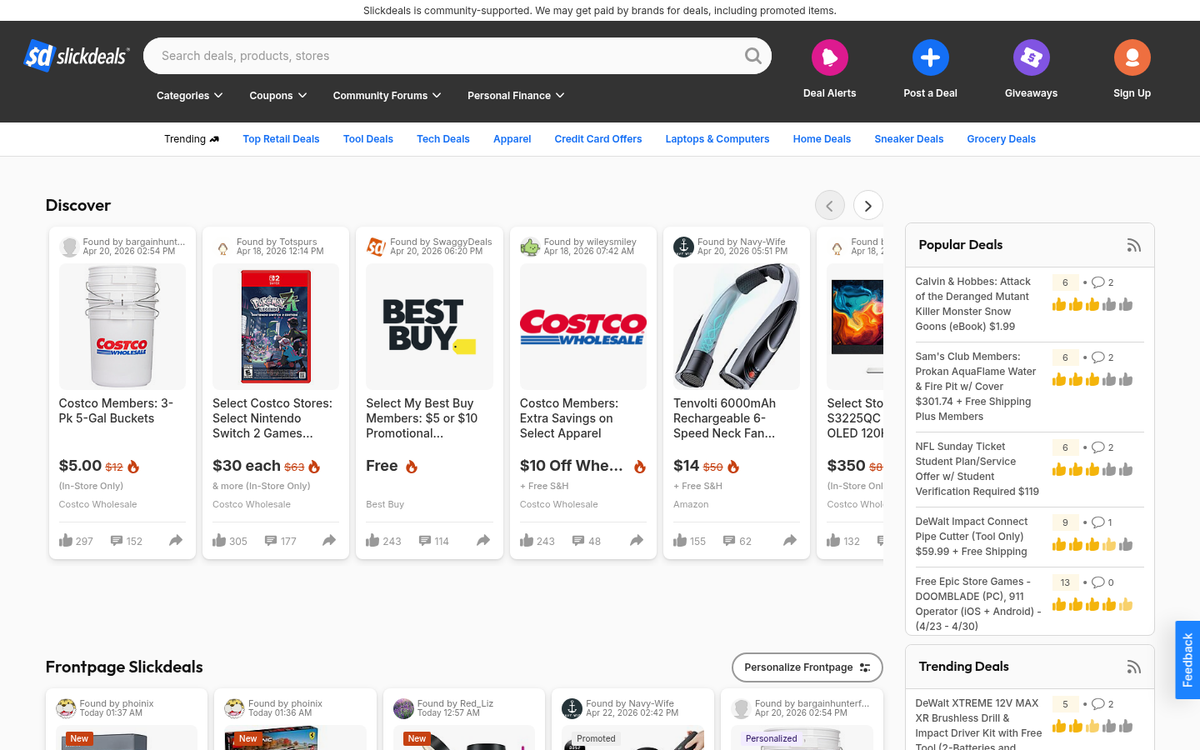
Some of your lower or mid-range value coupons can be used to promote your course on various deals and coupon sites around the web. Make sure your course is something their user base might be interested in. You don't want to advertise your course on amateur paleontology to a perfume coupon site, after all. However, some of the broader, more generalized deals sites might welcome your post. Sites like Slickdeals can be a good fit for the right course.
Reddit is also worth mentioning here - subreddits like r/udemyfreebies and r/learnprogramming (depending on your niche) can drive meaningful traffic when you share legitimate discount codes.
4. Market via Blog

Obviously, one of the best ways to market a course is through your own blog. That's where you have traffic and readers, and that's where you can advertise for free without stepping on anyone's toes. You have all the power of your site's SEO pulling for you. You can market via your blog in a bunch of different ways, too. A blog post covering the topic in broad strokes can link to an in-depth course. Sidebar and banner ads can go a long way when they feel native to the content. Plus you can use UTM tracking parameters in your blog links to measure what's working.
5. Market on Social Media
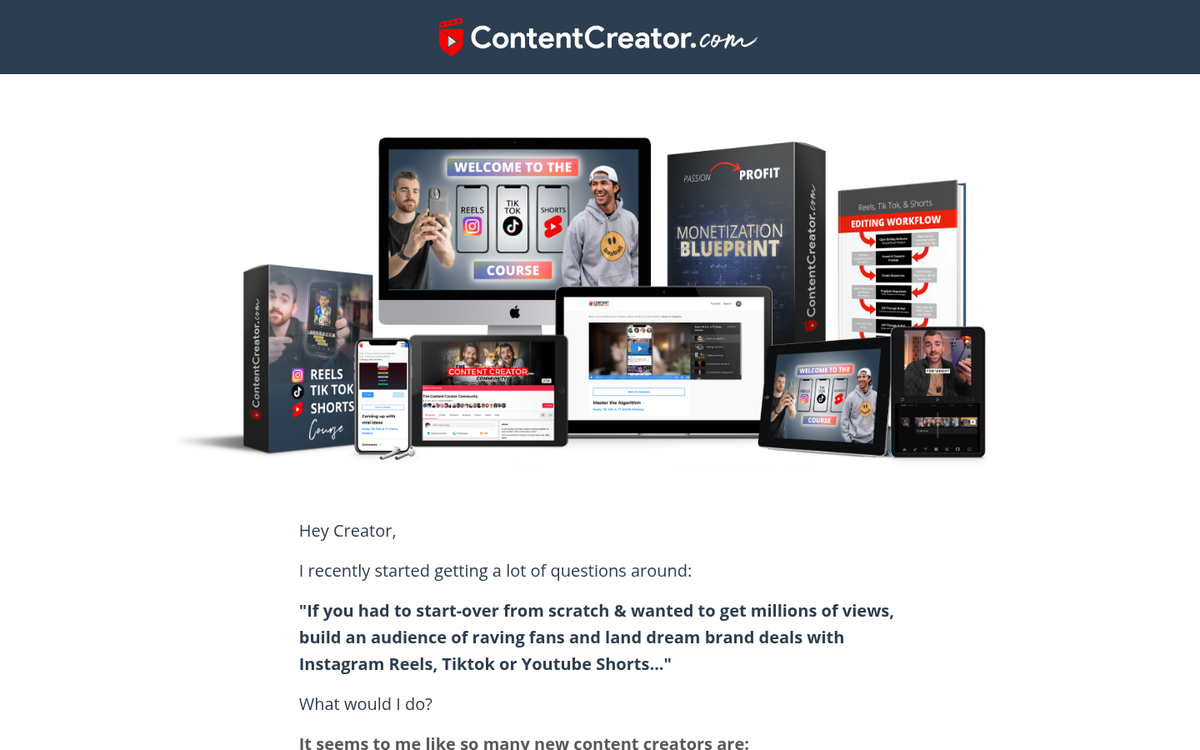
Second to your blog is your social media presence. There is often more immediate engagement via social media, but visibility tends to drop off quickly - especially on platforms like Instagram and Facebook where organic reach has declined significantly.
Short-form video on platforms like TikTok, Instagram Reels, and YouTube Shorts has emerged as one of the most effective free promotional tools available in 2026. A 60-second clip demonstrating a key insight from your course can drive significant traffic. LinkedIn remains especially powerful if your course targets professional or career development audiences.
You do get quite a bit of immediate feedback on how people feel about your offer and the deal you're giving them. Use this feedback to adjust your coupons and messaging. Keep an eye out to make sure you're not losing followers when posting deals, as well.
6. Market in Udemy Communities
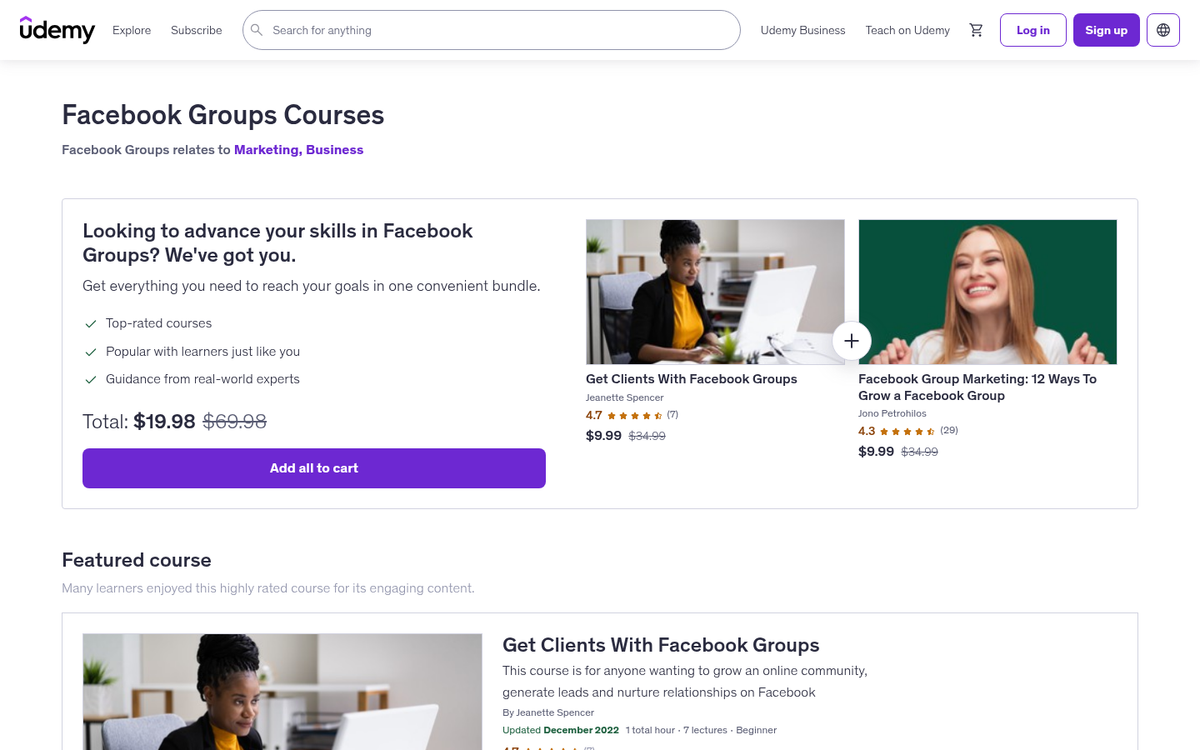
Throughout the internet, you can find communities dedicated to Udemy. These take the form of Facebook Groups, LinkedIn Groups, Reddit communities, Discord servers, and web forums. Locate these and monitor them for a while to see if they're reasonably active. Then register and join in.
Participate genuinely before dropping links. Once you've established yourself as a valuable contributor, you can start posting your own course links. Use mid-to-high value coupons here, because these communities are more exclusive and you want to reward members so they help spread the word.
Note: Google+ no longer exists, so if you've been holding onto any strategy built around it, it's long past time to let that go.
7. Market in Topic-Specific Groups
By "topic groups" here I mean all of the same sorts of online communities as in the previous step, except these are groups dedicated to the subject matter of your course. For example, if your course is about using a metal detector in unusual spots, you can join groups about metal detecting and prospecting. Go through the same process of becoming a valued member of the community before you advertise, so people know you're contributing real value. Again, use enticing coupons to try to build your audience quickly.
8. Include an Email Opt-In for Future Traffic

In all of your courses, preferably near the front and near the end, you should include a call to action to get people to visit a link to a landing page where they can sign up for your email mailing list.
This list should be kept separate from your other marketing lists, and used specifically as a students list. Ideally, you can give out a coupon for other courses, some free supplementary material, or a free or cheap ebook as further enticement to sign up. This identifies the people who took your courses and want to keep learning - an incredibly valuable audience.
9. Market Through Email Lists

Whenever you publish a new course, you can send an email out to the students who opted in to your mailing list from past courses. You can also send a message to your other mailing lists, like your general blog subscribers. The reason you want to keep them separated is so you can give better coupons to existing students than to general subscribers. You can also try to convert blog subscribers to your students list by offering future, better coupons as an incentive.
I like to maintain segmented lists - one for blog subscribers who aren't students, one for people who are both, and one for students only. Each gets messaging tailored to where they are in their relationship with your brand. If you use Mailchimp, there are also ways to turn those subscribers into paying customers over time.
10. Keep Courses Focused to Boost Completion Rates
Completion rates are notoriously poor for most Udemy courses, and one of the biggest reasons is padding. A lot of course creators boast "30+ videos for $10!" but those videos often contain only two or three blog posts' worth of content, stretched out and over-explained. Students get frustrated and abandon the course.
You get better completion rates - and better reviews - by being honest about scope and making your courses dense with actionable information. A tight, well-structured five-hour course will almost always outperform a bloated fifteen-hour one.
11. Participate in Udemy Site Sales
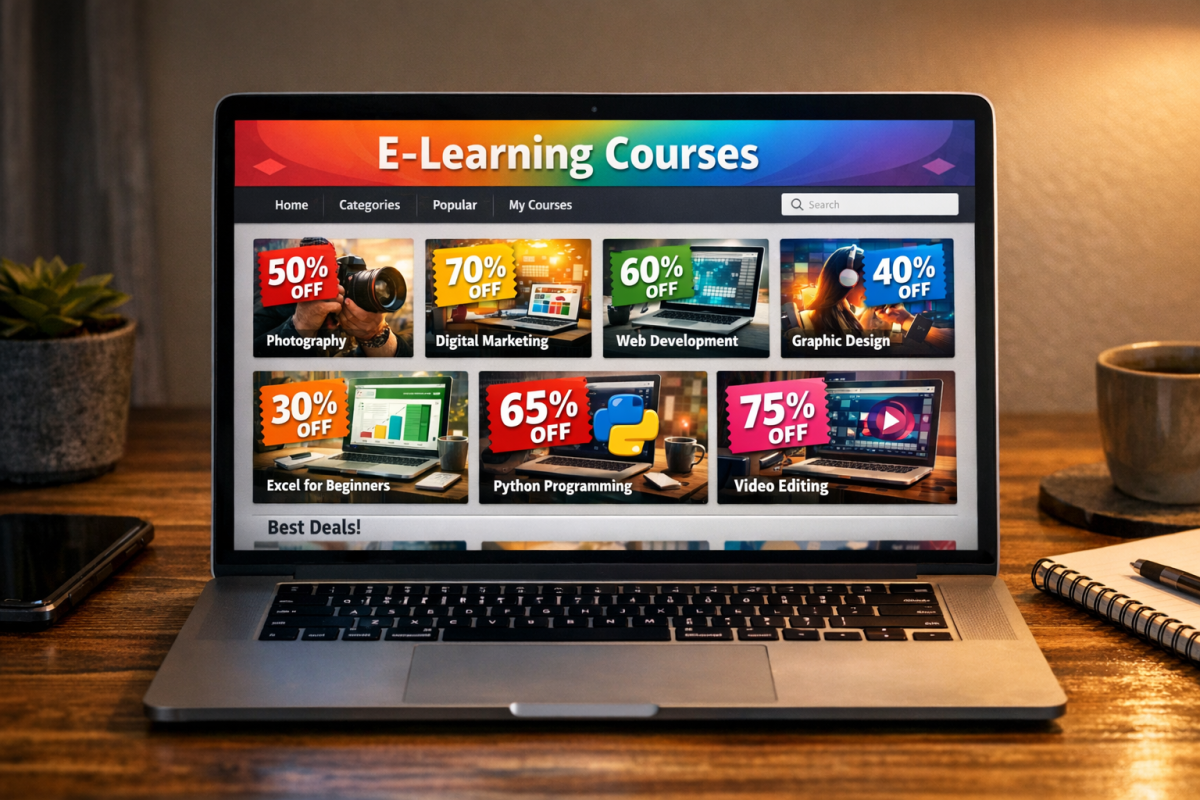
Udemy runs frequent site-wide sales, and these are a major driver of revenue on the platform. Udemy's 2025 Black Friday sale, for example, priced courses at $14.99 across the board. Udemy tends to give search preference to courses participating in these sales, because they want to promote the value of their own promotions.
You want to opt into Udemy site sales whenever possible. Just make sure you're comfortable with the revenue you'll earn at those price points. These sales work best for introductory or entry-level courses rather than your premium, high-value offerings.
12. Do Limited Exclusive Free Course Giveaways
A lot of advice floating around recommends giving away your courses by the hundreds to rack up enrolled students, reviews, and completions. I don't think this is a sound long-term strategy. You can seed some early momentum with free giveaways, but keep them limited and intentional. The more often your course is seen going for free, the harder it becomes to sell it at any price. Every student who gets it for free is a paying student whose money you're leaving on the table.
13. Create Course Preview Content for YouTube and Social Media
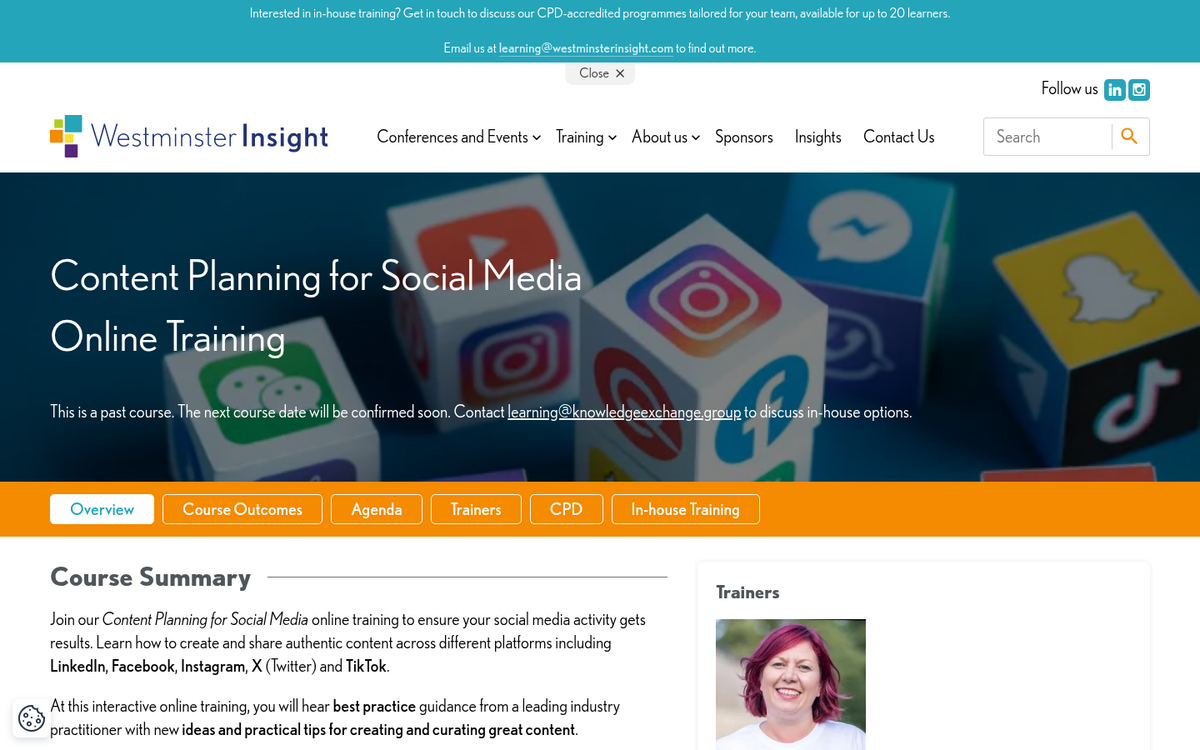
Most people won't buy a course - especially a higher-priced one - without some sense of what they're getting. Teasing the value upfront dramatically increases conversion. Here are some ideas for preview and supplemental content:
- A YouTube video acting essentially as a trailer for the course, demonstrating your teaching style and a key takeaway.
- A short-form video (TikTok, Reels, YouTube Shorts) highlighting one specific insight or tip from the course.
- A blog post covering the topic in light detail, with the promise of deeper instruction in the actual course. How often you publish this kind of content matters too.
- A slide deck or PDF outline shared on LinkedIn or your blog, giving a clear sense of the course structure.
14. Cite Influencers in the Course and Notify Them
One effective method of getting more exposure is influencer outreach. Cite a well-known creator's work as a source or supplementary resource within your course, then let that person know you did so. A good portion of the time, they'll be happy to share your course with their audience. It's not guaranteed, but it costs you nothing and every share helps.
In 2026, this strategy extends naturally to podcast hosts, YouTube creators, and newsletter writers - not just bloggers. Think broadly about who influences your target audience and find genuine ways to connect your course to their work.
15. Pay for Advertising for Proven, Converting Courses
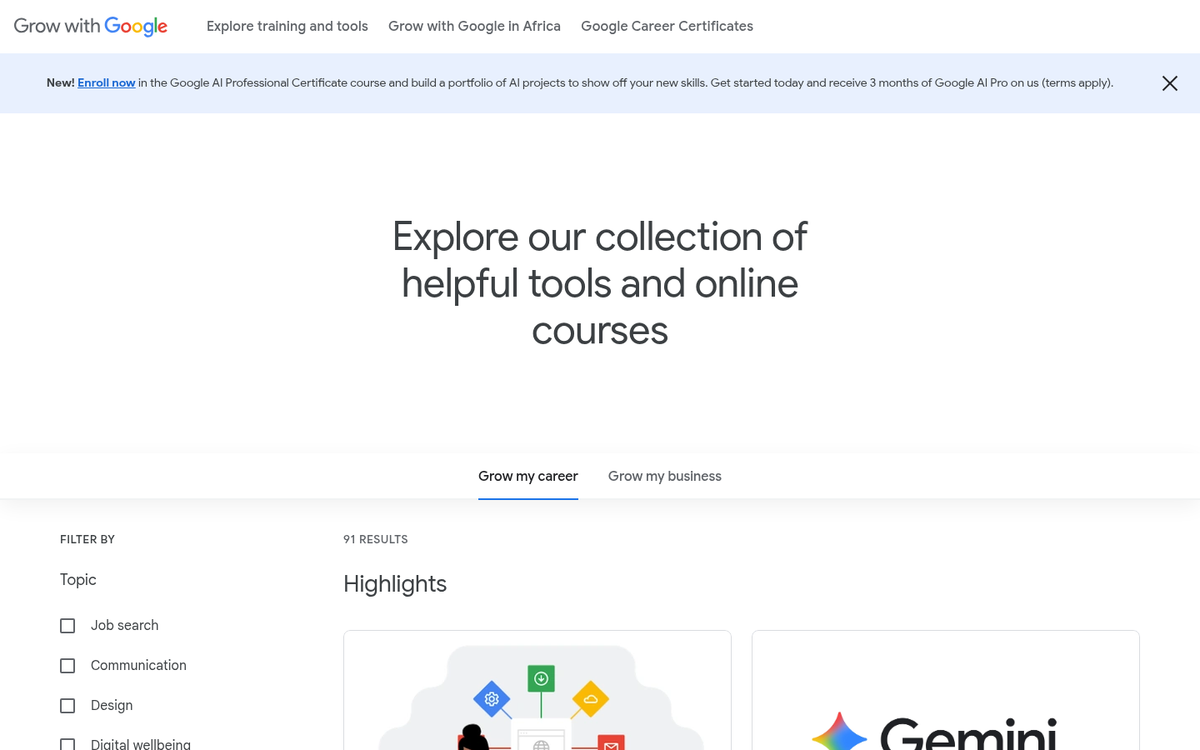
Paid advertising can drive significant traffic, and it's often quite affordable for niche courses with narrow audiences and limited competition. The key is to make sure a course is already converting organically before you put ad spend behind it. Paying to advertise a course that doesn't convert is just burning money.
Meta ads, Google ads, and YouTube pre-roll can all work well depending on your audience. Start small, track your cost per acquisition carefully, and scale only what's working.
16. Write Case Study Blog Posts on Course Performance
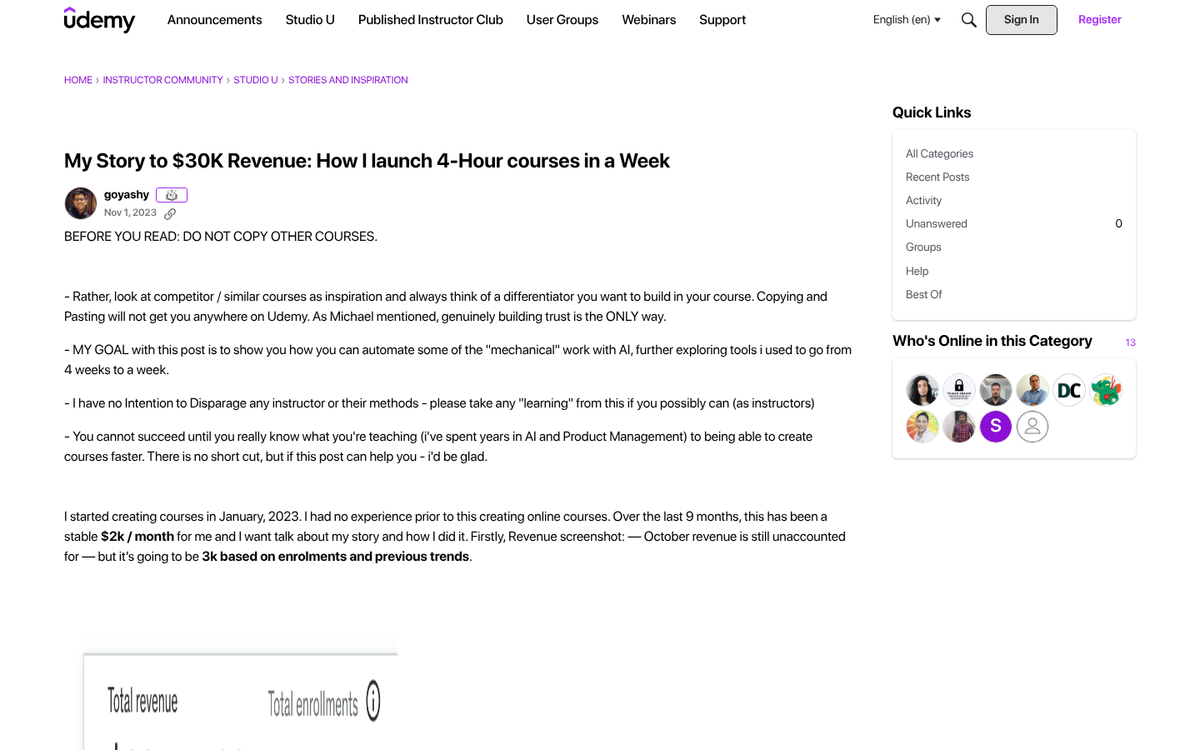
You don't need to limit yourself to just sending people to your courses from your blog - you can write Udemy case studies and attract traffic from other blogs and search engines as well. Plenty of people looking to build a course business want to know what real results look like. Create honest, detailed case studies, and keep the content cycle moving by linking back to your courses.
17. Keep SEO in Mind for Course Titles and Descriptions
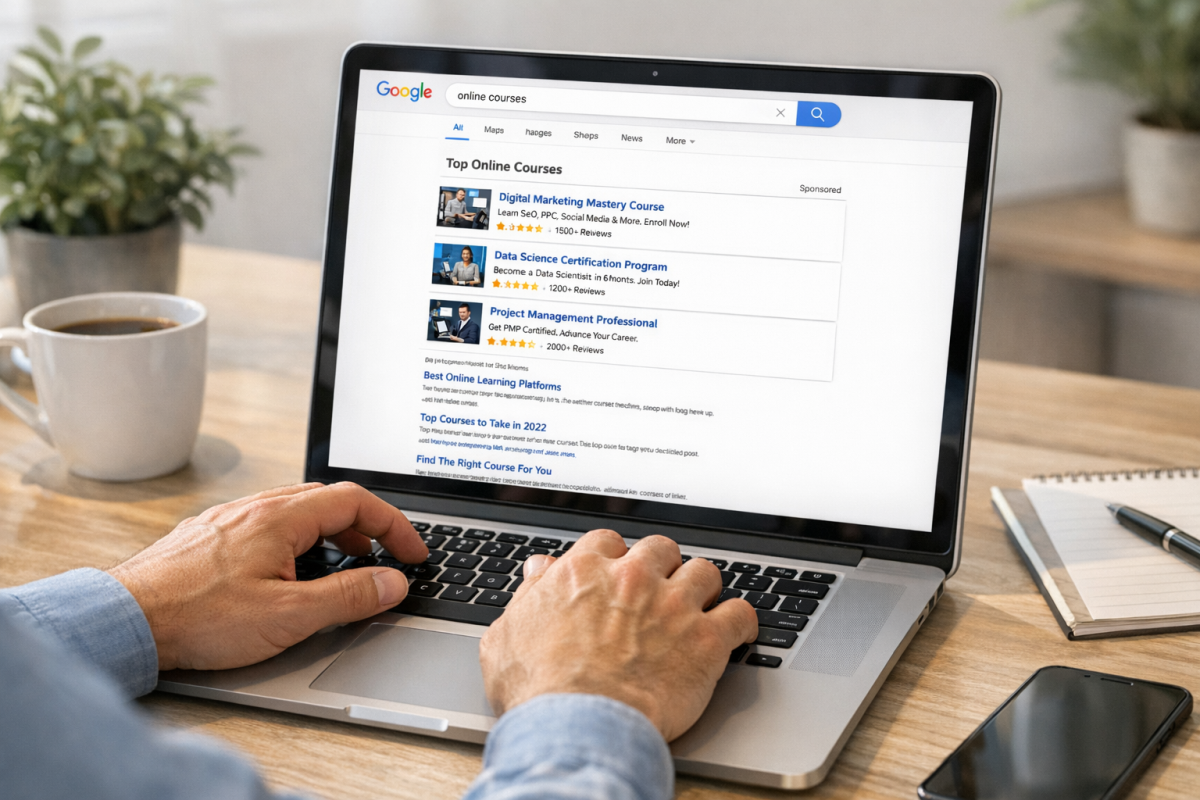
Both Udemy's internal search and Google's indexation of Udemy rely heavily on course titles and descriptions, since the actual content is hidden from non-paying viewers. Optimize both with focused, specific language that reflects how your target student actually searches. Long-tail keyword phrases tend to work especially well here, since the competition for broad terms is fierce - and it's worth using tools to monitor your keyword rankings to see how well your optimizations are paying off.
18. Ask Students What They Want and Build New Courses Accordingly
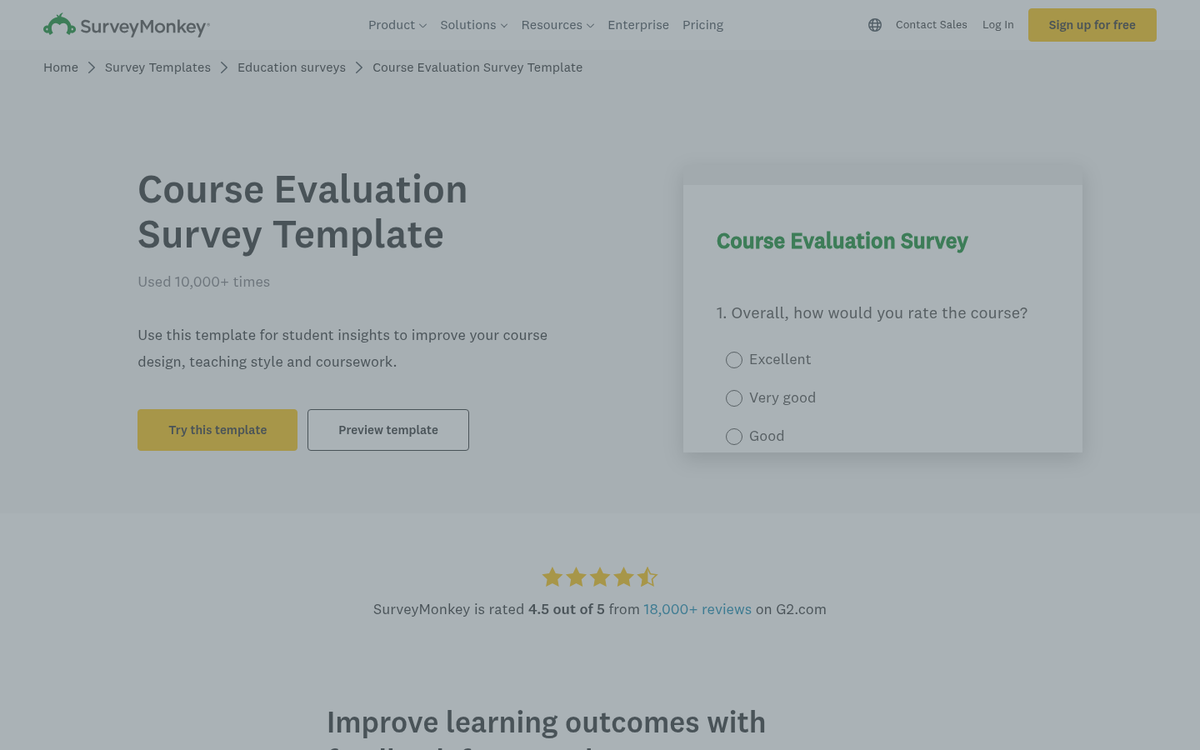
Sometimes the simplest way to grow your course catalog is to ask your existing students what they want next. Send a short survey to your student mailing list, or include a survey link at the end of each course. You'll surface ideas you wouldn't have thought of on your own, and you'll be building courses you already know there's demand for. If you're ever stuck on direction, these tips on what to do when you run out of ideas can help spark your next topic.
19. Aim for Volume and Build Brand Loyalty
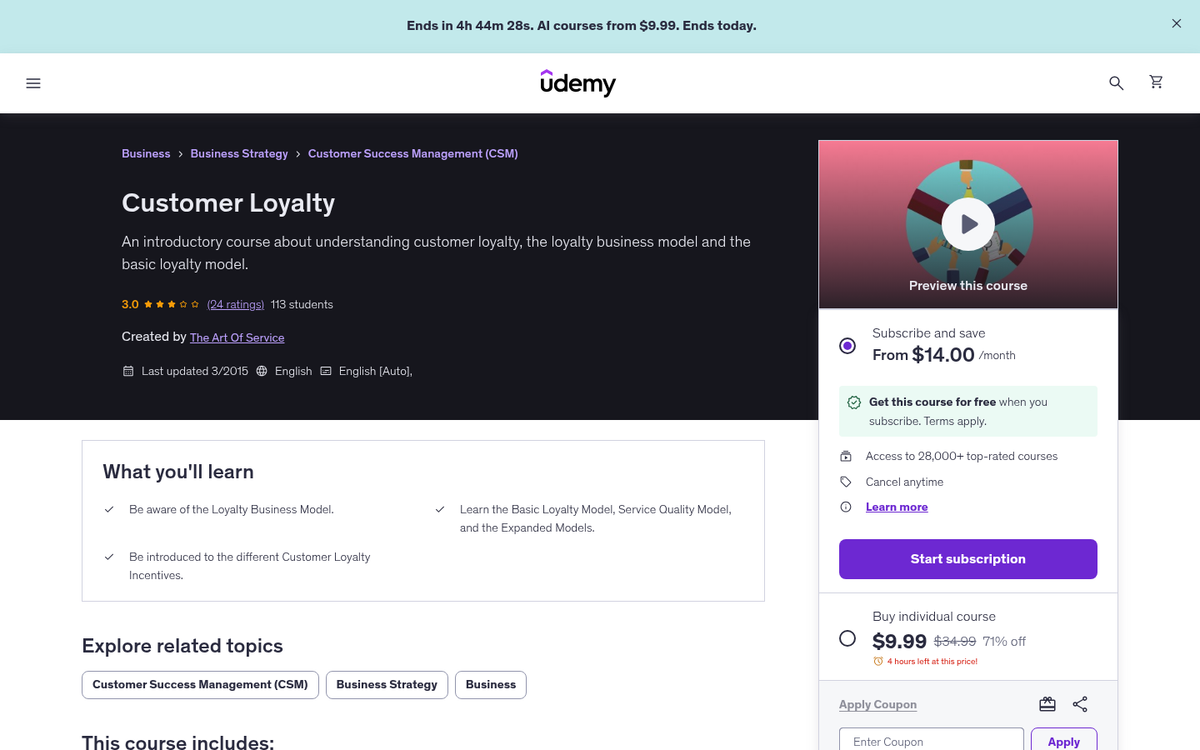
Udemy courses go on sale constantly, and with over 210,000 courses competing for attention, it's very difficult to build a sustainable business around a single high-priced course. I recommend building a catalog of shorter, focused, lower-cost courses under a consistent brand. Students who enjoy one course will return for others, and over time you build a loyal audience that buys multiple courses at once - more than making up for any single low price point.
20. Include Supplemental Monetization Strategies

Since Udemy courses frequently sell in the $10-$15 range during sales, you're not generating huge per-unit revenue. Layering in additional monetization makes a significant difference. Affiliate links to relevant tools and products, links to deeper-dive ebooks, and references back to your blog or newsletter all help you earn more from each student relationship. You've already done the hard work of earning their trust - make the most of it.

3 responses
Thoughtful replies only - we moderate for spam, AI slop, and off-topic rants.
Great tips!
Would be nice if you can give us specific list of websites where we can offer our Udemy course coupons. And how to contact them. Most of those sites, like slickdeals & crunchadeal you mentioned are totally unreachable. There is no contact info and no way to talk to them for cooperation. Thanks
Hey Anthony, great point! You're right that many of those sites can be tough to crack. A few tips: try searching for the site name + "submit a deal" or "contact us" - some have hidden submission forms. Also, check their Facebook pages or Twitter accounts, as they're often more responsive there. Reddit coupon communities like r/udemyfreebies are also much more accessible and welcoming to course creators!