There are tons of ways you can get traffic to your site. Almost none of them will get you a massive influx of traffic in a day.
- SEO is a long, slow process that will result in great traffic over time, but does very little for you overnight.
- Content marketing, likewise, takes a long time to bear fruit unless a piece of content goes viral, something you can't count on.
- Buying traffic from a cheap seller on Fiverr will get you a bunch of traffic, but who cares? It's worthless traffic.
- Chasing social media virality is unpredictable at best - even with great content, algorithmic reach on platforms like Instagram, TikTok, and Facebook is far from guaranteed.
What does this leave? Essentially, you have one reliable option for immediate, targeted traffic: PPC.
Key Takeaways
- PPC is the only reliable method for generating immediate, targeted website traffic within 24 hours.
- SEO and PPC complement each other: PPC drives immediate traffic while SEO builds long-term organic growth.
- Before running PPC, ensure your site has quality content, fast load times, strong structure, and mobile responsiveness.
- Google Ads targets active purchase intent; Meta Ads excels at awareness, visual creative, and remarketing to warm audiences.
- Continuous testing, negative keyword management, and landing page optimization are essential for maximizing PPC campaign returns.
PPC vs. SEO for Traffic
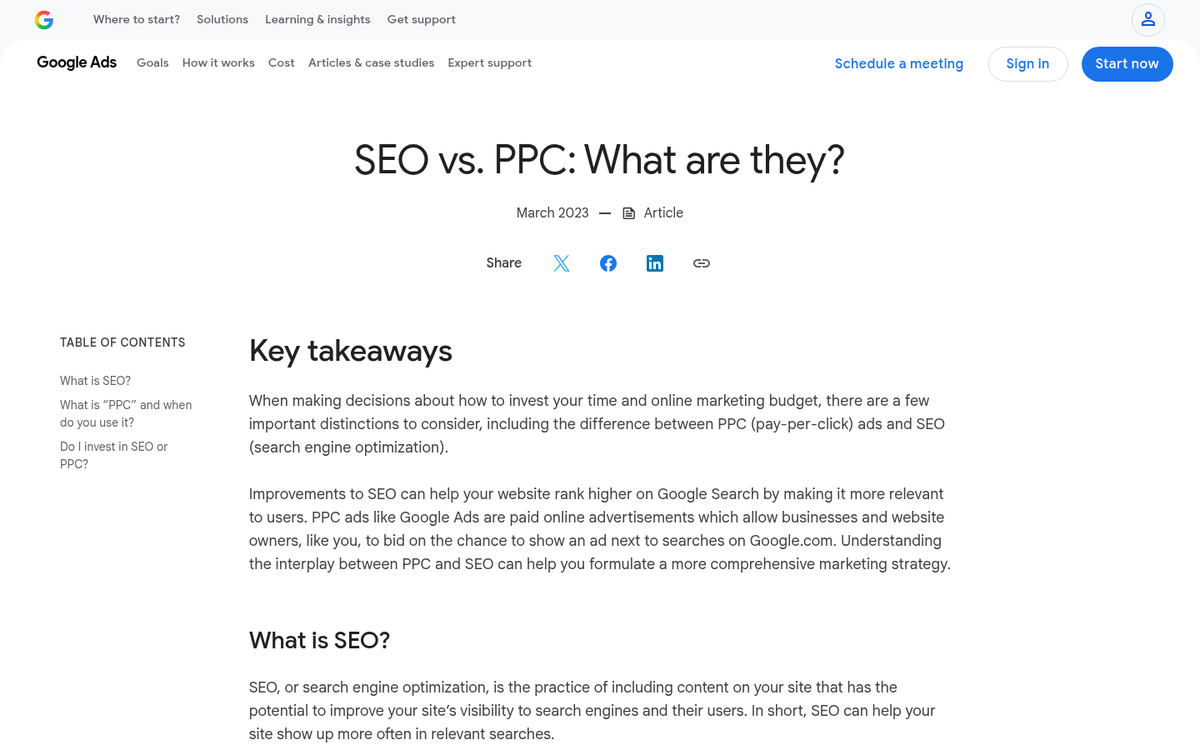
Too many people think of PPC and SEO as methods at odds with each other. PPC is the legitimate way to pay for traffic, while SEO is organic. PPC is fast, immediate, and transitory. SEO is slow, but it's the sort of slow growth you want out of a long-term business.
Essentially, they're both halves of a single robust whole. When you need immediate traffic, you run PPC. When you want to improve your organic traffic over time, you implement SEO. Ideally, you do both. Your PPC covers your immediate budget needs, while your SEO guarantees long-term growth.
It's also worth noting that in 2026, AI-generated search results and Google's AI Overviews have made organic click-through rates harder to come by than ever before. This makes a solid PPC strategy even more important as a complement to your SEO efforts.
Before Starting PPC
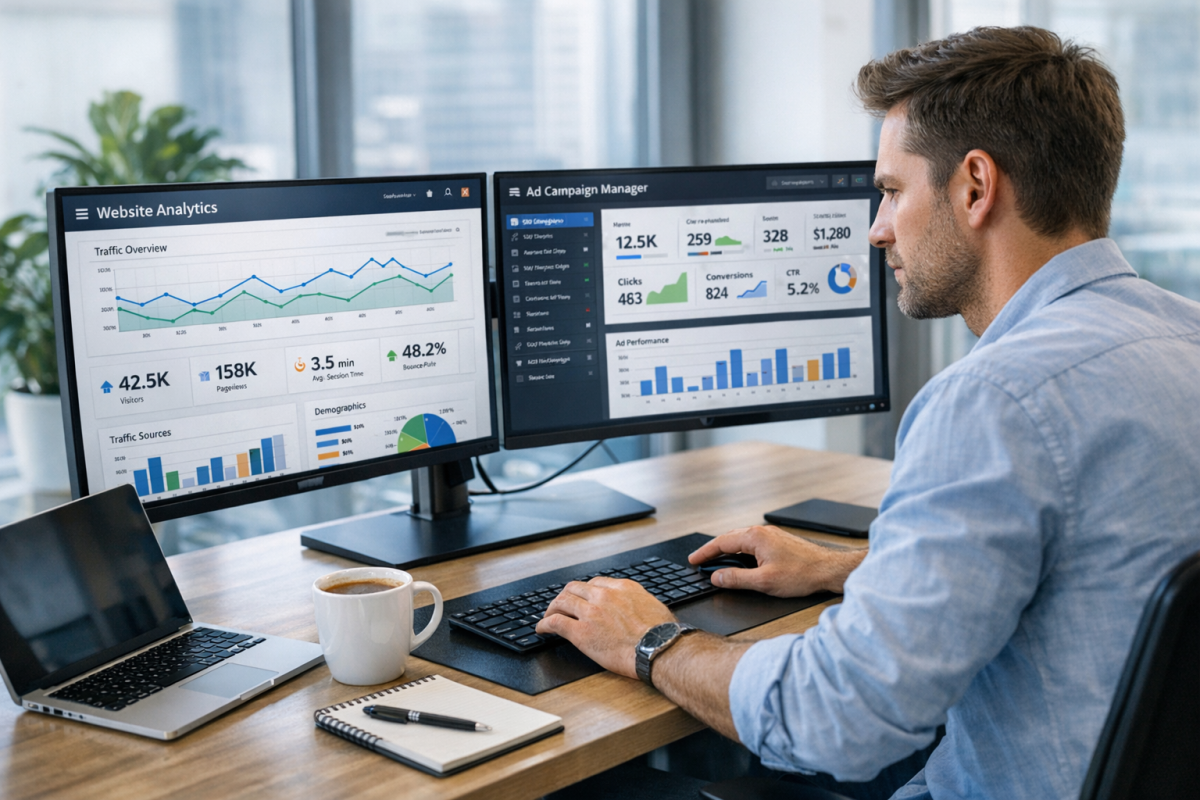
Before you dig into the world of pay-per-click advertising, you need to make sure your site is set up properly. Otherwise, you're paying for users to visit your site and bounce immediately. PPC is the bait; your site needs to be the honeypot that keeps users around long enough to experience your pitch and convert.
- Make sure your content is in order. You need enough valuable content to keep users engaged. It needs to be formatted properly and easy to read, with clear headings, concise paragraphs, and a logical flow. Avoid thin, duplicate, or AI-generated filler content - Google and users alike have little patience for it.
- Your site needs a well thought out structure. This means plenty of internal linking, robust navigation, and clear categorization. Breadcrumb navigation is a good idea as well.
- It's not necessary, but having a semantic URL structure - words rather than character strings - helps with usability and trust.
- Make sure your site is responsive and fast. Core Web Vitals still matter in 2026, and a slow or clunky experience will tank your Quality Score in Google Ads and send paid visitors running. Test your load times regularly, especially on mobile.
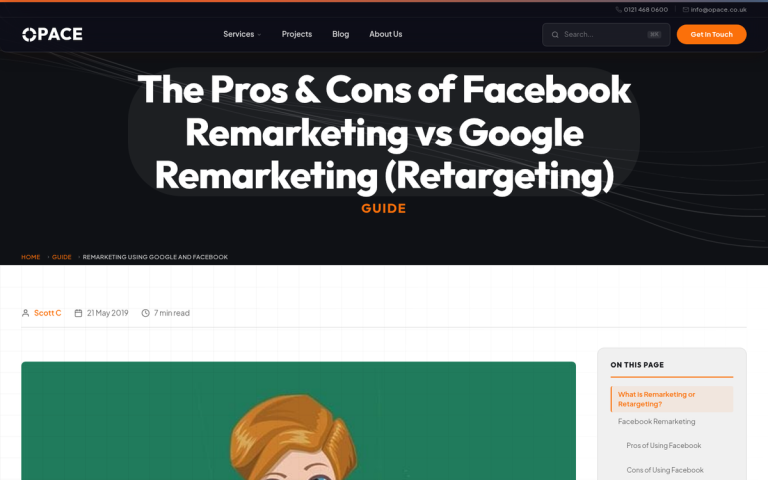
Once your site is in order, you have to decide: do you want to run Google Ads, Meta Ads (formerly Facebook), Microsoft Ads, or some combination of all of them?
Making the Choice
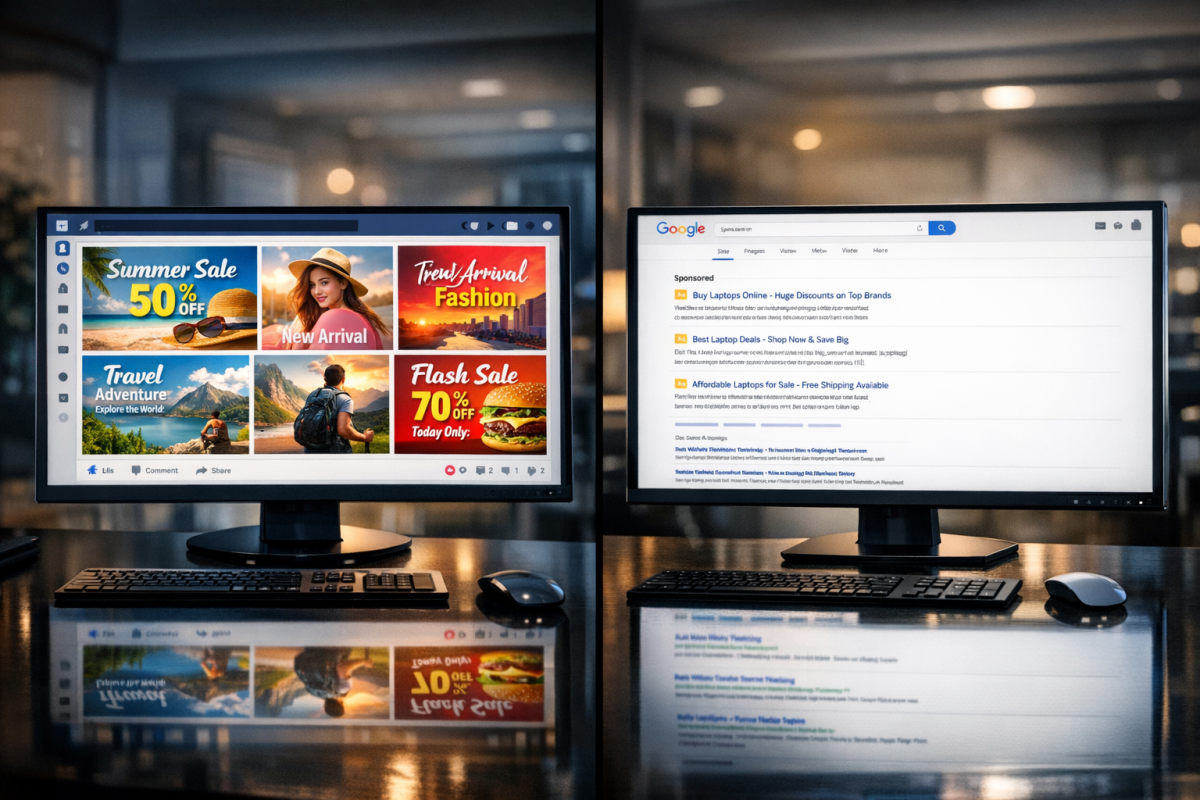
You can probably deprioritize most smaller third-party ad networks. They work, and there's no real reason to ignore them entirely, but Google and Meta - when used properly - remain significantly more effective due to sheer audience size and targeting sophistication. Microsoft Ads (Bing) is worth a mention here too; it's often overlooked, but in many niches it delivers solid ROI at a lower cost-per-click than Google.
So what's the difference between Google and Meta, and should you just use them both?
Both networks offer a range of targeting options and ad placements. Both can be expensive or cheap depending on your niche, your targeting, and your bid strategy. What differentiates them?
- Targeting options. Meta tracks an enormous amount of behavioral and demographic data across Facebook, Instagram, and its wider network. Google targets intent - it knows what people are actively searching for, which is incredibly powerful when someone is ready to buy.
- Ad format and creative. Meta is a visual-first platform that rewards strong creative - images, short-form video, and Reels ads are particularly effective right now. Google Ads spans search, display, YouTube, and Performance Max campaigns, giving you multiple ways to reach people across the funnel.
- Conversion objectives. Google Ads is powerful for capturing bottom-of-funnel demand - people actively searching for what you offer. Meta excels at top-of-funnel awareness and remarketing, especially with its lookalike audience capabilities.
- AI and automation. Both platforms have leaned heavily into AI-driven campaign types. Google's Performance Max and Meta's Advantage+ campaigns automate much of the targeting and creative decisions. These can work well, but they require careful setup and monitoring - handing everything to the algorithm without guardrails can burn budget fast.
Whichever platform you choose, make sure you use it properly so you're not wasting your time and money.
Meta Ads Tips
- Meta's ad policies remain strict. No misleading claims, no restricted content categories, no overly sensationalized copy. Review the policies before you launch - disapproved ads and account restrictions are a real headache.
- Video creative dominates on Meta right now. Short-form vertical videos that grab attention in the first two seconds consistently outperform static images across Facebook and Instagram placements.
- Use a relevant, scroll-stopping visual. Generic stock photography rarely cuts it anymore - authentic, brand-specific creative performs far better.
- Take advantage of Meta's audience tools, but don't over-engineer it. Broad targeting with strong creative often outperforms heavily micro-targeted campaigns thanks to Meta's machine learning. Test both approaches.
- Retargeting is where Meta really shines. Make sure your Meta Pixel (now part of the Meta Business Suite) is properly installed so you can serve ads to warm audiences who've already visited your site.
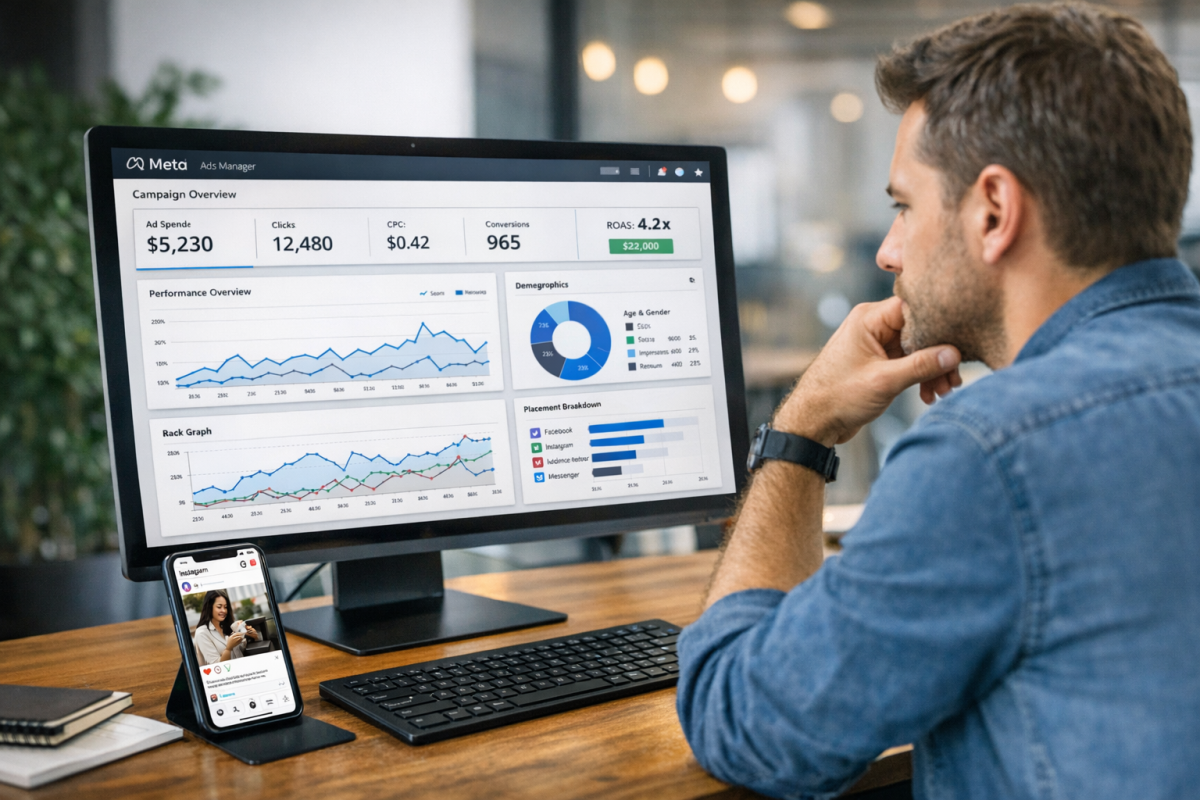
- Monitor your campaign performance in Ads Manager regularly. Key metrics to watch include cost per result, ROAS, frequency, and relevance scores.
Google Ads Tips
- Be as relevant to your targeted keyword as possible. Ad relevance directly impacts your Quality Score, which affects both your ad rank and your cost-per-click.
- Always include a clear call to action. Google Ads work best when the user knows exactly what they're clicking through to do.
- Avoid broad match keywords until you have enough conversion data for Smart Bidding to optimize effectively. Start with phrase or exact match to keep traffic quality high.
- Use negative keywords religiously. Build out a solid negative keyword list before you launch, and continue refining it as your search term reports come in.
- Responsive Search Ads (RSAs) are now the standard format. Feed them a variety of compelling headlines and descriptions and let Google's system find the best combinations - but make sure every asset is genuinely strong on its own.
- If you're using Performance Max campaigns, monitor your asset group performance and make use of placement exclusions. PMax is powerful but can spend budget in places you don't want if left unchecked.
In both cases, you need to do a lot of testing with short time limits and controlled budgets. Optimize your landing pages relentlessly - a 1% improvement in conversion rate is worth just as much as a 1% drop in cost-per-click. Test, measure, test, measure, and test again. The more work you put into it, the better your returns will be.