Key Takeaways
- Bloggers only need one ecommerce platform; many options exist across different price points and existing website setups.
- WordPress users have multiple dedicated options like WooCommerce, WP eCommerce, Easy Digital Downloads, and MemberPress.
- Gumroad offers the fastest setup with no monthly fee, only a 10% transaction cut per sale.
- Shopify and BigCommerce support multi-channel selling across TikTok, Instagram, Amazon, and other platforms simultaneously.
- Selling products is the most resource-intensive blog monetization strategy, and many small retail businesses struggle early on.
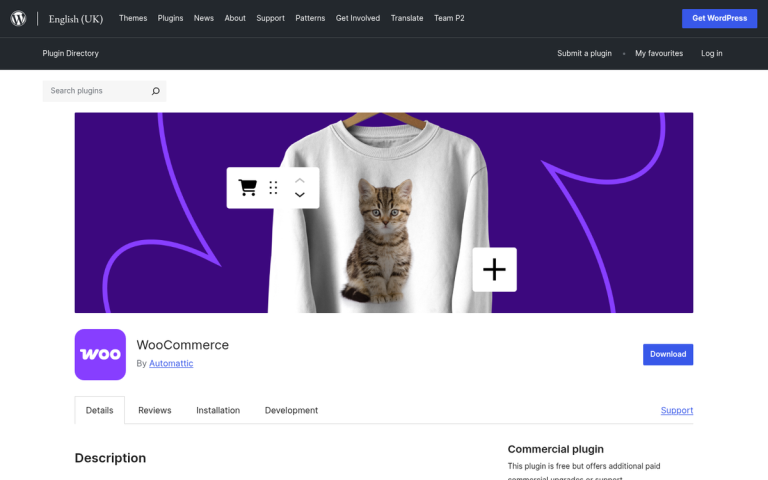
There are many ways to make money running a blog. You can run ads that pay you per view or per click. You can set up affiliate marketing and get paid when people click your links. You can "sell" products as a middleman with a dropshipping scheme. You can sell your services as a consultant or a freelancer. You can even open up a store of your own, with products you resell or develop and manufacture.
This last strategy is probably the most resource intensive path to take. When you make and sell products without funding, research and development, or an idea, it can be an uphill struggle. Many retail businesses fail to make ends meet within the first few years. But small businesses don't have the funding or the resources to eat those costs, leaving fresh entrepreneurs with debt and broken dreams.
Ecommerce platforms will manage product pages, transactions, data security, and a hosted storefront. What they won't do is help you develop a product, market it, or fulfill customer service requests. You'll have to figure that out yourself - though AI tools like ChatGPT, Claude, and others can now go a fairly long way in helping you with those pieces too.
Remember that you'll only ever need one of these services at a time. I've provided a number so, if you have an existing web presence, you should be able to find something that works with what you have. There are dozens of ecommerce services out there; I've basically compiled the best in a few different categories. If one of them represents a system you like but doesn't have a feature you need, chances are there's an alternative out there that can solve your problems well. Very, very rarely will you have to develop a custom answer.
So what means do you have for creating a store? Here you go.
1. Set Up a Wix Storefront
Wix is a website builder that, by default, hosts your content on an example.wix.com domain. The primary reason to use it is because at the most basic website level, it's free. You don't have to pay for hosting or a domain name; you can set up a Wix site and get running in an hour.

The Wix eCommerce system can add on a professional quality store - it still has the same Wix website building tools, basically turned and tuned towards ecommerce. You can build beautiful landing pages and product pages. Wix handles the sales infrastructure in the back end. Wix has also made strides with AI-assisted site building, which means you can describe your store and have a starting point generated in minutes.
Wix is a little limited on the free plan. Like WordPress.com, it has a set of templates and limited customization options. If you want a domain of your own and the ability to sell, then you'll need a paid plan. As of 2026, Wix's eCommerce plans start at around $17 per month and scale up from there based on the features and transaction volume you need - it's worth checking their latest pricing page directly, as they periodically restructure their plan tiers.
2. Start Up with Shopify
Shopify remains one of the dominant forces in ecommerce and has only grown more since its early days. Shopify integrates features that allow you to take payments and run a store in person and online simultaneously, acting as your point of sale system while taking care of payments and inventory tracking all at once.
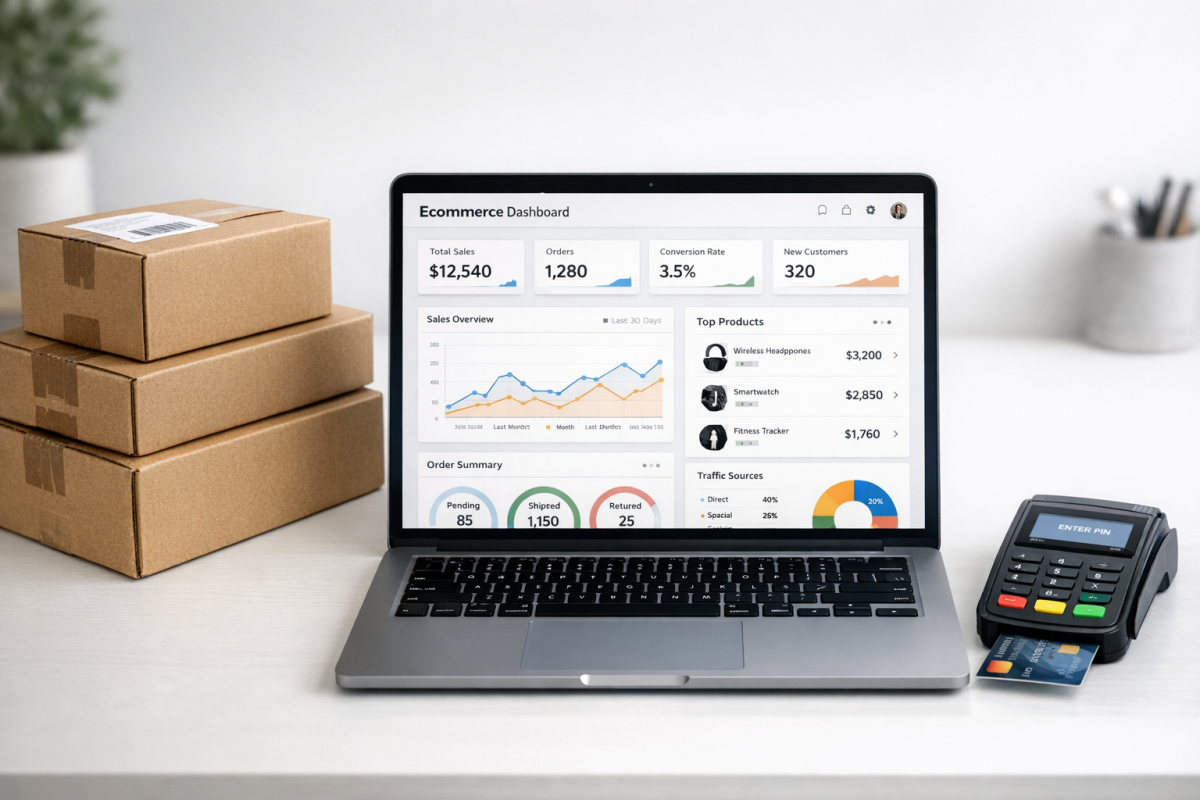
Shopify has continued to expand its ecosystem - it now has deep integrations with TikTok Shop, Instagram, Pinterest, Facebook, YouTube, and more, which makes it one of the most flexible multi-channel selling platforms available. Their AI-powered tools - like Shopify Magic - help you write product descriptions, generate images, and even help with customer support automation.
As of 2026, Shopify's Basic plan runs $29 per month (billed monthly), with the standard Shopify plan at $79 per month and Advanced at $299 per month. They also give you a Starter plan at around $5 per month if you only need to add buy buttons or an easy checkout link to an existing site. Shopify has dropped some of its older plan structures over the years, so always check their site for the latest pricing. For most beginning bloggers turning to ecommerce, the Basic plan gives plenty to get started.
3. Run a Store with Squarespace
If you took Wix and Shopify, ground them up in a mortar and pestle, poured the cores of each into a syrup and sweetened the whole thing, what you would end up with is something like Squarespace. Squarespace is a hybrid storefront manager and website builder with a number of features and an emphasis on style.
Squarespace has matured and it's now one of the most polished all-in-one services available. Their templates are stunning, and their ecommerce features have kept pace with competitors. As of 2026, the Basic Commerce plan runs around $28 per month and includes 0% transaction fees, product pages, inventory management, and a free custom domain. The Advanced Commerce plan, at around $52 per month, can add features like abandoned cart recovery, advanced shipping, and subscription selling.
Squarespace has also introduced AI-powered tools so you can generate website copy and product descriptions, which is a great touch for bloggers who want to move fast. I recommend checking out Squarespace if design matters to you - the basic price combined with the robust features make it work for just about any starting business.
4. Add WooCommerce to WordPress
If you're starting from a successful blog and want to expand into selling products, you don't want to start a brand new website. You probably want something that integrates with your existing blog. Since the most popular blogging platform in the world is WordPress, I'm assuming that's what you're using; it's why WooCommerce is one of the best options for existing bloggers.
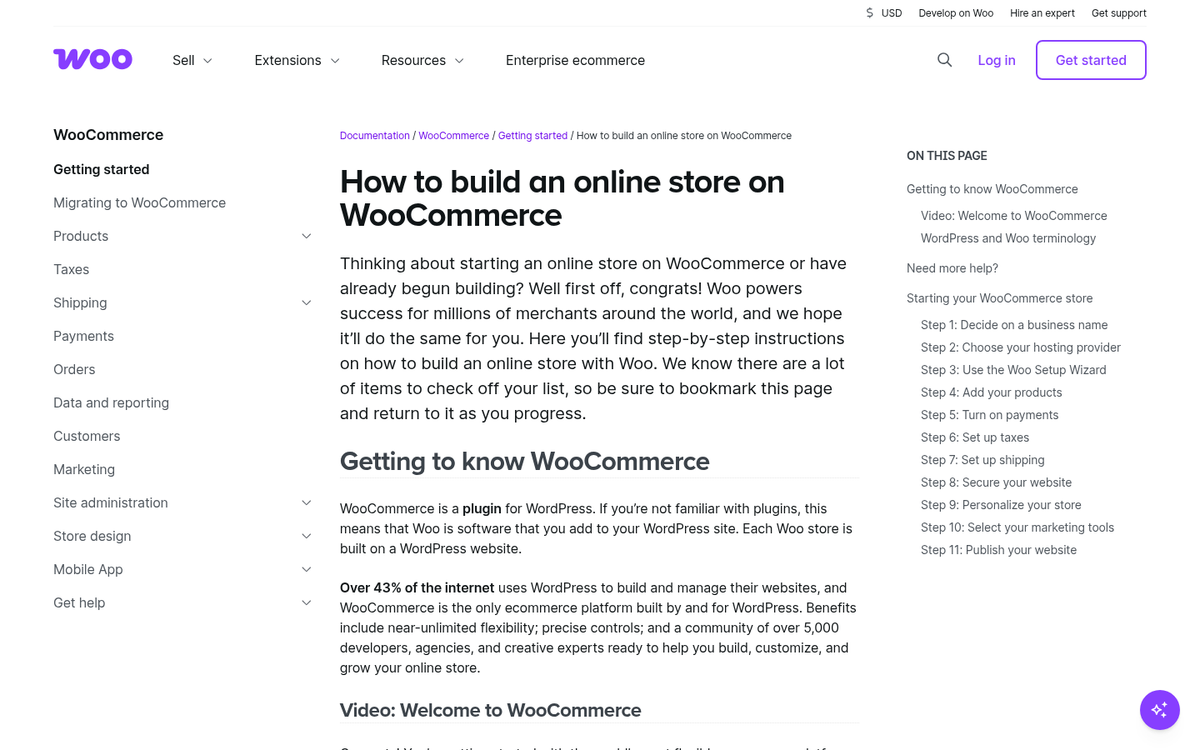
Boasting that it powers a massive share of all online stores globally, WooCommerce is a very popular platform. You can sell anything, online or physical, from your existing WordPress blog. You can process payments through Stripe, PayPal, Apple Pay, and a number of other options. WooCommerce has also expanded its built-in analytics, and a robust marketplace of extensions lets you add subscriptions, memberships, product bundles, and more.
The core WooCommerce plugin remains free, though premium extensions carry their own costs. For bloggers already invested in the WordPress ecosystem, it remains one of the easiest and most affordable paths to adding a store without disrupting your existing setup.
5. Rock WordPress with WP eCommerce
It would be a giant faux pas if I were to talk about the biggest blogging platform in the world and only give you one possible option out of those available. WooCommerce is great. But it's not the only option. WP eCommerce is a long-standing alternative that has been around since 2006 and continues to be maintained.
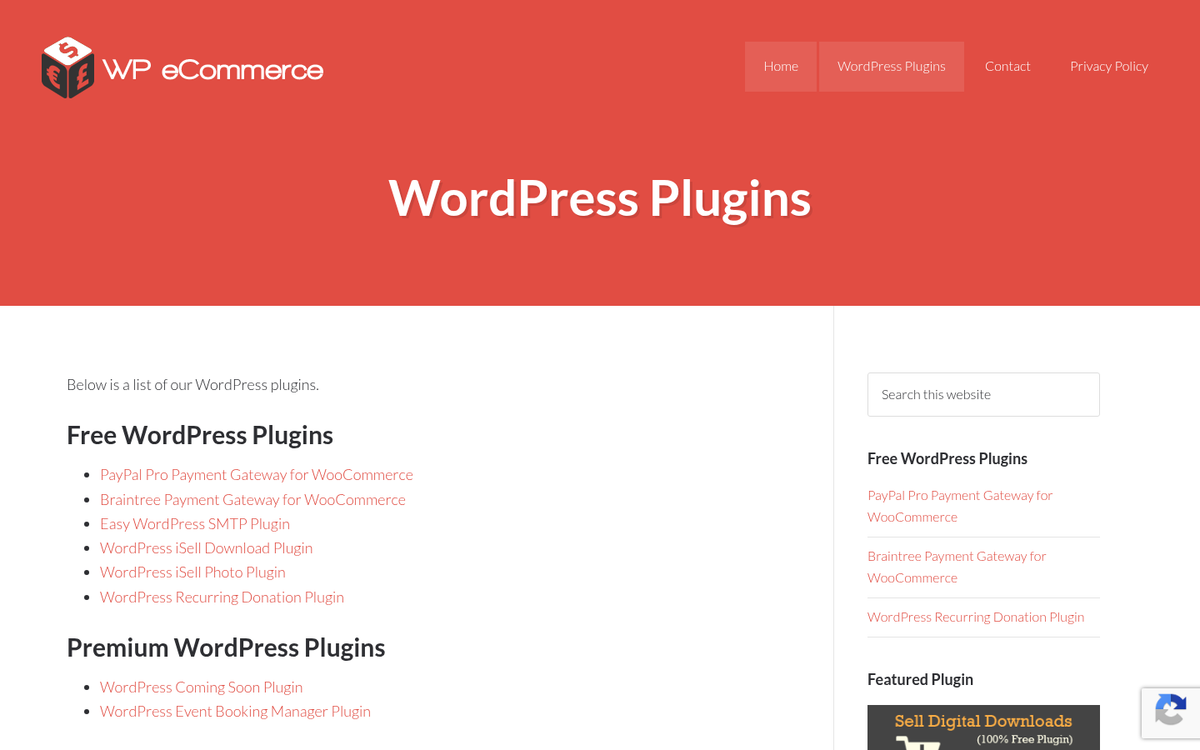
It offers HTML and CSS customizations, dozens of possible payment gateways, expansion modules to give you more features, and a robust set of hooks to help developers create third-party apps and plugins for it. That said, WooCommerce has grown so dominant in the WordPress ecommerce space that WP eCommerce is best a good choice for users who have a reason to stay away from WooCommerce, or who are already familiar with it from a previous project.
6. Grow a Multi-Channel Store with BigCommerce
BigCommerce was built for small businesses and for enterprises, which is why it matters for a business that intends to grow. If you're starting small and have big ambitions, it's nice to use a system that will grow with you without requiring you to migrate to a new platform later.

With BigCommerce, you can customize your storefront and sell across multiple channels simultaneously - like Amazon, eBay, Walmart Marketplace, Instagram, Facebook, and TikTok. You get protected hosting, robust analytics, a number of payment processor integrations, and shipping and fulfillment tools. BigCommerce has positioned itself as a strong alternative to Shopify for sellers who want to stay away from per-transaction fees. BigCommerce charges none on any plan.
Plans start at around $39 per month as of 2026, scaling up based on your annual sales volume. For bloggers with growth ambitions, BigCommerce is worth looking at.
7. Sell Digital Goods with Easy Digital Downloads
Sometimes you have something to sell that isn't physical. Digital goods are still goods, and there are plenty of existing ways to sell some of them. You can sell ebooks on Amazon or Barnes and Noble. You can sell music through Bandcamp. These are all fairly rigid options with stiff revenue splits and limited flexibility. What if you want to sell a video course, a Lightroom preset pack, a software license, or a premium newsletter? You need a dedicated answer.

Easy Digital Downloads is a robust, purpose-built online product sales engine that hooks into, you guessed it, WordPress - meaning it doesn't bother with the shipping and fulfillment options; it's strictly for accepting payments and serving online content. If that's all you need, it's by far the best option with the least extraneous features. They give you a free core plugin with paid extensions, or an all-access pass starting at around $99.50 per year for most small sellers.
8. Sell Subscriptions and Memberships with MemberPress
Do you have a product you sell on a recurring basis, like a subscription box or a members-only content area? Do you want to drip content to members over the course of weeks or months? These use cases deserve a dedicated tool, and MemberPress has become one of the leading services in this space for WordPress users.
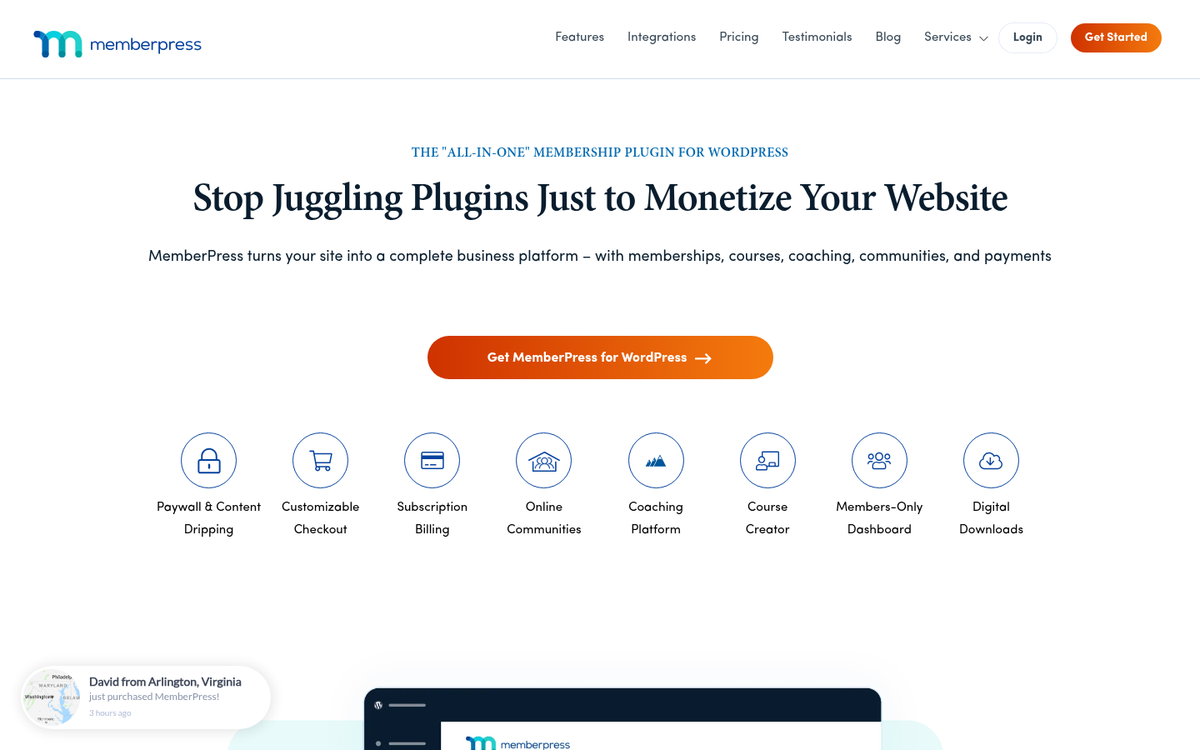
MemberPress lets you create membership tiers, gate content, manage subscriptions, and even build online courses - all within your existing WordPress site. It integrates with popular email marketing platforms and payment processors like Stripe and PayPal. Plans start at around $179 per year, which is a reasonable investment if recurring revenue is central to your blog's monetization strategy.
9. Launch Fast with Gumroad
For bloggers who want the absolute fastest path to selling online products or simple physical goods without touching WordPress plugins or building a full ecommerce platform, Gumroad remains a strong option in 2026. You can be selling a product within a few seconds of signing up - no storefront to configure, no hosting to manage.
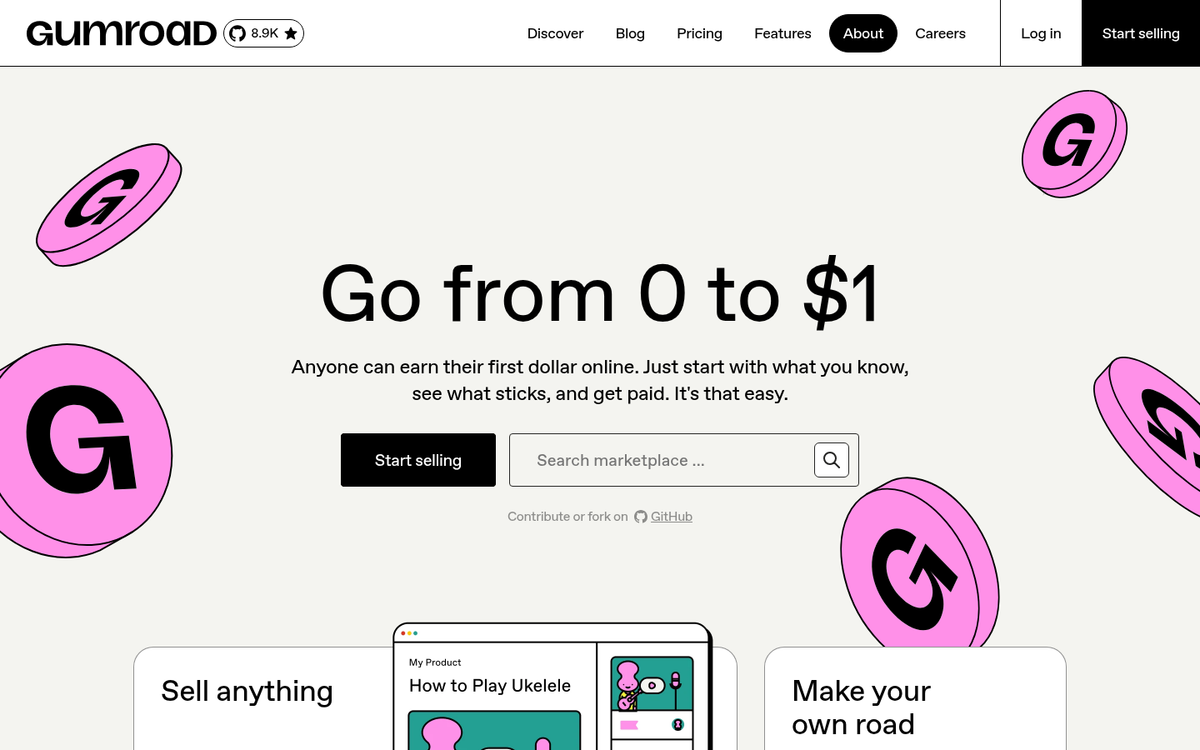
Gumroad handles payments, file delivery, license keys, subscriptions, and even basic analytics. Their fee structure has evolved over the years; as of 2026, they work on a flat 10% transaction fee with no monthly subscription required, which makes it low-risk for bloggers just testing the waters with their first product. If you scale up and the fees start to sting, that's a signal it's time to migrate to a more robust platform.
10. Build a Full Store with Squarespace's Competitor: Webflow Ecommerce
Webflow has grown substantially and it's increasingly popular with designers and bloggers who want granular control over their site's appearance without writing custom code. Webflow Ecommerce extends the platform's visual design tools into the space of online selling.

You get full control over the look and feel of every element of your store - product pages, checkout flows, confirmation emails - all without touching a line of code unless you want to. Webflow integrates with Stripe for payments and supports physical and digital products. Ecommerce plans start at around $29 per month and scale up based on your sales volume and feature needs. It's not the simplest option on this list. But for design-conscious bloggers who feel constrained by the templates of other platforms, it's a legitimately compelling option.
11. Style the Competition with Volusion
Volusion is a long-standing ecommerce platform that has been around for decades and continues to serve small and mid-sized businesses. It has a number of features like inventory management, SEO tools, a built-in CRM, and support for a number of payment processors. As of 2026, plans start at around $35 per month and scale up based on the number of products and revenue volume you'll have to support.

Volusion is one of the more straightforward hosted storefronts out there. It won't win design awards compared to Squarespace or Webflow. But it's reliable, well-supported, and has a track record. If you're looking for a no-fuss hosted ecommerce answer with a long history behind it, Volusion is worth a look - just be sure to compare it directly against Shopify and BigCommerce at similar price points before committing.