





Growth hacking is an interesting concept - though honestly, the term itself is starting to feel a little dated. At its core, it's always been the same idea: using free or low-cost tools to save time and money while promoting and growing a business. Someone slapped a catchy name on it, sold courses about it, and here we are. But the underlying principle? That's just smart business.
What has changed dramatically is the tooling. AI-powered platforms, smarter automation, and a completely shifted social media landscape have transformed what's possible - even for bootstrapped startups with no marketing budget. A lot of the tools from just a few years ago have shut down, pivoted, or been made irrelevant by better alternatives.
I've gone through and refreshed this list to reflect what's actually working in 2026. Some old favorites are still here. Some dead tools have been cut. And a few new additions are genuinely exciting.
Here's what's worth your time:
Key Takeaways
- Growth hacking means using free or low-cost tools to save time and money while growing a business.
- AI-powered platforms and smarter automation have transformed what bootstrapped startups can achieve without large marketing budgets.
- Tools span six key categories: traffic acquisition, lead generation, email marketing, analytics, automation, and sales.
- Many older growth tools have shut down or become irrelevant, replaced by more capable modern alternatives like Apollo.io and Clay.
- Free tools like Microsoft Clarity, Plausible, and Reddit offer significant value without requiring any financial investment.
Traffic Acquisition
These tools are designed to help you boost the traffic coming into your website, through organic strategies, content amplification, and smart distribution.
- Click to Tweet - Still alive and still useful. Generate pre-written tweets your readers can post with a single click. Great for pulling shareable quotes out of long-form content. Free to use.
- Nimble - A smart CRM that monitors email communications, social signals, and follow-ups. It's evolved significantly and now has solid AI-assisted contact enrichment built in.
- Snip.ly - A URL tool that overlays a custom call-to-action on any content you share. Still a clever way to drive traffic back to your site even when you're sharing someone else's content.
- Wistia - A business-focused video hosting platform. Still arguably better than YouTube for embedded landing page videos, with superior analytics, lead capture, and no competitor ads playing after your video ends.
- Moz - Still one of the biggest names in SEO. Their toolset covers keyword research, link building, site audits, and rank tracking. If you're serious about organic traffic, this is worth the investment.
- Ahrefs - Arguably the most powerful SEO and content research tool available in 2026. Excellent for competitive analysis, backlink research, and finding content gaps your competitors haven't filled.
- Semrush - A comprehensive digital marketing suite covering SEO, PPC, content marketing, and competitor research. A strong alternative or complement to Ahrefs.
- Crowdfire - A social media scheduler and analytics tool that helps you stay consistent across platforms without spending hours doing it manually.
- AnswerThePublic - A content research tool that shows you what questions real people are searching around any keyword. Incredibly useful for planning blog content that actually meets search intent.
- Reddit - Underrated as a traffic source. Find the subreddits where your audience hangs out, become a genuine contributor, and the referral traffic can be substantial. Don't spam - participate. You might also want to look at answering Quora questions to drive traffic using a similar approach.
Lead Generation
These tools exist to help you generate leads and pull in customers from diverse sources, both online and offline.
- Hello Bar - Still a solid, widely-used tool for adding a welcome bar or announcement strip to the top of your site with a call to action. Easy to set up and still converts well. Check out 10 ways to use Hello Bar to increase your sales.
- Crazy Egg - A web heatmap and session recording tool that shows you where users click, scroll, and drop off. A great starting point for identifying conversion blockers on your pages. There are also good free website heatmap tools worth exploring.
- Hotjar - Similar to Crazy Egg but with more robust session recordings, heatmaps, and an integrated survey tool. One of the most popular UX research tools available, with a generous free tier.
- Unbounce - A landing page builder and optimization platform with solid AI-powered copy suggestions now baked in. Great for running dedicated campaign pages without touching your main site's code. You can also create free landing pages and squeeze pages if you're on a budget.
- Optimizely - Still the gold standard for enterprise-level A/B testing and experimentation. More powerful than ever, though it's firmly in the enterprise price range now.
- VWO - A visual A/B testing and conversion optimization platform that's grown significantly. Great for teams that want serious testing without needing a developer for every experiment.
- Outbrain - A content recommendation and native advertising network that places your content as "recommended" links on major publishers. Still useful for top-of-funnel awareness campaigns.
- FullContact - A contact enrichment platform that takes an email address and returns a fuller picture of who that person is. Valuable for B2B prospecting and audience segmentation.
- Mailgun - A developer-friendly transactional email API. Great for triggered emails, account notifications, and large-volume sends with detailed delivery analytics.
- Survicate - A lightweight survey tool that sits unobtrusively in the corner of your page and captures feedback without interrupting the user experience. Works well for identifying friction in your funnel.
- Apollo.io - A powerful B2B lead generation and sales intelligence platform. Search a massive database of contacts, build targeted lists, and reach out - all from one place. Has largely replaced older prospecting tools.
- Instantly - A cold email outreach platform built for scale, with inbox rotation, deliverability tools, and AI-assisted personalization. One of the more talked-about outreach tools going into 2026.
Email Marketing
While these apps could fit under lead generation, there are enough focused solely on email that they deserve their own section. These are tools to help your email marketing, newsletter production, and direct outreach succeed.
- Vero - A triggered email system that automatically segments your audience based on their behavior on your site, so your messaging actually matches where they are in the journey.
- Customer.io - A solid behavioral email and messaging platform. More developer-friendly than most, but incredibly powerful for building automated lifecycle campaigns.
- Mailchimp - Still one of the most widely used email platforms out there. It's grown into a full marketing suite with landing pages, automations, and basic CRM features included. The free tier is still generous for small lists.
- AWeber - A reliable, long-standing email marketing platform. Solid automation, good deliverability, and a straightforward interface. A dependable choice for creators and small businesses.
- SendGrid - Now part of Twilio, SendGrid remains a top choice for high-volume transactional and marketing emails. Strong deliverability and developer-friendly API access.
- Klaviyo - The dominant email and SMS marketing platform for e-commerce in 2026. Its deep integrations with Shopify and its AI-powered segmentation make it hard to beat for product-based businesses. Has grown into a full marketing automation suite.
- Beehiiv - One of the most exciting newsletter platforms to emerge recently. Built specifically for newsletter growth, it includes a built-in referral program, monetization tools, and a clean editor. Extremely popular with independent creators and media companies.
- Kit (formerly ConvertKit) - A creator-focused email platform with strong automation, clean subscriber management, and an easy-to-use interface. A go-to for bloggers, podcasters, and course creators.
- Yesware - Email tracking and sales engagement built directly into Gmail and Outlook. Know when your emails get opened, which links get clicked, and set follow-up reminders automatically.
- Substack - Worth mentioning even though it's more of a publishing platform than a marketing tool. If you're considering a newsletter as part of your content strategy, Substack's built-in audience and discovery tools give you a head start.
Analytics
These tools either provide analytics, improve your existing data, or help you act on it more effectively. I'm skipping Google Analytics here - at this point it's table stakes for any business, and if you're not using it, start there first.
- Qualaroo - A survey tool you can embed at key points in your user's journey to capture feedback and identify friction. Useful for understanding why users aren't converting.
- Typeform - A polished form and survey builder with a conversational interface that gets notably higher completion rates than traditional forms. Great for feedback collection, quizzes, and lead capture.
- BuzzSumo - A content research and influencer discovery tool. See what's getting traction in your niche, who's sharing it, and what gaps you could fill. Still one of the best tools for content strategy.
- UserTesting - Submit tasks and have real targeted users complete them and narrate their experience. One of the best ways to identify usability problems you're too close to see yourself.
- GoSquared - Real-time analytics, live visitor monitoring, and customer data - all in one dashboard. Works well as a complement to Google Analytics when you want to see what's happening right now.
- AppsFlyer - A leading mobile attribution and analytics platform. If you have a mobile app, this is one of the best tools for understanding where your installs are coming from and what users do after.
- Mixpanel - An event-based analytics platform that goes deeper than Google Analytics for understanding user behavior inside your product. Excellent for SaaS and app companies tracking retention, funnels, and feature adoption.
- Microsoft Clarity - A completely free heatmap and session recording tool from Microsoft. Genuinely excellent, and the price (free) makes it a no-brainer to install alongside your other analytics.
- Plausible - A privacy-focused, lightweight analytics alternative to Google Analytics. No cookies, GDPR compliant out of the box, and a clean simple dashboard. Growing fast as businesses look for cookieless analytics solutions.
- SparkToro - An audience intelligence tool that tells you where your target audience spends their time online - which podcasts they listen to, which social accounts they follow, which websites they visit. Invaluable for finding the right channels to invest in.
Automation
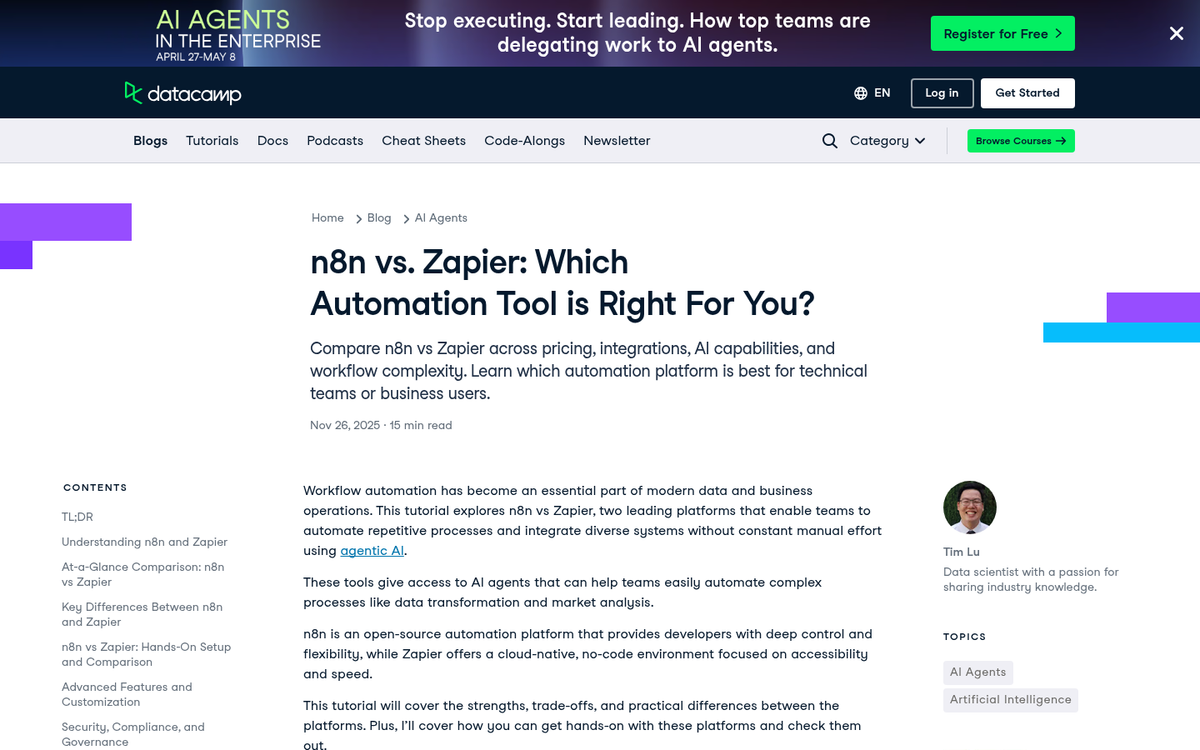
These tools are designed to help streamline business processes by automating repetitive tasks and connecting your tech stack together. In 2026, AI has supercharged what's possible here - things that used to require a developer can now be set up in an afternoon.
- Zapier - Still the king of no-code workflow automation. Connect thousands of apps and create automated workflows that trigger based on conditions you define. Now has AI-powered workflow building that makes setup even faster.
- Make (formerly Integromat) - A powerful Zapier alternative with a visual workflow builder and more complex logic options. Tends to be more affordable for high-volume automation needs.
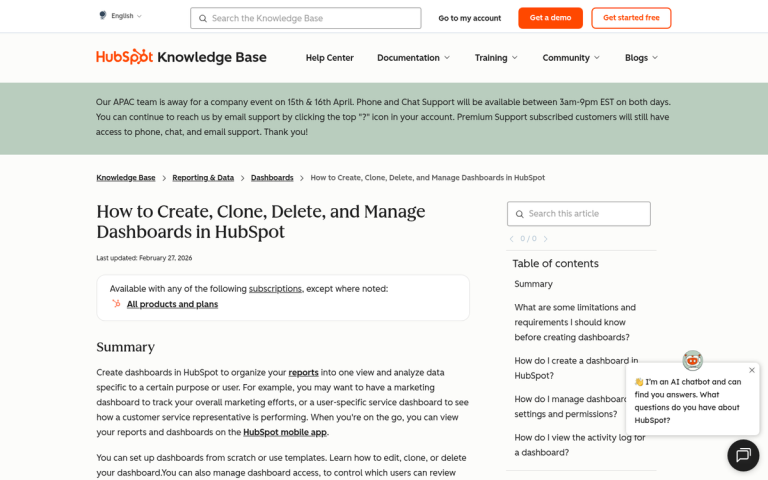
- HubSpot - Still one of the most comprehensive marketing, sales, and CRM platforms available. The free tier is genuinely useful, and the paid tiers have expanded significantly with AI tools for content, prospecting, and reporting. If you're interested in link building, check out how to use HubSpot for backlink building.
- Marketo (Adobe Marketo Engage) - Now fully part of Adobe's suite, Marketo remains a top-tier enterprise marketing automation platform. Best suited for larger teams with dedicated marketing ops resources.
- IFTTT - If This Then That. Simple conditional automations across a wide range of apps and devices. Great for lightweight personal and small business automations.
- AdEspresso - A Facebook and Instagram ads management tool that simplifies campaign creation, A/B testing, and optimization. Good for teams who run a lot of social ad variations. If you're running affiliate offers, see our guide on how to run affiliate links through Facebook Ads.
- Buffer - A social media scheduling and publishing tool with a clean interface and solid analytics. Great for small teams that need to stay consistent across platforms without a lot of overhead.
- n8n - An open-source workflow automation tool that's gaining serious traction as a self-hosted alternative to Zapier. Highly flexible, developer-friendly, and free to self-host. If you're worried about automating your blog content, it's worth reading why that can backfire.
- Clay - A newer automation-meets-enrichment platform that's become a favorite in growth and sales circles. Pull data from dozens of sources, enrich lead lists automatically, and trigger outreach - all from one canvas. Genuinely powerful for GTM teams.
- ManyChat - A chatbot and messaging automation platform for Instagram DMs, Facebook Messenger, and SMS. Excellent for automating lead qualification and follow-up on social media.
Sales

These products make it easier to sell your products and services online, whether through storefronts, sales communications, or customer management. The landscape here has shifted considerably with AI-assisted sales tools becoming mainstream.
- Gumroad - Still a go-to for creators selling digital products. Low friction, handles payments and delivery automatically, and takes a small percentage cut. No monthly fee on the free plan.
- Olark - A reliable live chat tool for your website. Lets visitors ask questions in real time rather than bouncing when they hit a sticking point. Simple to set up and still converts well for support and sales. If you're trying to keep costs down, learn how to inexpensively outsource your live chat operator.
- Intercom - More powerful than ever, and now deeply integrated with AI. Their Fin AI agent can handle a huge percentage of website traffic that converts to sales, freeing up your team for higher-value interactions.

1 response
Thoughtful replies only - we moderate for spam, AI slop, and off-topic rants.
Nice list of growth hacking tool. Well this is the time of AI and working hard for developing business reach while we have tools for Lead generation is useless. I have used few tools for my business for growth hacking like AeroLeads, rainClutch, Rapportive and this tools help me a lot.