





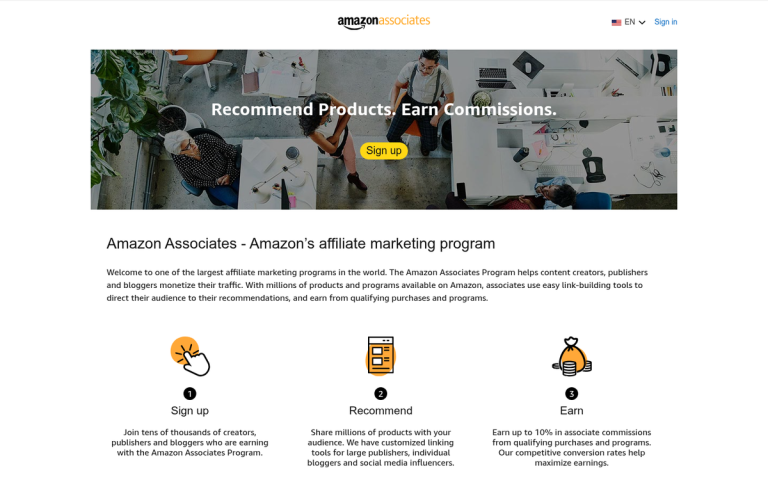
Amazon has one of the best affiliate programs available - and it's been running since 1996, making it one of the oldest in the game. Today it holds a staggering 46% of the global affiliate marketing market share, which tells you everything you need to know about its dominance.
Now, the commission rates aren't going to blow you away across the board. A lot of mid-range categories like Kitchen, Apparel, and Books sit between 2-5%, while Electronics and Video Games drop down to just 1-2%. But here's where it gets interesting: Amazon Games pays 20%, Luxury Beauty and Handmade hit 10%, and Amazon Haul is sitting at 7%. So the rates vary a lot more than they used to, and picking the right niche matters more than ever.
The other thing to keep in mind - and this is the part that makes Amazon Associates so powerful - is that your commission applies to everything a referred user buys, not just the product you linked to. You could link to a $5 book, the user clicks through, skips the book, and ends up buying a $500 lawnmower. You're earning your category commission on that $500 purchase, even though you didn't link to a lawnmower.
There are also a few rules to keep in mind. New Associates must generate at least 3 qualifying sales within their first 180 days or the account gets closed. And Amazon's cookie window is just 24 hours - meaning you only get credit if the customer purchases within a day of clicking your link. That's short compared to many other programs, so traffic quality matters enormously.
Amazon is also one of the most trusted retailers on the planet and a hub for millions of independent sellers using it as their primary storefront. Combine all of these factors, and it becomes clear why Amazon Associates remains such a powerhouse platform for affiliate income. You just need to do the hard part - create a site that sends people there and makes both you and Amazon money.
Key Takeaways
- Amazon Associates commands 46% of global affiliate market share, with commission rates varying widely by category, from 1% to 20%.
- Successful affiliate sites prioritize helping visitors make confident buying decisions over pushing products, especially given the 24-hour cookie window.
- Choose a niche you're passionate about and knowledgeable in, avoiding overly competitive categories like electronics or low-commission product types.
- Build content in multiple tiers: a homepage, detailed review pages with affiliate links, and supplemental guides without links to avoid thin-site penalties.
- Prepare seasonal content 4-6 weeks before major shopping events like Prime Day and Black Friday to rank in time for peak traffic.
Step 1: Study the Best
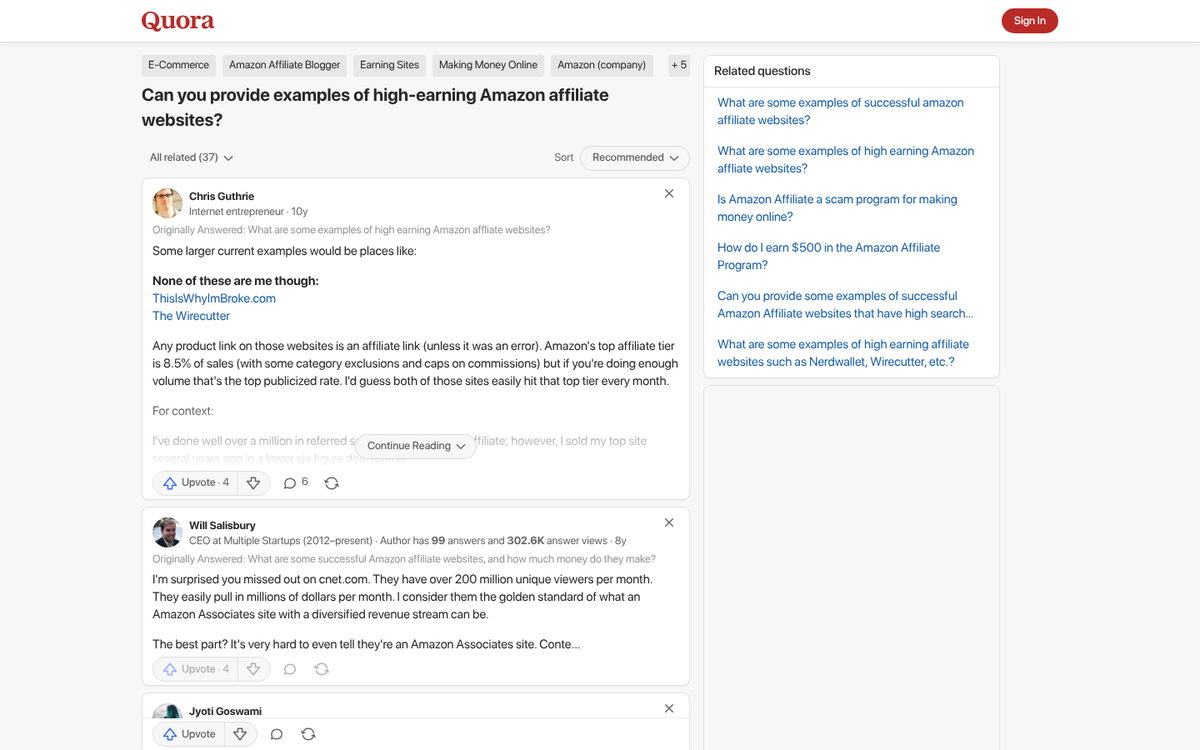
There are a lot of successful Amazon affiliate sites out there. The first step to building your own is to look at what's working and get a feel for what you want to do. Here are a few things the best sites tend to have in common.
The top-performing Amazon affiliate sites in 2026 share a few traits: they're built around specific niches rather than trying to cover everything, they prioritize genuine helpfulness over sales pitches, and they don't look like obvious affiliate farms. Sites like This Is Why I'm Broke have stood the test of time by leaning into personality and discovery rather than hard selling. It's a "cool stuff you didn't know you needed" concept that works because it entertains first and sells second. It's been around for well over a decade now and is still pulling in serious traffic.
The niche review site model is still going strong in 2026 as well. Think tightly focused sites covering specific product categories - kitchen gear, outdoor equipment, pet supplies - with detailed comparison articles, buying guides, and honest reviews. These sites win because they answer the exact questions people are typing into Google before they buy.
These are just a few examples from thousands of successful affiliate operations. The goal is to find sites that are clearly making money and reverse-engineer what makes them work.
Once you've done that, you just have to do the easy part: pick a niche, design a site, write copy, choose products, promote the thing... okay, so it's not really all that easy. Here are some tips to help make your life easier.
Aim for Assistance
The trick to a successful affiliate site isn't to sell products - though some sites certainly look like that's all they're doing. If you dig deeper, you'll find the best ones are more about helping people make decisions than pushing products at them.
Think about it this way. If you have a niche site about kitchen faucets, the people visiting aren't looking to be convinced they need a new faucet. They're already in the market for one. They've already decided to buy - now they're trying to figure out which one. It's your job to present the options clearly, compare them honestly, and help the visitor feel confident about their choice. That's when they click through to Amazon, and that's when you earn. With only a 24-hour cookie window, the faster you can help someone reach a confident decision, the better. If you're still choosing the right foundation for your site, it's worth thinking about what WordPress theme works best for affiliate sites.
Pick a Niche You Know
This follows from the previous point. If your goal is to help someone choose a product, you need information, perspective, and genuine insight. You want to talk about specific features, real-world use cases, and honest trade-offs - the kind of detail that comes from actual experience, or at least very thorough research.
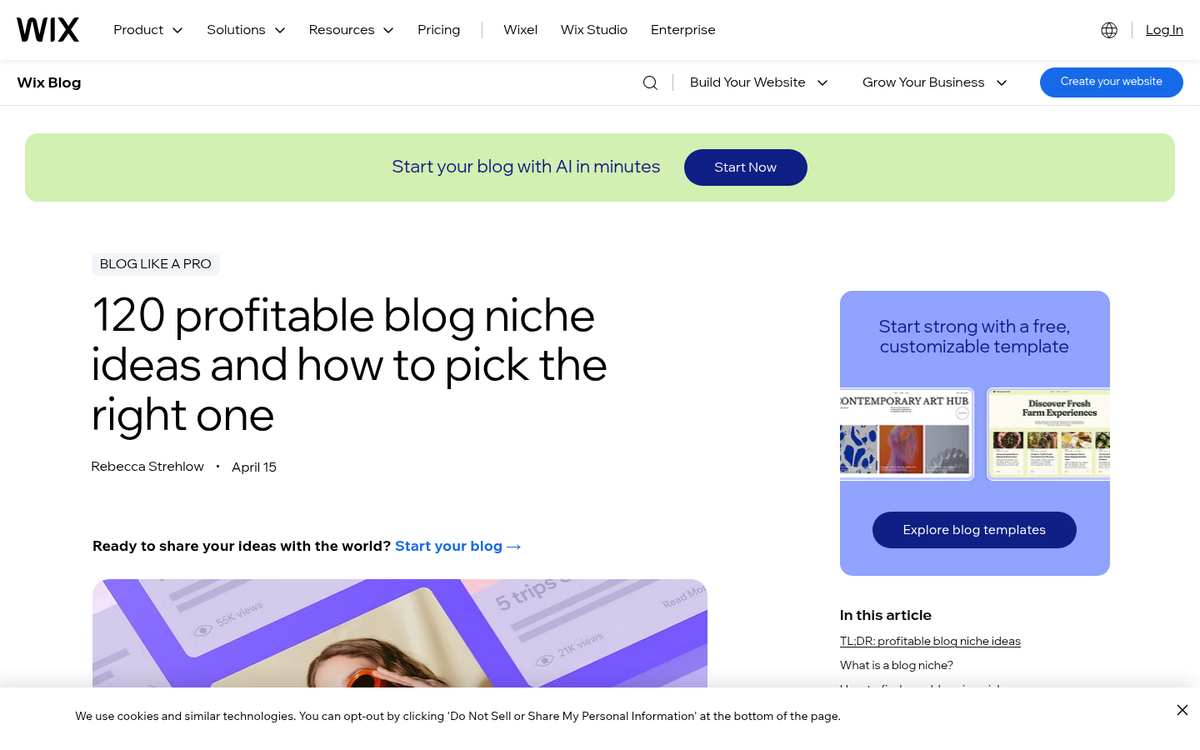
It's easiest to start with something you're already passionate about. Maybe you're deep into home espresso machines. Maybe you're obsessed with mechanical keyboards. Maybe you can't stop buying camping gear. That enthusiasm comes through in your writing, and readers feel it.
Of course, you can also hire skilled freelance writers to cover niches you're less familiar with - but this works best once you have some revenue to fund it. The ideal path is a site built around your own passion that generates enough income to support additional sites built around other niches, staffed by good writers.
Don't Look Like a Store
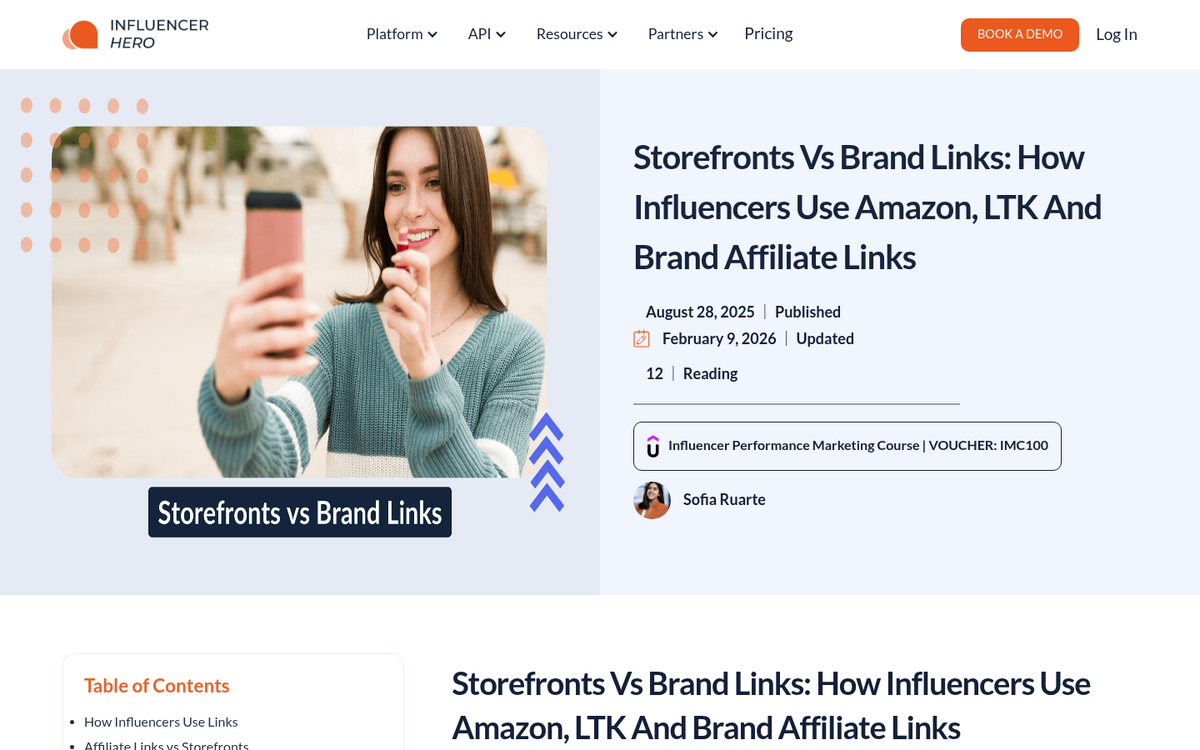
Storefronts work - but only if you're actually the one selling the product. As an affiliate, you're not handling inventory, shipping, or customer service. All you're doing is making recommendations and sending people to Amazon.
Amazon has far more experience, data, and resources when it comes to optimizing a shopping experience than you ever will. Trying to replicate their storefront is a losing strategy. You're not trying to become the next Amazon - you're trying to send people there. Focus on being the trusted guide, not the retailer. If you want to learn more about how to build an affiliate site the right way, that's a much better use of your energy.
Brand Yourself

Not with a hot iron - with a clear identity. You're not Amazon. You're the trusted expert in your specific corner of the internet.
Branding matters in two key ways. First, it shapes your domain name choice. Second, it gives your marketing a consistent direction and voice.
A strong brand means that if your faucet review site takes off, you can eventually expand into related plumbing content, bathroom renovation guides, or home improvement broadly - and your audience will follow you because they trust your recommendations. Exact match domains like "bestfaucetsoklahoma.com" give you none of that. They're awkward, they kill your branding opportunities, and exact match domains stopped providing any real SEO advantage years ago. Don't go down that road.
Start With Content

Content is what gets you ranked in search engines. Content is what builds trust with your audience. Content is what sends people to Amazon. Content is still king in affiliate marketing - arguably more so in 2026 than ever, given how competitive the space has become.
Before you launch, you want a meaningful base of content ready to go. Aim for at least 10-20 detailed pages covering core topics in your niche, plus your homepage, an About page, a disclosure page (which is legally required for affiliate sites), and whatever supporting pages make sense.
Don't Copy Content
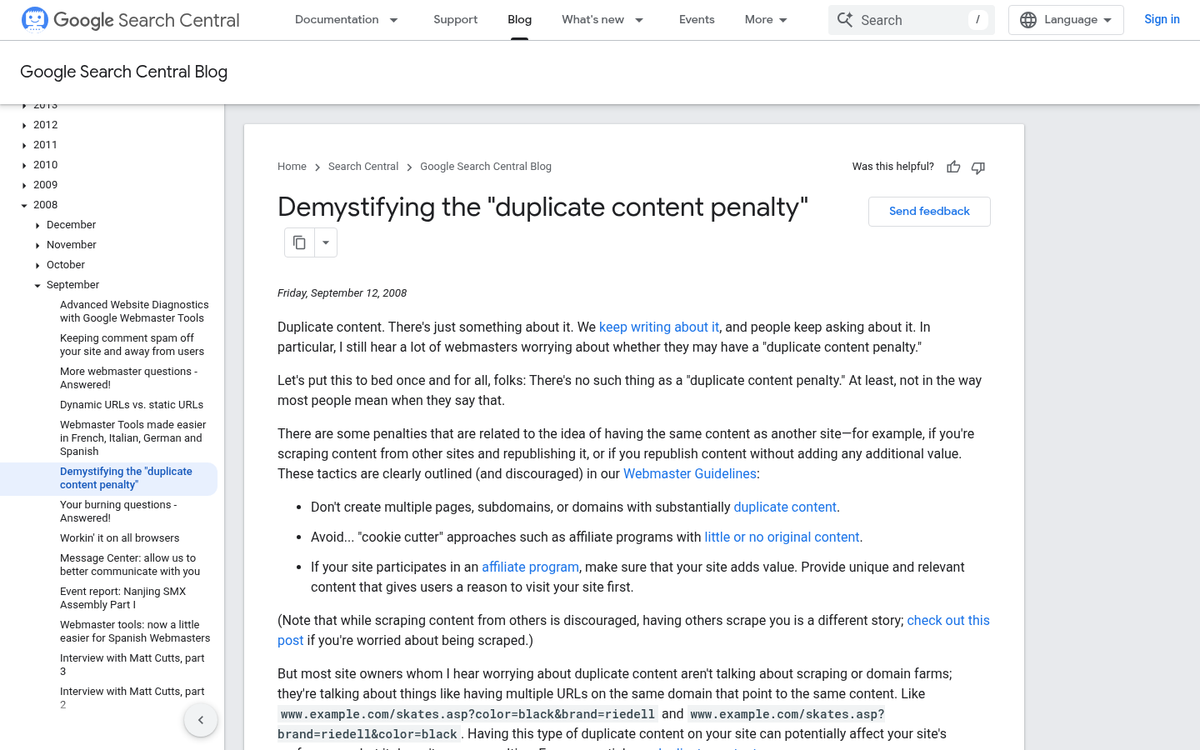
This should go without saying in 2026, but it's worth repeating. Copying content - including manufacturer product descriptions - will hurt your rankings. Write everything in your own voice. Google has only gotten better at identifying thin, duplicated, and low-effort content over the years, and AI-generated content that's clearly templated or generic is increasingly being treated the same way. Be original, be specific, and be useful.
Create Tertiary Content

Your site should have multiple tiers of content. This is important for avoiding the "thin affiliate site" penalty Google has been handing out for years. Here's how to think about it:
- Homepage. A strong, detailed homepage that establishes who you are and what your site covers. No affiliate links here - all links should point to internal pages on your site.
- Product review and comparison pages. These are the money pages. Detailed reviews, side-by-side comparisons, pros and cons breakdowns. This is where your affiliate links live.
- Supplemental content. Blog posts and guides that support the broader topic. For a faucet site, this might be installation guides, tips for hiring a plumber, or how to tell when it's time to replace a faucet. These pages should have no affiliate links but should link naturally back to your review pages.
Supplemental content builds authority, earns backlinks, and signals to Google that your site is a genuine resource, not just a collection of product pages. To keep that content working hard for you, it helps to think carefully about which topics you write about and how frequently you publish new material.
Ignore the Packed Niches

Want to review laptops or TVs? The commissions look attractive, but you're entering one of the most competitive spaces in affiliate marketing. Thousands of established sites have been grinding those keywords for years. Breaking through without a serious budget and a differentiated angle is brutally difficult.
On the other end, avoid niches where people are unlikely to buy online - products that require an in-person evaluation, extremely oversized items with complicated shipping, or categories with too little search volume to sustain a site.
The sweet spot is a niche with solid demand, real purchasing intent, and a manageable level of competition. Specific subcategories within larger niches often work better than trying to dominate high earning affiliate products across the whole thing.
Understand the Commission Structure
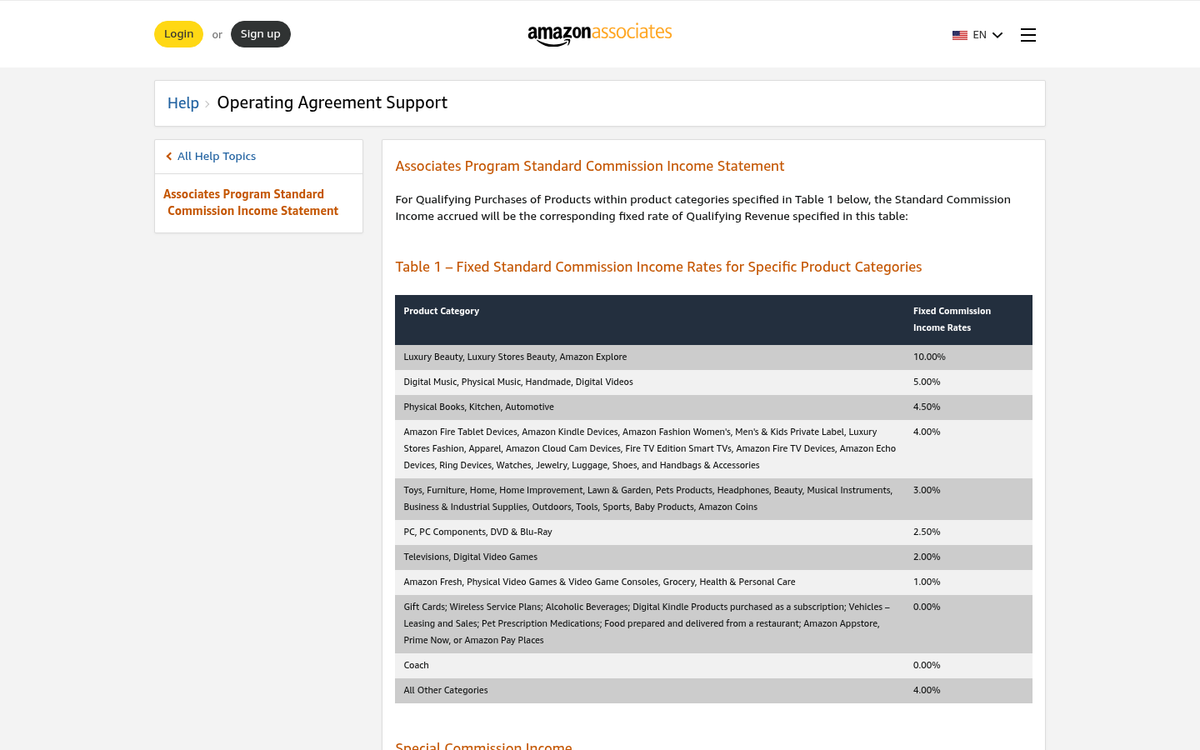
One thing that has shifted significantly since the early days of Amazon Associates is how varied the commission rates are by category. It's no longer a simple tiered system based on volume. Today it's category-specific flat rates, which means your niche choice directly determines your earning potential per sale.
Electronics and Video Games pay just 1-2%, which is why review sites in those categories need enormous traffic to make serious money. Meanwhile, Amazon Games pays 20%, Luxury Beauty pays 10%, and Amazon Haul sits at 7%. Kitchen and Apparel fall in the 2-5% range.
This also means that building content around accessories, add-ons, and supplemental products within a high-commission category is often more effective than chasing expensive but low-commission items. A $50 luxury beauty product at 10% earns more than a $200 electronic at 1%. If you're wondering whether higher-priced products always earn more, the answer often comes down to commission rate rather than sticker price.
Use the Holidays

Amazon is one of the biggest beneficiaries of holiday shopping in the world, and that works directly in your favor. Black Friday, Cyber Monday, Prime Day (which now runs multiple events per year), and the traditional holiday shopping season in Q4 are all massive traffic and conversion opportunities.
Build roundup posts, gift guides, and seasonal content well in advance - ideally 4-6 weeks before the event - so they have time to rank. The sites that dominate holiday shopping searches are the ones that prepared months ahead, not the ones scrambling the week before.
Avoid the Black Hat Strategies
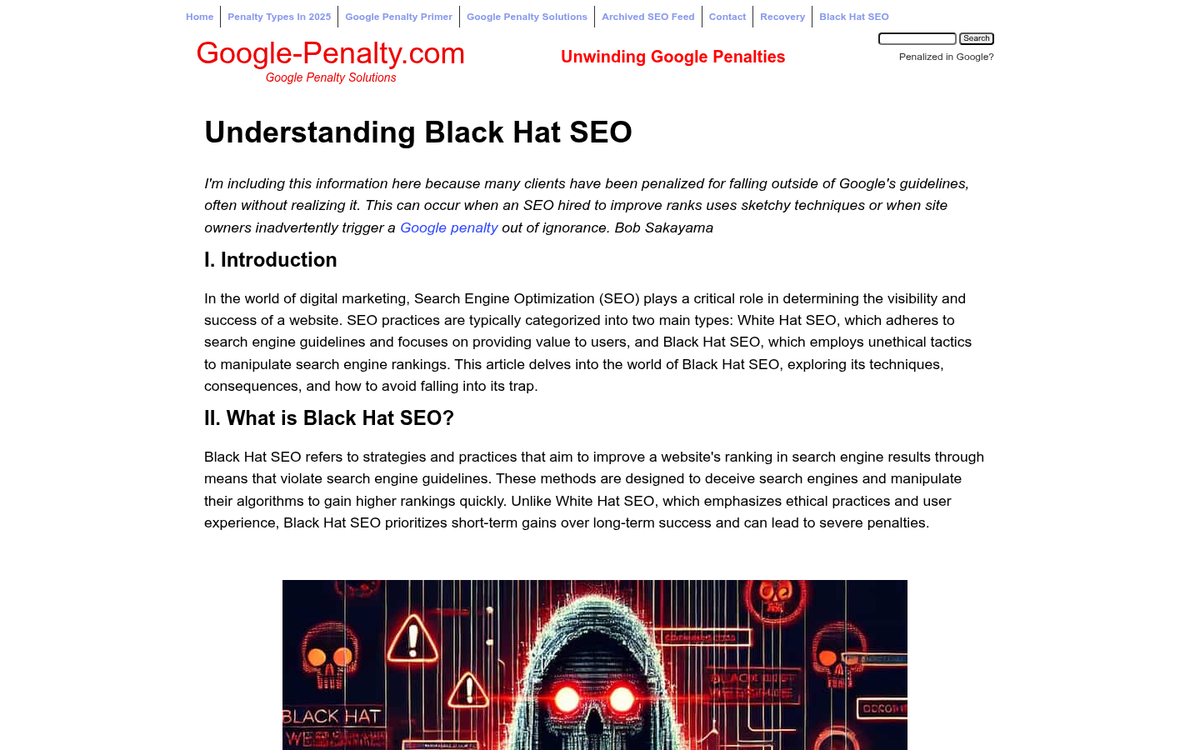
Buying links, using private blog networks, stuffing keywords, running cloaked redirects - none of it is worth it. Google's ability to detect and penalize manipulative tactics has advanced considerably, and Amazon itself monitors for policy violations. A ban from Amazon Associates is permanent, and a manual Google penalty can wipe out years of work. Build legitimately and it lasts. Cut corners and you're always one algorithm update away from losing everything.
Take Advantage of Legitimate Marketing Strategies
Content marketing, SEO, and email lists remain the core pillars for Amazon affiliate sites. Email is particularly underutilized - if you're building a real niche resource, people will happily subscribe for updates, recommendations, and tips. Just keep affiliate links out of the emails themselves (Amazon's terms prohibit it). Instead, link back to your review pages and let the site do the converting.
Social media, YouTube, and even short-form video have also become legitimate traffic drivers for affiliate content. A YouTube channel reviewing products in your niche can send highly qualified traffic to your site, and YouTube's own affiliate link integration has made this increasingly seamless.
Build a Good Site

This sounds obvious, but it still matters - maybe more than ever. A slow, cluttered, or untrustworthy-looking site will kill your conversions regardless of how good your content is. WordPress remains a strong foundation for affiliate sites, with a clean theme, good hosting, and solid core SEO setup. Page speed, mobile responsiveness, and clear navigation are non-negotiable in 2026.
The less your site looks like a typical affiliate farm, the more people will trust you. Never make your readers feel like they're being sold to. If you're genuinely helping them make a good buying decision, the commissions take care of themselves.
Amazon Associates will be your bread and butter for a long time, especially while you're getting started. Almost anything you can find from a manufacturer directly, you can also find on Amazon. Once your site has real traffic and revenue, you can start layering in other affiliate programs - preferably direct partnerships with brands rather than third-party networks - but don't spread yourself thin before you've earned it.
With all of this in mind, you have everything you need to start building a legitimate Amazon affiliate site. Niche research and keyword strategy are learnable skills - and with the foundation outlined here, you're starting well ahead of most people who try this.

2 responses
Thoughtful replies only - we moderate for spam, AI slop, and off-topic rants.
awesome post!!
I hope others will find it soon and learn from it.
Thank you for the insight
Will learn from that for sure !