




For website owners, this distinction matters more than ever. When someone asks ChatGPT, Gemini, or Perplexity about a product, service, or brand in your space, the AI isn't crawling the web in real time and guessing - it's drawing on structured knowledge - information that has been defined, corroborated across sources, and connected to a wider web of meaning. If your brand or content isn't out there as a recognizable entity in that knowledge layer, you're basically invisible to those systems, no matter how much traffic your site gets.
Becoming a searchable entity is one of the foundational goals of Answer Engine Optimization (AEO) - it means structuring your business and website so AI tools don't just see your content - they understand who you are, what you do, and why you're relevant. That is what gets you cited, referenced, and recommended in AI-generated answers.
This entry will talk about what makes something a searchable entity, why it matters for your visibility in AI-driven search, and the concrete steps you can take to set up your brand or content as one.
Quick Answer
A searchable entity is a person, organization, place, object, or concept that can be identified and retrieved through a search system. It typically has unique attributes or identifiers-such as a name, ID, or category-that allow it to be indexed and found within a database, search engine, or knowledge graph. Searchable entities form the basis of structured search, enabling users to find specific records, profiles, or information rather than just matching keywords in unstructured text.
How AI Systems Recognize and Classify Entities
AI systems look for named, structured things - places, organizations, products - and then pull in everything they know about how those things relate to each other.
This is where knowledge graphs come in. Google's Knowledge Graph, just to give you an example, is a web of connected facts - it links an entity to its attributes, its category, and other entities around it. A person might connect to a company, a location, a published work, and a time period - all at once.
That web of connections is how AI systems build understanding instead of just recognition. Two entities can share a name, and this is where entity disambiguation matters. The system has to choose which version of "Apple" you mean, and it does that by reading context tells from across the web - what surrounds the name, what it's linked to, and where those links come from.
For an entity to get picked up reliably, the tells about it need to be steady. The same name, the same descriptions, and the same relationships need to appear across multiple sources in a way that the system can cross-reference and trust.

Think of it less as a search index and more as a network of confirmed facts. An entity earns a place in that network by showing up the same way, repeatedly, in structured and semi-structured data across the web.
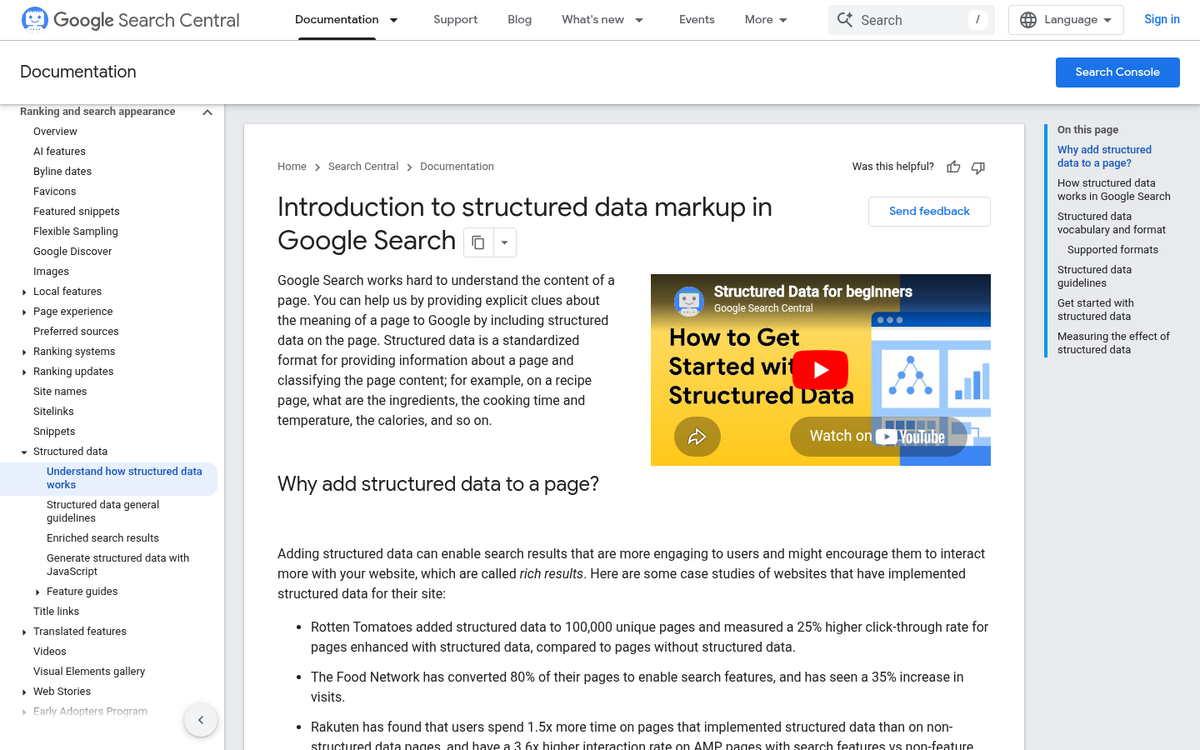
Structured data markup - like Schema.org vocabulary - gives AI systems a direct way to read what something is and how it fits into a wider category. If you don't have that, the system still tries to figure it out. But it has to work harder and the results are less reliable. A self-hosted WordPress setup gives you full control over implementing this kind of markup, which a hosted platform may restrict.
Large language models work a little differently in that they absorb patterns from training data instead of querying a live graph. But the principle is similar. Consistent, well-sourced information about an entity makes it easier for the model to form a clear, accurate picture of what that entity is and where it fits.
The Difference Between Being Indexed and Being Understood
Getting indexed means a search crawler found your page and added it to the index; it doesn't mean Google or any AI system knows who you are, what you do, or why you matter.
Being understood as an entity is a different thing entirely - it means an AI system has built a working picture of you - your name, your category, your relationships to other known things - and it trusts that picture enough to use it in an answer.
This distinction matters quite a bit for Answer Engine Optimization. A page can rank well in traditional search without the site behind it being a recognized entity at all. But when an AI pulls together an answer to give a user, it draws from entities it already knows and trusts. If you're not one of those entities, you're less likely to show up in that answer - even if your content is.

Indexing gets you in the room. But entity recognition is what gets you a seat at the table. The tells that help with each are not the same, and that's where sites fall short without realizing it.
The table below makes this concrete. Backlinks help with indexing but only partly give you entity recognition. Schema markup does very little for crawling but sends strong tells about what you are. A Knowledge Panel has nothing to do with indexing - it's purely an entity signal. Consistent NAP data (your name, address, and phone number across the web) barely registers for indexing purposes but carries weight for entity recognition.
| Signal Type | Indexing | Entity Recognition |
|---|---|---|
| Backlinks | Yes | Partial |
| Schema Markup | Indirect | Strong |
| Knowledge Panel | No | Direct |
| Consistent NAP Data | Minimal | Strong |
Indexing still matters. But if your goal is to show up in AI-generated answers, then you'll have to build the presence that AI systems can interpret and use.
What Makes an Entity "Searchable" to an AI
For an AI to reliably identify an entity, it needs tells that point to one thing and nothing else. The characteristics that make an entity searchable come down to four properties: uniqueness, consistency, verifiability, and connectedness.
Uniqueness means an entity can be separated from everything else with a similar name - and this is where things get tough for businesses with generic or shared names.
Consider two businesses in different cities with the same name. An AI processing web content has to choose which one a page is talking about. If entities have thin or inconsistent information online, the AI may have a hard time following either. That uncertainty gets reflected in how confidently it surfaces either one in results. This is called entity disambiguation, and it's a problem for businesses that have not built enough presence to stand apart.
The same issue comes up when a brand name is also a common word. If your business is called "Summit" or "Atlas" or "Anchor," you are competing with the general meaning of that word every time an AI tries to interpret context around your name. The more your brand name functions as a standalone noun with other meanings, the harder it is for AI to resolve mentions of it back to you specifically.
Consistency matters just as much. When your name, location, description, and category appear the same way across your website, directory listings, and third-party sources, the AI can confidently stitch those references together into one entity. Variations - even small ones like "Co." versus "Company" - can fragment that picture.
Verifiability is about whether external sources back up what you say about yourself. An AI learns to trust entities that get confirmed by independent references instead of just self-reported information.
Connectedness ties it all together. Entities that have relationships to other recognized entities - an author connected with a publisher, a business linked to a neighborhood - carry more weight because those connections give the AI more context to work with. An entity in isolation is harder to place and easier to dismiss.
Structured Data Markup and Entity Salience
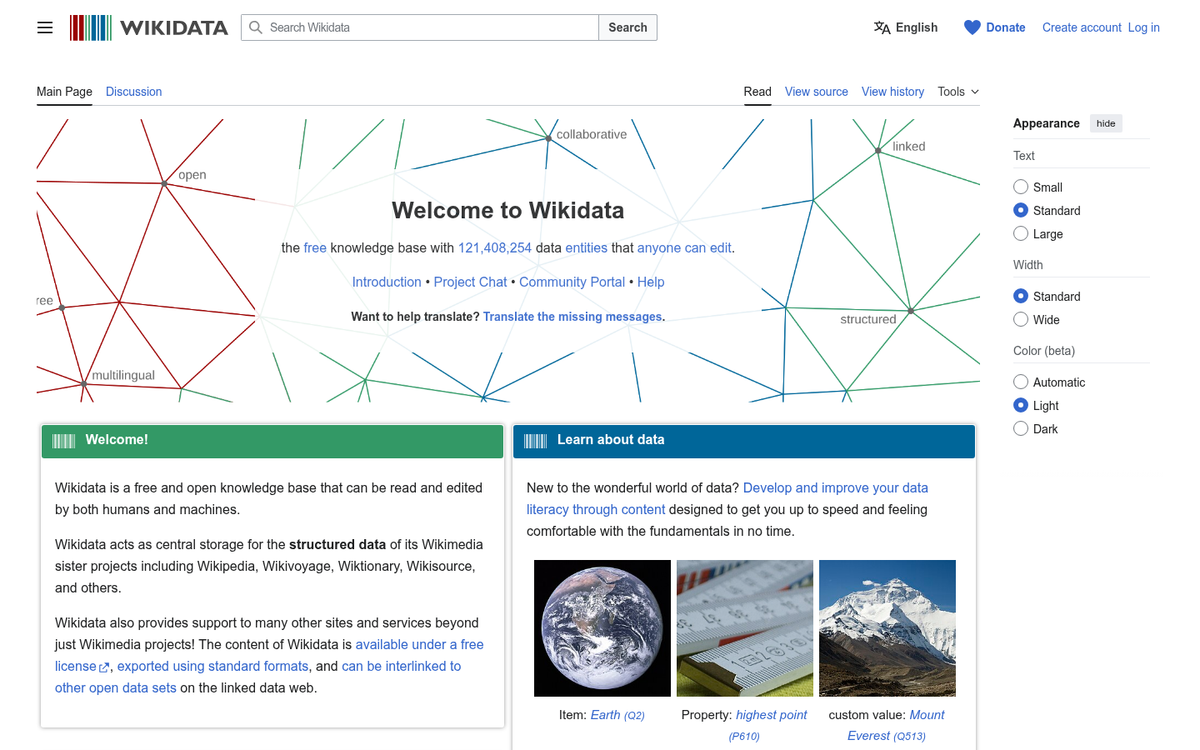
Schema markup is one of the most direct ways to tell AI systems what your entity actually is. Instead of leaving a machine to guess from surrounding text, you use structured data to spell it out explicitly. Think of it as labeling yourself in a language that AI and search engines already speak fluently.
The vocabulary comes from Schema.org and the recommended format is JSON-LD - a block of code that sits in your page's <head> tag - it doesn't change how your page looks to visitors. But it changes everything about how machines interpret your brand. Getting this in place is one of the easier wins available to you.
Different schema types serve different entity-building purposes, so it helps to know which ones carry the most weight for this goal.
| Schema Type | Best For | What It Tells AI |
|---|---|---|
| Organization | Businesses and brands | Name, logo, URL, contact info, and social profiles |
| Person | Founders, authors, public figures | Identity, credentials, and affiliations |
| LocalBusiness | Brick-and-mortar locations | Address, hours, service area, and category |
| Product | E-commerce and SaaS | What the product is, who makes it, and key attributes |
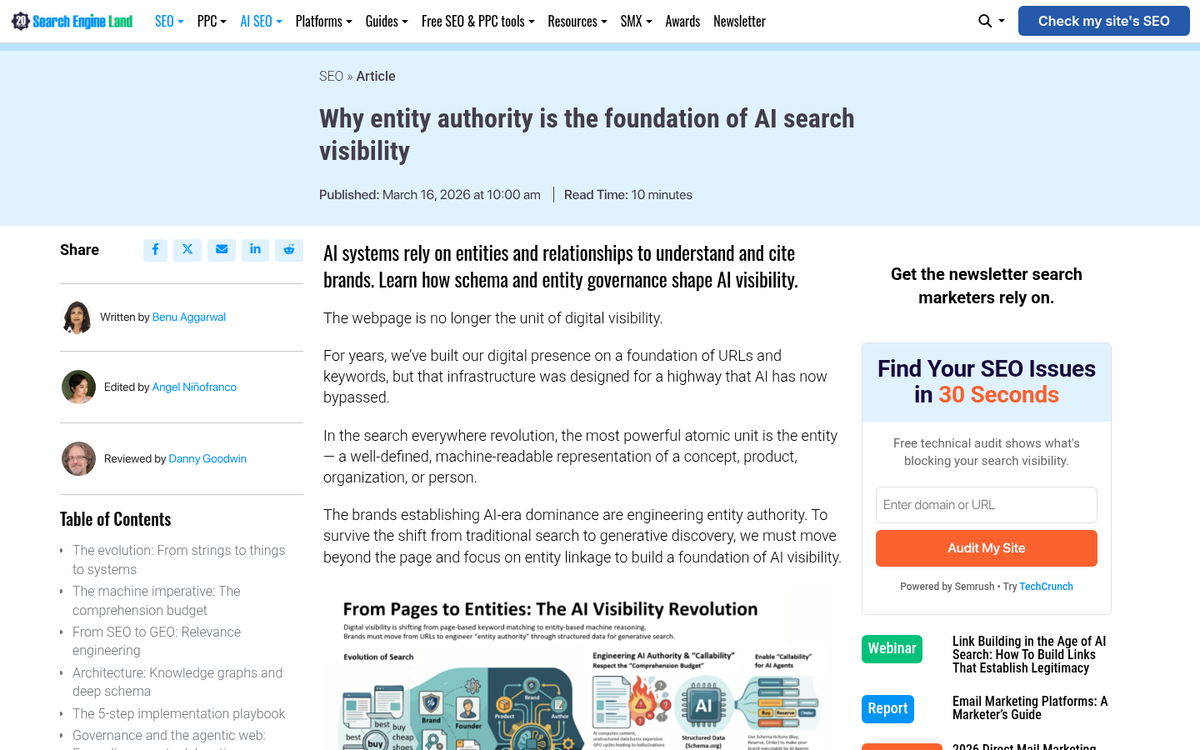
Beyond categorizing your entity, schema markup affects something called entity salience - this refers to how prominently and clearly your entity appears across the web as a whole. The more your name, category, and attributes show up in structured, readable formats, the more weight AI systems assign to your existence as an entity.
Salience builds over time as structured signals accumulate across pages. A single schema block on your homepage is a start. But the same entity attributes repeated across your about page, your team profiles, and your product pages create a much stronger signal. Consistency is what turns scattered data points into a recognizable, trusted entity.
Building Entity Authority Across External Sources
Your own website can only do so much. AI systems cross-reference multiple external sources to determine if an entity is real and trustworthy. The more those outside references agree with each other, the more confident an AI can become in treating you as a known, established entity.
One of the most foundational things to get right is steady NAP data. That stands for Name, Address and Phone number, and it needs to match across every platform where you appear. Small inconsistencies - an abbreviated street name here, an old phone number there - create doubt in systems that are trying to verify you.
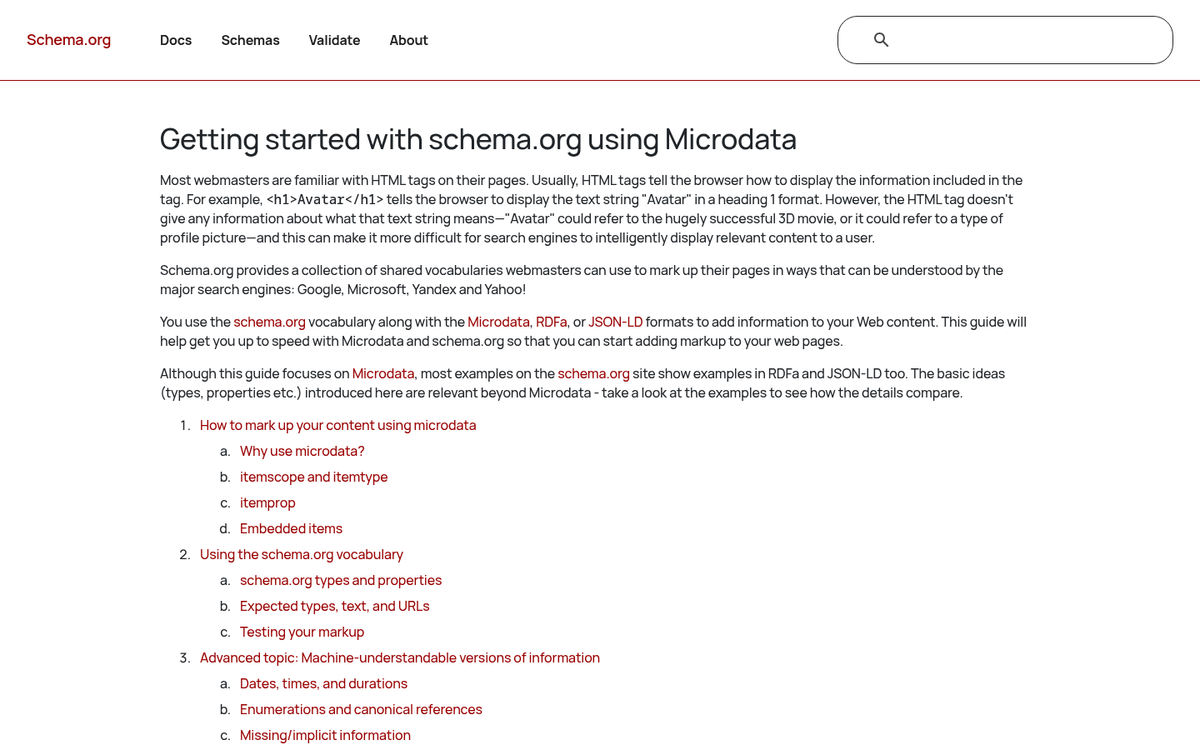
Real entity trust starts to build with listings on authoritative platforms. Wikidata and Wikipedia carry significant weight because AI models are trained heavily on their content. Crunchbase is helpful for businesses, and LinkedIn reinforces the legitimacy of organizations. You don't need to be on every platform. But presence on a few well-respected ones goes a long way.
Third-party mentions matter too. When credible websites reference your name, link to your content, or cite your work without you asking, that acts as a signal that you're a recognized entity worth mentioning. These earned references are harder to get but carry more weight than self-reported data. Acquiring new sponsors for your website can also help build these kinds of credible external relationships.
| Platform Type | Examples | Entity Trust Value |
|---|---|---|
| Knowledge bases | Wikipedia, Wikidata | Very high - directly feeds AI training data |
| Business directories | Crunchbase, Companies House | High - confirms organizational legitimacy |
| Professional networks | LinkedIn, Google Business Profile | Medium-high - reinforces identity and contact data |
| Industry publications | Trade press, niche media | Medium - adds contextual relevance and credibility |
| General web mentions | Blogs, forums, news sites | Variable - depends on the authority of the source |
Each external reference is a data point that either confirms or contradicts your entity. You want to make it easy for AI systems to find steady, corroborating information about you across multiple independent sources. Knowing how to identify the owner of a blog or website can help you track down the right contacts when pursuing those valuable mentions.
Common Mistakes That Make Entities Invisible to AI
Even well-managed websites can be nearly undetectable to AI systems, and it usually comes down to a handful of avoidable problems. None of these are the result of bad intentions. They happen because most site owners are focused on other things and not on how AI reads - or fails to read - their brand.
One of the most common problems is inconsistent naming across places. If your business is listed as "Bright Path LLC" on your website, "Bright Path" on Facebook, and "BrightPath" on Google Business Profile, that fragmentation creates uncertainty. AI systems look for patterns to confirm an entity is real and honest. Inconsistency makes that confirmation harder to get.
Broken or missing schema markup is another common issue. Schema is the structured data that tells search engines and AI tools what your entity is - a business, a person, an organization. If you don't have it, AI has to guess based on context alone, and that guessing doesn't always go in your favor.
Thin "About" pages are a quieter problem, but a damaging one. A two-sentence description of your company gives AI almost nothing to work with. These pages are one of the first places AI looks to know who you are and what you do, so a weak one leaves a gap in your entity profile.
There is also the issue of entity name conflicts. If your brand name is shared with a known product, person, or organization, AI may associate that name with the other entity instead of yours.
The last gap worth naming is a lack of external citations. A polished website alone is not enough. Your entity needs to appear in places beyond your own domain for AI to treat it as something established in the world. Promoting your blog across external platforms is one practical way to build that kind of presence.
Many site owners don't know their brand reads as a ghost to AI; it's not a personal failure - it's a gap in awareness that's worth closing. Understanding how your content is being shared and engaged with can be a useful starting point for identifying where your visibility falls short.
Practical Steps to Strengthen Your Entity Presence
Now that you know what can go wrong, here is what to actually do about it. These steps work if you are starting from scratch or tidying up an existing presence.
1. Audit what already exists about you. Search your name or brand name and look at what comes up across Google, Bing and third-party directories. You want to check that the same core facts appear everywhere - name, location, founding date and category. Inconsistencies are the first thing to fix.
2. Claim and bring together your third-party profiles. Google Business Profile, LinkedIn, Crunchbase and Wikipedia (if you qualify) are the big ones to prioritize, and each profile should use the same version of your name and the same short description. Think of these profiles as votes - the more that agree, the stronger the signal.
3. Add schema markup to your website. Schema is structured data that you add to your site's code to help search engines read your information. For most sites, the right place to start is Organization or Person schema. Google's Rich Results Test is a free tool that lets you check if your markup is working correctly.
4. Build an About page. It is your chance to list the facts in one location - who you are, what you do, when you started and where you are based. Link out to your verified profiles from this page so search engines can follow the connections you are drawing for them.
5. Earn authoritative mentions. A mention from a trusted publication or industry body carries weight. You don't need to be featured in a national newspaper - a respected trade site or a local news outlet can help. You want to get credible sources to reference you by name alongside consistent facts.
If you want a structured place to ground your entity data, Wikidata is worth looking at as a starting point - it's publicly editable and machine-readable, which makes it helpful for AI systems that pull facts from structured databases. If you are managing more than one site, it is also worth understanding the pros and cons of WordPress Multisite vs ManageWP to keep your entity signals consistent across properties.
Running through these steps even once puts you well ahead of most.
Make Your Brand Real to the Machines That Matter
The work depends on three things: structure that tells machines what you are, consistency that confirms it across every platform, and cross-platform presence that builds the web of signals AI systems use to validate real-world entities. None of it is going to need a massive overhaul - but it does need intention. Every attribute you define, every profile you align, every mention you earn makes your entity more legible to the systems that now shape what users see first.
The businesses that show up in those answers won't necessarily be the loudest or the oldest - they'll be the ones that made themselves searchable in the truest sense. Start with your entity and build outward from there.
FAQs
What is a searchable entity in AI search?
A searchable entity is a brand or business that AI systems can clearly identify, categorize, and trust based on structured, consistent information found across multiple sources online.
How is entity recognition different from being indexed?
Indexing means a crawler found your page. Entity recognition means an AI has built a trusted picture of who you are, making you more likely to appear in AI-generated answers.
What makes a brand entity recognizable to AI?
Four key properties: uniqueness, consistency, verifiability, and connectedness. Your name, description, and category must appear the same way across multiple independent sources.
What schema markup types help build entity presence?
Organization, Person, LocalBusiness, and Product schema types are most useful. They tell AI your name, category, location, and relationships in a structured, machine-readable format.
Which external platforms build the most entity trust?
Wikipedia and Wikidata carry the highest trust since AI models train heavily on them. Crunchbase, LinkedIn, and Google Business Profile also provide strong entity-confirming signals.