Key Takeaways
- Successful blogs have clear purpose, consistent voice, and genuine expertise that AI-generated content cannot replicate.
- Publishing two to six times weekly makes bloggers 50% more likely to report strong results, per Orbit Media data.
- Influencer partnerships are underused - only 10% of bloggers pursue them, yet 43% of those report strong results.
- Google's AI Overviews have reduced organic traffic, making E-E-A-T and original perspective more critical than ever.
- Using seven or more images per post and adding video can dramatically increase traffic and reader engagement.
Some blogs languish for years before getting their big break, bursting onto the scene and becoming the next Buzzfeed, the next Wirecutter, the next Substack sensation. Some blogs explode onto the web right out of the gate and never look back. Many blogs never see their chance, hovering with a few dozen hits per month for years before quietly dying.
What is it that differentiates the popular blogs from the dozen-hitters? What causes a blog to grow? What lightning has to strike, what deal should be made with the devil, to reach those heights? Well, let's get started on what actually goes into building a successful blog in 2026.
A Great Blog Has Purpose
If you go into blogging just to write a blog, throw some personal stories out there and see who comes to watch, you're going to have a bad time. All of the great blogs go into blogging with a purpose. They could be businesses looking to become authorities in their industry. They could be passion projects looking to advance a social cause. They could be hyper-focused niche publications covering one topic in obsessive detail.

Your purpose doesn't need to be deep or helpful. You just need to work to be the best at whatever it is you do. If you're trying to coast along on personal anecdotes and stories about your children, you're going to be spending quite a bit more time writing than readers are going to be spending reading. Go into things with a goal, a drive, and a purpose. Consider what kind of content you should write to stay focused on that purpose.
A Great Blog is Social
I don't mean being a socially affable person, here. What I mean is being present and active on social media. You don't need to have an active profile on every platform. Pick two or three at most and stick with them. In general, here's what I recommend for 2026:
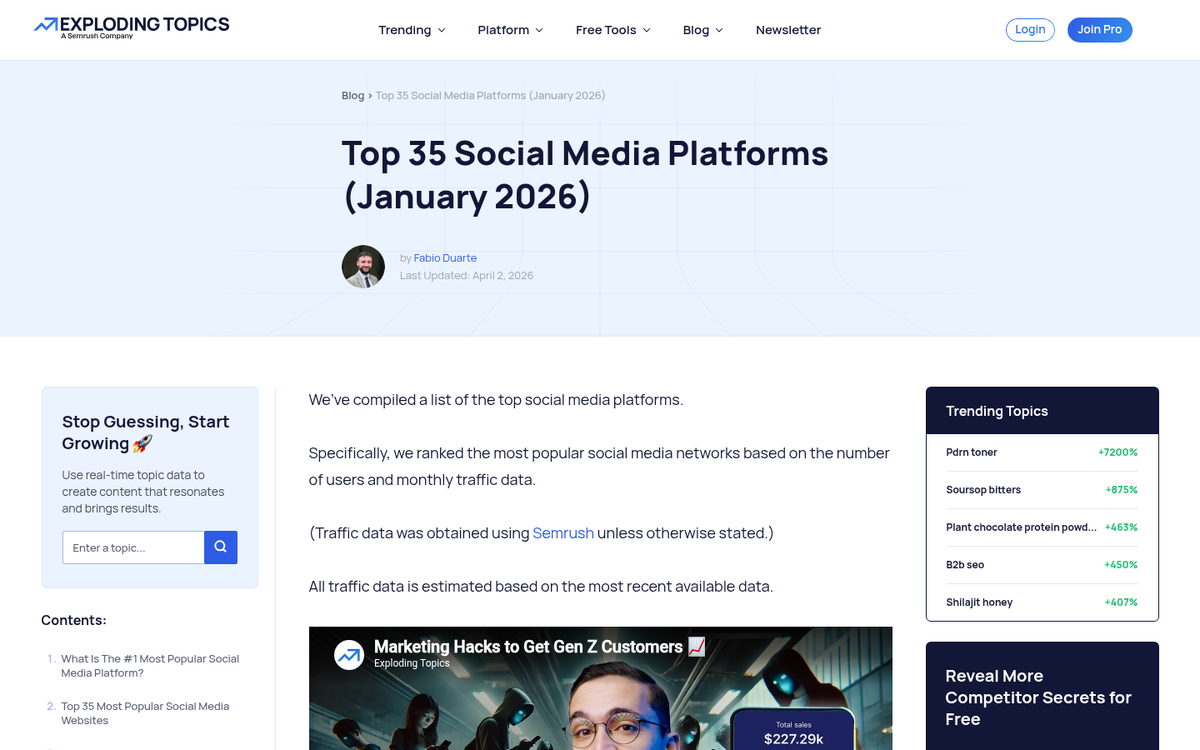
- Instagram and Threads. Visual content and short-form text posts thrive here. Meta's ecosystem is still one of the most powerful distribution channels available to bloggers, and Threads has matured into a genuine conversation platform worth investing in.
- X (formerly Twitter). Still a useful platform for thought leadership, niche communities, and networking with influencers in your space, though its role has shifted since Elon Musk's acquisition. Worth maintaining a presence, but no longer the default it once was.
- TikTok or YouTube Shorts. Short-form video is arguably the most powerful organic distribution channel available right now. Repurposing blog content into short videos can dramatically expand your reach to audiences who would never find you through search alone.
- LinkedIn. If you are blogging in any professional, B2B, or career-adjacent niche, LinkedIn has become one of the strongest content platforms on the internet. Its organic reach still outperforms most other networks for written content.
- Pinterest. Still highly effective for lifestyle, DIY, food, travel, and design niches. It functions more like a search engine than a social network, which gives your content a much longer shelf life than most platforms. Sharing your posts there strategically can drive consistent traffic for months or even years.
The social media landscape has changed dramatically. Facebook, once the default recommendation for every blogger, has seen a decline in organic reach for content pages. Focus your energy where your audience actually spends time, instead of where conventional wisdom said to be five years ago.
A Great Blog Builds Community
This goes hand in hand with having a social presence. You're becoming a role model, a thought leader, a public voice. You need to mingle with your readers to make them feel at home.
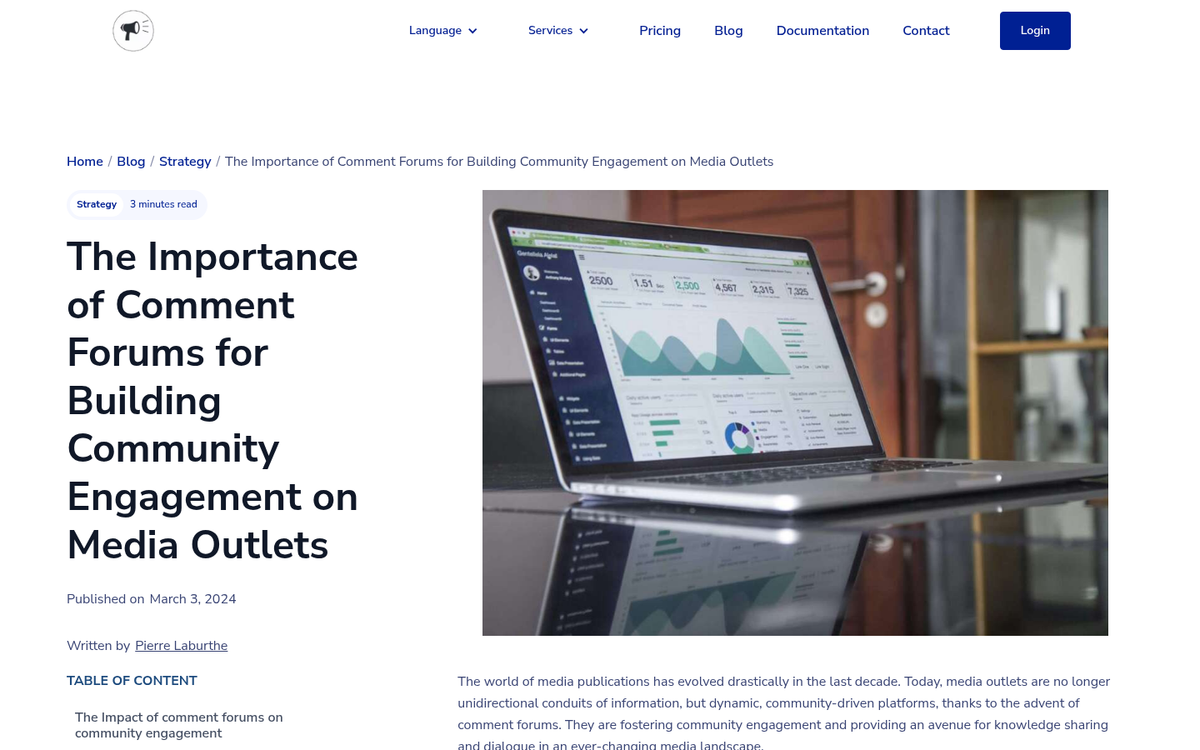
You're watching comments and having conversations. Keep your blog comments open where possible, though you are going to need anti-spam measures in place.
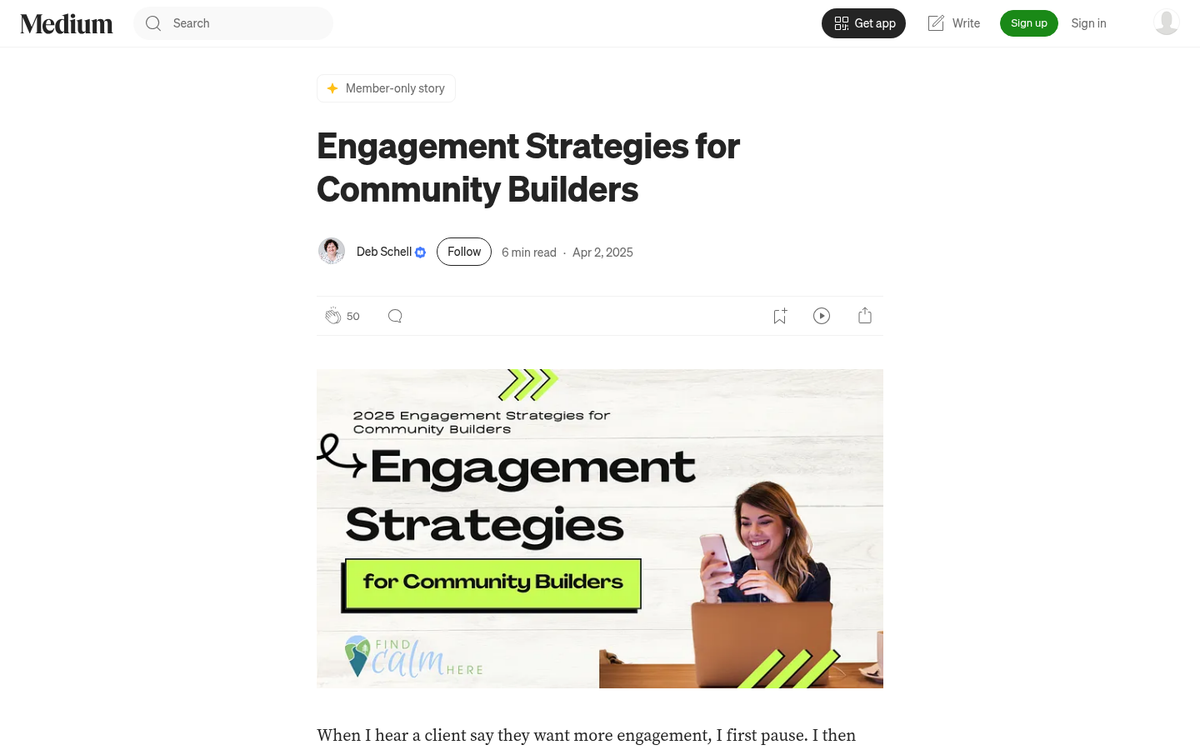
Why do you need involved readers? Engaged readers feel more invested in your blog. When you respond directly, they feel seen and valued. More importantly, involved readers become advocates - and comments can also improve your rankings and traffic.
It is also worth mentioning that in 2026, community has increasingly moved to places like Discord servers, private newsletters, and Substack. Many successful bloggers maintain a free public blog while creating a tighter, more involved paid or private community alongside it - this hybrid model is worth thinking about as your blog matures.
A Great Blog Understands SEO - and AI Search
Yes, like it or not, you're going to need to know how SEO works if you want to be successful as a blogger. But in 2026, SEO means navigating a landscape that has shifted with the rise of AI-generated search results.
Google's AI Overviews, which rolled out broadly in 2024 and expanded further in 2025, now appear at the top of search results pages, summarizing answers directly without requiring the user to click through to any website - this has meaningfully reduced organic traffic for blogs, particularly those targeting informational keywords where a quick answer is all the user needs. It's a challenge you'll have to plan around, not ignore.
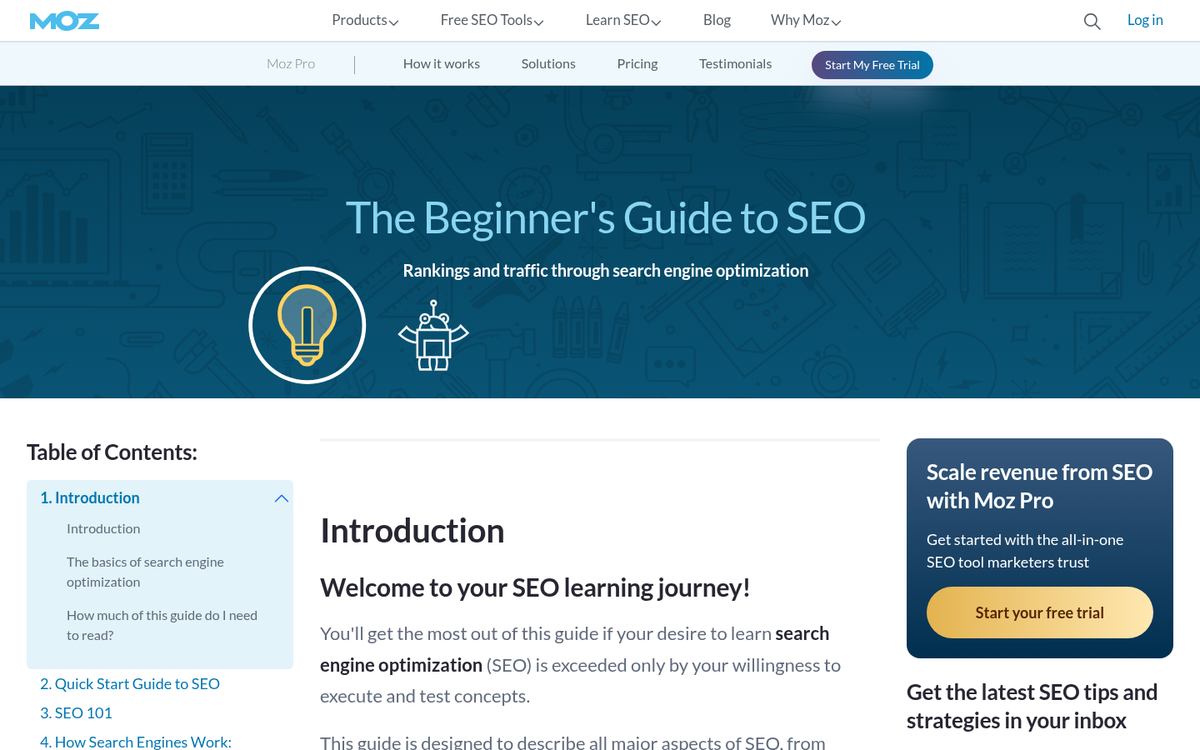
What still works, and works well, is creating content that shows genuine expertise, real-world experience, and a point of view that AI can't replicate. Google's own guidelines have emphasized Experience, Expertise, Authoritativeness, and Trustworthiness - referred to as E-E-A-T - and this matters more than ever when AI-generated content is flooding the web.
For foundational SEO knowledge, Moz and Semrush offer up-to-date guides. Do not skip this step.
A Great Blog Has Voice
A voice is something you as a writer will develop over the course of blogging. But you'll have to be aware of it and how you come across. Blogging has a very wide range of acceptable styles, from the polished professional writing for an audience of executives to the casually irreverent writer covering their favorite video games. Both are very valid, as long as you're targeting the right audience. If you're just getting started, this beginner's guide to writing a blog post in WordPress can help you find your footing.
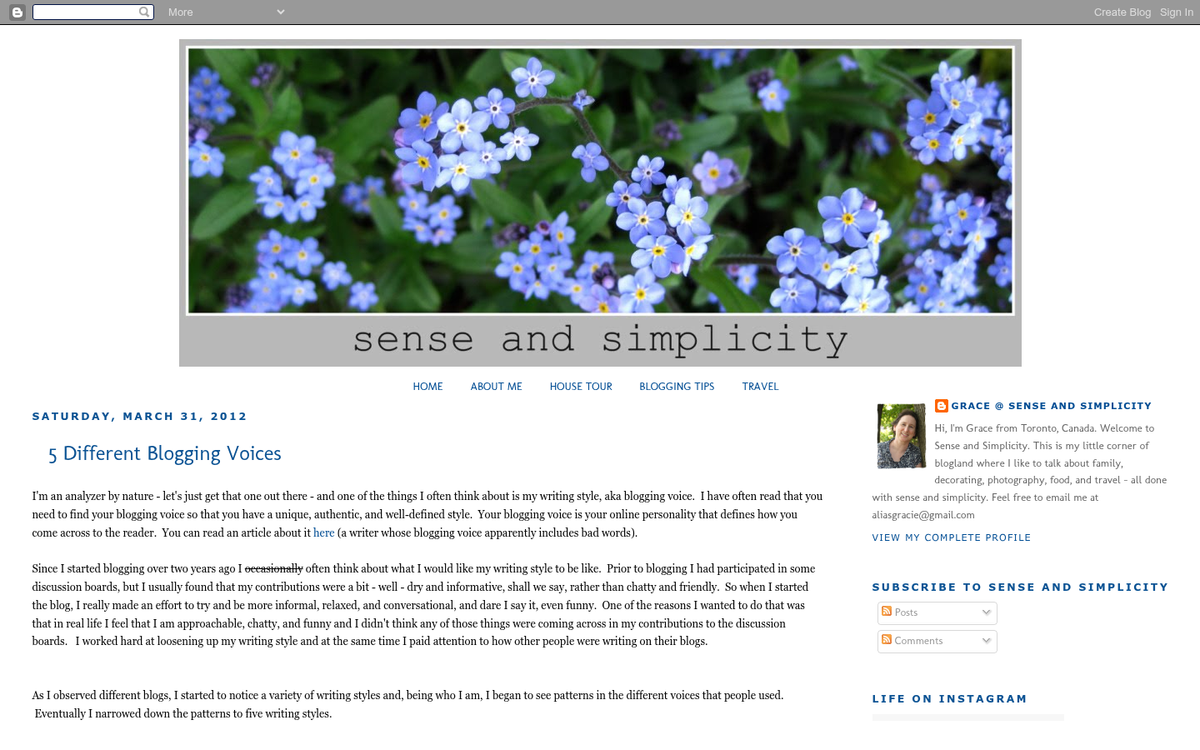
This matters even more because AI tools can now generate passable blog posts in seconds. What AI can't do is replicate your genuine personality, your hard-won expertise, or your authentic perspective. Voice is your competitive advantage in a world where generic content is basically free to produce. Lean into it - and consider these expert tips for new bloggers to help sharpen how you present yourself.
A Great Blog Drives Conversation
What about your content? You broadly have a few options. You can cover a latest event or newsworthy issue. You can analyze data or dig into history. You can write a guide for something in your niche. You can dig into opinions and theory in a way that brings a fresh angle to your topic. You can review products and services.
A BuzzSumo analysis of 100 million articles found that the top emotional responses driving shares were awe at 25 percent, laughter at 17 percent, and amusement at 15 percent. If your content makes readers feel something, they are far more likely to pass it along. Check out these 50 ways to get more social shares on your blog posts for ideas. Ask if your guide helped them, how you can improve it, and what else you can write about. Always look for ways to include the reader or invite feedback. That is how conversations start, and conversations are what turn casual readers into loyal ones.
A Great Blog is Regular
Regularity matters, from TV schedules to podcast feeds to blogs. Imagine discovering a show you love and tuning in the following week, just to find it moved time slots with no warning. Then it skips a week. Then it comes back randomly three weeks later. You'd give up on it. Readers give up on blogs for the same reasons.

The good news is that the data is fairly clear on this. Bloggers who publish two to six times per week are 50 percent more likely to report strong results, according to Orbit Media. Businesses that publish 16 or more blog posts per month generate 4.5 times more leads than the ones that publish less frequently. Consistency and volume matter.
Pick a regular schedule and follow it. If you can only manage two posts per week, then publish two posts per week and do it reliably. A steady two posts per week will outperform an inconsistent six posts per week every time. You can always scale up as you find your rhythm.
A Great Blog Does Something New
I'm not saying that as a new blog you'll have to somehow break entirely new ground - it's nearly impossible to find a niche that hasn't had someone running in it for years. No matter how narrow your hobby or focus, someone has been blogging about it for a while. That doesn't mean they were doing it well, and that's your opportunity.

When you pick a niche, make sure it's something you're knowledgeable about and legitimately passionate about. Use that passion to create better, more helpful, more honest content than anything the niche has previously seen.
This is especially true now that AI can churn out mediocre content at scale. The bar for generic has never been lower, which means the payoff for crossing from mediocre to genuinely helpful content has never been greater. Be the best in your niche. Bring experience, opinions, and depth.
A Great Blog is Visual
Visual content is not optional. Bloggers who use seven or more images per post are 2.3 times more likely to report strong results, according to Orbit Media. Aim for at least one relevant image every 300 to 500 words, and make sure those images are actually adding something instead of just breaking up text for its own sake.

Even more striking: only 8 percent of blog posts include at least one video. But articles with videos draw 70 percent more traffic than the ones without, according to Semrush. If you are not adding video into at least some of your posts, you are leaving a significant amount of traffic on the table.
Always make sure that the images and video you use are ones you have the rights to use. Stock photo services, creative commons licensing, and your own original photography and video are all valid options. Original visuals will always outperform stock photos, with readers and in search results.
A Great Blog is Driven by Hard Work
Make no mistake: taking care of a successful blog is work. You need to keep up with your hosting, software updates, and security. You need to make sure your design works on mobile devices, which now account for the majority of web traffic. You need to produce quality content on a steady schedule, promote it across your social channels, connect with your audience, and keep one eye on the analytics to know what is and isn't working.
You also need to keep up with how fast the landscape is changing. AI tools have made parts of the process faster and more manageable. But they have also raised the bar for what good content looks like and created new competitive pressures from AI-generated content at scale. Staying current is no longer optional.
On top of this, you can sometimes labor for months or years before your big break. All of the things on this list give you a better shot at success. But part of breaking through is also simply being persistent, staying in the game long enough, and being in the right place at the right time.
A Great Blog Partners Up
There are three types of visitors who come to your blog.
The first type are the ones who landed there by accident or mild curiosity. These are the ones who clicked a link on social media without much thought, or stumbled onto your post through an unrelated search. As readers, they are largely worthless to you. They leave as fast as they arrived.
The second type are your involved readers. These are people who are legitimately interested in your niche, and they like what you have to say. They read, they share, they comment, and they make the whole effort feel worthwhile. However, their ability to grow your blog is limited. Their shares bring in a handful of new readers at a time, and growth through this group alone tends to be slow.
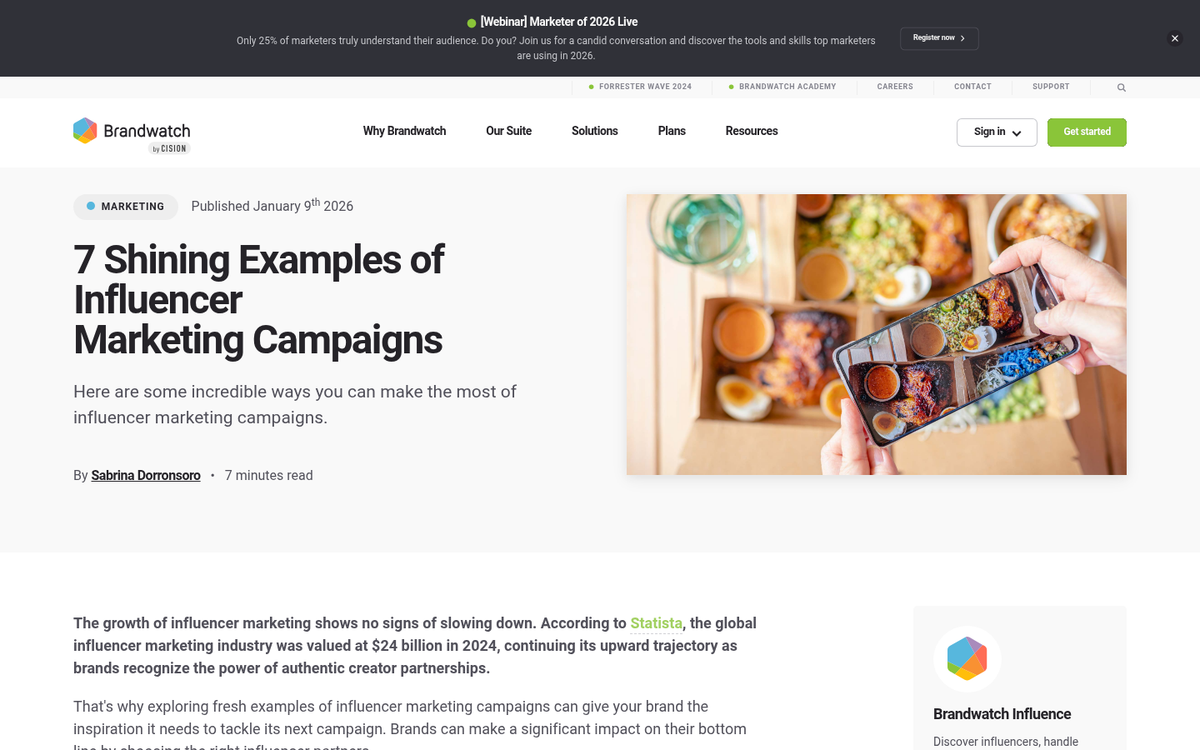
The third type are the influencers and thought leaders in your space. These are the ones with established audiences who are not competitors. They are so far above you that your presence can't hurt them, or they occupy a related but non-competing niche.
These are the people you most want to find and build relationships with. The data has proven this too: only 10 percent of bloggers actively use influencer partnerships. But 43 percent of those bloggers report strong results. One share from the right person can bring thousands of new readers to your blog overnight. Network with these people genuinely, engage with their content, and look for ways to create value for them before you ever ask for anything in return.
A Great Blog Has a Brand
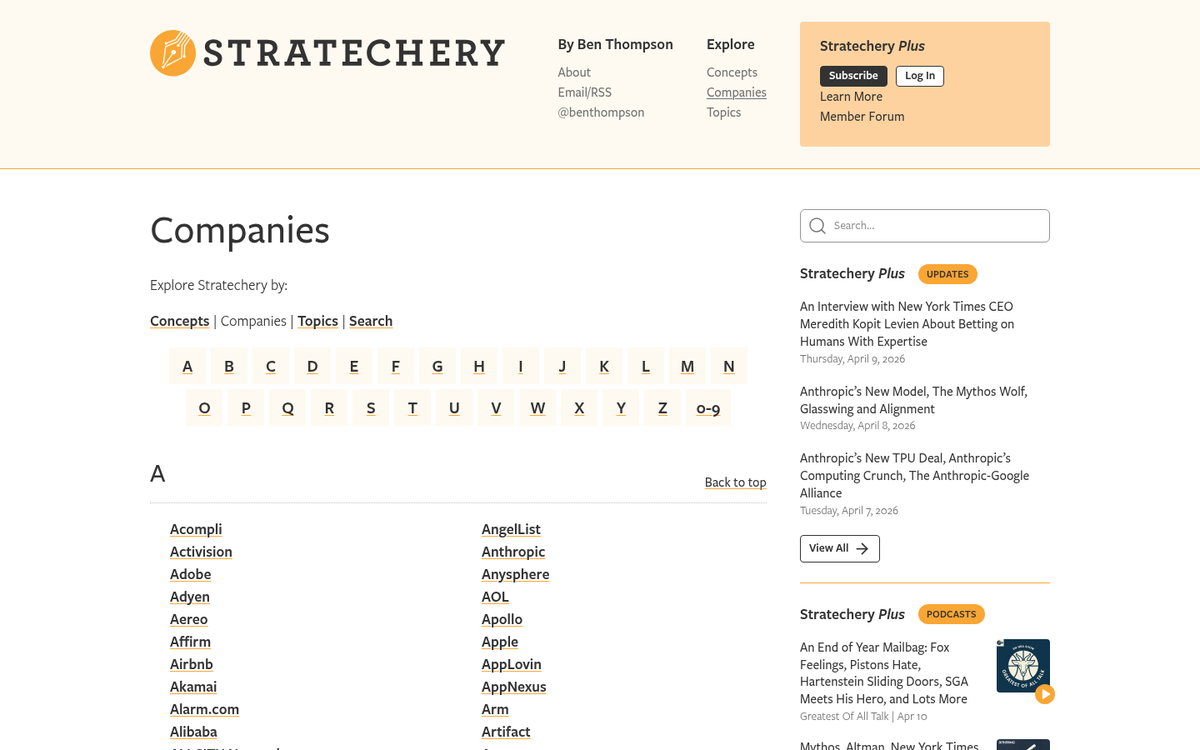
Wirecutter, The Hustle, Morning Brew, Stratechery, Wait But Why - these all fit the definition of a blog, and they have built legitimately successful businesses. Name recognition matters enormously. When you have a name, a recognizable logo, a steady visual identity, and a voice, they all compound over time into something that's very hard to replicate.
To a certain extent it doesn't matter what your brand is. But thought should go into it regardless. Be aware of trademark law and how it might affect your name later. And remember that at the end of the day - even if your blog is a hobby that earns a little side income through ads and affiliate links, you are building a business. Treat it like one from the start, and you'll thank yourself later.