For some, making a living through a blog is a dream for the distant future. For others, it's a close reality. Still others have made it big and are relaxing with their lives made. It all comes back to making money from your site, and that in turn boils down to monetization and traffic. You have two ways to improve; you improve your visitors and you improve your moneymaking methods.
With traffic, you can improve two things; volume and quality. A larger traffic volume means more money, from a purely numerical standpoint. Higher quality traffic means more interested people, who in turn perform the actions you set up to make money more often.
With monetization, the data is clear: bloggers who monetize via digital products earn $283.64 per thousand pageviews, compared to just $33.80 for those relying purely on display ads. That's a massive gap, and it tells you where the real opportunity lies in 2026. You can find higher paying ads, sell your own products, implement affiliate marketing, or create a smart mixture of all three - balancing the highest converting methods across the board.
You can also implement a few of these tips, and watch your earnings soar.
Key Takeaways
- Digital products earn $283.64 per thousand pageviews versus $33.80 for display ads-over 8x more revenue per pageview.
- High-earning bloggers ($50K+/year) are 4.3x more likely to use keyword research than lower-income bloggers.
- Your email list is the one audience you truly own, making it more valuable as social reach becomes pay-to-play.
- Regularly updating older posts with fresh data and examples can recover lost rankings and meaningfully grow traffic.
- Selling consulting services or freelance contracts can match or exceed ad revenue, especially while passive income builds.
1. Write More Content - But Make It Count

Every piece of content you write is an opportunity for people to click your links, subscribe to your services, find you through Google, and so on. The more good content you have, the more opportunities you create. That said, in 2026 the bar for "good" is higher than ever. Google's continued focus on helpful, experience-driven content means thin or generic posts won't cut it. Aim for at least three to five well-researched posts per week rather than churning out daily filler. Quality over volume has never mattered more.
2. Expand Your Niche

Quite often, bloggers will find a niche and focus their efforts on that niche, with a sort of content tunnel vision. They find keywords that work and blow through every variation they can, but don't look to expanding outwards.
Deep keyword research is critical for establishing a foothold - and research from Growth Badger shows that bloggers earning over $50,000 per year are 4.3x more likely to use keyword research than lower earners. Only 15% of lower-income bloggers do keyword research versus 64% of high earners. Once you're established, however, you can leverage that authority to expand into more competitive topics with greater success. Too many blogs underestimate their own leverage.
3. Write Reviews for Affiliate Links
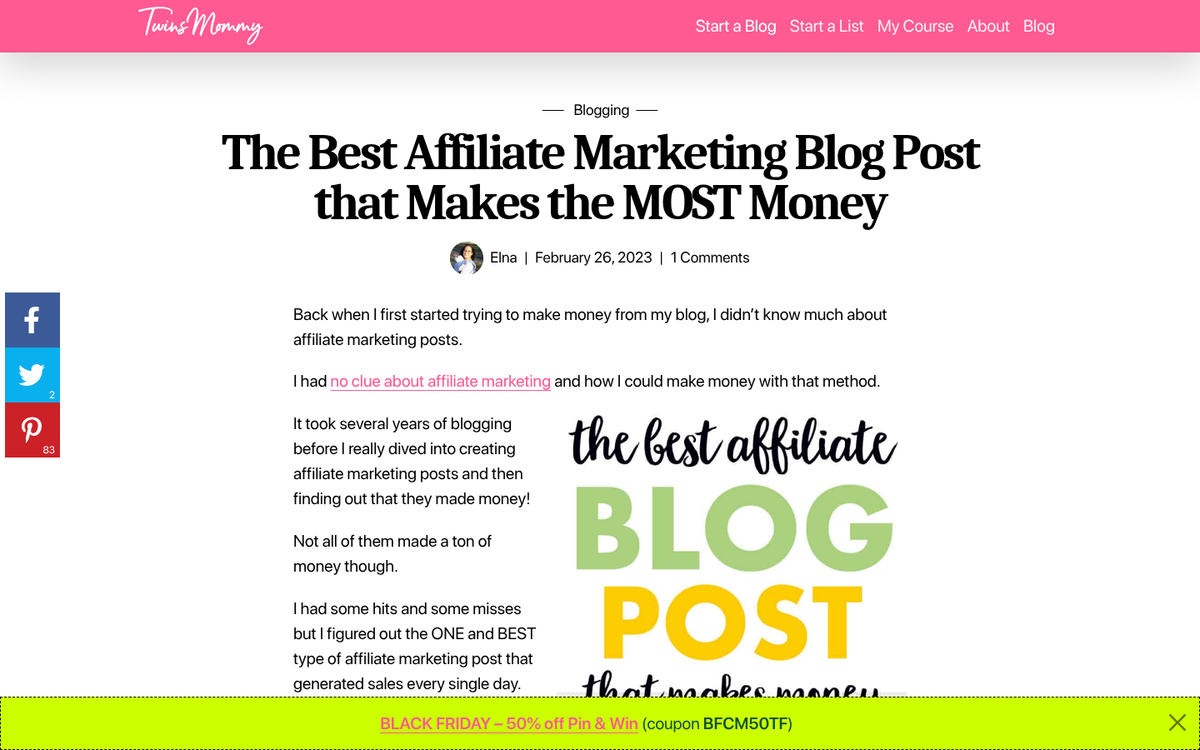
The occasional - occasional! - review post is a great way to earn some extra cash through affiliates. That said, Amazon's affiliate program has become increasingly competitive and pays lower commissions than it once did. In 2026, it's worth exploring more lucrative affiliate programs in your niche alongside Amazon, as many SaaS products, courses, and tools offer commissions of 20-50%.
The key here is to always stick to genuine reviews. If you're making it up as you go along based on other reviews, you're going to come off as lacking credibility, and you won't convince people to buy. Google's helpful content systems have also gotten much better at detecting thin, low-effort review content - another reason to only write about things you've actually used.
If you write too many reviews in too short a time, people will realize you're writing them purely for the money. Instead, only write reviews of products you genuinely want to recommend, and pepper them throughout the rest of your content.
4. Sell Your Own Digital Products

This is arguably the single biggest revenue lever available to bloggers in 2026. Study your readers - they're all part of your niche, so they all have something in common. Watch and listen for common problems they share, then solve those problems with a paid digital product. An eBook, a template pack, a mini-course, or a premium guide can dramatically outperform ad revenue. The numbers back this up: digital product monetization earns over 8x more per pageview than display advertising. Whatever solution you create, make sure it's genuinely useful and not something they can easily find for free.
5. Don't Ignore SEO Details
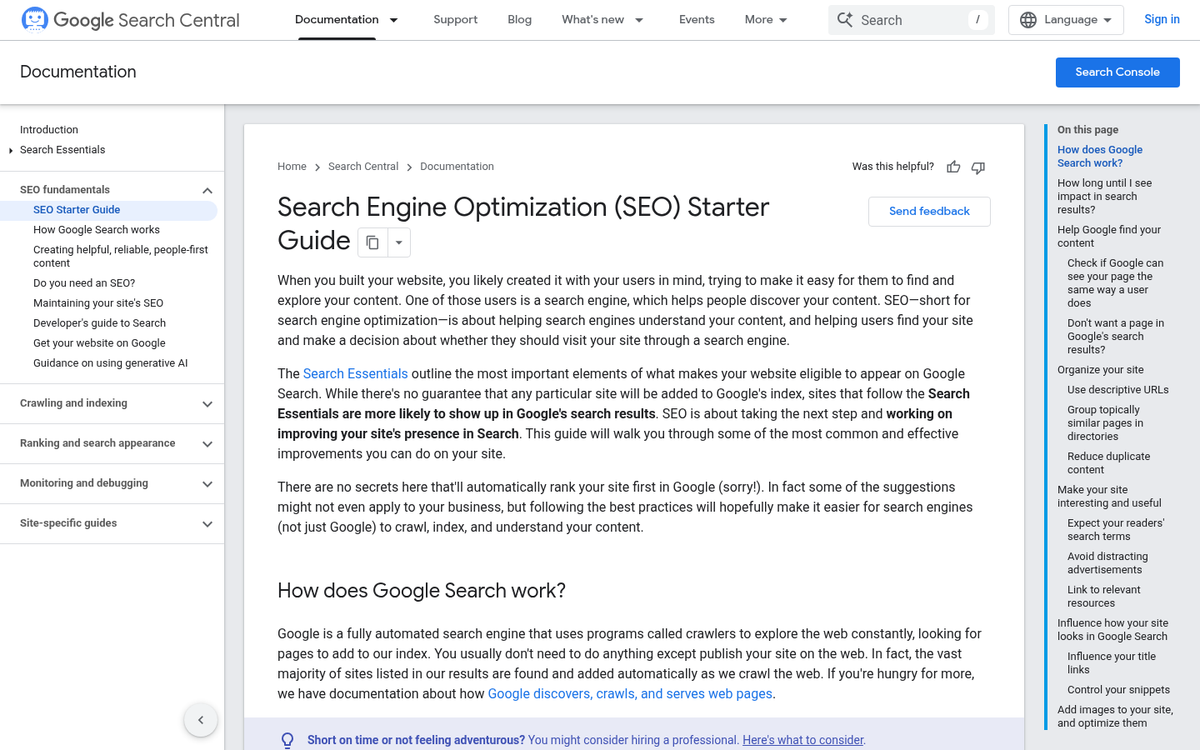
There's a lot of basic SEO that bloggers tend to ignore, thinking about diminishing returns. It's true that obsessing over tiny tweaks may not move the needle, but ignoring fundamentals absolutely will hurt you. In 2026, this includes image alt text, compelling meta titles, proper heading structure, internal linking, and Core Web Vitals performance. With AI-generated content flooding the web, search engines are placing more weight on signals of genuine expertise and trustworthiness - so your author bio, about page, and overall E-E-A-T signals matter more than ever.
6. Compile an EBook or Digital Course
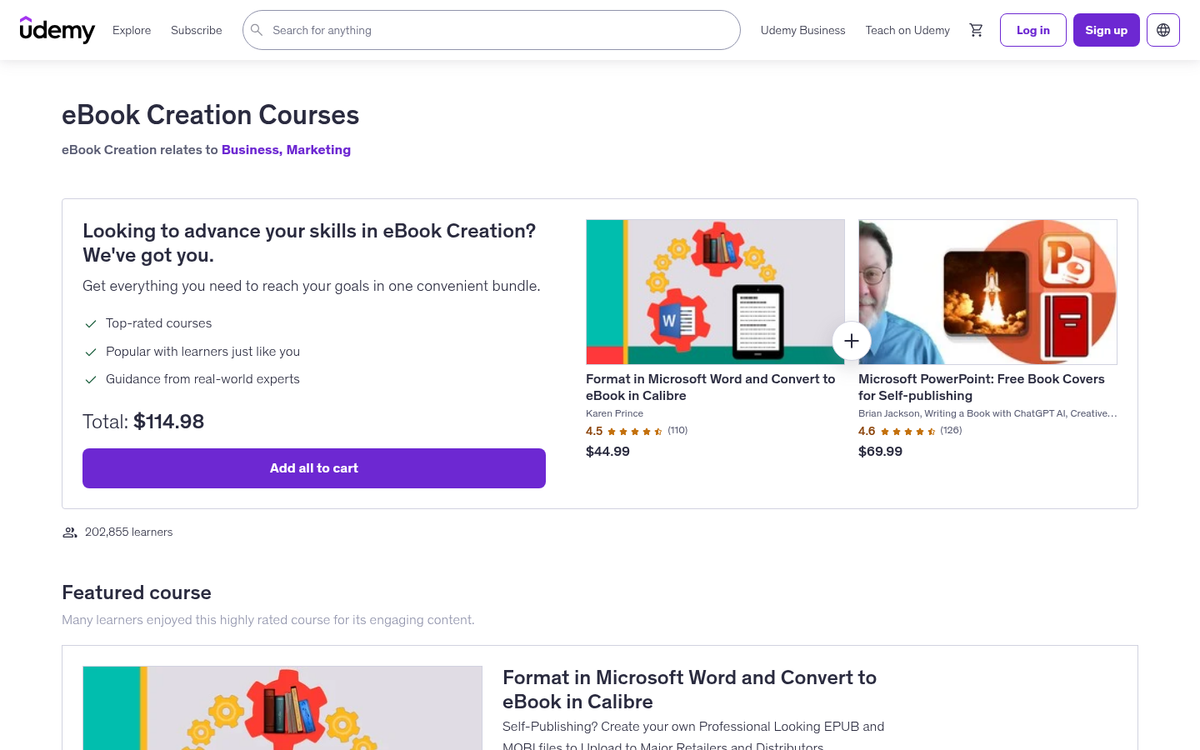
Over time, in a narrow niche, you're writing a lot about specific subjects. Once you have both a reputation and a stock of content, you can compile and expand that content into an eBook or short course. This can be used to grow a mailing list or sold directly for revenue. Even a modest blog with 10,000 to 100,000 monthly monthly pageviews can generate $200 to $10,000 per month - and stacking digital product sales on top of that can push earnings significantly higher.
7. Build a Mailing List

Building a mailing list remains one of the smartest things a blogger can do, and it's arguably even more important in 2026 than it was five years ago. With social media reach becoming increasingly pay-to-play and search traffic more volatile than ever, your email list is the one audience you actually own. You don't need to do much more than send a weekly digest of your best content to keep readers coming back - but you can also use it as your primary channel to launch new products, share affiliate deals, and build a genuine relationship with your audience.
8. Comment on and Collaborate with Related Blogs
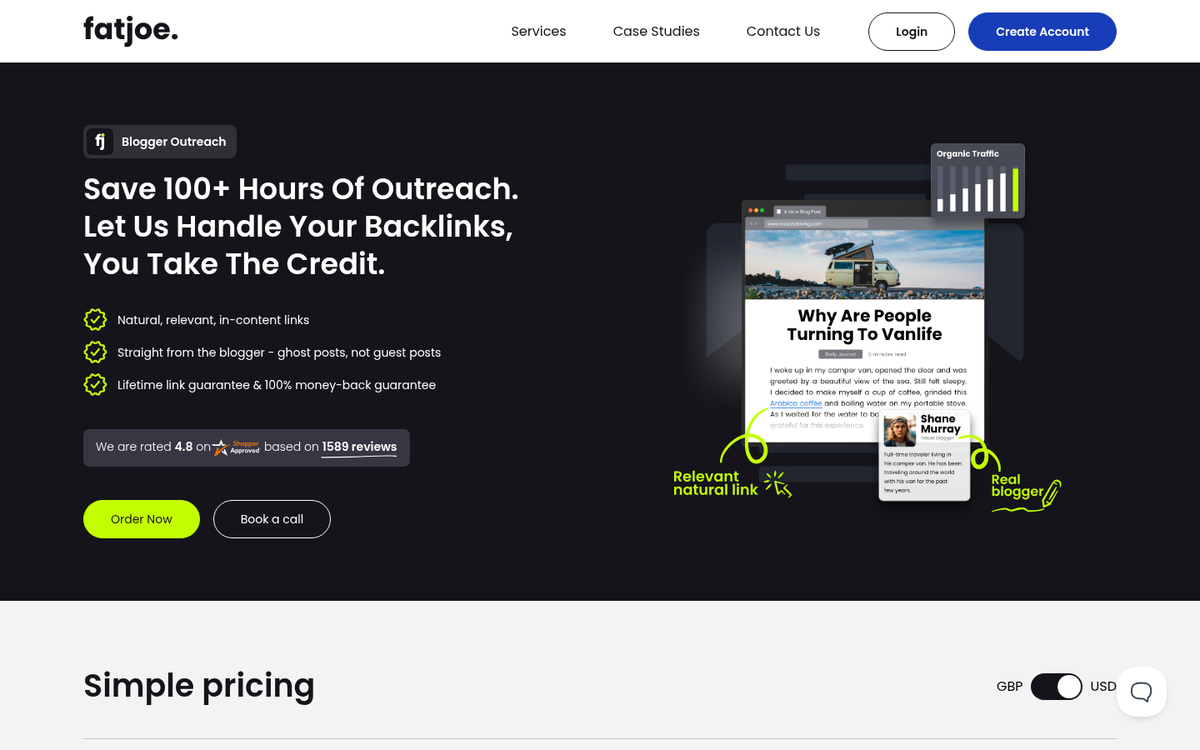
Unless you found the holy grail of an unoccupied niche, you're not alone in your field. Rather than treat other bloggers as enemies, treat them as potential allies. Comment on their posts, respond with posts of your own, and look for collaboration opportunities like guest posts, joint newsletters, or podcast appearances. This lets you tap into established audiences and build genuine relationships in your space - which in 2026 carries real SEO weight through link building and brand mentions as well.
9. Revamp Older Posts

Every six to twelve months, go back over your older posts and put them into three categories. Category 1 is posts that are completely irrelevant - set these aside. Category 2 is posts that are still accurate and performing well - promote these through your marketing channels. Category 3 is posts that are a bit out of date but can be updated to become relevant again. These are your best opportunity. A thorough update with fresh data, new examples, and an updated publish date can breathe new life into old content and recover lost rankings. In a world where content ages fast, this habit alone can meaningfully grow your traffic.
10. Invest in Video and Short-Form Content

Video has only grown in importance since the early days of YouTube tutorials. In 2026, short-form video on platforms like TikTok, Instagram Reels, and YouTube Shorts is one of the fastest ways to build an audience from scratch. Even repurposing your blog posts as short videos or reels can drive meaningful traffic back to your site. Podcasting remains a solid option as well - a successful show builds deep audience loyalty and creates additional monetization opportunities through sponsorships and listener support.
11. Diversify Beyond AdSense

AdSense still works, but it's rarely the best option for bloggers with real traffic. In 2026, premium ad networks like Mediavine (now requiring 50,000 sessions per month) and Raptive (formerly AdThrive, requiring 100,000 monthly pageviews) pay significantly more than AdSense for qualifying blogs. If you're not hitting those thresholds yet, AdSense is fine as a starting point - but set your sights on graduating to a better network as your traffic grows. And remember: high-earning bloggers are 2.5x more likely to sell their own products than to rely on AdSense at all. For more options, check out the best ad networks to monetize your blog and explore top CPM network platforms that may offer better returns.
12. Test and Tweak Affiliate Programs
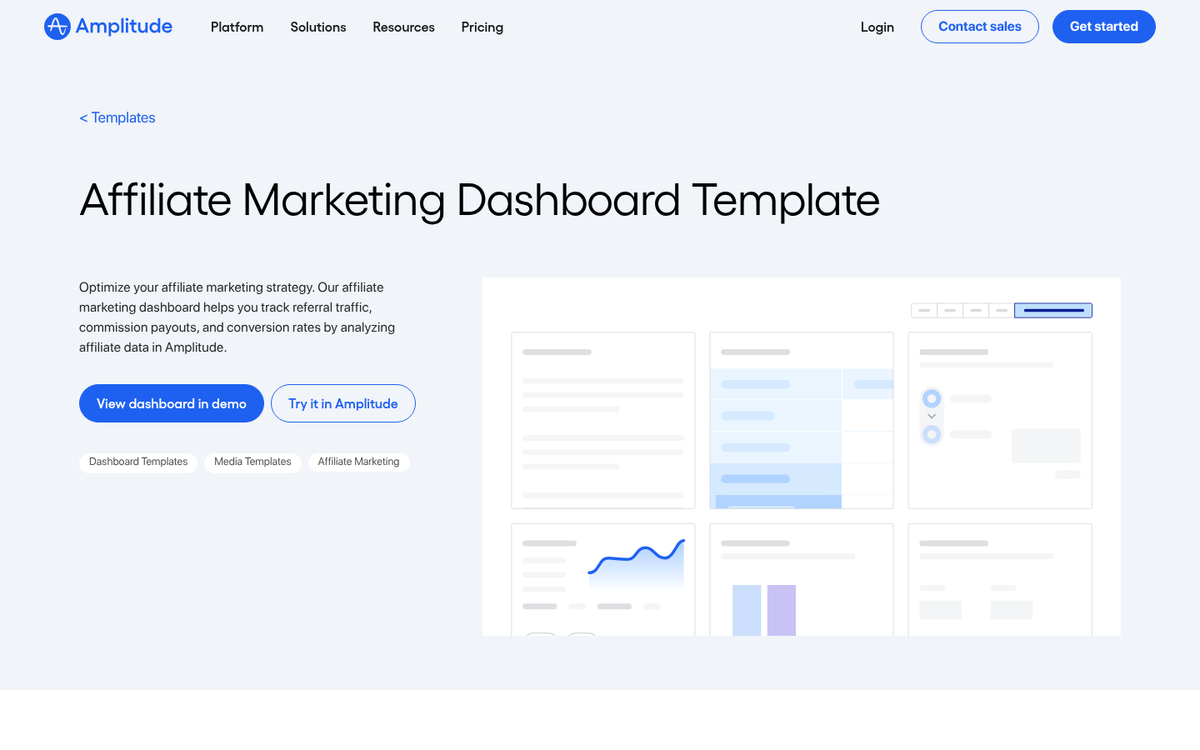
Affiliate positioning, link placement, the products you choose to promote, and even the anchor text you use all have an effect on conversions. Don't just sign up for one program and leave it. Regularly review your affiliate performance, test different placements, and don't be afraid to drop underperforming programs in favor of better ones. Some of the highest-paying affiliate programs in 2026 are in SaaS, finance, and online education - worth exploring if they fit your niche.
13. Build Your Presence on Multiple Platforms
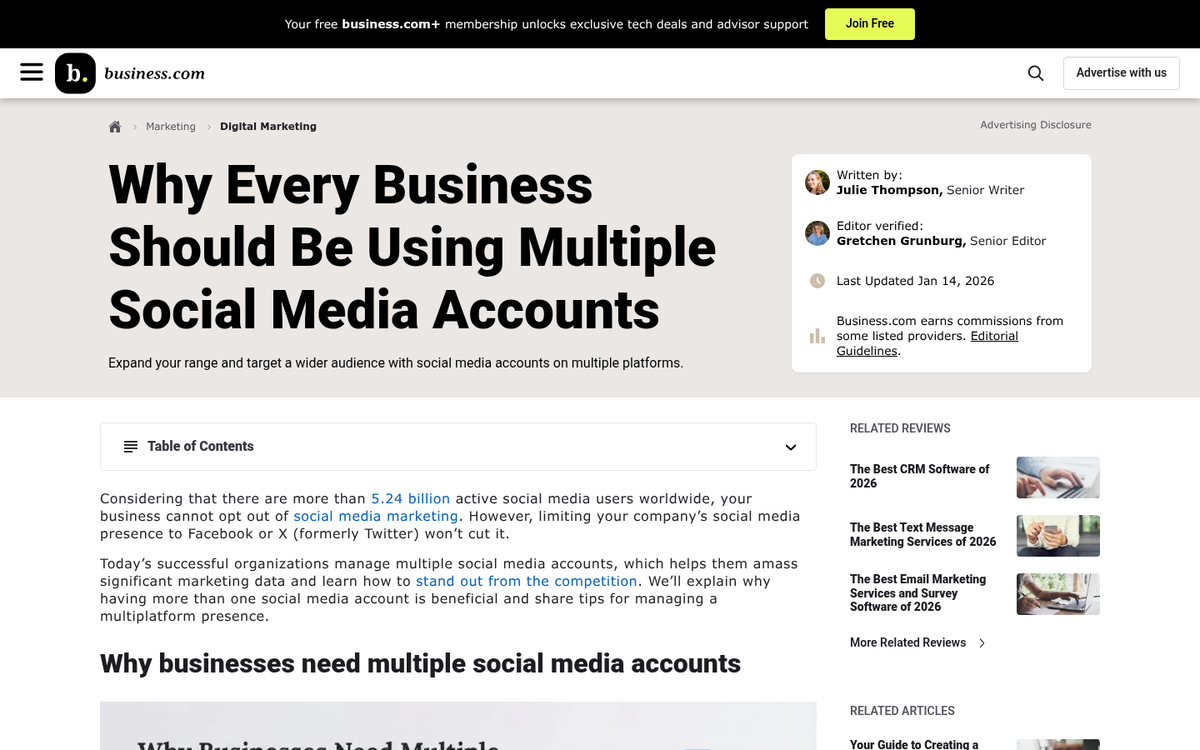
Social media has evolved a lot, and in 2026 the platforms worth your time depend heavily on your niche. LinkedIn has become a powerful content platform beyond just professional networking. Pinterest continues to drive significant traffic for food, lifestyle, and how-to content. Threads and Bluesky have grown as alternatives to X (formerly Twitter). The key is to pick two or three platforms where your audience actually spends time and show up consistently - becoming a content curator in your niche rather than just a self-promoter will grow your following far faster.
14. Develop a Digital Product or Tool
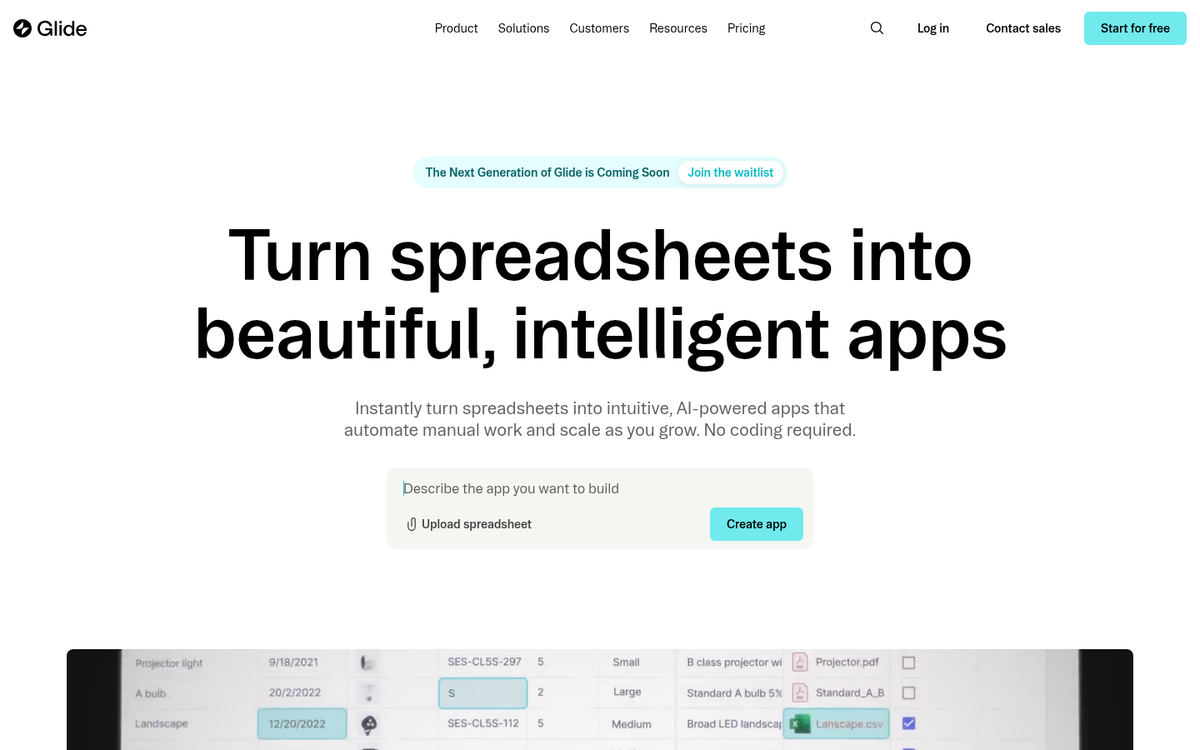
You don't need to be a programmer to create a useful tool or resource for your audience. In 2026, no-code platforms make it easier than ever to build calculators, templates, generators, and simple web apps that your readers find genuinely useful. These can be sold directly, used as lead magnets, or offered as premium subscriber perks. If the idea is strong enough and your audience large enough, contracting a developer is also a viable option - the key is understanding what your audience actually needs. If you're starting with an eBook or downloadable resource, it's worth reading about why some digital products struggle to get sales before you launch.
15. Sell Your Services
You're a blogger, and as you grow, you gain a reputation as an expert in your niche. Use that reputation to sell your knowledge as a consultant or your skills as a writer and content strategist. Many successful bloggers find that a handful of consulting clients or freelance contracts can match or exceed what their blog earns from ads - especially in the early stages. It's one of the fastest paths to real income while your passive revenue channels are still building.