Key Takeaways
- Making money online is competitive and demanding; small blogs typically earn $100-$500/month, while successful sites can generate thousands.
- Beginners should start with display advertising or affiliate marketing before layering in more complex revenue streams.
- Build three months of content before launch and maintain at least one new post weekly for consistent growth.
- Track performance with Google Analytics, learn basic SEO, and avoid black-hat tactics that risk search engine penalties.
- Once established, choose to sell, grow, maintain, or fold your site-then repeat the process to build multiple income streams.
How to Make Money Online: A Step-by-Step Guide
With global eCommerce revenue projected to exceed $6.4 trillion by 2029 and growing at nearly 10% annually, it's no wonder so many people want to try to make a living online. It's something of a dream for many: work from home, set your own hours, and have the time and money left over to actually live life. Books like the Four Hour Work Week helped popularize this idea, though the reality is far more demanding than the fantasy suggests.
The first thing you need to do if you're looking to make money via the web is get rid of your illusions. You won't be spending four hours a week working, not unless you have significant capital to invest in outsourcing. Maybe you'll get there eventually, maybe you won't. Starting out, you need a lot of time and a lot of digital elbow grease. It's not easy making a living online, and it's only gotten more competitive as millions of people attempt the same thing. That said, the opportunity is very real - small blogs typically earn $100-$500/month, while successful affiliate or eCommerce sites can generate thousands.
Step 1: Have a Goal

Before you can even begin to make a plan for making a living online, you need to have a goal. What do you want to work toward? Consider making a number of goals and dividing them up by timeframe.
- What is your ideal five years from now?
- What do you want to be earning by the end of the year?
- What sort of monthly income are you looking to reach?
- What sort of money do you have available to invest?
Make no mistake - you're going to have to invest money. You'll have at the very least some startup and advertising costs, and that's if you do everything yourself. Never mind hiring content writers, web developers, graphic designers, or coders. Figure out your goals and your budget now, before you get in over your head.
Step 2: Decide on a Monetization Plan

There are a whole range of ways you can make money from your site. They vary from easy to implement with modest returns, to more complex but potentially very lucrative. Chances are, you'll pick more than one of these options.
- Display ads (CPM), which pay based on impressions. Google AdSense, one of the most popular options, pays approximately 68% of the ad revenue your site generates.
- CPC/CPA ads, which require convincing a user to perform some action - like signing up or making a purchase - to earn money.
- Affiliate sales, which require promoting a product so users buy it, earning you a commission. Amazon Associates remains one of the most accessible entry points.
- Selling content, which can range from premium memberships to downloadable guides or courses.
- Selling products, either physical or digital. Platforms like Etsy charge $0.20 per listing and a 6.5% transaction fee per sale, making it a low-barrier option for creative sellers.
For newcomers to web moneymaking, it's generally a good idea to start with display advertising or affiliate marketing before layering in more complex revenue streams.
Step 3: Create a Basic Site

Creating a site is a subject worthy of its own deep dive. You have a lot of options. You can use a hosted solution like WordPress.com or Wix for simplicity. You can buy affordable hosting and run a self-hosted WordPress site for more control and flexibility. You can also pay a developer to build something custom, though that's rarely necessary when starting out.
Your site's topic should align closely with your monetization strategy. If you're building an affiliate site, pick a product category. If you're pursuing display ads, pick a niche with a passionate and searchable audience. Don't skip this step - trying to monetize a site without a clear niche is one of the most common early mistakes.
Step 4: Populate That Site With Content

Once you have a topic, start filling the site with content. This means both informational blog posts and well-structured landing pages. You can write everything yourself to save money, or hire freelancers through platforms like Upwork or Textbroker to help you scale faster.
Aim for at least one new post per week at minimum. Try to build out roughly three months of content before launch so your site looks established from day one. Having another three months of content scheduled in advance gives you breathing room and keeps your publishing consistent even when life gets busy.
Step 5: Implement Your Monetization

Once you have a live site with content, you can implement your chosen monetization method. Don't expect the best rates or conversions right away. As a new webmaster, some affiliate programs and CPA networks may reject your application initially. Don't stress - apply again once you have more traffic and content. Work your way up from there.
Step 6: Continue Producing Content
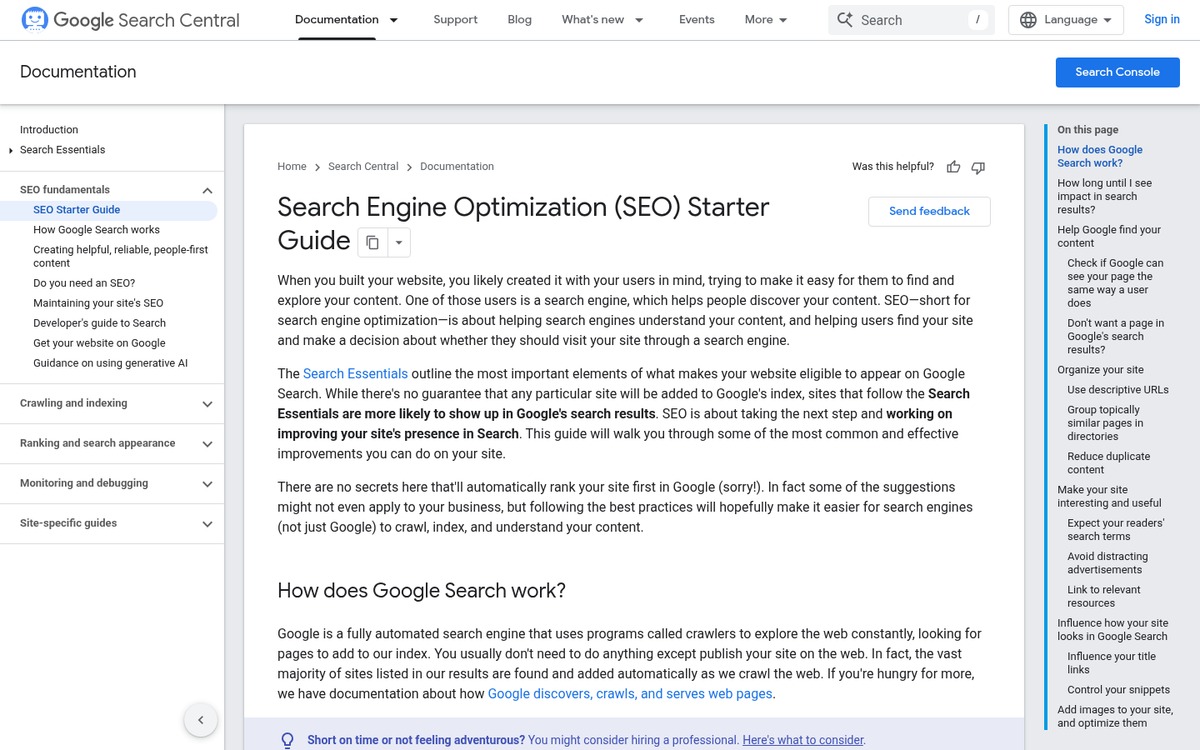
At this point, you need to keep your site alive and active while you build an audience, climb the search rankings, and grow your conversions. This is where most people give up too early. Take the time to learn the basics of SEO - understanding what helps and what hurts your rankings is essential. Avoid black-hat tactics that could get your site penalized or removed from search results entirely.
Step 7: Track and Optimize

As your site grows, track everything through Google Analytics or a comparable platform. Figure out who your users are, where they're coming from, and which content is driving the most engagement or revenue. Use that information to guide your next wave of content and refine your monetization. It's a never-ending cycle of incremental improvement, but small gains compound significantly over time.
Step 8: Advertise
To get a meaningful influx of targeted traffic, consider running paid advertising. You can do this through Google Ads, Meta (Facebook/Instagram), or other platforms depending on where your audience spends their time. Start small - even a few dollars per day can yield useful data. You'll need to experiment with targeting, ad copy, and landing pages to find what delivers the best return on your spend.
Step 9: Decide: Sell, Grow, Maintain, or Fold

Once your site is established and generating income, you need to make a deliberate decision about its future.
Option 1 is to sell your site. Platforms like Flippa and Empire Flippers allow you to sell an established site for a lump sum typically based on a multiple of monthly net profit. This is a solid move if you've built something valuable but no longer want to run it.
Option 2 is to continue growing your site. This is what most successful webmasters do. Write more content, run more ads, attract more traffic, and keep refining your conversion strategy.
Option 3 is to maintain your site in a holding pattern. Do the minimum necessary to keep it alive and earning. This works best for sites built on evergreen content or stable affiliate products that don't require constant updating.
Option 4 is to fold. If the site isn't gaining traction, the niche is too saturated, or you've decided this path isn't for you, cut your losses and move on. Not every site succeeds, and knowing when to quit is just as valuable as knowing when to push forward.
Step 10: Repeat
That's it. Go back to Step 1 and repeat the whole process. With experience, you'll streamline everything - you'll build faster, avoid costly mistakes, and have connections that help you gain traction more quickly. Build a portfolio of sites across different niches and you can develop multiple reliable income streams that compound over time.