Key Takeaways
- Use multiple CTAs throughout posts, including floating bars, exit pop-ups, and end-of-post boxes to capture engaged readers.
- Expansion content like checklists, locked list sections, and eBooks behind opt-ins can dramatically increase conversions.
- Analytics tools like heat maps and split testing reveal how users behave, helping you optimize layouts and conversion flows.
- Repurpose top posts into podcasts, videos, slide decks, or infographics to reach new audiences across different formats.
- Publishing more frequently and writing longer, comprehensive posts significantly increases traffic and search rankings.
I'm going to cut right to the chase here. You want your blog to be helpful at bringing in traffic and converting that traffic into customers. There are all sorts of different avenues to go after to accomplish this goal. Some will work for you, others won't and it can depend on what you've done and where your site already is.
Calls to Action
The first set of tips involves adding more calls to action to your blog. Many blogs have white space around the content, in the gutters and across the top.
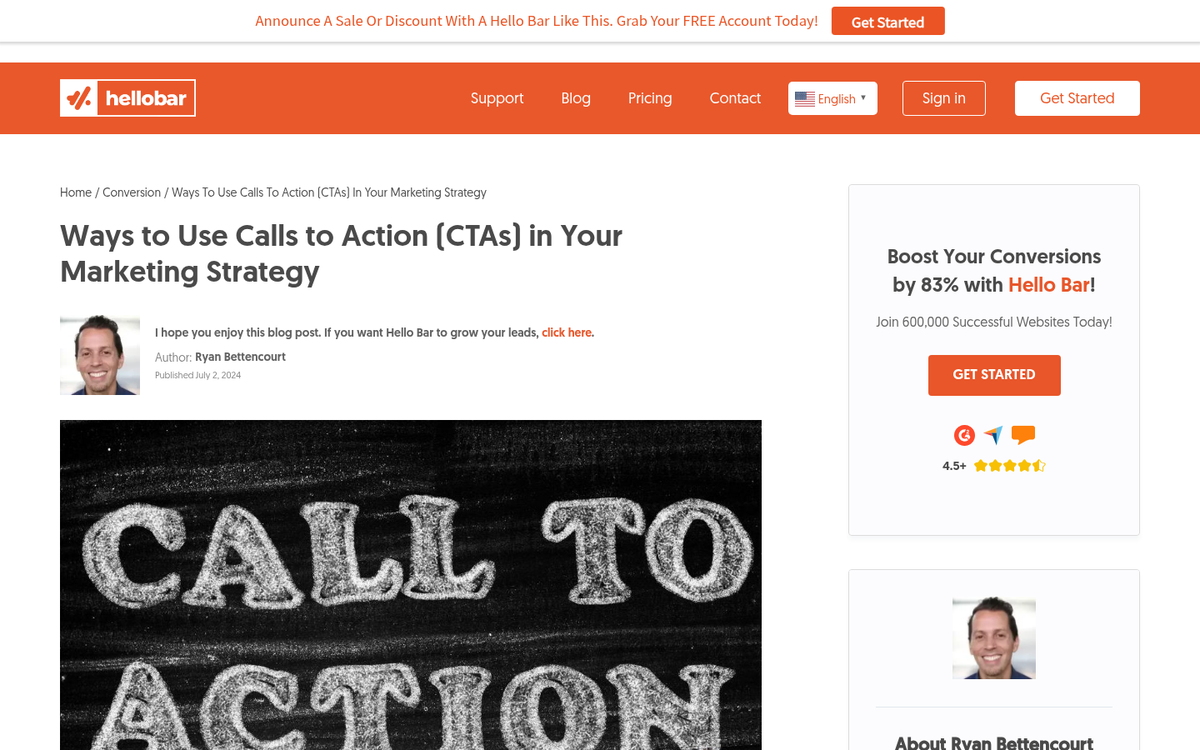
There are a few ways you can take advantage of this.
- Use a floating call to action bar. Tools like HelloBar give you a customizable call to action space across the top of your site, even above the navigation. They're surprisingly effective and inexpensive, and they don't interfere with the reading experience.
- Use a scroll-triggered slide-in CTA. These are small boxes that appear in the lower corner of the screen, similar to a chat notification. They can contain a call to action, an image, or even an embedded opt-in form. Simple and surprisingly effective.
- Use an exit intent pop-up. Exit intent pop-ups only trigger when the user is about to leave the page, making them far less disruptive than timed interruptions. They give the reader one final chance to opt in after they've already consumed your content and are in a receptive state of mind.
- Use an end-of-post CTA box. Place a visually distinct CTA block above the comments section and below the body of your post. Since the average reader spends only about 37 seconds on a blog post, those who actually reach the bottom are your most engaged visitors - make sure there's a strong offer waiting for them.
- Include a natural CTA within your text. Every blog post should contain at least one in-line call to action, whether that's to purchase a service, download a resource, or click through to convert traffic into sales. Keep it conversational and contextually relevant.
Expansion Content
Expansion content is supplemental material that builds on your original post in a way that compels the user to convert in order to access it.
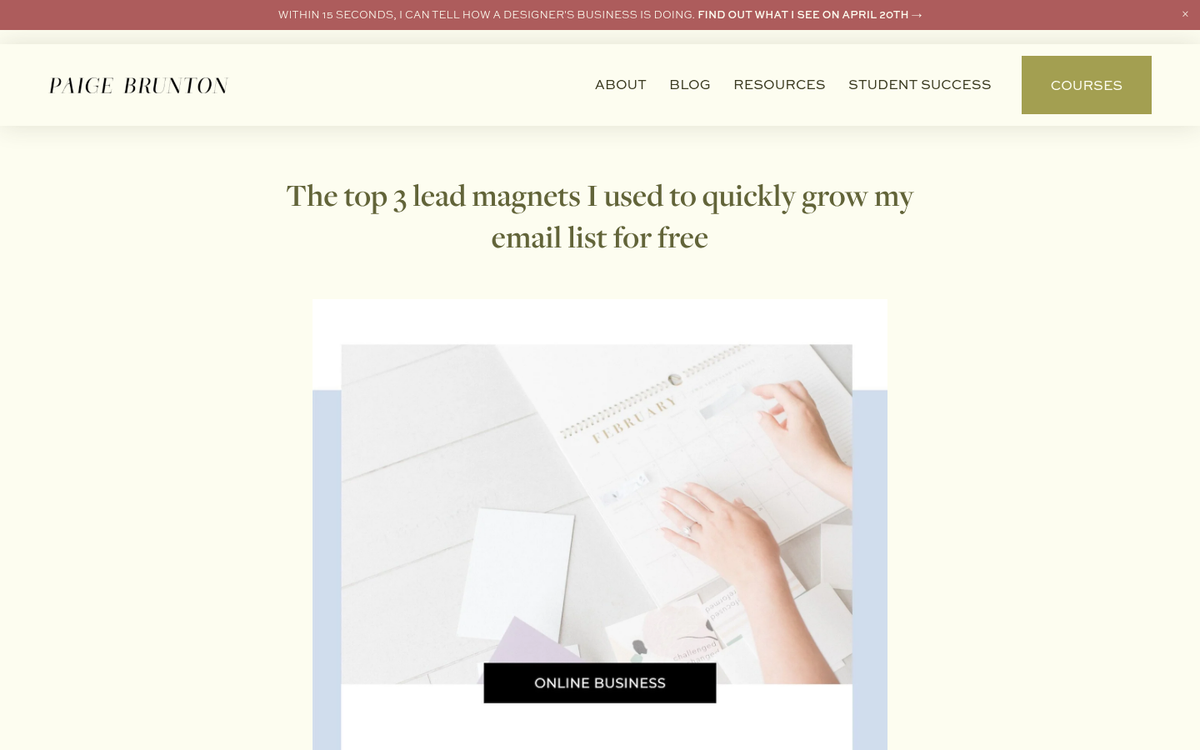
If the content is sufficiently strong and helpful, it can dramatically increase conversions.
- Create expanded eBooks to sell or give away. If you have a popular list post, expand it significantly and publish it as an eBook for subscribers. Then take it further and offer a more comprehensive version on Amazon or Gumroad as a paid product.
- Lock parts of a list behind a conversion. Splitting a list and placing the latter half behind an email opt-in is a well-tested tactic. It works because users already invested in reading the first portion are more motivated to complete it.
- Offer downloadable checklists or templates. A well-formatted PDF checklist or worksheet tied to your post's topic is a low-effort, high-value lead magnet. Pair it with a mailing list opt-in for best results.
- Create regularly updated versions available to subscribers. Evergreen guides decay over time. Offering a "living" version exclusively to subscribers - one that gets updated as things change - gives readers a meaningful incentive to opt in and stay subscribed.
- Offer consulting, analysis, or tools to people who convert. Free tools and free trials are strong incentives. Even something as lightweight as a free audit or personalized recommendation can motivate conversions from readers who are already interested in your topic. Check out our complete list of blog monetization techniques for more ideas.
Analytical Changes
Using analytics gives you information about how your site is performing.
You may find ways you're losing traffic or discover design elements that are quietly undermining your conversion flow.
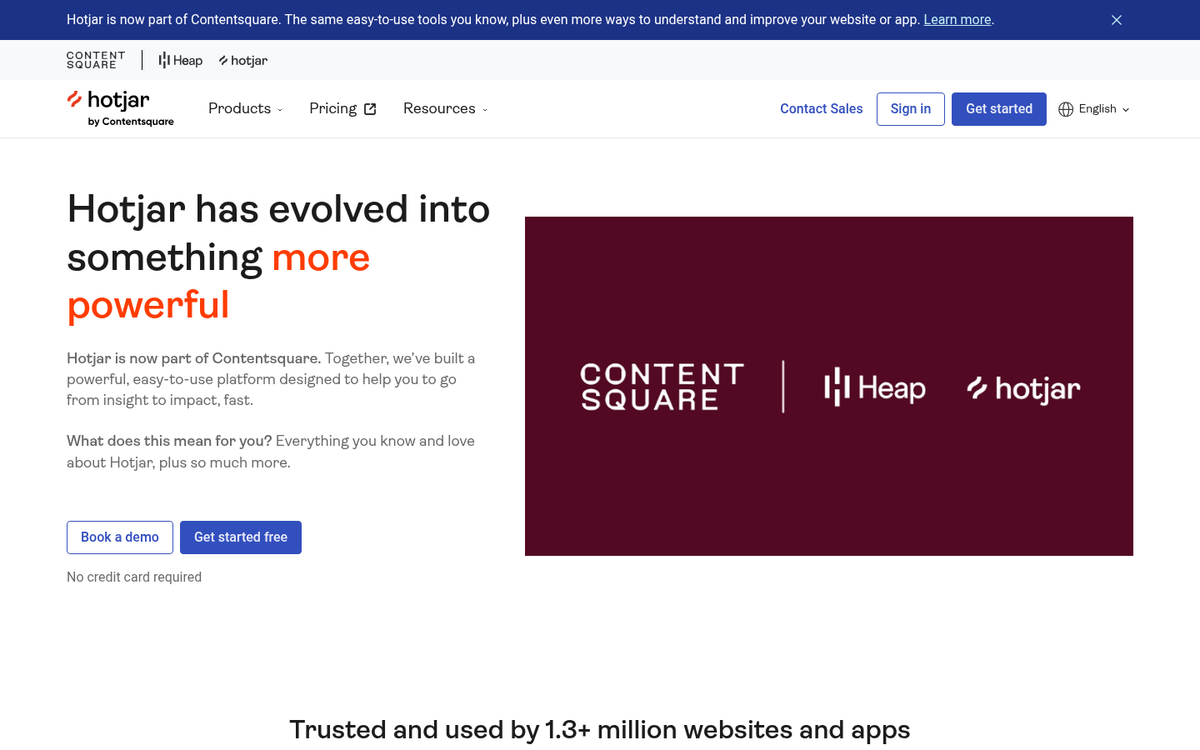
- Optimize click placement using heat maps. Tools like Hotjar or Microsoft Clarity can show you exactly what users are clicking, where they're dropping off, and whether they're interacting with elements the way you intended. These insights frequently reveal quick wins.
- Split test designs to iterate layouts and themes. Split testing is the backbone of conversion optimization. Test one change at a time, split your traffic evenly between variants, and let the data tell you what's working before rolling out changes site-wide.
- Track individual link clicks to understand user intent. Knowing which links on a page get the most clicks tells you a lot about what your readers actually want next. Use that information to build smarter internal funnels.
- Identify traffic sources to tailor content to specific user groups. Organic search visitors behave differently than social referrals or email subscribers. Knowing where your readers come from lets you write content and craft CTAs that match their intent and expectations.
- Encourage retention with internal links. The longer someone stays on your blog, the more exposure they get to your messaging and offers. A well-linked site keeps readers moving through your content instead of bouncing back to search results.
Cyclical Social Media
Social media is a goal to some and a tool to others. In either case, integrating social media into your blog can help get blog readers onto your social presence and help bring social users into your blog.
Bounce them back and forth to keep them in your ecosystem that much longer.
- Use a clean, high-quality social sharing bar. There are both free and premium options available. Whatever you choose, make sure it loads quickly - a slow site bleeds value with every visit, and bloated sharing plugins are a common culprit.
- Embed click-to-share prompts for key quotes or takeaways. Rather than using a highlight-to-tweet tool that triggers on every text selection, manually identify the best lines in your post and set them up as pre-composed, shareable quotes. It's less disruptive and produces better-quality shares.
- Use Pinterest strategically for image-heavy content. Blogs get up to 94% more views when they include relevant images, and Pinterest is one of the best platforms for driving traffic from visual content. Make sure you own the rights to anything you share.
- Display social proof only if it's flattering. Share counts and follower numbers can build credibility - but only if the numbers are respectable. If your posts are getting minimal engagement, hide the counters until you have numbers worth showing.
- Share content to relevant communities as value posts. Platforms like Reddit and niche Facebook Groups or LinkedIn communities can drive significant traffic if you approach them as a contributor rather than a promoter. Lead with value, not with a sales pitch.
Content Techniques
These techniques involve working better with the content itself to welcome more conversions and improve the reader experience.
Some are easy, some are more involved, and a few require a basic understanding of psychology to grasp why they work.
- Choose specific posts as funnel endpoints. Most of your content won't be promotional, but some of it should be. Identify those posts, optimize them like landing pages, and funnel readers toward them through strategic internal linking.
- Minimize options in your funnel endpoints. Too many choices lead to no choice at all - this is choice paralysis, and it's well-documented in consumer psychology. At your conversion points, give users one clear action to take. See how calls to action can be structured effectively.
- Make your content easy to skim. Use frequent subheadings, short paragraphs, bullet points, and bold text to surface key information quickly. Since the average reader spends only 37 seconds on a post, your content needs to communicate value fast - for those who read deeply and those who don't.
- Use images generously and intentionally. Bloggers who include 7 or more images per post are 2.3x more likely to report strong results, according to Orbit Media. Images break up dense text, reinforce key points, and dramatically improve time-on-page.
- Link or mention influencers to earn their attention. Quoting or citing a well-known voice in your niche is a natural way to open the door to a share, comment, or even a backlink. Let them know you've featured them - most people appreciate the recognition.
Getting Extra Mileage
Every piece of content is an opportunity to connect with a new audience. But it doesn't have to stop at one format.
Your best posts can be repurposed and redistributed in multiple forms, each one reaching a slightly different audience or serving a slightly different need.
- Narrate your blog post as a podcast episode. An audio version makes your content accessible during commutes, workouts, or other times when reading isn't practical. Edit it to account for anything that only makes sense visually.
- Turn your content into a YouTube video. YouTube remains the second-largest search engine in the world. A well-produced video version of a high-performing post can surface in searches that your written content never would have reached, and drives a distinctly different type of traffic.
- Condense your post into a slide deck. Slide-based content performs well on LinkedIn and with certain professional audiences. It's a low-effort repurpose that can give your ideas a second life in a format some readers strongly prefer.
- Expand your blog post into an eBook. eBooks are flexible assets - use them as lead magnets, partner giveaways, or paid products. A well-packaged eBook built from existing content can generate conversions long after the original post has stopped gaining traction.
- Add graphic design to create an infographic. Infographics are highly shareable and attract backlinks naturally. They're more resource-intensive to produce, but a good one built around solid data can earn links and traffic for years.
Bonus Tips
Here are a few extras that help you squeeze more value out of your blog.

- Publish more frequently if you're not already. HubSpot data shows that companies publishing 16 or more posts per month get nearly 3.5x more traffic than those publishing 0-4. Bloggers publishing 2-6 times per week are also 50% more likely to report strong results. Volume matters - provided quality doesn't slip.
- Write longer, more comprehensive posts. The average top-ranking blog post on Google is around 1,890 words, according to Backlinko. Depth signals expertise, earns more backlinks, and keeps readers on the page longer. If you're wondering whether fewer long articles or more short ones is the better strategy, it's worth reading up on before deciding.
- Guest post on the sites your audience already reads. A well-placed guest post introduces you to a warm, relevant audience. The closer the match between that site's readership and your ideal customer, the higher your conversion rate from the resulting traffic.
- Craft better headlines. Research consistently shows that headlines with around 8 words perform significantly better in click-through rates, and list posts with odd numbers outperform even-numbered ones by roughly 20%. Small headline tweaks can have an outsized impact on traffic.
- Dig deeper into a post to build a case study. Case studies attract backlinks, build credibility, and demonstrate real-world value in a way that generic advice cannot. A thorough, well-sourced case study is one of the highest-ROI content types you can produce for SEO - and calculating that ROI can help you prioritize which content to invest in most.
What other tips do you have for making your blog posts more helpful? Let me know!