Media buying is the process of purchasing advertising space across various media channels. These can range from traditional formats like print magazines, newspapers, billboards, and television to digital placements across websites, apps, streaming platforms, and connected TV. The lines between "traditional" and "digital" media buying have blurred significantly - in 2026, most serious platforms handle both.
Media buying platforms are specialized tools where you can purchase, manage, and optimize ad space across these channels. With global ad spend projected to surpass $1 trillion in 2026 and programmatic buying now accounting for roughly 90% of display ad transactions in developed markets, the landscape has changed enormously since this post was first written. I've tried to include a range of options that aren't on every other list published online, covering both traditional and digital channels, and I've gone over the crucial details for each that make a difference when you're actually evaluating a platform. Let me know what you think in the comments below!
Key Takeaways
- Global ad spend is projected to surpass $1 trillion in 2026, with programmatic buying accounting for roughly 90% of display transactions.
- The Trade Desk is considered the benchmark for programmatic buying, using AI to optimize bids, audiences, and placements in real time.
- Amazon DSP offers access to powerful first-party purchase data, making it especially valuable for ecommerce brands targeting commercial audiences.
- Post-cookie deprecation is shifting platforms toward first-party data, contextual signals, and location-based targeting for audience reach.
- Audio and CTV advertising are growing significantly, with CTV spend topping $27 billion and podcast advertising seeing substantial budget increases.
1. Advidi
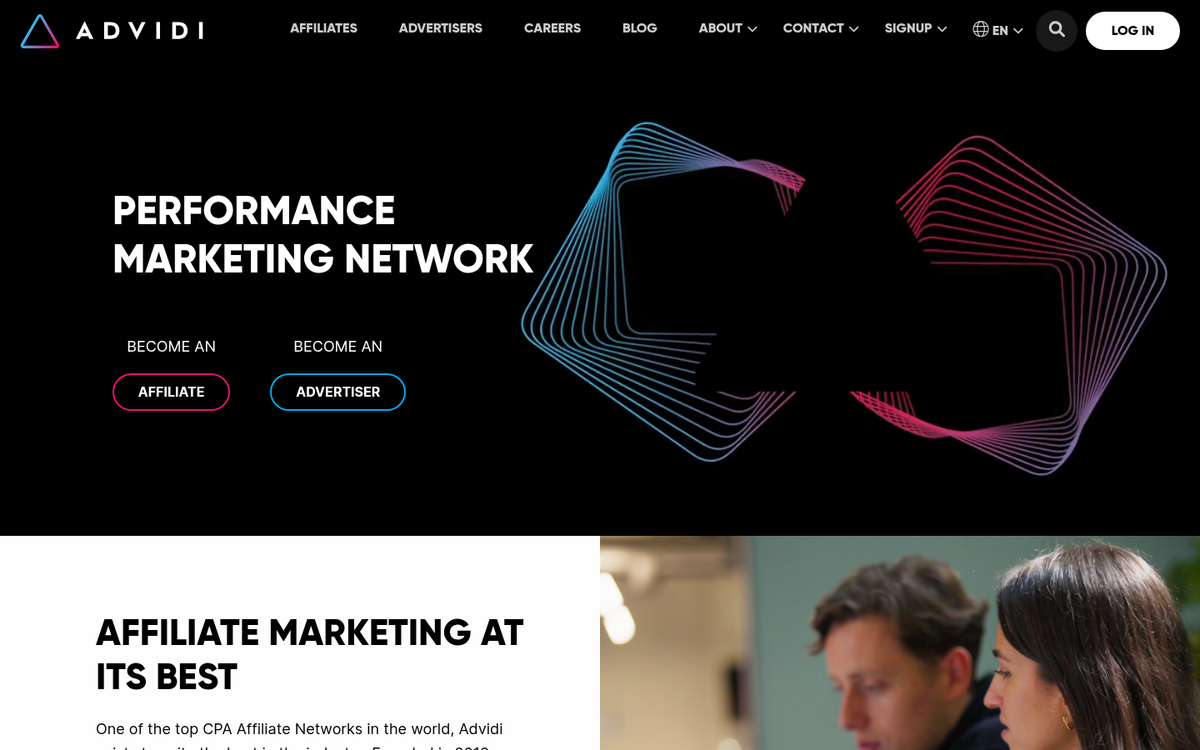
Advidi is an affiliate marketing network working with both publishers and advertisers in over 100 different countries. Two things make it stand out: their global reach, and their acceptance of verticals that most mainstream networks won't touch. While they have a mainstream vertical covering surveys, mobile apps, sweepstakes, and lead generation, they also operate in dating (including adult dating), online gaming (casino and betting), and health/beauty niches like diet products, skincare, and similar offers.
Given that some of these niches attract fraud and abuse, Advidi has invested heavily in anti-fraud infrastructure. Their detection and filtering systems have improved considerably over the years, and while no network is bulletproof, Advidi holds up reasonably well for the verticals they serve.
2. Lamar
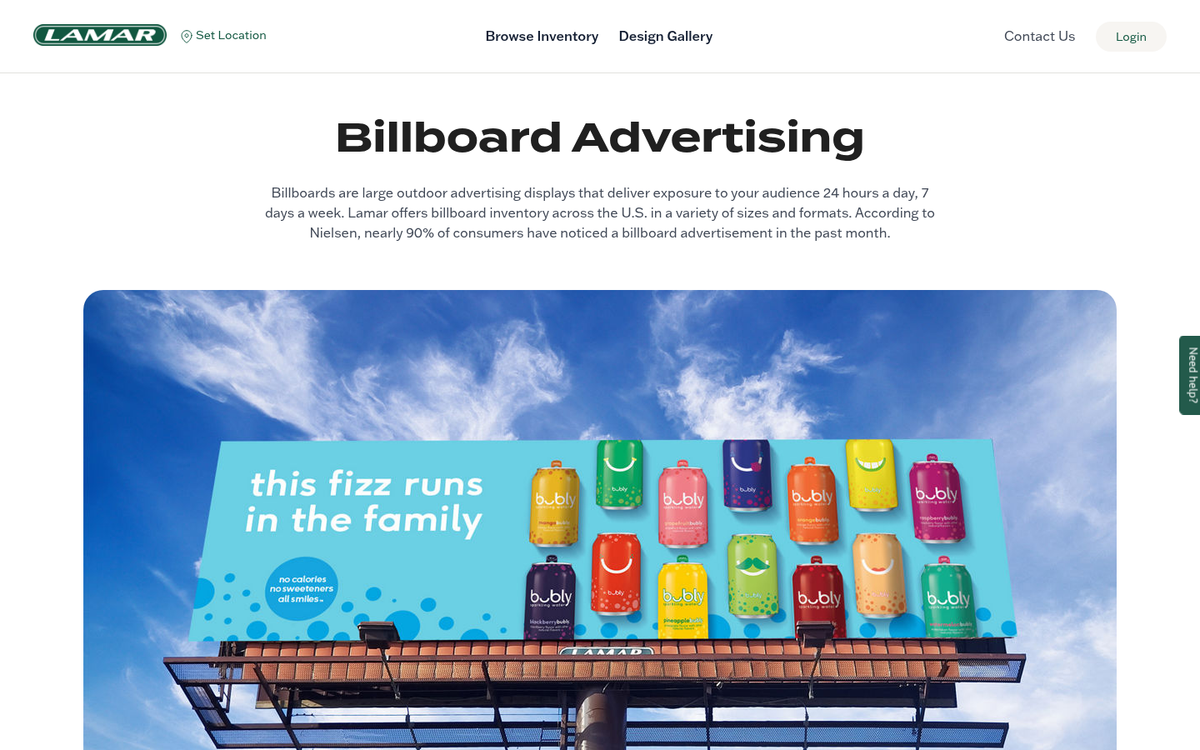
Lamar remains one of the largest out-of-home (OOH) advertising companies in the United States, with a massive portfolio of billboards, transit displays, and airport advertising. What's changed since this post was first written is that Lamar has significantly expanded into digital billboards and programmatic OOH, meaning you can now buy and update billboard placements in near real-time rather than committing to static, weeks-long print runs.
They still operate on a regional office model for many placements, but their digital inventory has made multi-market campaigns far more accessible. If OOH is part of your strategy - and with the resurgence of physical advertising as a complement to digital, it's worth considering - Lamar is one of the first places to look. If you're also exploring online channels, you may want to read up on how to find the best place to buy traffic to round out your overall media mix.
3. Thalamus
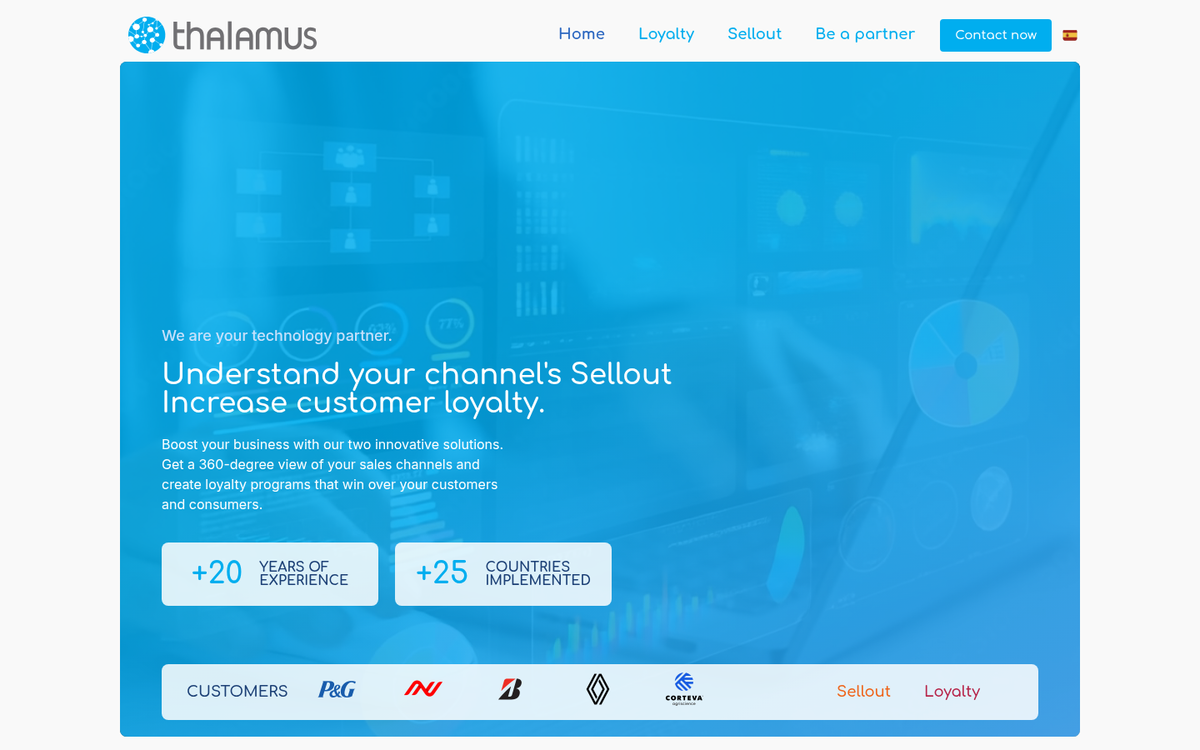
Thalamus is a genuinely global, genuinely multi-channel ad network. They cover social media advertising, online display and video ads, mobile advertising, search, email, connected TV (CTV), linear TV, and digital audio. Their reach spans dozens of countries, and their channel variety is hard to match in a single platform.
CTV is worth highlighting specifically here - eMarketer projected CTV ad spend to top $27 billion by 2025, and it has only grown since. Thalamus gives you access to placements on networks like Fox, CNBC, CNN, BBC, and CBS Sports Network, alongside digital audio on platforms like Spotify and iHeartMedia. For businesses that want to consolidate their buying across multiple channels without juggling five different platforms, Thalamus remains a strong option.
4. Brandzooka
Okay, I still have to pause and acknowledge that "Brandzooka" is an objectively strange name. What does a bazooka have to do with advertising? Destructive? Sure. Targeted? Questionable. Memorable? Absolutely - so maybe they're onto something.
Brandzooka focuses on video advertising and has partnerships with a broad range of high-traffic sites. The barrier to entry is low - you upload your video, set a budget (minimum $50), define your targeting, and your ad starts running across partner sites within 24 hours. For small to mid-sized businesses that want video reach without a massive media buy commitment, Brandzooka punches above its weight. Their self-serve model has also improved considerably and is genuinely easy to use in 2026.
5. AdRoll
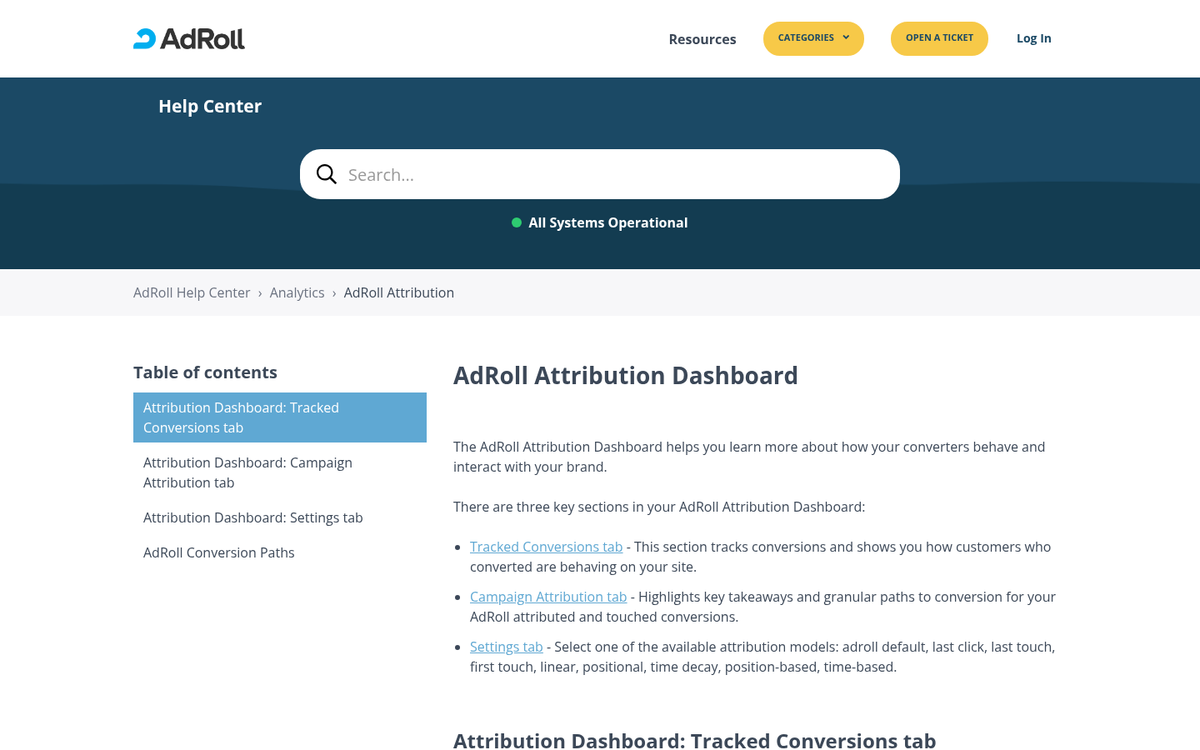
AdRoll has evolved well beyond the retargeting platform it once was. In 2026, it functions as a full-funnel marketing platform for ecommerce and B2B brands, covering display ads, social ads, email, and connected TV placements. Their prospecting and retargeting tools remain strong, and they've leaned hard into AI-driven audience targeting and attribution.
With U.S. B2B digital ad spending projected to hit $23 billion by 2026, AdRoll is well-positioned for B2B advertisers in particular, offering decent cross-channel orchestration without requiring an enterprise-level budget. It's not the flashiest platform on this list, but it's reliable and has genuinely matured.
6. Basis (formerly Centro's Basis DSP)

Basis is a demand-side platform covering display, social, video, audio, and CTV - essentially a full programmatic stack in one place. What sets it apart from simpler self-serve tools is the depth of its targeting and optimization capabilities. Rather than relying purely on cookies (increasingly unreliable post-third-party cookie deprecation), Basis leans on device IDs, contextual signals, and first-party data integrations for targeting.
Their hyper-local targeting is also worth calling out - you can target down to a few city blocks, which makes this genuinely useful for location-sensitive campaigns. For agencies and mid-to-large businesses running multi-channel programmatic campaigns, Basis is a serious platform worth evaluating.
7. The Trade Desk

If you're doing any serious volume of programmatic buying in 2026 and The Trade Desk isn't on your radar, it needs to be. The Trade Desk is one of the most powerful independent demand-side platforms available, offering access to display, video, audio, CTV, and native inventory across virtually every major exchange globally.
Their Kokai AI platform - rolled out in recent years - uses machine learning to optimize bids, audiences, and placements in real time, which has been a genuine leap forward in campaign performance for many advertisers. They're not a cheap entry point, and they're better suited to businesses with meaningful ad budgets and either in-house programmatic expertise or an agency partner. But if scale and sophistication matter to you, The Trade Desk is the benchmark everyone else is measured against.
8. Amazon DSP
Amazon's demand-side platform deserves a spot on any 2026 media buying list. Amazon DSP gives advertisers access to Amazon's enormous first-party purchase and browsing data - arguably the most valuable commercial audience data available - and lets you buy display, video, and CTV placements both on and off Amazon properties.
For ecommerce brands, this is close to a no-brainer. But even non-endemic brands (those not selling on Amazon) have found real value in Amazon's audience targeting capabilities. The trade-off is that it's not cheap, and the platform can have a steeper learning curve than more beginner-friendly options. Minimum managed spend requirements can be high, though their self-service options with no required minimum have become more accessible.
9. Adintime
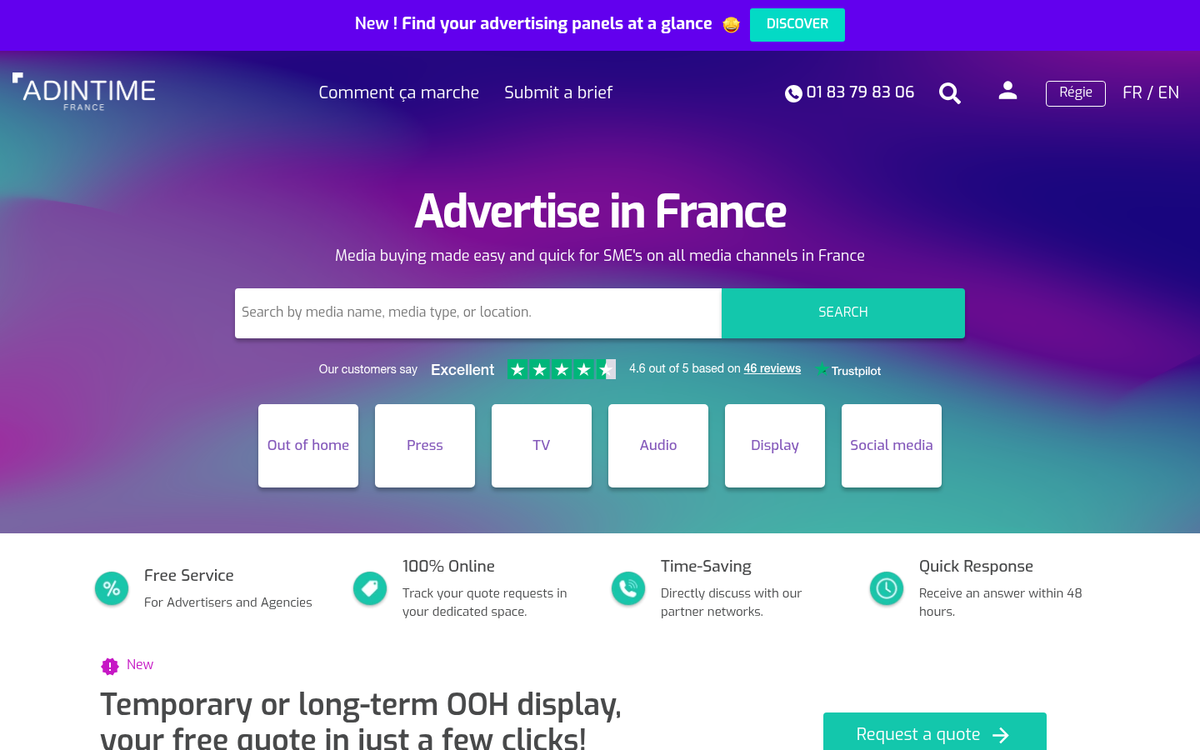
Adintime is still one of the better platforms for print media buying, connecting advertisers directly with magazine and print publishers. "But print is dead!" - look, it's been on its way out for years, and yet it's still here. Print magazine readership has stabilized in certain niches, and the targeting is actually pretty solid: you know a lot about the kind of person subscribing to, say, a trade publication or a specialty lifestyle magazine.
The rates are often cheaper than you'd expect, and for certain audiences - particularly older demographics or highly specific professional niches - print still outperforms digital on attention and recall. Adintime makes the buying process transparent and mostly self-serve, which helps. If you're also exploring digital options, it's worth learning how to find cheap traffic that actually converts.
10. GroundTruth

GroundTruth (which absorbed and evolved from earlier location-based ad platforms) is one of the better options if you want hyperlocal mobile advertising based on real-world foot traffic data. Their core strength is location intelligence - they use verified visit data to target audiences based on where they physically go, not just where they click online.
This is genuinely useful for local businesses, retail, restaurants, events, and any advertiser whose customer base is defined by geography. Campaigns can be set up around specific addresses, venue types, or competitor locations. In a world where privacy regulations have tightened targeting options across the board, location-based platforms with strong first-party data are increasingly valuable.
11. Simpli.fi
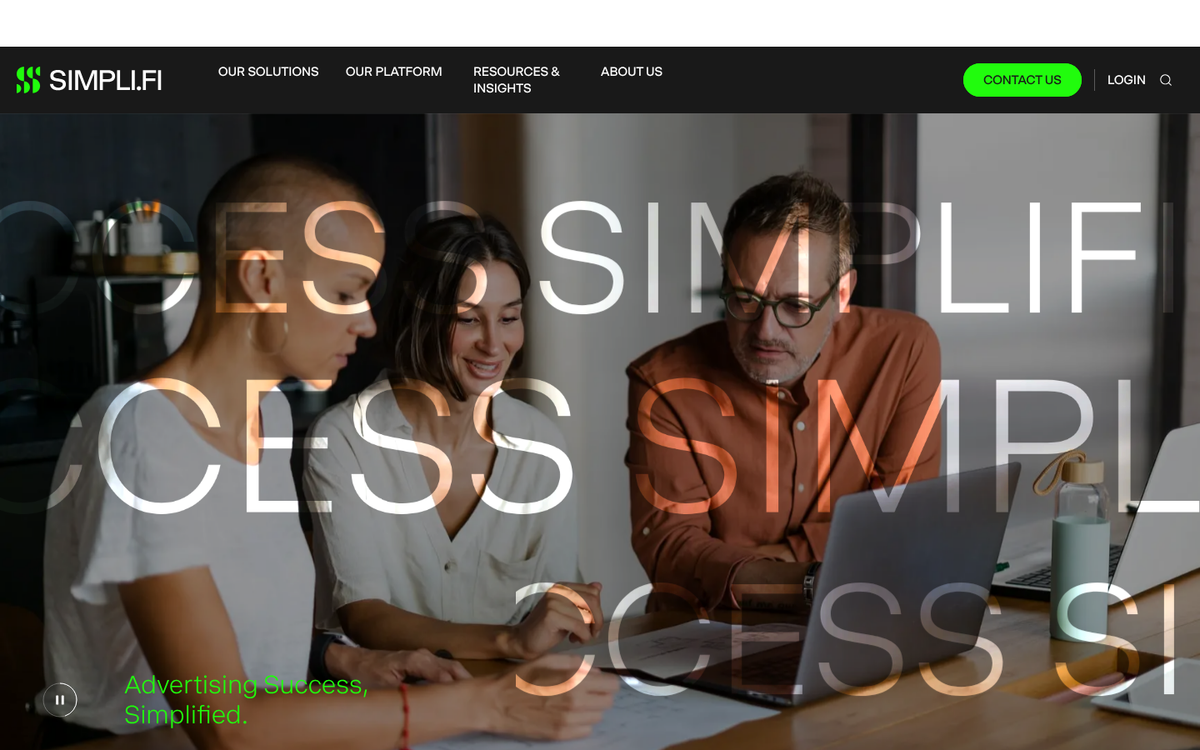
Simpli.fi is a programmatic platform with a particular strength in addressable advertising and CTV. Their approach leans heavily on first-party and contextual data, which makes them well-positioned in the post-cookie era. They serve display, video, OTT/CTV, and mobile placements, and their workflow is relatively accessible for agencies and mid-market businesses.
Their addressable TV and streaming capabilities are worth highlighting specifically - if you want to reach specific households across streaming platforms with tailored messaging, Simpli.fi has built that out in a way that smaller platforms haven't.
12. BuyAdsDirect
BuyAdsDirect works with advertising agencies and publishing houses to connect the two - a bit like a buying club for traditional media. They specialize in TV (national cable, satellite, local cable, and infomercials), radio (including streaming audio and satellite), outdoor advertising, and a digital section that has grown somewhat over the years.
The platform isn't the slickest interface you'll encounter, but it gets the job done for traditional media buying, particularly TV. If you have a moderate-to-significant budget and want to run TV or radio campaigns without going directly through individual networks, it's a legitimate option. If you're also running digital campaigns alongside traditional media, you may want to learn how to buy leads from performance advertising companies to round out your strategy.
13. StackAdapt
StackAdapt has quietly become one of the most talked-about mid-market programmatic platforms over the last few years. They cover native, display, video, CTV, audio, and in-game advertising - and their native ad capabilities in particular are genuinely strong, which is harder to find than you'd think.
Their self-serve interface is cleaner and more approachable than many DSPs at their tier, and their machine learning optimization has improved campaign performance significantly for many advertisers. They're particularly popular with agencies managing campaigns across multiple clients and channels. If you haven't looked at StackAdapt recently, it's worth revisiting - the platform has come a long way.
14. Spotify Advertising
With audio advertising representing a growing slice of digital budgets in 2026, Spotify's self-serve ad platform deserves a mention. Spotify Ad Studio lets you create and run audio ads, video ads (for mobile), and podcast ads with relatively accessible minimums and strong demographic and interest-based targeting.
Podcast advertising in particular has seen substantial growth, and Spotify's ownership of major podcast content gives advertisers unique access to engaged, loyal audiences. If audio is part of your mix - and increasingly it should be - Spotify is one of the more accessible entry points for getting more plays on your video and audio content.