Conversion rate is super important, but it's a bit of a disingenuous number. You can have a high conversion rate and still make less money than you were before you made whatever change you made. How?
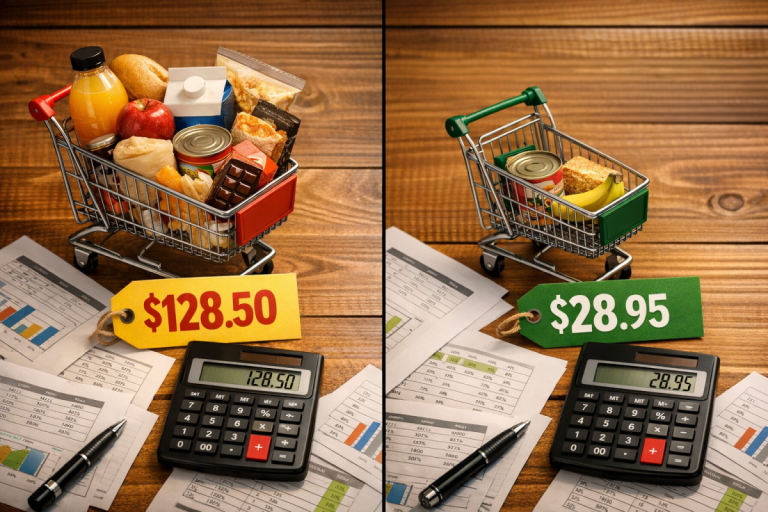
Here's one example: you have 1,000 weekly visitors with a 10% conversion rate, for 100 conversions per week. You make a change and find that you still have 100 conversions per week, but now you only have 500 weekly visitors. Your conversion rate doubled, but you're making the same amount.
Here's another example: you double your conversion rate by offering a deal that slashes prices. You have the same number of visitors and a higher conversion rate, but due to the lower prices, you make less profit on each unit sold, for a lower overall profit.
So, before reading forward, keep this in mind; your conversion rate is only one of several interactive factors that you need to keep in mind. For context, average ecommerce conversion rates hover around 3.68%, while SaaS businesses tend to sit closer to 3.20% - so if you're well below those benchmarks, there's likely meaningful room to improve.
Key Takeaways
- Conversion rate alone is misleading; consider traffic volume and profit margins together for a complete performance picture.
- Split testing is essential - always test one variable at a time, long enough to gather statistically relevant data.
- Trust indicators like customer reviews can boost conversions by up to 270%, making social proof worth actively testing.
- Simplifying checkout reduces cart abandonment; Expedia gained $12 million annually just by removing one unnecessary form field.
- Minimize exit points on landing pages and test urgency tactics like countdown timers, which can increase revenue by 9%.
A Note on Testing

The number one key to successful conversion rate optimization is split testing. No matter how convincing I make any of the following tips sound, you need to test any change you make before you implement it on a site-wide basis. This is because what works for me, or even what works for everyone else in the world, might not work for you. You never know with your unique situation whether or not a given piece of advice will be as beneficial as others claim.
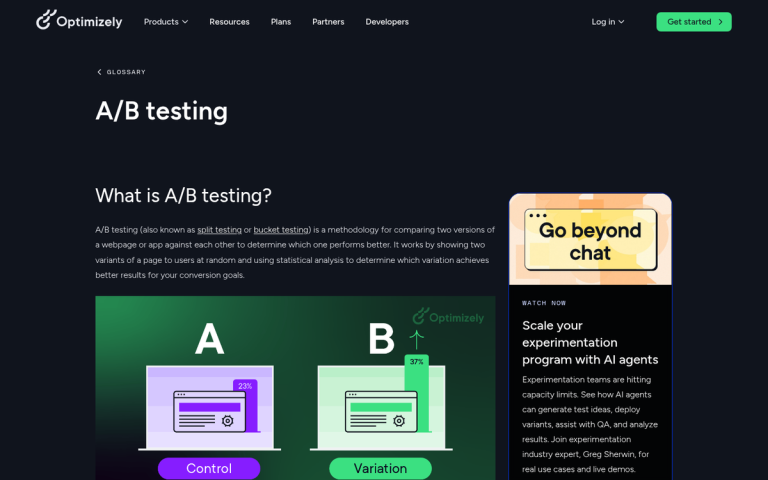
Split testing, if you don't know, is the art of making one single change between two otherwise identical pages, running a 50/50 split of traffic to each, and monitoring which performs better. With enough time and enough people, you can get a reasonably accurate view of which version is better, and you can implement that change.
Split testing often fails when inexperienced people try to use it, and it always fails in the same ways:
- You weren't measuring specific goals. You can't just go into it thinking "oh I'll just pick the better one." You need to know what precisely makes a version better. In this case, it's probably going to be conversion rate.
- You didn't test long enough. If you run a test for less than a week, you're missing the natural ups and downs of a weekday-weekend cycle. If you test for too short a time, as well, you might not have a statistically relevant volume of users for each side of the page. Give it time for accurate results.
- You're testing more than one variable. If you make more than one change, you don't know which change was responsible for your success. What if one change effectively increased your conversion rate by 10%, but the other dropped it by 15%? You would discard both changes because of the net loss, never realizing the one change would have been beneficial to make.
You also need to be wary of Split Test Tunnel Vision. This is the phenomenon where you make a few major changes, pick the best one, and slowly refine it more and more for minor returns. You might be missing another major change that has a much more dramatic effect, but you're either too scared of change or don't realize there are alternatives, so you let it slip away.
Alright, with all of that out of the way, let's go on with the six tests you can run to boost your conversion rates.
1. Test Your Value Proposition
What makes a user want to buy your products rather than those of your competitors? Are you lower priced? Do you have better service? Do you have a better reputation? Do you offer free shipping or a money back guarantee?
A good value proposition needs to be put front and center, just below the primary benefits of your product. The ideal flow of a landing page is something like this: Introduction of a problem > Ways your product solves that problem > Why your product is the best choice to solve that problem.
Your value proposition also needs to be different - and better - than what your competitors offer. You can match them point for point in every way, but in one way you need to be exceedingly better. Test out different ways of phrasing your benefits to emphasize your value over your competitors.
2. Test Your Language
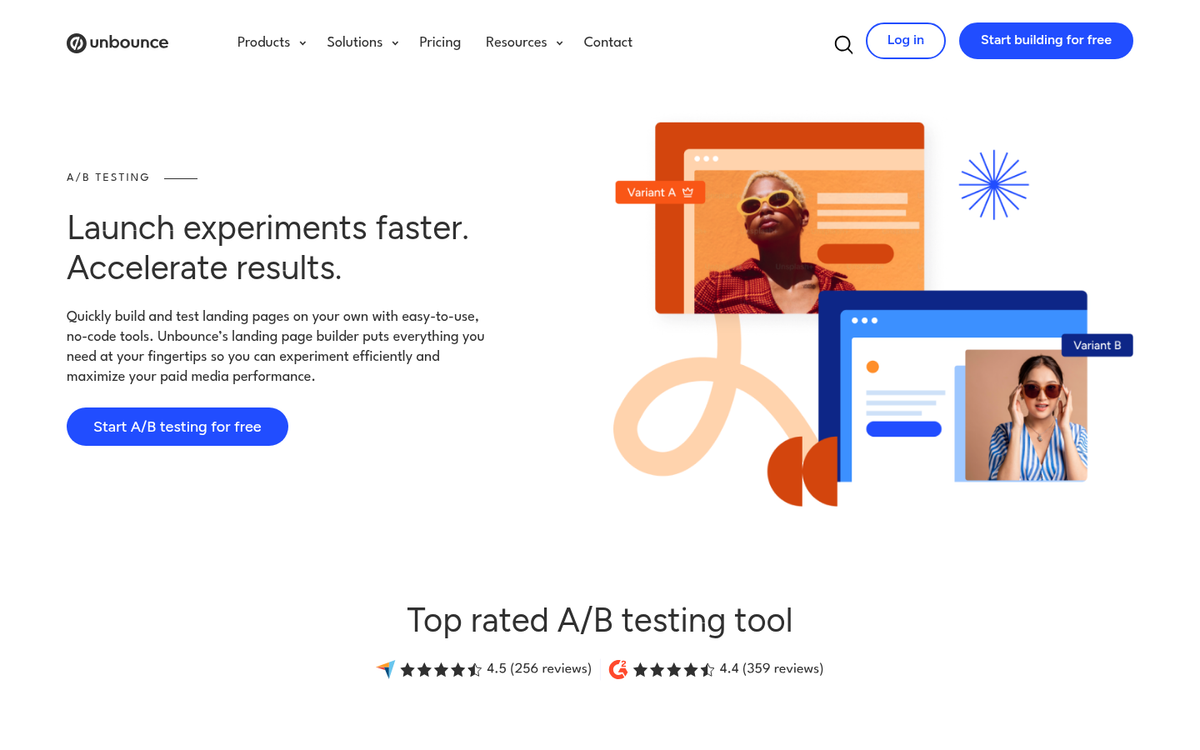
I get it, you don't want to talk down to your users. I don't either. It's never a good idea to be condescending or make your readers feel like you're treating them as completely ignorant. On the other hand, you can't just leap into your product pitch by spouting jargon that sounds like it was generated by a corporate buzzword machine.
Try to write the copy on your landing page in a few different ways, for different levels of users. Consider a beginner, an intermediate, and an advanced user, and write copy for each of them. By testing this, you can find out the skill levels of your users and tailor your support as well.
3. Anticipate Problems

Your sales funnel is going to have friction. There are going to be roadblocks between you and converting your users. Testing can only alleviate so much of this. What you should be doing is studying the drop-off in your funnel and figuring out what the sticking point is. Figure out just what is driving users away, and address that problem immediately and up-front. Solve it whenever possible, and offer that solution front and center, so users have their fears addressed before they even realized they were fears.
4. Test Indicators of Trust
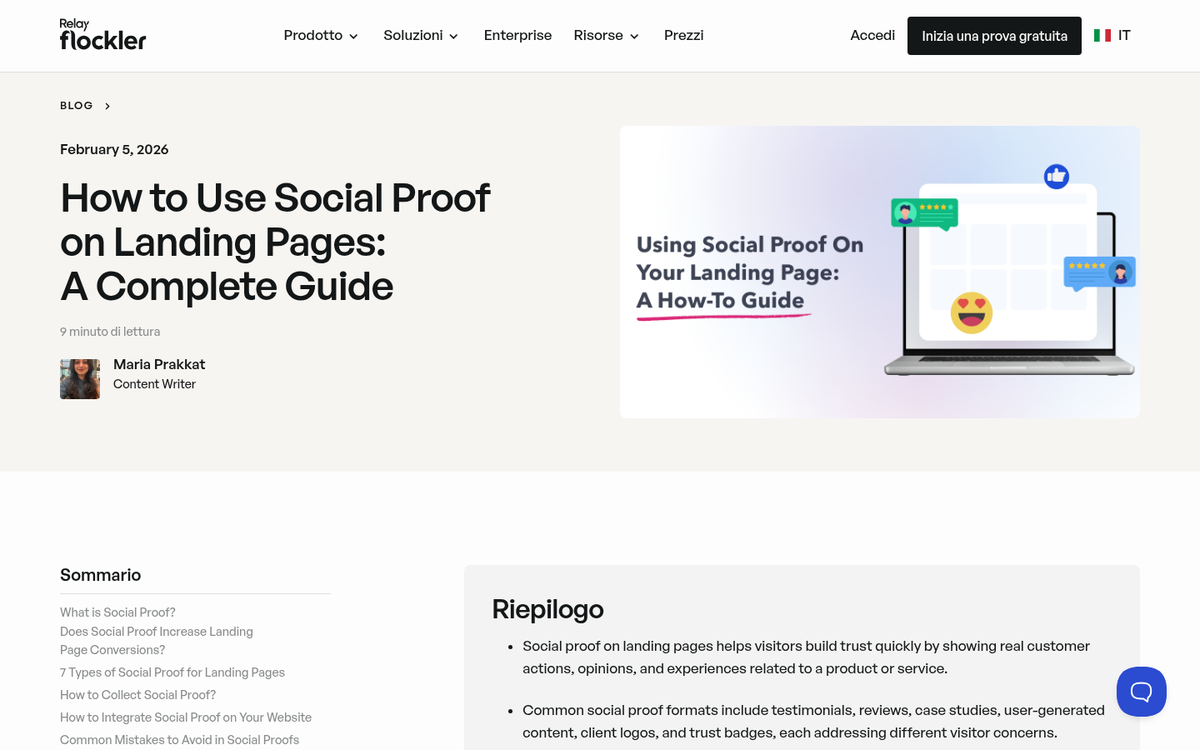
There are a number of ways you can add trust and social proof to a landing page - and the data here is hard to ignore. According to research from Northwestern University, customer reviews and quotes can increase conversion rates by as much as 270%. Even standalone testimonials can lift conversions by around 34% when used properly. Meanwhile, 92% of customers read reviews before buying, and 72% say positive testimonials increase their trust in a business.
With that in mind, test different ways of presenting social proof: testimonials, star ratings, client logos, case study snippets, user-generated content, and third-party review platform badges are all worth experimenting with. What resonates most will vary by audience and industry, which is exactly why testing matters.
5. Streamline the Purchase Process
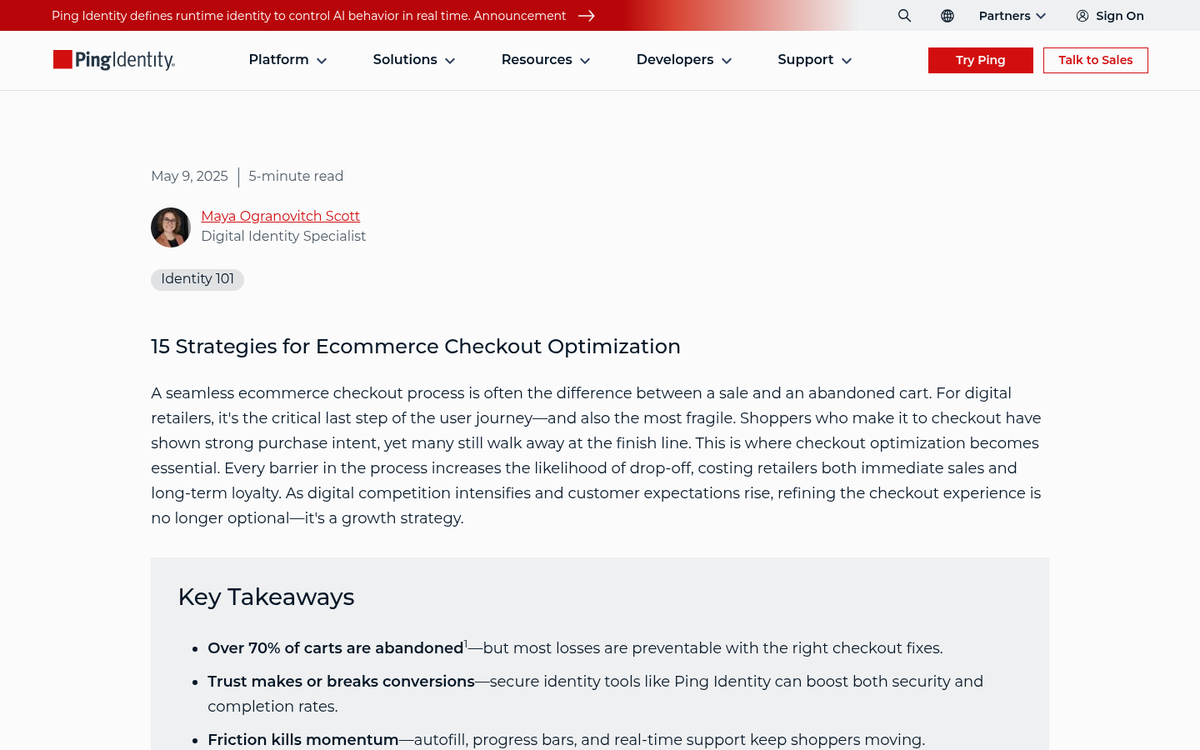
Consider this: every additional step a user has to take between landing on your page and checking out is a step that includes a drop-off in conversion rate. The numbers back this up - around 69% of shoppers abandon their carts before completing a purchase. How many clicks does a user need to make, how many forms do they need to fill out, in order to buy? Do everything you can to ease these roadblocks.
One of the most striking examples of this comes from Expedia, which made an additional $12 million per year simply by removing one unnecessary form field. Every field you ask users to fill out is a potential exit point. Audit your checkout process ruthlessly.
You should also consider saving payment and shipping information to make things easier for repeat customers, but weigh that against the friction of forced account creation. Making users create accounts before they purchase can hurt new customer conversions, while helping repeat buyers. Test which approach works better for your audience over the long term.
6. Minimize Distraction
One mistake I see on landing pages fairly often is too many ways to leave the page. Ideally, a landing page is almost a trap; there's only one way to get out, other than hitting the back button or closing the window, and that's to fill out a form or convert in some way. If you have navigation links, footer links, links to studies or external content, anything else - each one is a potential exit that isn't a conversion. Minimize these wherever possible.
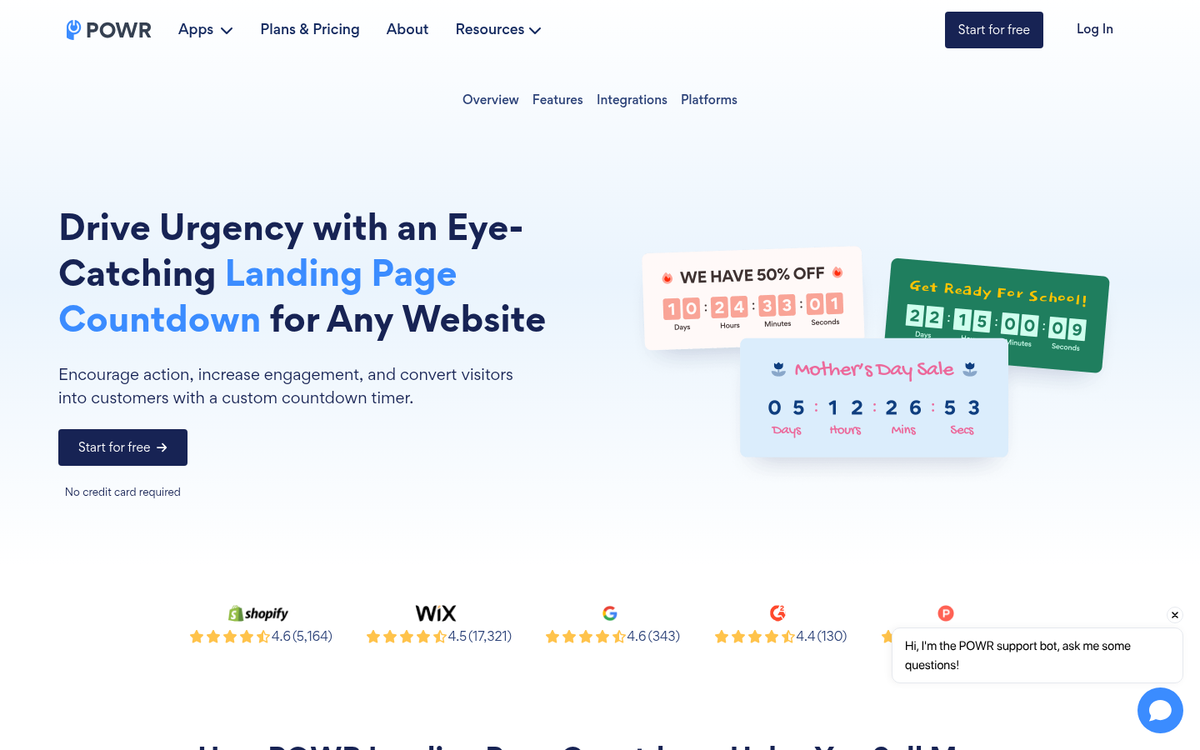
One additional tactic worth testing here is urgency. A survey by Whichtestwon found that countdown timers increase revenue by an average of 9%. Whether it's a limited-time offer, low stock messaging, or a sale deadline, genuine urgency can meaningfully reduce the hesitation that sends users clicking away.