





Mistake #1 that new affiliate marketers make is to get their first affiliate link and start posting it everywhere online they know. The sites and social groups you frequent aren't likely to be composed of the kinds of people who want those products. They're either not interested or too savvy to click through just for you. You need better, more strategic means of promotion - and that's exactly what this guide covers.
Key Takeaways
- Building a quality niche site with genuinely helpful content is the most critical foundation for successful ClickBank affiliate marketing.
- Posting affiliate links randomly across familiar sites is ineffective; strategic promotion through targeted channels drives real conversions.
- Email lists are among the most valuable affiliate assets, unaffected by algorithm changes and ideal for nurturing repeat conversions.
- Video content is underused by affiliates despite offering dual visibility by ranking in both YouTube and Google search simultaneously.
- Staying focused on a narrow niche increases competitiveness; branching into unrelated products should mean building a separate site instead.
Make a Quality Authority Niche Site

This is the first and by far the most critical step. Google has a long history of penalizing affiliate marketers for manipulative or low-quality tactics, many of which have been labeled black hat over the years. That scrutiny has only intensified with the rollout of Google's Helpful Content updates and the ongoing emphasis on E-E-A-T (Experience, Expertise, Authoritativeness, and Trustworthiness).
These days, to be considered a legitimate affiliate marketer and not a spammer, you need a high-quality site packed with genuinely useful content. Your affiliate links need to be clearly disclosed wherever they appear - not just because Google expects it, but because the FTC requires it.
A lot of this involves the next tip. More of it involves knowing your products, knowing the people who want to buy your products, and knowing how to attract them. The same, in other words, as any other form of marketing.
Write Quality Content

A lot of your traffic as an affiliate will come through organic search, provided your site is focused enough, your content is genuinely helpful, and you've earned your rankings the right way.
To earn those rankings, you should be maintaining a blog with consistent, well-researched content. You can write it yourself or hire writers, but the quality needs to be above average. Duplicated content, AI-generated fluff with no added insight, and thin pages that exist only to push a link will all get you penalized or buried. Google's Helpful Content system is specifically designed to demote pages that exist for search engines rather than real readers.
You don't need to post every day. Once or twice a week is enough to signal that your site is alive and active. What matters more than frequency is depth - cover your topic thoroughly, answer real questions, and demonstrate that you actually know what you're talking about.
Google PPC

Google Ads gives you access to one of the largest advertising networks on the planet, spanning search results, YouTube, Gmail, and millions of partner sites. The key rule: write ads that point to your site or a dedicated landing page, not directly to your affiliate links. Google's policies around affiliate advertising have tightened considerably, and sending traffic straight to a vendor's page through an affiliate link is a reliable way to get your account flagged.
Write and test multiple ad variations for different keywords, study the results, optimize, and iterate. Don't be afraid to explore, but keep a close eye on your cost-per-click versus your commission rates. If you're earning $15-$50 per sale through something like ClickBank, your ad spend math needs to work accordingly.
Facebook and Instagram PPC
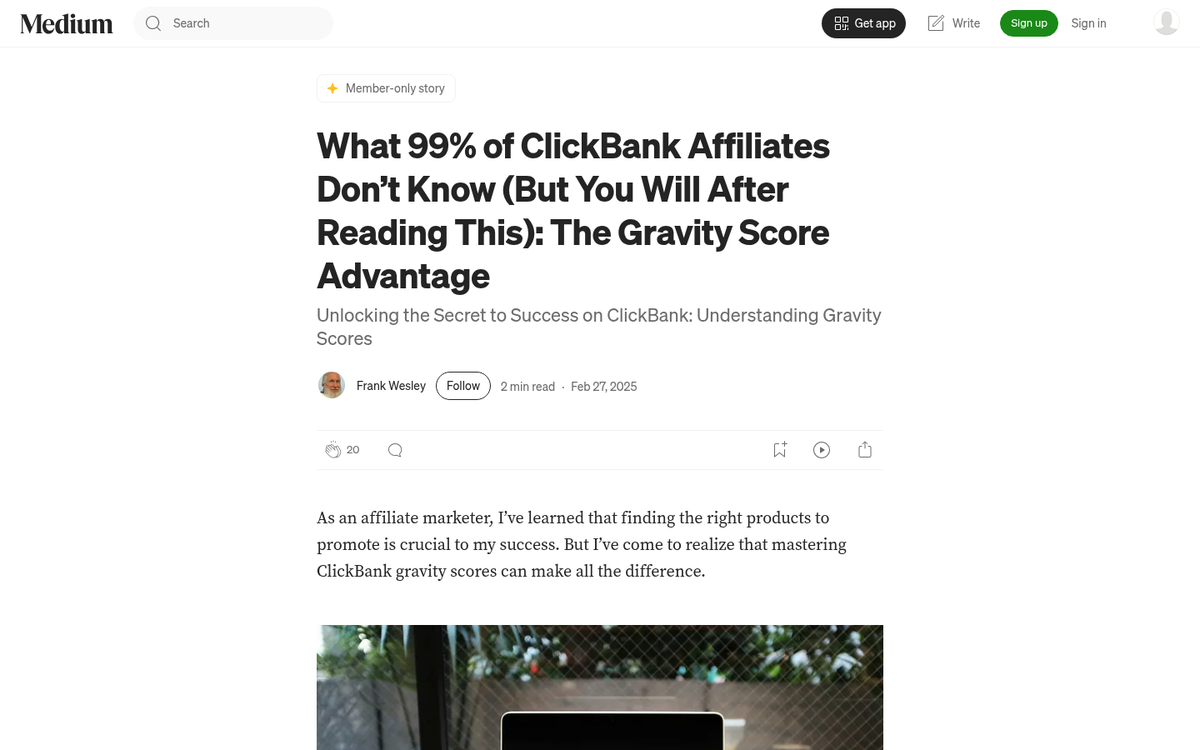
Meta's advertising platform - covering both Facebook and Instagram - remains one of the most powerful tools in an affiliate marketer's arsenal. The targeting capabilities are extraordinary. You can zero in on specific demographics, interests, behaviors, and life events, which gives you real insight into how your ideal audience thinks and shops.
Use Meta's Lookalike Audiences feature to expand your reach based on people who already converted. Test creative formats aggressively - static images, carousels, and short-form Reels all perform differently depending on your niche. What works on Facebook may not work on Instagram, so don't assume one creative fits both placements. If you're using Facebook specifically for affiliate promotions, check out 30 ways to use Facebook for affiliate marketing to get more out of your campaigns.
Stick to Small Product Niches
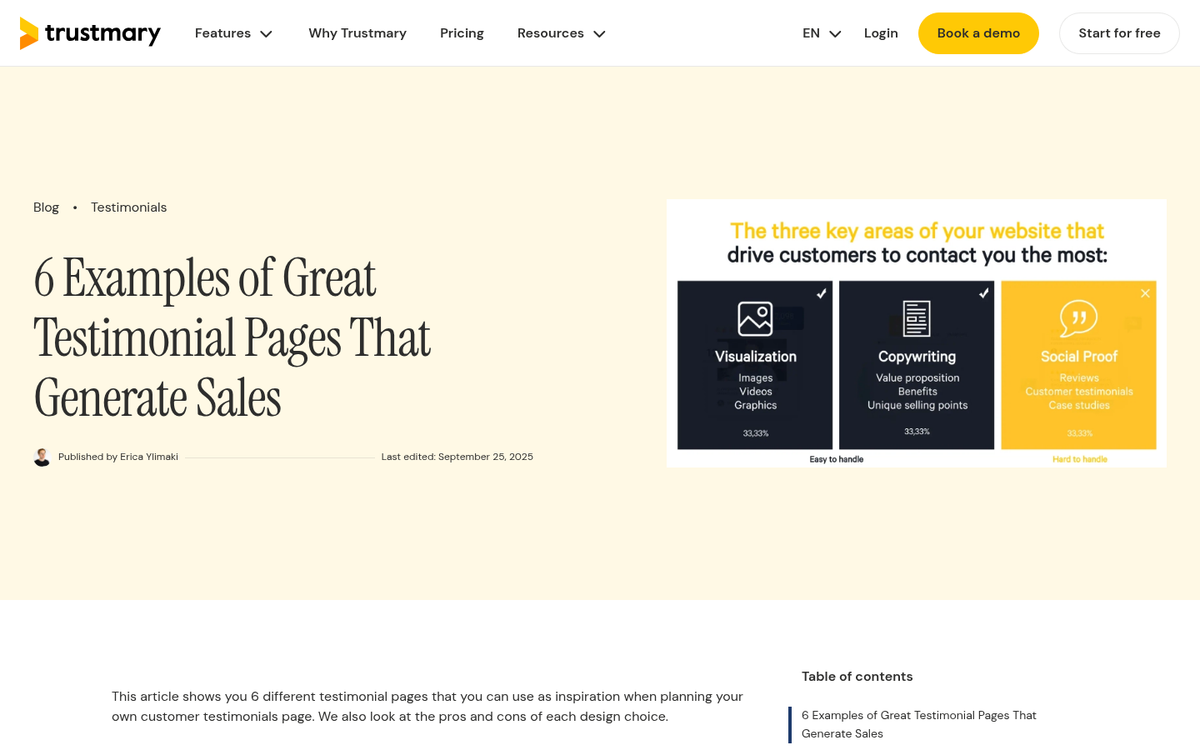
If your niche is narrow, you can focus like an arrow and punch through the competition. If you spread out and keep your site too unfocused, you'll have all the penetrating power of a pillow. If you find yourself wanting to branch out into unrelated products, build a new site in a new niche instead of diluting the one you already have.
When evaluating products on platforms like ClickBank, pay attention to the Gravity score - it tracks the number of affiliates who earned a commission promoting a product over the past 12 weeks. A healthy Gravity score tells you a product is converting in the real world, not just on paper.
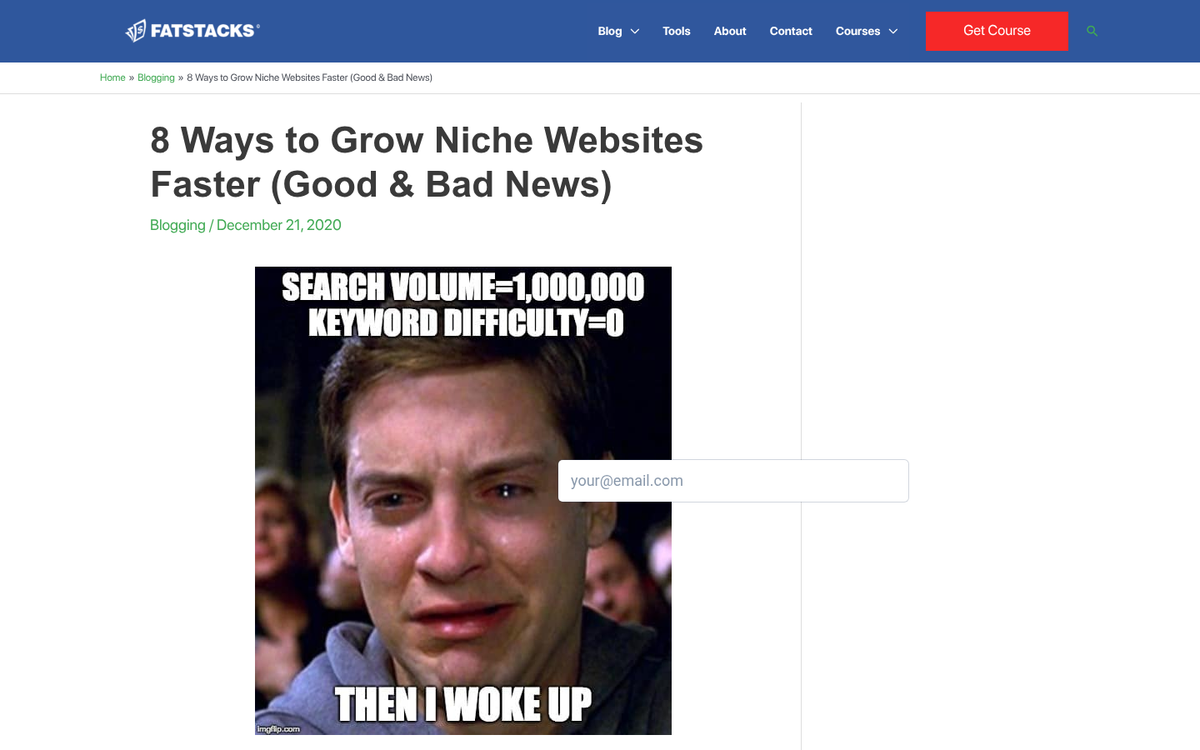
Include Testimonials

After someone makes a purchase through your recommendation, follow up a few days later and ask about their experience. If they're happy, ask whether you can feature their testimonial on your site. Real testimonials from real people are far more persuasive than anything you could manufacture - and fabricating testimonials isn't just ineffective, it's a potential FTC violation. Don't do it.
Write Product Guides
Unless all you're selling are digital downloads, you can almost certainly create useful tutorials around your products. Even something as simple as a dietary supplement gives you room to write about nutrition, workout plans, and lifestyle habits. These evergreen guides attract readers who aren't ready to buy yet but can be nurtured toward a purchase over time. Done well, they also rank in search and keep delivering traffic long after you've moved on to other content.
Write Supplementary Material
This is the other side of the coin from evergreen guides. When you're running a niche site, your content needs to stay tightly focused - but that doesn't mean you'll run out of things to write about. Any topic has enormous depth. Cover the history of the product or industry, explore controversies, break down the technology or science behind how things work, and go places your competitors haven't bothered to go. You're not broadening your content base; you're digging deeper into it.
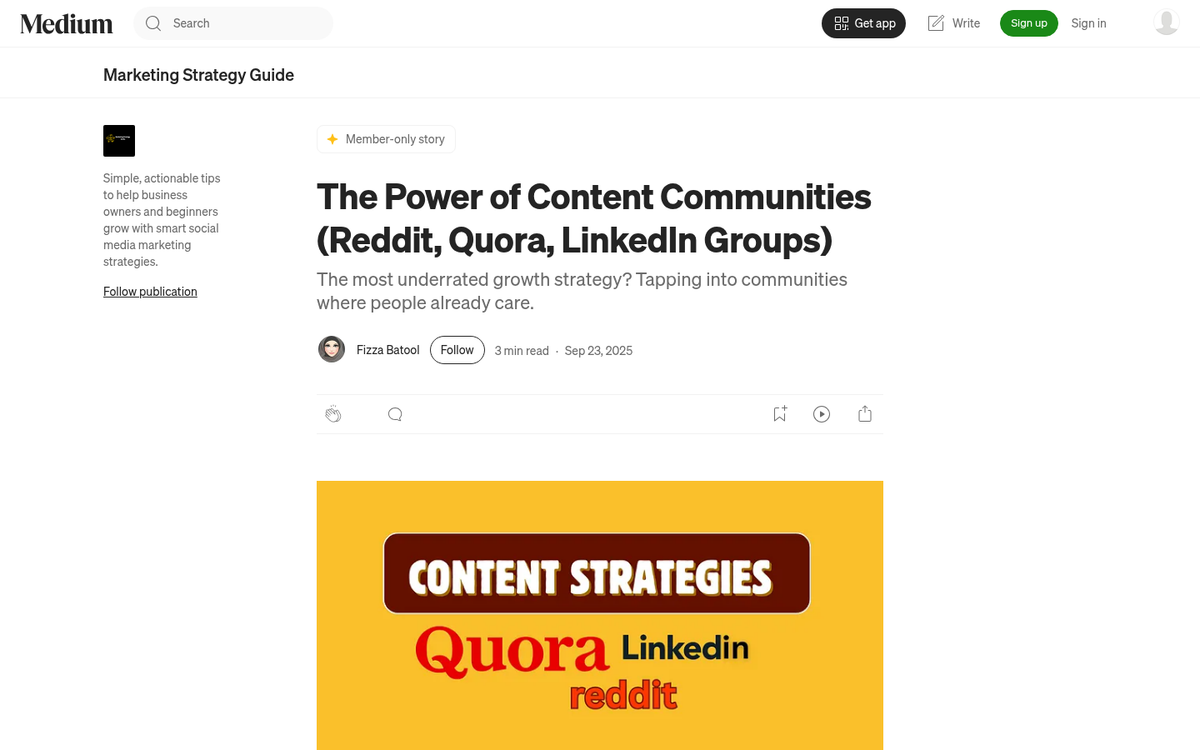
Promote in Industry Communities
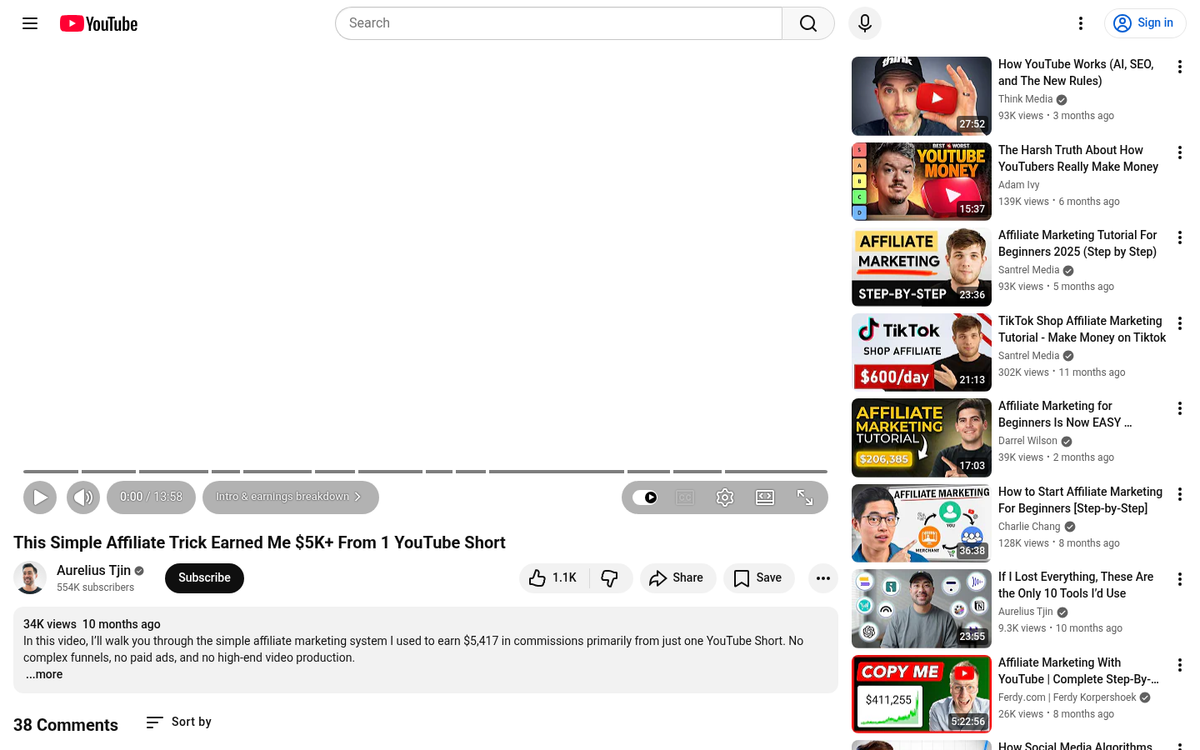
Your product is part of an industry, and that industry has communities online. There are subreddits, web forums, Facebook groups, LinkedIn communities, Discord servers, and Quora spaces dedicated to almost every niche imaginable. Quora alone receives more than 775 million visits every month according to SimilarWeb - that's an enormous pool of people actively searching for answers in your niche.
Participate genuinely in these communities. Post your link in your profile or signature where allowed, and share links to helpful blog posts rather than product pages when contributing to discussions. The goal is to be seen as a helpful resource, not a walking advertisement.
Use Social Media
Even in a narrow niche, you can find real value on Facebook, Instagram, Pinterest, TikTok, and YouTube. Pinterest in particular is underestimated - it receives an estimated 1 billion visits per month according to SimilarWeb, and its users are often in an active discovery and buying mindset, making it especially effective for product-focused affiliate content.
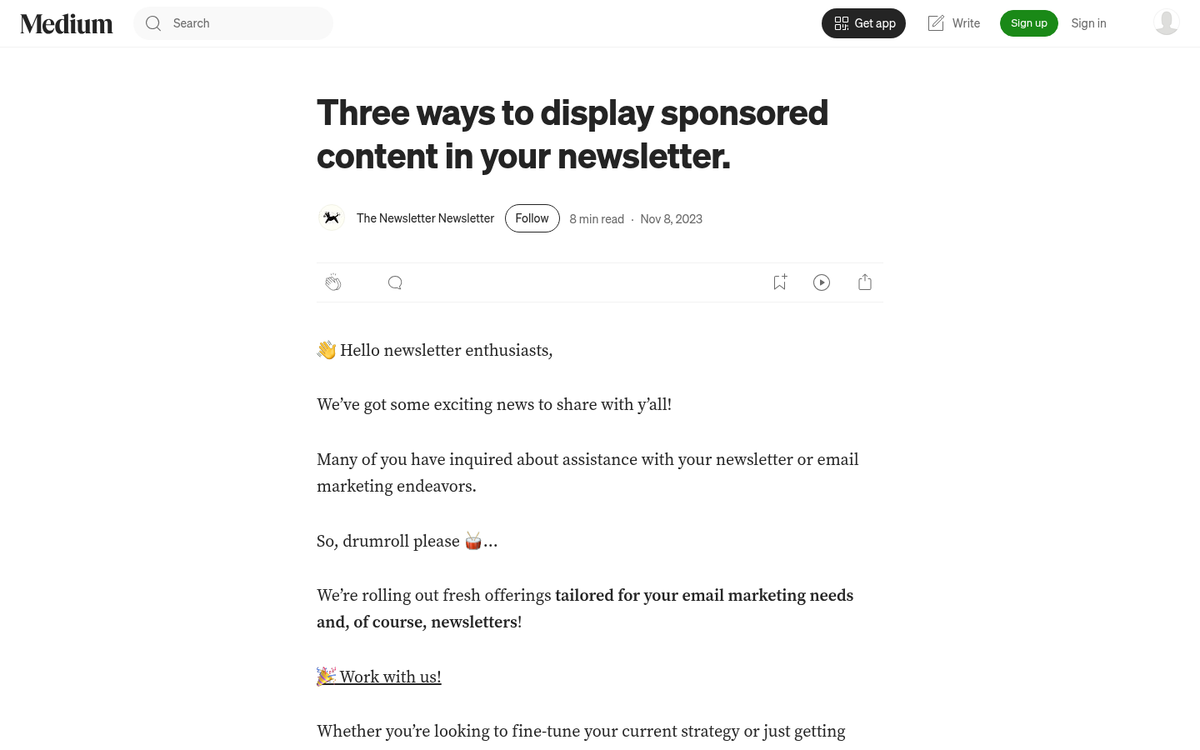
TikTok and YouTube Shorts have also become legitimate traffic drivers for affiliates, particularly in lifestyle, health, finance, and tech niches. Short-form video content that genuinely helps or entertains can reach audiences that traditional search-based content never will. If you're considering increasing your views on YouTube, there are proven strategies worth exploring to grow your presence on the platform.
Rent Email List Space
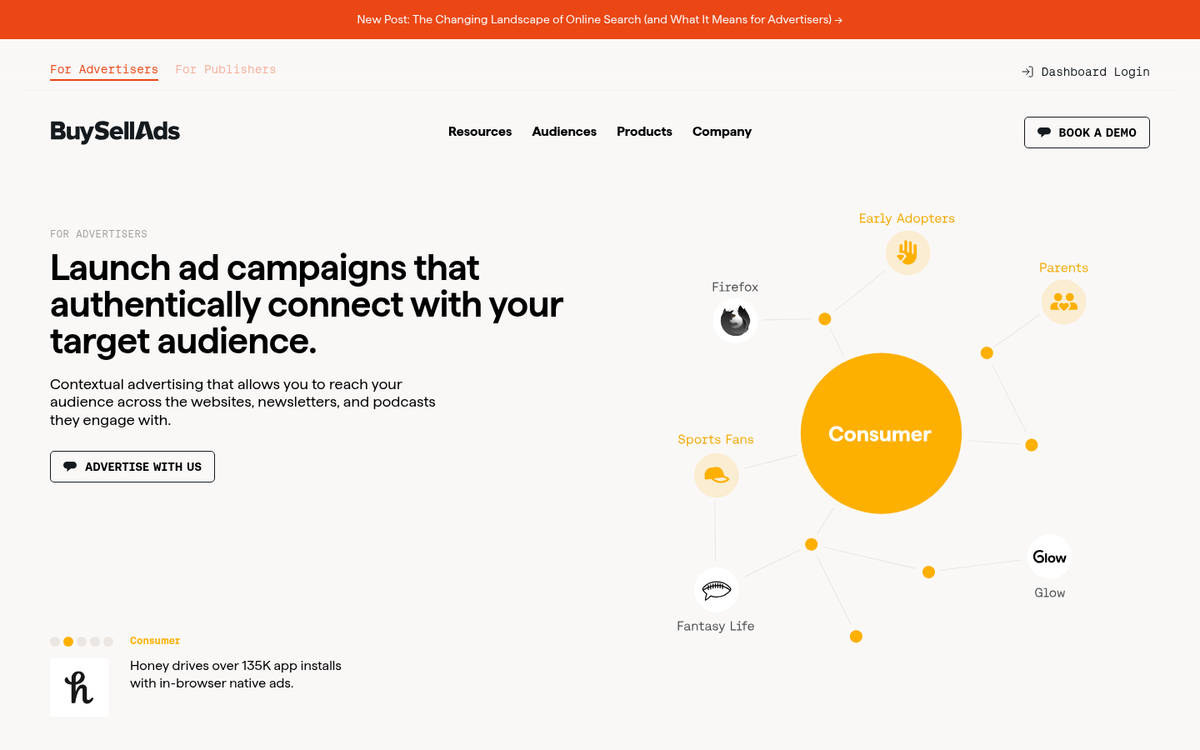
You can partner with other businesses or newsletters in your industry and pay for a sponsored placement in their email sends. This is perfectly legitimate, scalable, and invisible to Google - which neither indexes nor controls private email communication. Niche newsletters in particular often have highly engaged, trust-based audiences that convert well on relevant recommendations.
Buy Ad Space Directly
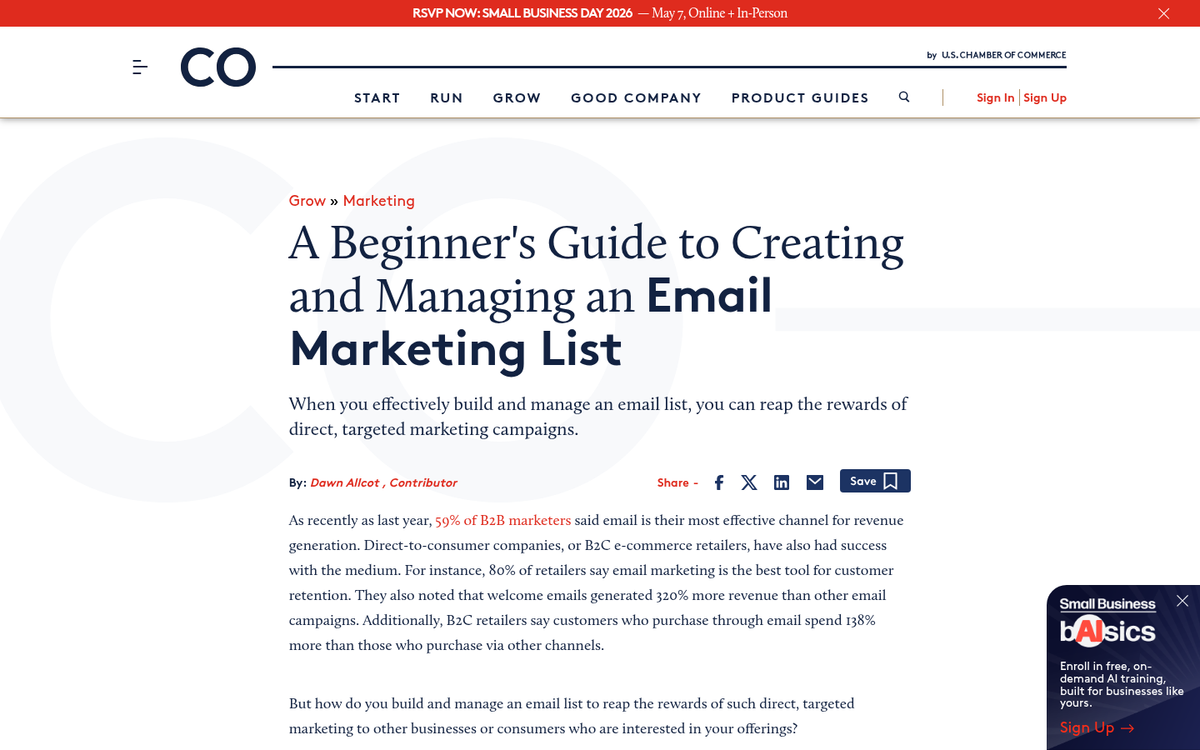
Platforms like BuySellAds still exist, but the broader strategy here is buying ad space directly on relevant sites in your niche. Reach out to site owners, negotiate a banner placement or sponsored post, and funnel that traffic to your own landing pages. It's a more manual process than programmatic advertising, but it can deliver highly targeted visitors at a reasonable cost.
Build a Mailing List

An email list is one of the most valuable long-term assets an affiliate marketer can own. Unlike search rankings or social algorithms, your list doesn't disappear when a platform changes its rules. Use it to promote offers, nurture returning readers, and build the kind of ongoing relationship that drives repeat clicks and conversions. If you haven't started building a list yet, start today - it's the one thing every experienced affiliate marketer wishes they'd done sooner.
Write Promotional Ebooks
Just because you're selling affiliate products doesn't mean you can't create and sell something of your own. An ebook is a natural extension of the content you're already writing for your blog. Bundle your best guides, go deeper on a specific topic, and sell it directly or use it as a lead magnet to grow your email list.
Make Video Content
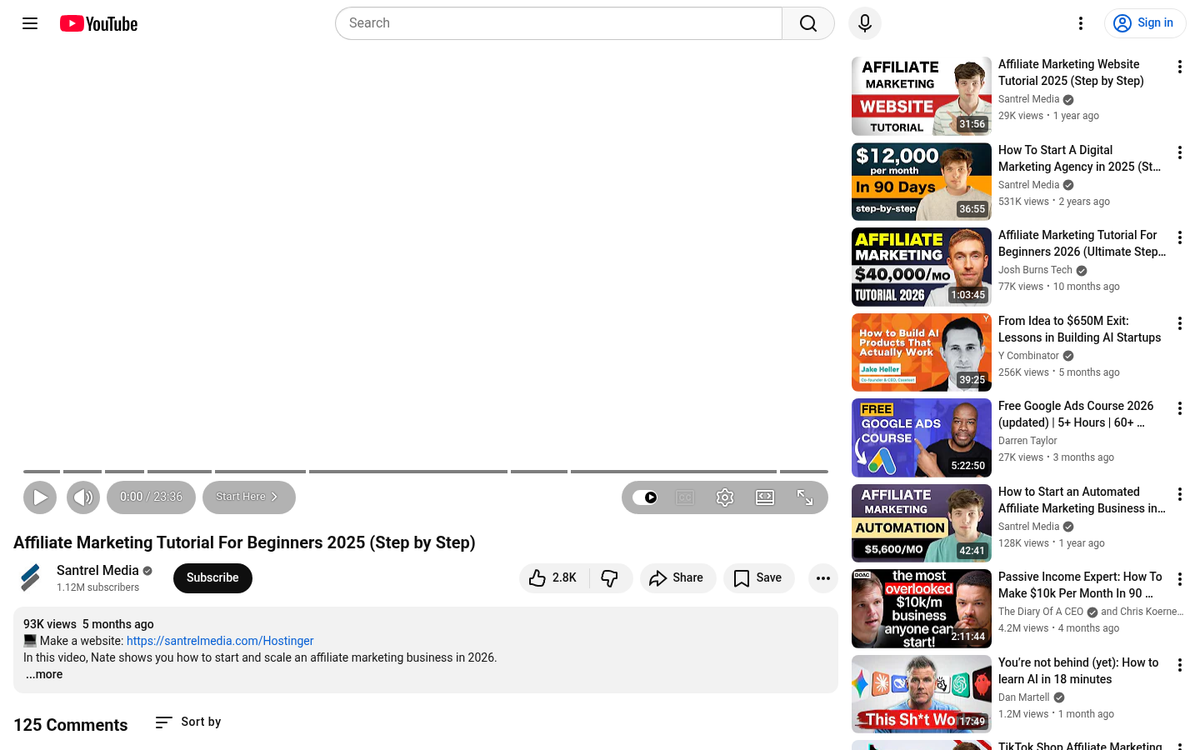
Video remains criminally underused by affiliate marketers who stick purely to written content. A well-produced review, tutorial, or comparison video on YouTube can rank in both YouTube search and Google search simultaneously - essentially doubling your visibility for the same piece of content. You don't need a studio or expensive equipment; a decent camera, good lighting, and clear audio are enough to get started. Post to YouTube as your primary platform, then repurpose clips for Instagram Reels, TikTok, and Facebook. Working together with your written content, video turns your site into a full conversion ecosystem rather than a single-channel operation. Consider checking out our tips for growing your YouTube channel to maximize the reach of your video content.


2 responses
Thoughtful replies only - we moderate for spam, AI slop, and off-topic rants.
Wow many things i did not know. I started my blog a month ago about making money online. But i see myself typing about many different things. I will try to focus on a topic and write as much as i can about it before moving to the next. Thanks a lot for the information. I am not getting any visitors yet but still working hard.
Hey Ronald! It's great that you're already recognizing the importance of staying focused on a specific topic - that's a huge step in the right direction! Niche focus really does make a difference for both SEO and building a loyal audience. One month in is still very early, so don't get discouraged about traffic yet. Keep creating quality content consistently and the visitors will start coming. Patience is key in this game! Keep up the hard work and you'll start seeing results soon. Best of luck with your blog!