Rome wasn't built in a day, but neither did it cost even a single dollar. Okay, so the reason for that is because it was built centuries before the dollar was invented, and it certainly required some form of currency, but that's beside the point. The point is, your business is Rome, and you can build it cheap. The term "guerrilla marketing" was coined by Jay Conrad Levinson back in 1984, and decades later it's more relevant than ever for bootstrapped businesses. The average guerrilla campaign costs just $1,000, reduces overall marketing costs by nearly 90%, and can generate up to 50 times its original investment according to Entrepreneur. The numbers don't lie - all you need is some savvy, some time, and a willingness to get creative. I'll give you plenty of tips, but you have to promise not to harp on about the poor Rome metaphor before you read on.
Key Takeaways
- Guerrilla marketing averages $1,000 per campaign, cuts marketing costs by 90%, and can generate 50x return on investment.
- Small CTA tweaks like first-person copy, color changes, and urgency can meaningfully improve click-through rates without significant cost.
- Rewarding both referrers and referred users-like Dropbox did-turns existing customers into active recruiters naturally.
- Tracking early cancellation signals like login drops and email disengagement lets you intervene before users mentally move on.
- Surprising random users with unexpected gifts or free months drives memorable word-of-mouth, especially in niche communities.
1. Use a Scrolling Sign-Up Bar
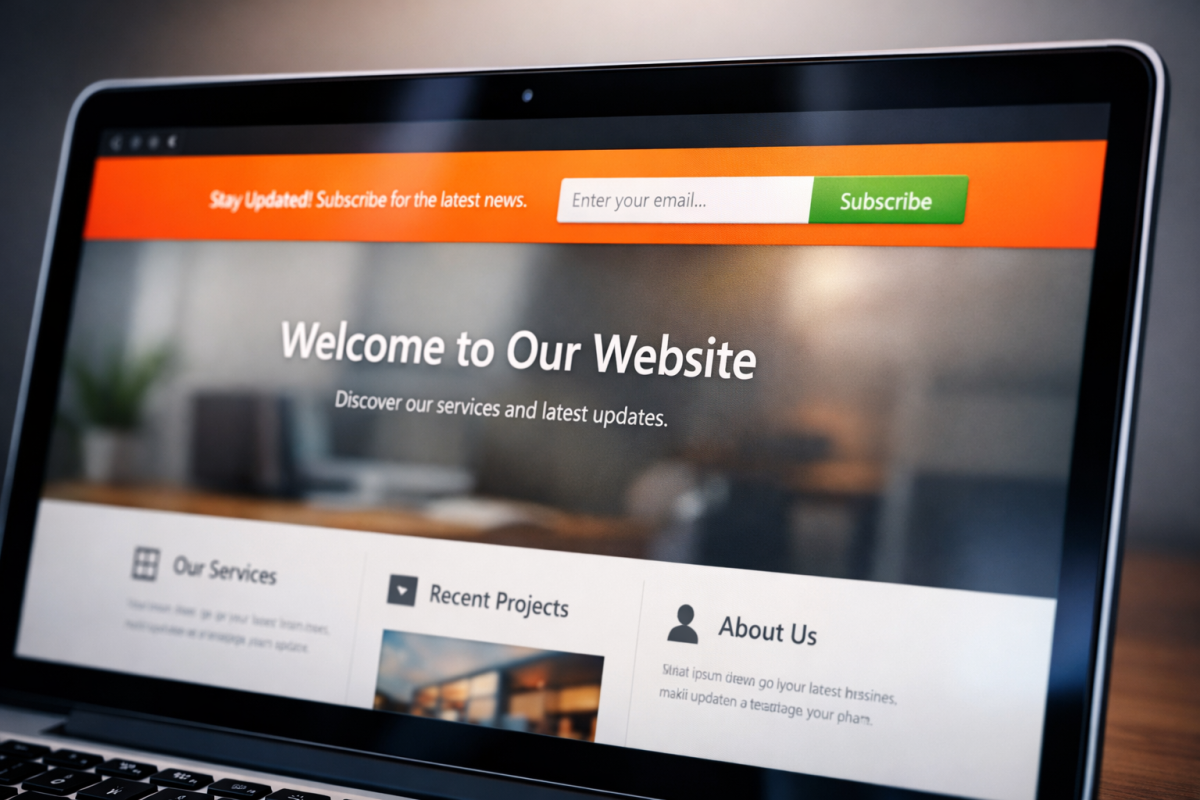
You want to make it as easy as possible to acquire new customers. Do this by making it as easy as possible to sign up from any place on your web page. This means going beyond just having a signup page in your top navigation or footer; make the thing follow users as they scroll. A nice, thin, colored bar across the top with a signup form is just the thing. Make sure it only displays for users who aren't already members. Tools like Hello Bar or similar conversion bar plugins for your CMS of choice make this dead simple to implement in 2026. You can also check out 5 free alternatives to Hello Bar if you're looking for other options, or learn about whether scrolling calls to action are acceptable for SEO before you commit to this approach.
2. Add an Exit Intent Pop-Up
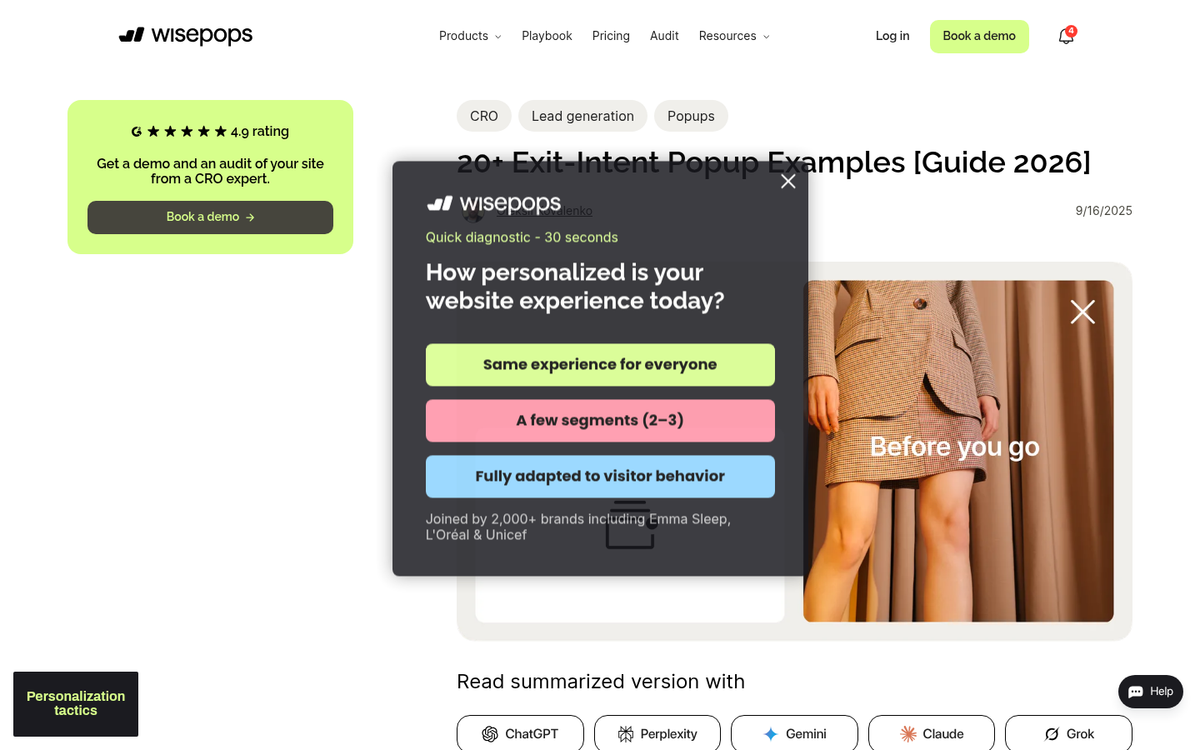
Exit intent pop-ups have come a long way and remain one of the highest-converting zero-cost tactics available. The script detects when a user moves their cursor toward the top of the browser - signaling they're about to leave - and triggers a lightbox overlay with your offer. Done right, with a compelling hook and a clear value proposition, these consistently recover a meaningful percentage of otherwise lost visitors. Tools like Wisepops, OptiMonk, and Klaviyo's built-in pop-up features make implementation straightforward even without a developer.
3. Fully Optimize Your Call to Action Button
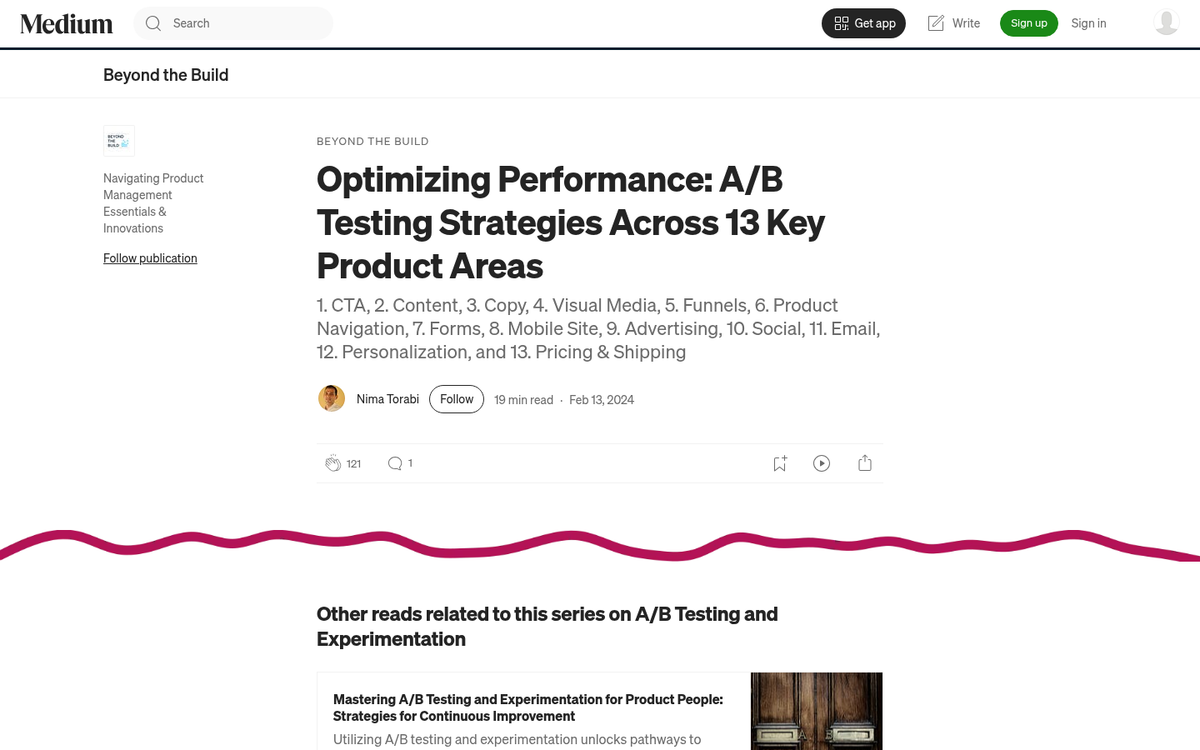
Small copy changes on your CTA button can produce outsized results. Writing in first person ("Start My Free Trial" vs. "Start Your Free Trial"), adding urgency, or even tweaking button color and placement can meaningfully shift your click-through rate. In 2026, AI-assisted A/B testing tools make it easier than ever to run these experiments at scale without a dedicated CRO team. Don't set it and forget it - your CTA should be something you're actively testing at all times.
4. Hijack Lists
Whatever your product is, there's generally something similar that has existed for some time. If there isn't, there are probably other products in the same industry that have been compiled into resource lists or "best of" roundups. Your job is to locate those lists, identify products that have died or been discontinued, and convince the list creator to substitute your product. If there's no clean substitution, ask to be added. With the volume of listicles published across blogs, newsletters, and AI-generated content hubs, there are more opportunities to do this in 2026 than ever before.
5. Personal Customer Support
Instead of funneling your customer support to an impersonal email address or a generic AI chatbot, give it a real human touch where it counts. In an era where most businesses are racing to automate everything, a founder or team member jumping into a live chat or hopping on a quick video call is genuinely memorable. 70% of customers say guerrilla-style personalized approaches feel more tailored than traditional advertising - and that extends to support. Use automation for the routine stuff, but be present for the moments that matter.
6. Send a Personalized Email After Signup
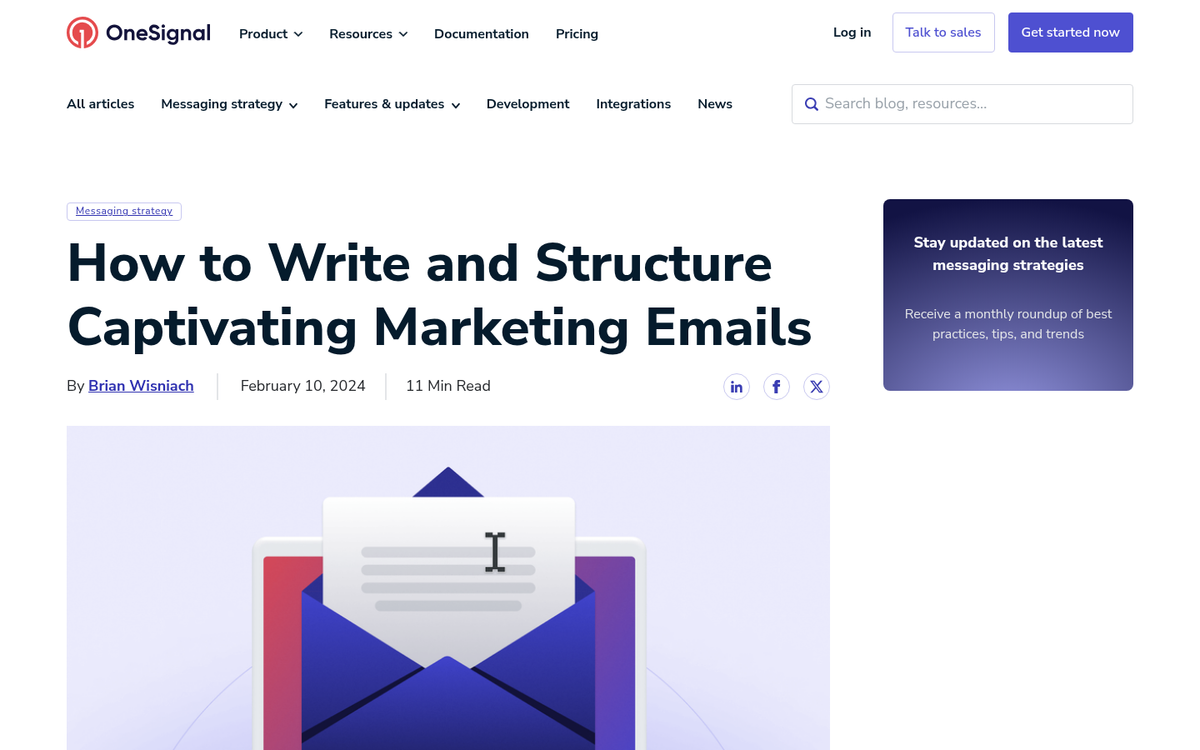
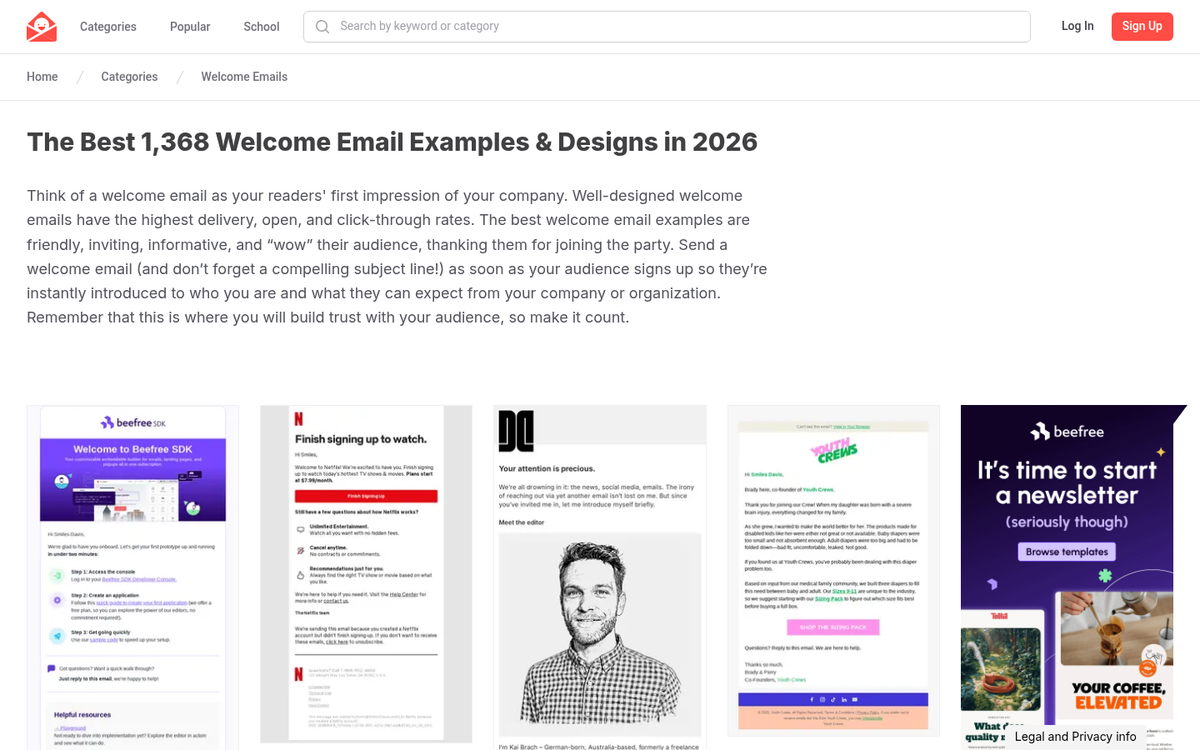
Once a user signs up, they're at peak receptivity. A quick, personal-feeling message - ideally appearing to come from a real person rather than a no-reply address - can dramatically improve early engagement. Ask them what brought them to you, what problem they're trying to solve, or what they were hoping to find. The replies will give you invaluable insight, and the conversation itself builds a relationship that generic onboarding sequences simply can't replicate.
7. Offer to Extend Free Trials
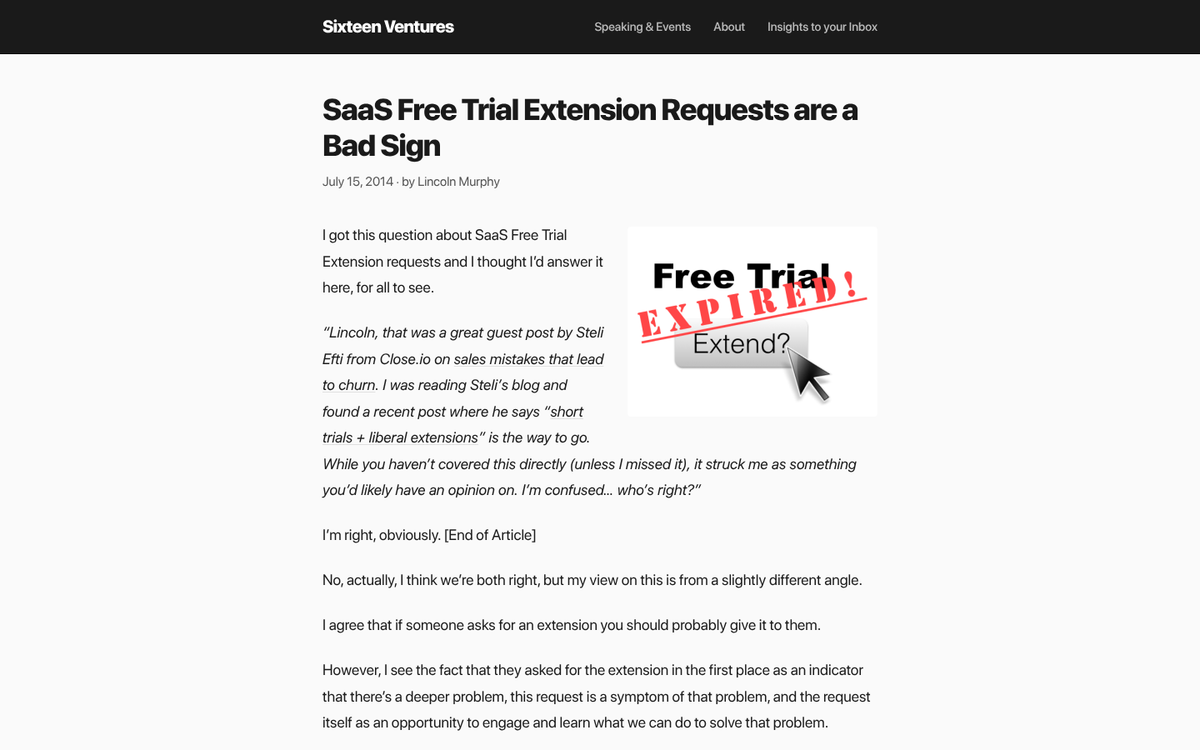
If your product or service lends itself to a free trial, a time-limited trial works wonders. When the trial is expiring but the user hasn't converted, reach out personally with an offer to extend it - perhaps in exchange for a quick feedback call or a written response. That open communication channel is your best shot at understanding the objection and addressing it directly. The data is clear: free trials work when they're actively managed, not just passively offered.
8. Front-Load the Positive
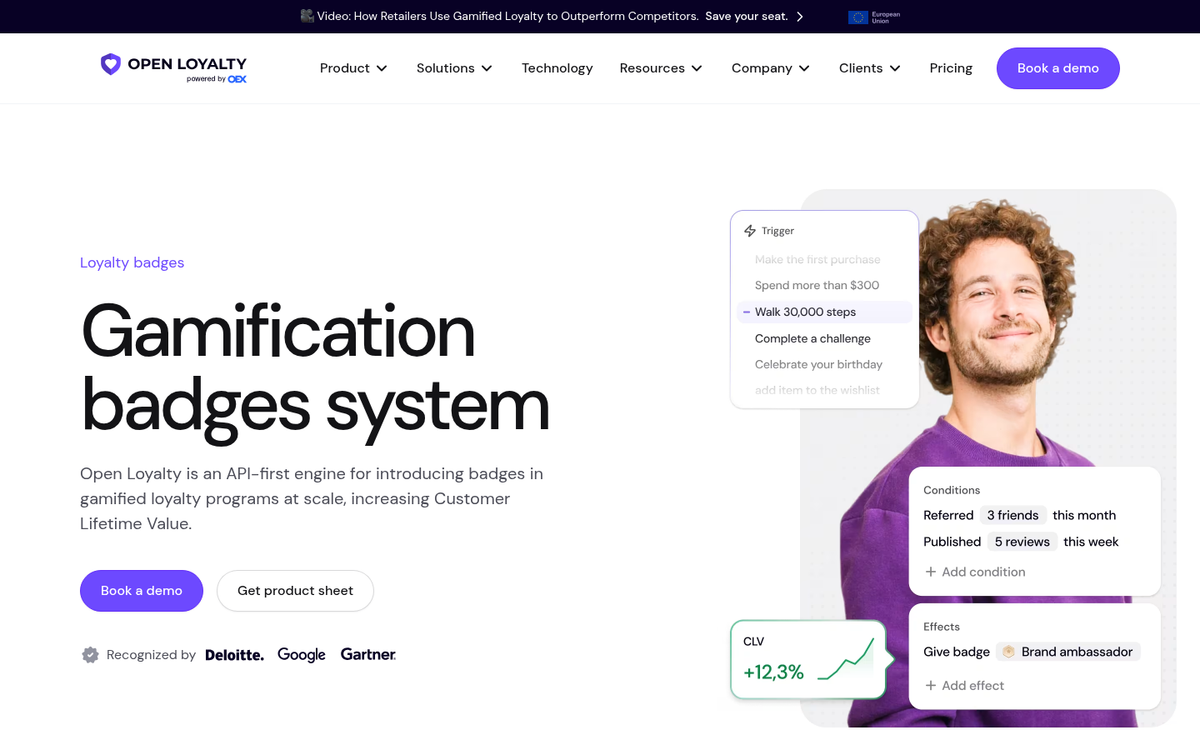
When you're communicating with your users - typically through email marketing services - you'll sometimes need to share mixed news. Whenever something negative needs addressing, bury it later in the message. Open with wins, updates, or value. Users who see something encouraging when they open your email are far more likely to keep reading, and far less likely to hit unsubscribe. Too much negative, delivered too early, kills engagement fast.
9. Surprise and Delight Your Users
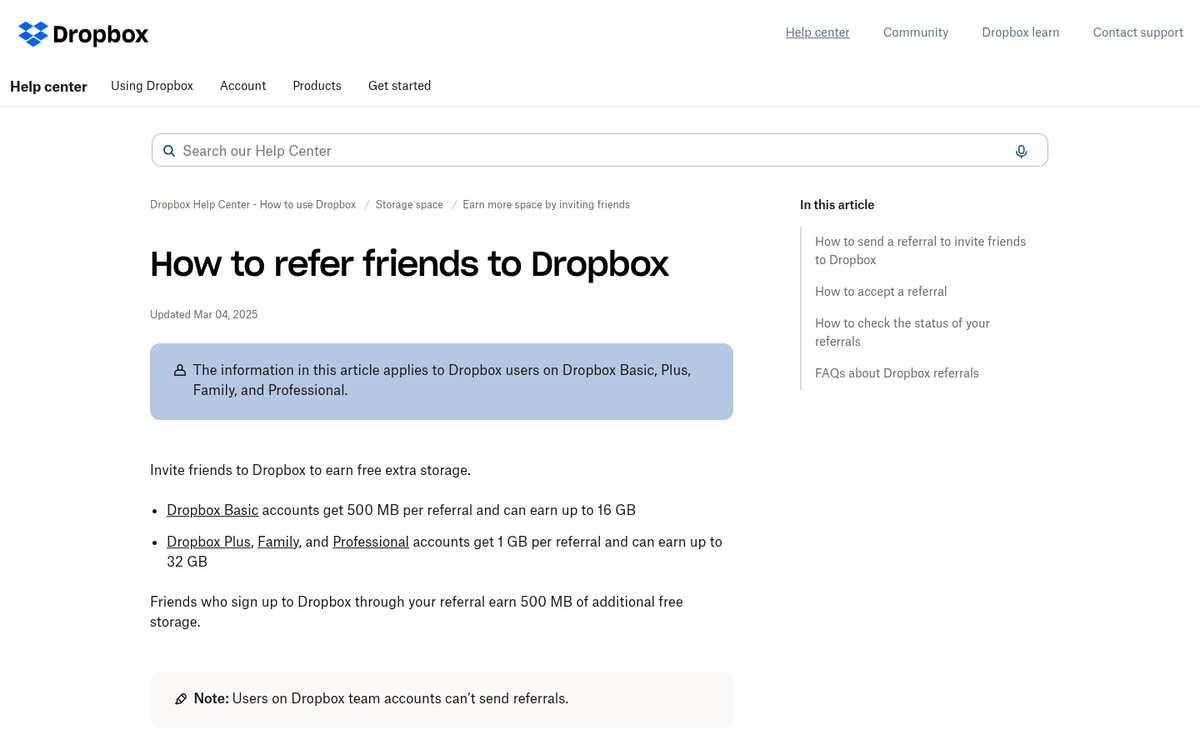
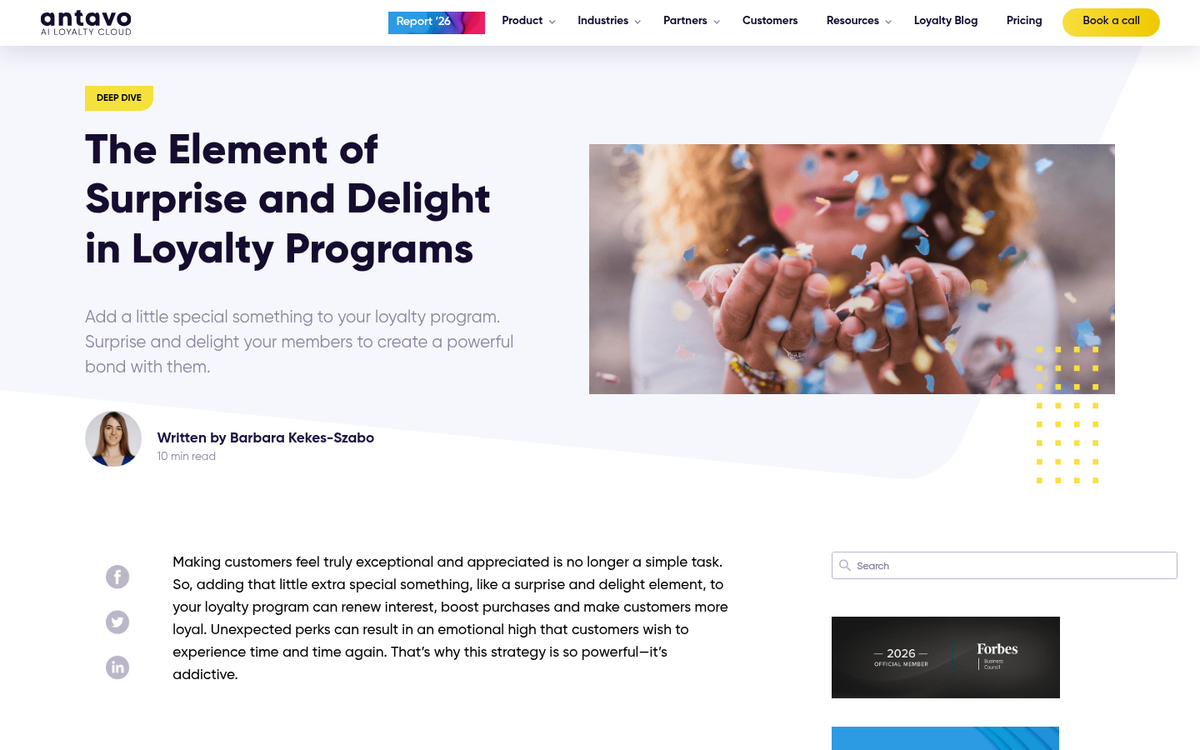
Every so often, select a random segment of your user base and send them something unexpected - a free month, exclusive content, a handwritten note, a small physical gift. The asymmetry of it is the whole point: they didn't earn it, they weren't expecting it, and that makes it memorable. Word travels, especially in tight-knit communities and niche markets. In a world of automated drip sequences, a genuine surprise stands out sharply.
10. Turn it into a Game
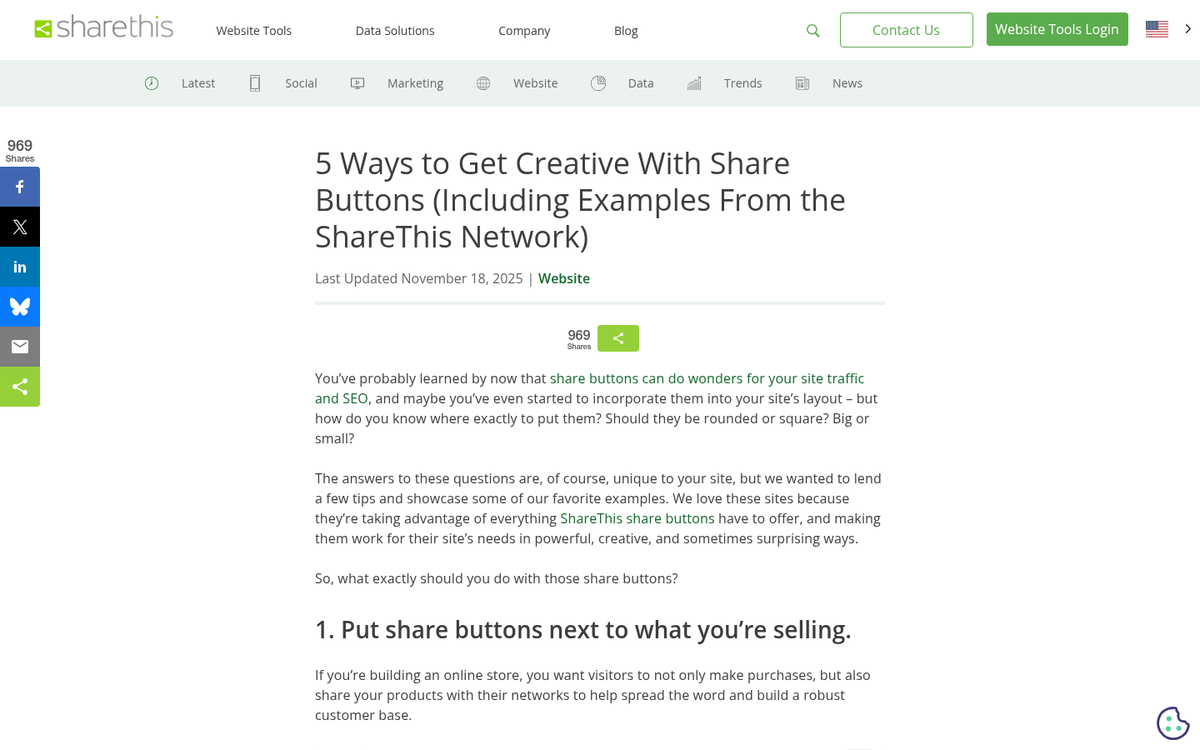
It doesn't matter what "it" is - gamify it. The easiest way to gamify your process is to allow users to earn badges, points, or status for various actions: completing their profile, referring a friend, leaving a review, hitting a usage milestone. Make those achievements visible to others and you've added a social incentive layer on top of the intrinsic one. Gamification has only grown more sophisticated since it first became a buzzword, and in 2026 there are affordable plug-and-play tools that make it accessible even for small teams.
11. Boost Referrals By Rewarding the Referred
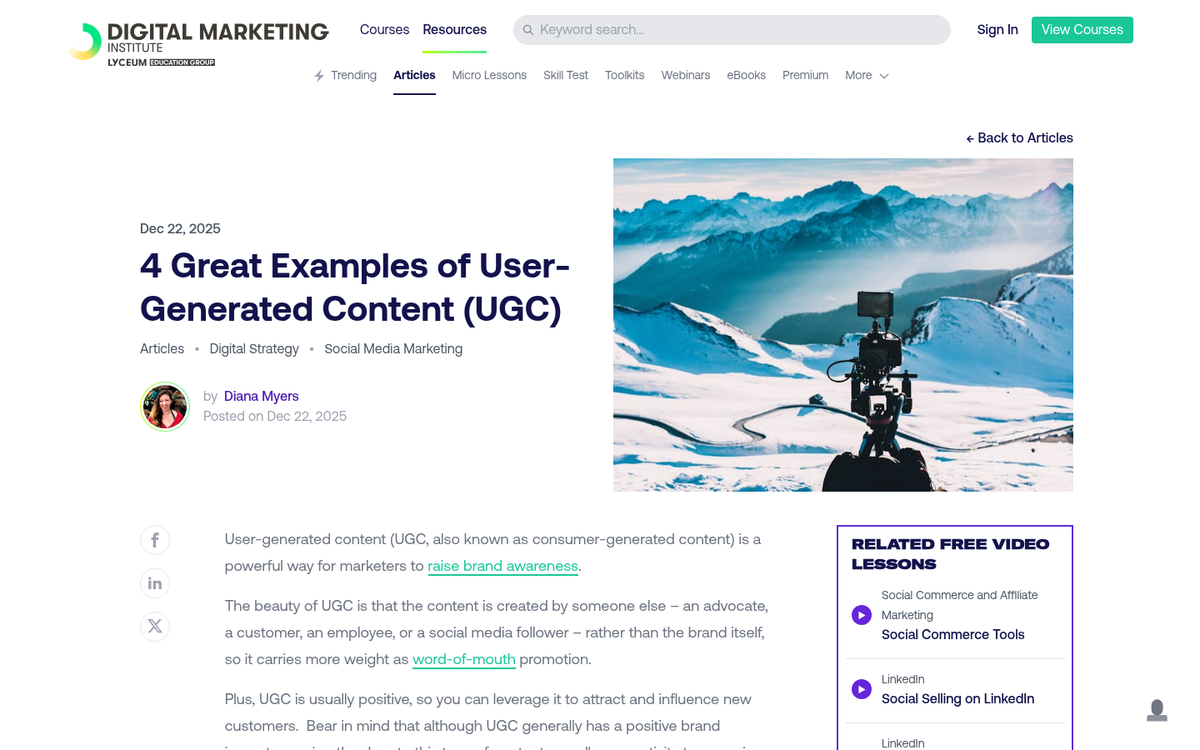
Dropbox built a significant portion of its early growth on referral incentives, and the mechanic still works. The twist that makes it especially powerful: reward not just the referrer, but the person being referred. If signing up normally gets you X, but signing up through a friend's link gets you X plus something extra, the incentive to seek out a referral link becomes obvious. It turns your existing users into active recruiters without feeling transactional. Learn more about growth hacks that increase sales to find even more ways to drive this kind of momentum.
12. Always Ask for Shares
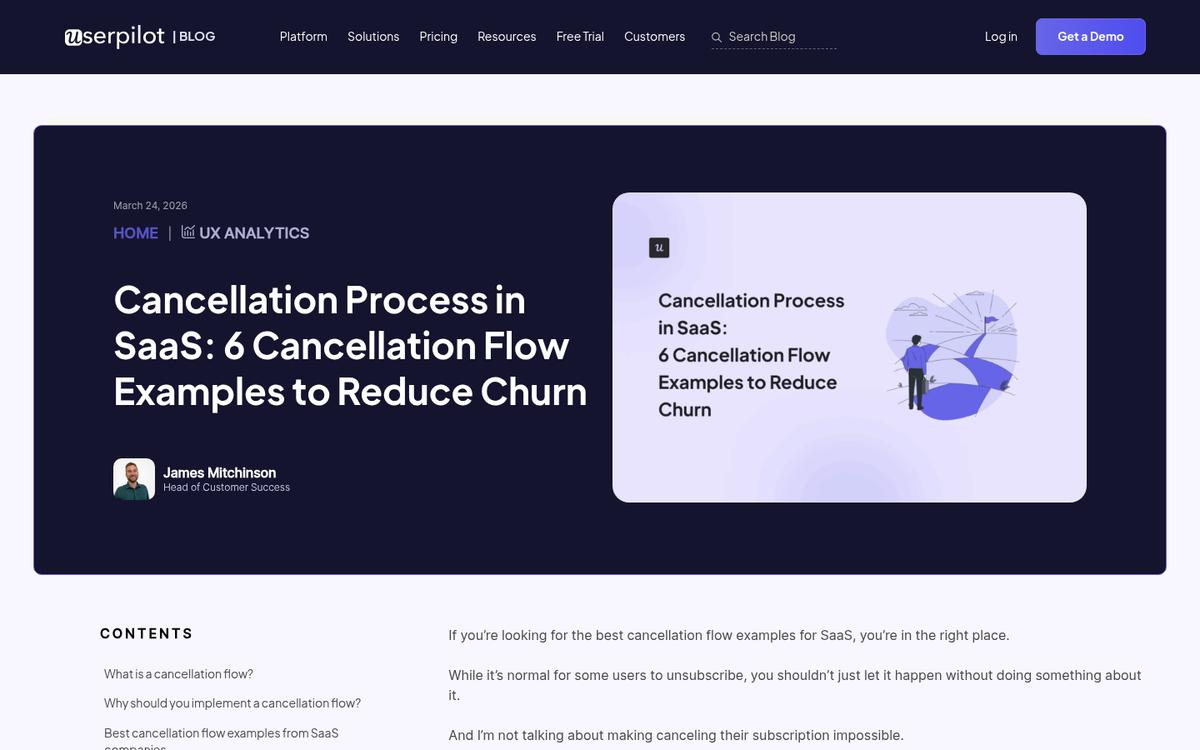
No matter what form of communication you're using - blog posts, newsletters, product update emails, social posts - include a direct ask for shares, reposts, or recommendations. It can feel uncomfortable, but the data consistently shows it works. People share when asked. Make it easy by including pre-written share copy or one-click sharing links wherever possible.
13. Leverage User-Generated Content
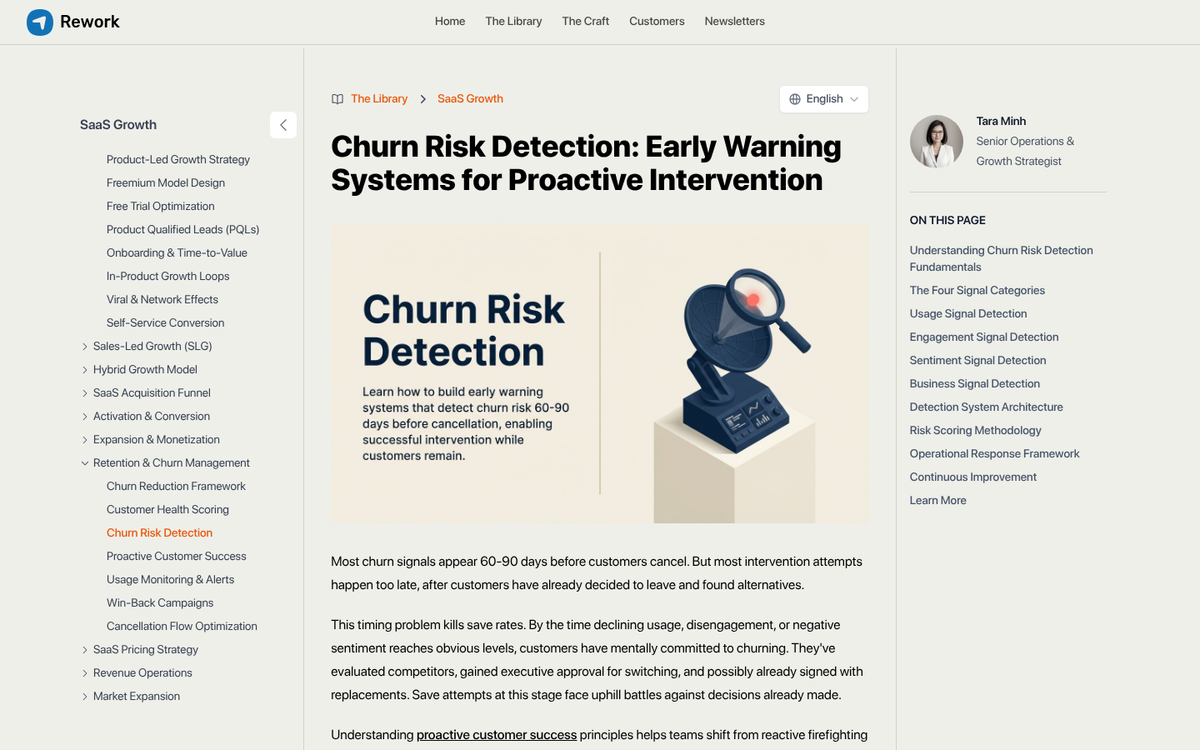
In 2026, UGC is one of the most cost-effective guerrilla tactics available. Encourage your users to share their results, stories, or use cases - on social media, in reviews, or directly with you. Feature that content prominently. Not only does it provide social proof at zero cost, but users whose content gets featured tend to become vocal advocates. Create a simple submission process, offer a small incentive, and let your community do a portion of your marketing for you.
14. Offer Retention Incentives
If a user goes through the process of cancelling their account, don't just let them go. Offer a stripped-down, lower-cost tier. Ask them what they actually used and why they're leaving. There's a real chance you can negotiate a version of the service that keeps them on board. A retained user at a lower price point is almost always more valuable than a churned user and the cost of acquiring a replacement. customer acquisition costs significantly more than retention.
15. Track Cancellation Signals Early
Most users who cancel will telegraph it well in advance. They stop opening your emails. They stop logging in. Their engagement drops to zero. Build monitoring for these signals into your retention workflow and trigger a re-engagement sequence before they ever reach the cancellation screen. A personalized outreach - especially one that acknowledges the drop in activity - can feel refreshingly human and pull people back in before they've mentally moved on.
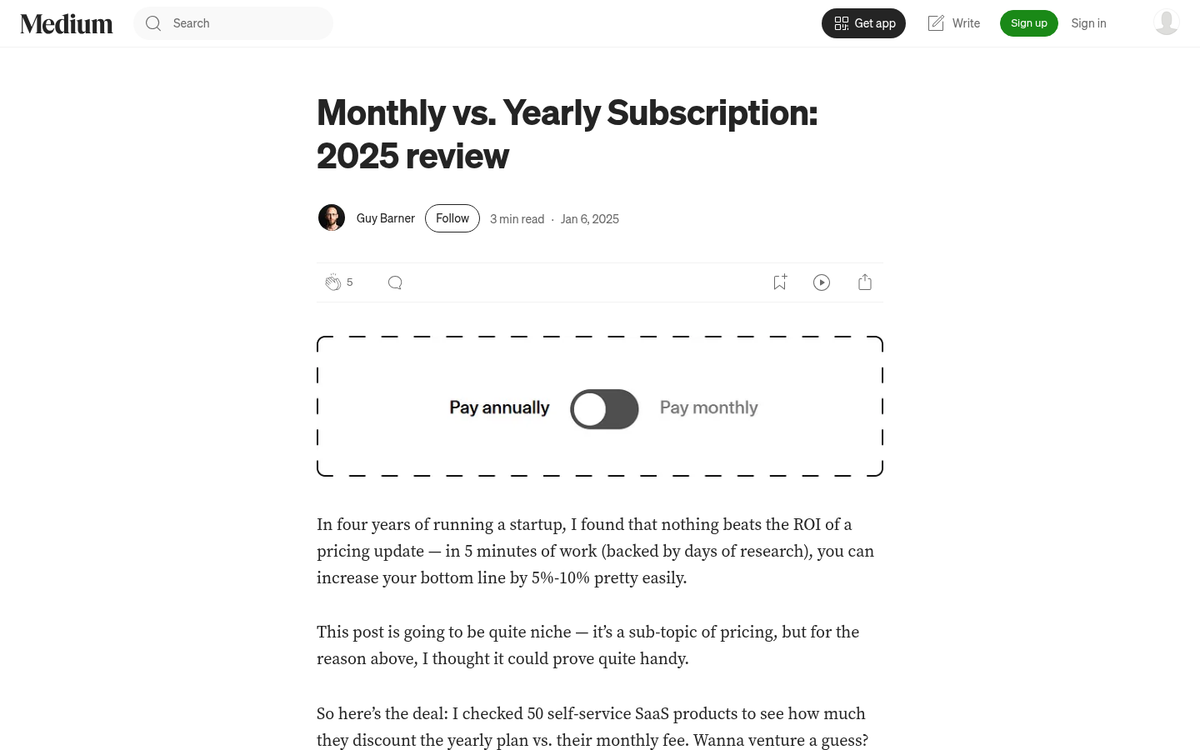
16. Offer an Annual Subscription
Annual plans remain one of the simplest ways to reduce churn and improve cash flow simultaneously. Users who pay annually are far less likely to cancel, and the upfront revenue gives you more breathing room to invest in growth. Price it so it represents a genuine saving - typically the equivalent of two months free - and make sure the offer is visible at the right moments in the user journey, not buried in your pricing page.