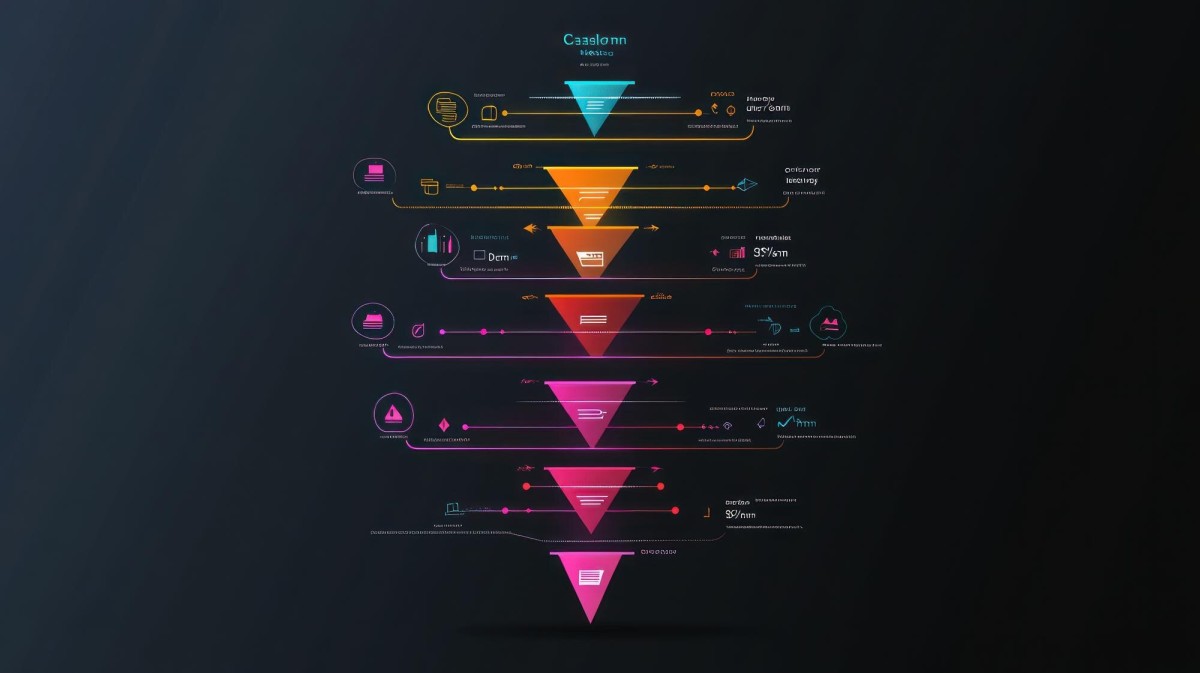
One of the biggest drop-offs in the standard marketing sales funnel is the jump between lead and conversion. It's easy to optimize turning traffic into leads, but turning leads into sales is incredibly difficult. A fool and his money are soon parted, but most consumers aren't fools, and they generally don't want to part with their money unless there's a really good reason. It's up to you to provide that good reason.
In fact, UpLead benchmark data shows B2B lead-to-customer conversion rates typically fall within a 2-5% range - meaning the vast majority of your leads will never convert without deliberate, strategic nurturing. Here's how to fix that.
Key Takeaways
- 73% of B2B leads aren't ready to buy on first contact, so nurturing steps matter more than immediate closing tactics.
- Responding to leads within five minutes makes you 21x more likely to convert them versus waiting 30 minutes.
- Tighter lead filtering outperforms high-volume, untargeted approaches - a smaller, qualified pool converts far more reliably.
- Specific, verifiable social proof like named case studies and third-party reviews outperforms generic testimonials buyers now distrust.
- Reducing friction in your conversion path - fewer steps, fewer form fields, one-click payments - directly increases completed purchases.
1. Always Have a Next Step
This is a technique that's easy to do, but often overlooked. You get so caught up in posting the benefits of your product, and all the data a user might need to decide to convert, that you forget to give them the next step in the process. When they arrive on your landing page, you have a clear call to action, right? Of course you do; it's rule number one of landing pages.
Treat every phase, every step in your marketing process, like you would a landing page. Make sure everything the user sees has the next step of the process built in. This includes everything from blog posts to email newsletters to special messages and direct communications. Always give them a button they can click or a link they can follow in order to make the purchase.
The trick is to avoid directly asking for money. The moment the user realizes money is part of the equation, they become more skeptical and more difficult to convert. Phrases like "buy now" are difficult to use for this reason. Do everything you can to get them to the conversion step before discussing money.
Keep in mind that Salesmate data shows 73% of B2B leads aren't ready to purchase on first interaction - so your next steps need to be nurturing steps, not just closing steps. Map out the full journey.
2. Abuse the Negative Bias
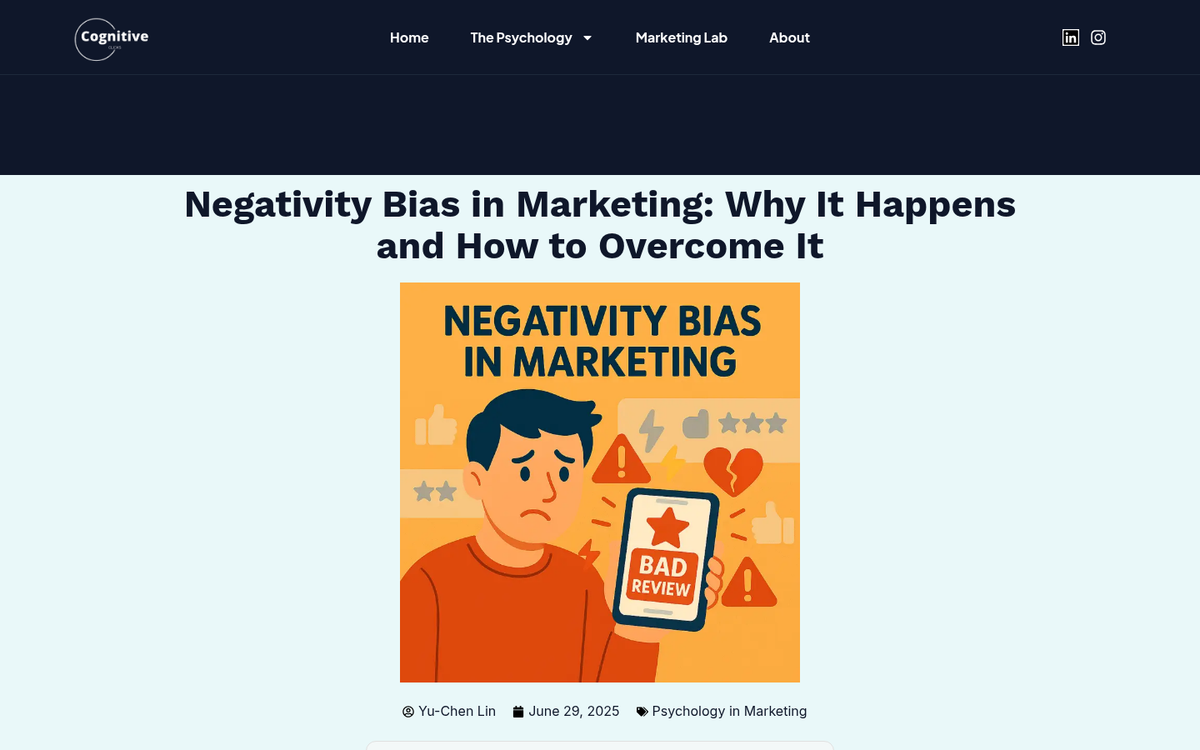
The negative bias is a phrase used in psychology. Essentially, it describes the human tendency to assign greater weight to negativity than positivity. It's why insults hurt more than compliments help. It's why negative reviews are given more weight than positive ones. It's why political attack ads are more effective and more memorable than positive ads.
How do you abuse this to your advantage? The easiest way is to surface the negativity your users already experience on a day to day basis - typically the exact problem your product solves. A cleaning service will remind users how dirty things can get, how harmful caustic chemicals can be, how time-consuming it is to do cleaning yourself. All of these examples bring that pain to the front of the user's mind and open the door for you to step in.
"All of that sucks, right? Good news! Our product can help you solve all of that and more. Just click here to find out how."
This technique has only become more effective in the age of social media, where emotionally charged content consistently outperforms neutral content in reach and engagement. Use it thoughtfully.
3. Take Advantage of Novelty

You know how you get used to a smell after a while and stop noticing it? That's a lack of novelty in action. A new smell gets immediate attention, while old smells fade into the background. The same principle applies to your product and marketing. If you have nothing new to announce, nothing fresh to promote, you're not going to attract new buyers - and you're going to lose existing ones.
This is why the SaaS world has embraced continuous product updates and public changelogs. Companies like Notion, Linear, and countless others drop regular update posts not just to inform users, but to re-engage them. Every new feature is a fresh reason to talk about the product, share it, and convert someone sitting on the fence.
If you're in a slower-moving industry, novelty can come from packaging, offers, content formats, or partnerships - not just product features. The key is keeping something fresh in front of your audience on a regular cadence. LinkedIn data suggests companies publishing around 15 blog posts per month generate roughly 1,200 new leads per month on average - consistent novelty in content form alone moves the needle significantly.
4. Why? Because!
If I tell you to buy my product, are you going to do it? Probably not, right? First, you'd want to know what my product is and what it does. Then you'd want to know why you should bother. That's why if I want to sell my product to you, I'll give you a reason.
Here's the secret: that reason doesn't have to be elaborate. All it has to do is sound plausible. Though good reasons convert better than bad ones, any reason converts better than no reason at all. Just look at the Xerox Experiment, wherein the reasons boiled down to nothing more than "just because" - and yet it worked.
In 2026, with AI-generated content flooding every channel, buyers are more skeptical than ever. That means your reasons need to be genuine and specific where possible. Vague value props get ignored. Concrete, believable reasons - even simple ones - still work.
5. Filter Leads Better
One of the leading causes of a low conversion rate tends to be an overly broad selection of incoming leads. If you're pulling in traffic through poorly targeted ads or scraped lists, you'll end up with a high volume of visitors and a conversion rate that barely moves.
The problem is that many of those people simply aren't interested in buying your product right now. This is the concept of lead qualification. The most qualified leads are those with clear purchase intent - they typically convert quickly and don't need much nurturing. It's the middle-of-funnel leads, the ones who are interested but not quite ready, that require thoughtful follow-up.
Every touchpoint that doesn't move a lead further along the funnel is a cost - in time, money, and attention. Tighten your targeting, refine your ad copy to repel bad fits as much as attract good ones, and build qualification into your intake forms and flows. A smaller, better-qualified lead pool will almost always outperform a massive, unfocused one.
6. Provide Informational Packages
In landing page optimization, experiments tend to go in two directions. Some sites have successfully increased conversions by cutting content down to the bare essentials and opting for a minimalist design. Others have increased conversions by dramatically expanding content, giving users more context before committing.
Whether this works depends heavily on what you're selling and who you're selling it to. If your audience already understands the product category, they don't need a primer. If you're trying to open up a new market or sell something genuinely unfamiliar, more information often wins.
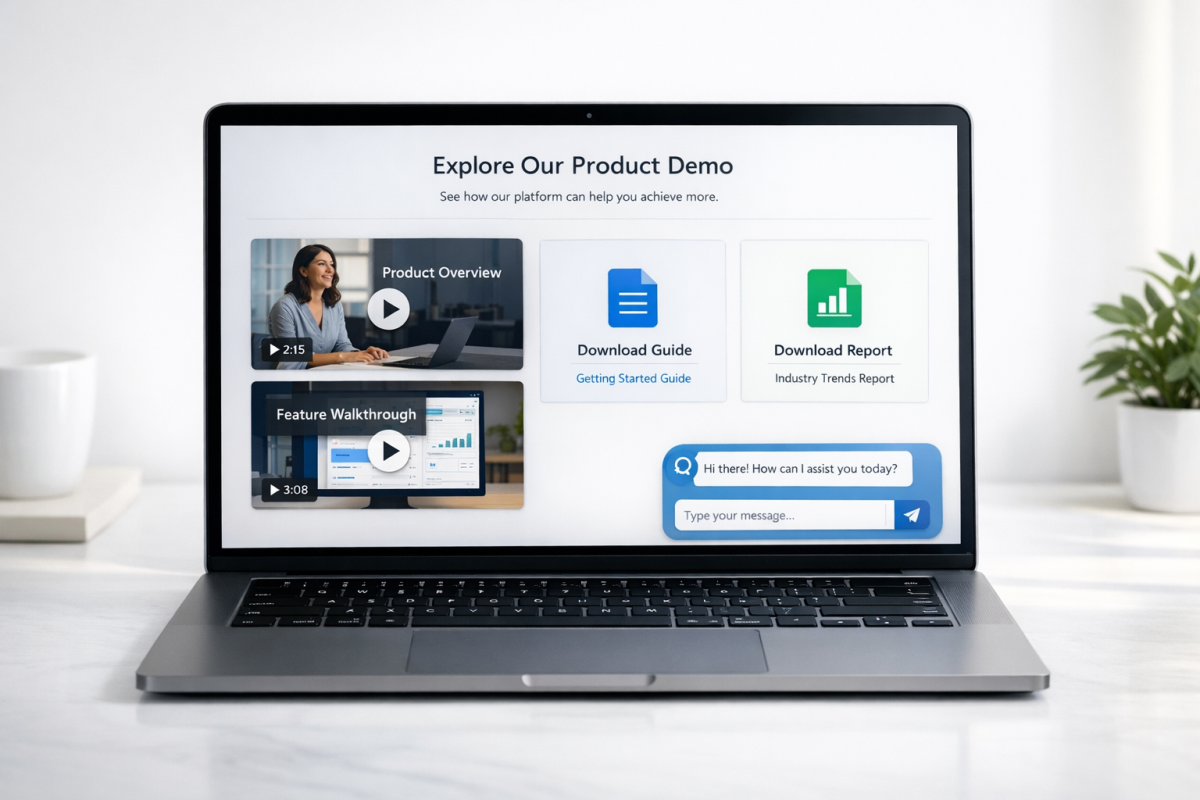
The ideal in most cases is a modular, self-serve information structure. Explainer videos, interactive demos, downloadable guides, FAQ sections, and comparison pages all give different buyers what they need at different stages of their journey. In 2026, interactive product tours and AI-powered chat have also become highly effective at delivering the right information at the right moment without overwhelming anyone. Don't force the information on the unwilling - just make it easy to find for those who want it, and consider other proven ways to increase sales from your landing page as well.
7. KISS: Keep It Simple, Stupid
If you had to move a heavy refrigerator up five flights of stairs to an apartment, how would you do it? Would you carry it on your back? Use a dolly? Take the freight elevator? When physical effort is involved, we instinctively look for the path of least resistance.
The same thing holds true for mental effort. If you need to accomplish a task online, you're going to look for the method that involves the fewest steps. The entire history of UX design is essentially a story of removing friction - fewer clicks, fewer form fields, fewer decisions, fewer distractions.
Look at your conversion path right now. How many steps does it take to go from "I'm interested" to "purchase complete"? Every unnecessary step is a dropout point. Streamline checkout, reduce form fields to the minimum required, offer guest checkout, support one-click payment options like Apple Pay and Google Pay, and make sure your mobile experience is as smooth as desktop. The less cognitive and physical effort required to buy, the more people will.
8. Respond Faster
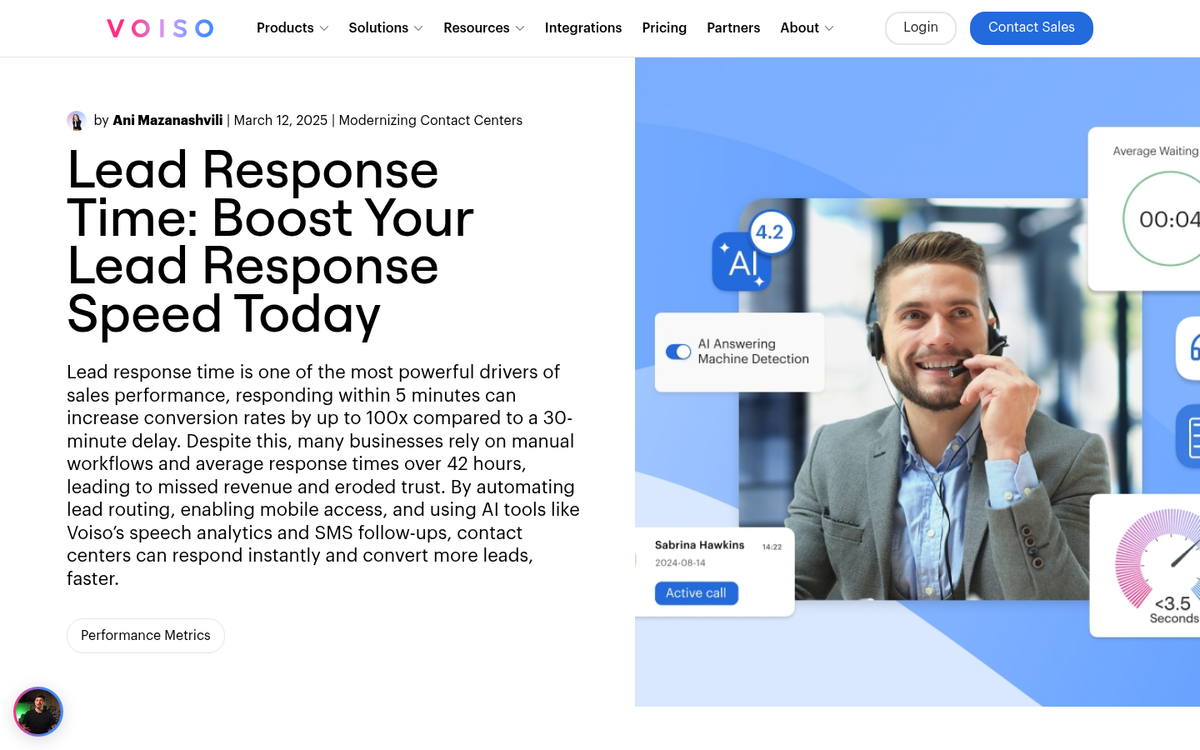
This one has gotten more urgent, not less, since the data started coming in. Harvard Business Review found that firms contacting prospects within one hour were roughly 7x more likely to qualify them versus those who waited longer. But it goes further than that - responding within the first five minutes makes you 21x more likely to convert a lead versus waiting 30 minutes. The chance of qualifying a lead drops 80% after just five minutes of inactivity.
If those numbers seem extreme, consider what's happening on the lead's end. The moment someone fills out a form or sends an inquiry, they're at peak interest. Every minute that passes, that interest cools, they get distracted, or a competitor reaches them first. In fact, 78% of B2B customers buy from the first vendor to respond.
Responding within the first minute can boost conversions by as much as 391%, according to available benchmarks. The good news is that automation makes fast response more achievable than ever. AI-powered chat tools, automated email sequences, and lead routing systems can get an intelligent, personalized first response out in seconds. Whatever your current response time looks like, cut it dramatically - it may be the single highest-ROI change you make.
9. Create a Common Enemy
Humans are tribal by nature. We bond faster and more strongly over shared opposition than almost anything else. Smart brands have long known this and used it deliberately in their positioning.
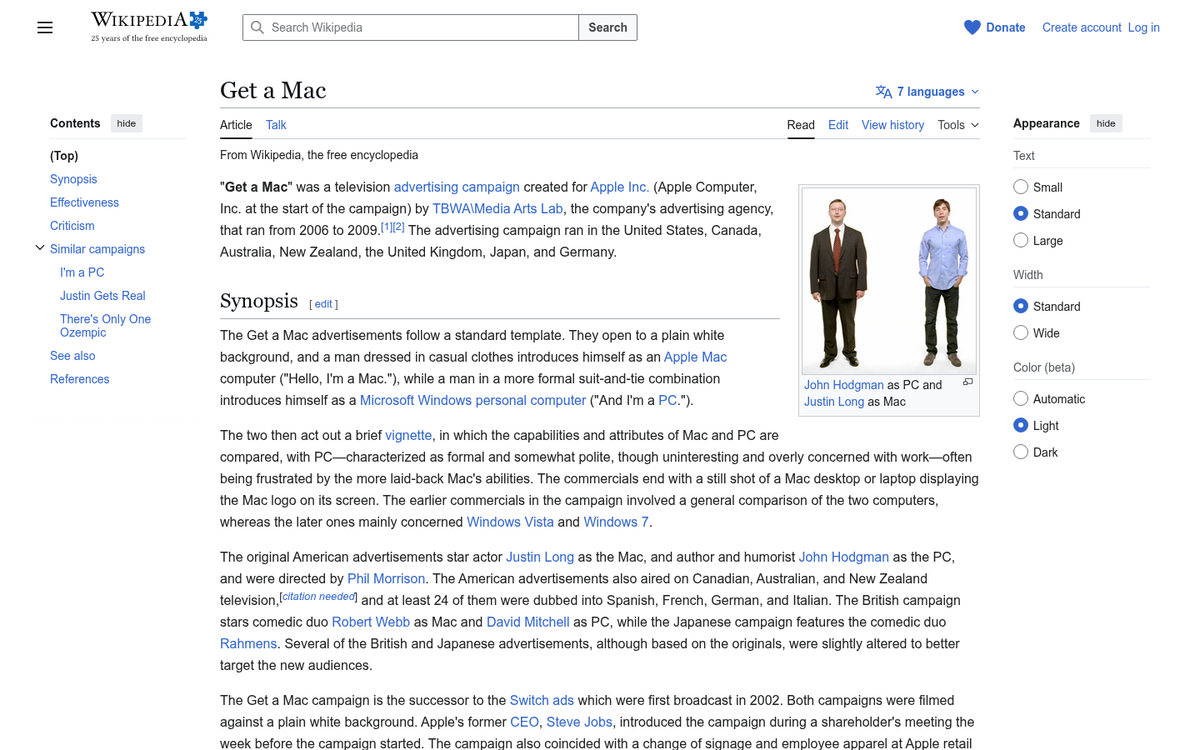
Apple did it with the Mac vs. PC campaigns and the ongoing iPhone vs. Android narrative. Basecamp built much of its brand identity around opposition to bloated enterprise software culture. Many cybersecurity companies position "the hackers" or "data brokers" as the villain - giving customers a clear enemy to rally against while buying the product.
The key is choosing your enemy carefully. The best enemies are concepts, behaviors, or systems - not people or groups. "Wasted time," "clunky legacy software," junk fees, "boring meetings" - these are enemies that unite buyers without alienating anyone. The moment you wade into territory with genuine political or social fault lines, you risk fracturing your audience rather than uniting it. Pick a villain your customers already resent, then position your product as the hero that defeats it.
10. All Aboard the Hype Train
How many units did Cyberpunk 2077 sell on preorder before anyone had played a finished version? How many people had Apple Watch pre-orders in before the product shipped? How many people signed up for waitlists before they ever touched the product? Anticipation is a powerful commercial force - and it's one you can engineer deliberately.
Building hype before a launch isn't just for blockbuster video games or consumer tech giants. Even small businesses and SaaS startups can run effective pre-launch campaigns. Tease features, share behind-the-scenes development updates, run a waitlist with social sharing incentives, and give early access to a small group of enthusiastic users who will spread the word.
One of the most consistently effective tactics is seeding your product with industry influencers and credible voices before launch. Get them using it, talking about it, and creating content around it - and half your launch work is done before you flip the switch. In 2026, micro-influencers with highly engaged niche audiences often outperform big-name endorsements for this kind of pre-launch activation.
11. Waiter, My Pudding is Full of Proof!
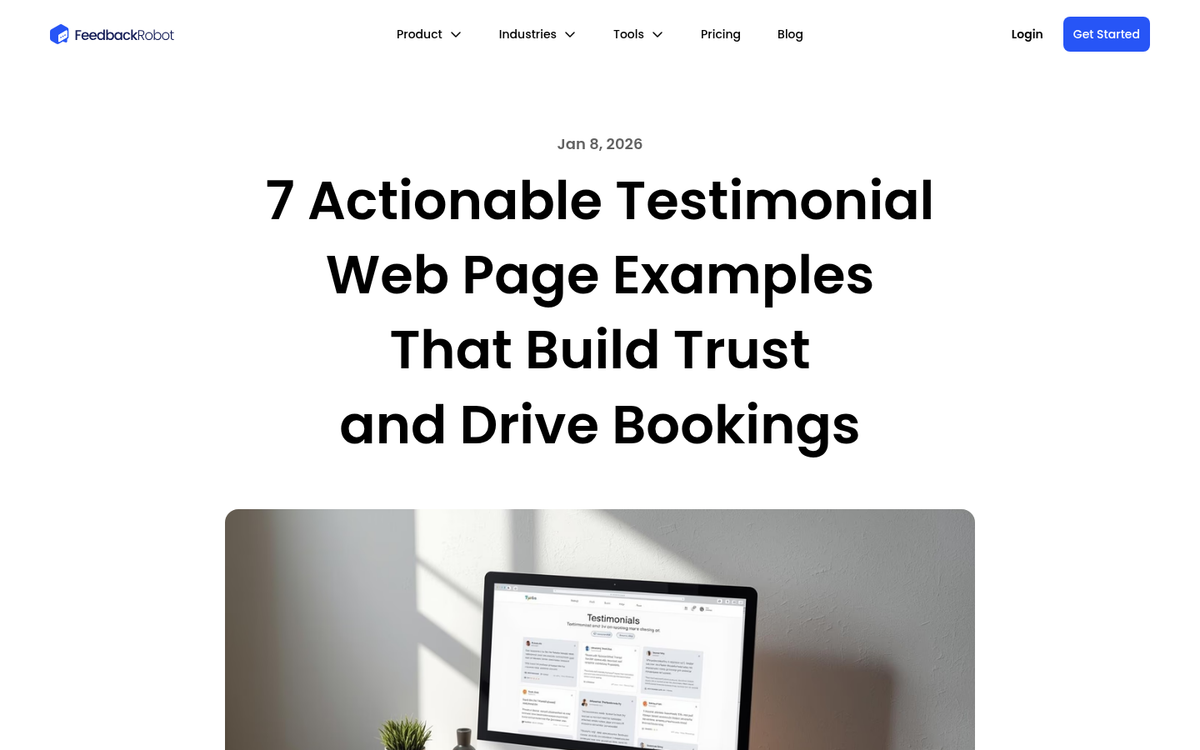
Social proof has always mattered, but the standards have risen considerably. In 2026, buyers are more skeptical of generic testimonials than ever - they've seen too many obviously fake five-star reviews, too many stock-photo customer quotes, and too many inflated claim badges.
The forms of proof that actually move the needle today are specific, verifiable, and ideally third-party validated. That means detailed case studies with real numbers, named customers willing to go on record, verified review platform scores from G2 or Trustpilot or Capterra, video testimonials, and logos from recognizable clients. Payment pages still benefit from security trust badges, and landing pages benefit from concrete social figures - not vanity metrics, but meaningful ones.
People still operate with a herd mentality - it's deeply wired in. But in 2026, the herd is harder to impress. The bar for credible proof is higher. If your testimonials could have been written by AI (and plenty of fake ones are), they won't move anyone. Real, specific, human proof is more valuable than ever precisely because it's become harder to fake convincingly.
12. Comparison Shop Yourself
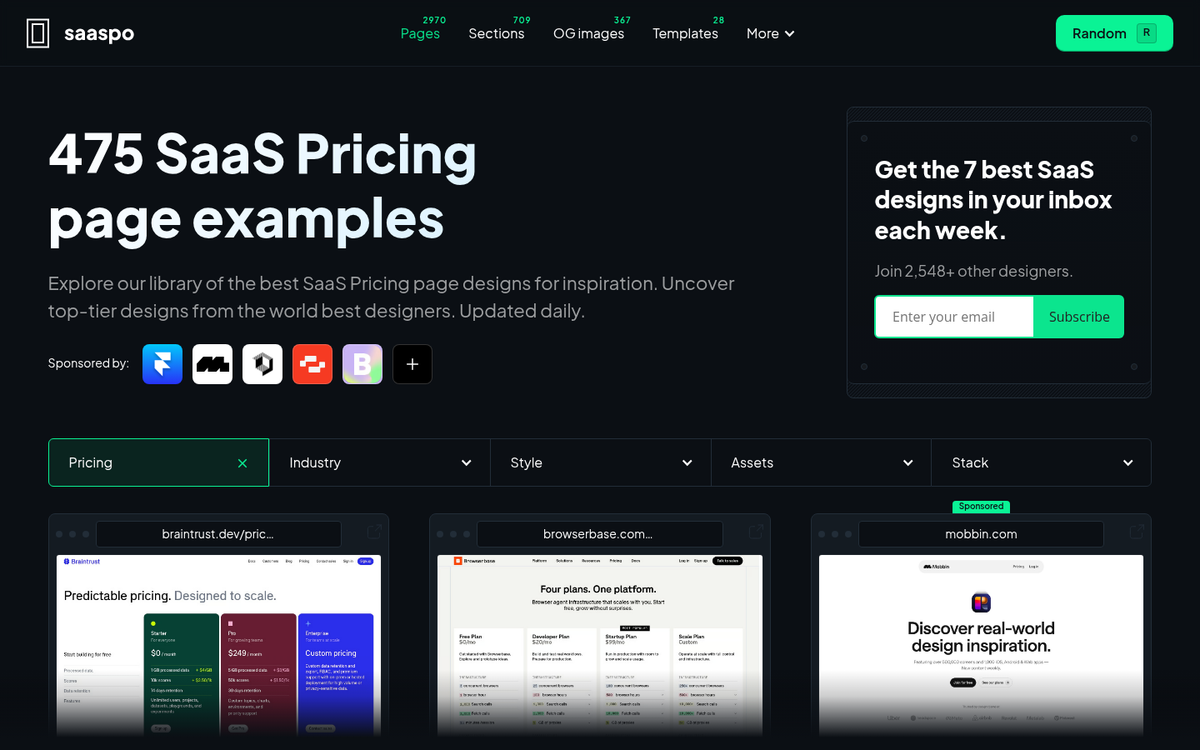
How often have you seen a product listed at $200, now on sale for $75, with a timer counting down? How often have you felt that pull - the urgency to act before the deal disappears? The anchoring effect is real, and it works.
The honest version of this is still highly effective. Tiered pricing does the same job without the sketchiness of an invented "original price." When you offer three packages - say, a basic plan at $29/month, a professional plan at $79/month, and an enterprise tier at custom pricing - you're doing something clever. The middle tier suddenly looks like a bargain compared to enterprise, and far more capable than basic. Research on decoy pricing consistently shows that the middle option in a three-tier structure captures the majority of conversions.
You're not lying to anyone. You're just structuring choices in a way that makes the outcome you want feel like the obvious, rational decision. Most SaaS companies have figured this out and built their entire pricing pages around it. If yours isn't structured this way yet, it's worth testing - and pairing it with effective website calls to action can push those results even further.
13. My Strange Addiction: Significance
Have you ever stared up at the night sky and wondered what it all means? Here's a tip: don't make your customers do that. People crave recognition, validation, and the feeling that they matter. It's up to your brand to make them feel that way at every touchpoint.
This shows up in customer service, obviously - being genuinely responsive, helpful, and human when customers have questions or problems. But it also shows up in the little things: remembering preferences, personalizing communications, acknowledging loyalty, and treating customers like intelligent adults rather than targets to be processed.
In 2026, AI has made personalization at scale genuinely achievable for businesses of all sizes. There's no excuse for blasting every lead with the same generic drip sequence. Segment your audience. Tailor your messaging. Make people feel like you actually understand their situation. Customers who feel seen and valued don't just convert - they stick around and refer others. If you're struggling with this, understanding why your website traffic isn't converting into customers is a good place to start.
14. Capitalize on Current Events
The news cycle has always been fast, but in 2026 it moves at a pace that would have seemed absurd even five years ago. A topic dominates feeds for 48 hours and is largely forgotten by the following week. That's both a challenge and an opportunity.
People react to new, emotionally resonant events - whether that's an economic shift, a regulatory change, a viral cultural moment, or a major industry development. If your product or service is genuinely relevant to what's happening, riding that wave with timely content, offers, or messaging can dramatically boost your visibility and conversion rate.
The key word is "genuinely." The brands that get burned are the ones visibly reaching for a connection that isn't there - using a tragedy to sell apparel, or shoehorning a political crisis into a product promotion that has nothing to do with it. If the connection is real and the execution is tasteful, capitalizing on current events is smart marketing. If it's a stretch, skip it.
15. Test and Optimize the Funnel

At some point, you need to back off from the theory and get into the practice. You need to implement some of the changes listed above, and you need to do it in a way that can be measured and tracked. That means split testing - and doing it rigorously.
The concept is simple: take two identical scenarios, change one variable, expose both to equal and statistically meaningful traffic, and measure which performs better. Adopt the winner as your new control, then test the next variable.
In practice, modern testing tools let you run multivariate experiments at scale - but the discipline of only changing one variable at a time (or properly accounting for interactions when you don't) remains essential. Without that discipline, you end up with results you can't interpret and decisions you can't defend.
What can you test? Here are a bunch of ideas, and the best way to measure your results will matter just as much as what you choose to test.