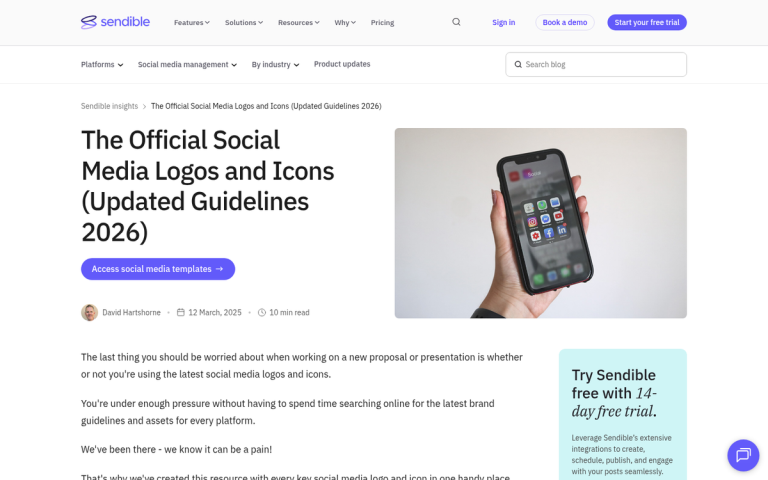
Bloggers and website owners are always looking for new sources of traffic. All the major sources are covered in depth elsewhere, and it should come as no surprise that social media platforms like X (formerly Twitter), Instagram, and TikTok are great for generating traffic. Chances are good that you'll know a few of the traffic sources on this list, but you probably won't recognize them all.
Key Takeaways
- Email notifications remain extremely high-ROI, generating $36-$42 per dollar spent, making them essential for driving repeat traffic.
- Reddit and niche forums offer significant traffic potential, but require genuine community participation rather than overt self-promotion.
- Pinterest functions as a visual search engine with long-lasting pins, making it one of the most underrated blogger traffic sources.
- Repurposing content into videos, slides, podcasts, or documents extends reach across multiple platforms with minimal extra effort.
- Niche newsletters on Substack and Beehiiv have highly engaged audiences; a single mention can drive meaningful, targeted traffic.
1. Email Notices

Your newsletter is important, but not just in the way you think. Create a secondary mailing list and allow people to opt in to notices for new posts. Whenever you upload a new post, on your site or as a guest post elsewhere, send a notification out to people on that list. You can automatically opt-in your current mailing list and send them a notification allowing them to unsubscribe if they don't want to see so many updates. You can also create a weekly or monthly digest of posts you've made, for people who want to stay up to date but don't want daily messages. Email marketing continues to be one of the highest-ROI channels available, generating an average of $36 to $42 for every dollar spent - so don't sleep on this one.
2. RSS Feeds
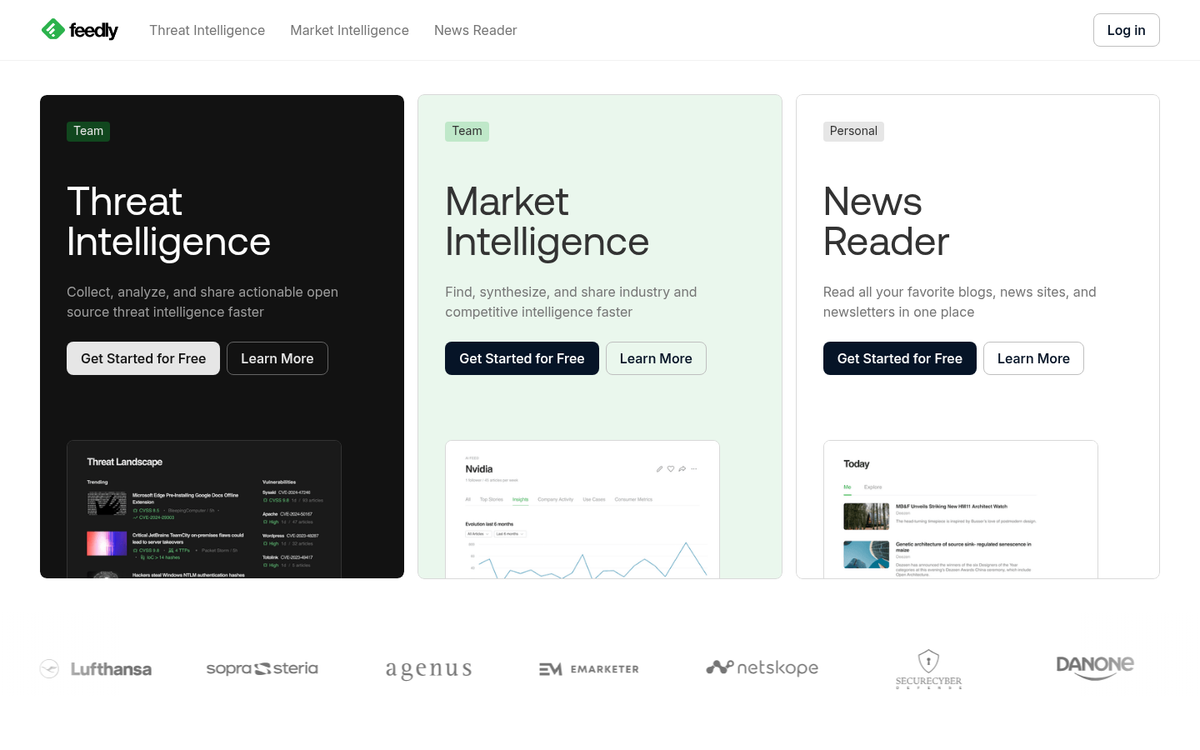
RSS isn't dead - it's just less mainstream. Pick an RSS service of your choice and set up a feed for notifications whenever you publish a new post. This works in much the same way as email notifications, but aggregates in one location alongside anything else the RSS user chooses to follow. Tools like Feedly remain popular among dedicated readers and content curators, and getting picked up in someone's Feedly feed can mean consistent, recurring traffic from a highly engaged audience. If you're unsure which service to use, check out the pros and cons of using Feedburner for your RSS feeds, or learn how to use an RSS aggregator for traffic generation.
3. Guest Blogging

Guest blogging is still perfectly viable, with one caveat: don't shoehorn your link into every post you make. Typically, the owner of the blog will point a link your way to inform their users about where you come from, and that's really all you need. If your content stands up on its own, it will serve the purpose of getting people to click through to read more from you as the author. Companies that blog consistently get 97% more inbound links to their websites, so every guest post you land is an investment in long-term authority and referral traffic.
4. Industry Forums and Communities
You might be surprised at the niche communities you can find online. Every industry has enthusiasts, and enthusiasts create forums and communities to gather like-minded people in the same place. Beyond traditional forums, platforms like Discord, Slack communities, and Circle have become major hubs for niche audiences. Locate these communities and do what you can to find a place within their ranks. Some will have strict rules about posting your links, while others will welcome your presence and allow you to contribute freely.
5. Reddit
Reddit remains one of the most powerful and underrated traffic sources available. Virtually anything you could think of has a subreddit, and there are very likely several subreddits of varying sizes for you to find a place within. The key is the strict culture against overt self-promotion. You need to put forth your best public face and use the site as a genuine user, not as an advertiser. When you post links, it should be for the good of the community, not just for the business. Reddit's influence on Google rankings has also grown significantly, with Reddit threads now regularly appearing in Google's top results - making community participation even more valuable.
6. Industry Aggregators
Many industries have blogs that, while they don't produce a lot of original content themselves, have turned into very good aggregators and curators of external content. Your goal with these sites is to get a place in their lists. When you post something new, these sites should pick it up and run with it for you. Reach out proactively to the editors of these aggregators - a quick email introducing yourself and your content goes a long way.
7. Commenter Links
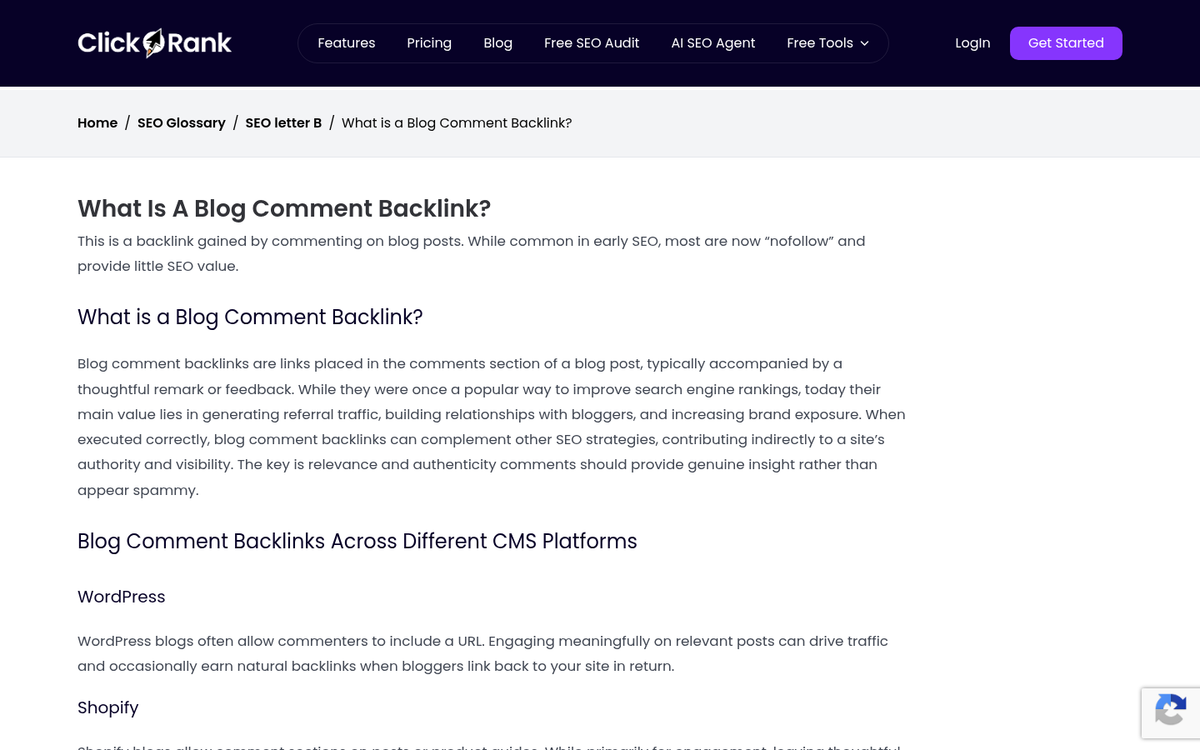
No, not comment spam links. You shouldn't be going out and seeking comment sections to throw your link into. Instead, build a community around your own blog comments. At least some of the people who comment on your blog will be bloggers themselves, and some of those bloggers will be willing to post your link on their site. Your goal is to identify these people and build genuine relationships with them. Replying to website comments is one way to nurture those connections, and in 2026, this kind of relationship-building is more valuable than ever as Google continues to reward authentic, earned backlinks.
8. Video Platforms
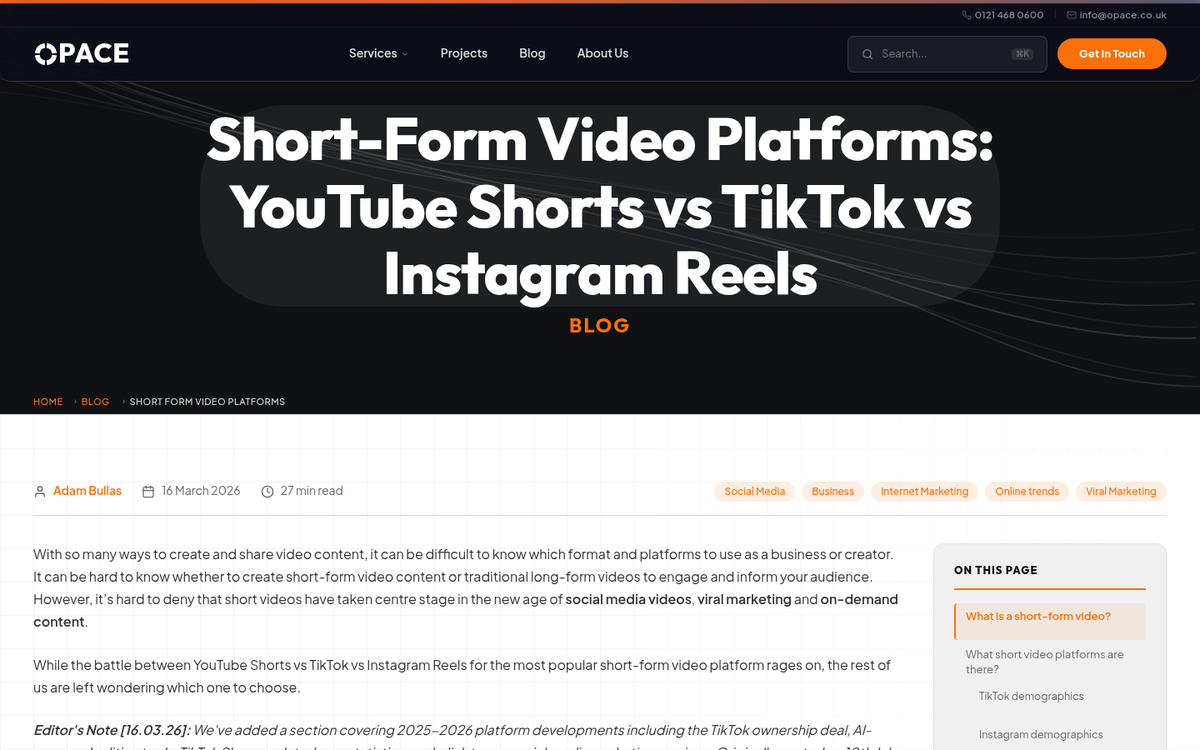
YouTube remains the dominant video platform and an essential traffic source - Google Sites, which owns YouTube, reaches over 258 million U.S. viewers alone. But it's far from the only option. TikTok, Instagram Reels, and YouTube Shorts have all become powerful short-form video channels that can drive significant traffic spikes. According to a 2024 Coveo survey, 73% of shoppers discover products on social media, and 18% then navigate to the retailer's website. Repurpose your content across multiple video platforms rather than putting all your eggs in one basket.
9. Image and Visual Platforms

Pinterest is one of the most underrated traffic drivers available to bloggers and content creators in 2026. Unlike Flickr or Imgur, Pinterest functions as a visual search engine, and pins have an exceptionally long shelf life compared to other social posts. A single well-designed pin can drive traffic for months or even years. Create branded, vertical images for each of your posts and pin them consistently. You can also explore ways to drive traffic from Pinterest to maximize your results. Instagram is also worth exploring for visual content, particularly when you use it to funnel followers toward a link in your bio or through Stories.
10. LinkedIn Articles and Newsletters
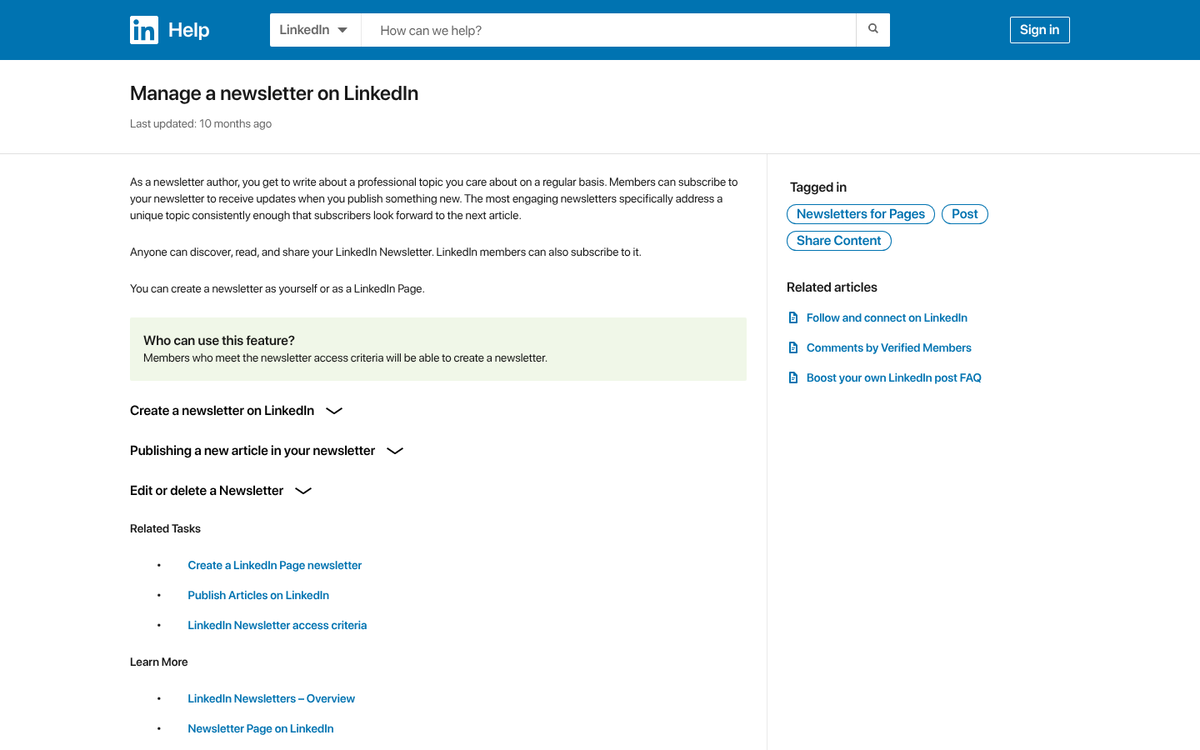
LinkedIn has matured significantly as a content platform. Beyond just sharing links, LinkedIn's native article and newsletter features allow you to publish long-form content directly on the platform, reaching a professional audience that may not find you otherwise. LinkedIn newsletters in particular have seen strong organic reach, with subscribers notified directly when you publish. If your niche has any professional or B2B angle, LinkedIn should be a core part of your traffic strategy.
11. Quora
Quora can be considered something like a cross between a traditional forum and a curated knowledge base. It's a valuable resource for questions and discussion, with a higher threshold for quality than many alternatives. Participate genuinely, answer questions in your area of expertise, and include links where they add real value for the reader. Quora Spaces also allow you to build a following around a specific topic, giving you another channel to share your content with an engaged audience.
12. Podcasts and Podcast Directories

If you're not producing a podcast yet, 2026 is a great time to start. Podcast listenership has continued to grow year over year, and directories like Apple Podcasts, Spotify, and Amazon Music all allow you to include links back to your website. Even short-form audio content can build a loyal following and funnel listeners back to your blog for deeper dives on the topics you cover. You don't need a professional studio setup - consistency and genuine value matter far more than production polish. If you're also distributing an app alongside your podcast, check out this list of app directories to submit your mobile app to for additional exposure.
13. SlideShare and Presentation Content
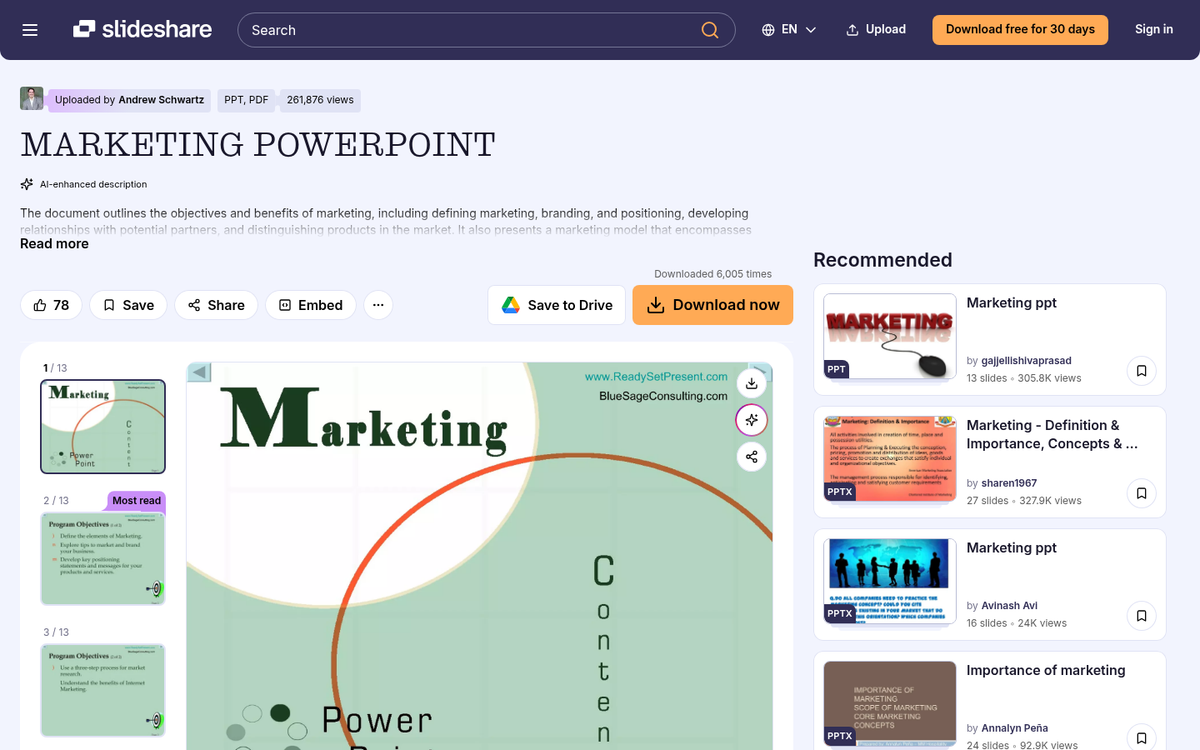
SlideShare, now part of Scribd, is a way of presenting information in slide format - think PowerPoint or Google Slides. Imagine taking each point in this article and converting it into a single slide. Add a title slide and a closing slide with links to your site and you have a ready-made SlideShare entry. Presentation content tends to get shared within professional networks and often ranks well in search, giving you an additional organic traffic channel with relatively little extra effort.
14. Scribd and Document Sharing

Scribd has grown into one of the largest content platforms on the web, with tens of millions of monthly users. It's an aggregator for ebooks, articles, whitepapers, and guides - ranging from major publishers to individual contributors. Repurpose your best long-form blog posts into downloadable documents, upload them to Scribd, and include clear references back to your site. It's a low-effort way to extend the reach of content you've already created.
15. Niche Newsletters and Content Curators
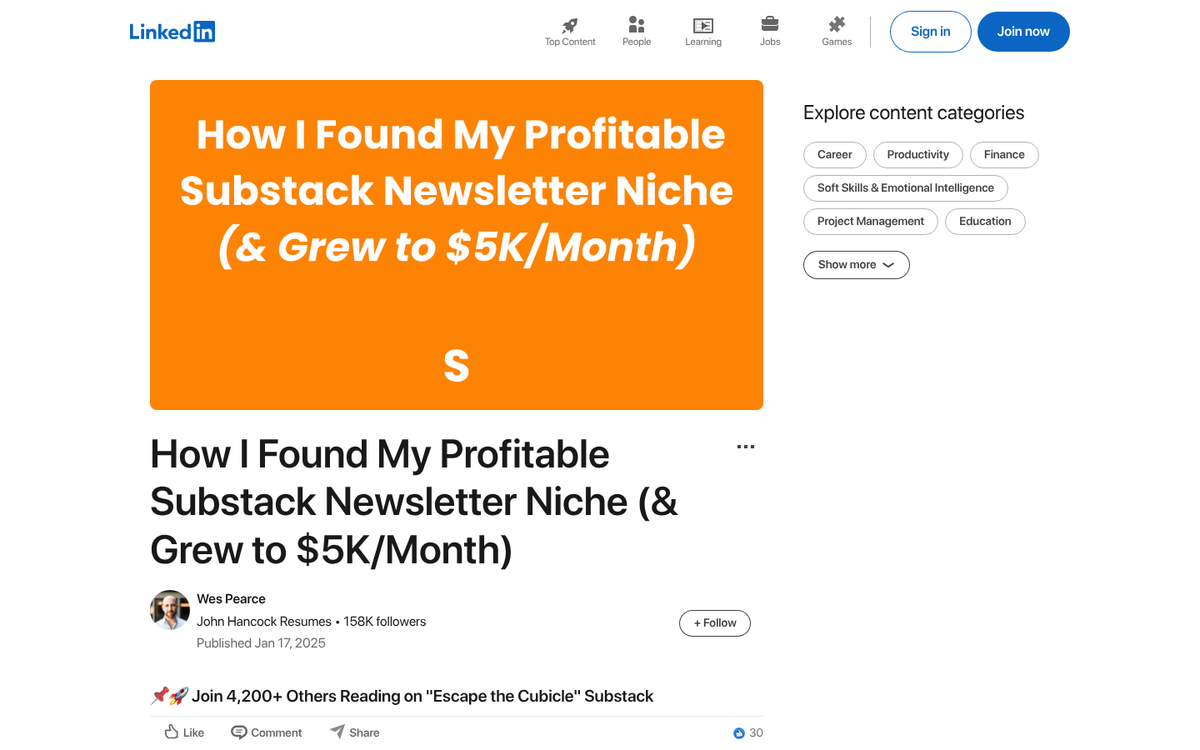
The newsletter renaissance is real. Platforms like Substack and Beehiiv have given rise to thousands of niche newsletters with highly engaged, loyal audiences. Getting a mention or a link in one of these newsletters - even a smaller one with a few thousand subscribers - can drive meaningful, targeted traffic. Identify the newsletters in your niche, read them consistently, and reach out to the writers with genuinely useful content. Keep in mind that only 22% of website traffic comes from users typing URLs directly into browsers, which means getting in front of people through trusted curators is more important than ever.